
The mushroom reference that puts safety first
Built so a curious beginner and a seasoned forager can both trust every page, because with mushrooms, being wrong has consequences.
Mushrooms are unlike almost any subject we could write about. Get one identification wrong and a person can end up in the hospital, or worse.
That single fact shapes every page here. If an identification is uncertain, leave the mushroom out of your meal.
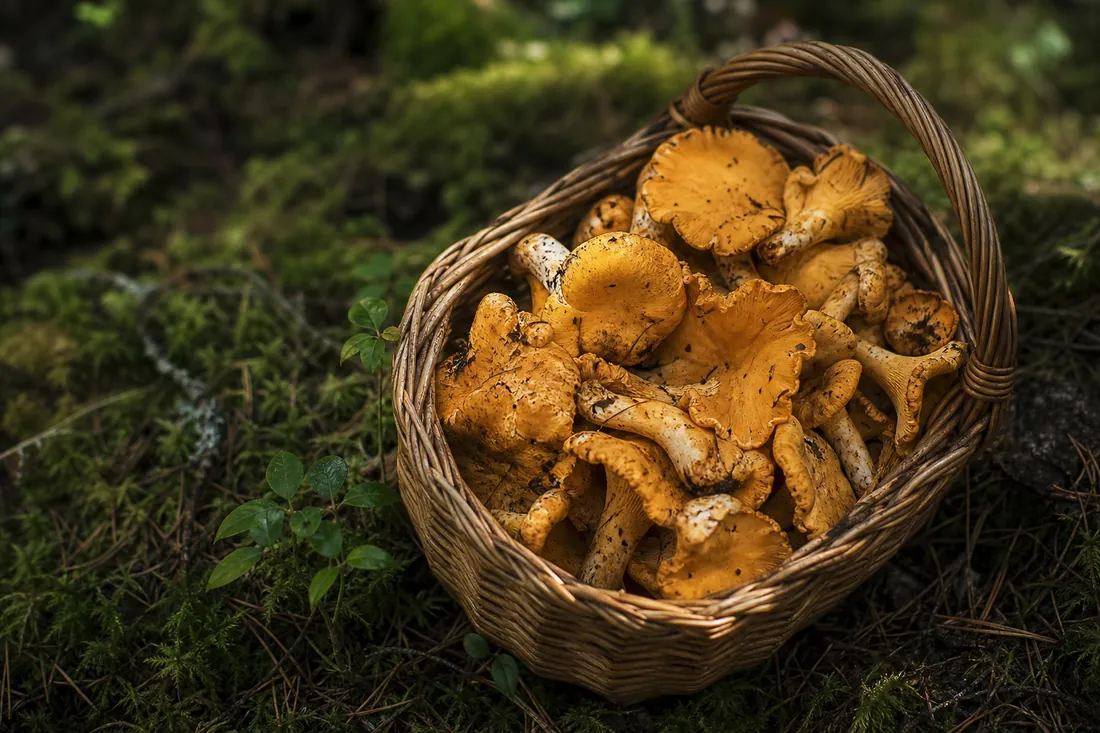
Why we lead with safety
Most food writing can be a little wrong and cost you nothing worse than a dull dinner, but mushrooms give no such margin.
The distance between a choice edible and a deadly death cap can be a ring on the stem or a cup at the base. Miss it and the pan will not save you.
The worst toxins survive cooking, drying, and freezing.
So we treat every edibility call as a safety call. Our safety information includes dangerous lookalikes and independent review by a mycologist.
When the sources disagree, we rate down and say why.
Three readers, one standard
Whether you are checking a mushroom in the yard or planning a forage, start with the safety facts and seek expert help when an identification is uncertain.
The worried parent
Found a mushroom in the yard and needs to know, fast, whether it is a threat to a child or a dog. Find emergency contacts and advice on keeping children and pets away from unidentified mushrooms.
The forager
Wants to expand a basket safely. We give the field marks and the lookalikes that separate a prize from a hospital trip.
The cook and grower
Wants flavor and a home harvest. We cover cultivation, cooking, and substitutes, always starting from a mushroom you can trust.
Six ways to explore mushrooms
Learn to recognize mushrooms, understand their risks, plan a forage, grow a crop, and cook your harvest. For medicinal uses, compare the research with the claims on the label.
Identify
Feature-by-feature ID and the lookalikes that send foragers to the hospital.
ExploreEdibility & Safety
Edibility ratings from choice edible to poisonous, with preparation cautions and dangerous lookalikes.
ExploreForaging
The rules, seasons, and field skills for picking without gambling.
ExploreGrowing
Grow gourmet mushrooms at home, from substrate to harvest.
ExploreCooking
How to clean, cook, and pair every edible species safely.
ExploreMedicinal
What the research actually says about functional mushrooms.
ExploreFrom a specimen to a page you can trust
Fix the identity
We pin the accepted scientific name and family against MycoBank and Index Fungorum before writing a word.
Describe the field marks
Cap, gills or pores, stem, spore print, habitat, and smell, from field guides and vetted observations.
Rate conservatively
When sources disagree or a lookalike exists, we rate down and flag the risk rather than up.
Have a mycologist check it
A qualified reviewer signs off on every identification and safety page before it publishes.
What you can count on
Three commitments guide every page we publish. If we ever fall short, tell us and we will fix it.
- Safety before the harvest. We would rather tell you to throw a mushroom out than risk a wrong call.
- Sourced, not guessed. Taxonomy and edibility trace to MycoBank, Index Fungorum, and iNaturalist.
- Expert-reviewed. A qualified mycologist signs off on every safety page.
What you will not find here
No hype, and no guessing dressed up as fact.
An edible species can have poisonous lookalikes. Check the identification and preparation requirements before considering it for food, and seek expert help whenever the evidence is uncertain.
Where a species is risky, we say so plainly and early. That is what a safety-first reference means: the caution comes before the recipe, not after it.
Read before you forage
Our safety disclaimer, editorial policy, and sources explain exactly how far this information goes, and where it stops.
Safety disclaimer