
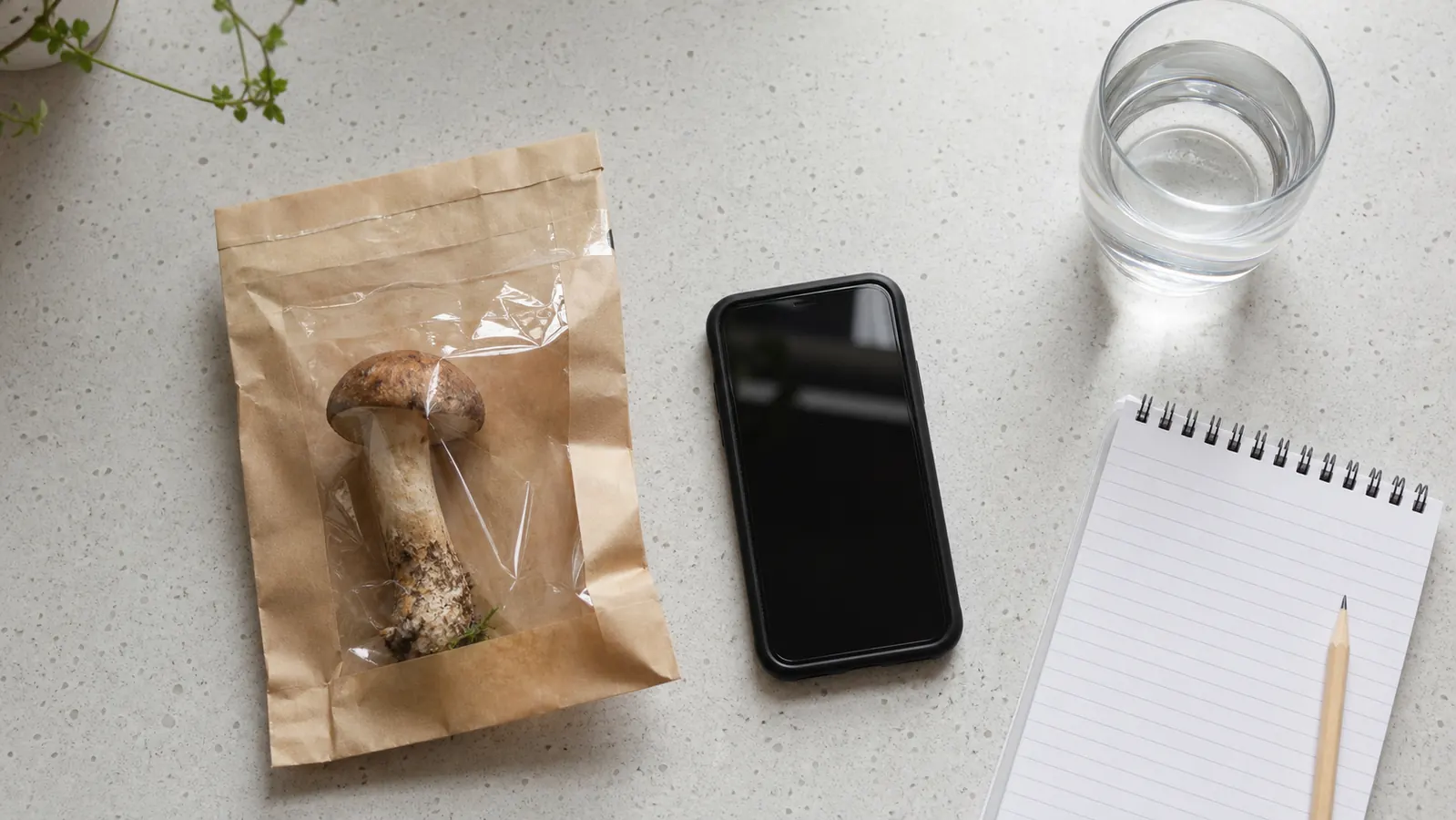
Mushroom poisoning does not look the same in everyone, but the clock does most of the talking. When symptoms start tells you more about the danger than how bad they feel right now.
How soon do mushroom poisoning symptoms start?
The single most useful thing you can track after eating a wild mushroom is time. Write down the moment of the meal and the moment symptoms began, because that gap guides everything doctors do next.
Fast symptoms often come from less lethal stomach irritants, while the most dangerous toxins may wait until after midnight to announce themselves. The timing table below separates those windows, but feeling well for several hours is never proof of safety.
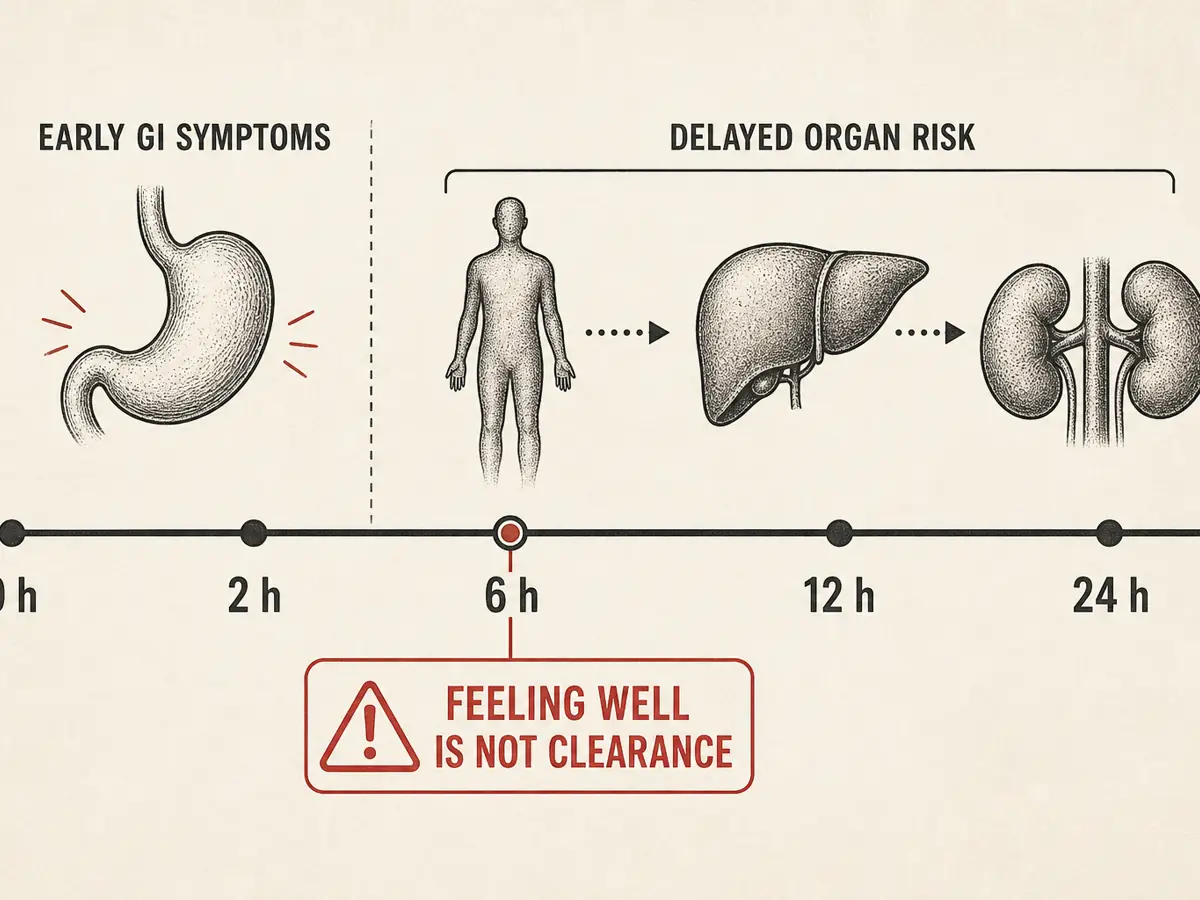
You do not need to name the toxin because the symptom window and severity already help poison specialists, and mushroom poisoning first aid begins with an early call.
People who shared one dish may become ill at different times because portion size, body size, and individual response differ. Track every diner and record the meal time and symptom onset instead of declaring the quiet person safe.
SafetyFirst Aid for Mushroom Poisoning Starts With One CallBuild an exposure timeline for the call
Write down the meal time, first symptom, each change in symptoms, and every person who shared the mushrooms. Portion size and individual response differ, so one diner becoming sick early cannot clear the person who still feels well.
Describe whether exposure came from wild collection, a restaurant, home cultivation, a supplement, or packaged food, then retain the label, receipt, material, or clear photographs for the poison specialist.
Tell the poison specialist about children, pregnancy, existing liver or kidney disease, medicines, and any attempt to treat symptoms at home. This information helps the clinician assess risk, but the call should happen before the record is perfect.
Keep the timeline running after symptoms ease because a false recovery can separate the gastrointestinal phase from later liver injury. Record new abdominal pain, urine changes, yellowing, confusion, or unusual sleepiness and report them immediately rather than waiting for the next scheduled call.
A shared meal needs one line per diner, including people with no symptoms, because portion size and onset can differ.
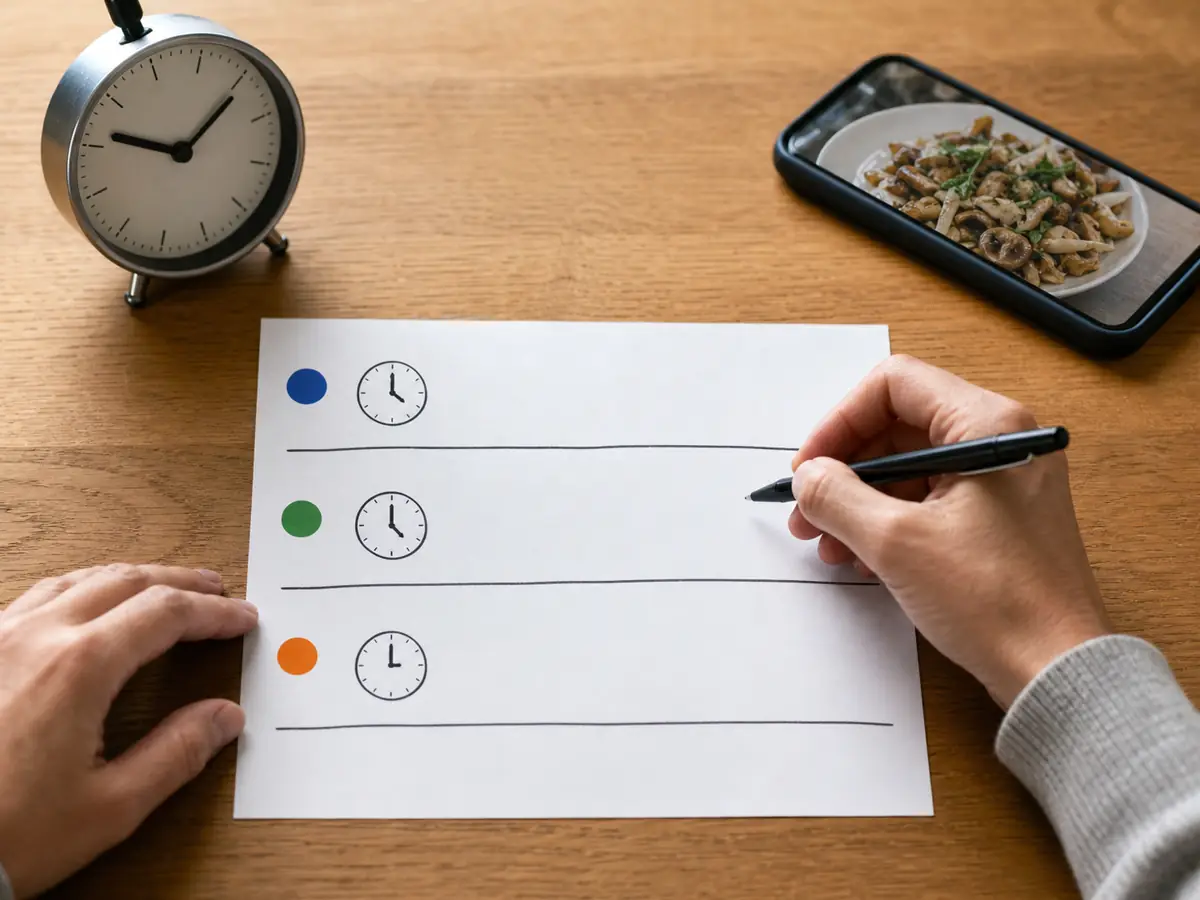
A mixed-species dish makes the clock harder to interpret because an early irritant can cause symptoms before a second toxin begins damaging organs. Tell poison control that several wild mushrooms entered the meal rather than assigning the first symptom to one assumed species.
SafetyDeadly Mushrooms: The Most Lethal SpeciesEarly symptoms in the first few hours
Most mushroom reactions show up in the first one to three hours, and most of them are your gut trying to throw the problem out. Expect nausea, stomach cramps, vomiting, and diarrhea.
Early vomiting and diarrhea often come from gastrointestinal irritants and resolve with medical guidance, rest, and fluids. Call for advice anyway because symptoms alone cannot exclude a more dangerous toxin or a mixed-species meal.
Fast stomach symptoms start the observation clock without ruling out later organ injury from a dangerous species or a mixed-mushroom dish.
Muscarine poisoning can begin within 15 minutes to 2 hours with heavy sweating, drooling, watering eyes, blurred vision, and a slow heartbeat. Sudden wet secretions are a specific reason to seek urgent care, and poisonous mushroom risks explain why fast symptoms can still become serious.
Do not suppress vomiting or diarrhea with over-the-counter medicine unless a clinician directs it because the wrong drug can complicate care and delay assessment. Record the timing, follow poison-control instructions about fluids, and let professionals choose treatment.
Delayed symptoms: the dangerous kind
Here is the part that saves lives. When stomach symptoms hold off for 6 hours or longer after a meal, treat it as an emergency until proven otherwise.
A 6 to 24 hour delay after death cap exposure or destroying-angel exposure can mean amatoxin reached the liver and kidneys before violent vomiting and watery diarrhea began.
Severe vomiting and diarrhea can cause dangerous dehydration while amatoxins damage the liver underneath. This combination needs hospital monitoring and laboratory tests rather than crackers, rest, or another home remedy.
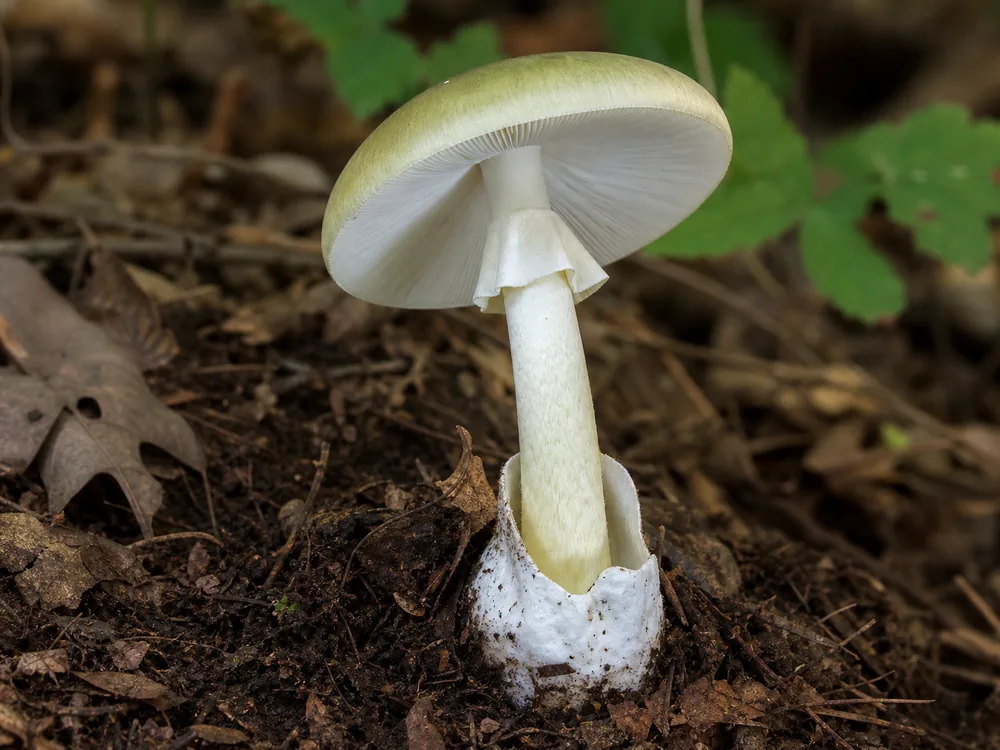
After the first severe gastrointestinal phase, an amatoxin patient may feel better for a day or two while the liver continues failing. This false recovery is the window when continued observation and treatment matter most, before jaundice and advanced failure appear.
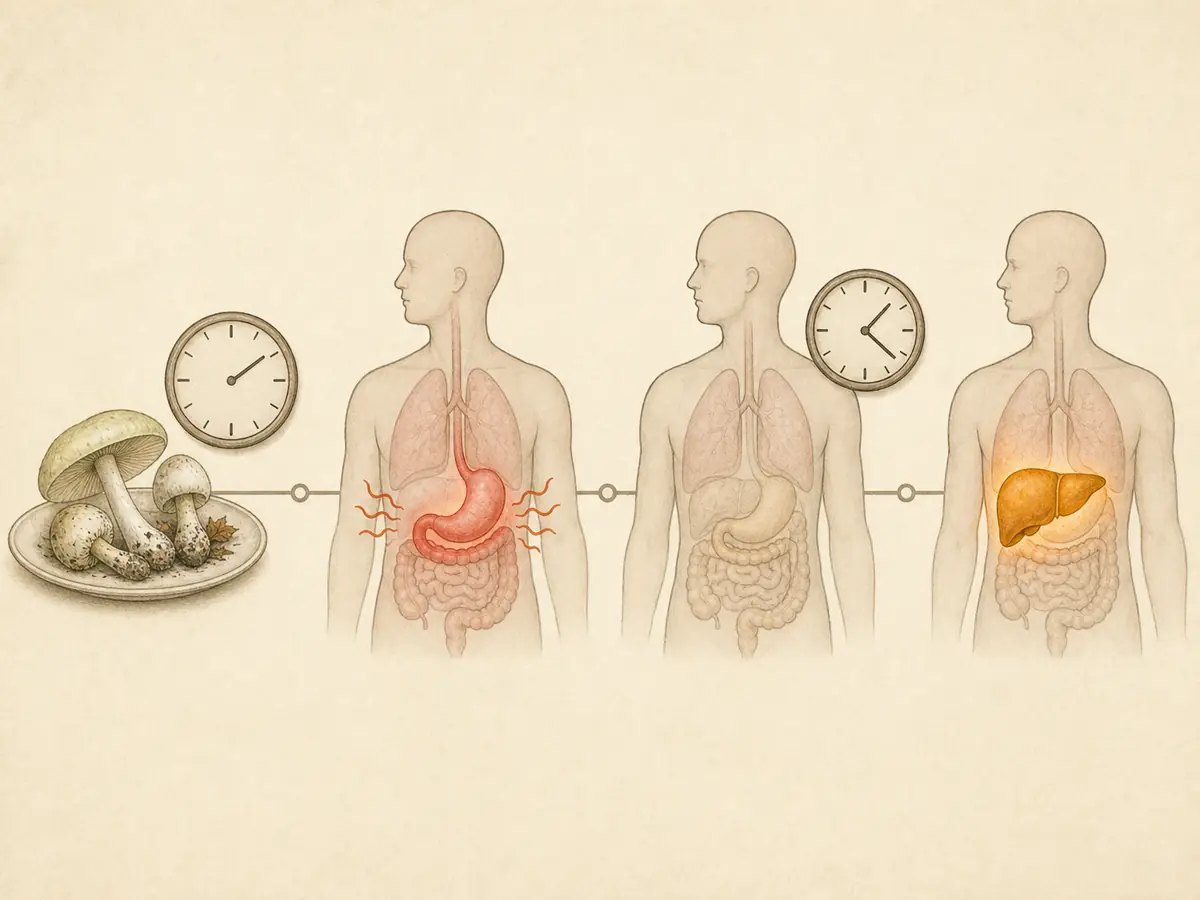
A person may become violently ill overnight, improve the next morning, and then crash a day later as hidden liver damage advances. Anyone with delayed stomach symptoms after a wild-mushroom meal needs medical observation through that deceptive calm.
Note
Do not judge safety by how you feel. With delayed-onset poisoning, feeling better can be the most dangerous moment, not the safest.
The false morel can cause delayed headache, vomiting, or seizures 6 to 12 hours after a meal, so any such reaction needs medical advice rather than waiting.
Early hospital treatment gives clinicians more opportunity to limit complications and support the liver before amatoxin injury becomes irreversible. Waiting to see whether delayed symptoms pass allows the toxin more time to work.
SafetyPoisonous Mushrooms: The Toxic Species to KnowOther warning signs to treat as an emergency
Some symptoms mean you skip the waiting entirely and get help now, whatever the clock says.
Call emergency services right away if you see confusion or trouble staying awake, a yellow tint to the skin or the whites of the eyes, an irregular or very slow heartbeat, seizures, or signs of serious dehydration like dizziness and almost no urine. Children and pets react to smaller amounts, so treat any suspected poisoning in a child or animal as urgent from the start.
Yellow skin or eyes means the liver is struggling, while confusion and drowsiness can follow as substances a healthy liver clears accumulate in the blood. After mushroom exposure, these signs require emergency hospital care rather than sleep or home observation.
Timing and lookalikes work together, so knowing which species caused a lot of trouble helps too. Many of these emergencies trace back to dangerous lookalike pairs, including orange clusters mistaken for edible chanterelles.
What the timing is really telling you
The timing pattern is useful but not absolute because fast symptoms often accompany survivable irritants, while slow symptoms can reveal toxins already damaging organs.

The clock matters because a quiet interval can hide the deadliest phase of poisoning. Deadly mushroom patterns and strict field separation reduce the chance that this delayed emergency begins with a mixed basket.
Prevention remains more reliable than symptom timing, so never eat a wild mushroom that has not been identified to species from a complete specimen. The timeline guides an emergency after exposure rather than making an uncertain mushroom safe.
Whatever the timing, call United States Poison Control at 1-800-222-1222, or call 911 for unconsciousness, seizures, or breathing difficulty. Bring leftover mushrooms or a clear photograph that includes the stem base so clinicians can act on evidence.