
Mushrooms by Edibility
Edibility is the first thing to know about any mushroom. KnowTheSpore groups every species on a clear ladder, from choice edibles worth foraging to poisonous species you must learn only to avoid. Check the preparation requirements and dangerous lookalikes before considering any wild mushroom for food.
Prized edible mushrooms sought by cooks and foragers for flavor and texture.
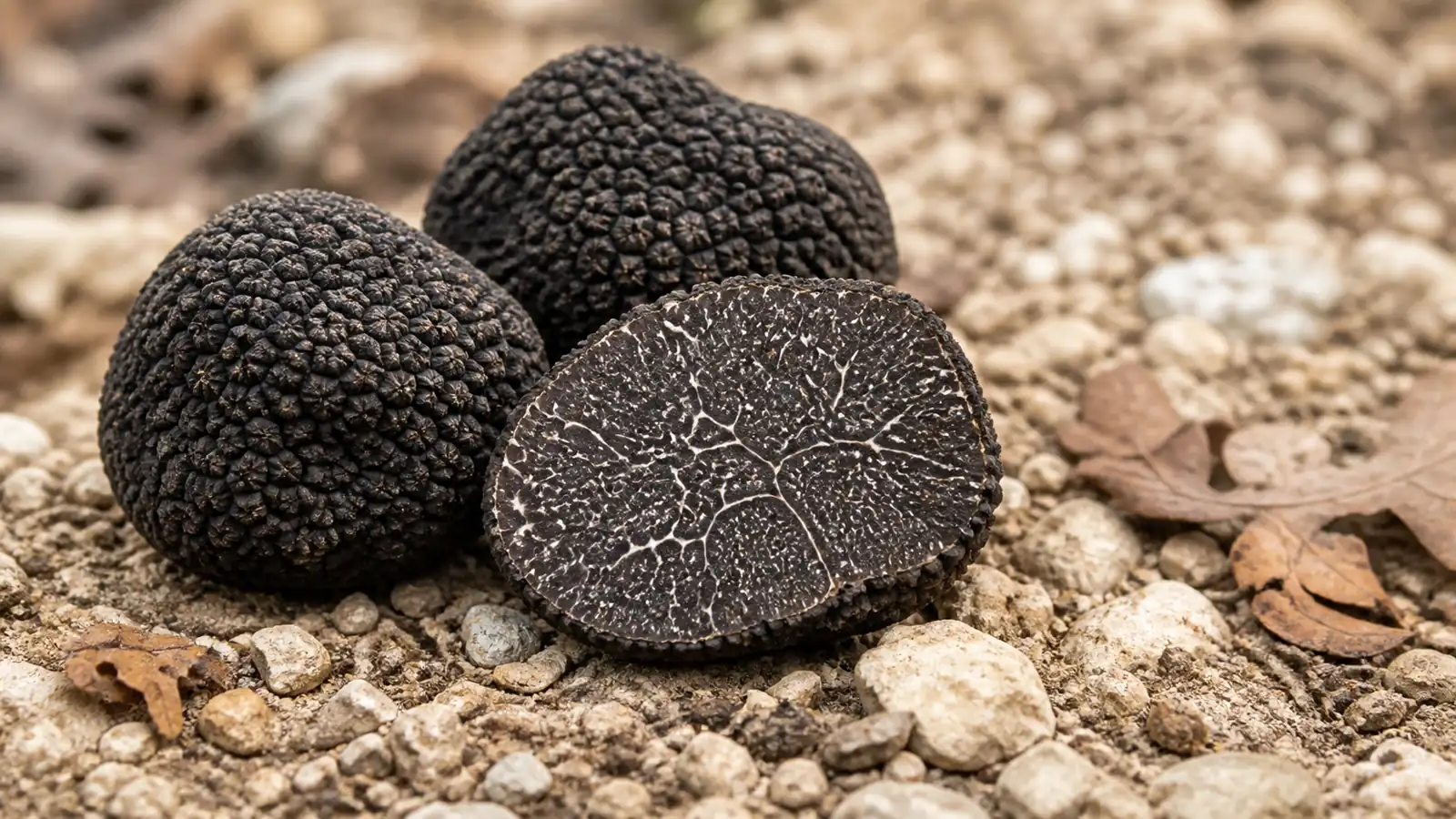
Black Truffle
Tuber melanosporumPérigord black truffle is a winter-fruiting underground fungus with black polygonal warts and dark flesh…
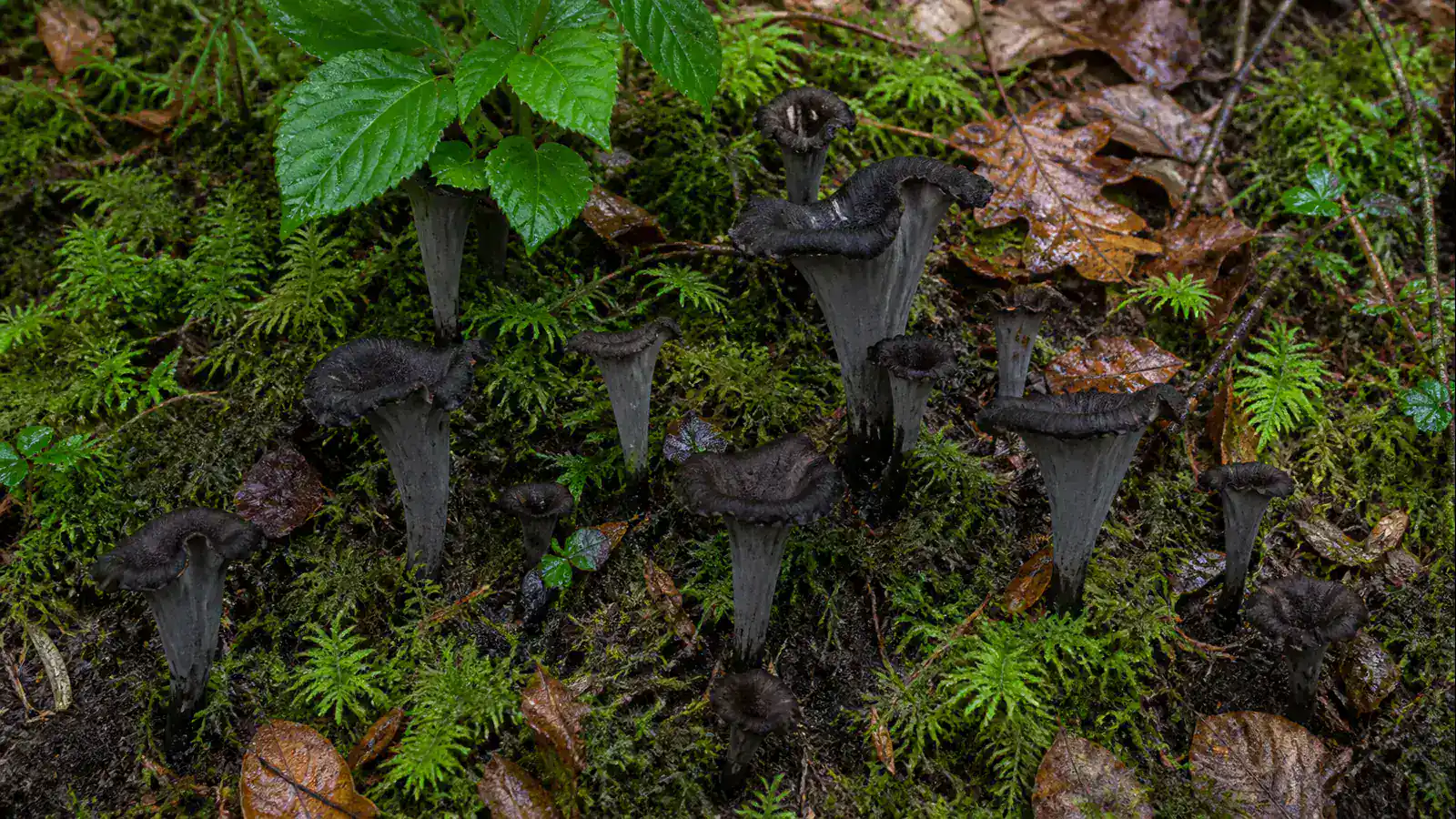
Black Trumpet
Craterellus cornucopioidesBlack trumpet is a thin, hollow, dark funnel with no true gills and a pale fertile outer surface. Region…
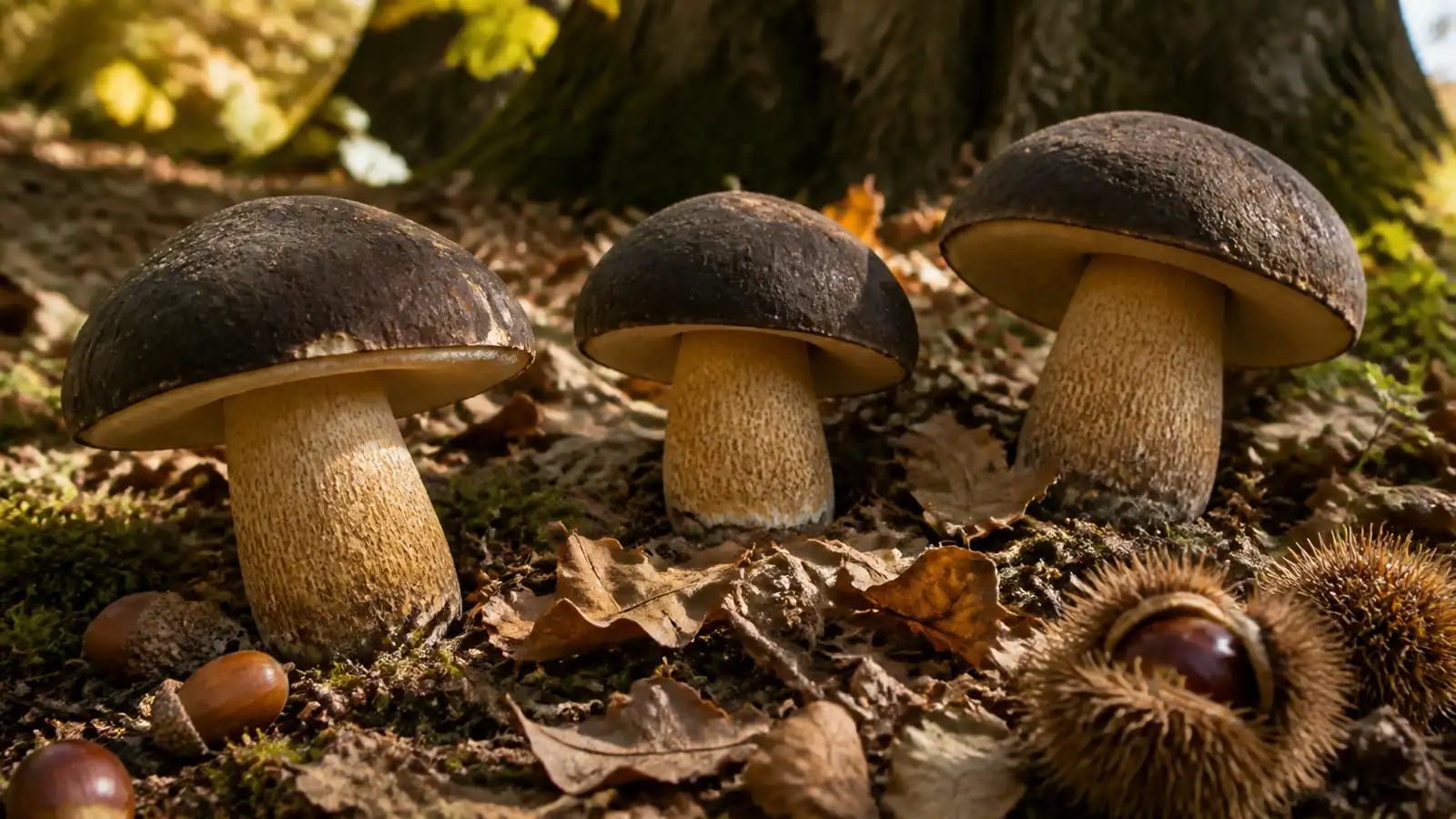
Bronze Bolete
Boletus aereusBronze bolete is a dark-capped Mediterranean porcini with fine pale pores, a netted stout stem, and thick…
Safe to eat when properly identified and cooked. Good everyday table mushrooms.
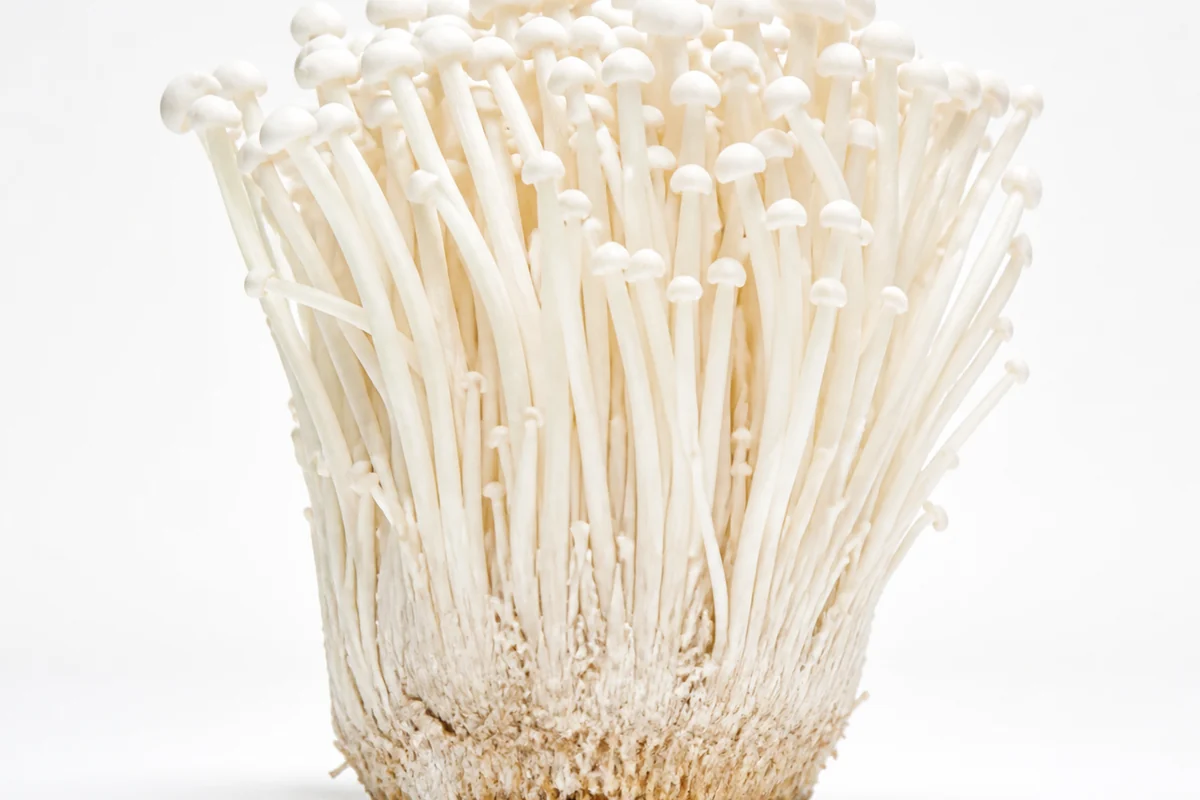
Enoki
Flammulina filiformisEnoki is a farmed crop, and almost nothing about the packet describes a mushroom anybody would meet in a…
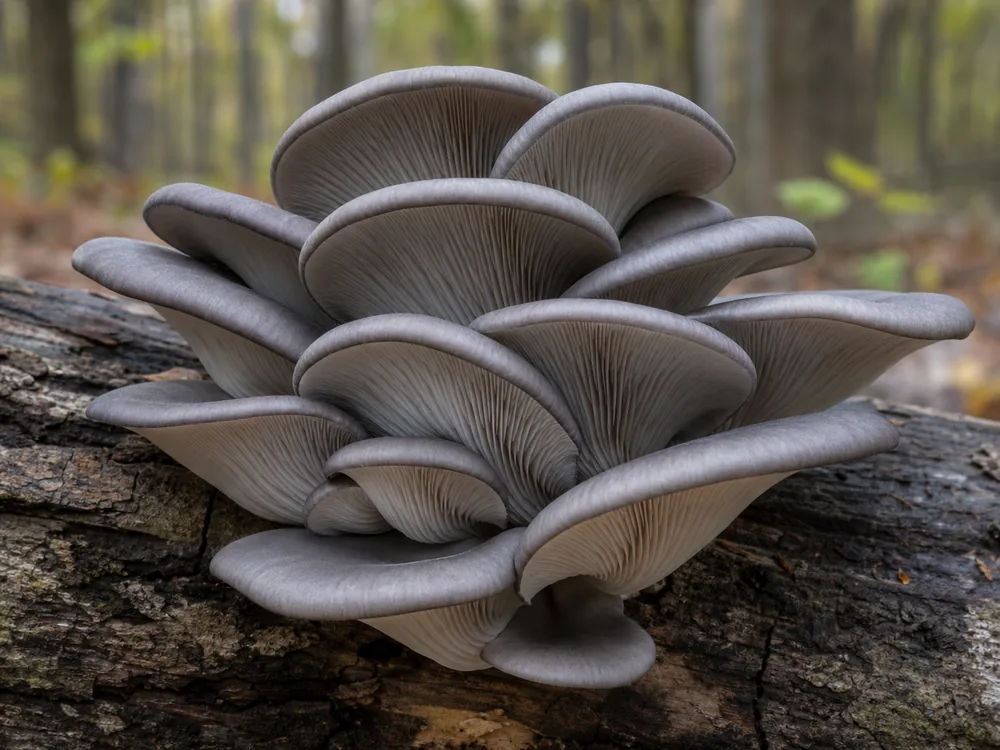
Oyster Mushroom
Pleurotus ostreatusOyster mushrooms are one of the best beginner edibles because the growth pattern is so practical. Look for…
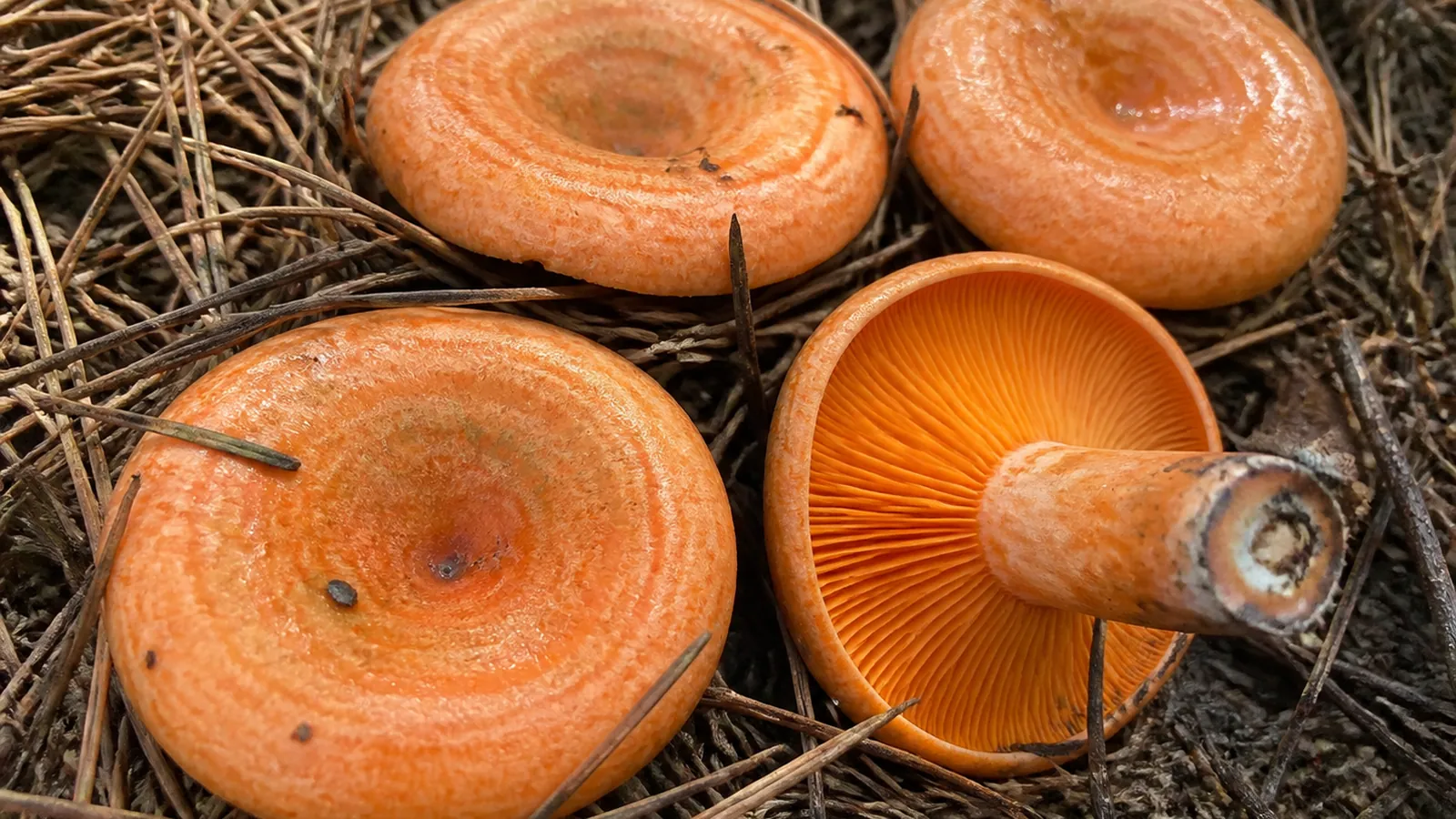
Saffron Milk Cap
Lactarius deliciosusThe saffron milk cap does three things that read as spoilage to anyone meeting it for the first time, and all…
Edible only after specific preparation (thorough cooking, parboiling) or for some people cause reactions.
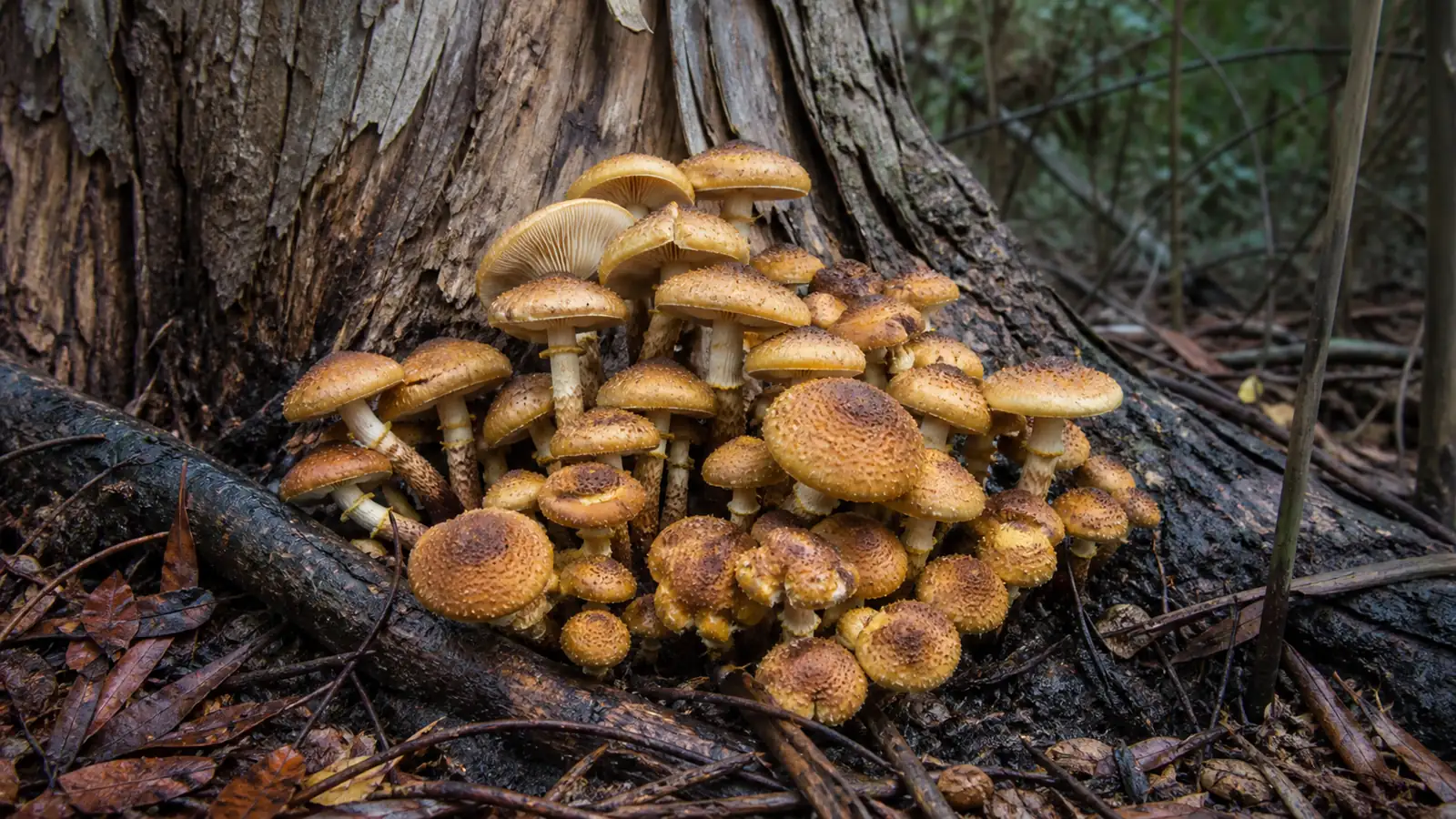
Australian Honey Fungus
Armillaria luteobubalinaAustralian honey fungus forms dense autumn clusters with honey-brown scaled caps, cream-white spores…
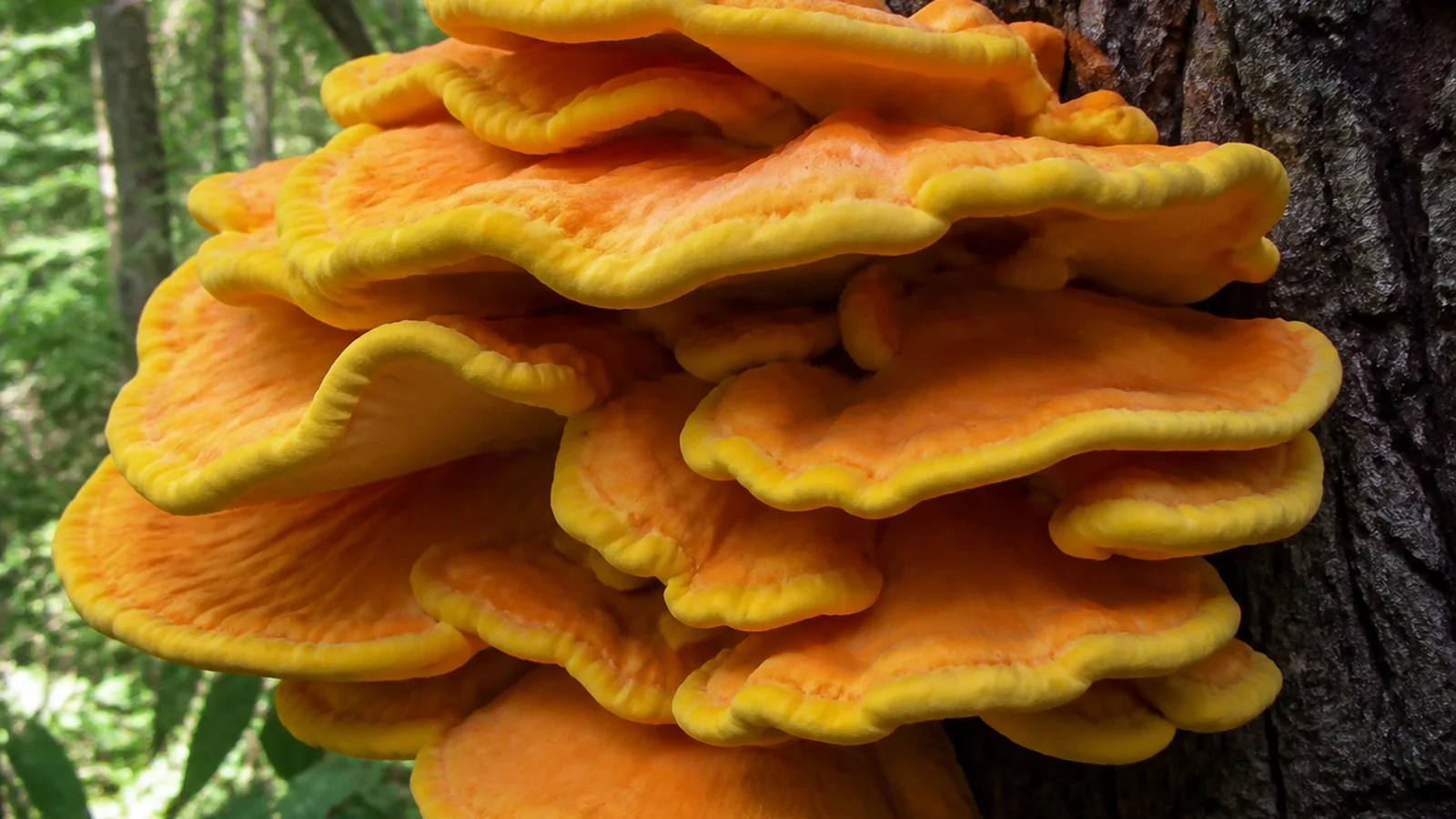
Chicken of the Woods
Laetiporus sulphureusChicken of the woods is one of the easiest wild mushrooms to recognize and one of the easier ones to get…
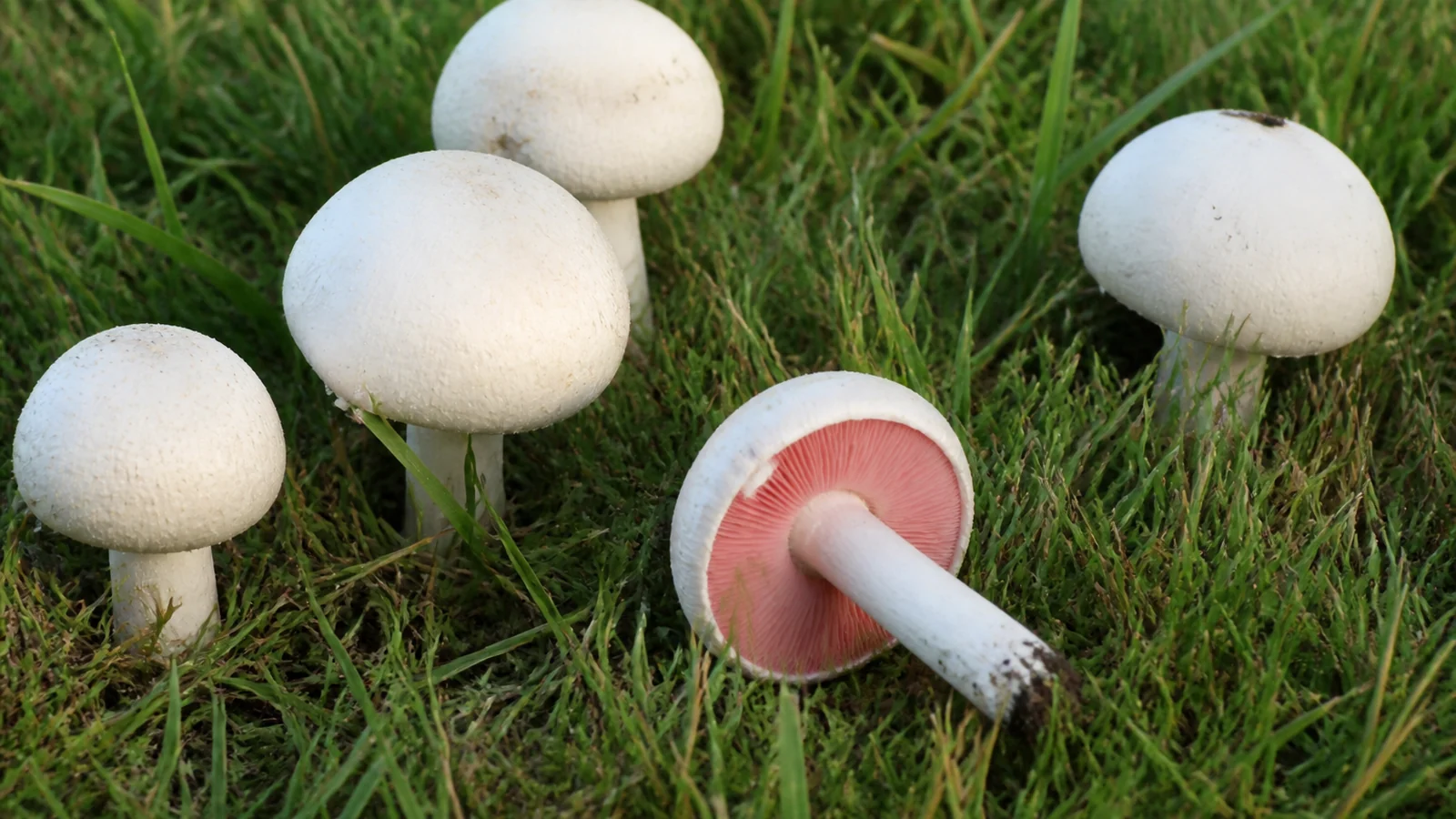
Field Mushroom
Agaricus campestrisThe field mushroom is the wild relative of the mushroom in your shopping, and it is identified by a sequence…
Used as a supplement or functional food rather than a culinary vegetable.
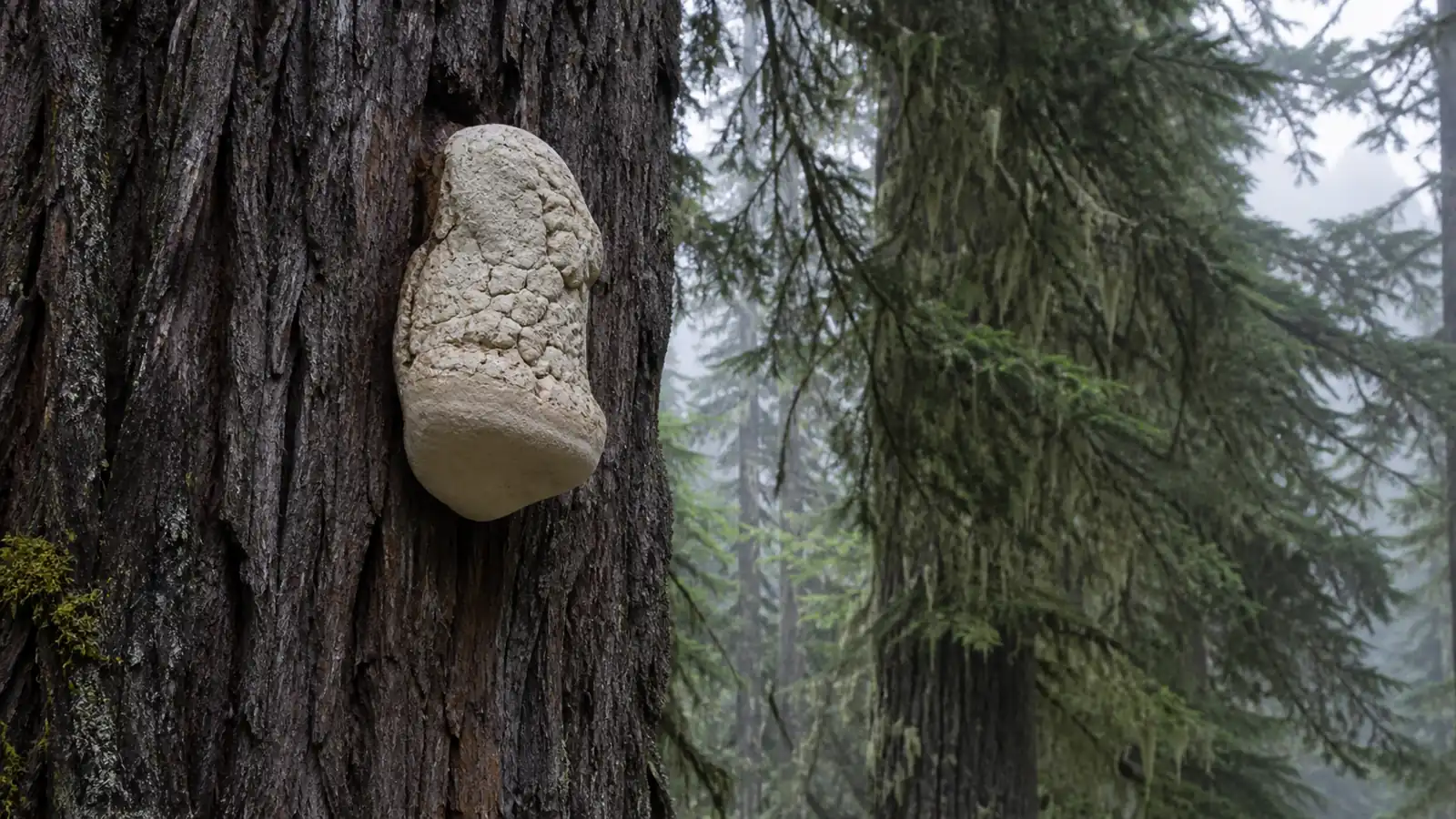
Agarikon
Laricifomes officinalisAgarikon is a long-lived chalky conk of old conifers, especially larch, with a pale pore surface and crumbly…
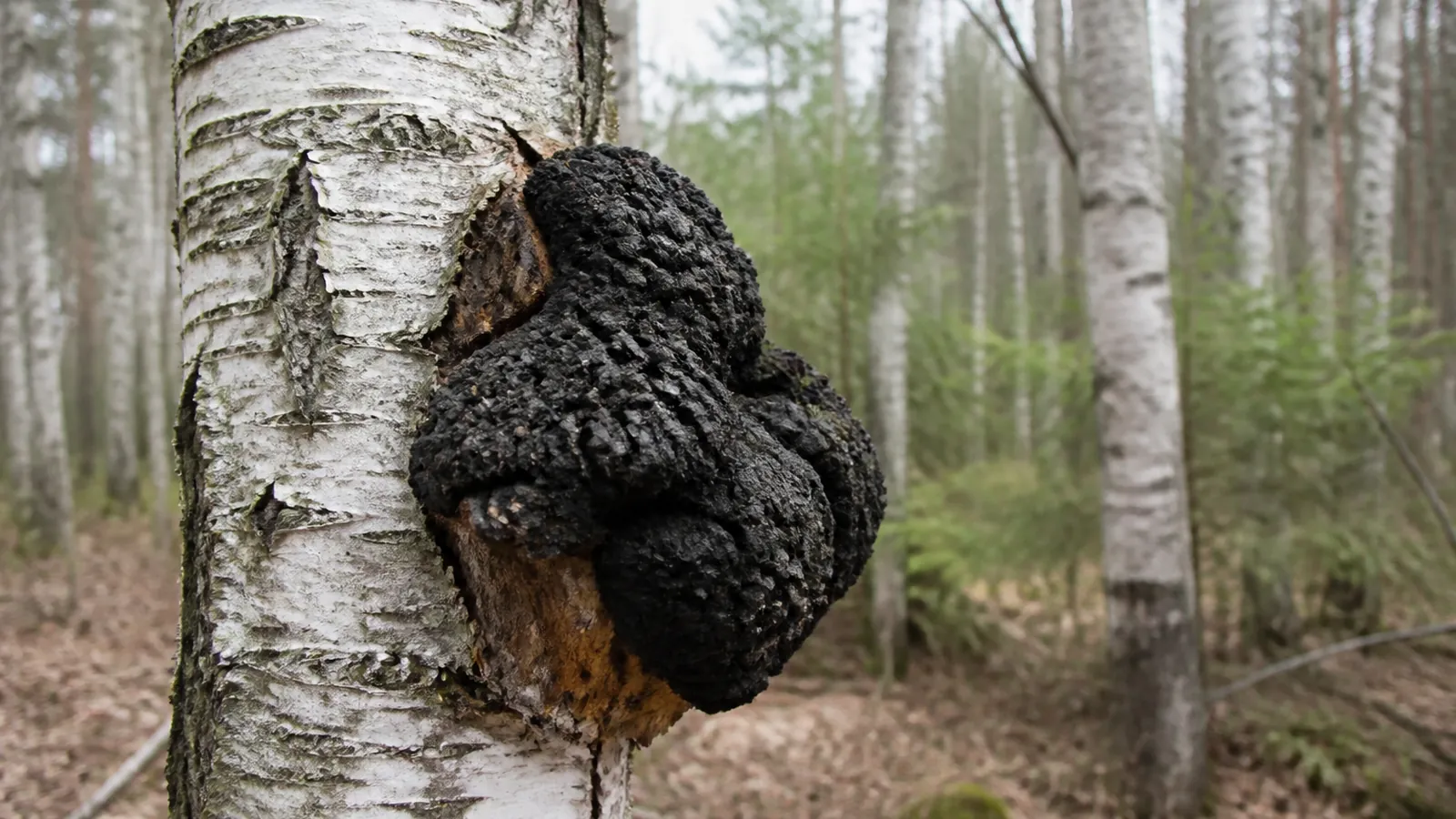
Chaga
Inonotus obliquusChaga is the black cracked mass on a living birch, and it is not a mushroom in the way most people mean. It…
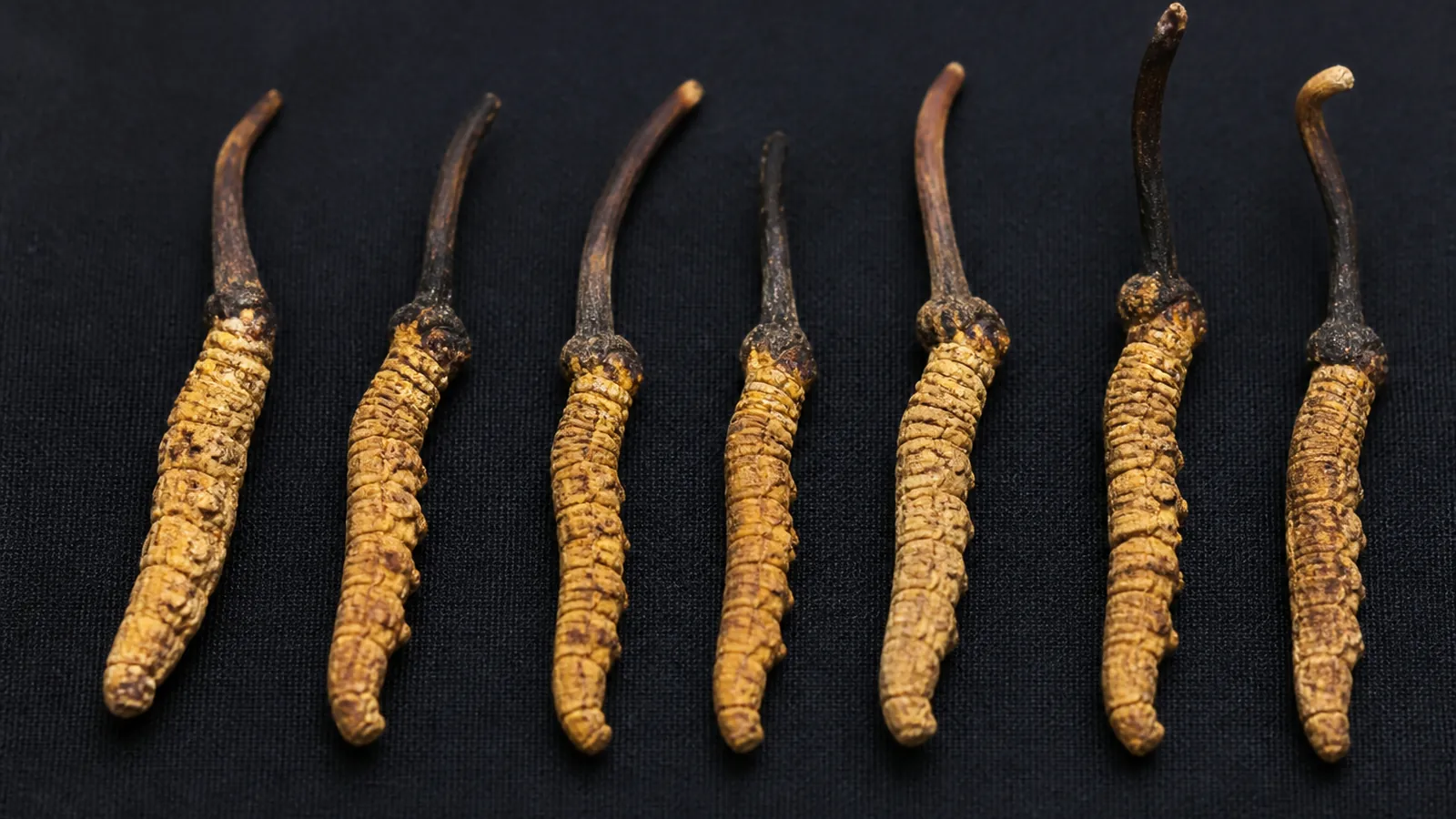
Cordyceps
Ophiocordyceps sinensisCordyceps is a fungus that kills a caterpillar and grows a club out of its head, and it is one of the most…
Not toxic, but too tough, bitter, or unpalatable to be worth eating.
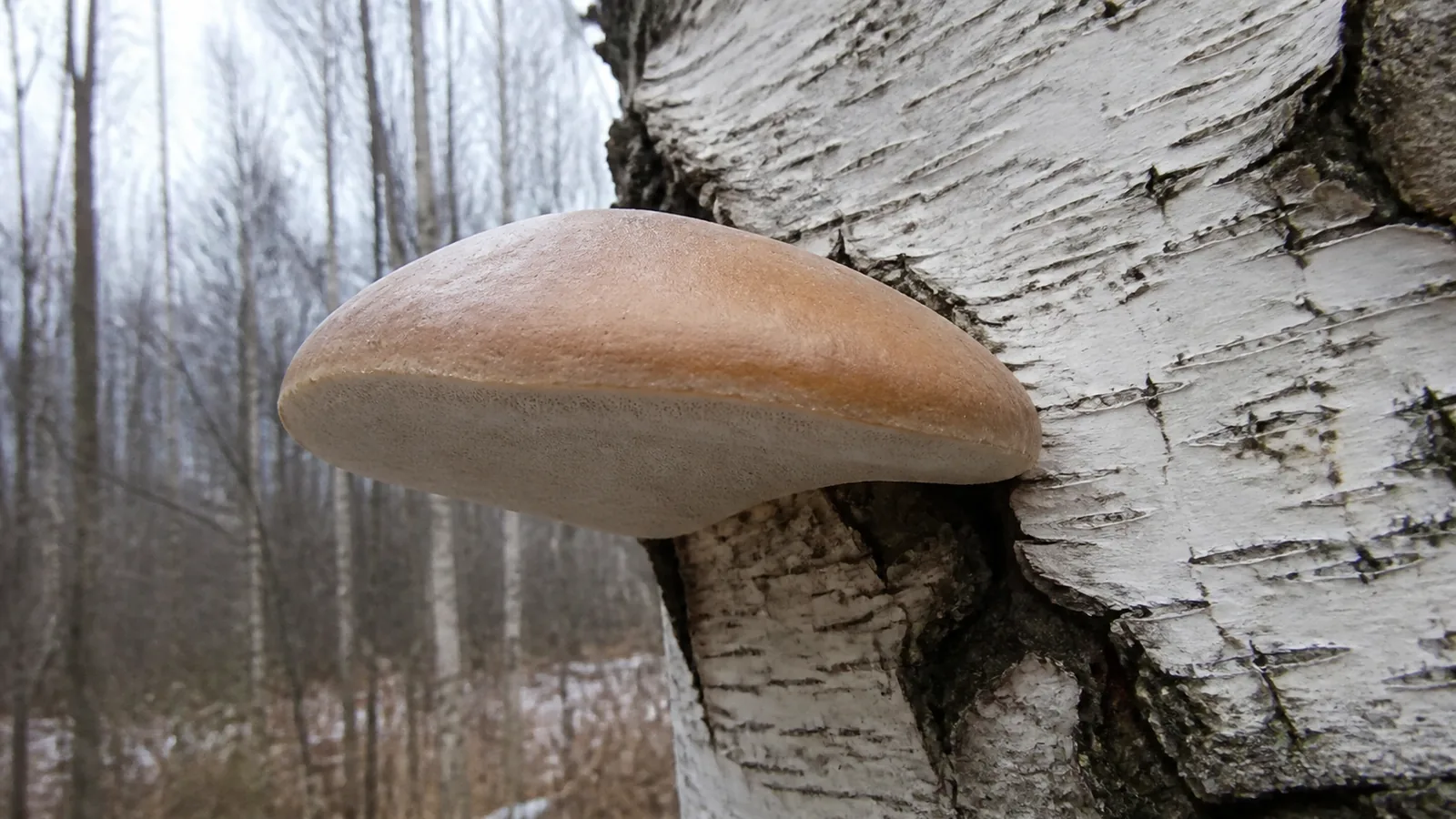
Birch Polypore
Fomitopsis betulinaBirch polypore is a smooth pale bracket found almost exclusively on birch. The birch host and unzoned…
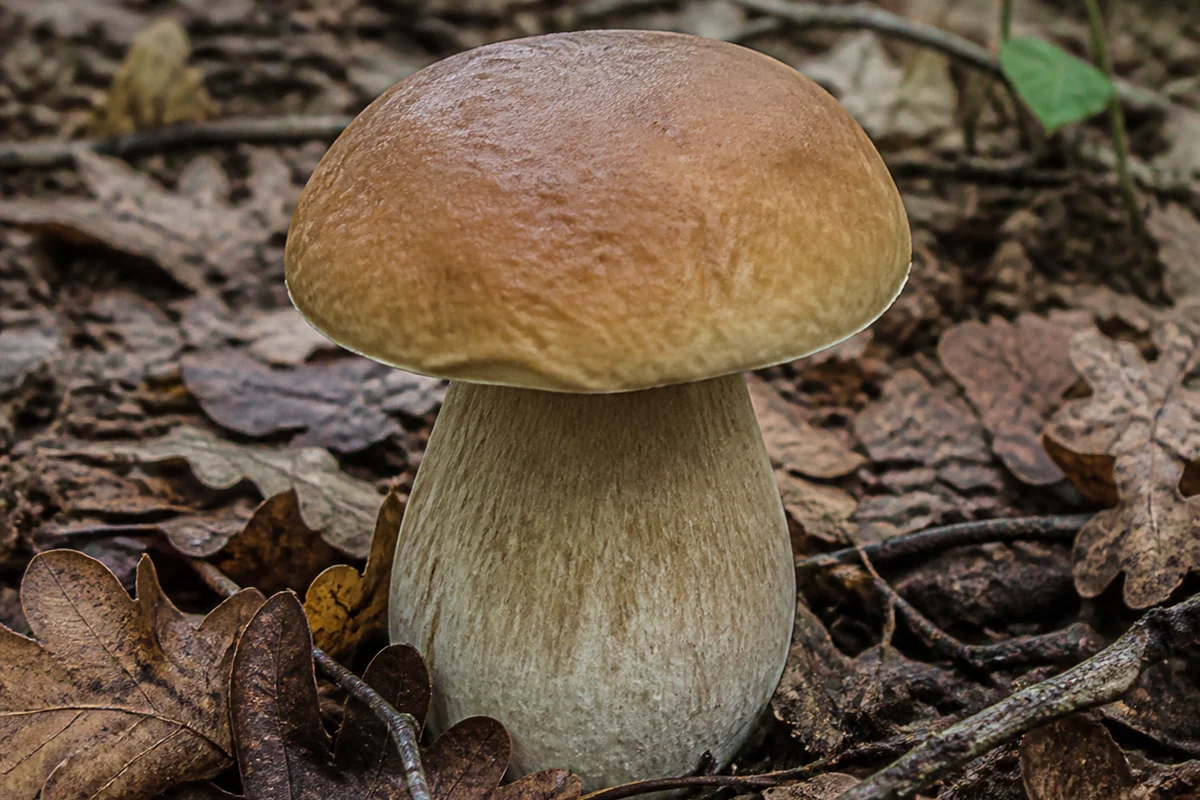
Bitter Bolete
Tylopilus felleusThe bitter bolete will not hurt you and it will cost you dinner. It is not poisonous, and it is bitter…
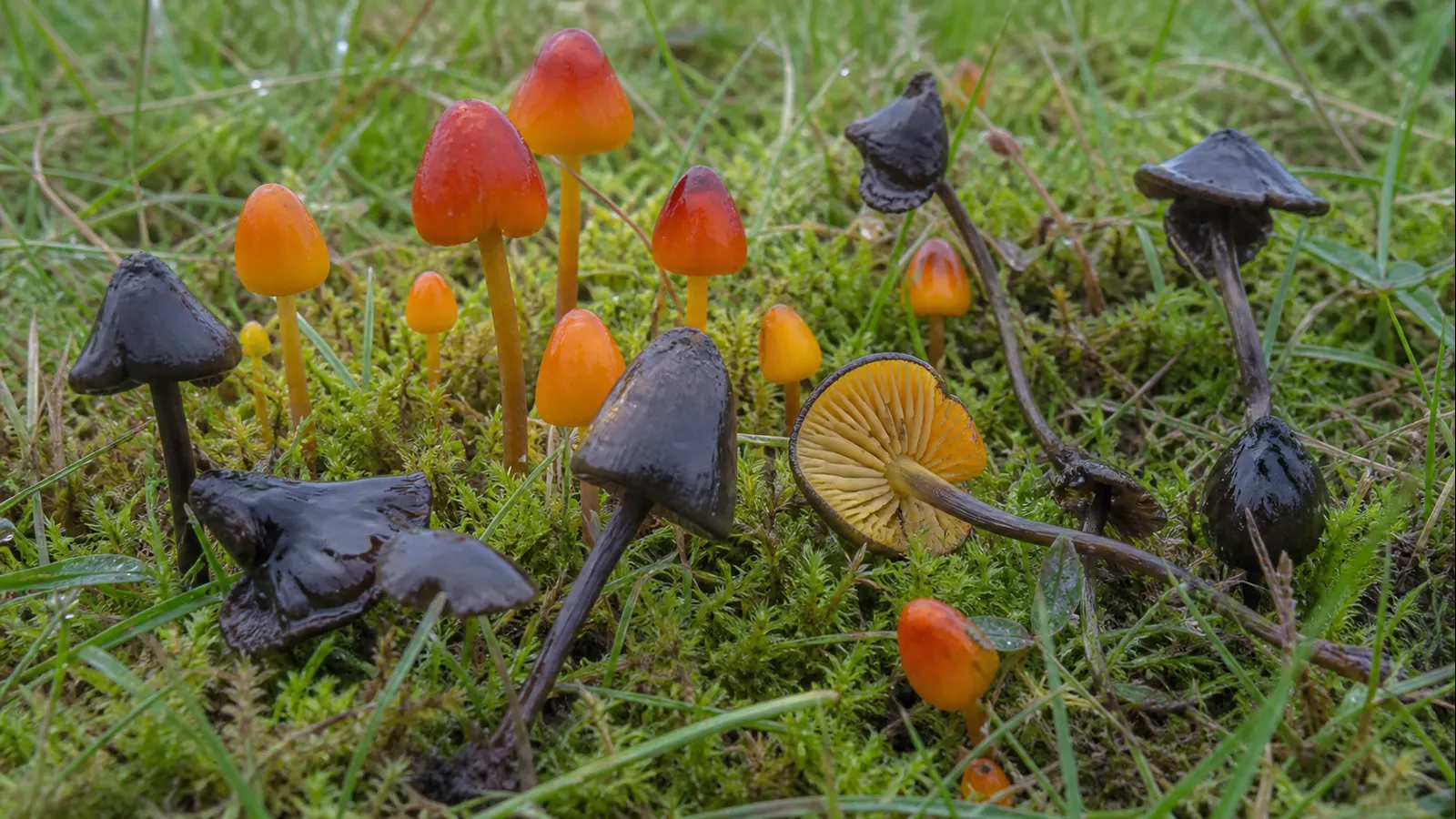
Blackening Waxcap
Hygrocybe conicaBlackening waxcap begins as a bright pointed yellow, orange, or red mushroom and darkens gray-black after…
Toxic and dangerous. Some species in this group are deadly.
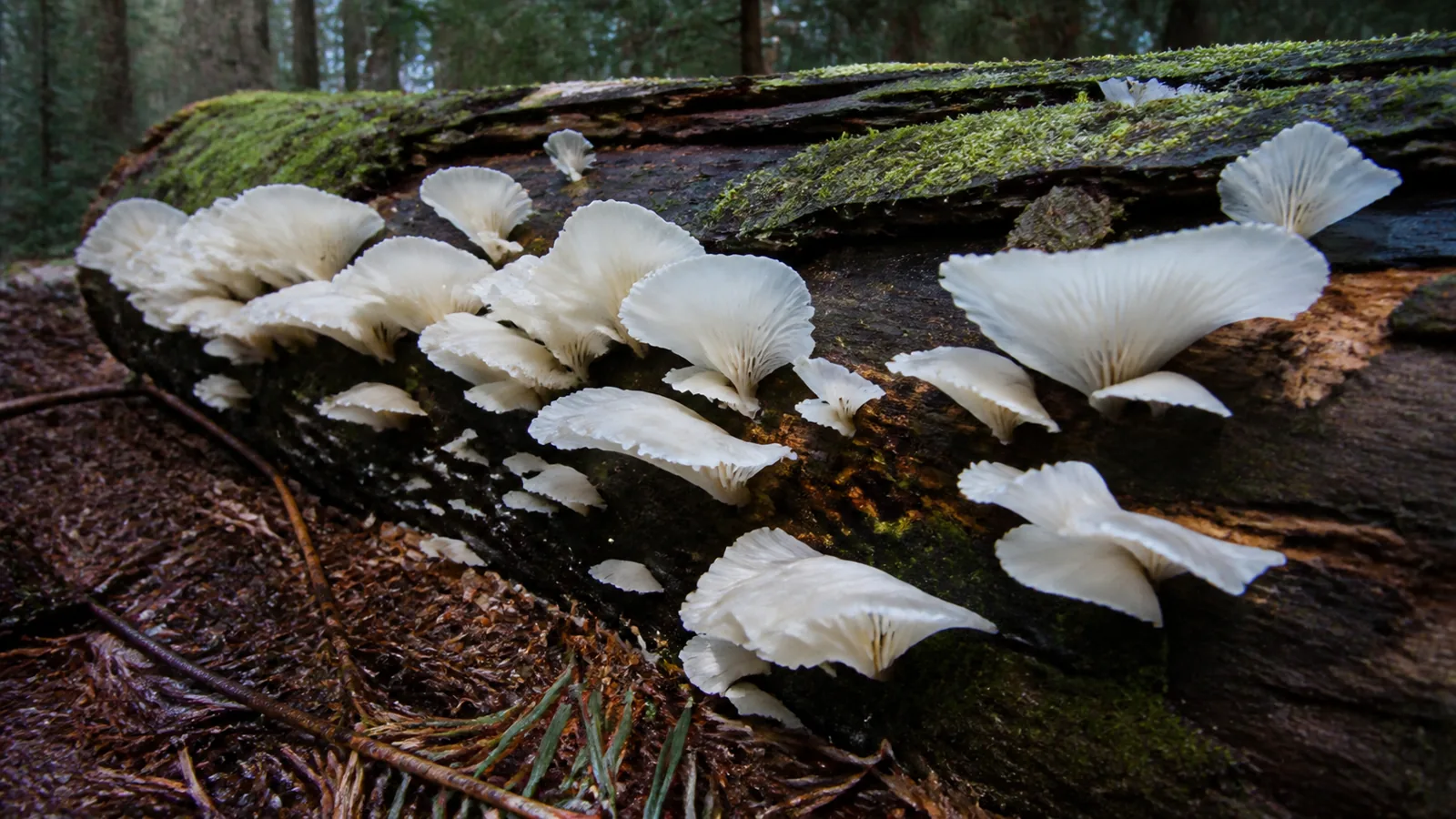
Angel Wing
Pleurocybella porrigensAngel wing is a thin, white, nearly stemless fan growing in overlapping groups on decayed conifer wood. Its…
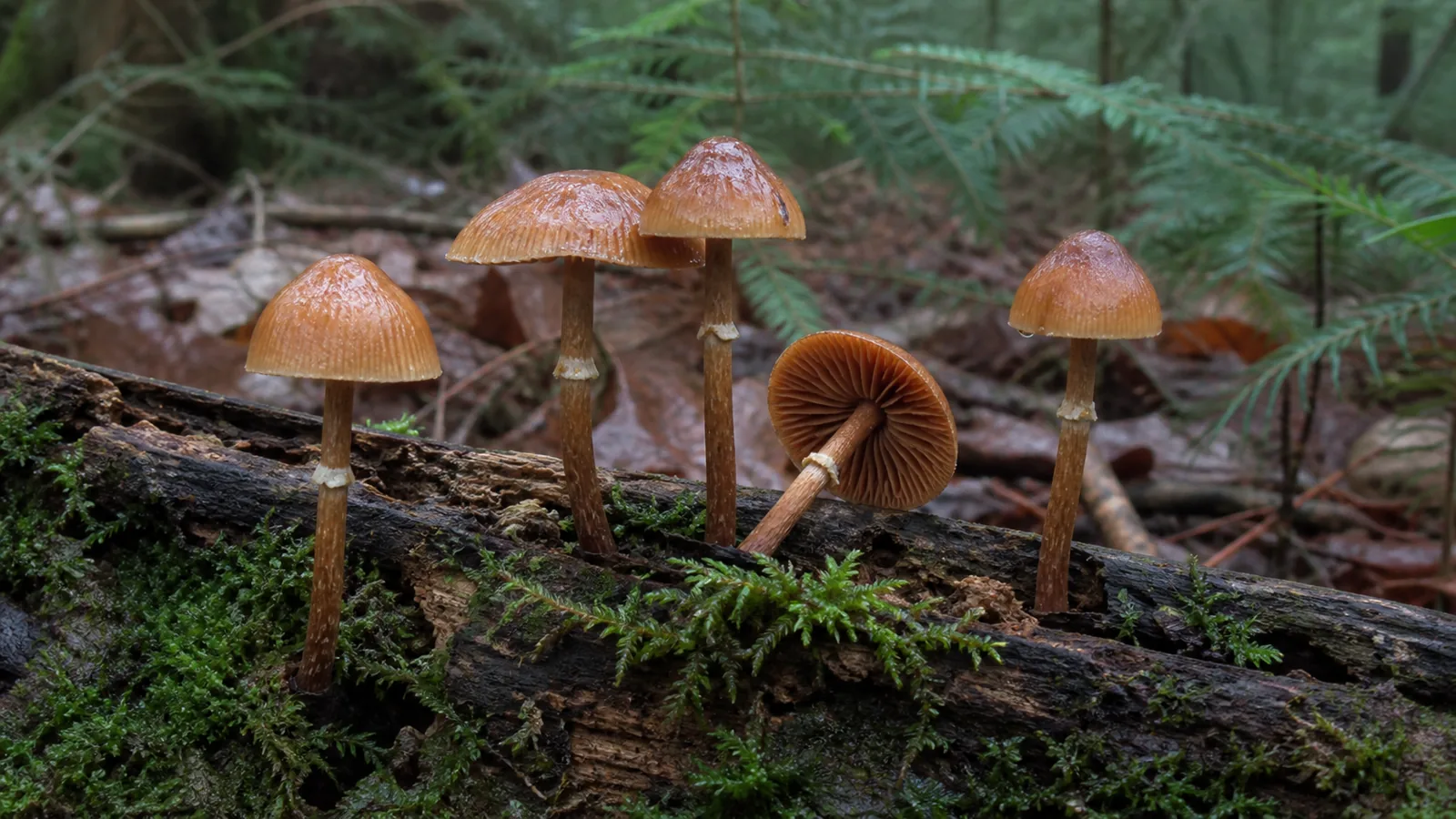
Autumn Skullcap
Galerina marginataAutumn skullcap is a small rusty-spored mushroom on decaying wood that can contain amatoxins at levels…
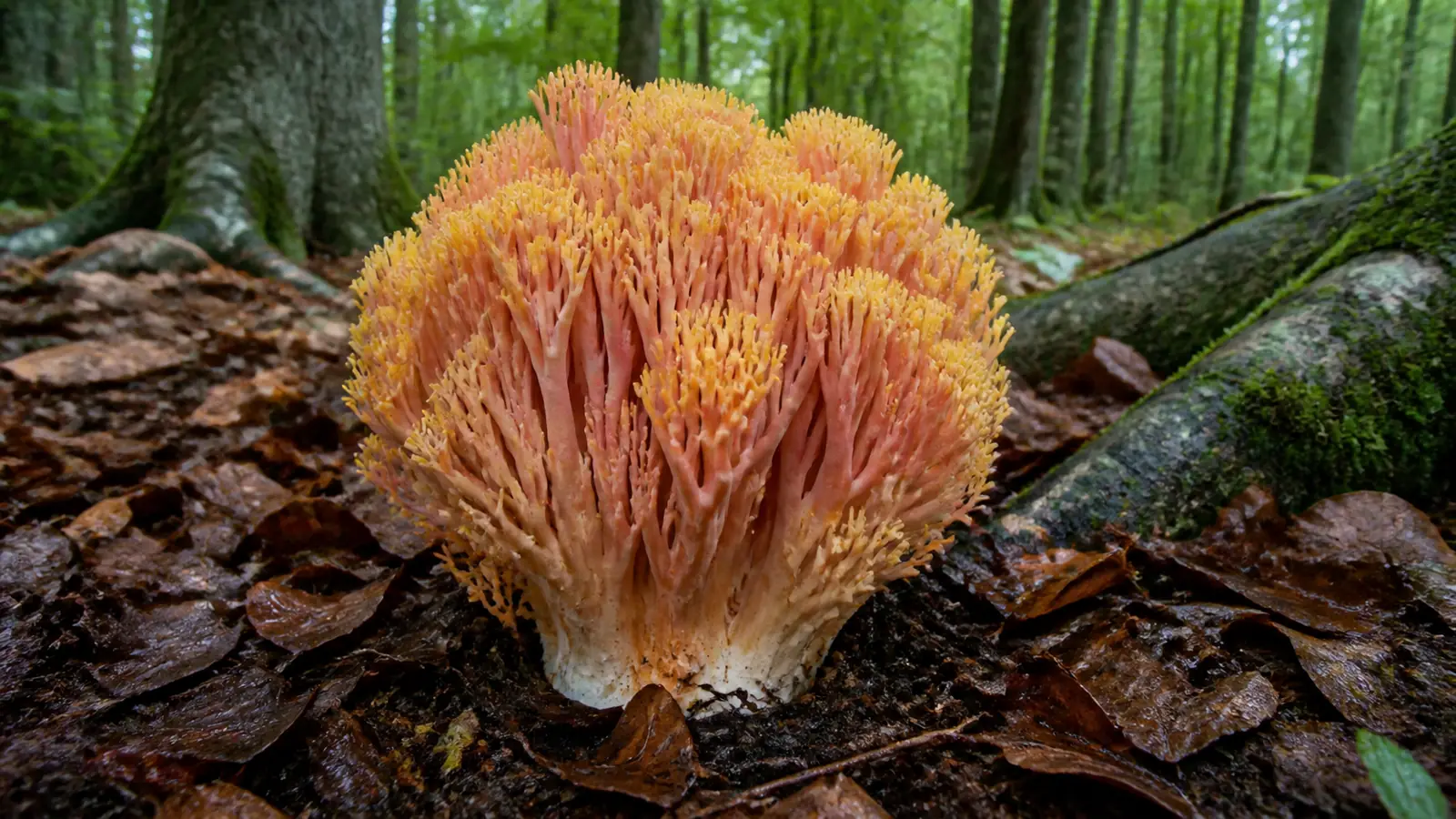
Beautiful Clavaria
Ramaria formosaBeautiful clavaria is a branching coral fungus with a whitish base, salmon-pink branches, and lemon-yellow…
One ladder, six rungs
Every mushroom on the site sits on a single edibility ladder. It runs from the choice edibles worth seeking to the poisonous species that can kill.
- Choice edible, prized and worth foraging
- Edible, safe and worth cooking
- Edible with caution, safe only with the right preparation
- Medicinal, used for function rather than the plate
- Inedible, not toxic but not worth eating
- Poisonous, harmful to deadly
Why edibility comes first
On most food sites, a rating is about flavor. Here it is about safety. The rating decides whether a mushroom belongs anywhere near your kitchen.
Warning
An edibility rating describes a species, not the mushroom in your hand. A correct rating still depends on a correct identification.
How we rate
When good sources disagree, we rate a species more cautious, never less. Every edible also carries the dangerous lookalikes it is confused with.