
Identify a Mushroom
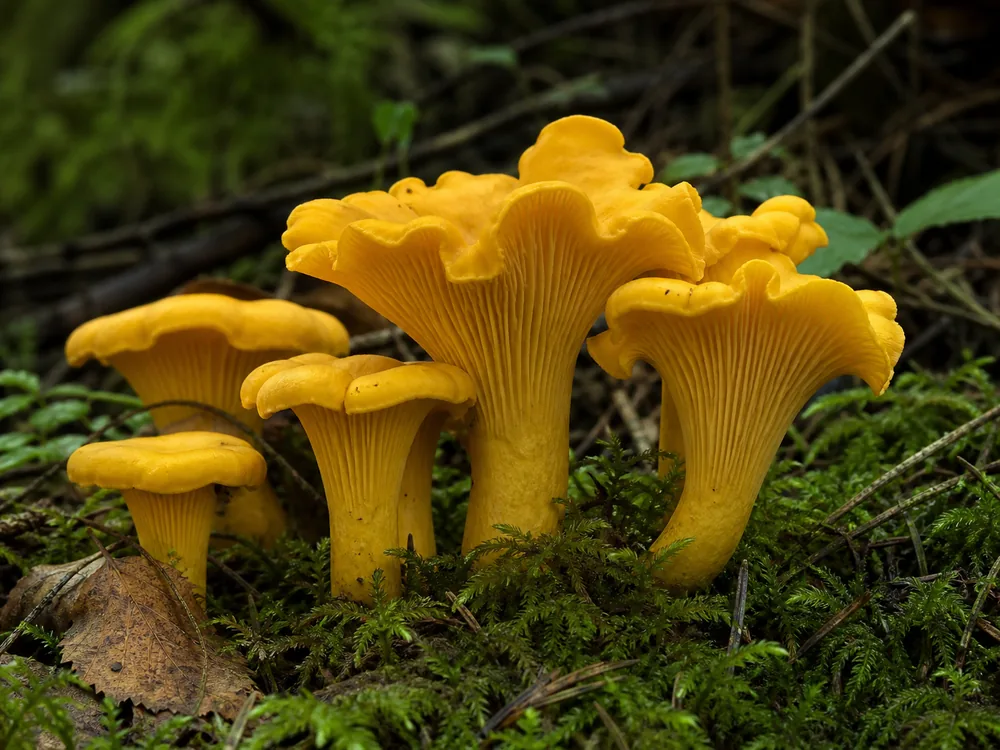
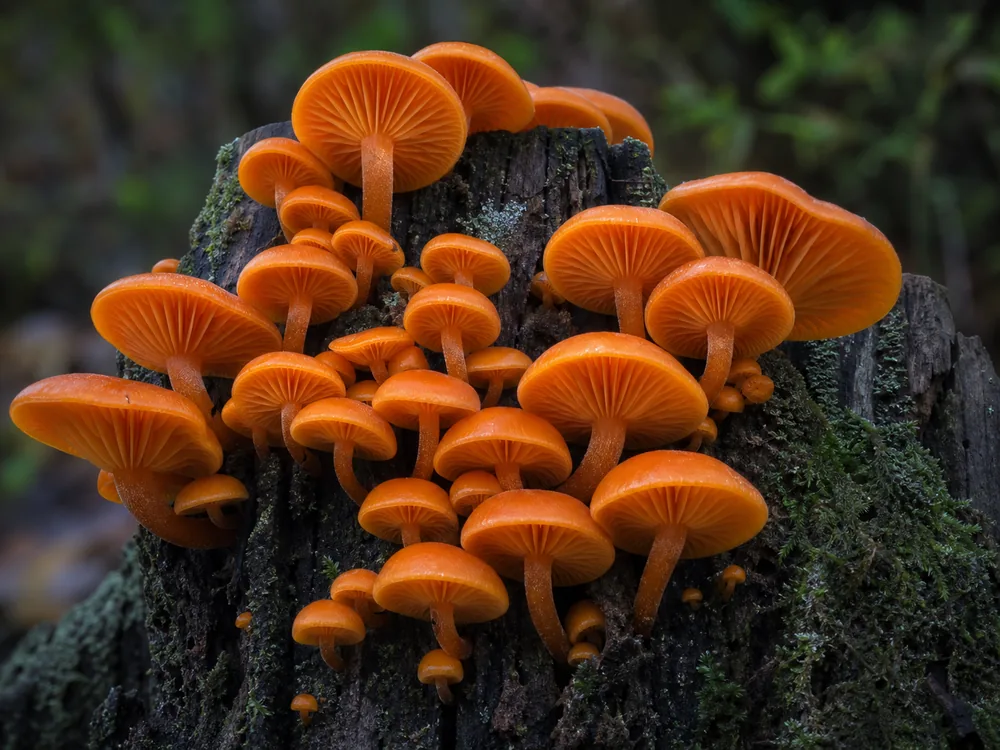
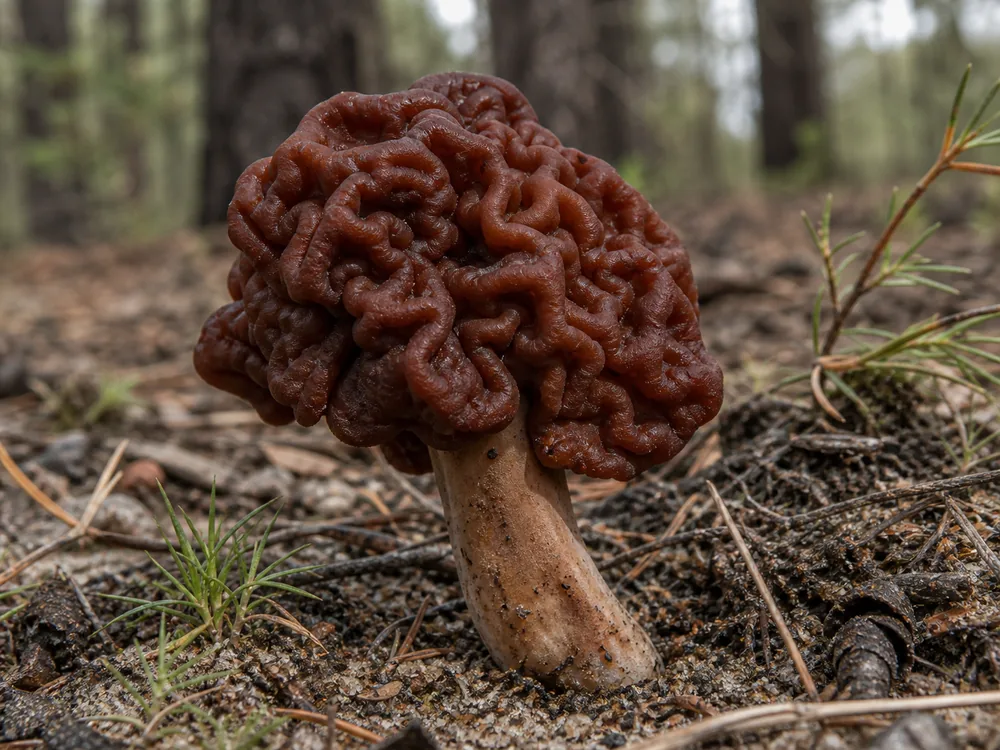
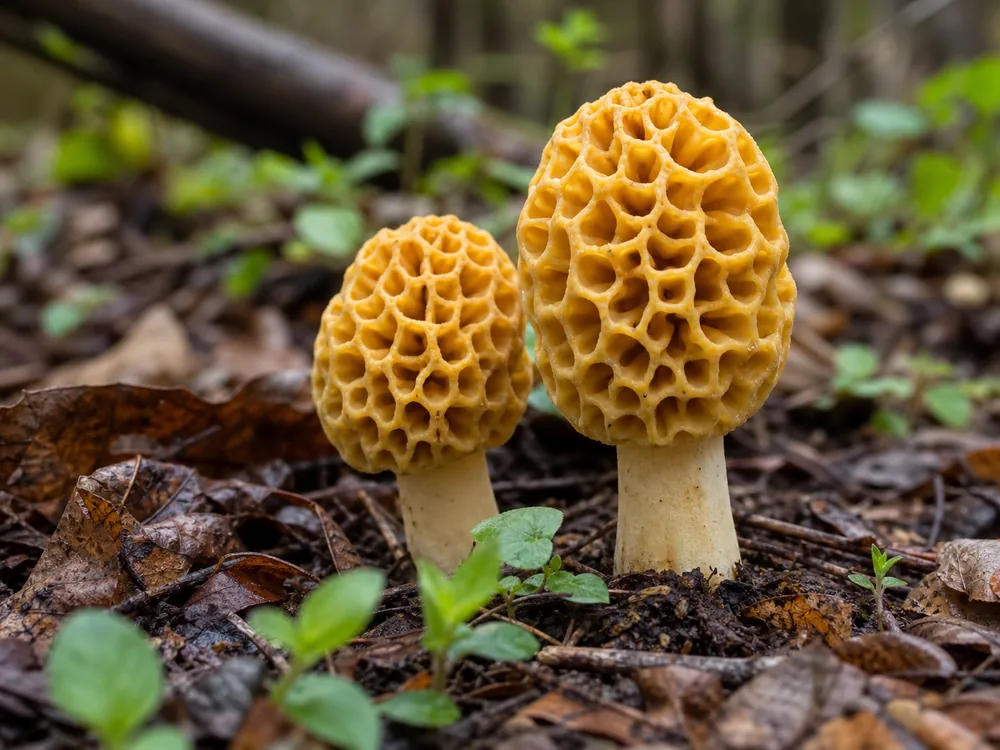
Compare edible mushrooms with their poisonous lookalikes. Check the cap, underside, stem base, habitat, and other distinguishing features.
Dangerous lookalikes
Compare the structures that separate an edible candidate from a poisonous double.
Identification guides
Use structure, substrate, spore evidence, and complete specimens to narrow a mushroom without guessing from one photograph.
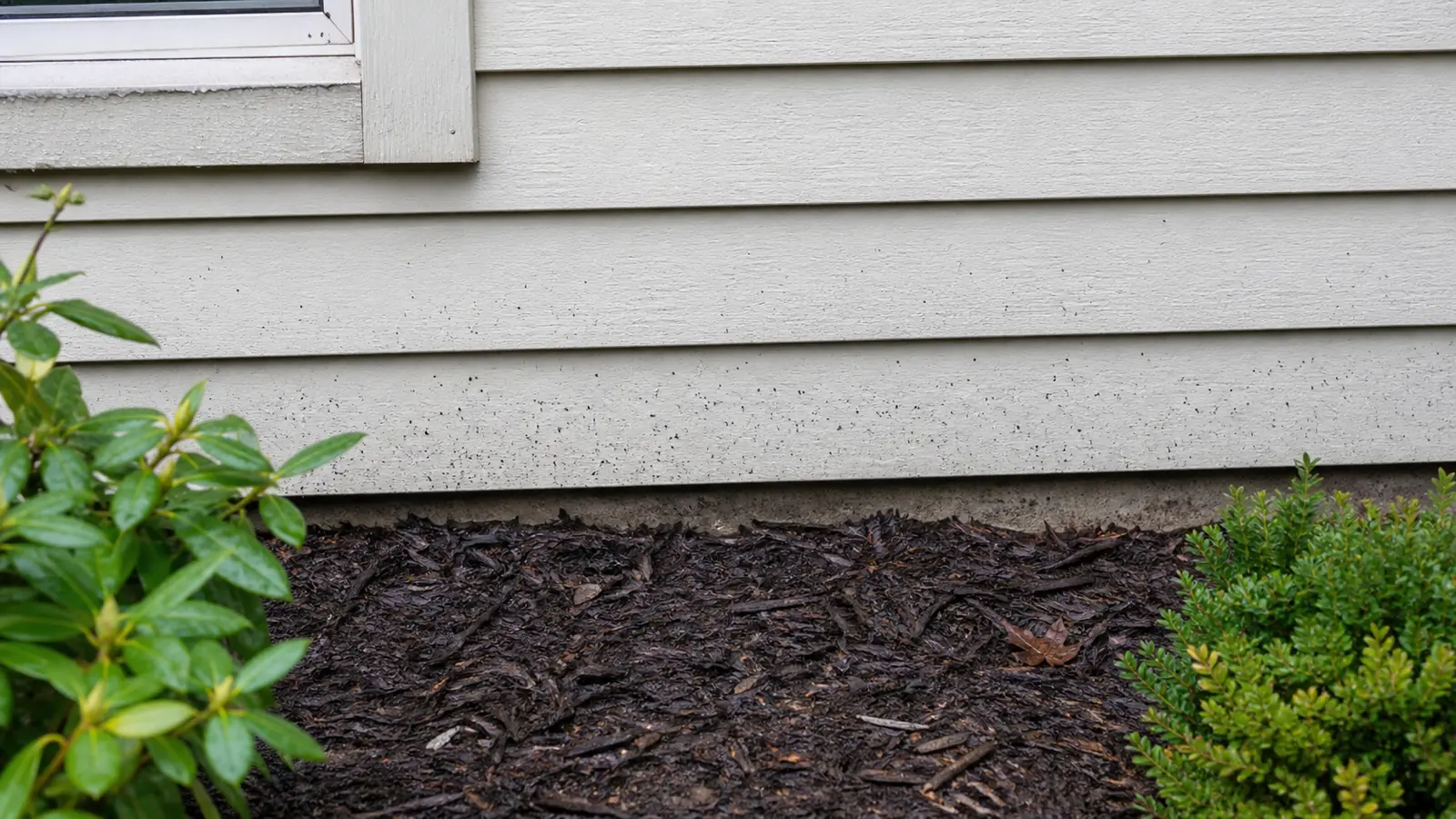
What Are the Black Artillery Fungus Spots on Siding?
Trace the black dots back to damp mulch before cleaning the wall.
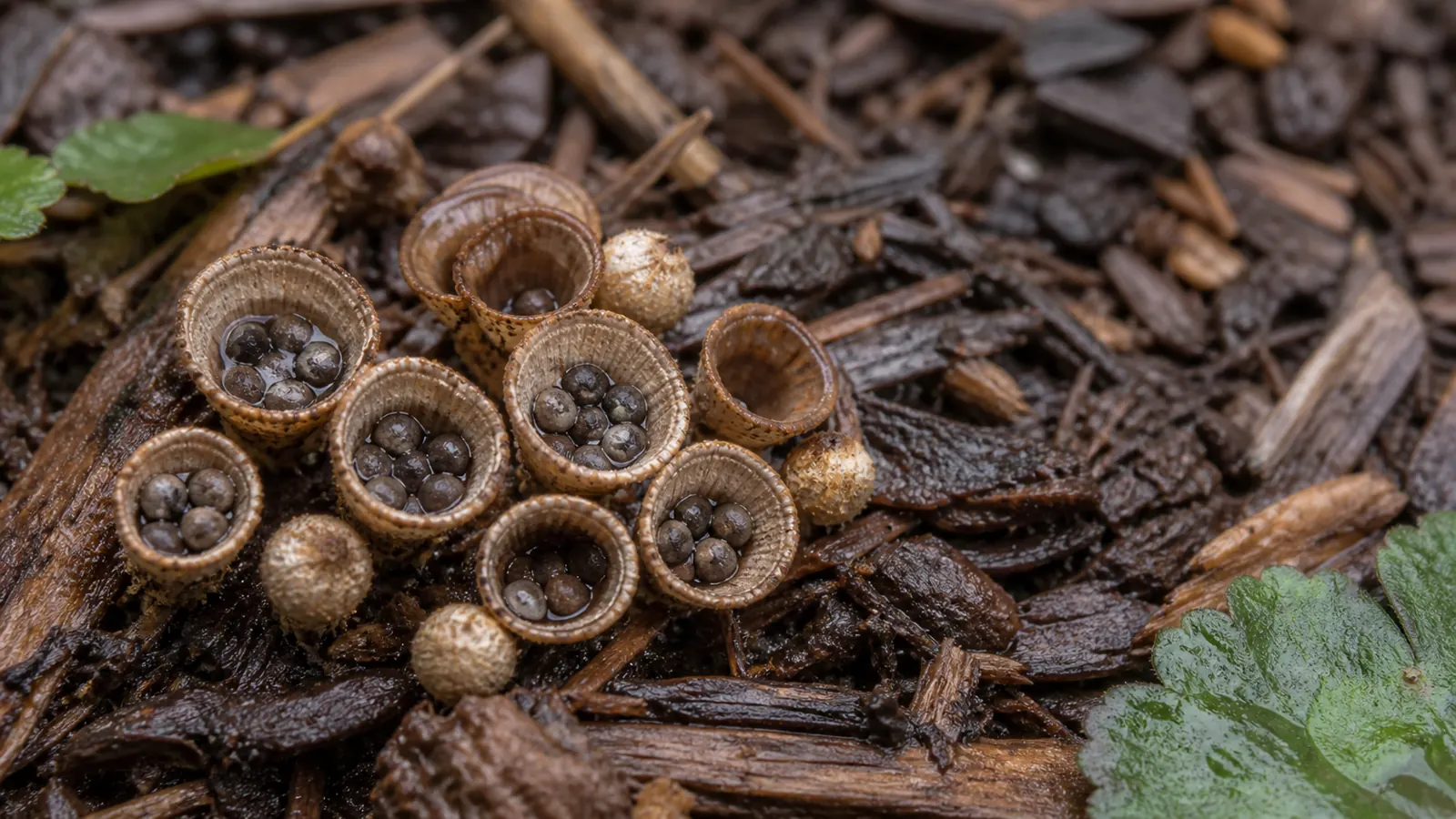
What Are the Tiny Bird's Nest Fungi in Your Mulch?
Read the tiny cups, rain-splashed spore packets, and damp mulch conditions.
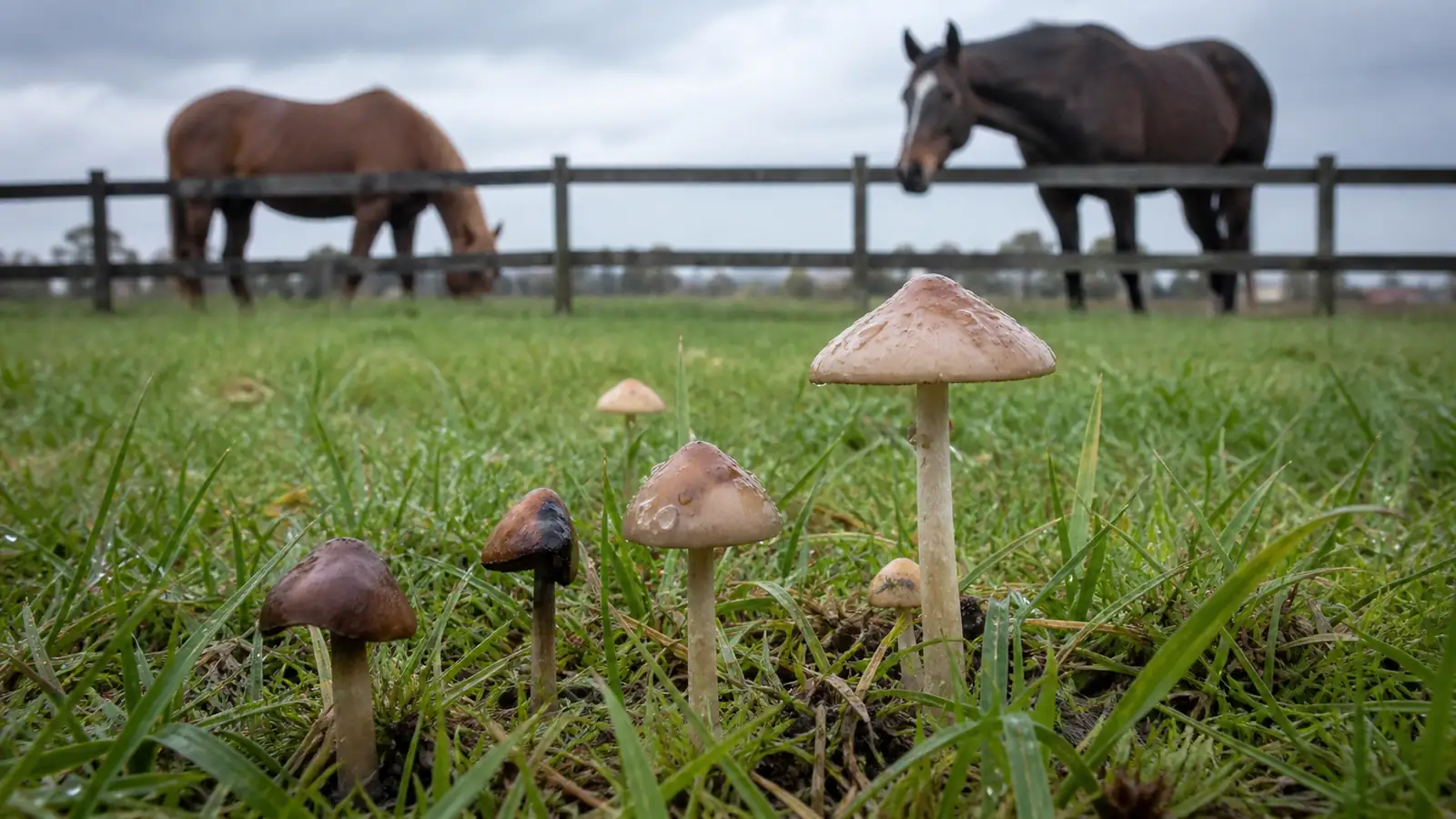
What Should You Do About Mushrooms in a Horse Pasture?
Protect the horse first, then investigate the field.
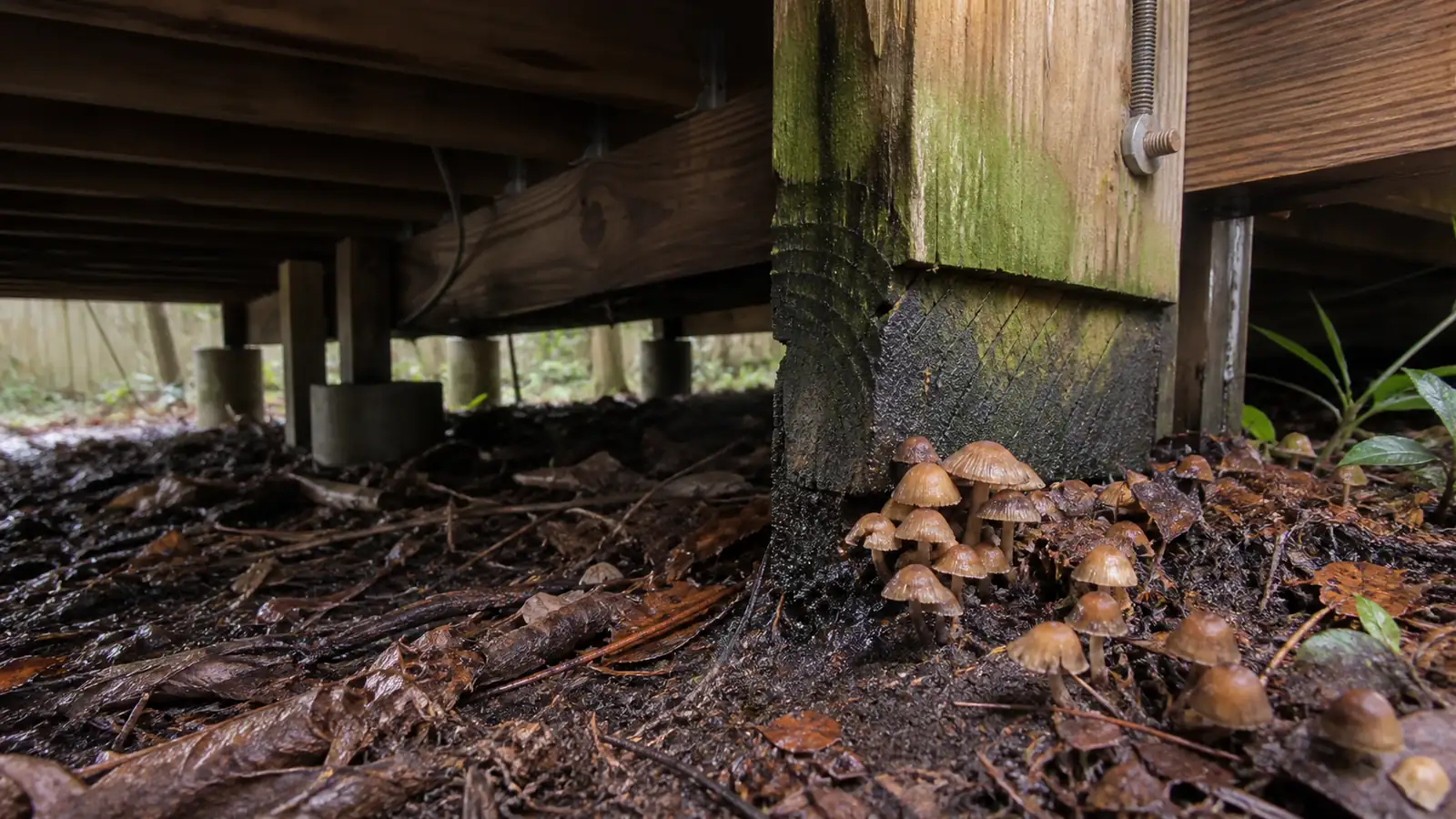
Why Are Mushrooms Growing Under Your Deck?
Trace the water before judging the wood.
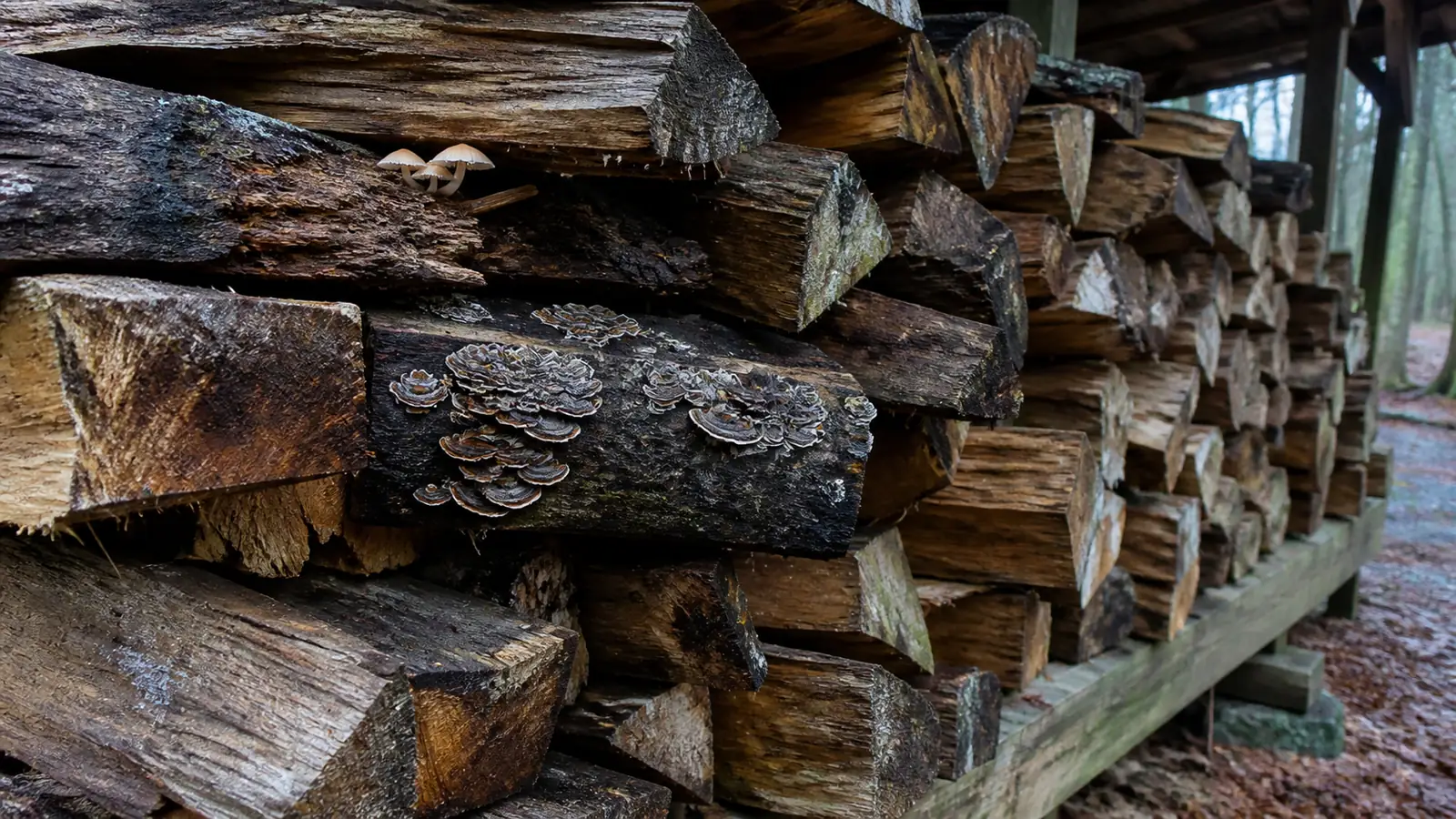
What Do Mushrooms on Firewood Mean for the Stack?
Identify the growth, test the wood, then decide what belongs in the fire.
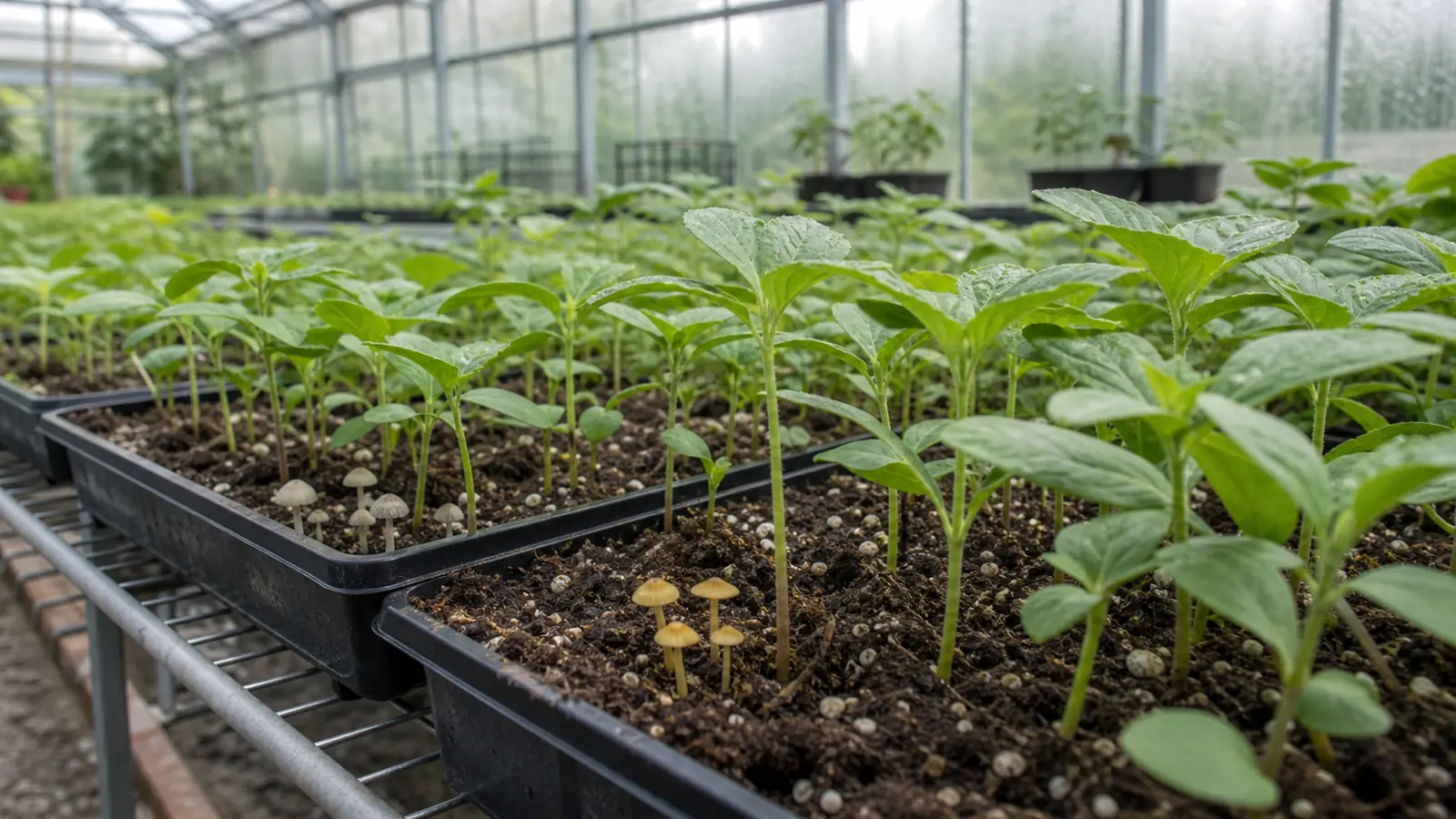
What Do Mushrooms in a Greenhouse Mean for Seedlings?
Inspect the mushroom and the seedling separately before treating the bench.
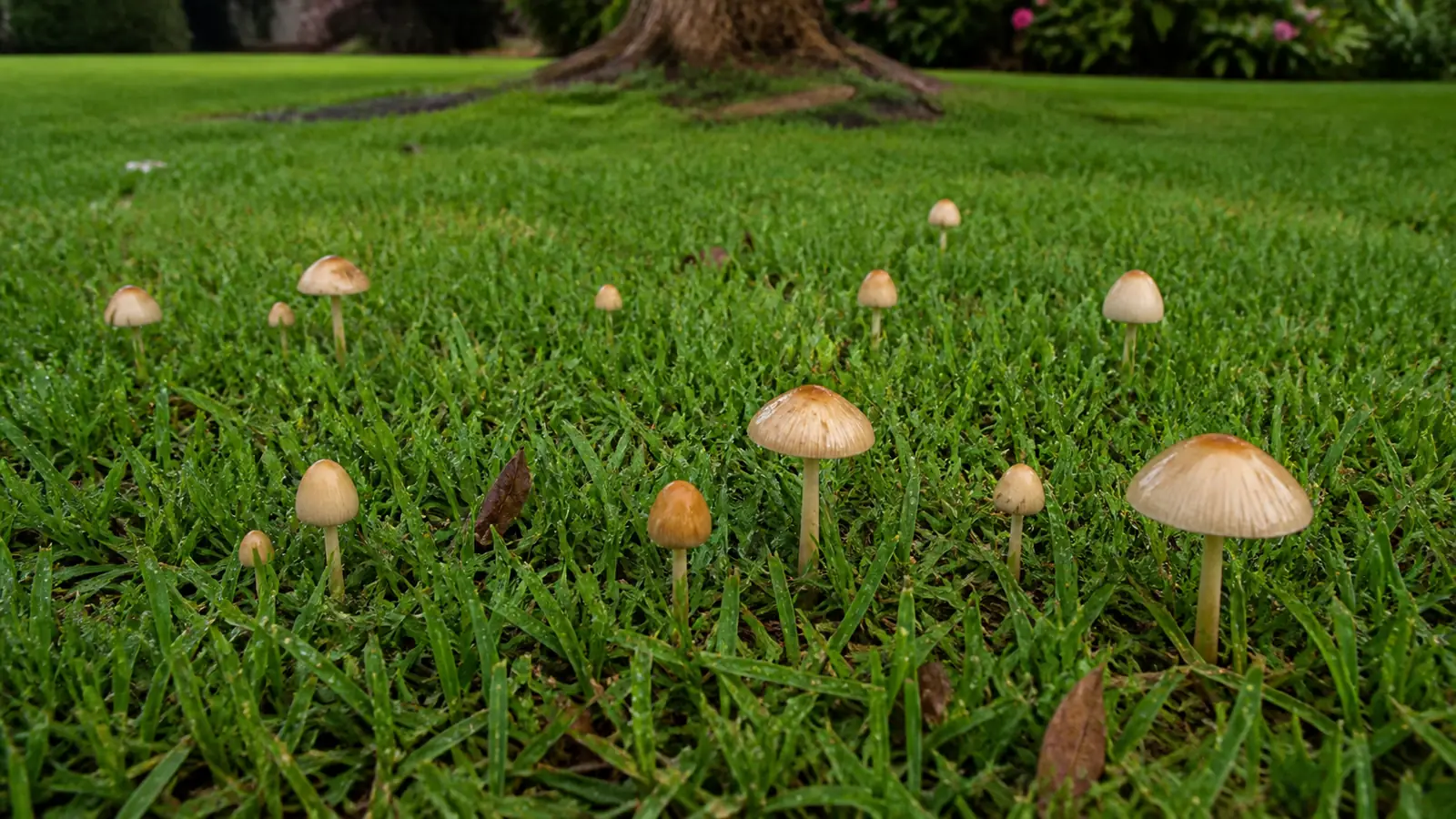
What Are the Mushrooms Growing in Your Lawn?
Read the lawn pattern, grass response, and complete specimen before trusting a cap color.
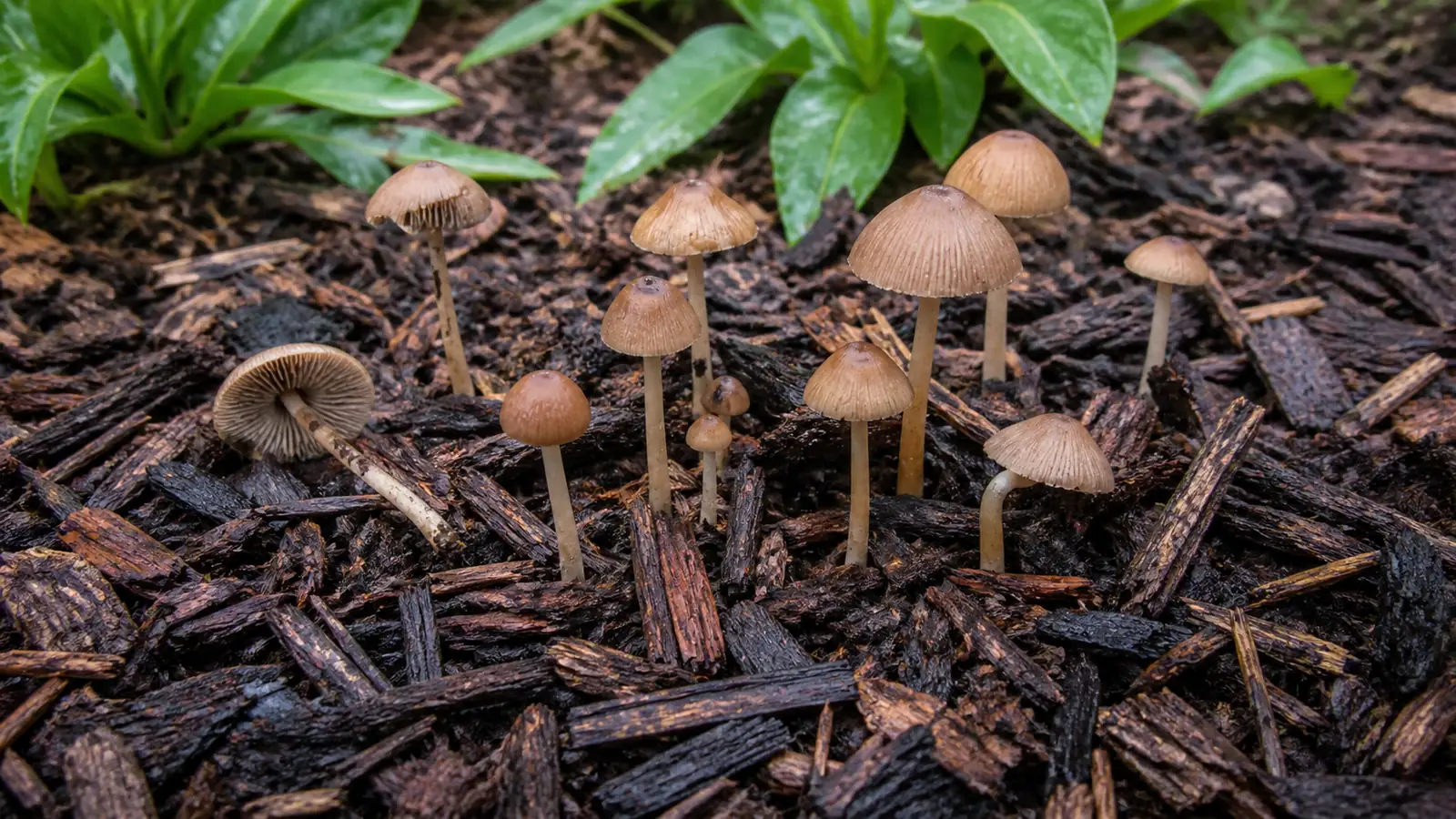
What Are the Mushrooms Growing in Your Mulch?
Use the mulch, growth form, and complete specimen to narrow the possibilities safely.
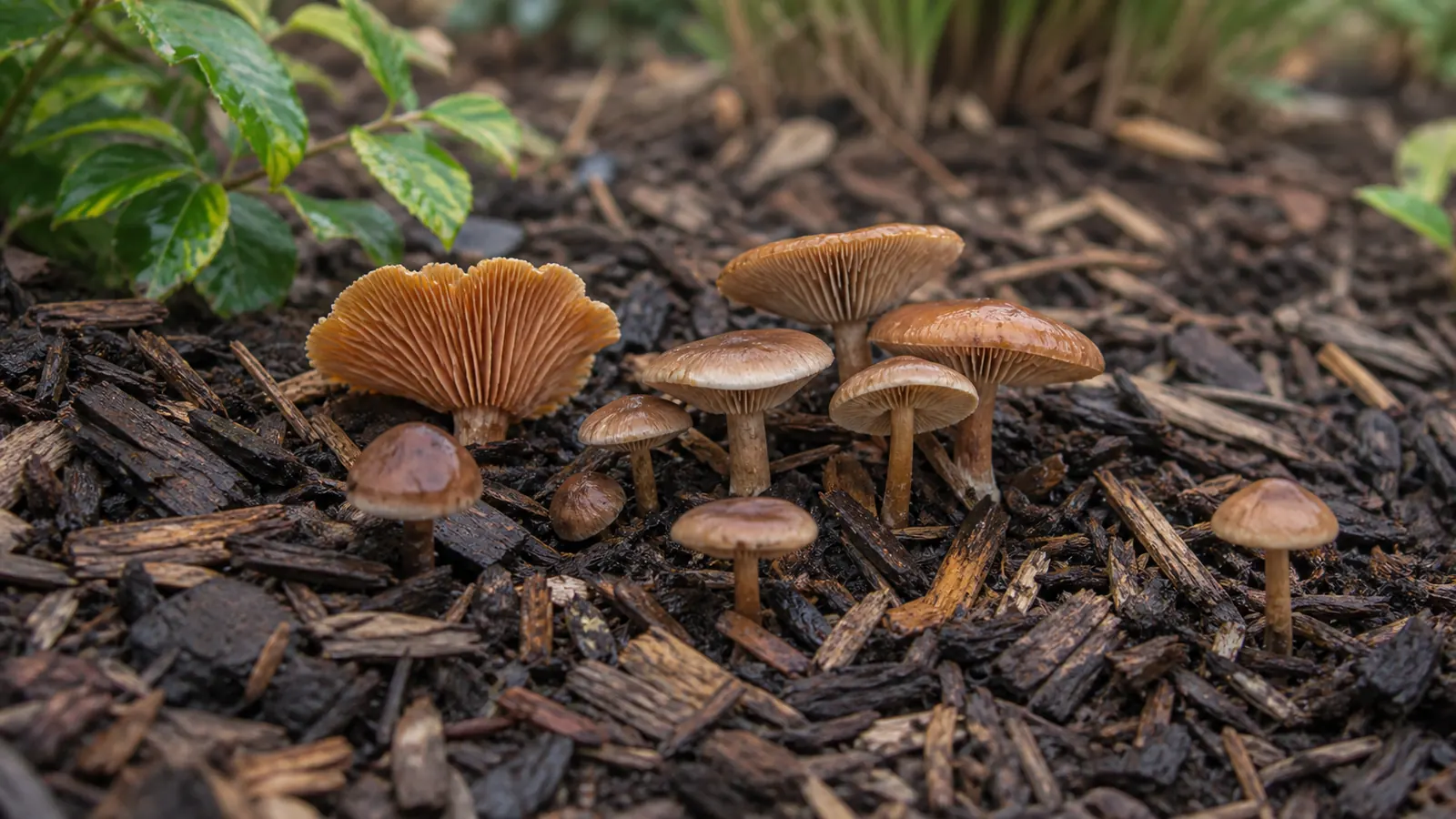
How to Identify Mushrooms Growing in Wood Chips
Use mulch history as context, then preserve the whole specimen.
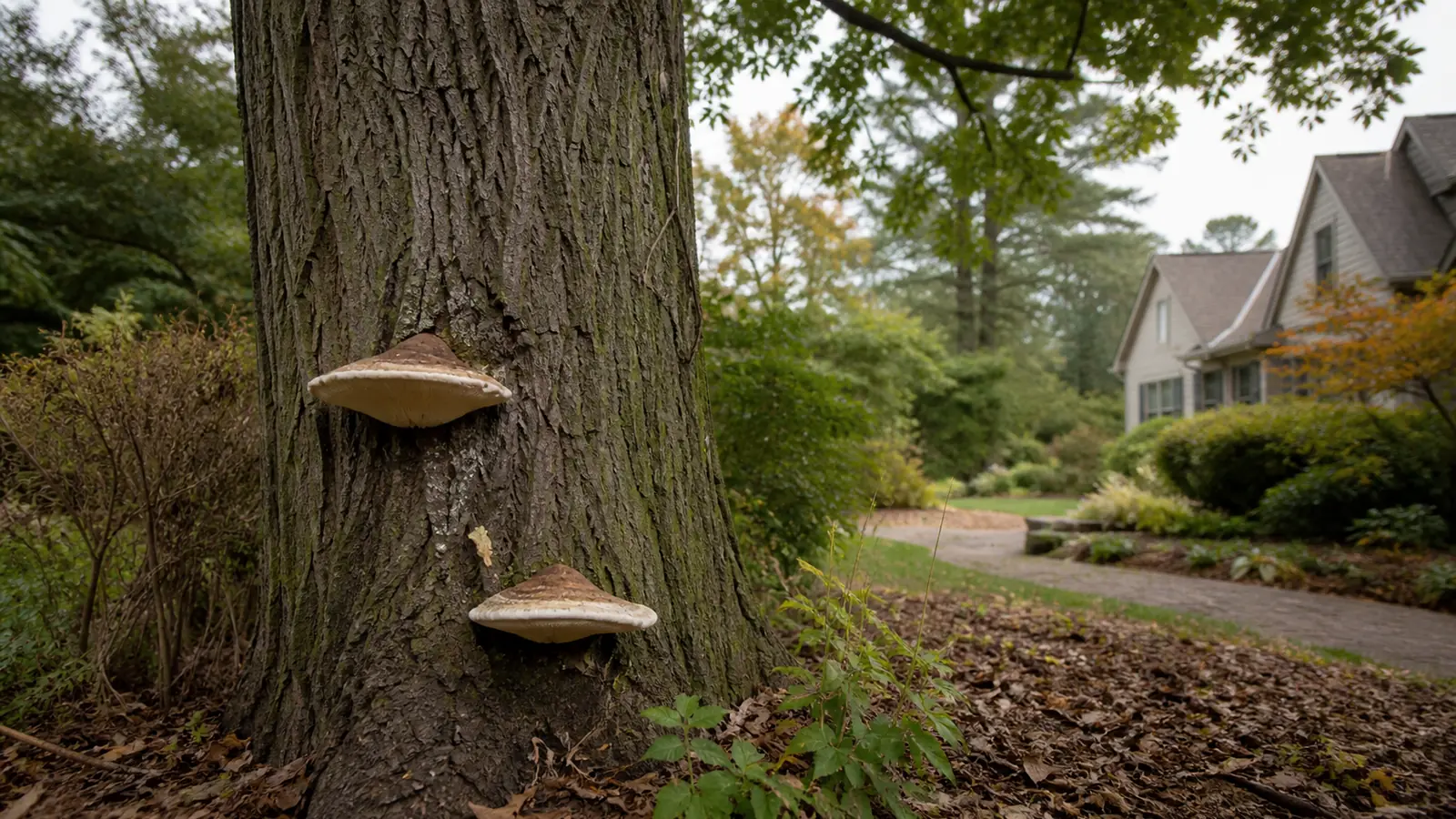
Mushrooms Growing on a Tree Trunk: What They Mean
Read the location, the fruiting surface, and the whole tree before judging risk.
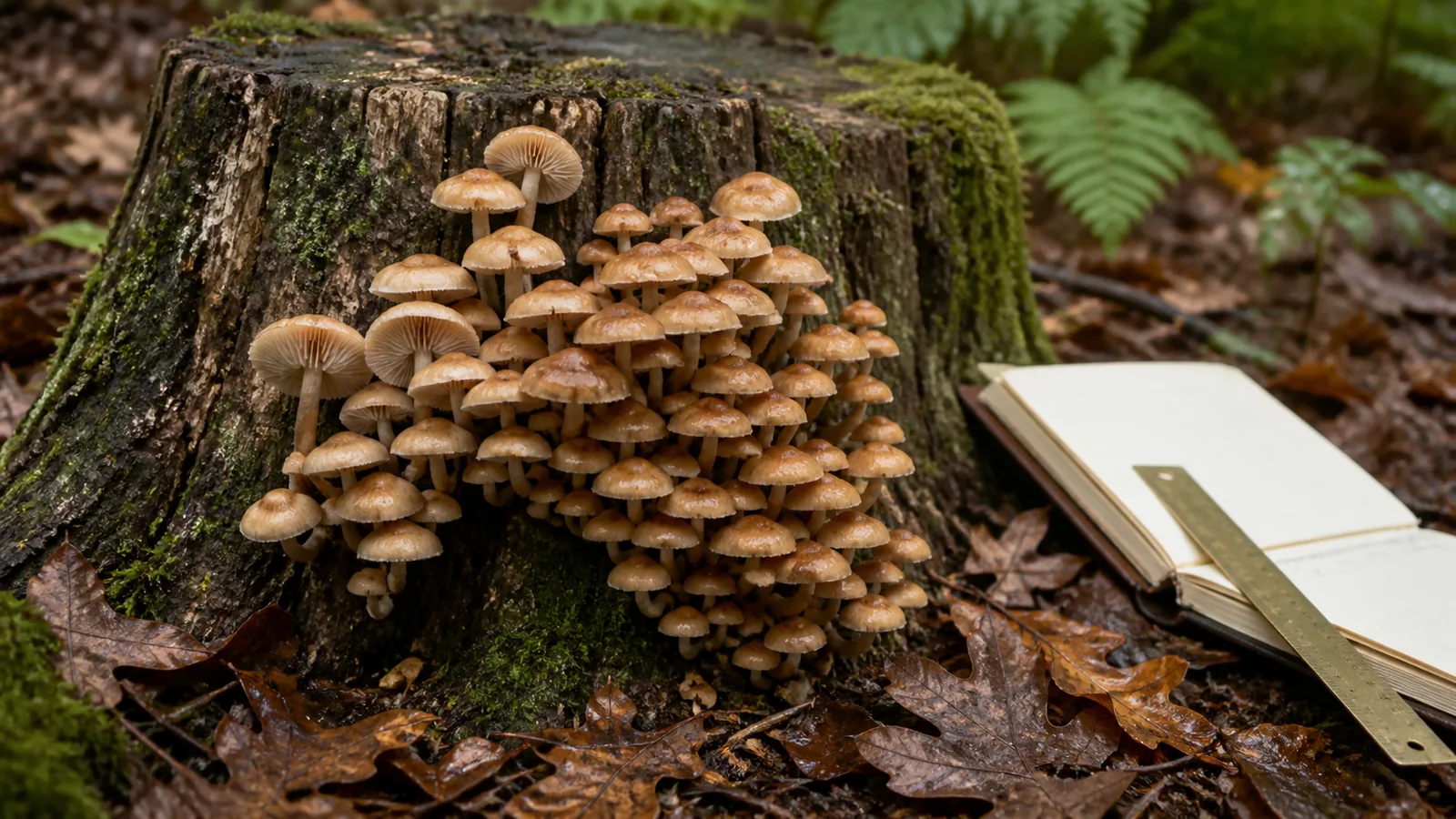
How to Identify Mushrooms Growing on a Tree Stump
Use the stump as context, then identify the mushroom from its complete character set.
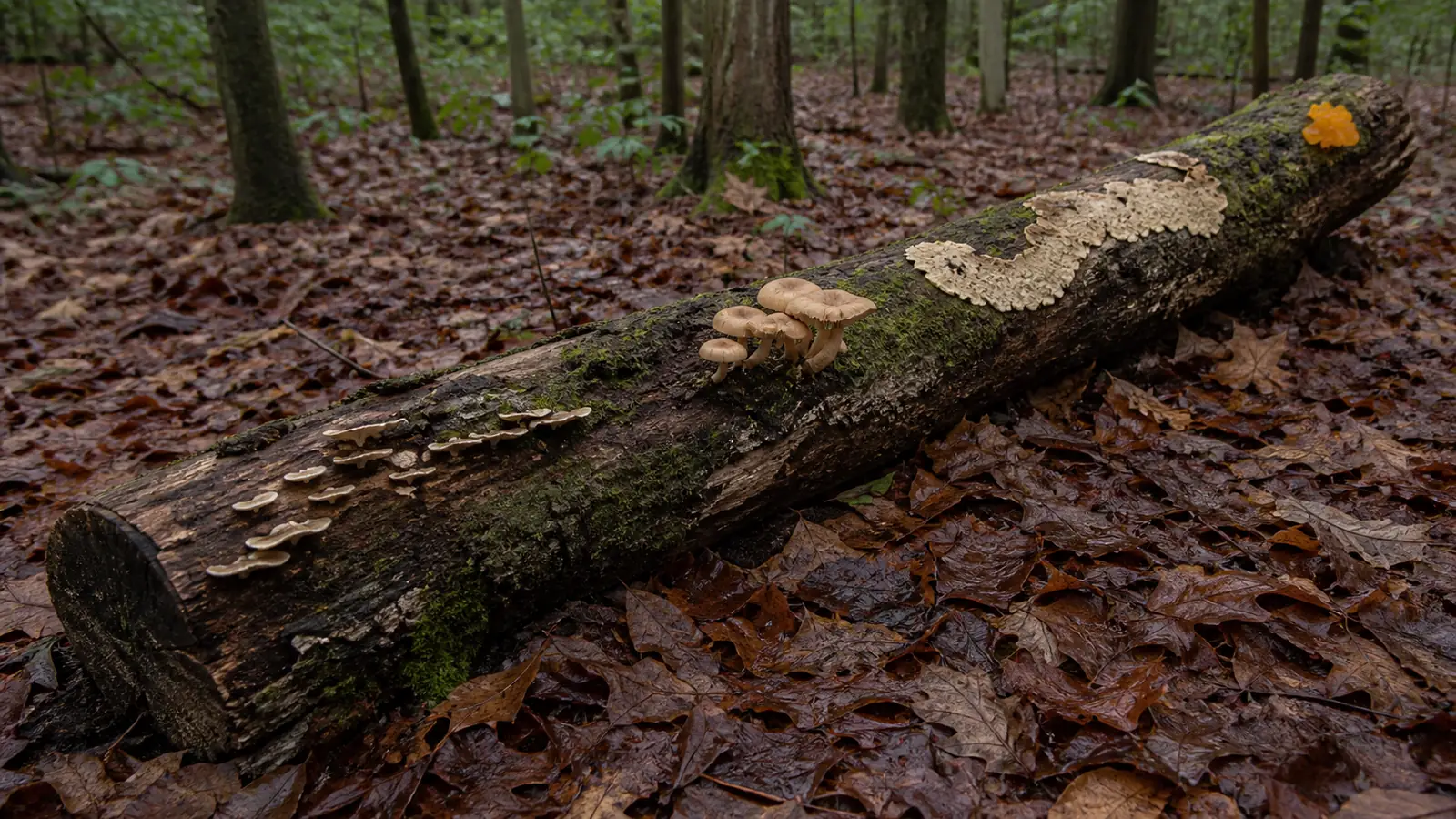
Which Mushrooms Grow on Dead Logs, and Why Do They Change?
Read the log's decay stage and host clues before narrowing the fungus.
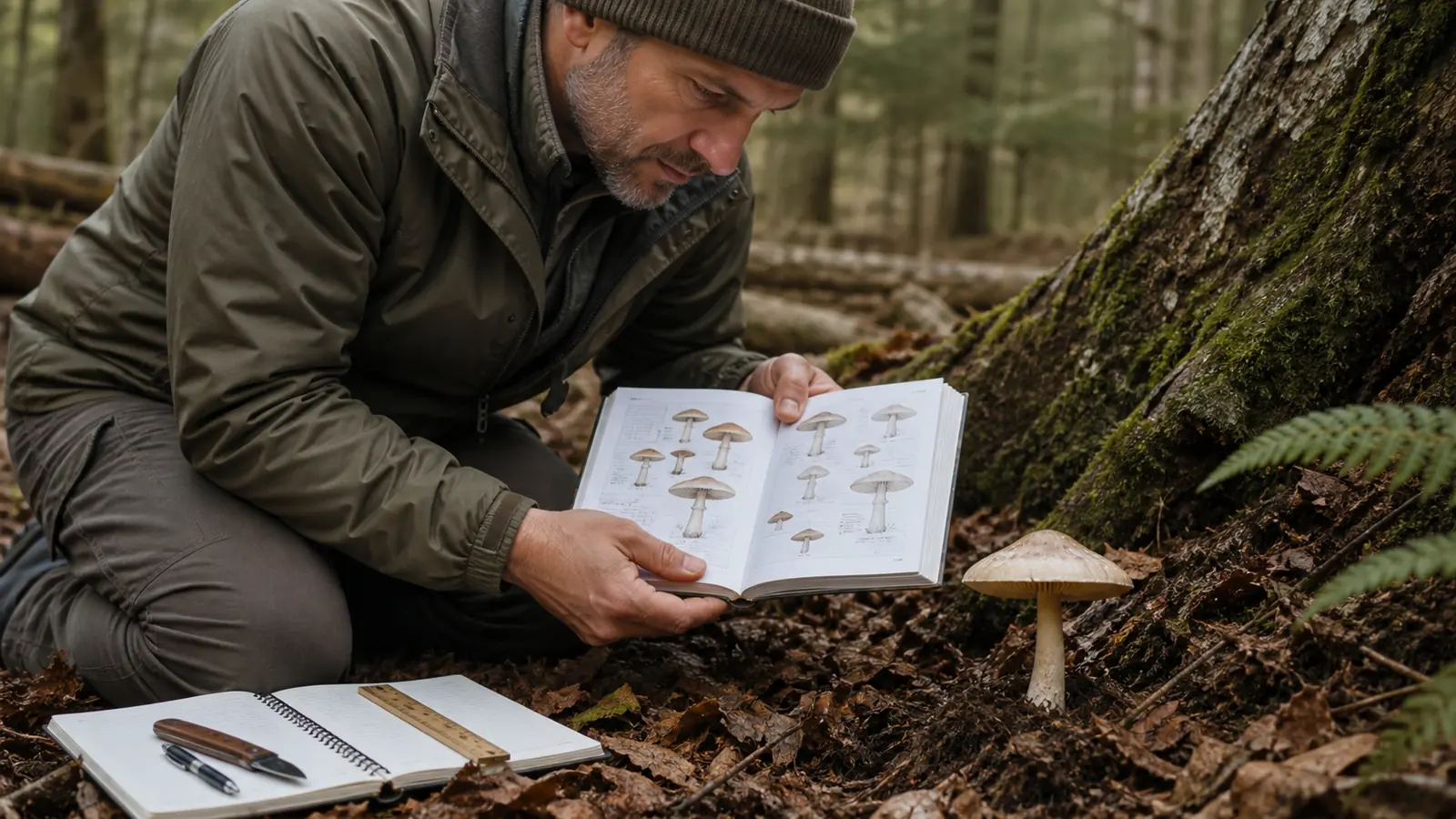
How to Use a Mushroom Field Guide Step by Step
Turn field observations into a testable identification.
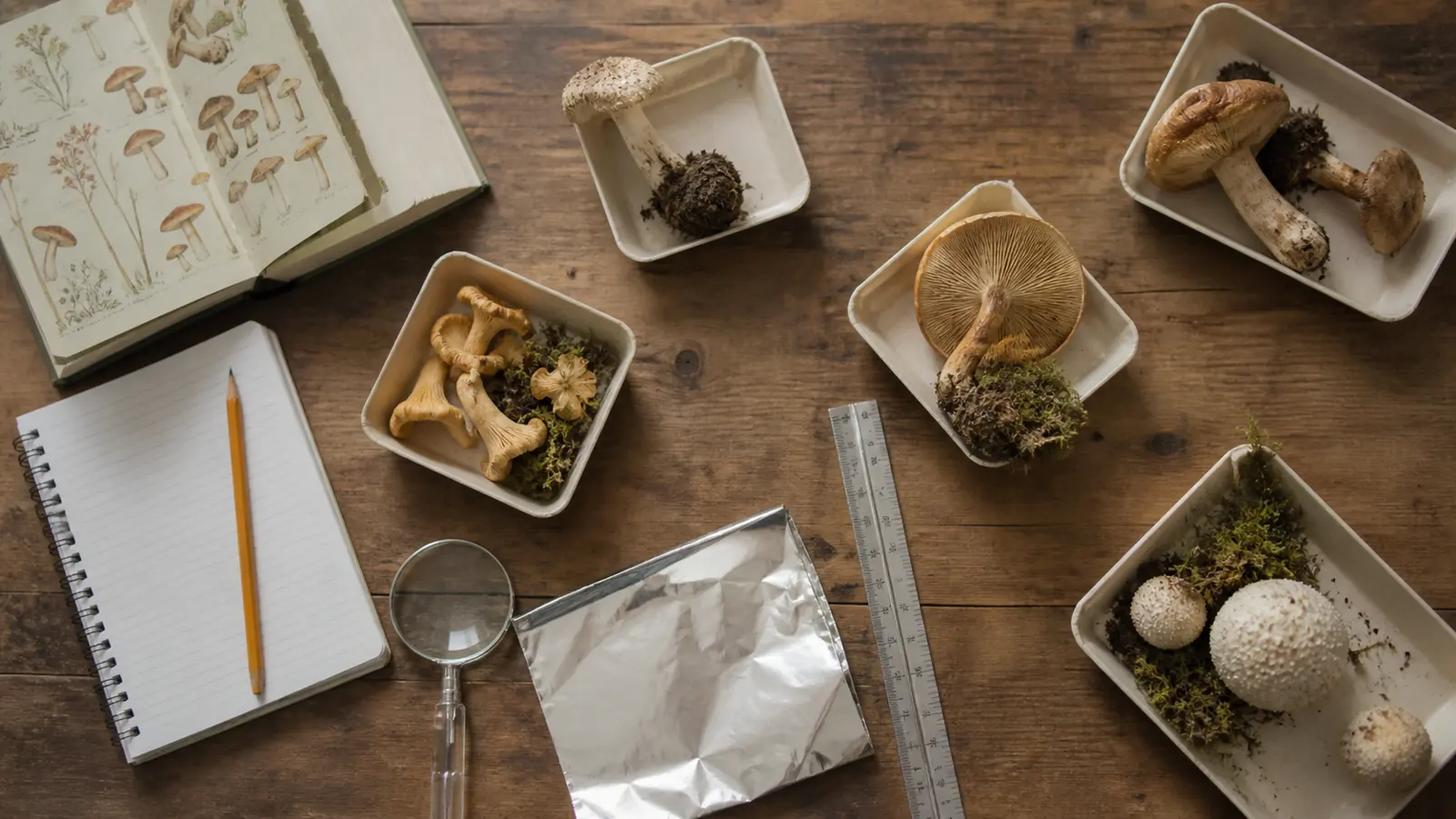
How to Identify Mushrooms With a Repeatable Field Method
Build the record before you test a name.
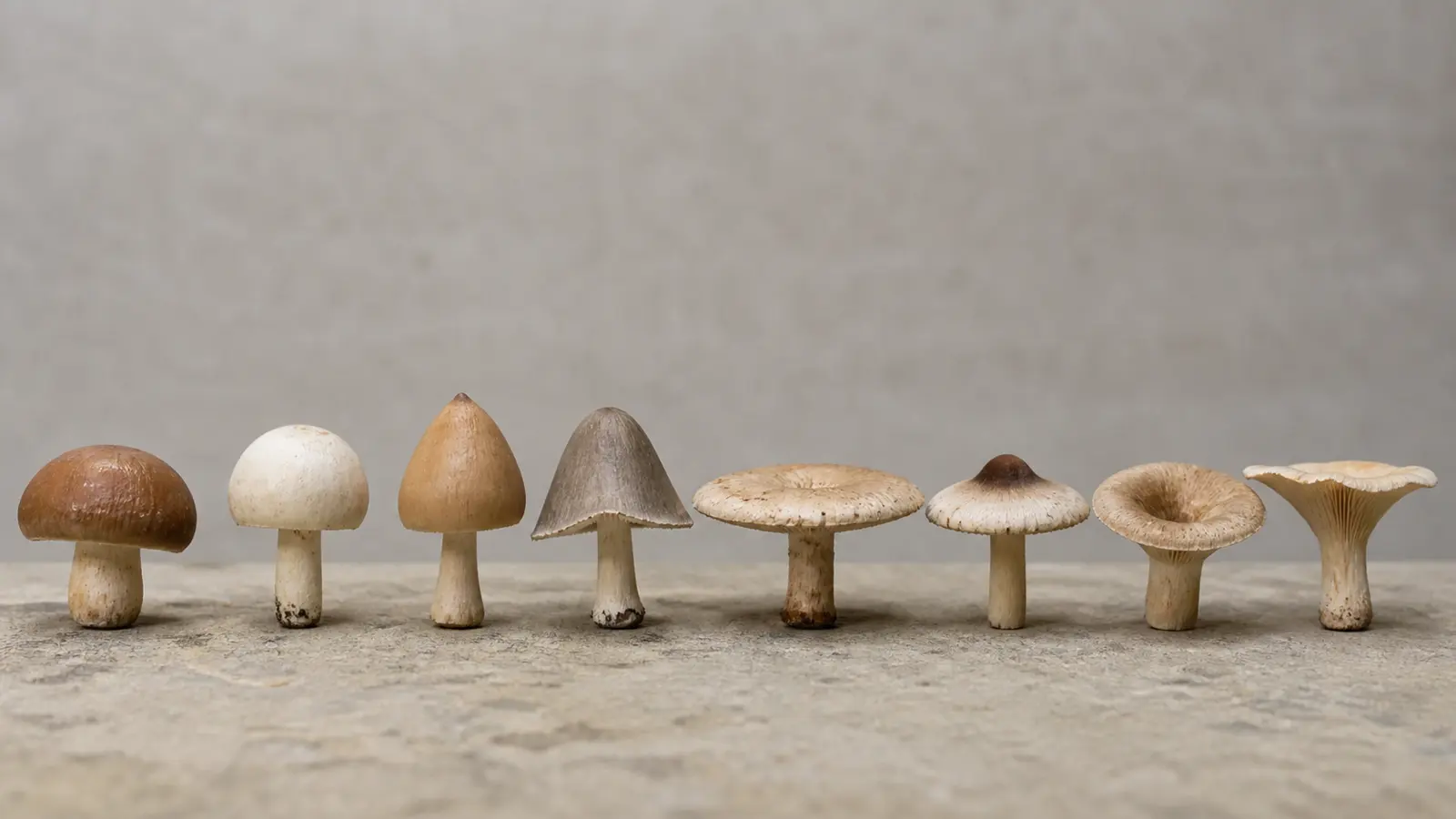
Mushroom Cap Shapes: A Field Chart That Accounts for Age
Record the profile and the stage, not one silhouette in isolation.
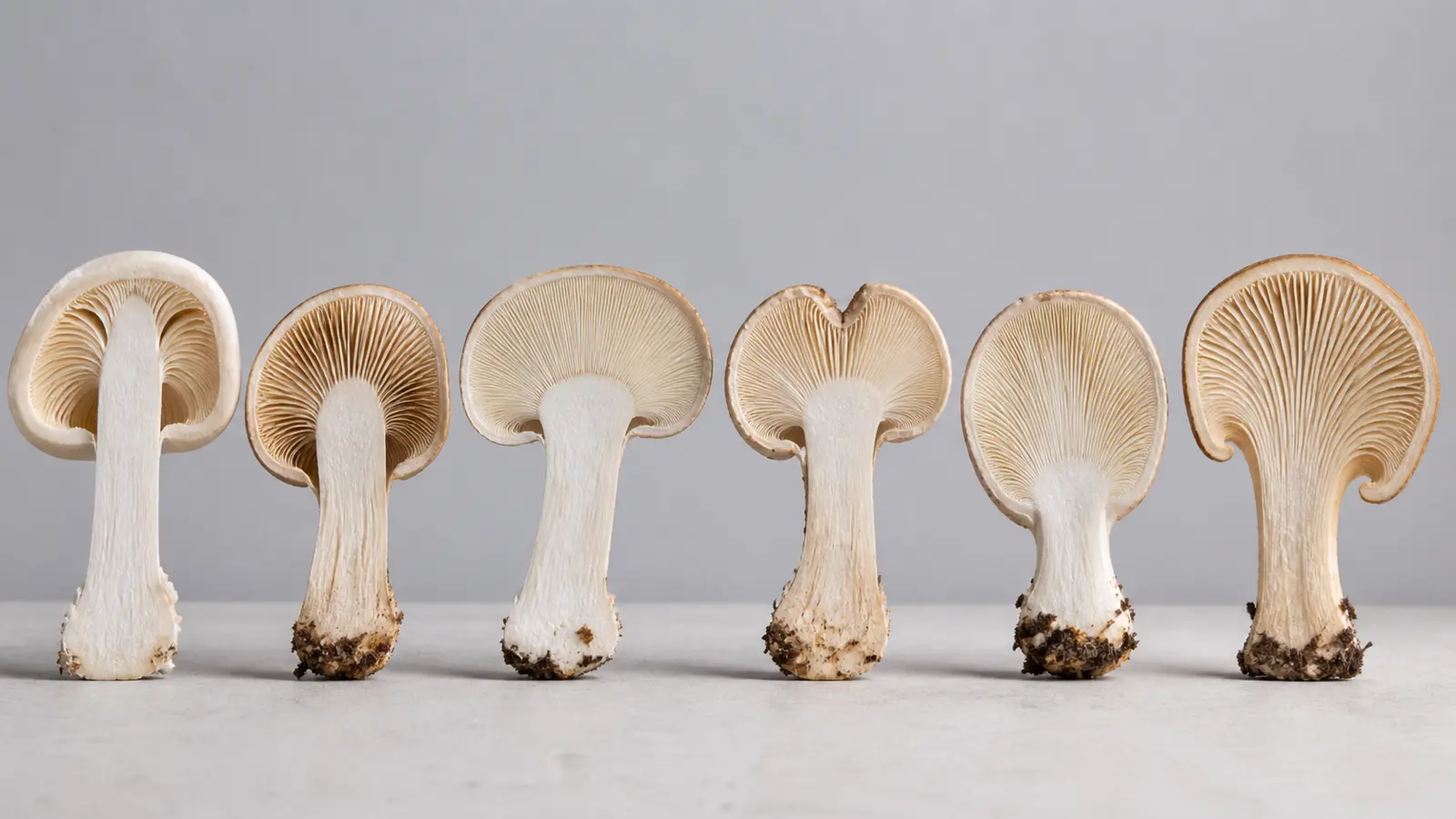
Mushroom Gill Attachment Types and How to See Them
Read the junction in section, then check it across stages.
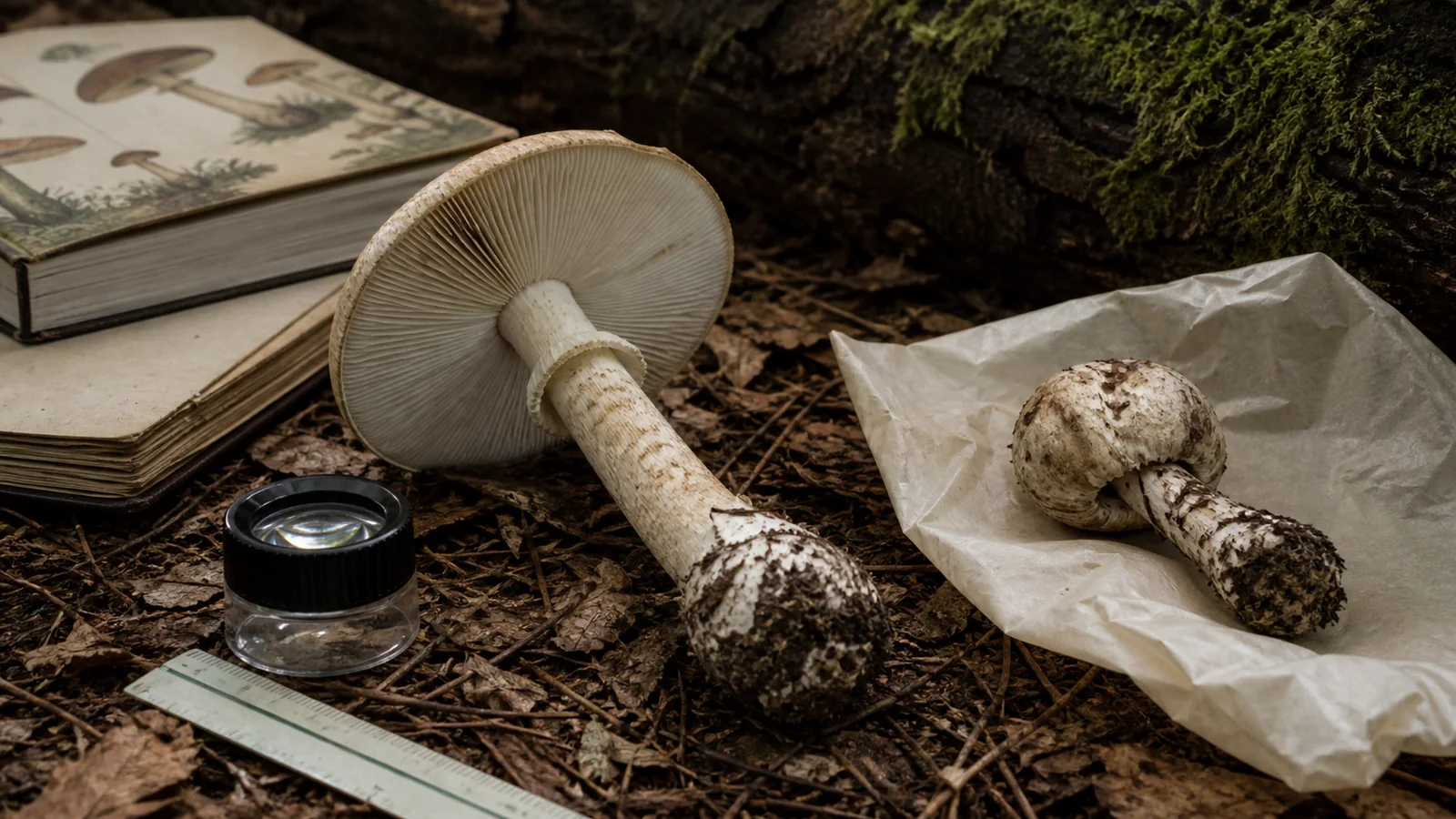
Mushroom Identification Mistakes That Create False Confidence
Find the missing and conflicting evidence before trusting the name.
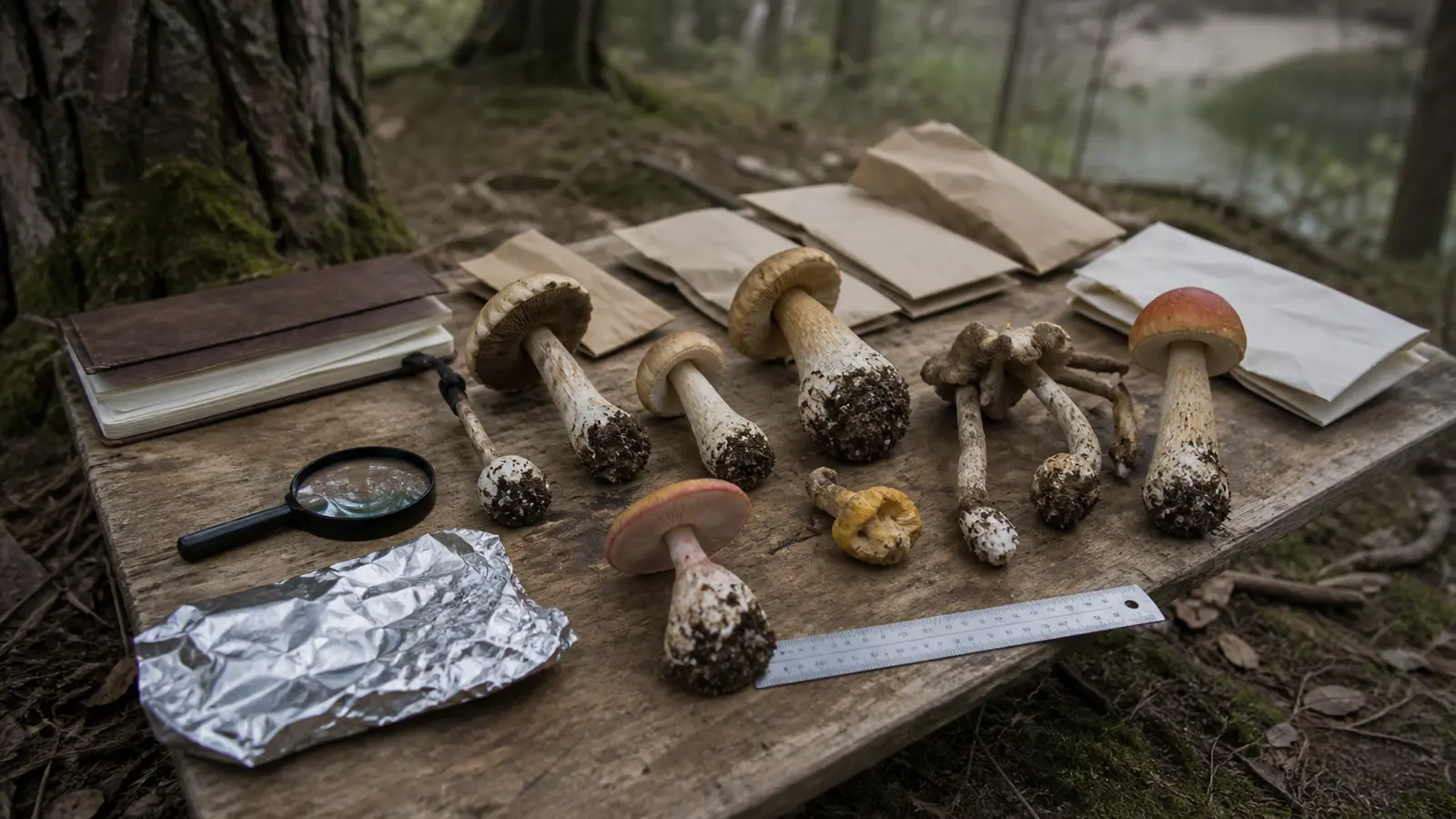
Mushroom Identification for Beginners: Build Real Skill
Learn forms and records before chasing species names.
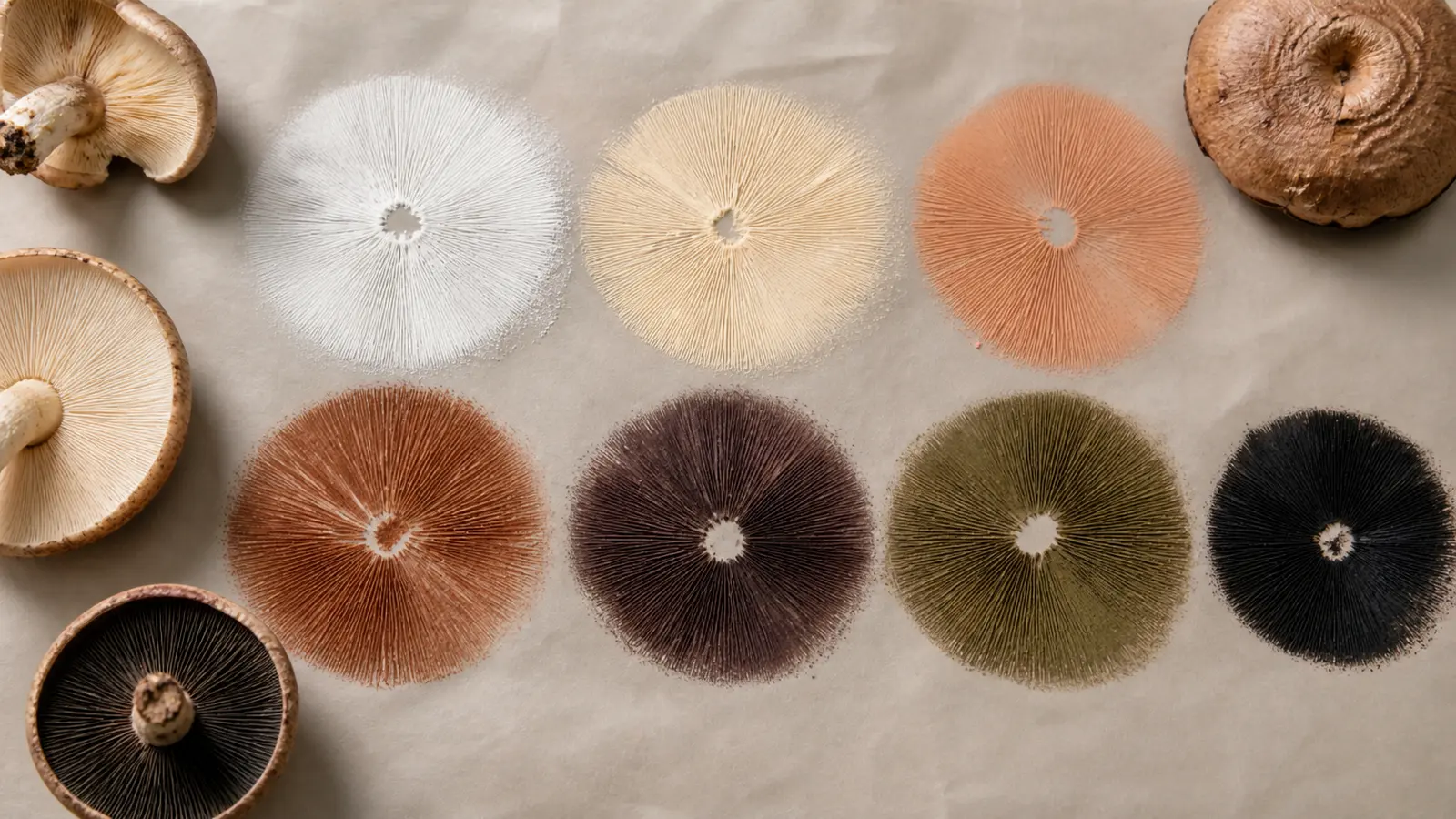
Spore Print Colors Chart and How to Read Each Deposit
Read the deposit as a color family, then test it against the whole specimen.
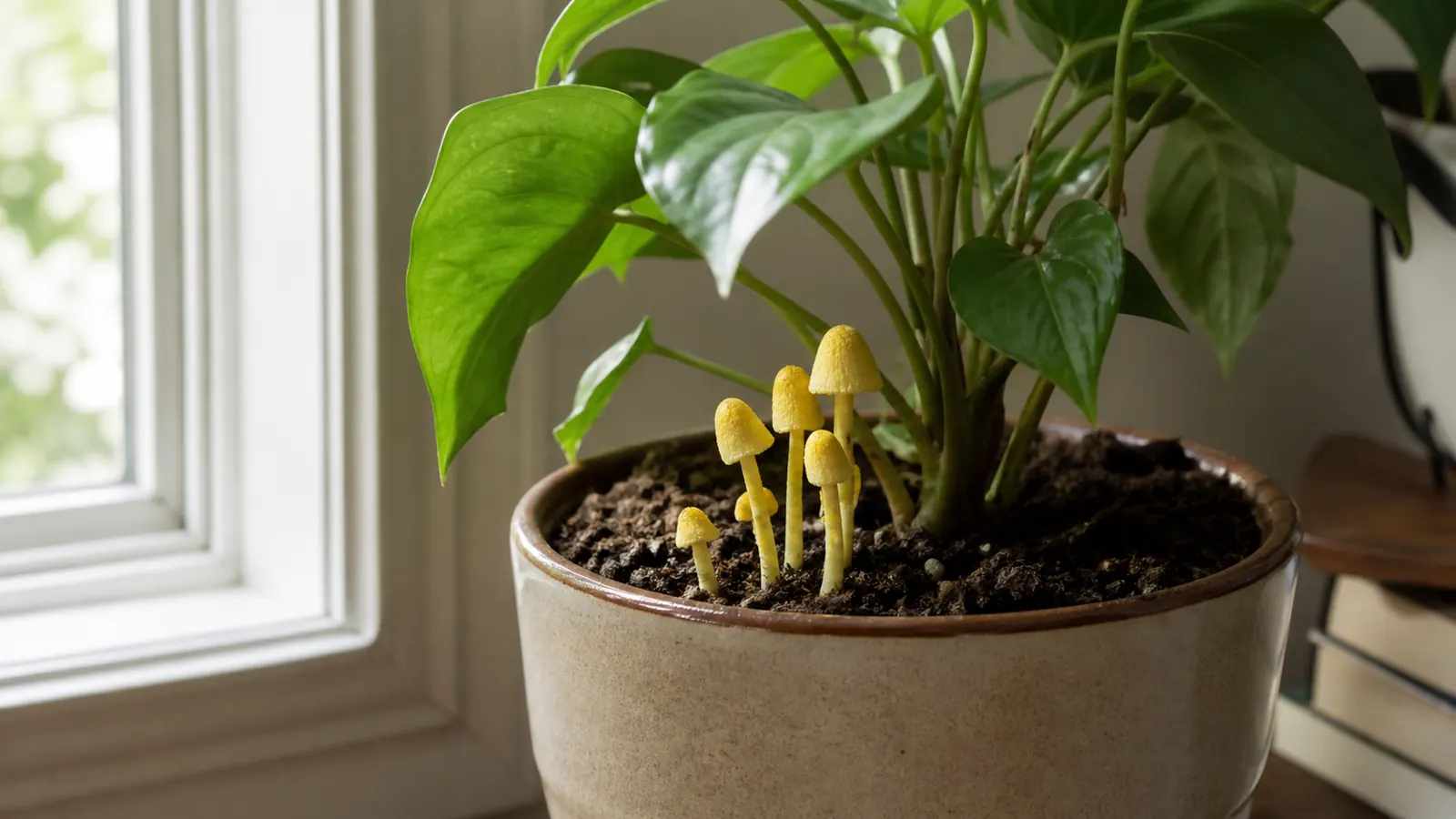
Why Are Mushrooms Growing in Your Potted Plant?
Identify the likely yellow fungus, then judge moisture and roots before disturbing the plant.
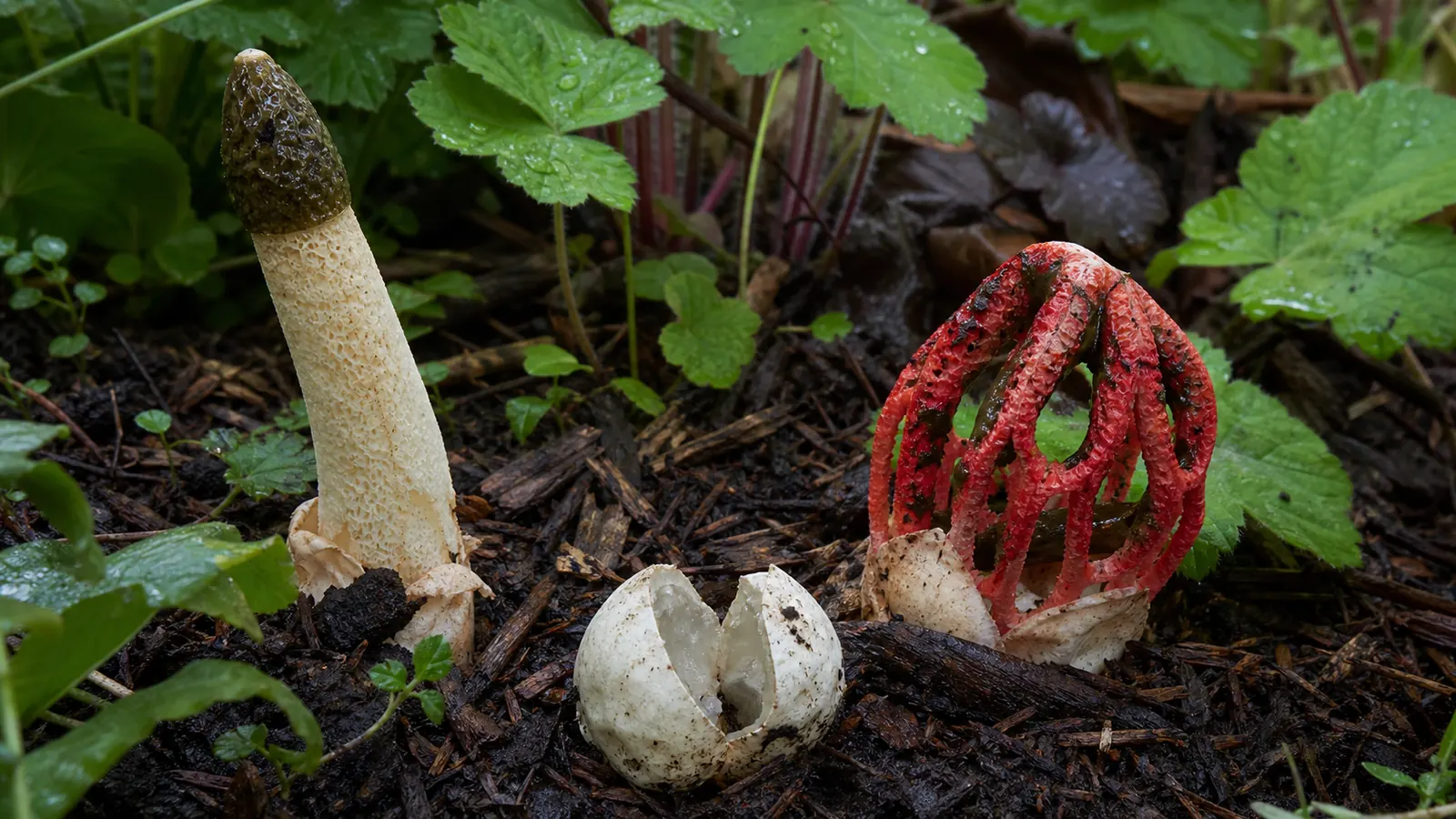
What Is the Smelly Stinkhorn in Your Garden?
Read the egg, body form, gleba, and fly activity before choosing control.
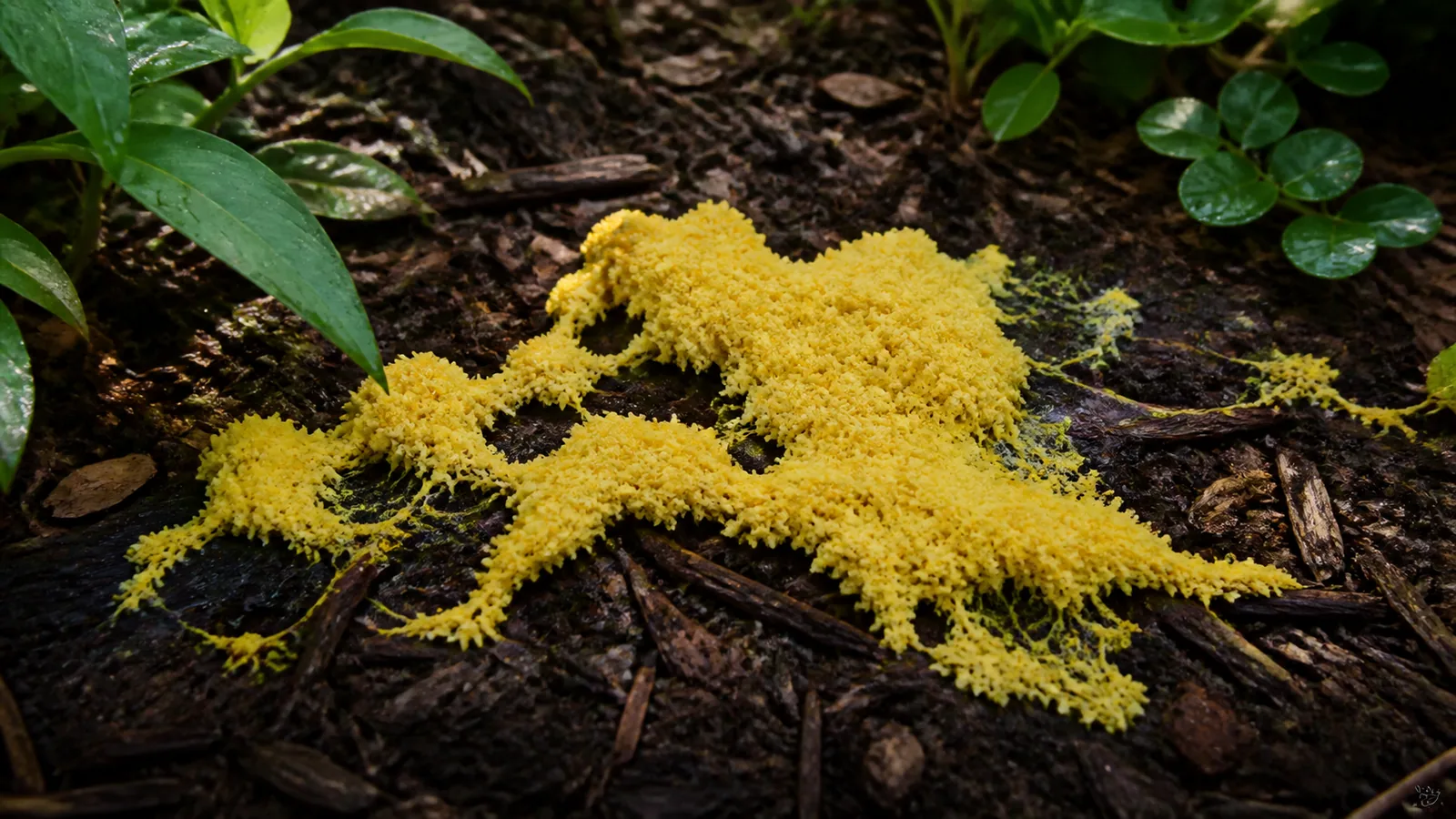
What Is the Yellow Slime Mold in Your Mulch?
Follow the yellow-to-brown stages before deciding whether the bed needs work.
Identify before you trust
Identification is where safety is won or lost. Most serious poisonings are not bad luck, they are a confident guess about a mushroom that was something else.
The lookalike focus
Compare edible mushrooms with their toxic lookalikes using the cap, underside, stem base, habitat, and other distinguishing features.
Warning
No photo or description can carry every feature that matters. Spore color, the base of the stem, and smell can each be decisive, and a screen shows none of them reliably.
How to use these pages
Find the pair you are unsure about, learn the deciding feature, then confirm the real mushroom in your hands, in person, before you ever eat it.