
Mushrooms by Type
Grouping mushrooms by shape, gilled, chanterelle, bolete, morel, tooth, is how field guides teach identification. Start with the overall form, then narrow to species.
Browse by shape
Each type is a different way a mushroom makes and drops its spores. Recognizing the form is the first step of any identification.
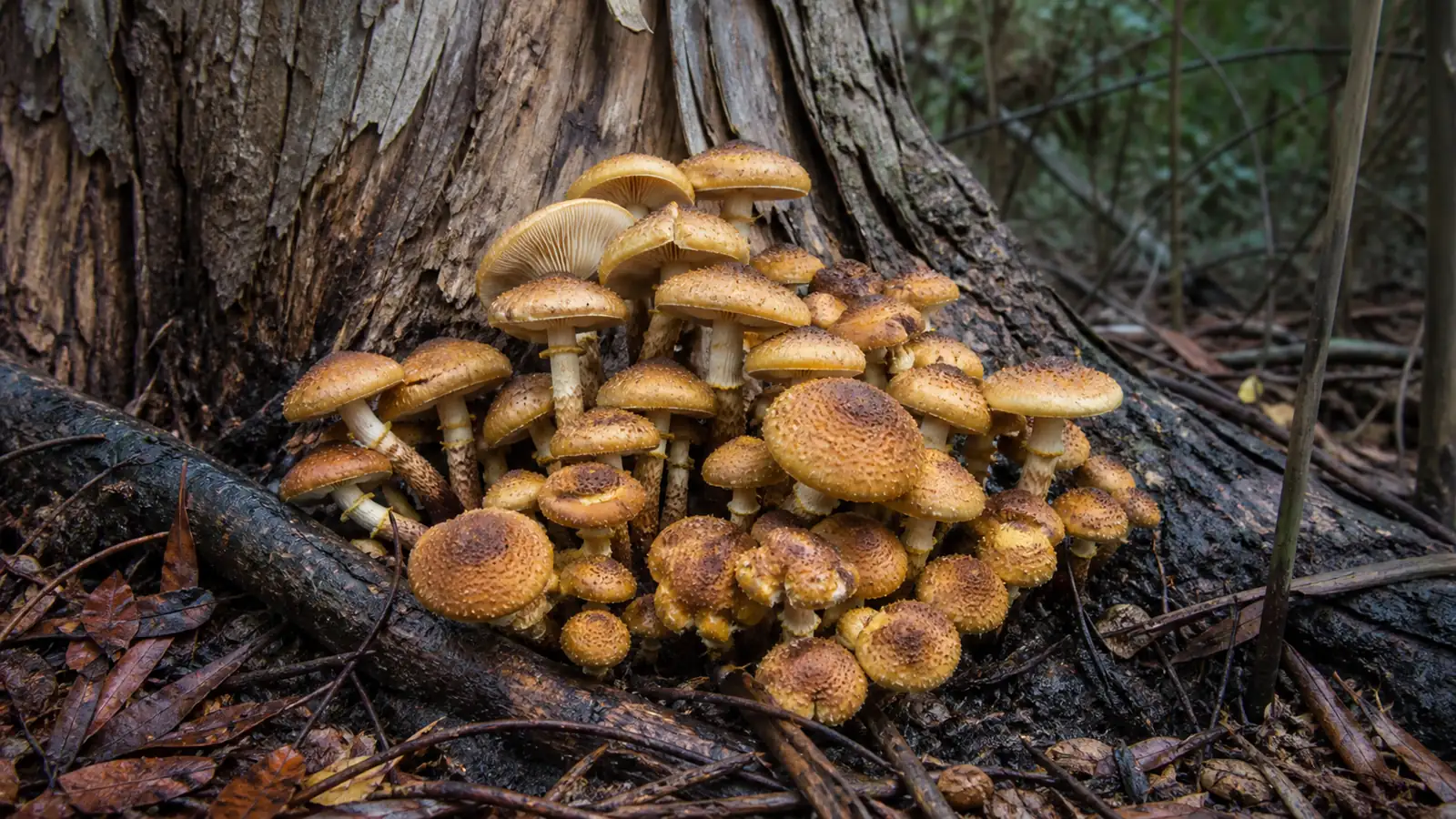
Gilled
A cap with blade-like gills underneath. The classic form, spanning prized edibles and the deadliest species alike.
e.g. Australian Honey Fungus 51 species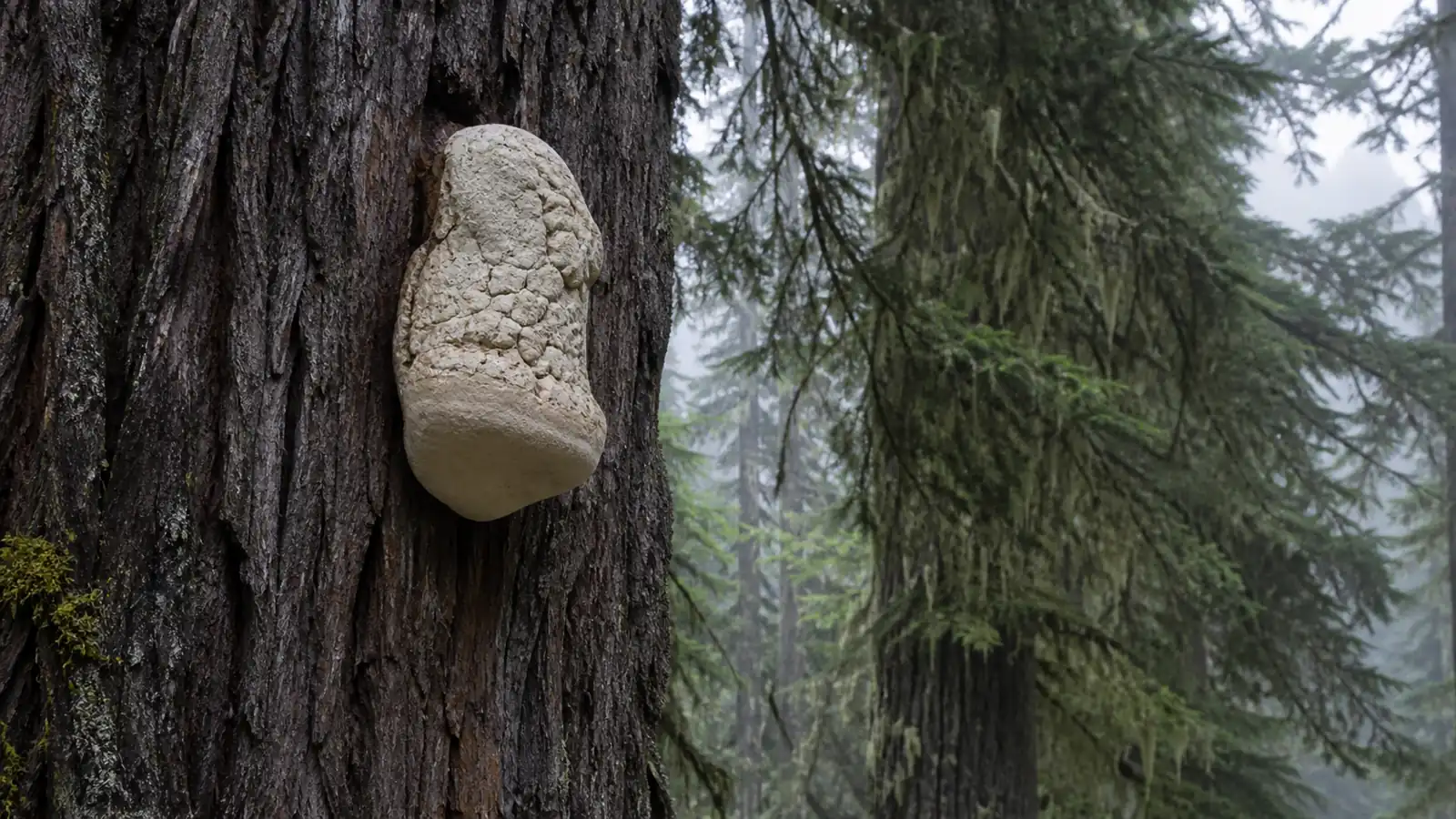
Polypore
Tough, shelf-like bracket fungi that grow on wood.
e.g. Agarikon 11 species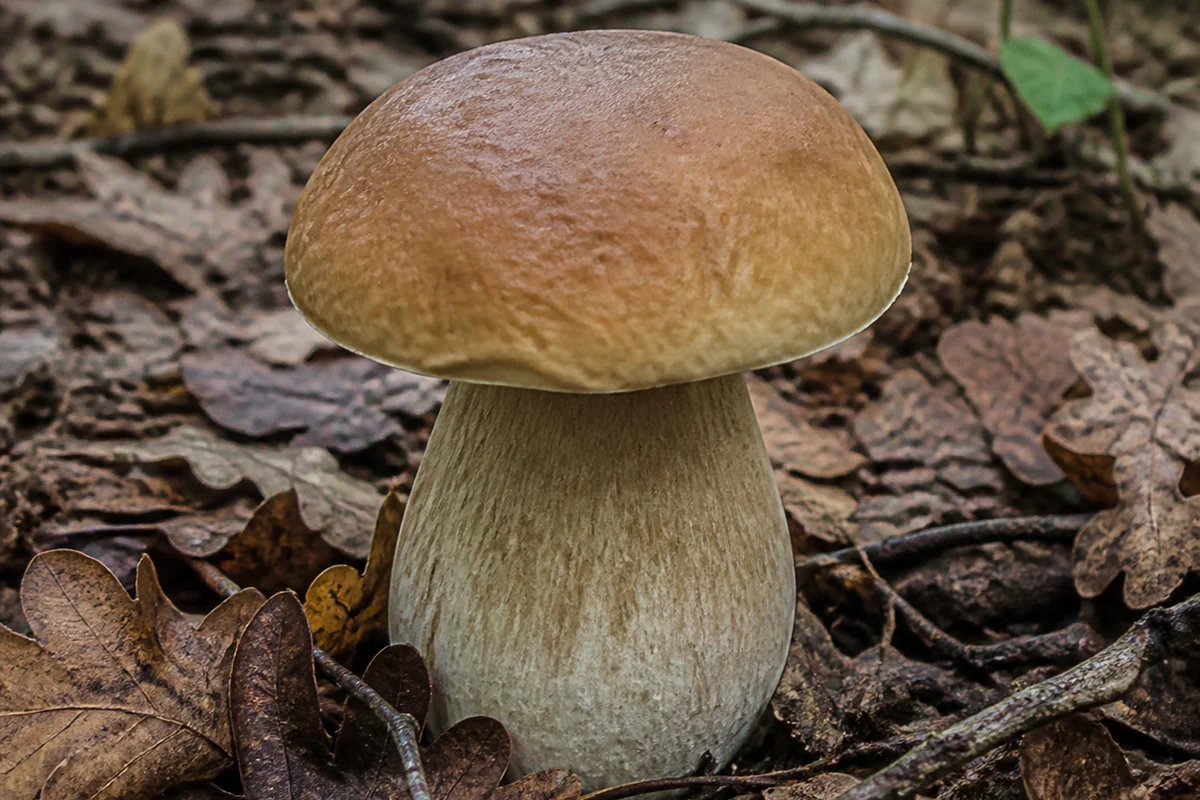
Bolete
A spongy, pored underside instead of gills. Many are choice edibles.
e.g. Bitter Bolete 7 species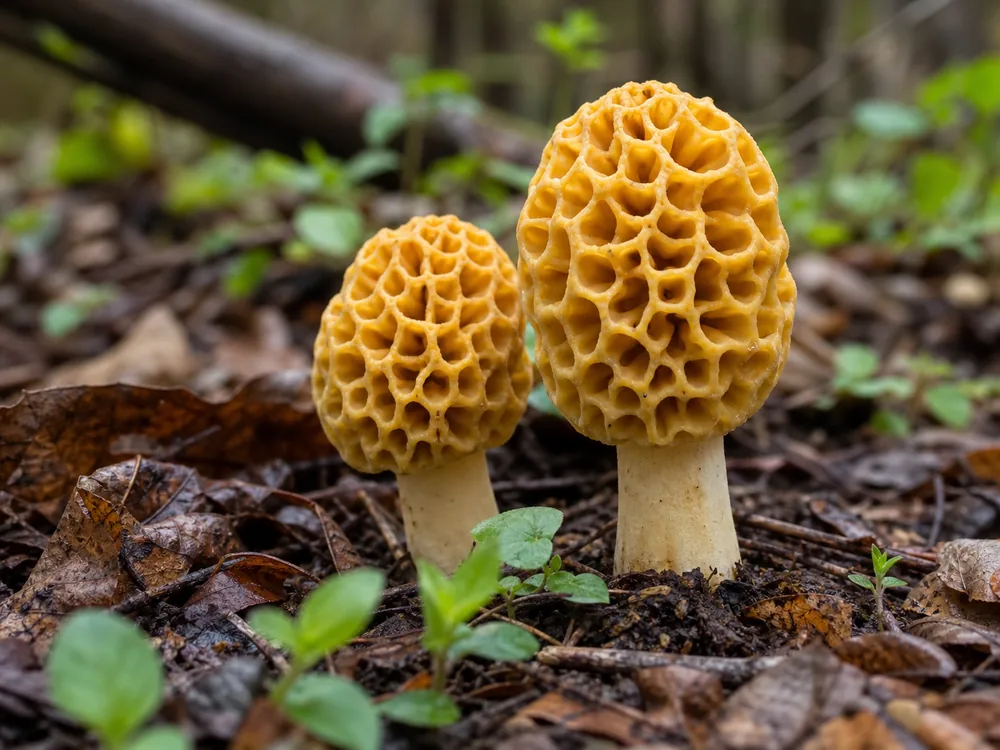
Morel
Honeycombed or brain-like caps. Includes true morels and their toxic false-morel lookalikes.
e.g. Morel 5 species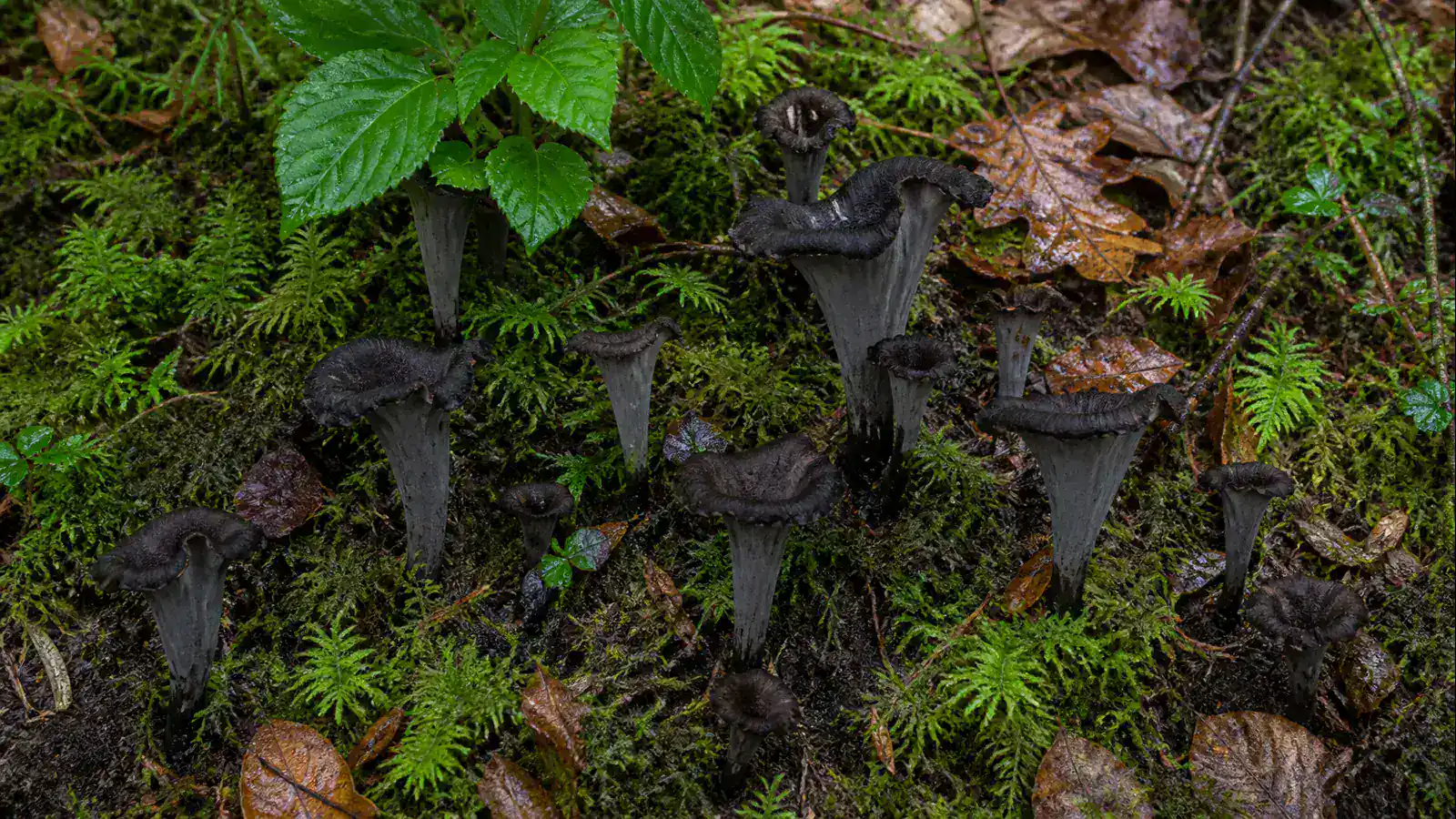
Chanterelle
Funnel-shaped with blunt, forked false-gill ridges rather than true gills. A prized wild-edible group.
e.g. Black Trumpet 3 species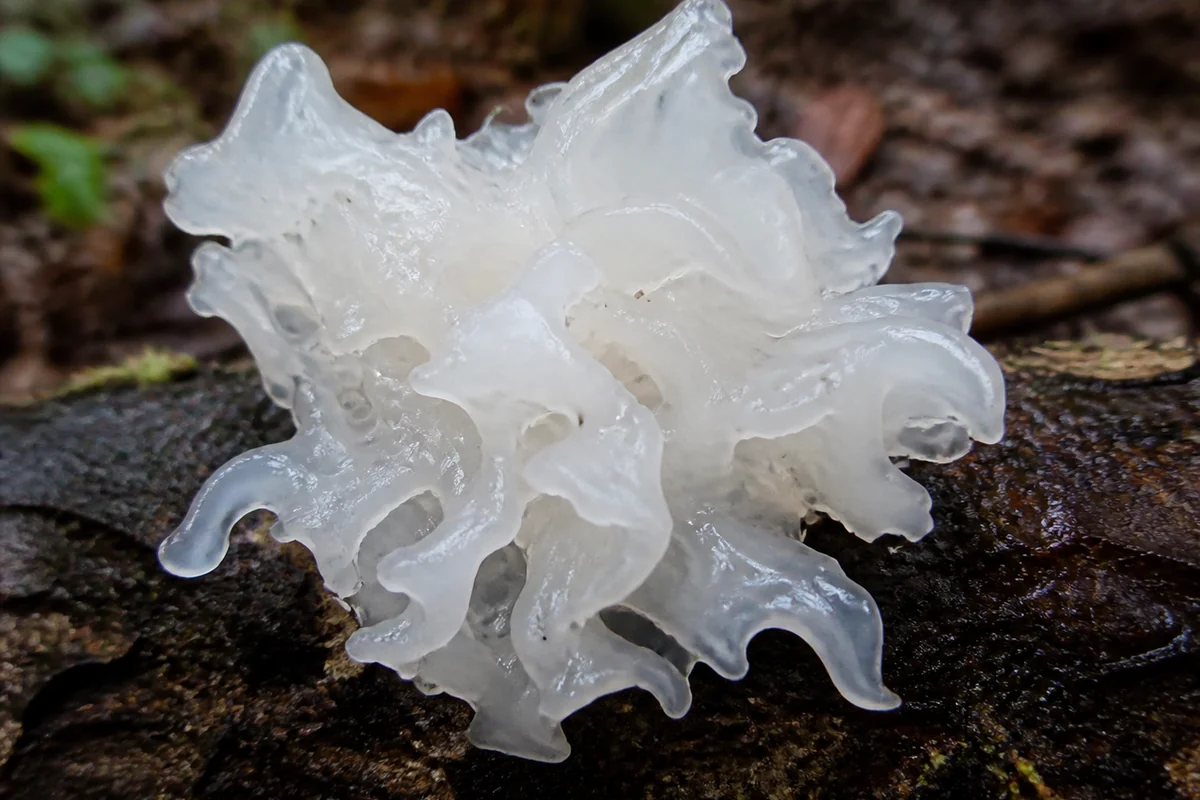
Coral
Branched, coral-like fruiting bodies.
e.g. Tremella 2 species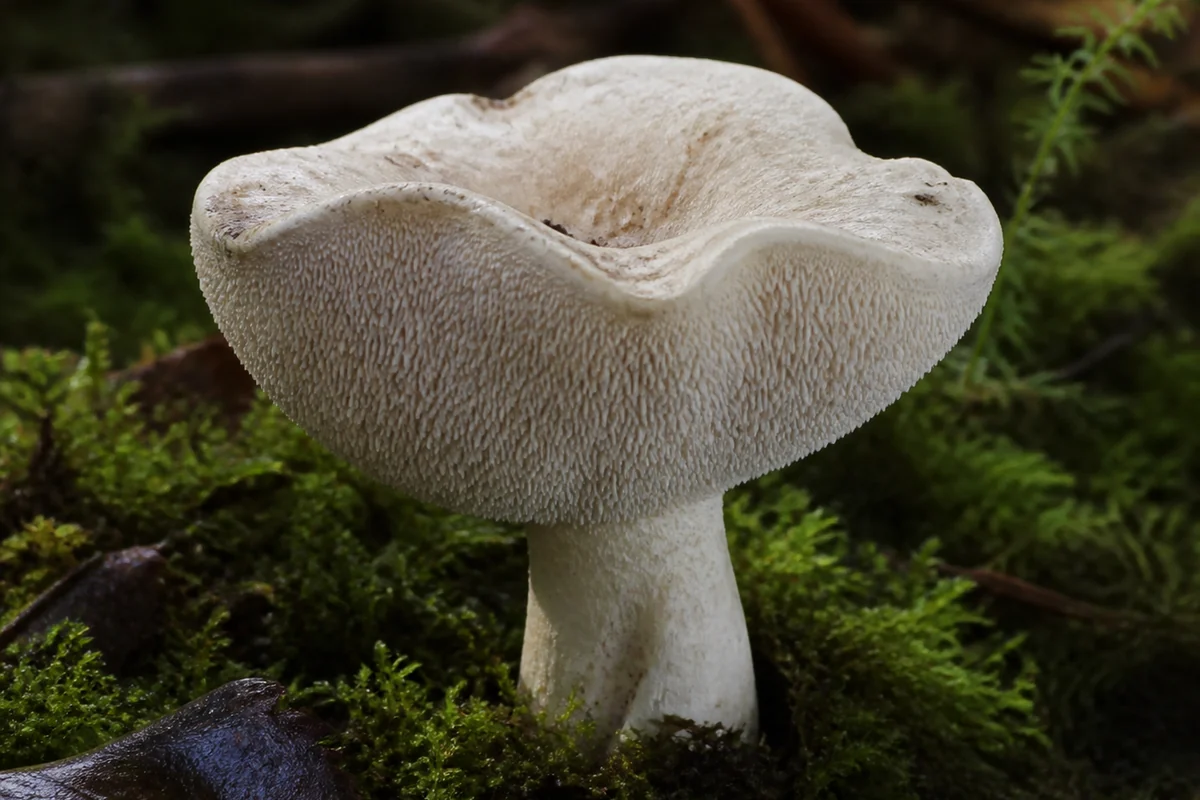
Tooth
Spore-bearing spines or teeth instead of gills. Includes the unmistakable lion's mane.
e.g. Hedgehog Mushroom 2 species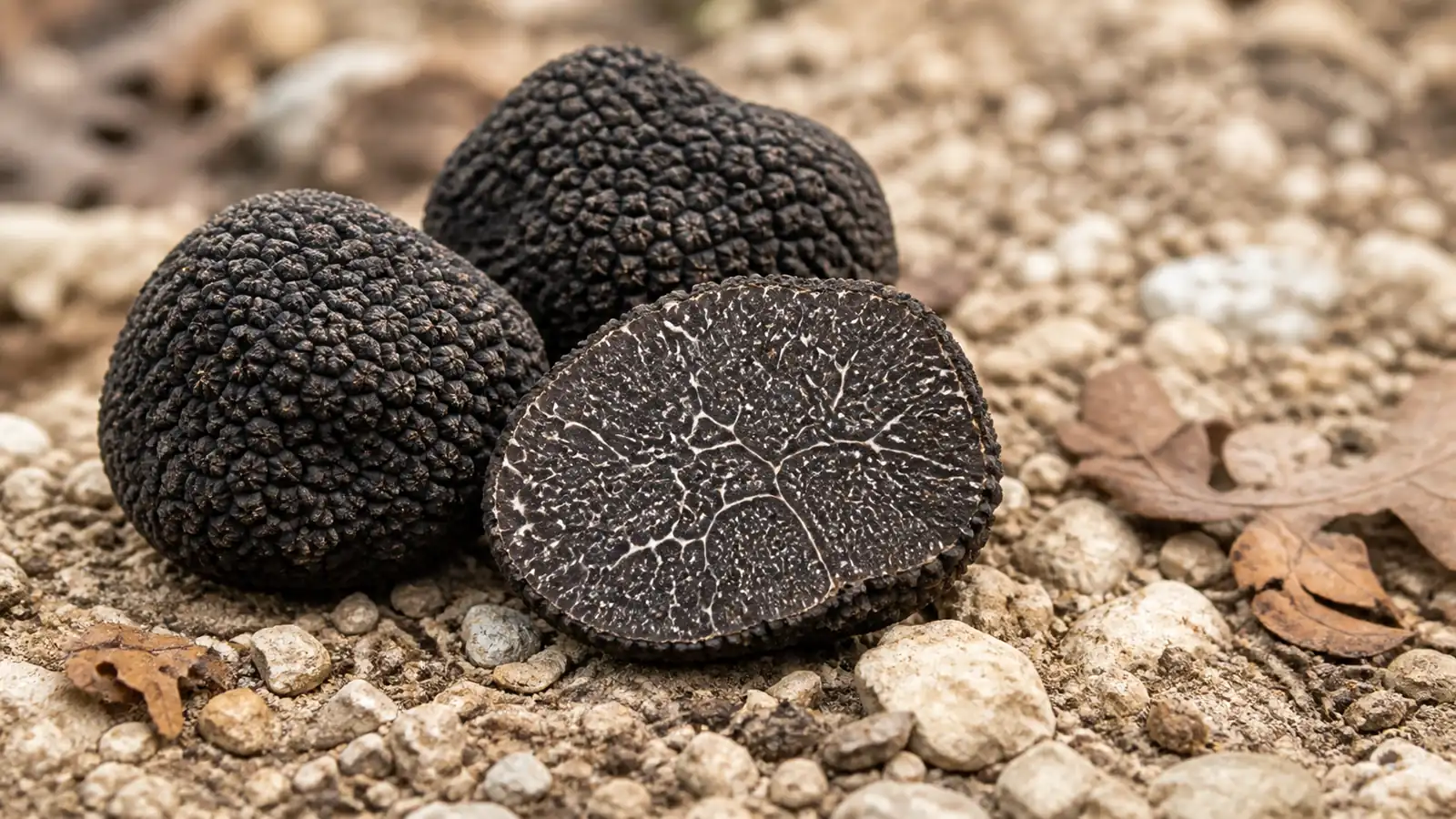
Truffle
A distinct group of mushrooms sharing this structural form.
e.g. Black Truffle 2 species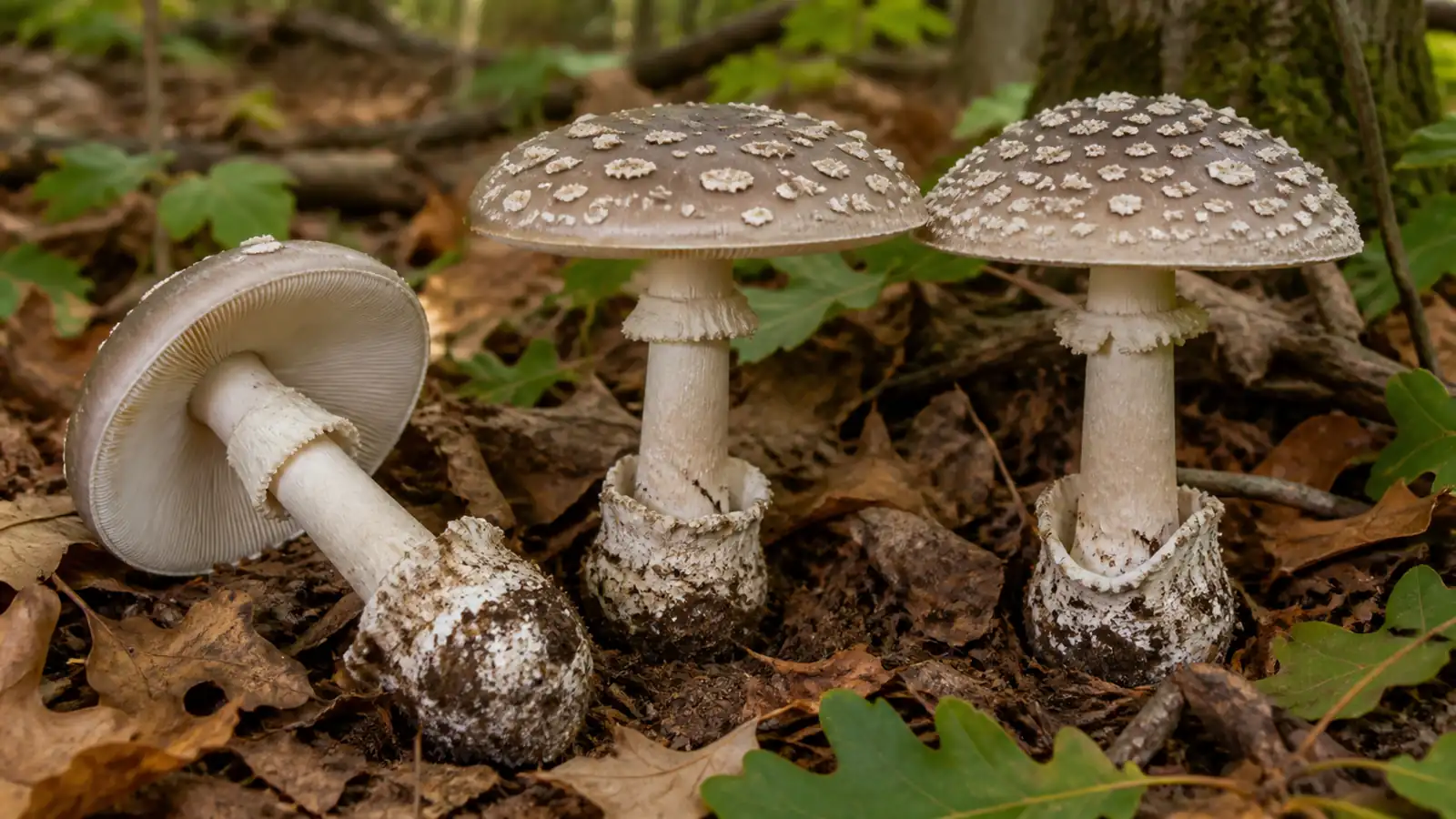
Amanita
A distinct group of mushrooms sharing this structural form.
e.g. Booted Amanita 1 species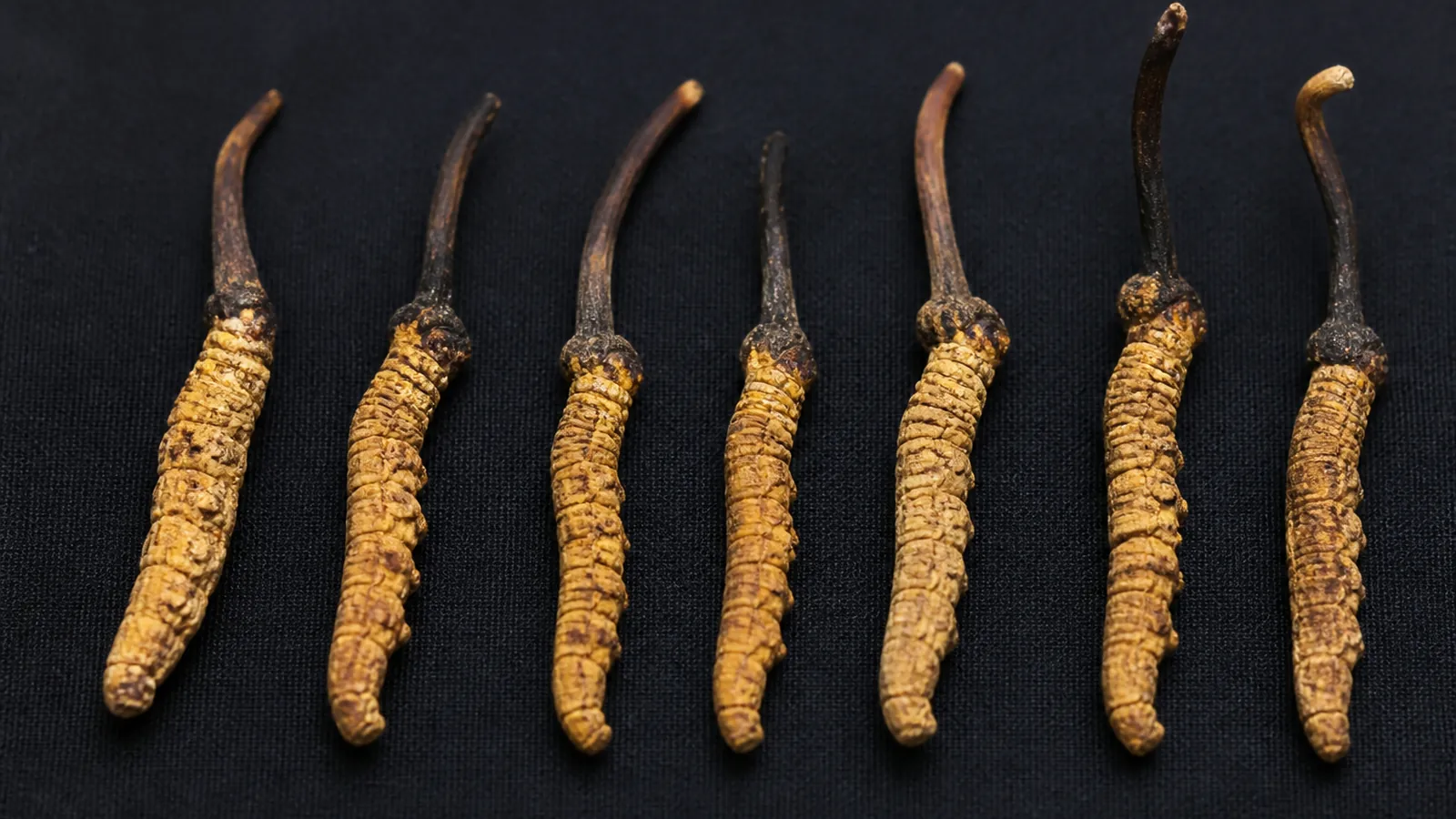
Club Fungus
A distinct group of mushrooms sharing this structural form.
e.g. Cordyceps 1 species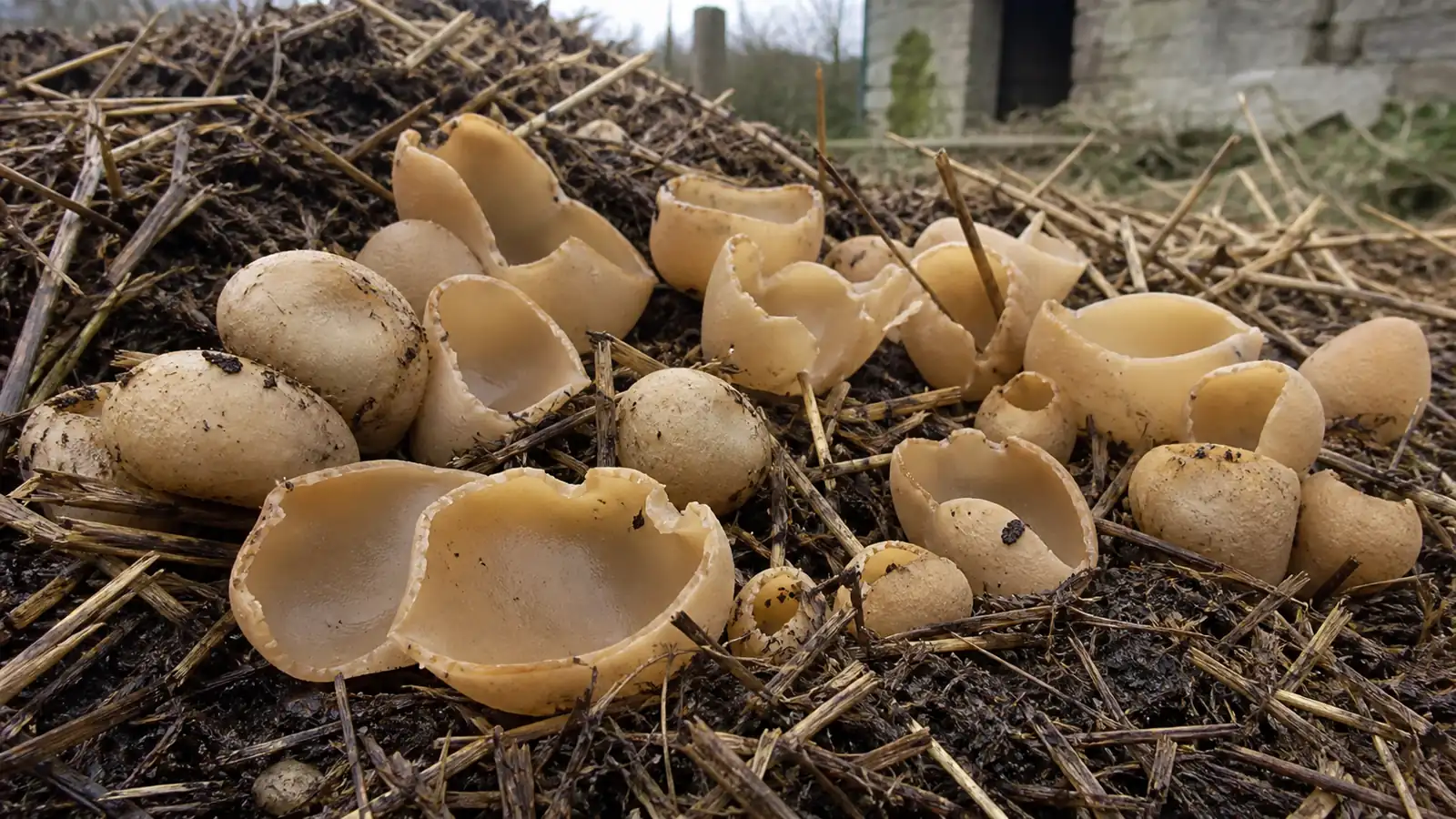
Cup Fungus
A distinct group of mushrooms sharing this structural form.
e.g. Blistered Cup 1 species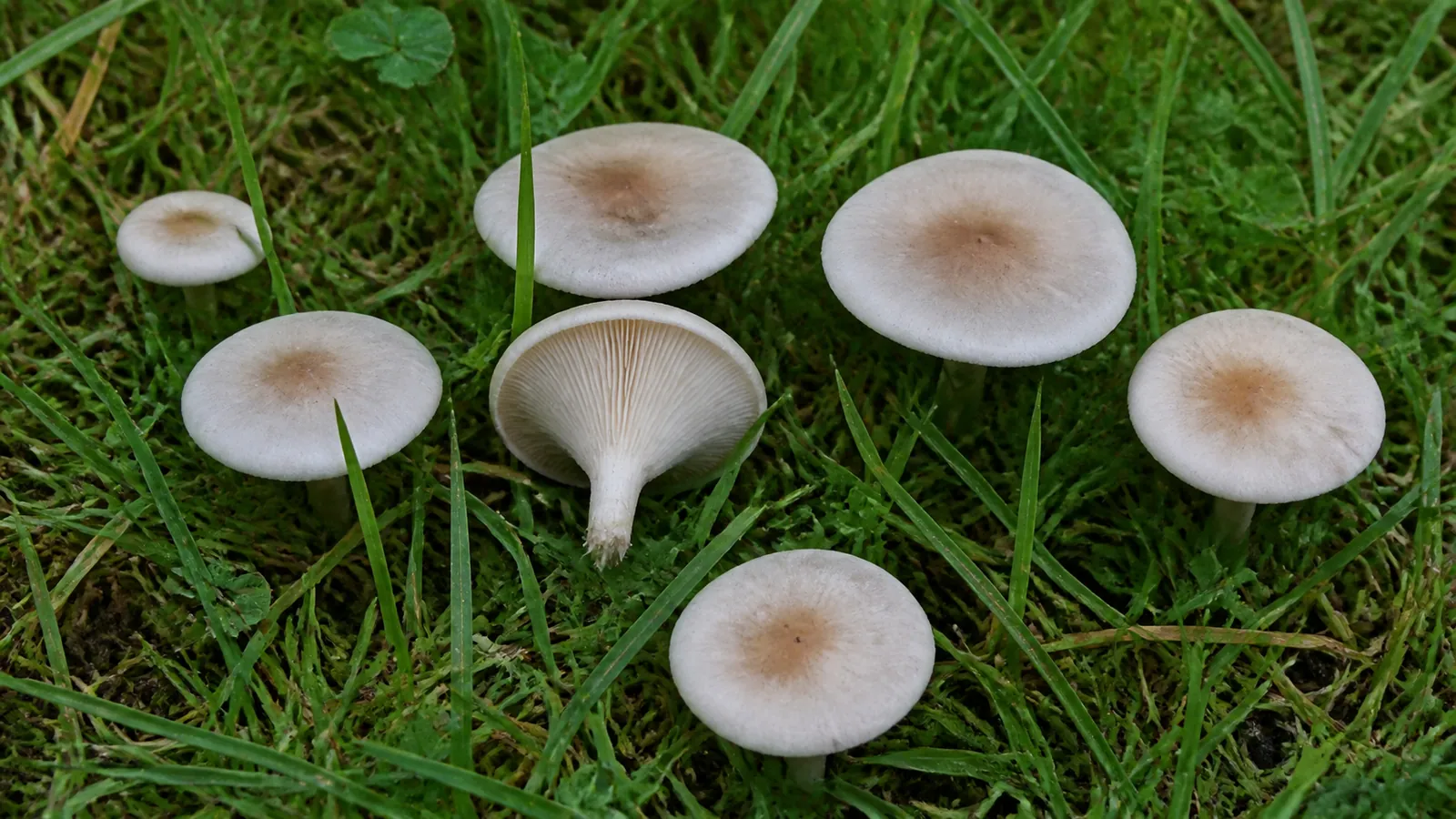
Funnel
A distinct group of mushrooms sharing this structural form.
e.g. Fool's Funnel 1 species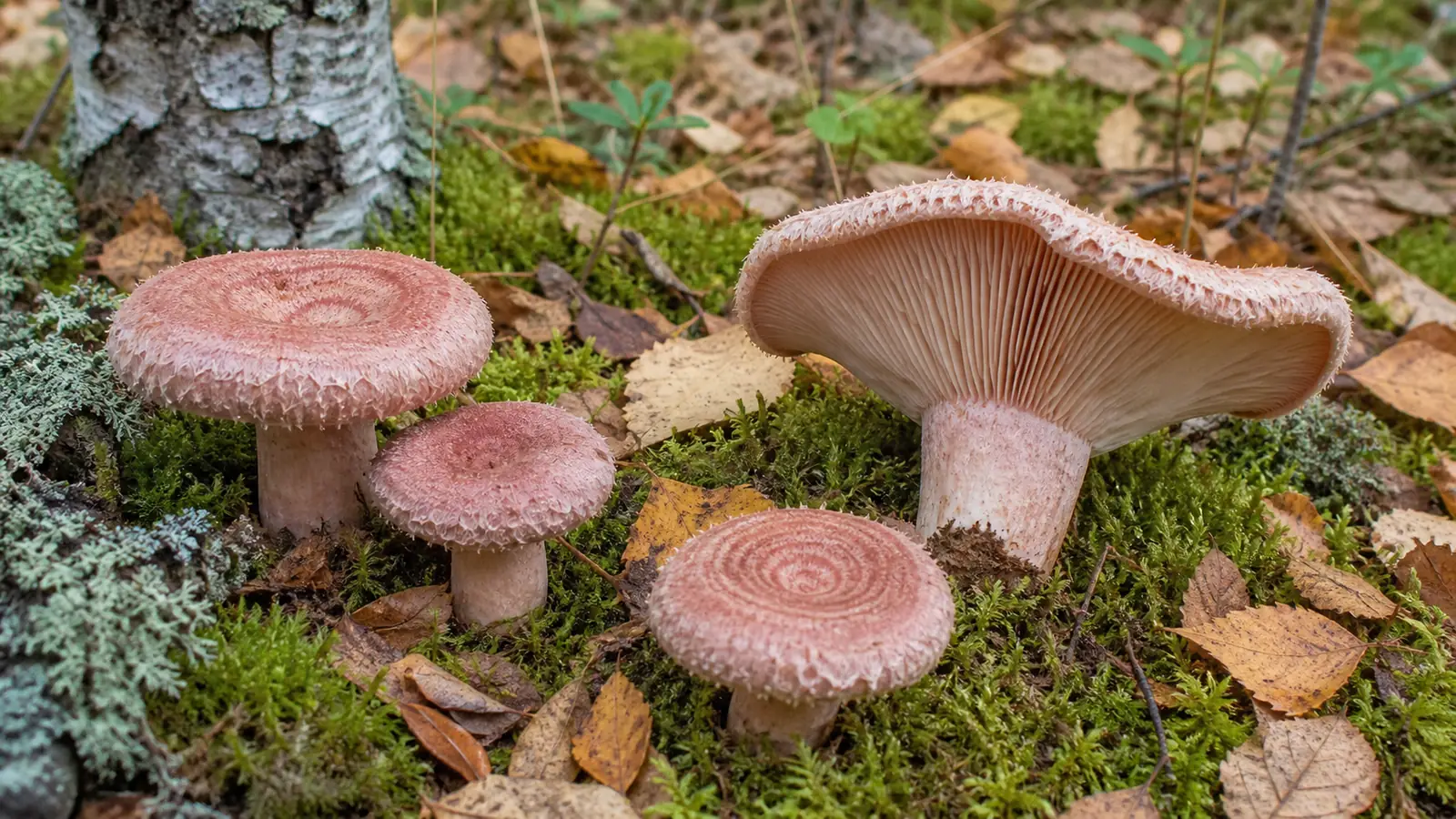
Milkcap
A distinct group of mushrooms sharing this structural form.
e.g. Woolly Milkcap 1 species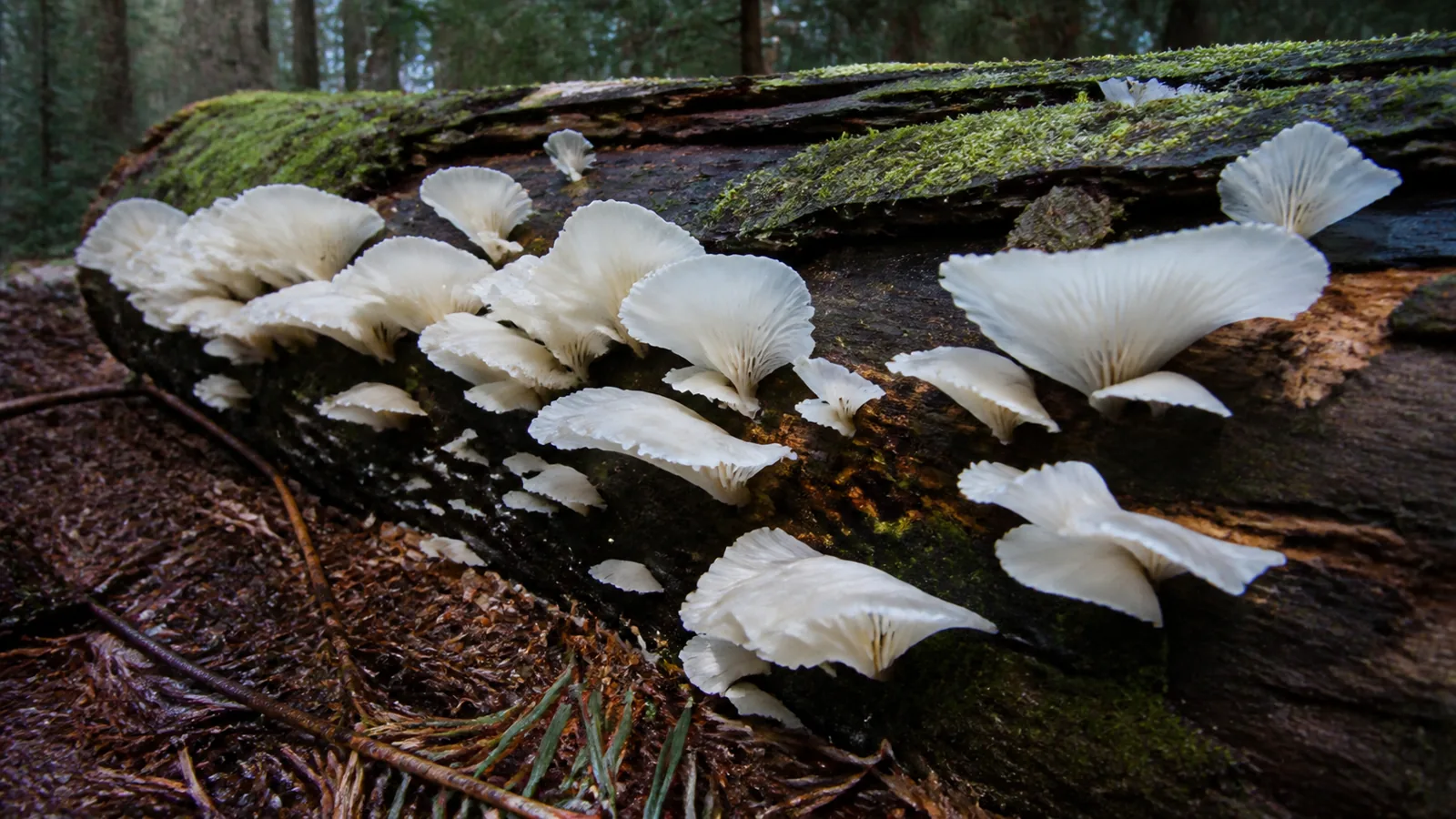
Oyster Like
A distinct group of mushrooms sharing this structural form.
e.g. Angel Wing 1 species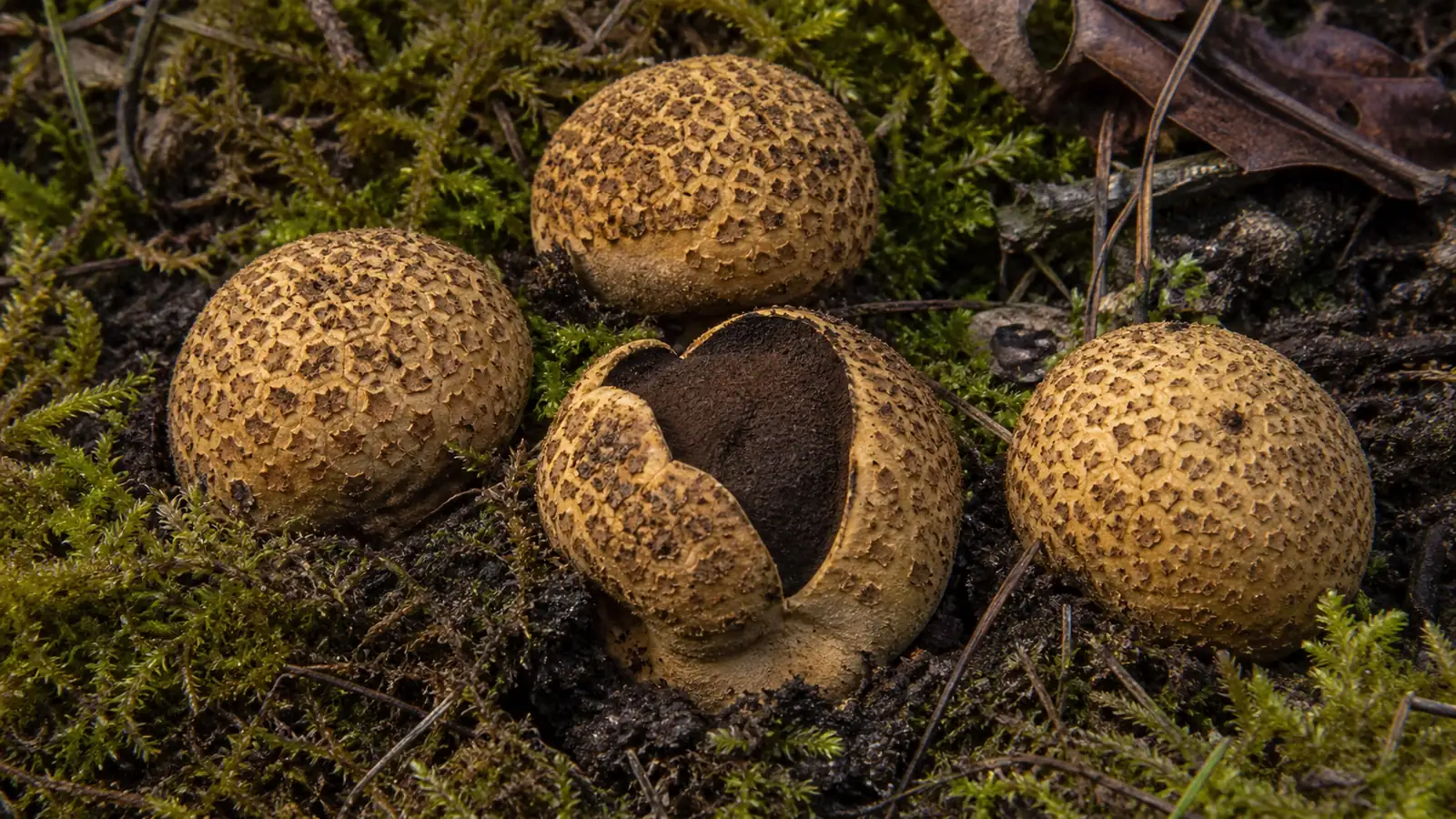
Puffball
Round bodies that release spores in a puff. Always cut to check they are solid white inside.
e.g. Common Earthball 1 species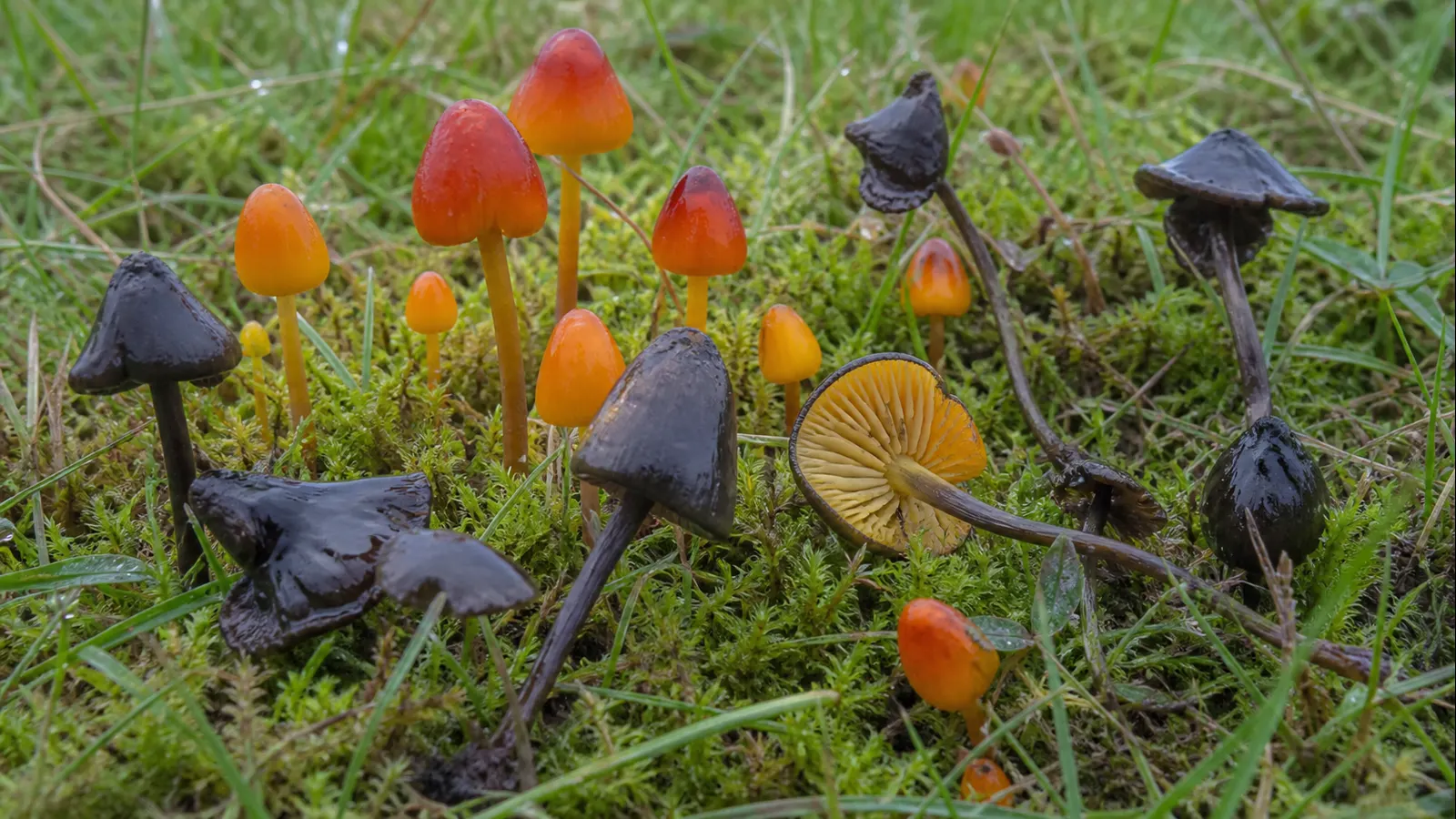
Waxcap
A distinct group of mushrooms sharing this structural form.
e.g. Blackening Waxcap 1 speciesFour features that place any species
Shape, color, texture, and how it changes with age.
True gills, false ridges, pores, or teeth: the single most useful clue.
A ring or a cup at the base can mark a deadly Amanita. Always dig up the whole base.
The color of the dropped spores often separates safe species from dangerous ones.
Shape is the first question
Before a name, a forager reads form. The way a mushroom carries and drops its spores puts it into a broad type, and that type is the start of every identification.
Read the underside
The single most useful feature is what hangs under the cap.
- Gills, thin blades, the classic form and the one to know best
- False ridges, blunt and forking, as on a chanterelle
- Pores, a sponge-like surface, as on a bolete
- Teeth, soft spines, as on lion's mane
Why it matters for safety
Type narrows the field and flags the danger zones. The gilled forms hold both fine edibles and the deadliest species, so they demand the most care.
Warning
Two mushrooms of the same shape can be worlds apart in safety. Type is a starting point, never a verdict.
Frequently Asked Questions
Why do field guides sort mushrooms by shape?
What is the most useful feature for identifying a mushroom's type?
Not sure what you are holding?
Work through the identification guides and the dangerous-lookalike comparisons before you trust any find.
Identify a mushroom