
Edible With Caution
Some mushrooms are edible only on conditions. This tier is the fine print of foraging, where how you prepare a mushroom matters as much as what it is.
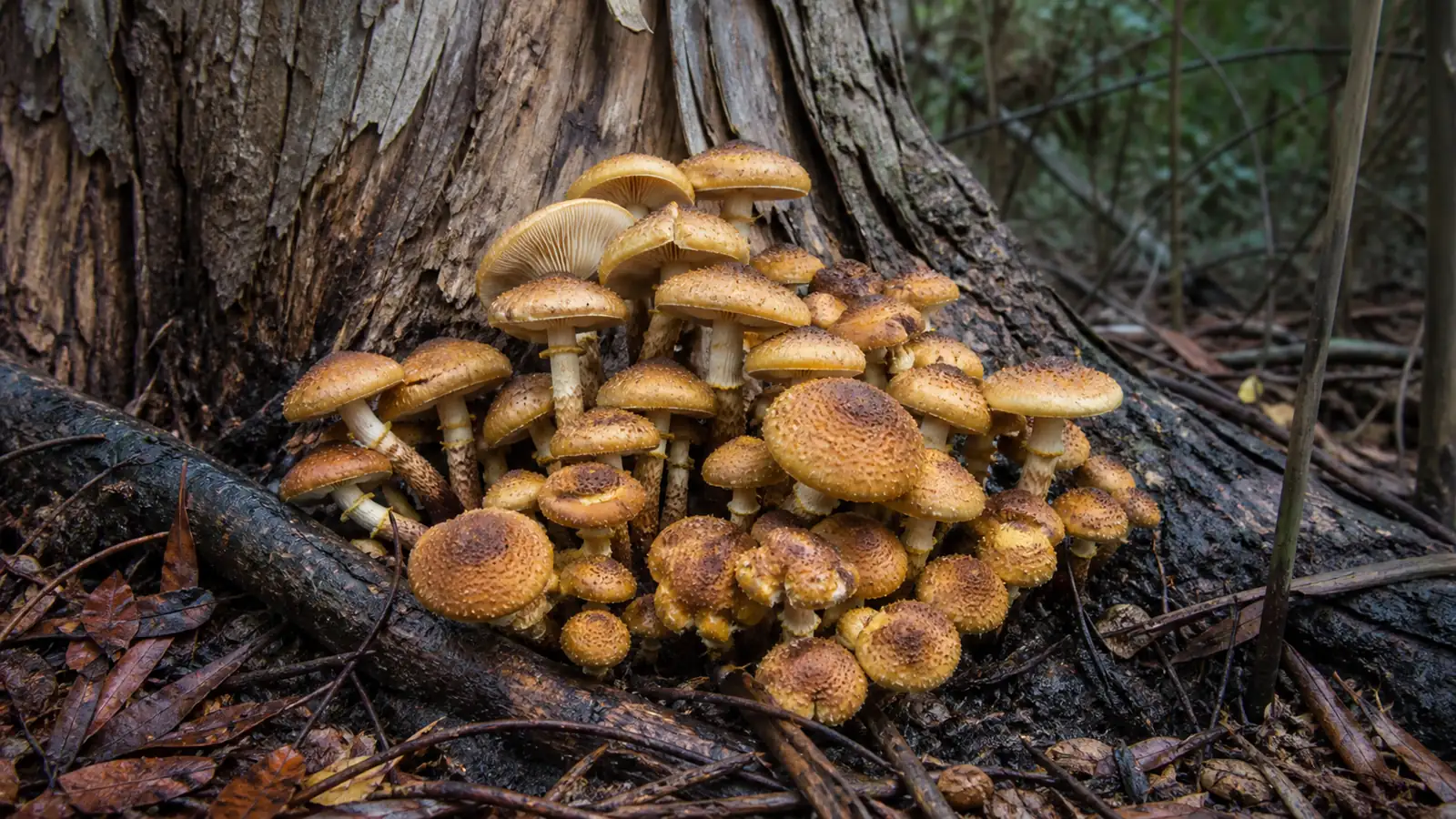
Australian Honey Fungus
Armillaria luteobubalinaAustralian honey fungus forms dense autumn clusters with honey-brown scaled caps, cream-white spores…
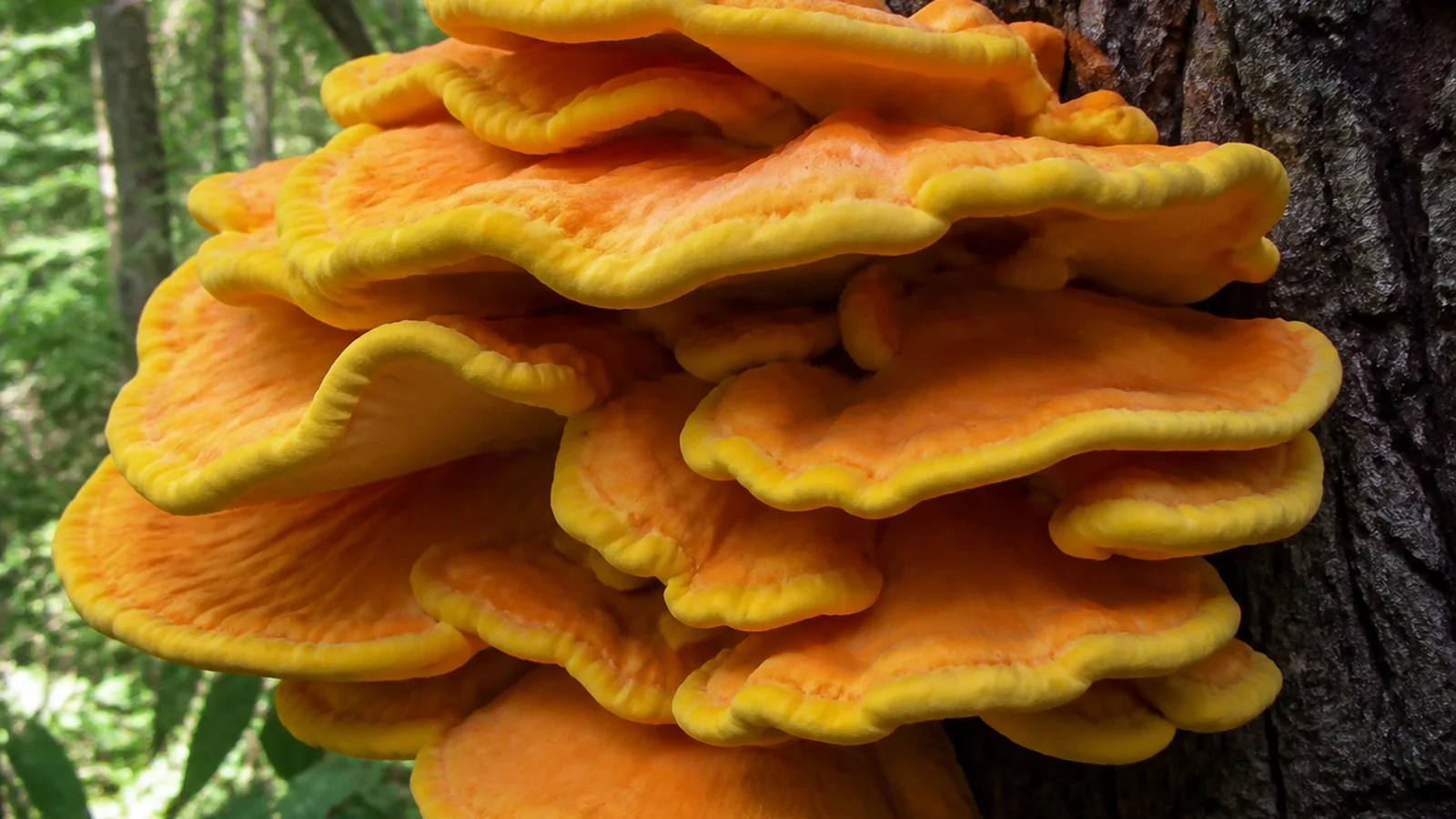
Chicken of the Woods
Laetiporus sulphureusChicken of the woods is one of the easiest wild mushrooms to recognize and one of the easier ones to get…
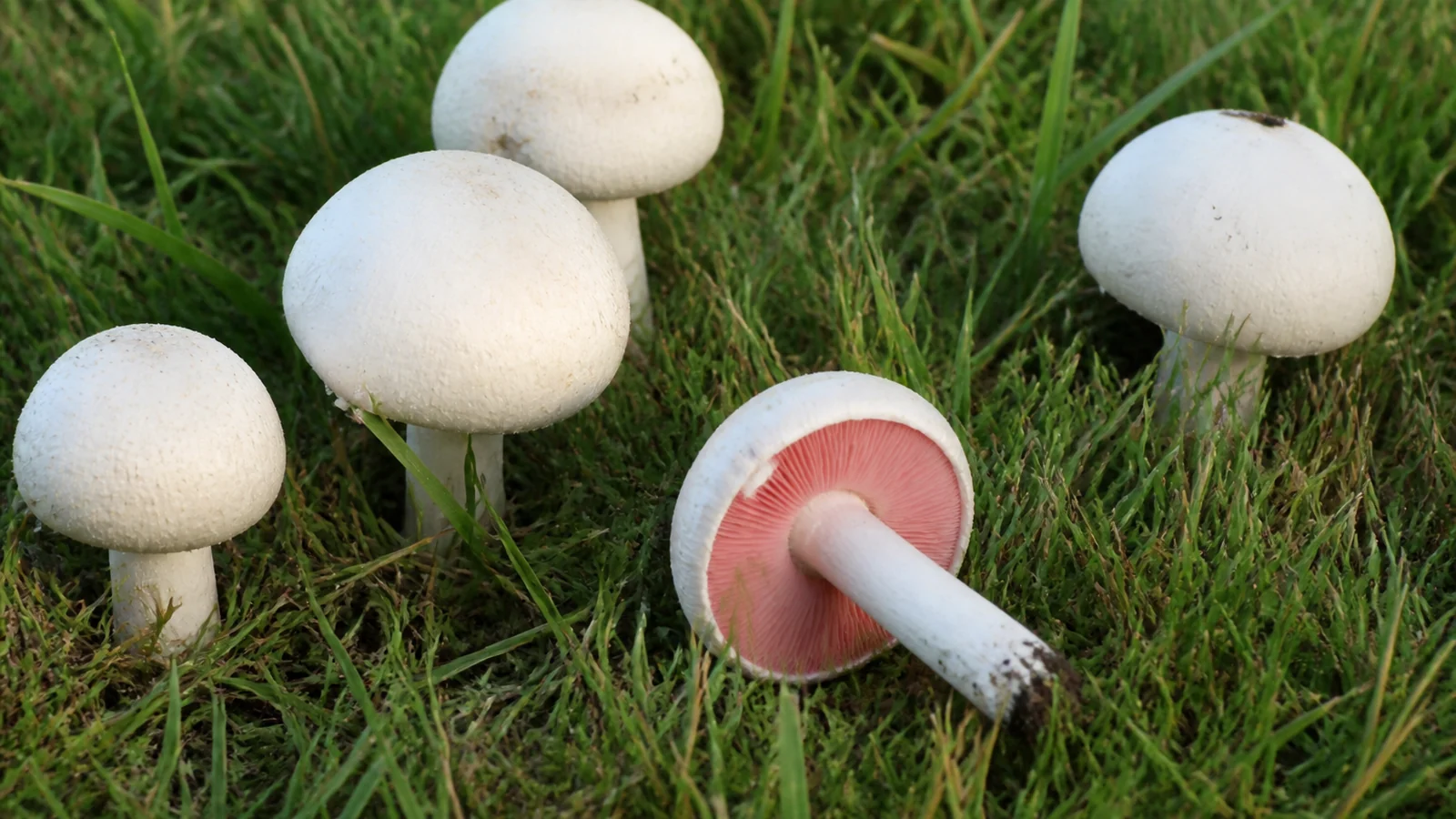
Field Mushroom
Agaricus campestrisThe field mushroom is the wild relative of the mushroom in your shopping, and it is identified by a sequence…
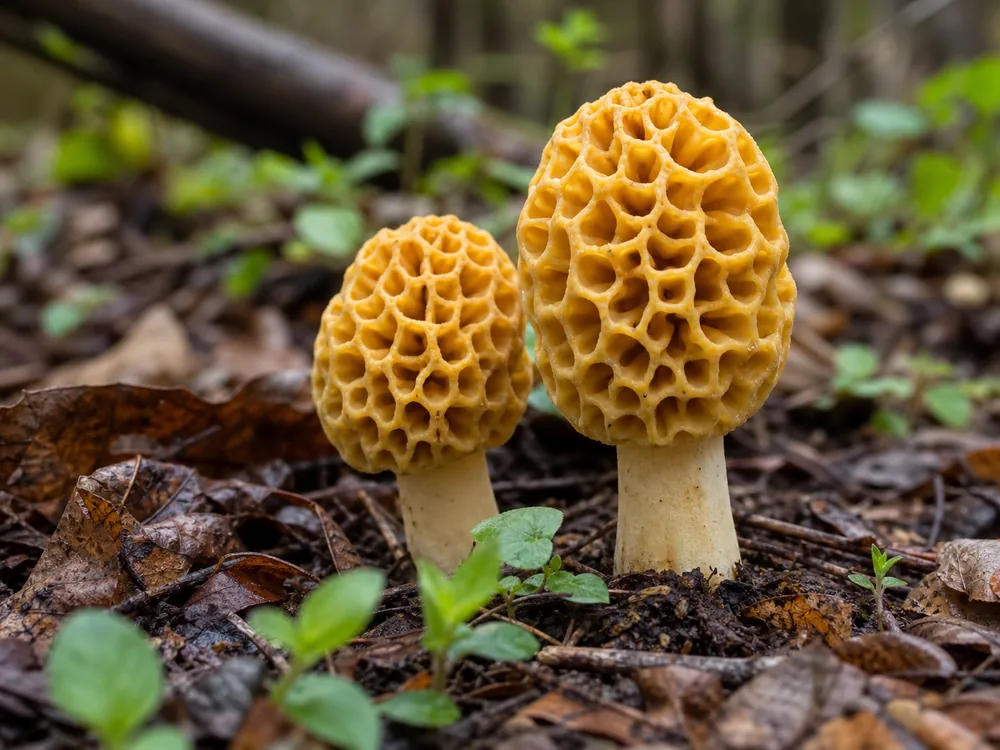
Morel
Morchella esculentaA morel is a spring edible with a strict safety routine. The lengthwise hollow test comes before cleaning…
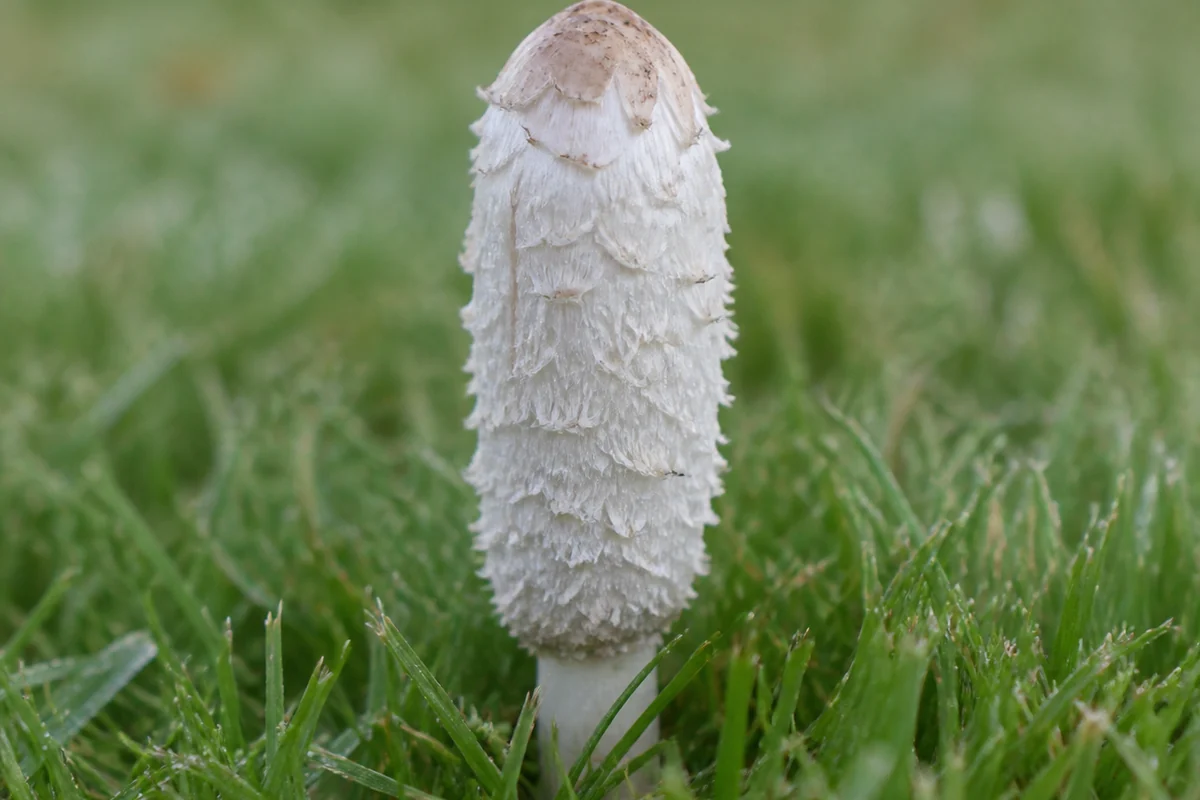
Shaggy Mane
Coprinus comatusThe shaggy mane is the only common edible mushroom that destroys itself while you are deciding about it. It…
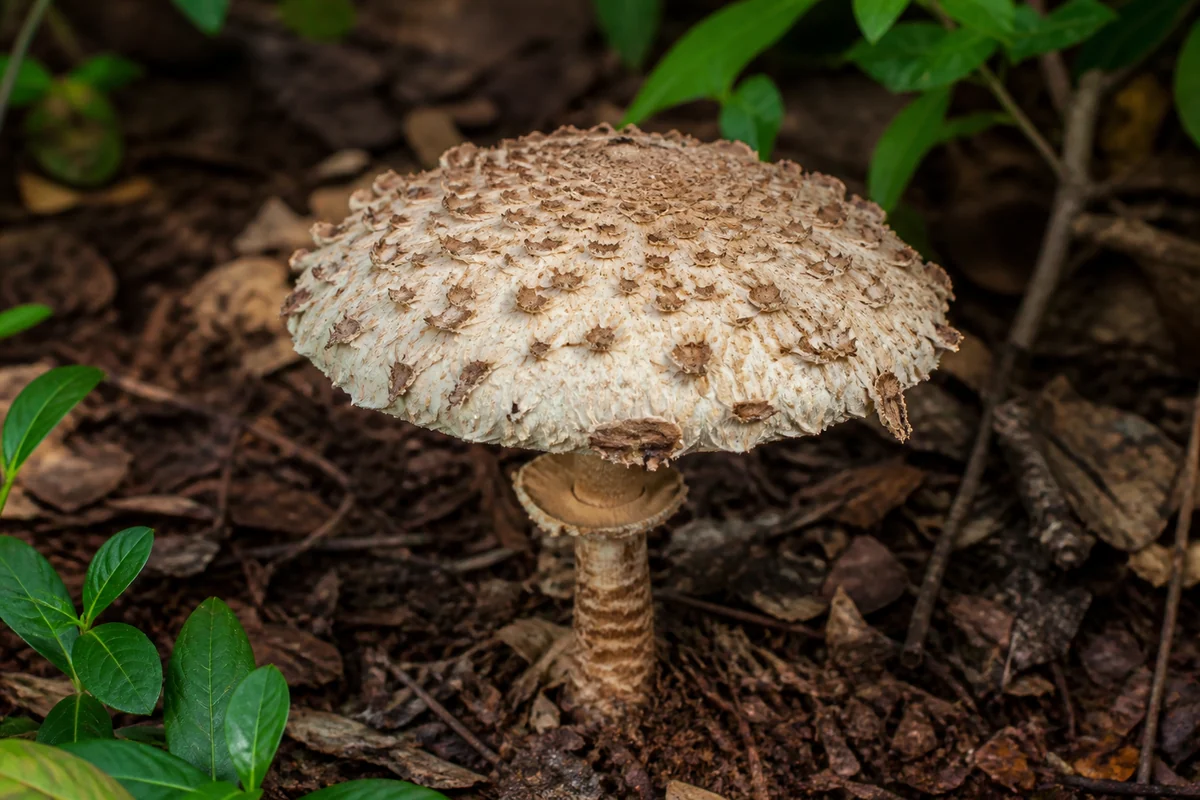
Shaggy Parasol
Chlorophyllum rhacodesThe shaggy parasol is a good edible mushroom with one test standing between it and a serious mistake, and the…
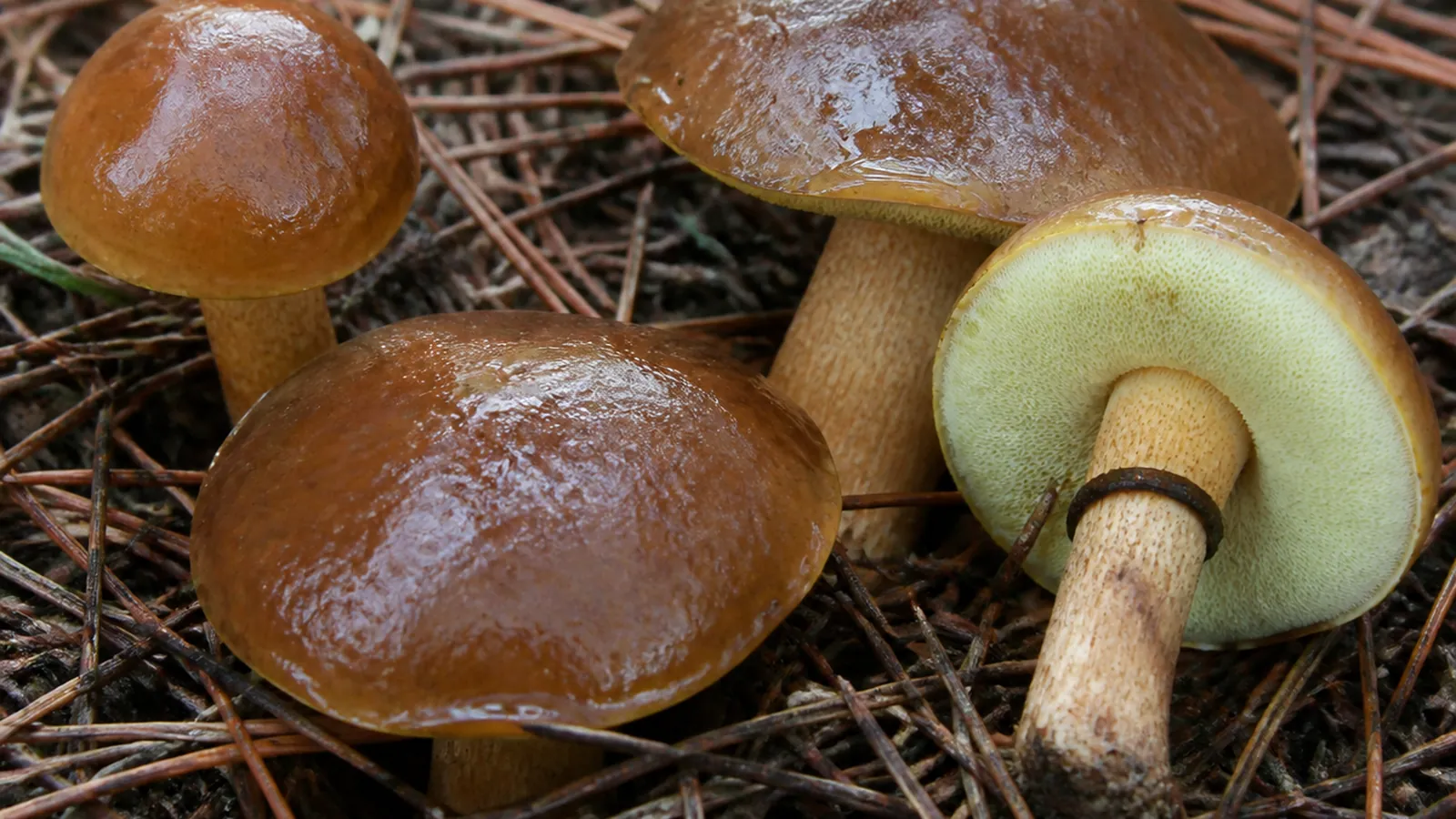
Slippery Jack
Suillus luteusThe slippery jack is named for the one part of it you throw away. The glutinous skin on the cap is what…
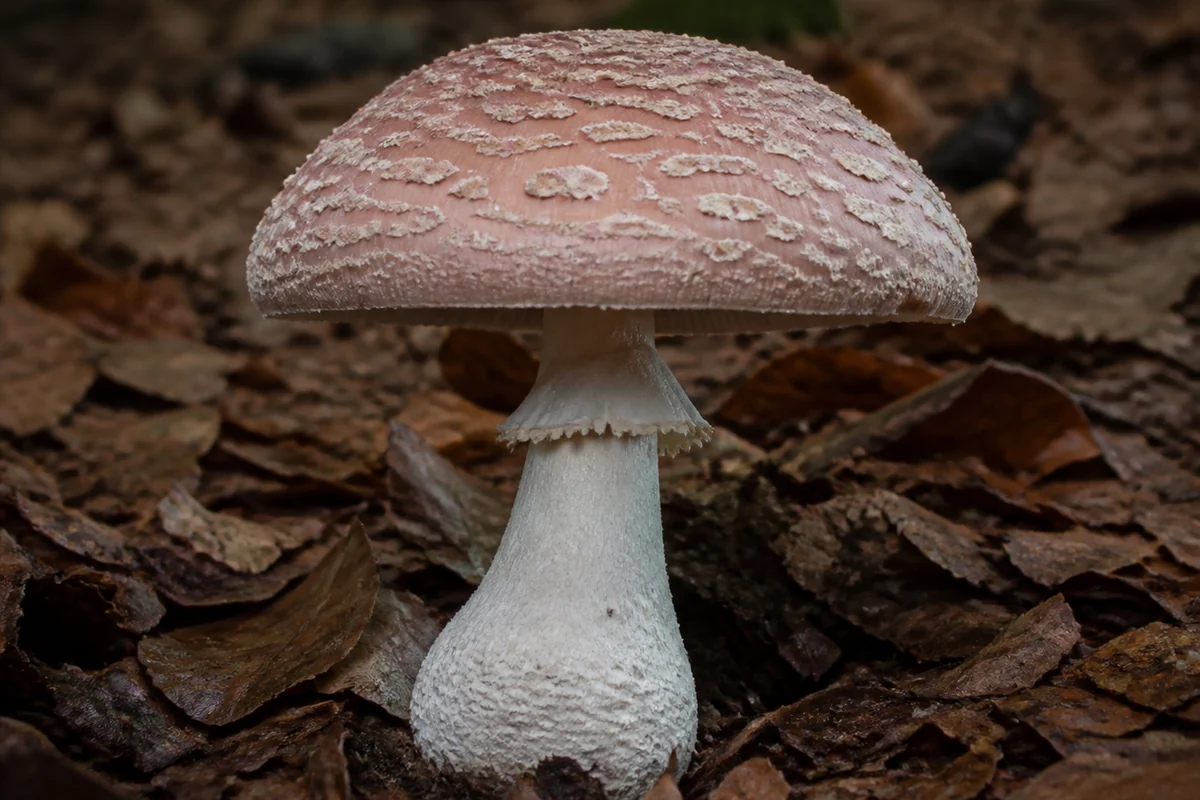
The Blusher
Amanita rubescensThe blusher is eaten across Europe and sits in the genus that kills people. An edible reputation does not…
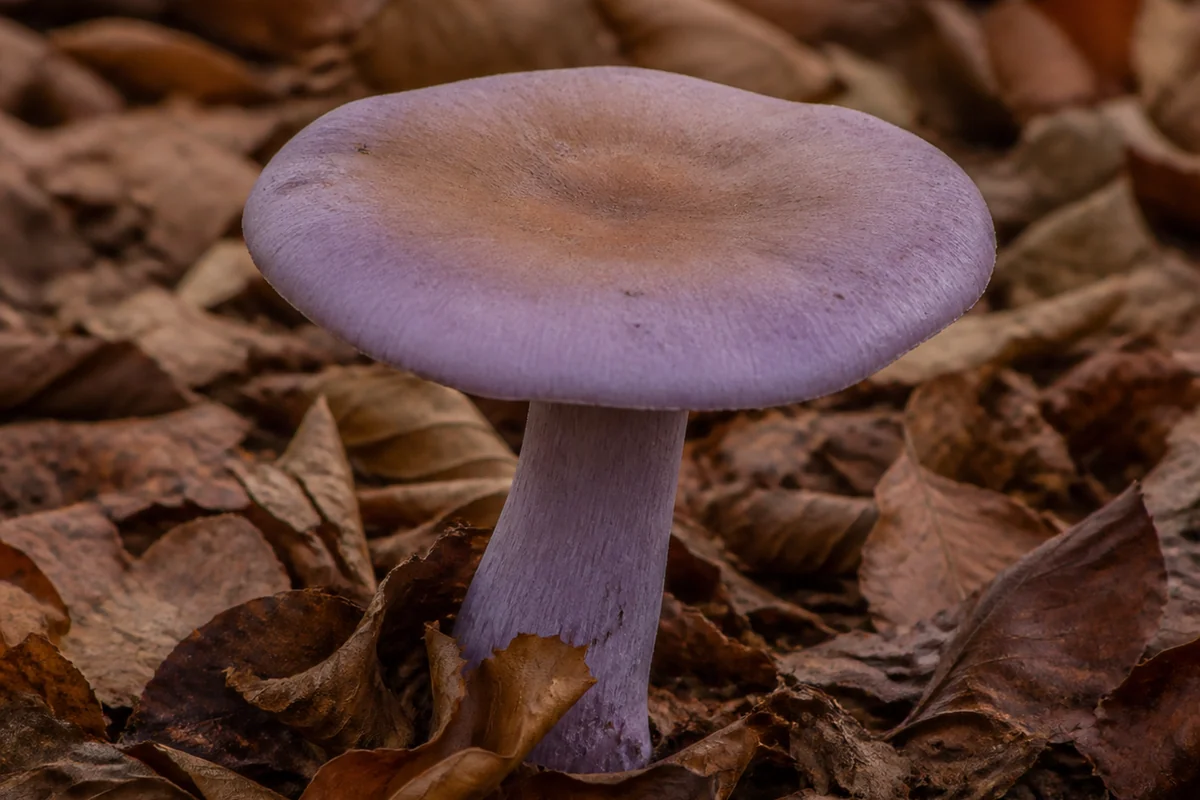
Wood Blewit
Lepista nudaA lilac mushroom in leaf litter stops people walking, and that is the whole problem with the wood blewit. It…
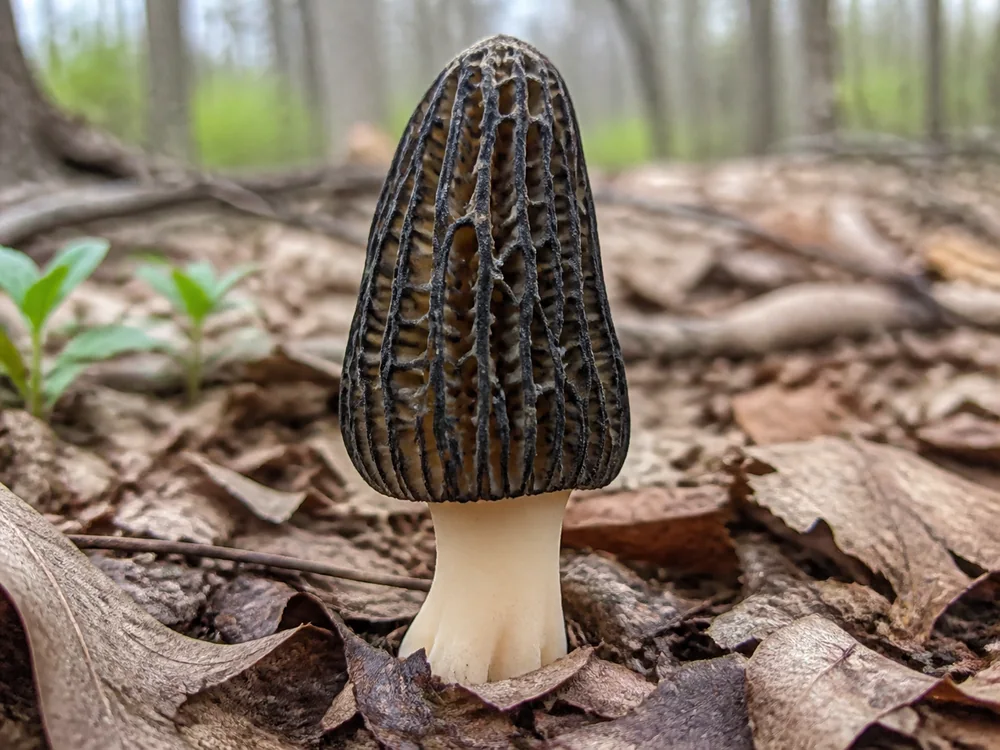
Black Morel
Morchella angusticepsMorchella angusticeps is the classic eastern North American black morel. Its conical cap has mostly vertical…
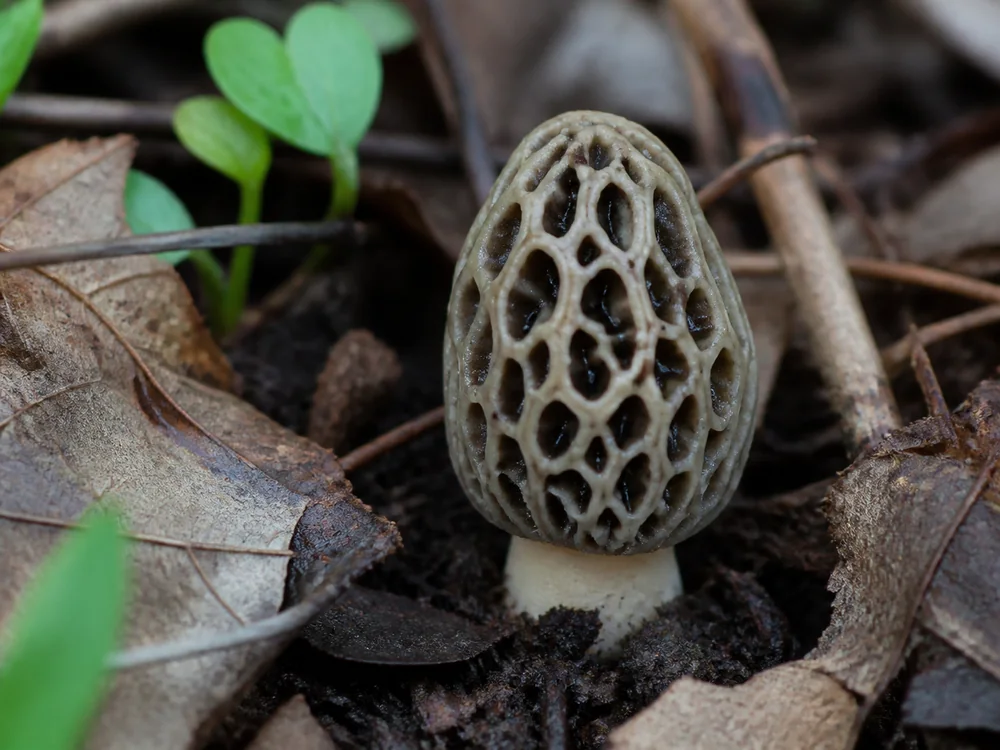
Gray Morel
Morchella esculentoidesOn this page, gray morel means the young gray form of the eastern yellow morel Morchella esculentoides. Color…
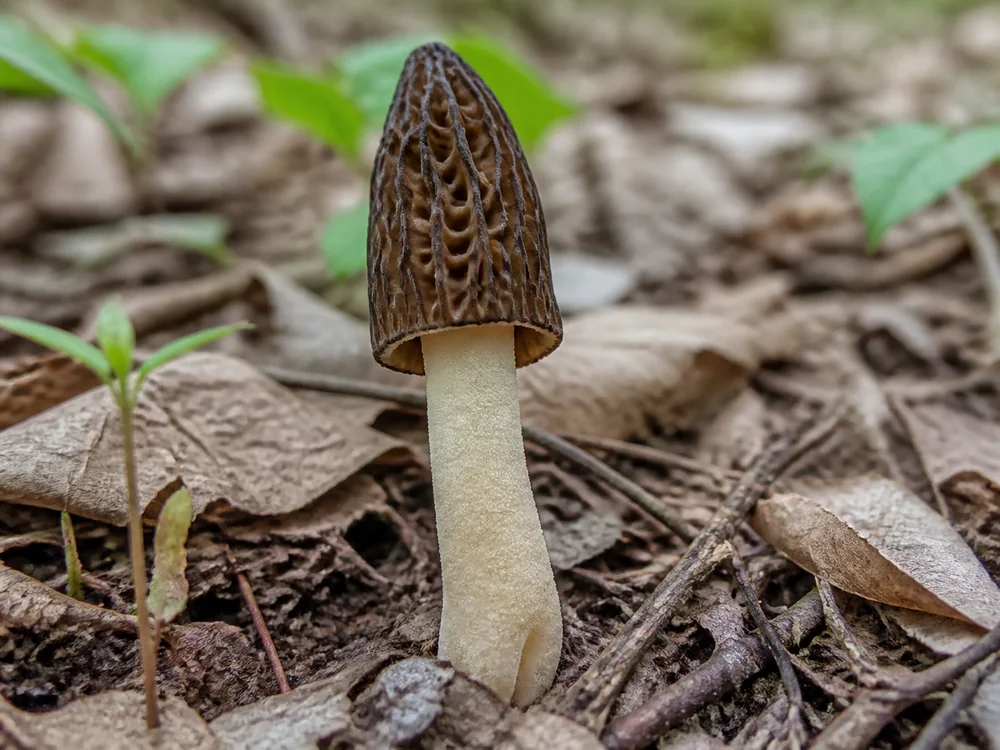
Half-Free Morel
Morchella punctipesThe eastern half-free morel, Morchella punctipes, has a small pitted cap joined partway down a long hollow…
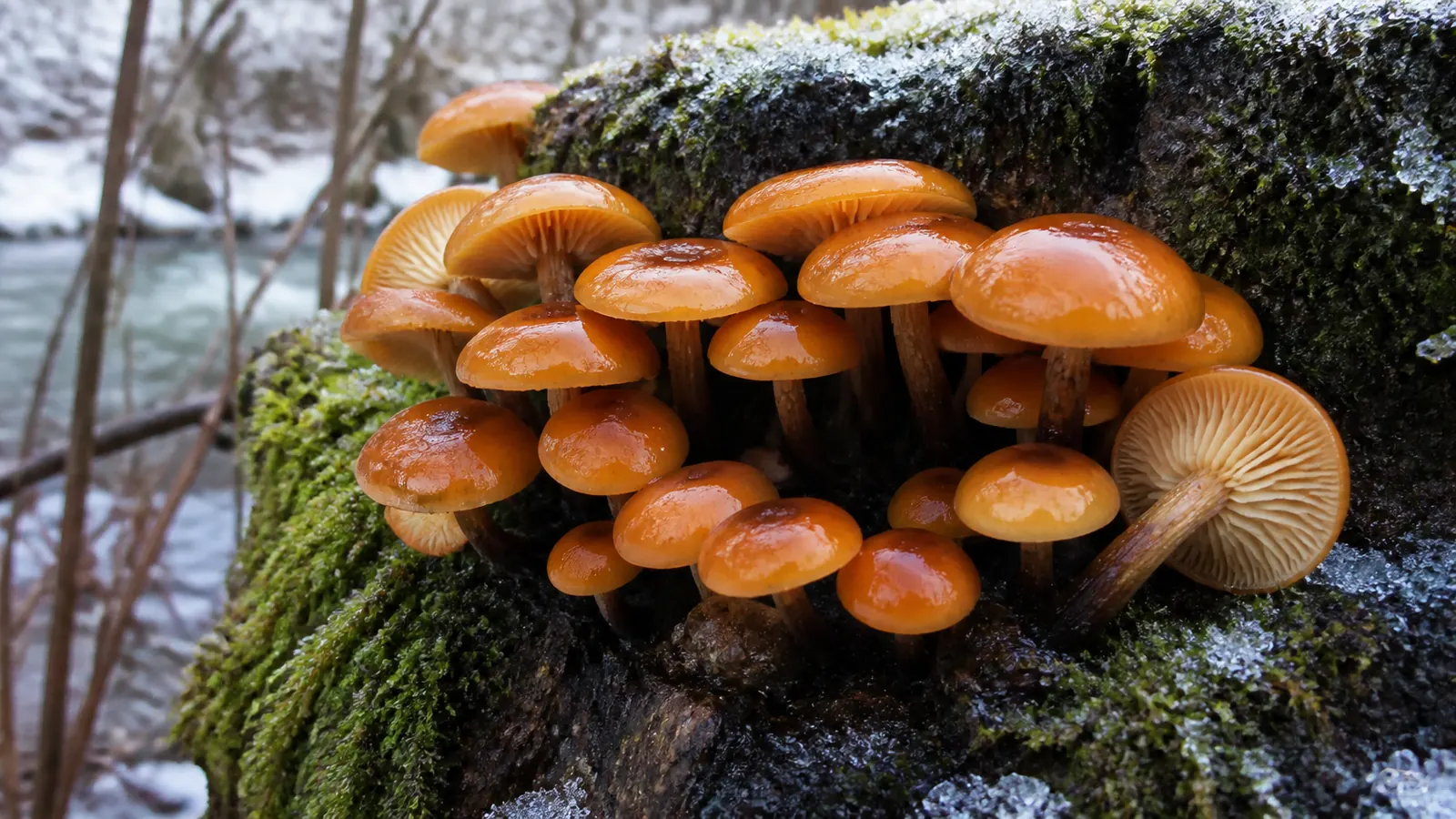
Velvet Shank
Flammulina velutipesVelvet shank is a north-temperate, cold-season wood mushroom with a sticky amber cap, pale gills, and a…
Safe, but only with conditions
A caution rating means a species carries a catch. It may be toxic raw and safe cooked, or safe for most people but not all.
- Some must be cooked thoroughly to break down irritants
- Some cause reactions in certain people or with alcohol
- Some are fine in small amounts but not in quantity
Read the profile, every time
Preparation requirements differ by species. Check the instructions for the exact mushroom you have identified.
Warning
Never treat a caution species like a plain edible. Skipping the preparation step is how a safe mushroom makes you ill.
Try new ones slowly
With any caution species, eat a small portion first, cooked as directed, and never pair a first try with alcohol.