Mycology is the science of fungi: their biology, classification, and roles. Fungi are their own kingdom, closer to animals than to plants.
Mycology is the study of fungi, and it is one of the youngest and fastest moving corners of biology. For most of history people filed fungi under botany, but we now know they deserve a kingdom of their own.
- Scope
- Mycology covers mushrooms, yeasts, molds, plant pathogens, fermentation, medicine, and fungal ecology.
- Body
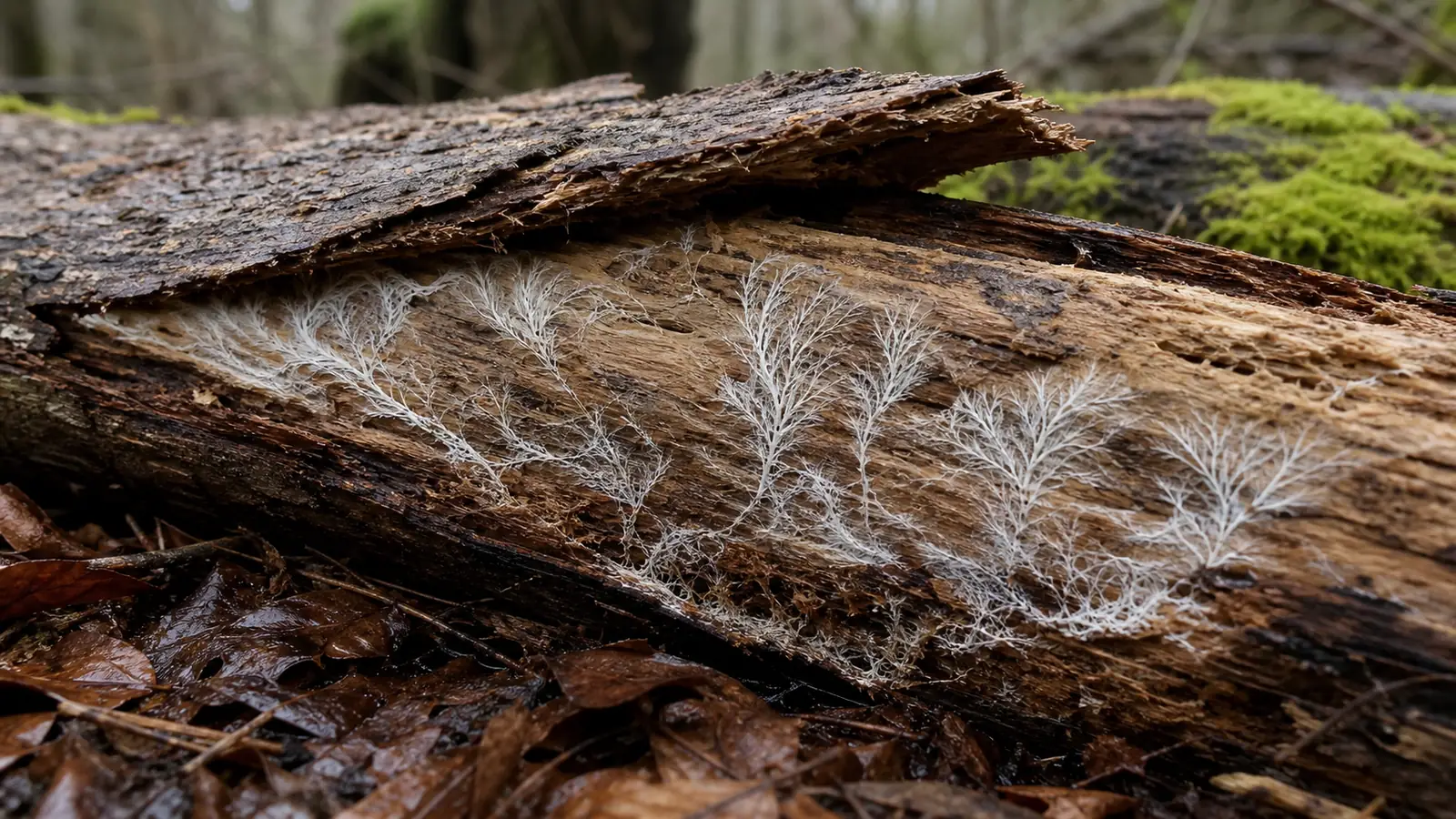
- Most familiar fungi grow as microscopic hyphae that join into a feeding network called mycelium.
- Kingdom
- Fungi form their own kingdom and absorb food after digesting it outside their cells.
- Evidence
- Identification can combine field structure, habitat, microscopy, chemistry, reference specimens, and DNA.
What does mycology actually study?
Mycology studies fungi in every form, from the moulds on old bread to the yeasts in your kitchen to the mushrooms in a damp autumn wood. A mycologist asks how these organisms are related, how they live, what they break down, and what they can be used for.
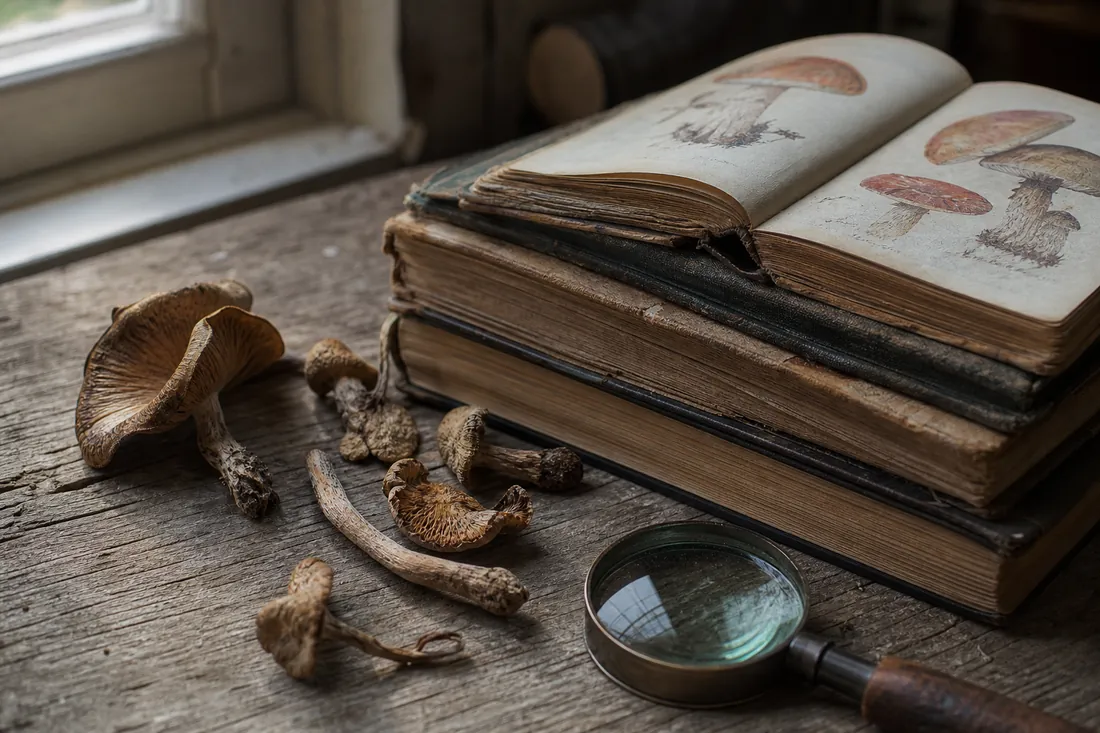
Fungal uses matter more than many people expect because fungi recycle dead material, feed forests, raise bread, brew beer, and supplied the first antibiotics. A mycologist therefore studies more than names.
Note
Mycology is broader than mushroom identification. It covers yeasts, molds, plant pathogens, forest partners, food fermentation, medicine, and the fungi that recycle dead wood and leaves.
The larger mycological job is tracing how fungal diversity shapes the living world.
Scientists have described more than 150,000 fungal species, while estimates for the true total reach into the millions. Most fungi on Earth may therefore remain unnamed, leaving working mycologists inside a field that is still largely unmapped.
The word mycology comes from the Greek for fungus, and the subject became a formal science only a few centuries ago. Microscopy and later DNA sequencing overturned the older view of fungi as rootless plants, so modern research still corrects inherited classifications.
Fungal diversity forces mycologists to work across scales, from one spore under a microscope to a network linking trees across a hillside. The same subject can move from chemistry to ecology.
That range lets one organism answer both cellular and landscape questions.
The living body of most fungi is a hidden thread network called mushroom mycelium. A visible mushroom is only the reproductive structure produced by that larger feeding body.
MycologyHow the Mushroom Life Cycle Moves From Spore to SporeAre fungi plants, animals, or something else?
Neither, and this is the single most common myth mycology has to correct. Fungi sit in their own kingdom, separate from plants and animals, and in a few important ways they are closer to us than to the plants they grow among.
Fungi lack chlorophyll and cannot photosynthesize, so they must consume material made by other organisms instead of building food from sunlight as plants do.
Fungal cell walls contain chitin, the tough material found in beetle and crab shells, rather than the cellulose that stiffens plants. That chemistry fits a family tree in which fungi and animals share a more recent branch than either shares with plants.
Those chitin-walled fungal cells grow into food, release digestive enzymes outside the hyphae, and absorb the resulting nutrients. This external digestion lets the same thread network enter wood, soil, and other material while it feeds.
Most fungi grow as thread networks without a fixed outline or central organ, routing around obstacles and entering root-inaccessible cracks like a searching web rather than a compact creature.
A fungus cannot walk, but its threads redirect growth toward food and away from harmful conditions. Movement by growth still lets the organism respond to its surroundings instead of holding a fixed plant-like posture.
Note
Calling a mushroom a plant is not a small slip. It points to the wrong biology entirely, because fungi feed, build their cells, and reproduce on rules closer to the animal kingdom than the plant one.
Getting this right is not pedantry. It changes how we treat fungal diseases, how we design antifungal drugs, and how we read a fungus in the field.
The main branches of mycology
Because few researchers master all of mycology, its branches organize the different questions a student is likely to encounter.
- Taxonomy and systematics: naming fungi, sorting them into groups, and working out how species are related, increasingly with DNA rather than looks alone.
- Ecology and mycorrhizae: studying how fungi connect to plant roots and trade nutrients, the underground partnerships that keep most forests and grasslands alive.
- Medical and pharmaceutical mycology: covering fungi that infect people, the drugs that fight them, and the medicines like penicillin that fungi have given us.
- Applied mycology and cultivation: turning fungi into food, fuel, materials, and cleanups, including the growing craft behind commercial and home mushroom farming.
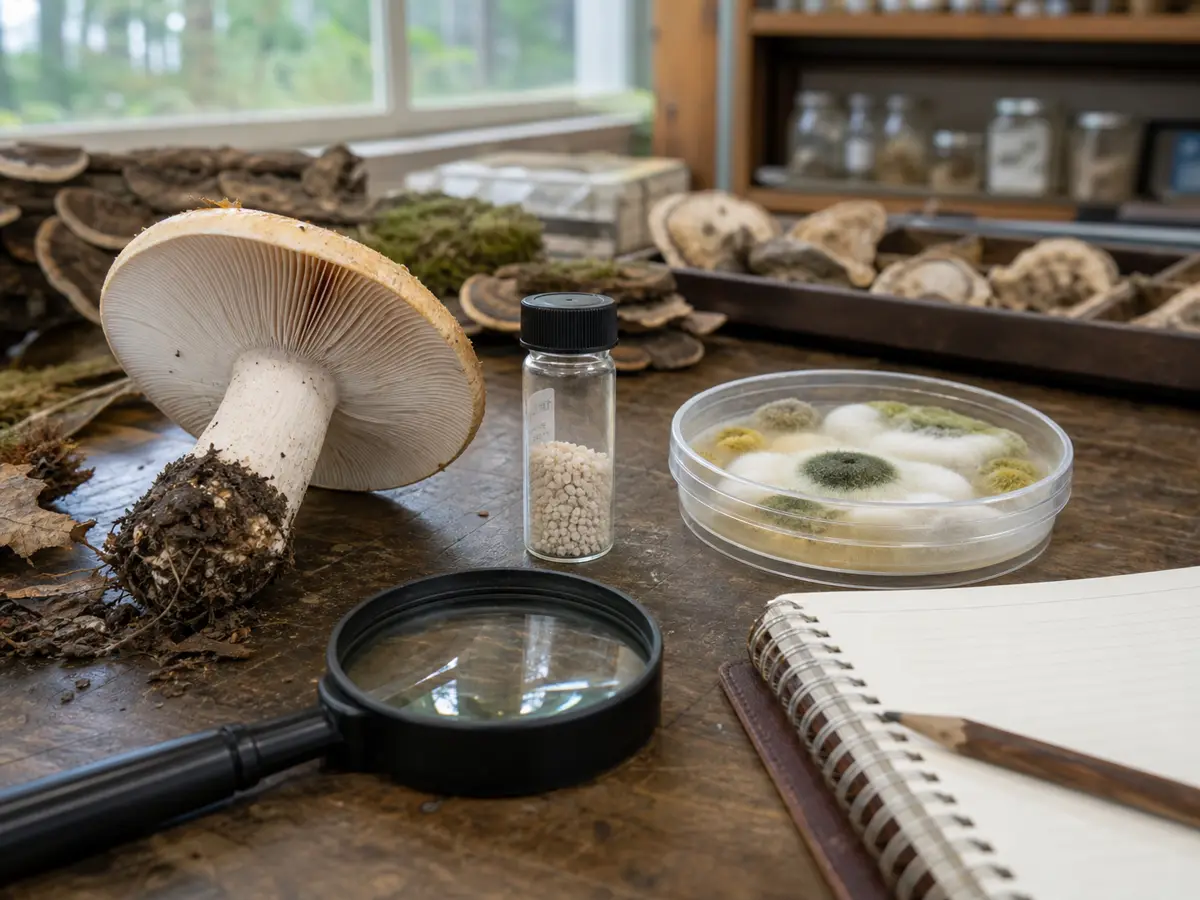
- Field mycology: the hands-on work of finding, recording, and identifying wild fungi, the branch most foragers and naturalists first fall in love with.
A forest-fungus project may use taxonomy to name the species, ecology to explain its root partners, and applied science to test cultivation. The branches organize study without forming walls between the biological questions.
Applied mycology turns fungal biology into crops, medicines, cleanup systems, and materials. Generations of growers domesticated cultivated shiitake on logs before its genetics were understood.
Current work on fungal leather, plastic-degrading molds, and medicine continues to pull basic and applied research together.
Field mycology, meanwhile, is where most amateurs contribute real data. Careful records of what fruits where and when feed straight into ecology and taxonomy, which is why the line between hobbyist and scientist is blurrier in mycology than in almost any other branch of biology.
MycologyMycelium Explained Through the Work It Does UndergroundWhy mycology matters beyond mushrooms
Because fungi hold ecosystems together, and losing them would collapse far more than dinner. This is the part of mycology that reaches well past the forager's basket.
Most land plants exchange sugar with mycorrhizal fungi for water and distant minerals, so removing the root partners weakens forests, crops, and grasslands.
Then there is decay. Fungi are among the few organisms that can rot tough wood back into soil, so without them dead trees would pile up and the carbon and nutrients locked inside them would never return to the living world.
Penicillin came from a mold, and fungi still supply antibiotics, cholesterol medicines, and immunosuppressants used in organ transplantation. Industrial fungal enzymes enter products from laundry detergent to biofuel.
Newer manufacturing grows fungal material into packaging and leather substitutes.
Single-celled yeasts raise bread and ferment beer and wine, while molds ripen many familiar cheeses. Cuisines relied on fungal metabolism long before people understood microbes.
Fungi also rot crops, blight forests, spoil stored food, and infect people. Understanding fungal biology protects harvests and human health, so mycology must control harmful species as well as study useful ones.
Because some mushrooms produce exceptionally toxic compounds, anyone considering wild fungi as food needs species-level mycology and an understanding of poisonous mushroom risks before the meal.
How do mycologists build an identification?
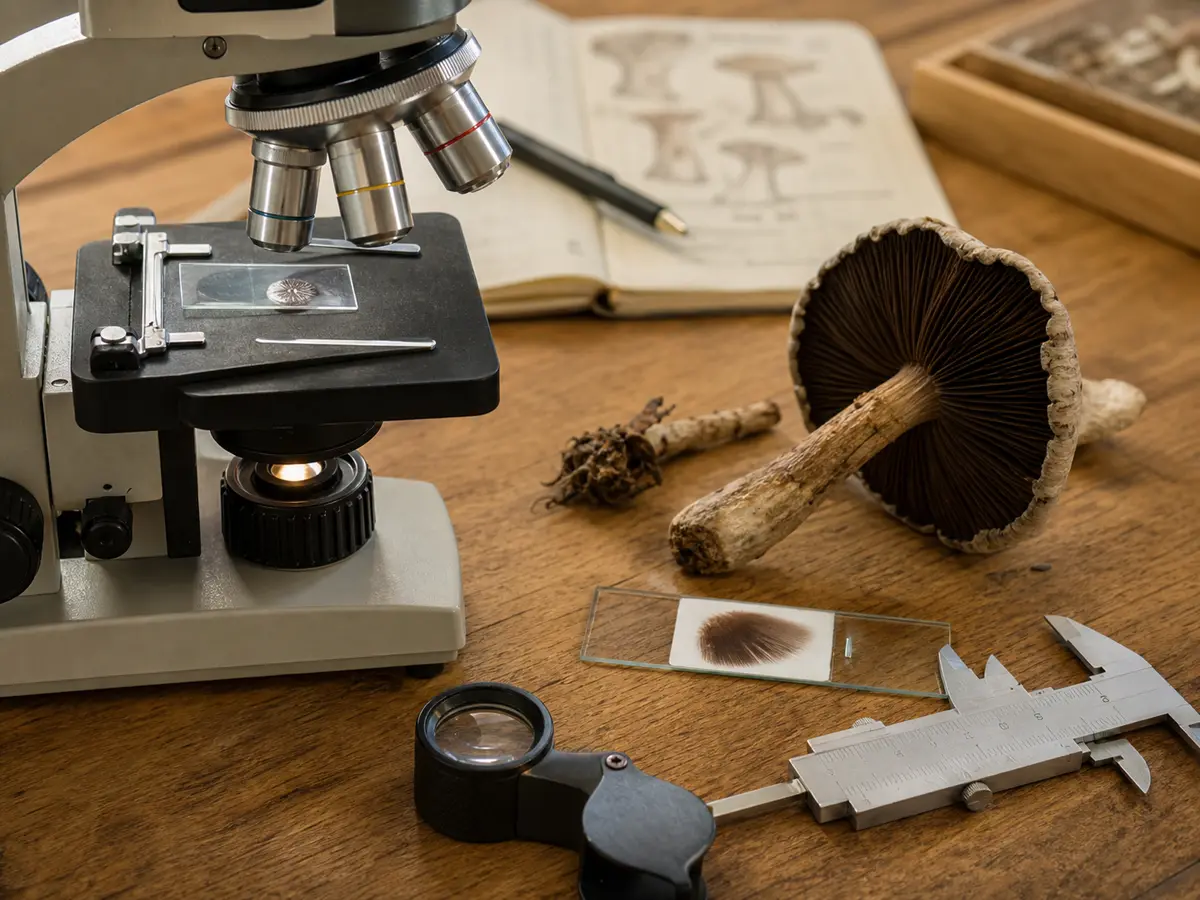
A useful identification begins with a record that another person could inspect. Field notes preserve the date, location, substrate, nearby plants, growth pattern, odor, color changes, and weather, while photographs capture the cap, underside, stem, complete base, and a cut interior before the specimen dries or bruises further.
A collected specimen becomes a voucher when it is dried, labeled, and tied to those observations. The voucher allows a later researcher to revisit the same material when a name changes, a similar species is described, or a photograph proves too ambiguous.
Microscopy adds characters that eyes cannot resolve, including spore size and shape, wall ornamentation, basidia, cystidia, and the arrangement of hyphae in cap or gill tissue. Measurements must come from several structures rather than one convenient spore because biological material varies and a damaged cell can mislead the comparison.
Before DNA barcoding, chemical reagents can reveal color reactions in flesh or on a cap surface, but each reaction still belongs inside the larger identification record.
DNA barcoding often examines the internal transcribed spacer region, commonly called ITS, and compares that sequence with named reference material. A close database match can support an identification, yet mislabeled reference sequences, contamination, hybridization, and groups with little genetic separation prevent the barcode from acting as a universal answer.
Strong taxonomy brings field form, microscopy, ecology, geography, and sequence evidence together. When those lines disagree, the responsible result may be a species group or an unresolved identification rather than a confident name.
Cultures and repeated experiments connect a preserved specimen to living growth, digestion, competition, fruiting, temperature, and moisture responses, so mycology moves among woods, microscope, culture room, and sequence data instead of treating one tool as final.
How can a beginner start learning mycology?
Begin close to home and work slowly because mycology rewards checked observations more than fast names. A hand lens, curiosity, and the discipline to revise a guess matter before laboratory equipment.
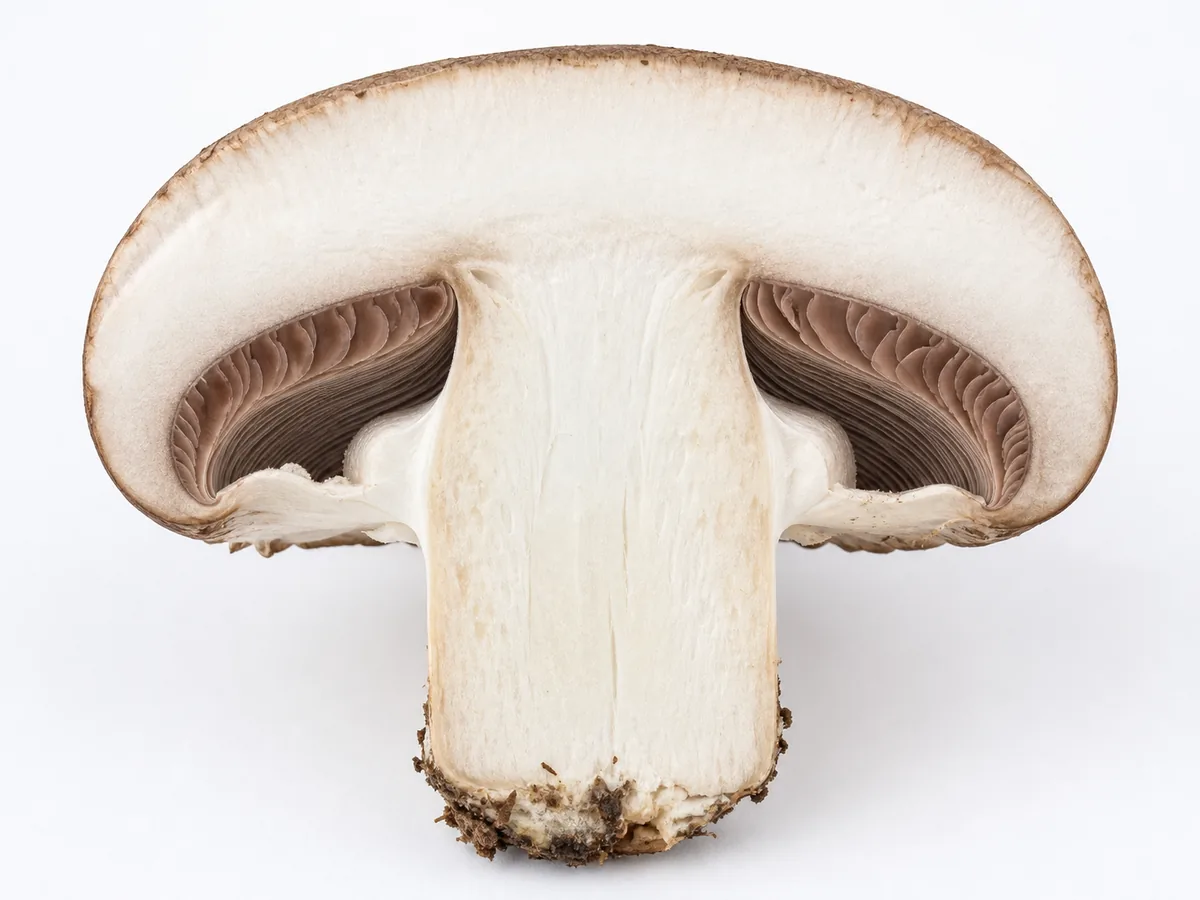
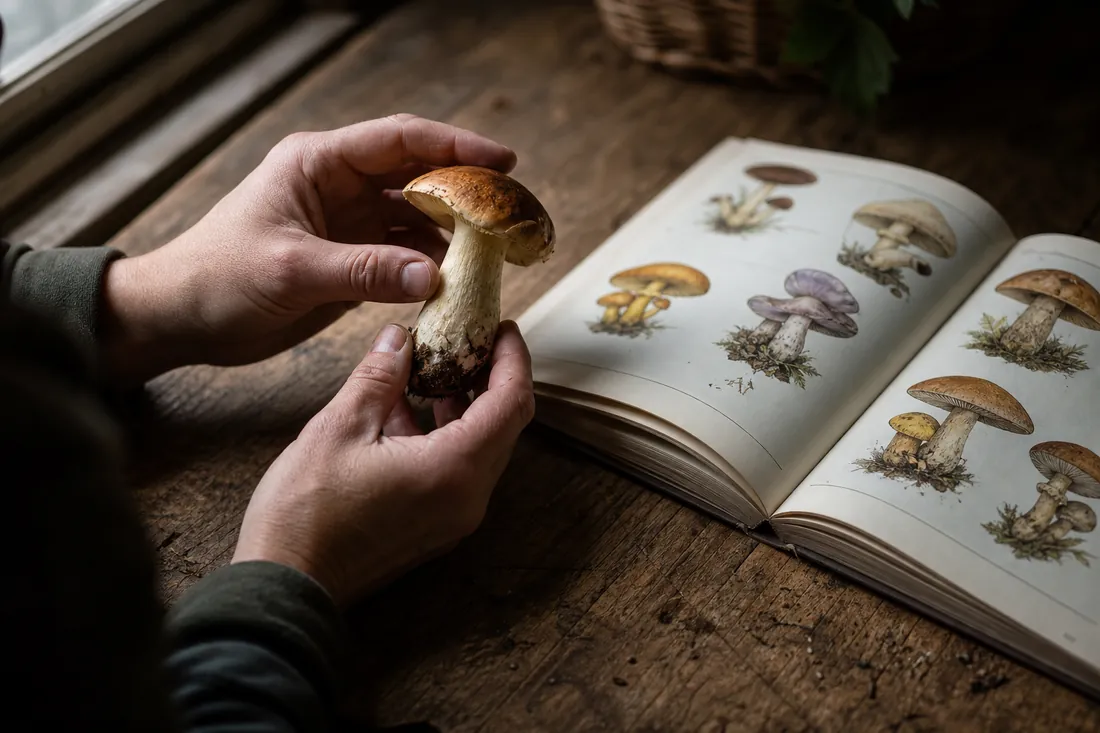
Field observation is the first beginner skill, so study a few common local fungi closely instead of memorizing an entire guide. A safer field sequence records cap, underside, stem, complete base, odor, and habitat before assigning a name.
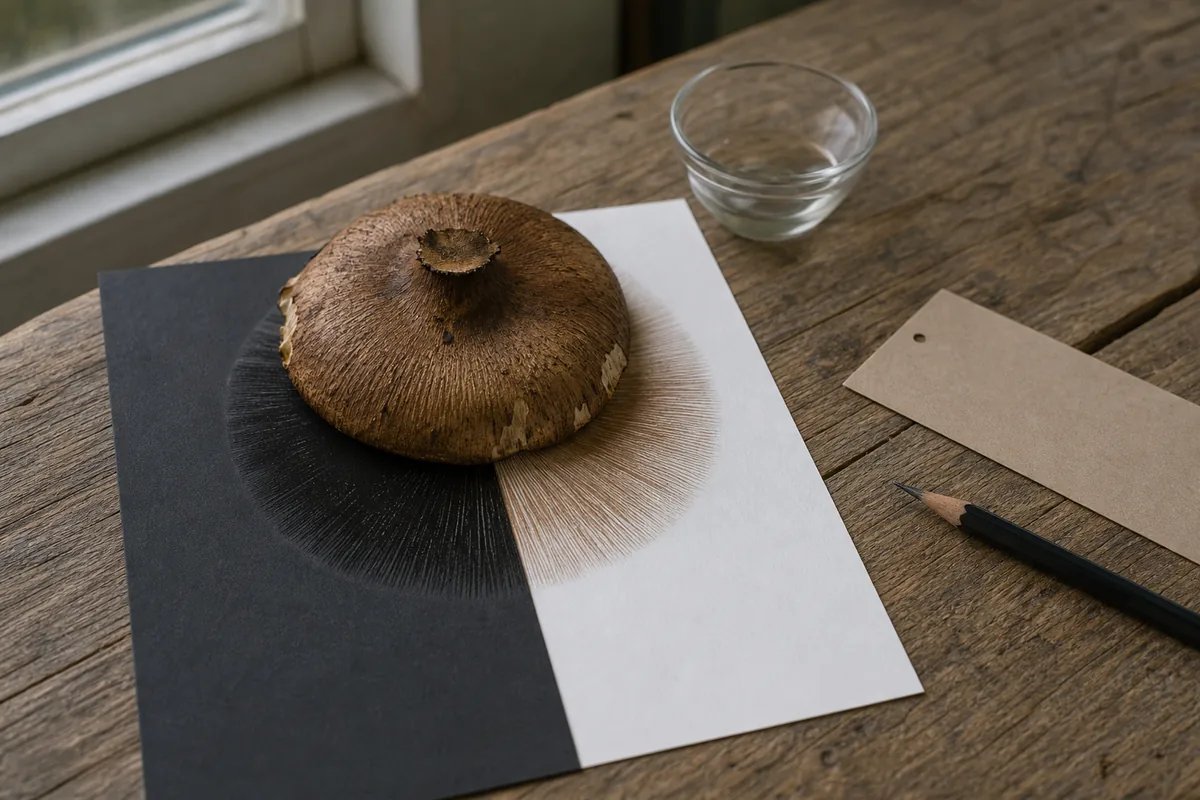
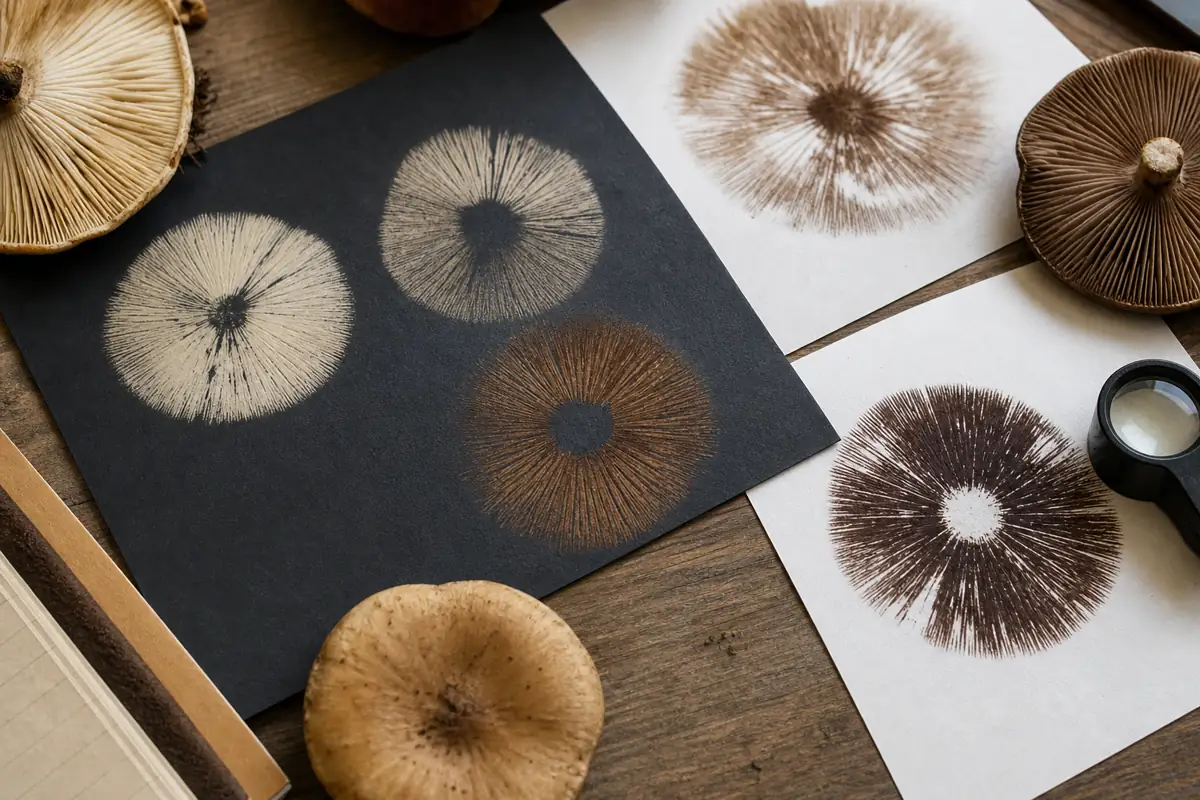
Make spore prints early because a spore print method records color evidence that cap shape alone cannot supply.
Growing your own fungi teaches the biology from the inside. When you nurse a culture from thread to mushroom, the life cycle stops being abstract, and mushroom cultivation turns that biology into a controlled practice.
Warning
Never eat a wild mushroom on a beginner's identification. Learning mycology and safely eating wild fungi are two different milestones, and the second one takes real mentorship, because some deadly species have no antidote once symptoms appear.
Connect with local mycological societies, guided forays, and carefully moderated groups that can challenge an identification and demonstrate record keeping in person. Experienced correction turns repeated observation into skill while respect for poisonous species keeps study separate from eating.
A mycologist may study the mushroom life cycle in one project and mycelium growth in another, because reproduction and feeding answer different questions.
Sources & References
- British Mycological Society History and scope of mycology as a discipline.
- Mycological Society of America Professional mycology research and career context.
- MycoBank Fungal taxonomy database maintained by the International Mycological Association.