What is Mesima, and does the name mean one species?
Mesima refers to a medicinal bracket fungus and to a commercial category that has accumulated several scientific names. The name Phellinus linteus appears on older papers and supplement labels, while modern databases accept Tropicoporus linteus for the original species.
That update is more than a spelling change. Taxonomic work split the old Inonotus linteus complex into multiple lineages, including Tropicoporus and Sanghuangporus, after researchers compared microscopic features and DNA.
The strict T. linteus concept is a tropical American fungus. By contrast, the prized mulberry-associated sanghuang of East Asia is Sanghuangporus sanghuang, and cultivated material may also come from S. vaninii or another relative.
The first identification question is what the word Mesima refers to in context. A wild bracket needs a specimen-based identification, a research paper needs a voucher or strain record, and a supplement needs a traceable species and production lot.

| Context | What the name can mean | Evidence needed |
|---|---|---|
| Wild collection | A dark phellinoid bracket on hardwood | Host, complete bracket, pore count, section, microscopy, and sometimes DNA |
| Research material | A named fruiting body, culture, mycelium, or extract | Voucher or strain number, deposited sequence, and preparation method |
| Retail product | Powder, capsule, or liquid sold as Mesima or Phellinus linteus | Current Latin name, fungal part, extraction details, and independent lot testing |
The common name Mesima does not establish which of these species a product contains. It does not treat every black hoof-shaped conk or every bottle with the legacy name as confirmed T. linteus.
How do you identify a Mesima bracket?
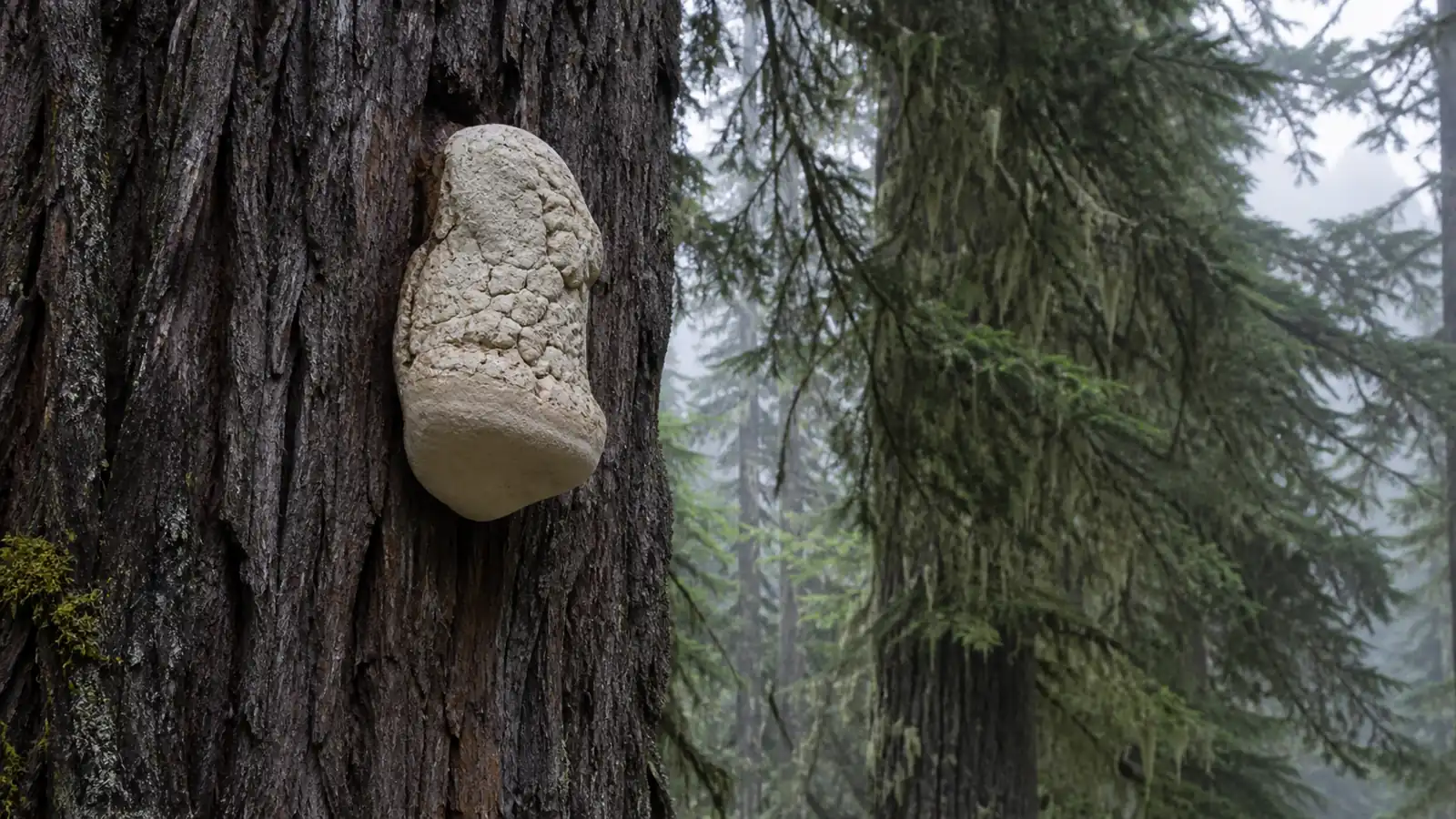
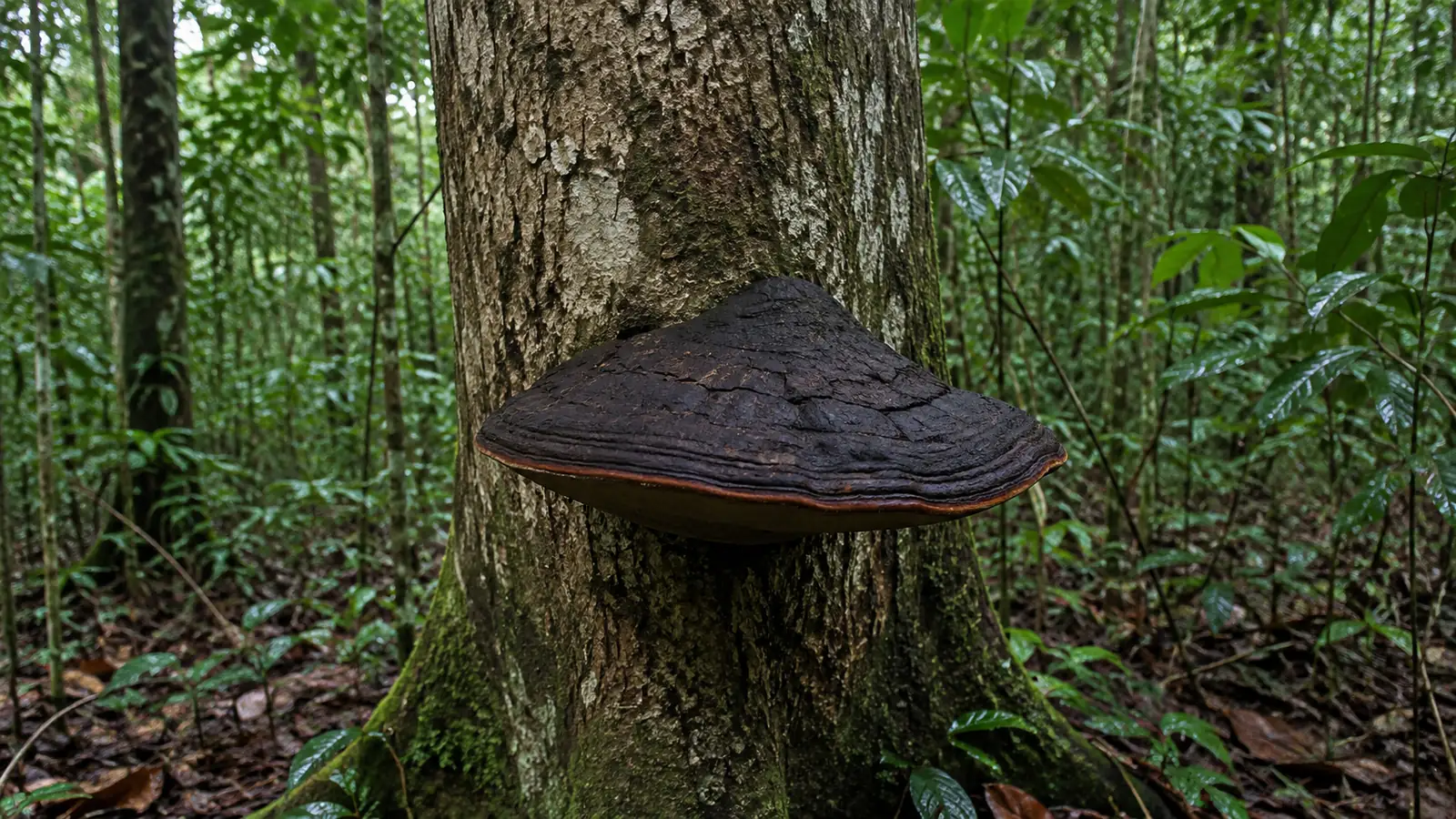
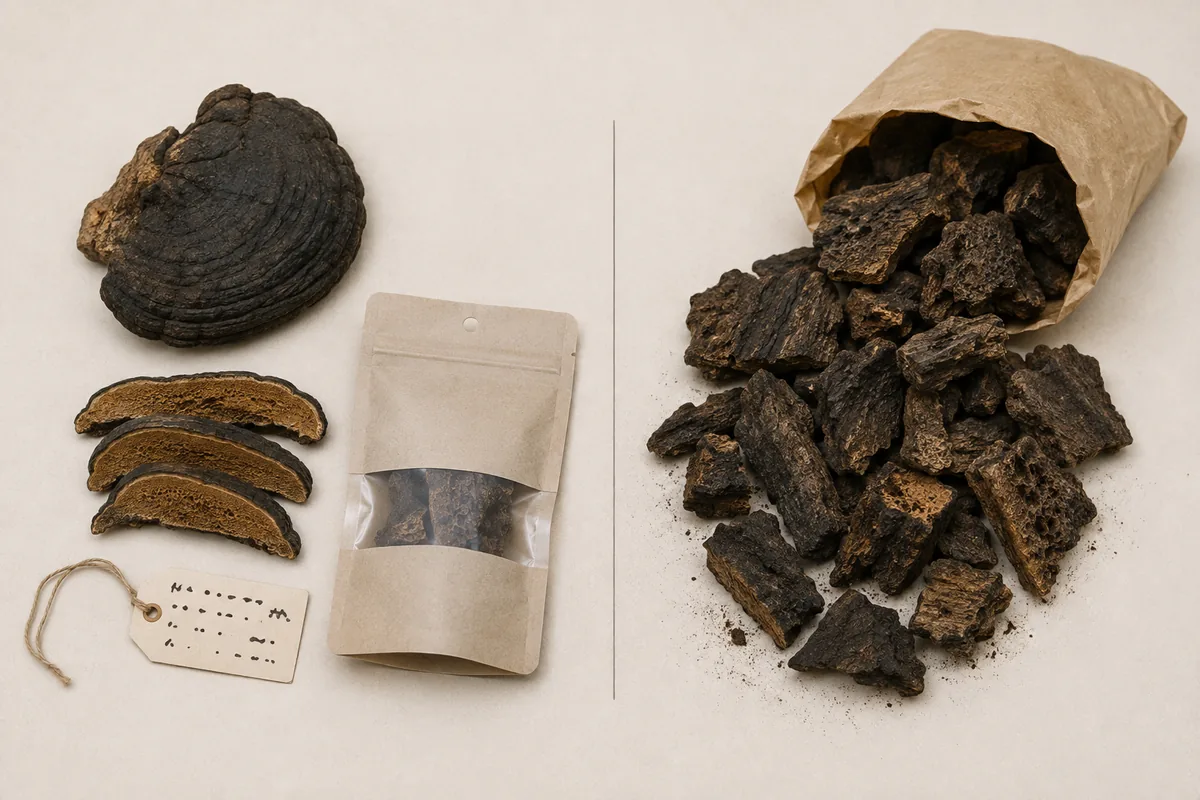
A hard perennial bracket with a projecting shelf or hoof-like profile. The upper surface becomes dark brown to nearly black, concentrically zoned, rough, and often cracked with age.
No gills. The lower surface is yellow-brown to umber with about 5 to 7 minute round pores per millimeter in the current concept of T. linteus.
Usually attached directly to hardwood without a true stem. A broad lateral attachment connects the bracket to living or dead angiosperm wood.
The context is corky to woody and yellow-brown or rusty brown, without the dark internal lines used to separate some related polypores. Odor is not a dependable field mark.
Start with the growth form. A mature Mesima-type fruiting body is a rigid shelf or hoof attached to wood, not a soft cap with a central stem, and its fertile underside carries pores rather than gills.
The upper crust darkens from brown toward black and may develop concentric furrows and deep cracks over several growing seasons. Fresh margins can remain warmer brown, which creates a visible contrast with the older blackened center.
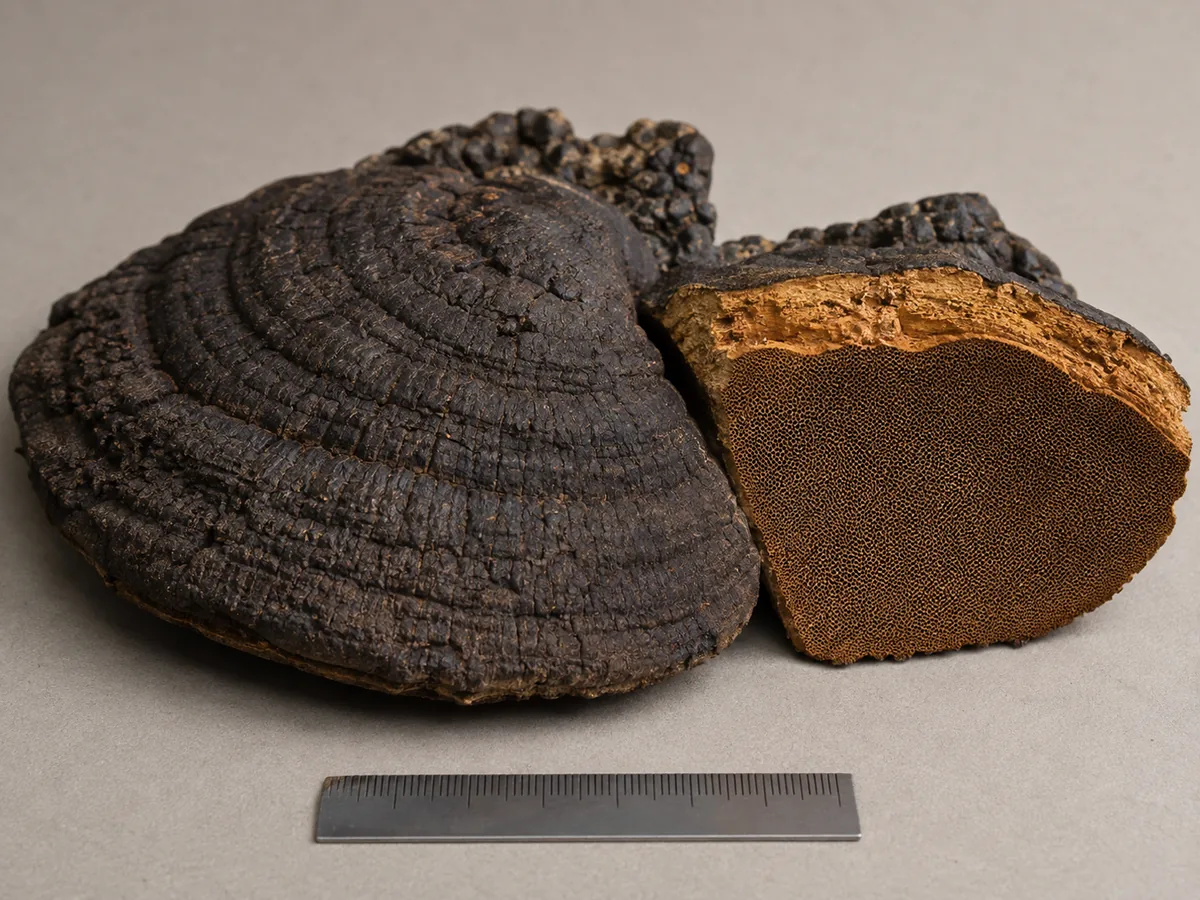
Turn the bracket over and use magnification. The current morphological concept of T. linteus has roughly 5 to 7 pores per millimeter, so the openings look like fine pinpoints rather than the larger tubes of many conspicuous polypores.
A clean vertical section shows the thickness and color of the context, annual tube layers, and whether dark lines cross the interior. T. linteus is described with a yellow-brown context lacking dark lines, but that character still has to be interpreted with the pore surface, spores, setae, host, and geography.
A spore print can support broader identification, although hard perennial polypores often release too few spores on demand for a useful home deposit. Macroscopic features can place a specimen near the right group, but they rarely prove this species.
Is Mesima poisonous or edible?
A product marketed as Mesima is not equivalent to a verified wild specimen or to the standardized extract used in a clinical trial. Species, fungal part, extraction solvent, concentration, contaminants, and dose can all differ.
Do not use Mesima in place of cancer treatment, prescribed medicine, or medical assessment. Human evidence remains limited, and a laboratory effect on cells or mice cannot establish a treatment benefit in people.
People who are pregnant, breastfeeding, preparing for surgery, treating a chronic illness, or taking prescription medicines should discuss the exact product with a clinician or pharmacist. Bring the label and lot information because the trade name alone does not reveal what was tested.
What can be mistaken for Mesima?
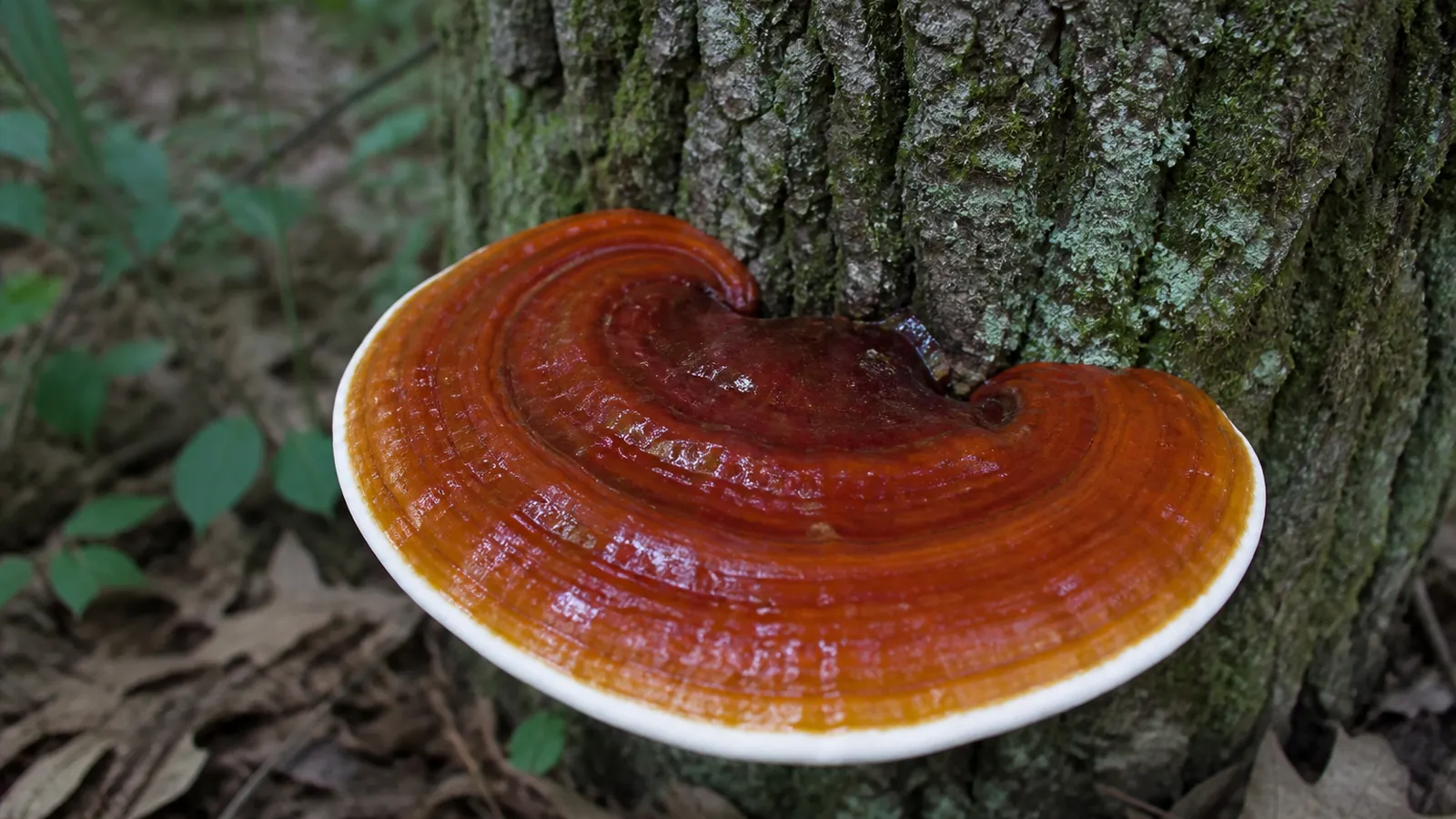
Dark perennial brackets converge on the same rough shelf or hoof shape, so photographs are especially weak evidence in this group. Artist's conks, fire-associated Phellinus relatives, chaga-like sterile growths, and several Sanghuangporus species can all create a quick visual match.
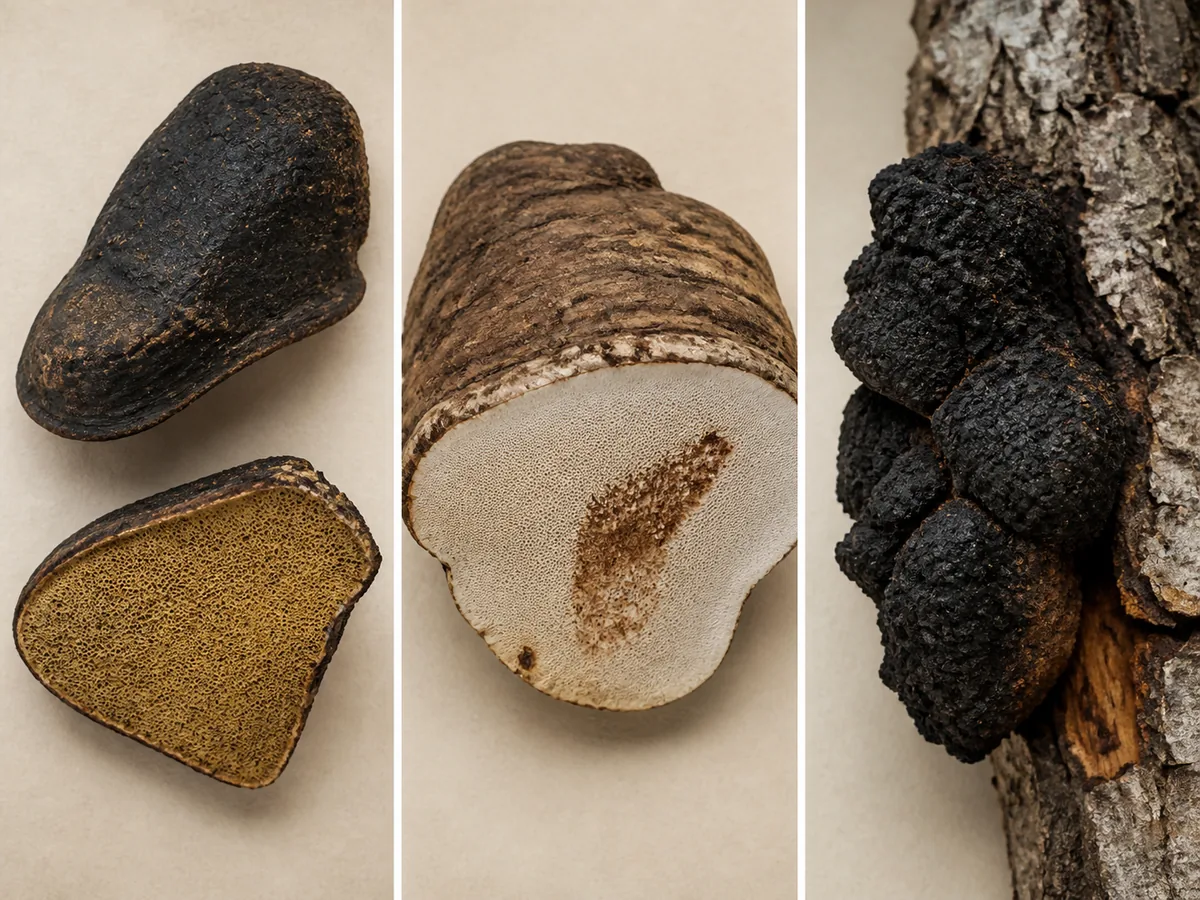
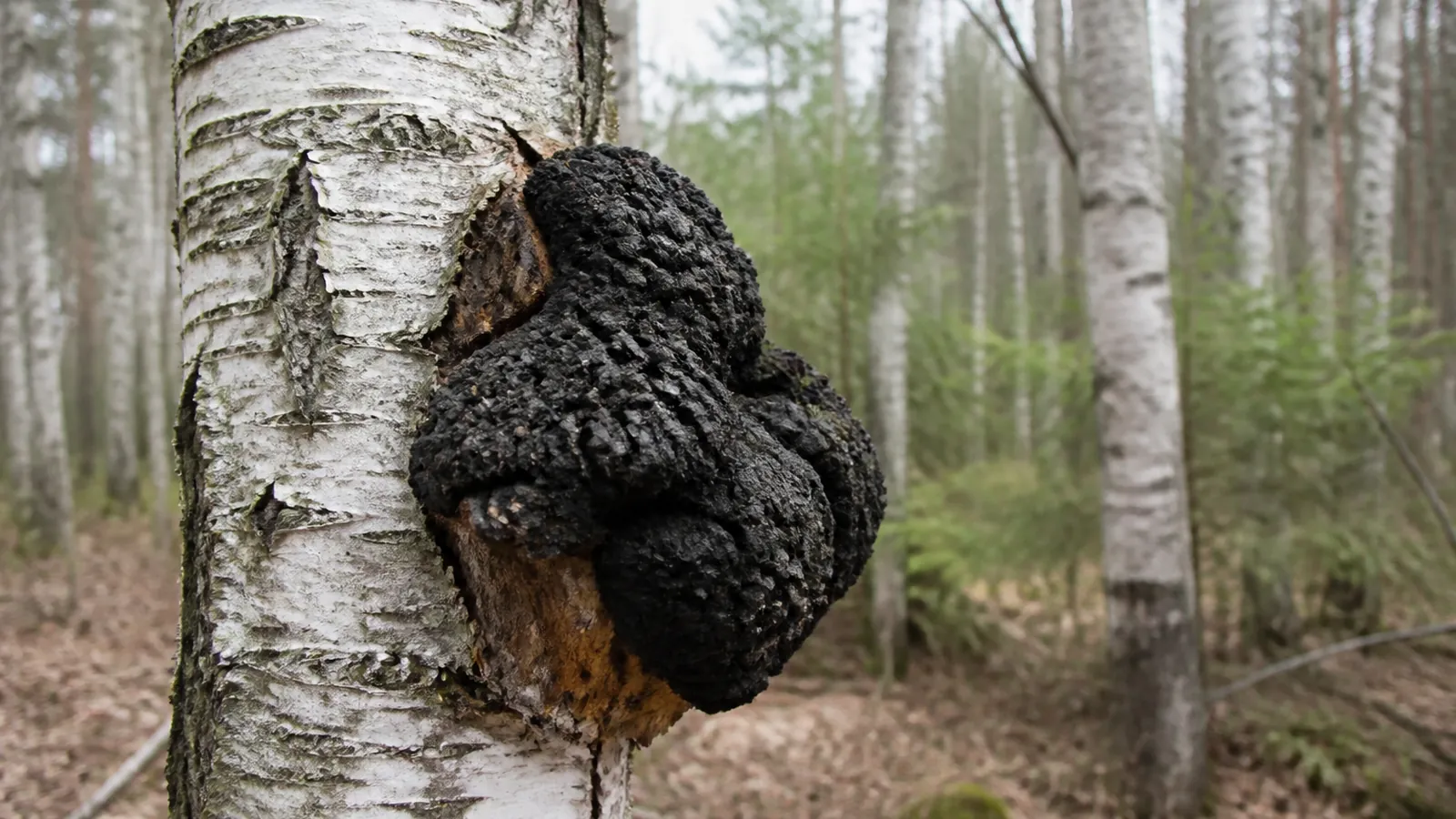
A chaga mass is an irregular black sterile conk rather than a tidy pore-bearing bracket. An artist's conk has a pale pore surface that bruises brown and can be drawn on, while true Mesima-type brackets have a yellow-brown to umber pore layer.
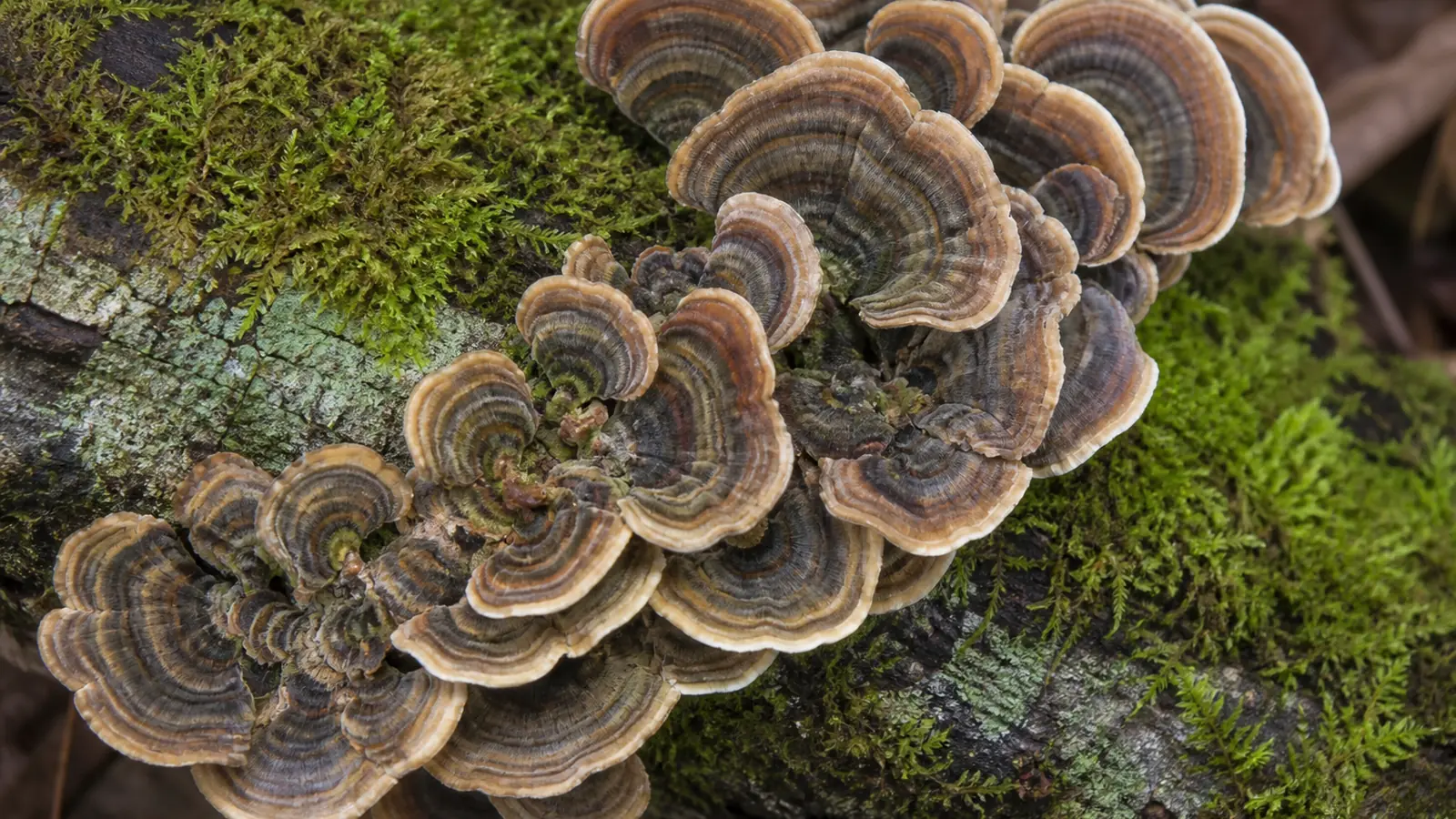
Turkey tail is thinner, flexible when fresh, and usually forms overlapping fans with obvious colored zones. It is a useful contrast for learning what a thin annual bracket looks like, but it is not the main species-level confusion within the phellinoid group.
Host association helps only when the host is correctly identified and the candidate's geographic range fits. A mulberry host in East Asia can support Sanghuangporus sanghuang, but it cannot turn an unexamined bracket into T. linteus.
Related fungi may share dark caps, yellow-brown flesh, tiny pores, and perennial tube layers. Species separation can depend on pore density, context anatomy, hyphal construction, setae, spore dimensions, DNA, and type-based taxonomy.
Never transfer a medicinal claim across lookalike species. A compound measured in one voucher specimen or cultivated strain says nothing certain about a visually similar wild bracket or an unlabeled powder.
Where does true Tropicoporus linteus grow?
Tropicoporus species grow on angiosperm wood and cause white rot, which means the fungus breaks down lignin as well as other structural components. A perennial bracket can add new tube layers while the internal mycelium continues to occupy the wood.
Under the strict modern concept, T. linteus is associated with tropical America, with records from Central America and the Caribbean. That range matters because many older Asian records published under P. linteus were reassigned after the species complex was studied.
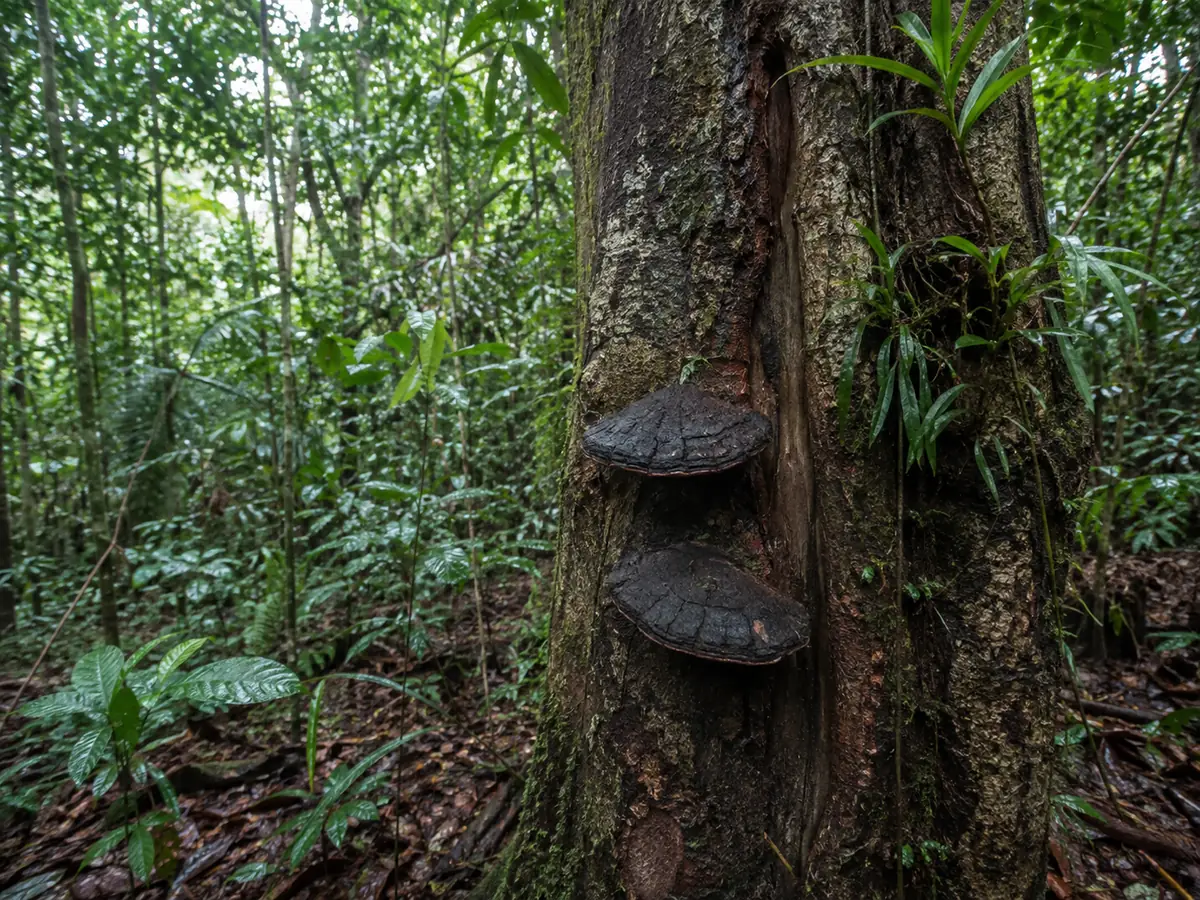
The bracket may occur on living trunks, injured branches, or dead hardwood, depending on the fungus and host. Record whether tissue beyond the fruiting body is alive, whether several brackets align along a wound, and whether the wood is standing or fallen.
A fruiting body is evidence of established decay inside the wood. On a valued tree, avoid prying it off as a treatment because removing the visible bracket does not remove internal mycelium and can enlarge the wound.
Geography is an identification feature, not background trivia. A specimen found far outside the documented strict range deserves a broader name until morphology and sequence data justify something narrower.
What did the human Mesima trial measure?
A randomized, double-blind trial enrolled 98 healthy Korean adults and tested 1,000 milligrams per day of a specific Phellinus linteus mycelium extract for eight weeks. The primary reported result was an increase in natural killer cell activity compared with placebo.
The trial did not test wild brackets, whole fruiting-body tea, cancer treatment, infection prevention, or long-term clinical outcomes. Several secondary immune measures did not show significant between-group changes, which makes a broad claim such as boosts immunity much stronger than the data.
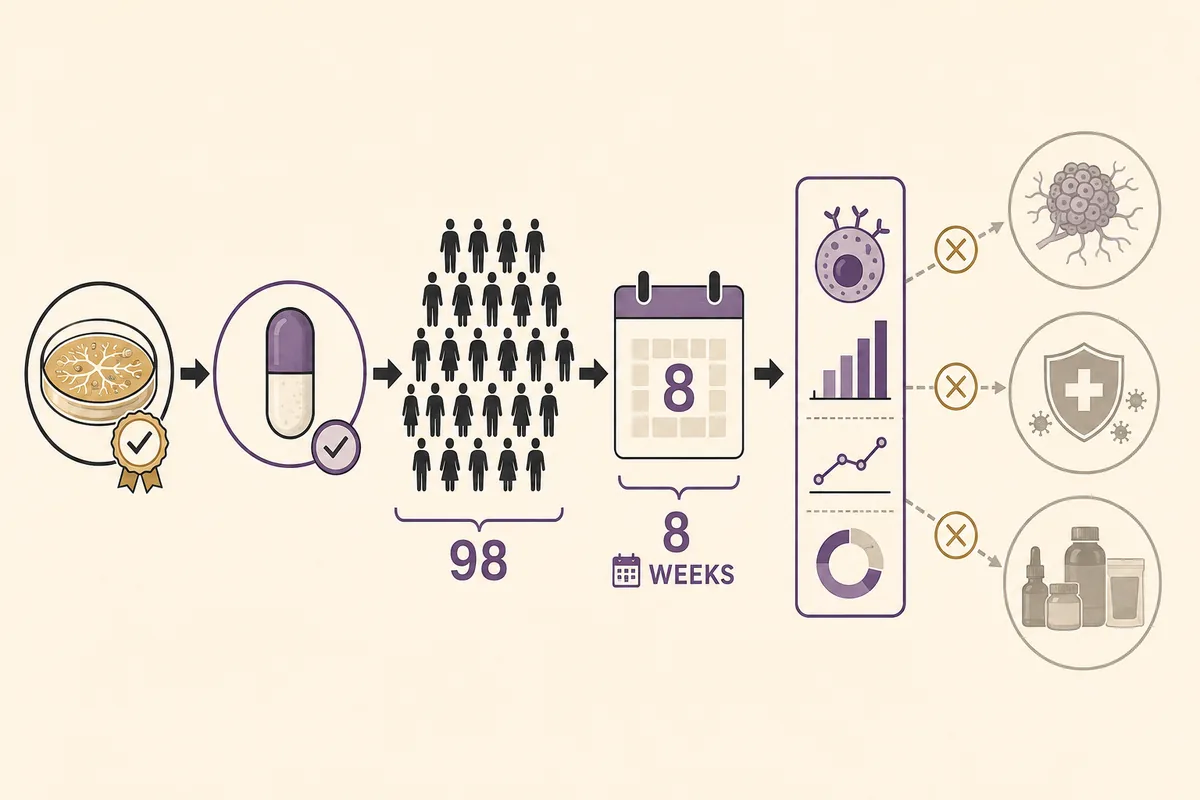
The paper reported no study-related changes in the liver and kidney safety measures it monitored. That observation is reassuring for the tested extract over eight weeks, but it cannot establish safety during pregnancy, with medicines, at different doses, or for products with different identities.
A second pilot trial compared 1,000 and 2,000 milligrams daily in a small healthy-adult sample. Pilot work can help design a larger study, but limited participant numbers and exploratory outcomes make it weak support for consumer disease claims.
The accurate conclusion is narrow. One standardized mycelium extract changed one immune-function marker in healthy adults, while clinical benefits and transfer to other products remain unproven.
What does the Mesima evidence actually support?
Mesima research commonly measures polysaccharides, polyphenols, hispidin-related compounds, and other constituents from fruiting bodies or cultured mycelium. Test-tube and animal studies report immune, inflammatory, metabolic, and tumor-related signals, but each result belongs to its exact organism, extract, model, and endpoint.
The strongest reader decision is to separate levels of evidence. Killing cultured cells is not the same as shrinking a human tumor, changing an immune marker is not the same as preventing infection, and a traditional use is not a controlled clinical outcome.
| Evidence level | What it can establish | What it cannot establish |
|---|---|---|
| Chemical analysis | Which compounds are present in tested material | That another product contains the same amount |
| Cell experiment | Whether an extract changes a pathway under controlled conditions | A safe or effective human dose |
| Animal study | Biological activity in one model | A treatment effect in people |
| Human trial | Outcomes for a defined product, dose, and population | Benefits for every Mesima product or disease |
A systematic review of medicinal mushrooms in cancer care found the clinical literature too heterogeneous and limited to support routine use as cancer treatment. The problem is a shortage of large, replicated trials with clinically meaningful outcomes.
Medicinal mushrooms differ in species, chemistry, preparation, and human evidence. Comparing Mesima with reishi by the word medicinal alone hides those differences.
Treat every benefit claim as product-specific until the chain of identity and evidence is shown. Check the exact organism and preparation used in each study before applying its findings to a product.
How should you read a Mesima supplement label?
Begin with identity, because a front label that says Mesima, sanghuang, or Phellinus linteus may not disclose the current species. Look for a complete Latin binomial and a strain or voucher reference that can be traced beyond the seller's own page.
Then identify the material. Fruiting-body powder, cultured mycelium, myceliated grain, hot-water extract, and dual extract are physically different products, so a study on one cannot be cited as direct proof for another.
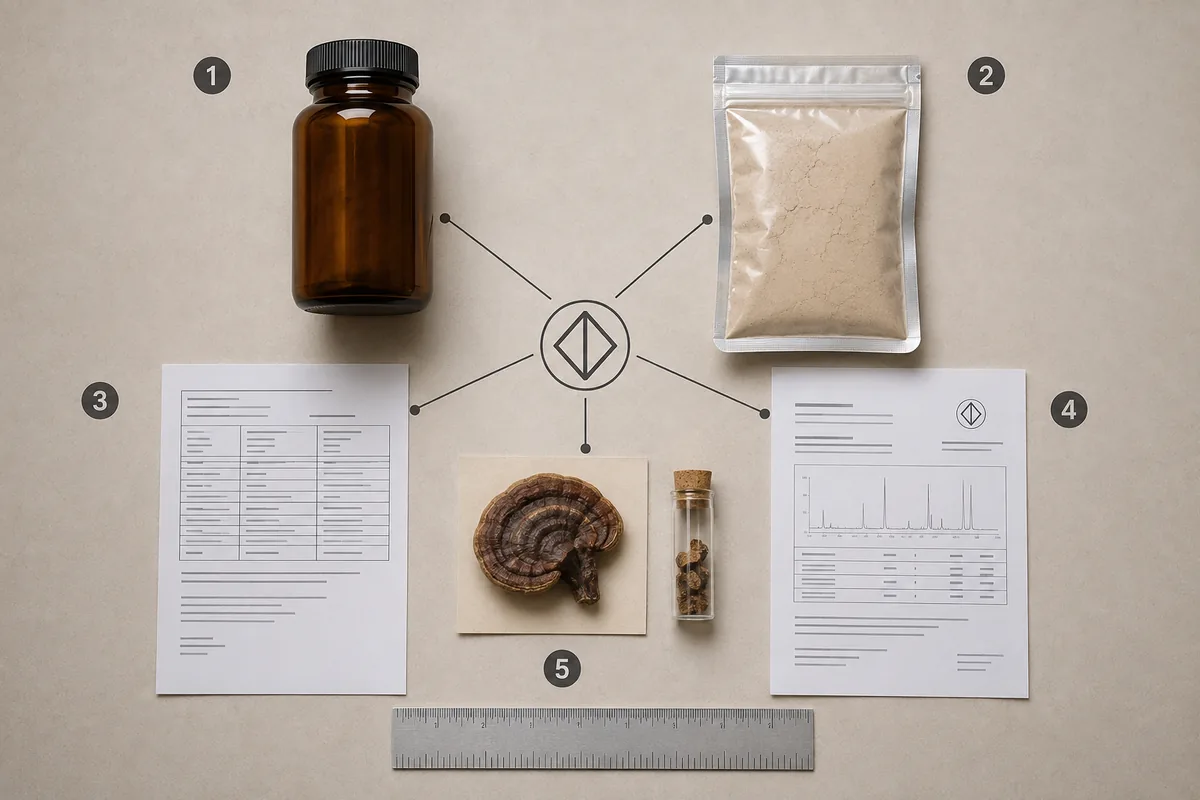
Species traceable
Continue reviewThe label or certificate names the current species and connects it to a strain, voucher, or sequence record.
Fungal part clear
Match the evidenceThe product states fruiting body, mycelium, or fermented biomass rather than hiding all material under mushroom.
Extraction disclosed
Interpret the concentrationSolvent, extract ratio, and marker compounds show how the tested material was prepared.
Lot tested
Check the actual batchIndependent results cover identity, microbes, heavy metals, and relevant contaminants for the lot sold.
Health claim bounded
Ask a clinicianThe claim matches human evidence and does not promise to prevent, cure, or replace treatment.
A certificate of analysis has value only when its lot number matches the package and the laboratory methods are named. A generic certificate reused across products cannot show what is inside the bottle in hand.
Watch for percentages that lack a method, especially total polysaccharides presented as though they were all beta-glucans. Starch from grain can affect broad carbohydrate assays, while a species DNA test does not measure extraction strength or contaminants.
Reject the product when identity and batch evidence stop at the trade name. A polished label cannot repair a missing species, unexplained fungal part, or certificate from another lot.
How is authenticated Mesima material cultivated?
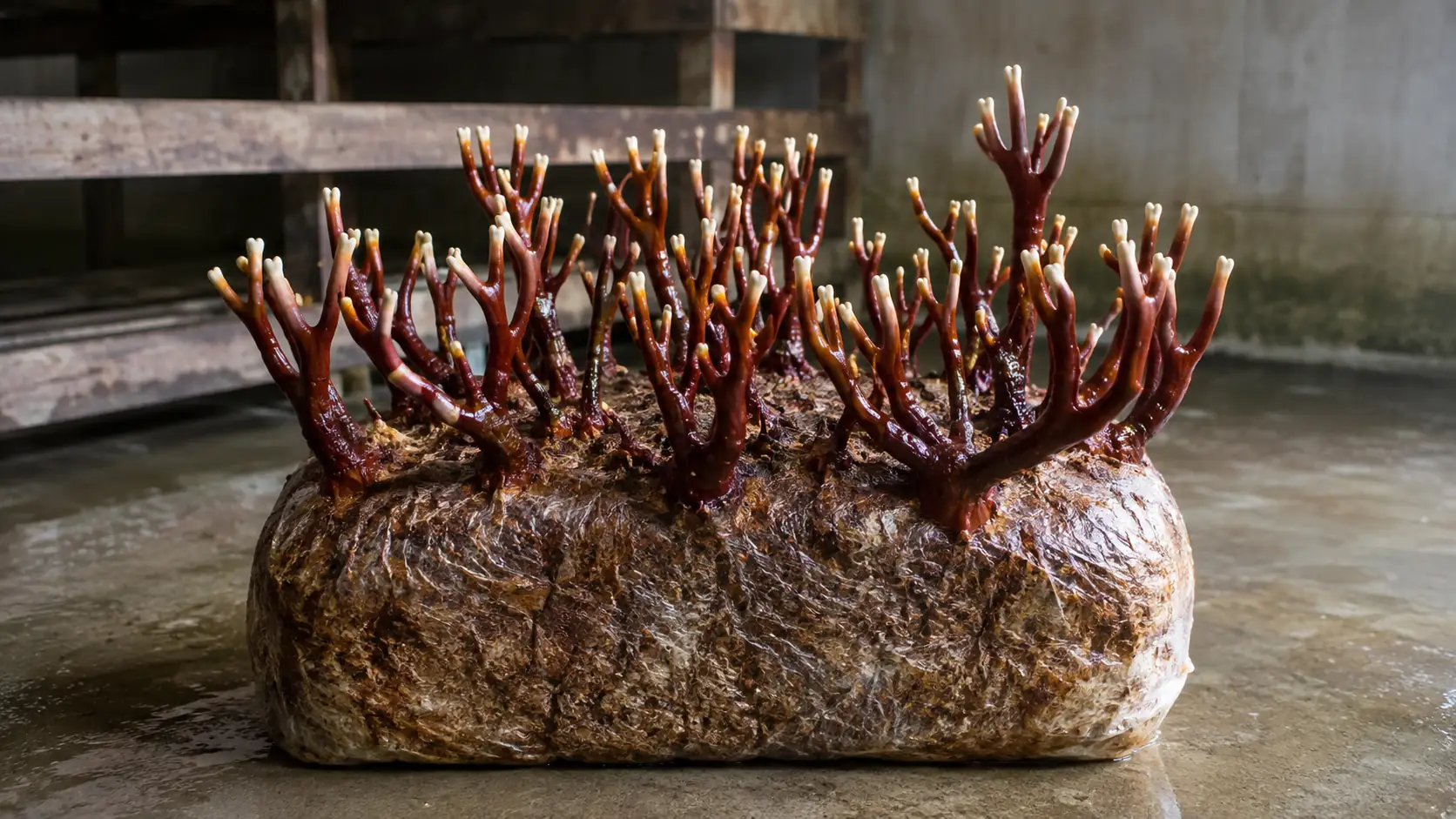
Commercial Mesima material may be produced as fruiting bodies on hardwood substrates, as liquid-cultured mycelium, or as fermented biomass. Those outputs are not interchangeable because the fungal part and production conditions affect the chemical profile.
Cultivation begins with an authenticated living strain rather than a wild bracket chosen by color. A producer then records the strain identifier, substrate, inoculation date, environmental conditions, harvest stage, drying method, and extraction lot.

A home grower may produce an interesting bracket while still lacking proof of species or extract composition. Successful fruiting does not validate a medicinal claim.
Can you eat Mesima or make tea from a wild bracket?
Mesima fruiting bodies are hard, corky, and bitter rather than suitable for slicing into a meal. Traditional preparations use prolonged hot-water extraction or other processed forms, which belongs to medicinal use rather than ordinary cooking.
A decoction does not solve the identity problem and does not reproduce every commercial extract. Water, ethanol, temperature, time, particle size, and the starting material change which compounds enter the final preparation.
The site's mushroom tea guide explains why tough fungi are decocted instead of briefly steeped. For Mesima, that method information still cannot establish a dose, a species identity, or a disease claim.
Do not brew a wild dark bracket based on resemblance to an online image. The safe boundary begins with an authenticated material source and a reasoned review of the finished product.
Does Mesima have meaningful nutrition data?
Mesima is not eaten in serving-sized portions, so ordinary food tables for calories, protein, fiber, vitamins, and minerals do not answer the relevant question. A capsule or extract also cannot inherit nutrition values measured from whole dried fruiting bodies.
Product labels may state beta-glucans, total polysaccharides, or an extraction ratio. These are compositional measures, not complete nutrition data and not proof that the material produces a health outcome.
Do not compare Mesima powder with an edible mushroom by grams of protein or fiber. Its practical evaluation depends on identity, extraction, contaminant testing, dose disclosure, and evidence for the claimed use.
Why did Phellinus linteus change names?
Berkeley and Curtis originally described the species as Polyporus linteus. It later became widely known as Phellinus linteus, and the accepted combination Tropicoporus linteus was published after a phylogenetic revision of the old species complex.
The revision recognized that the medicinal fungi grouped under P. linteus were not one globally distributed species. Sanghuangporus now holds several temperate medicinal lineages, while Tropicoporus holds a different tropical lineage.
Microscopy helps explain the split. The strict T. linteus concept combines perennial basidiomata, 5 to 7 pores per millimeter, no dark context lines, hymenial setae, and thick-walled yellowish spores roughly 4.8 to 5.5 by 3.9 to 4.6 micrometers.
DNA evidence is often needed because similar brackets share much of that macroscopic pattern. Modern work has used ITS and nuclear LSU sequences, and broader studies may add protein-coding markers to resolve related lineages.
Older names remain useful search terms but are unreliable identity shortcuts. When reading a paper, check the collection country, host, voucher, strain, sequence, and publication date before assuming its material matches current T. linteus.
Mesima questions people ask
What is Mesima mushroom?
Is Mesima edible?
Is Mesima poisonous?
How do you identify Mesima?
Are Phellinus linteus and Tropicoporus linteus the same?
Does Mesima treat cancer?
Sources & References
- Index Fungorum Basionym and nomenclatural record for the legacy Phellinus linteus name.
- Catalogue of Fungi of Colombia Accepted Tropicoporus linteus combination, synonym, classification, and Colombian record.
- Wu et al., Botanical Studies Clarification of the East Asian mulberry-associated sanghuang species and limits of the P. linteus name.
- Zhu et al., Frontiers in Microbiology Multi-gene diversity, host associations, distribution, and morphology across Sanghuangporus species.
- Salvador-Montoya et al., Rodriguésia Current morphological concept of Tropicoporus linteus, pore density, microscopic features, and range.
- Song et al., Journal of Ethnopharmacology Traditional use, chemistry, preclinical pharmacology, and research limitations for Phellinus linteus material.
- Park et al., Nutrients Randomized eight-week trial of a defined P. linteus mycelium extract in 98 healthy adults.
- Lee et al., Journal of Functional Foods Small pilot dose-ranging trial and its exploratory limitations.
- Rossi et al., Cancers Systematic review finding limited and heterogeneous human evidence for medicinal mushrooms in cancer care.
- Memorial Sloan Kettering Cancer Center Clinical caution, limited human evidence, and advice to disclose supplement use to healthcare providers.