A cauliflower mushroom must be opened into workable pieces before water reaches its folds. Clean each channel, drain thoroughly, and match the heat to young springy lobes or thicker mature pieces.
Cauliflower mushroom is easy to sauté after its hidden channels are clean and dry.
The ruffled cluster must be opened while dry, inspected from the center outward, washed in small sections, and drained until the folds stop returning water.
Young springy lobes suit a wide pan, while thicker mature pieces and properly dried material are better in broth. An uncertain wild identification or a slimy sour cluster does not belong in either method.
| Condition | Preparation | Best heat |
|---|---|---|
| Young, pale, springy fresh lobes | Clean, drain, and separate | Wide-pan sauté |
| Thick but sound mature lobes | Cut smaller and consider brief blanching | Braise or soup |
| Properly dried pieces | Rehydrate and inspect | Simmer in liquid |
| Slimy, sour, or unidentified material | Do not prepare | Discard or stop for identification |
Open the cluster while it is still dry
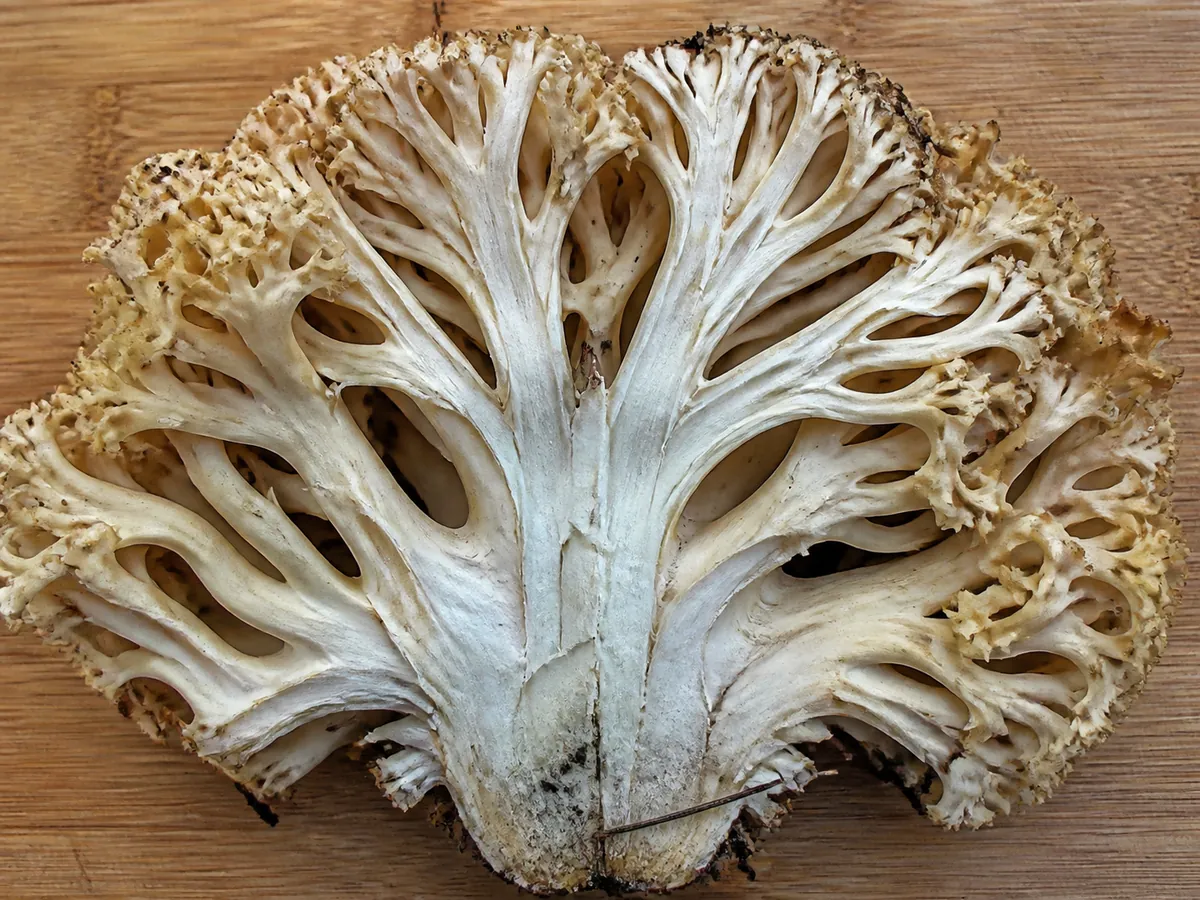
A cauliflower mushroom is a branching core covered with curled, ribbon-like lobes.
Needles, grit, insects, and dark damaged tissue can sit several layers inside while the outside looks clean.
Set the verified cluster on a large board and examine its base before adding water. Pull away loose forest material, then cut out heavily embedded substrate with a narrow knife rather than driving it farther into the folds.
Break or cut the cluster into hand-size sections along its natural branches. Each piece should open enough that light reaches the inner channels and rinse water can escape again.
Keep the sections large enough to preserve their shape during washing. Very small curls move like loose noodles, which makes them harder to inspect and easier to lose down the drain.
Dry opening preserves the evidence because a brown needle, insect channel, or soft patch becomes harder to distinguish after every surface is wet.
Keep sound cream to pale yellow lobes that spring back when gently pressed. Trim localized bruising or a dirty base only when the neighboring tissue remains firm and smells clean.
Sort the opened sections into three groups before washing:
- Clean outer lobes that need a brief rinse
- Dense center branches that need close inspection
- Trim or reject pieces with damage, substrate, or heavy insect channels
This dry sort keeps obviously damaged material from muddying the cleanest rinse water.
Clean channels, not just the outside
Fill a large bowl with cool water and lower only a few opened sections at a time. Swish them gently, lift and turn each piece, then inspect between the curls rather than watching only the water.
Pour away the first dirty water instead of returning clean pieces to settled grit. Refill the bowl and repeat until no needles, insects, or visible soil remain in the channels and the water no longer carries obvious debris.
A soft pastry brush or narrow stream of water can dislodge a stubborn particle without crushing lobes that would hold more water and cook unevenly after damage.
Insects may retreat deeper when a whole cluster is flooded. Open sections let you remove them directly instead of extending the soak and hoping they leave on their own.
Long unattended soaking is a poor shortcut. The folds already create a large wet surface, so extra time in the bowl makes the later drying job harder without replacing visual inspection.
Every channel earns a check because a clean exterior does not prove that the dense center is ready for the pan.
Repeat the wash only for evidence you can still see:
- A needle remains caught across two curls.
- Grit appears when the piece is turned over.
- An insect channel extends into a dense branch.
- The fresh bowl collects new visible debris.
Tip
Use a light-colored bowl for the final rinse because dark grit and small insects are easier to see against the bottom.
Drain until the folds stop giving back water
Lift each section from the final rinse with its curls facing downward and shake gently over the sink. Turn it through several angles because one orientation never empties every pocket.
Spread the pieces in one layer on clean towels with space between them. Press a second towel lightly over the top, then replace any section that still releases beads from its inner folds when squeezed gently.
Air movement helps after blotting, but a long warm hold invites quality loss, so prepare the pan while the cleaned pieces drain and cook them when the surface feels dry.
Separate a thick center branch and a thin outer curl for the final towel test. If the center still releases water, the rest of that dense section needs more draining even when the outer pieces appear ready.
Water left between the lobes cools hot fat and surrounds the mushroom with steam. The result may still become tender, but it will not develop the distinct golden edges expected from a sauté.
Choose heat from lobe condition
Young cauliflower mushroom has pliable, cartilaginous curls that keep a light spring under dry heat.
A wide sauté pan preserves that separation and adds browning to the many edges.
Thicker mature lobes can remain chewy when rushed. Cut them into smaller branches and use a short blanch or a moist braise when a test piece resists after ordinary sautéing.
Blanching is a texture choice rather than a cleaning substitute, so lower only clean pieces into simmering water and drain them as soon as they begin to relax.
Test one thick lobe before blanching the whole batch. If it already bites cleanly after an ordinary sauté, the extra wet step would only add another drying problem.
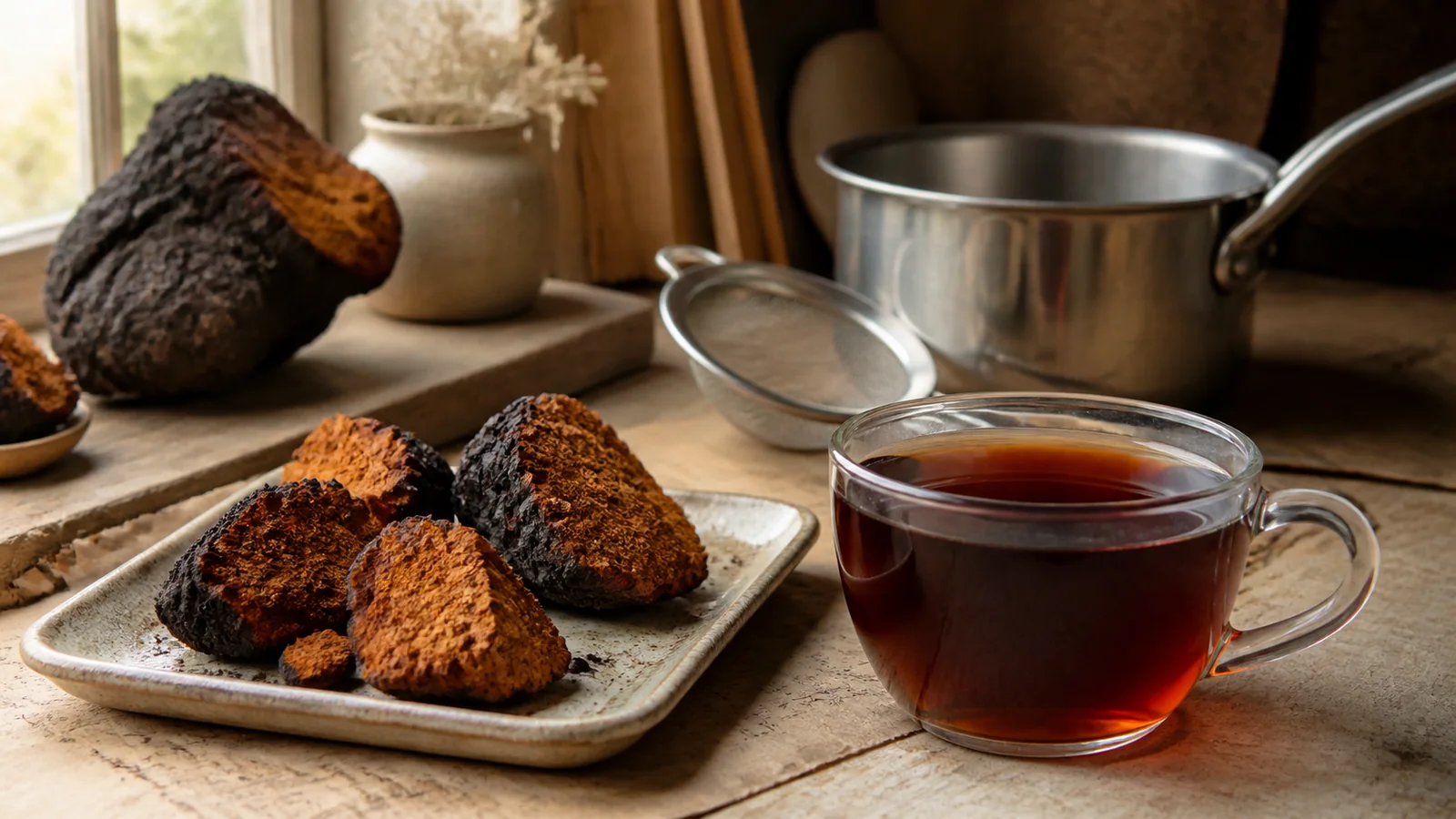
Dried cauliflower mushroom has already lost the water and structure that define the fresh texture. Rehydrate it for soup, stock, sauce, or a slow braise where its curls can soften in liquid.
- Young fresh
- Dry heat, loose layer, short path to service
- Mature sound
- Smaller cuts and more moisture or time
- Dried
- Rehydrate, inspect again, and simmer
- Damaged
- No cooking method reverses spoilage
Sauté springy lobes in a wide pan
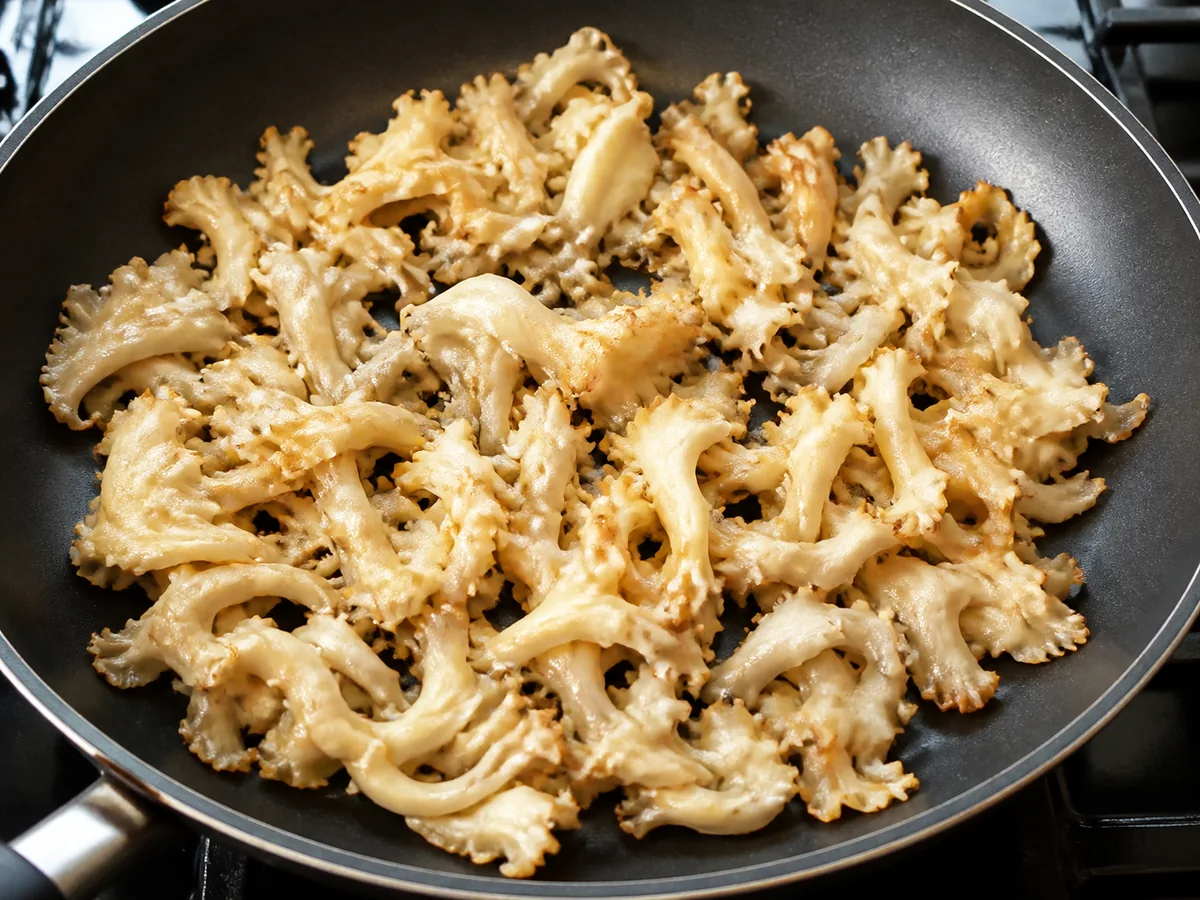
Tear the clean dry sections into bite-size curls while preserving their branching shape.
Very thick core pieces can be sliced across the grain so they finish with the thinner edges.
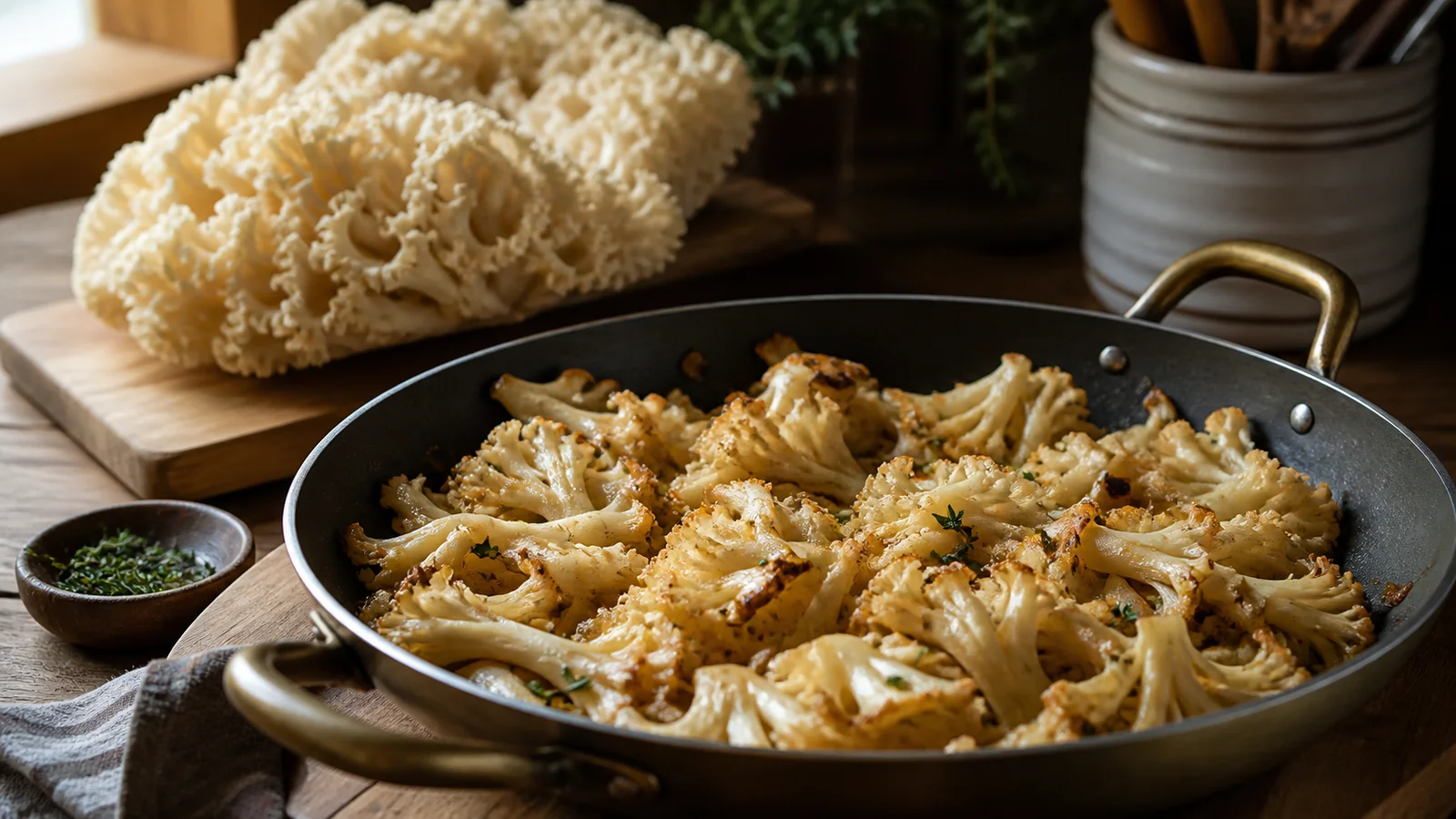
Heat a wide skillet over medium-high heat and add a thin film of oil. Arrange one loose layer and leave gaps where steam can escape, using a second batch rather than piling pieces in the center.
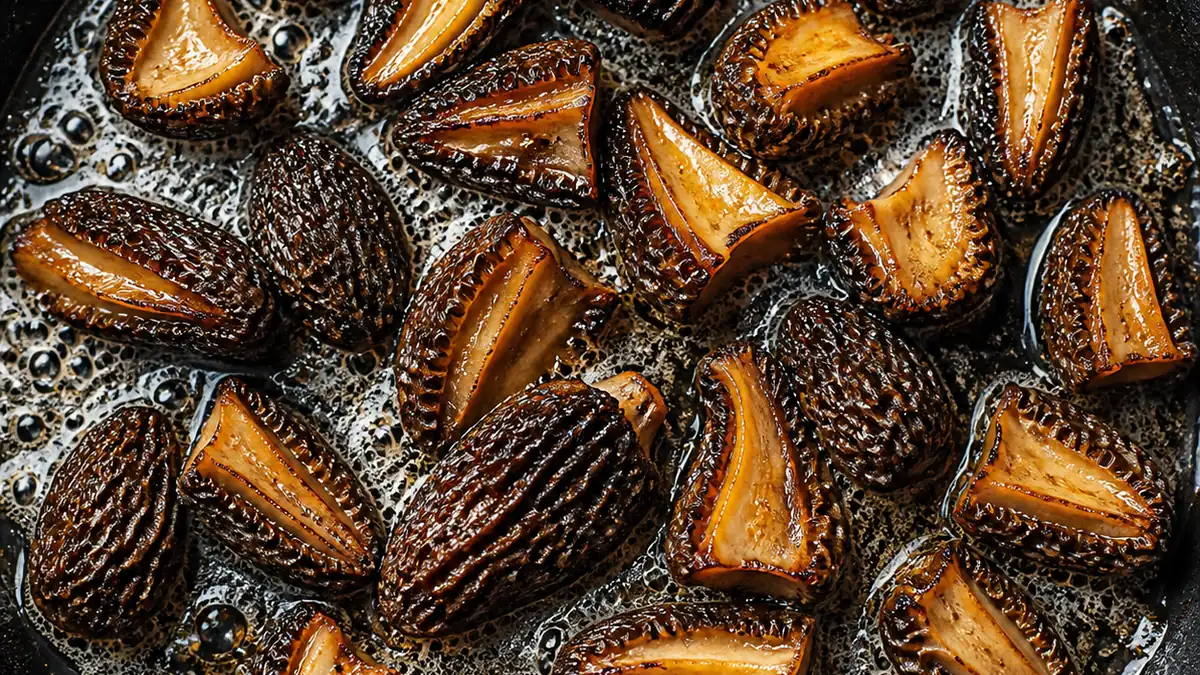
The mushroom will first soften and give off moisture, then several edges turn pale gold after that liquid evaporates and the thicker sections lose their raw stiffness.
Listen as well as look. A wet hiss indicates active steaming, while a sharper steady sizzle after the water clears marks the beginning of useful browning.
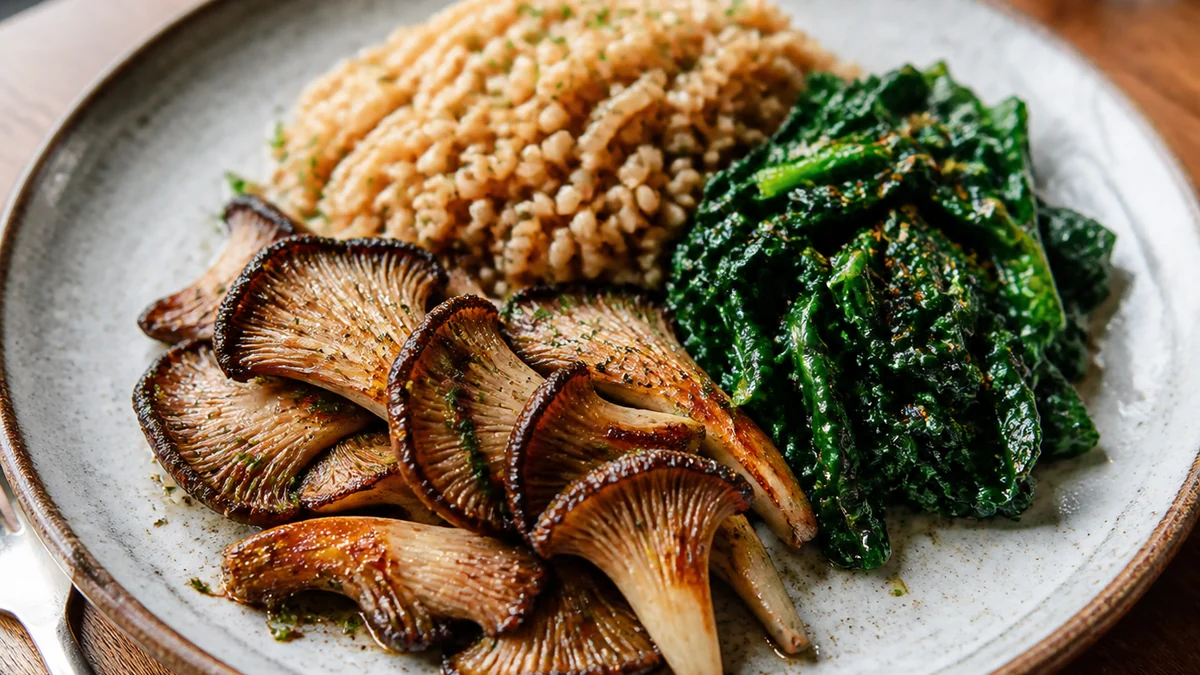
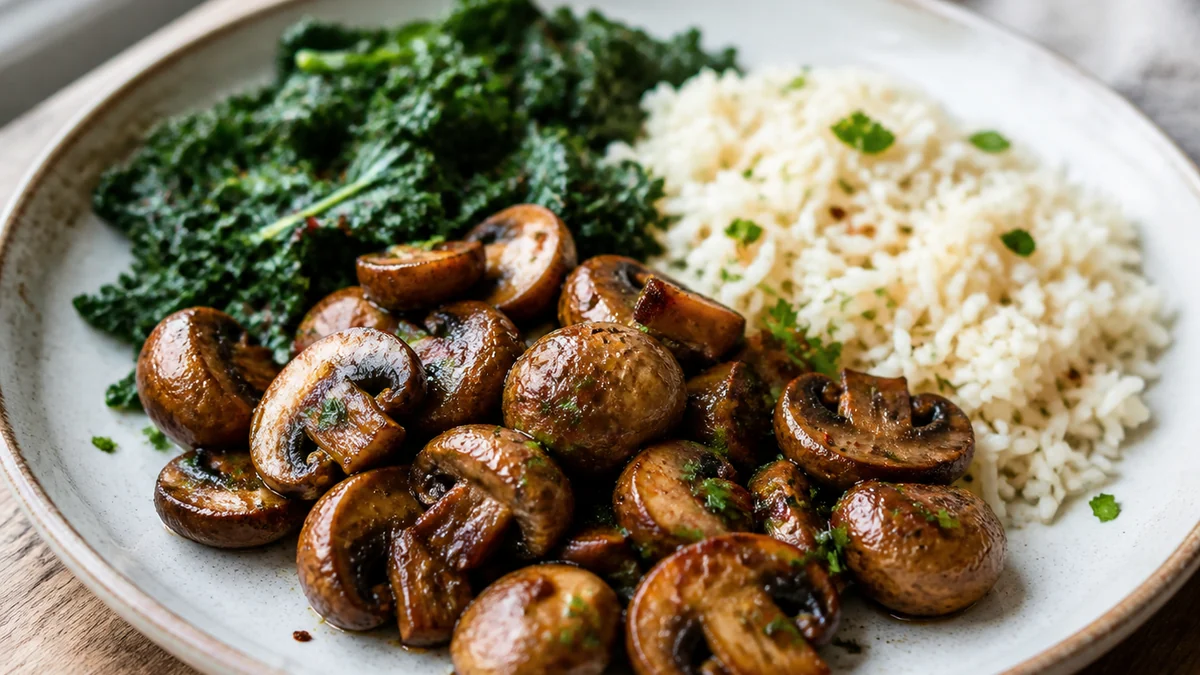
Add butter only after most released water has gone so its milk solids do not burn during the steaming phase. Salt near the finish, then use pepper, parsley, thyme, or a small amount of garlic without burying the mild flavor.
Stop while the curls still have shape because extended cooking can turn delicate lobes limp after the pan already has enough color.
Taste one thick center piece before serving because browned outer curls can finish first. It should be cooked through and tender with a light spring, never cold or rigid inside.
Move each finished batch to a warm uncovered plate. Covering it traps steam and softens the browned edges while the next batch cooks.
Dried pieces belong in liquid
Cover dried pieces with warm water and let them soften until the folds can be opened without cracking.
Lift them out, inspect the channels again, and rinse away any grit released during hydration.
Strain the soaking liquid through fine cloth or a coffee filter if it smells clean and will be used in the dish. Leave the sediment behind because pouring the final cloudy layer into soup returns the debris you just removed.
Add rehydrated pieces early enough to simmer until tender because their value is the curled form and flavor they bring to broth, not an exact reproduction of fresh sautéed spring.
Before adding them to liquid, confirm the rehydrated state:
- Folds open without cracking.
- Inner channels are free of grit.
- Hard attachment tissue has been trimmed.
- The soaking liquid smells clean before it is filtered.
Cut a rehydrated thick branch before it enters the pot. A clean flexible interior is usable, while a woody core that stayed rigid after hydration should be trimmed.
A fresh-to-dried substitution also changes water balance. Reduce other liquid only after seeing how much the rehydrated mushroom and its strained soaking liquor contribute.
Old or damaged folds fail before the pan
Age shows first in the places air and handling have stressed.
Look for collapsed edges, spreading brown softness, slime in the central channels, sour or fermented odor, and heavy insect tunneling.
A dry tan edge can sometimes be trimmed from otherwise firm material. Widespread softness or odor has no clean boundary, so removing one visible patch does not restore the cluster.
Cooking can darken tissue and mask odor, which makes early inspection more useful than a final taste. Do not ask butter, stock, or high heat to rescue a mushroom already failing the condition check.
Spreading softness is a discard sign, while one dry localized bruise can be trimmed only when firm clean tissue surrounds it.
KeepSpringy pale lobes with a mild clean mushroom smell
TrimSmall dry bruise with firm clean tissue around it
UseSlime, sour odor, widespread collapse, or heavy damage
GuessWild material without a completed identification
The separation shown below matters before seasoning or heat can hide the original tissue condition.

The wild shape explains the cleaning work
The fruiting body develops near the ground around wood and roots, with broad curls that touch needles, soil, insects, and rain splash. Its impressive surface area is also a collection system for forest debris.
That habitat explains why chopping the whole cluster straight into a sink creates more work. Opening the dry branches first follows the way the mushroom grew and reveals the deepest contact points.
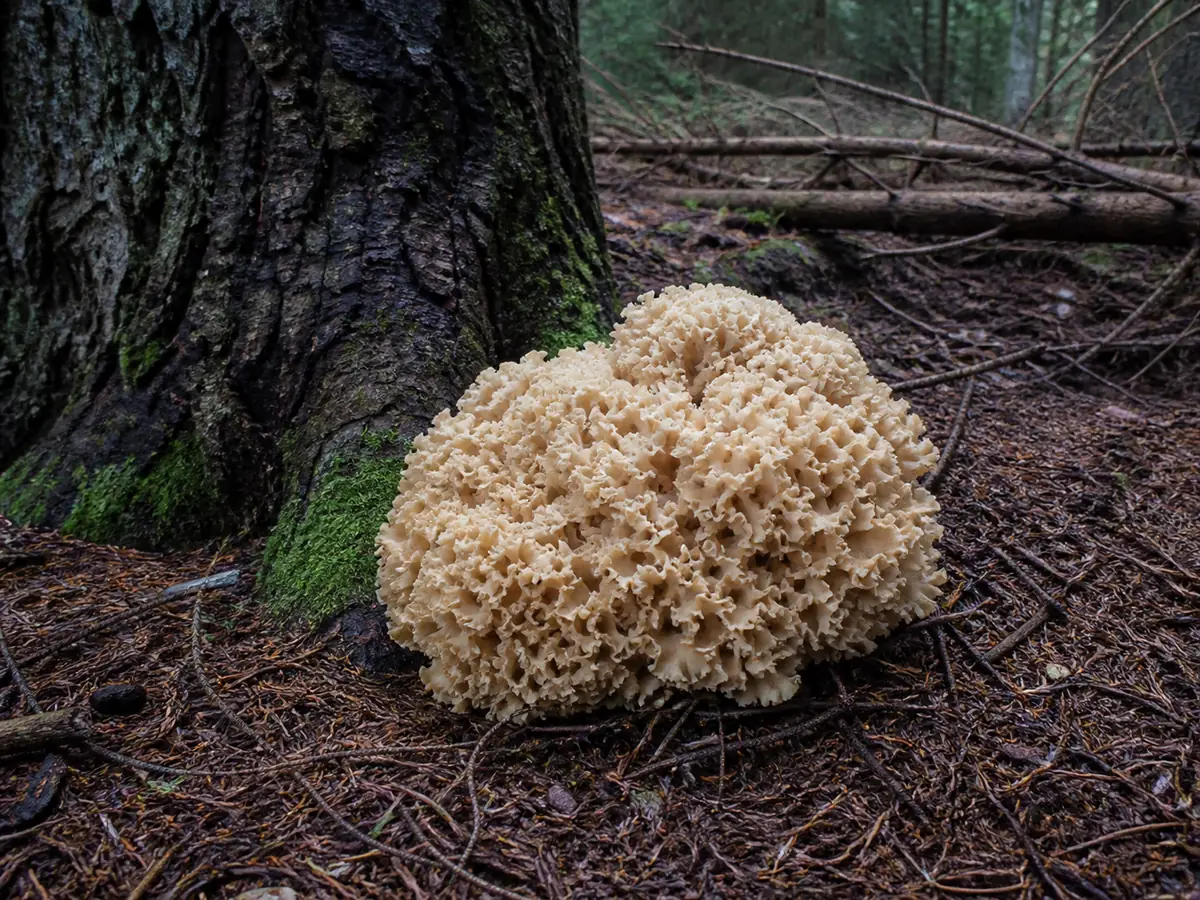
The same shape provides culinary value once clean because numerous edges brown and the curls hold broth or sauce. Careful preparation preserves that structure instead of grinding it into anonymous pieces.