
Cream Spore Print Mushrooms
Cream sits between white and buff, and reading it takes a clean print and good light. It is a reminder that spore color is a spectrum, not a set of neat boxes.
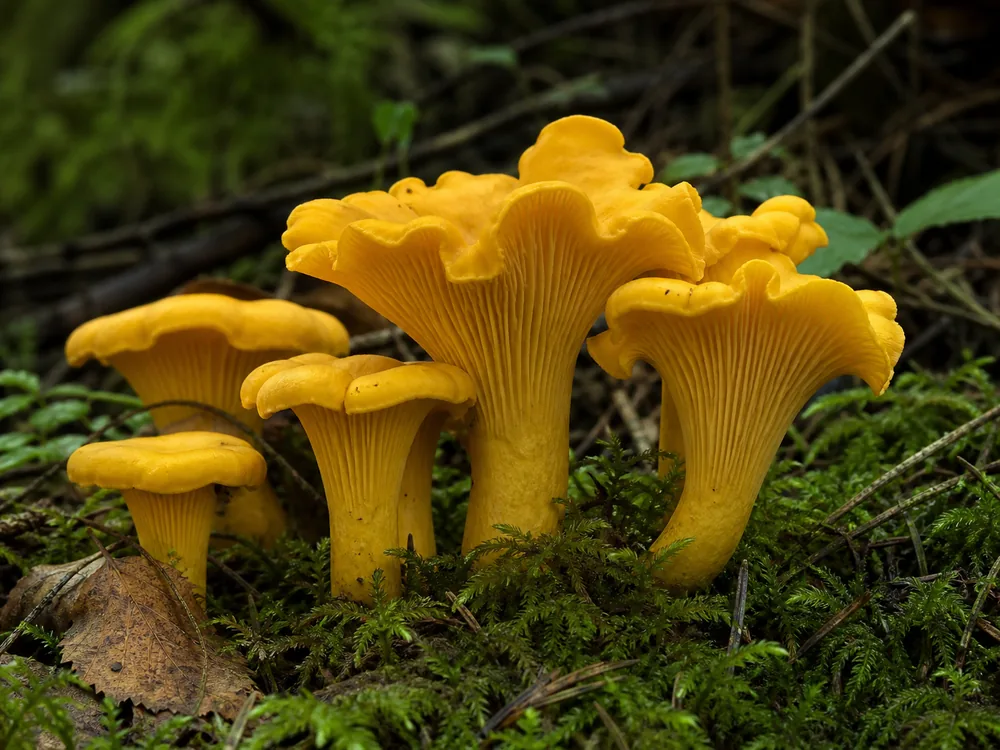
Chanterelle
Cantharellus cibariusA chanterelle is worth learning because its best edible traits are also its safety checks. Look for blunt…
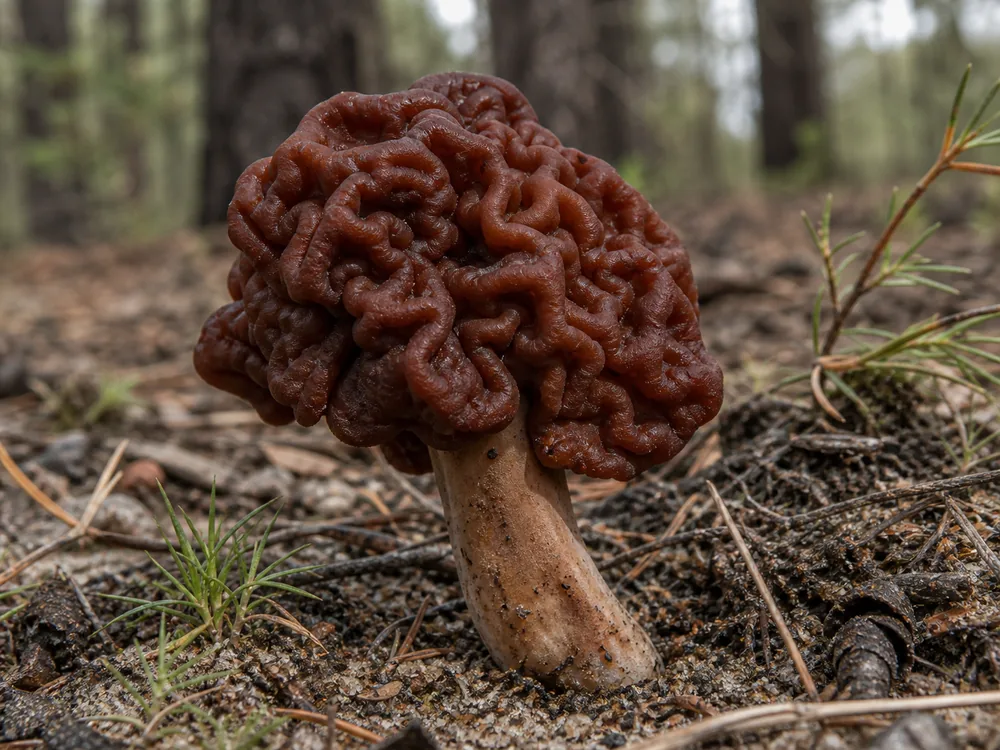
False Morel
Gyromitra esculentaGyromitra esculenta is a poisonous spring cup fungus with a chestnut, brain-like cap and a pale stem. A…
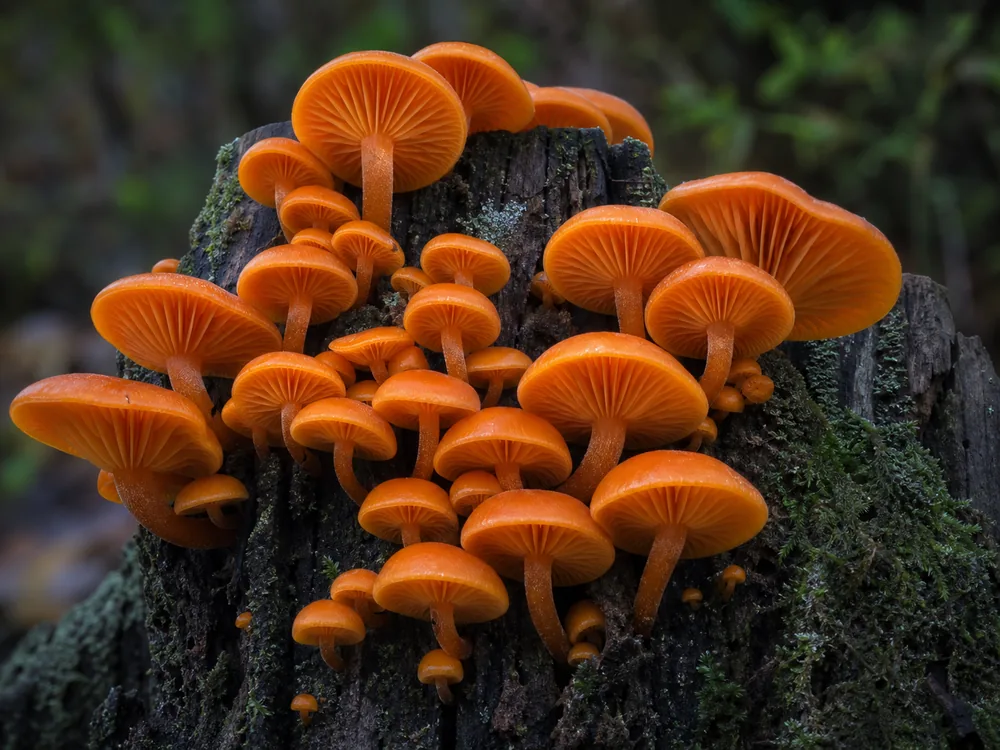
Jack O'Lantern
Omphalotus illudensA Jack O'Lantern is the orange mushroom you learn so you can reject it fast. The field pattern is true sharp…
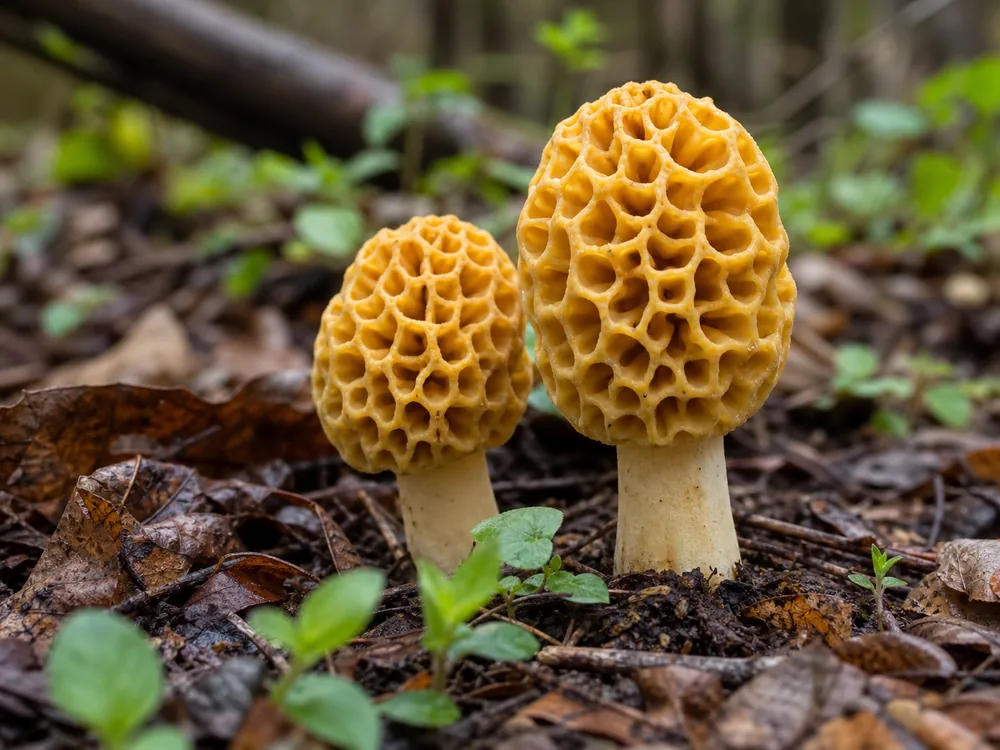
Morel
Morchella esculentaA morel is a spring edible with a strict safety routine. The lengthwise hollow test comes before cleaning…
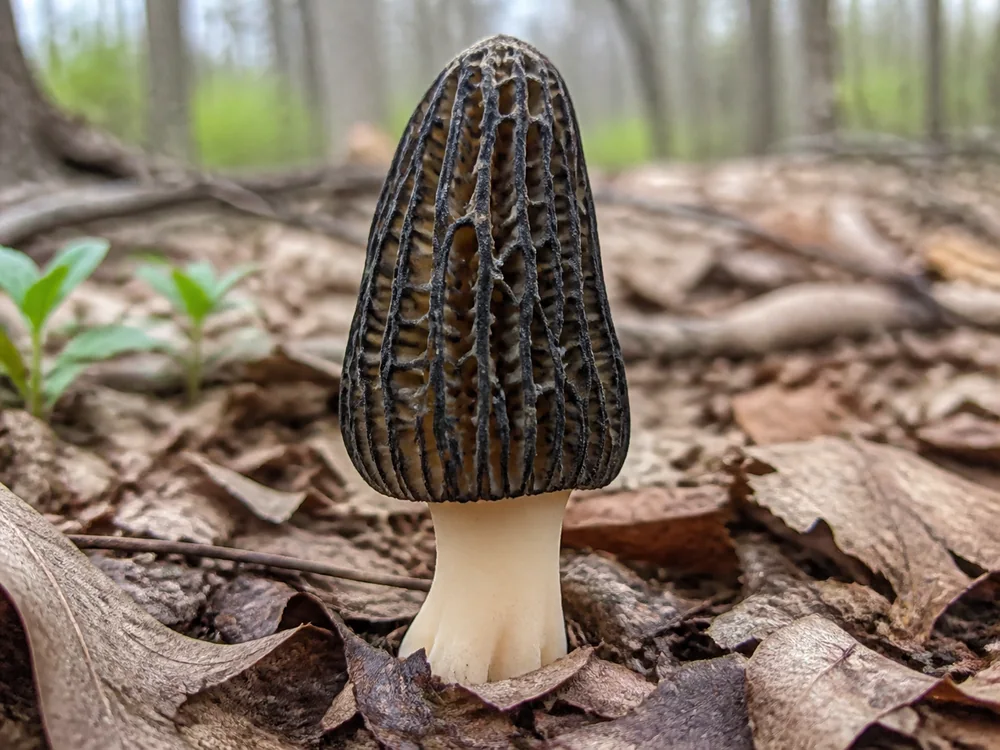
Black Morel
Morchella angusticepsMorchella angusticeps is the classic eastern North American black morel. Its conical cap has mostly vertical…
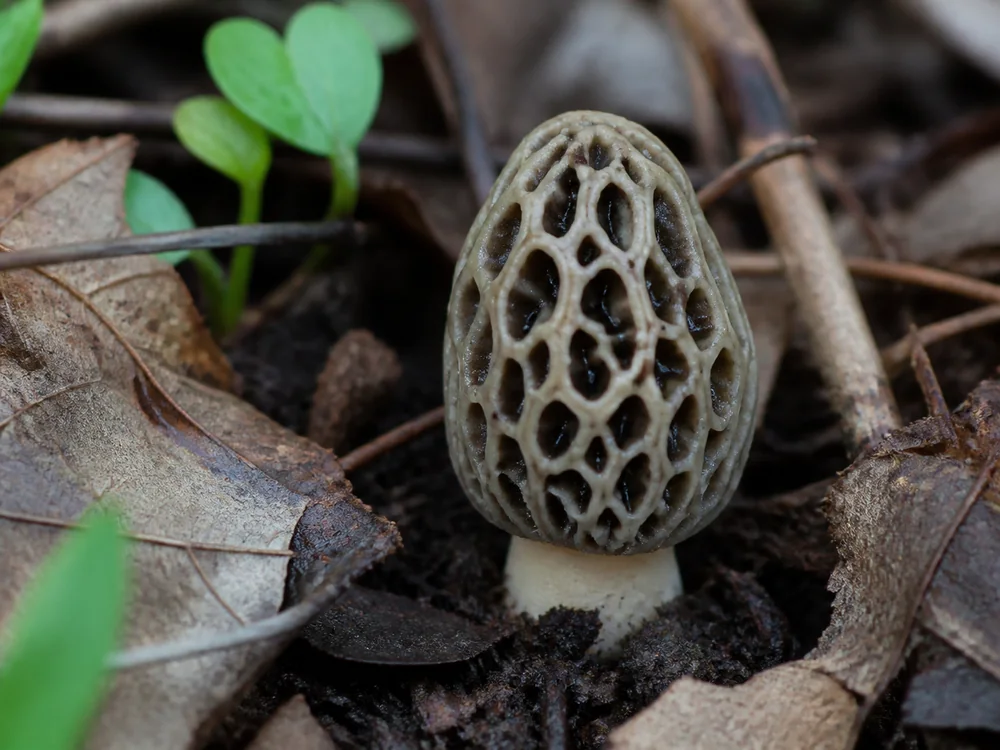
Gray Morel
Morchella esculentoidesOn this page, gray morel means the young gray form of the eastern yellow morel Morchella esculentoides. Color…
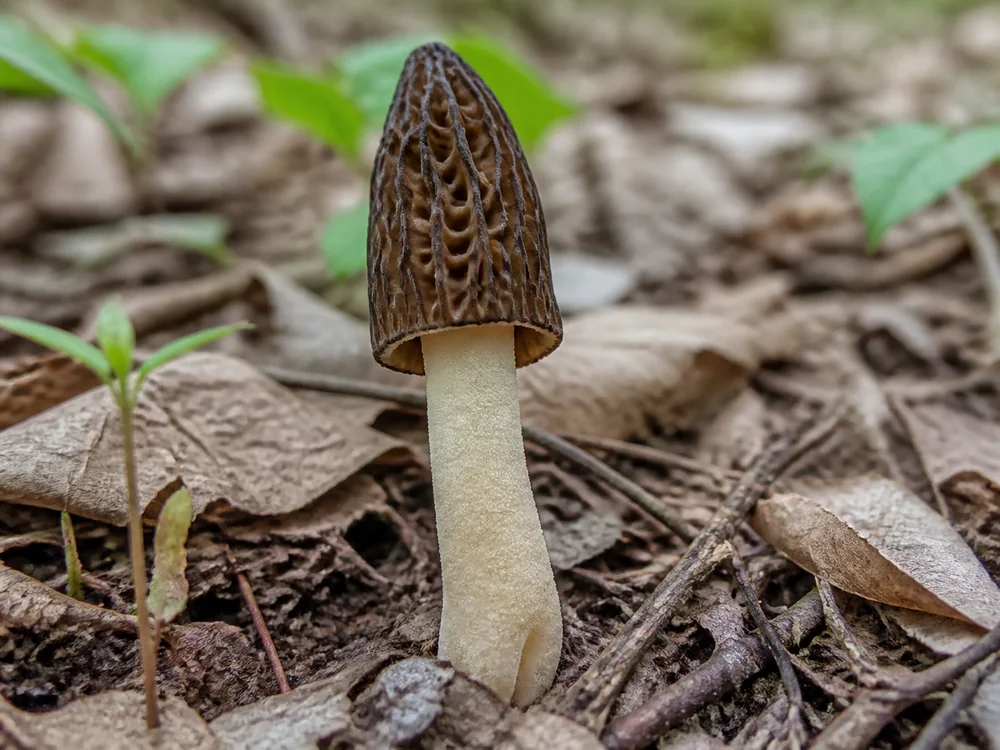
Half-Free Morel
Morchella punctipesThe eastern half-free morel, Morchella punctipes, has a small pitted cap joined partway down a long hollow…
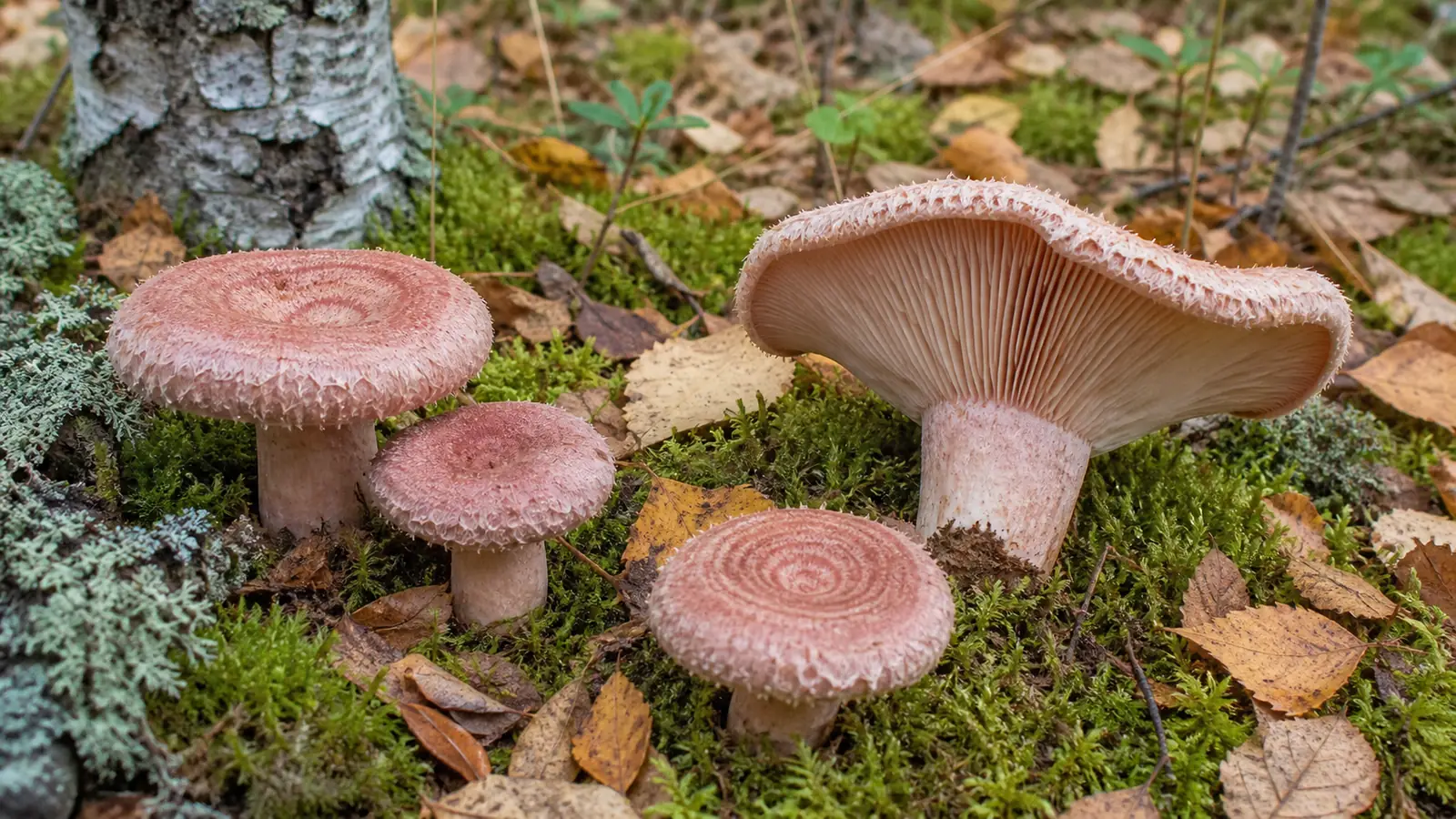
Woolly Milkcap
Lactarius torminosusWoolly milkcap is a pink, concentrically zoned birch partner whose young cap margin rolls inward beneath a…
A subtle shade
A cream spore print is pale, warmer than pure white and lighter than tan. Chanterelles, for instance, fall in this pale range.
Read it carefully
Because cream is close to white, a thin or hurried print can fool you. Drop the spores on white paper, and check them in daylight against a true white edge.
Tip
Let the cap sit long enough to leave a thick print. A faint dusting makes pale colors almost impossible to judge.
One clue among many
Treat a cream print as supporting evidence. Confirm it against the gills or ridges, the habitat, and the overall form before drawing a conclusion.