
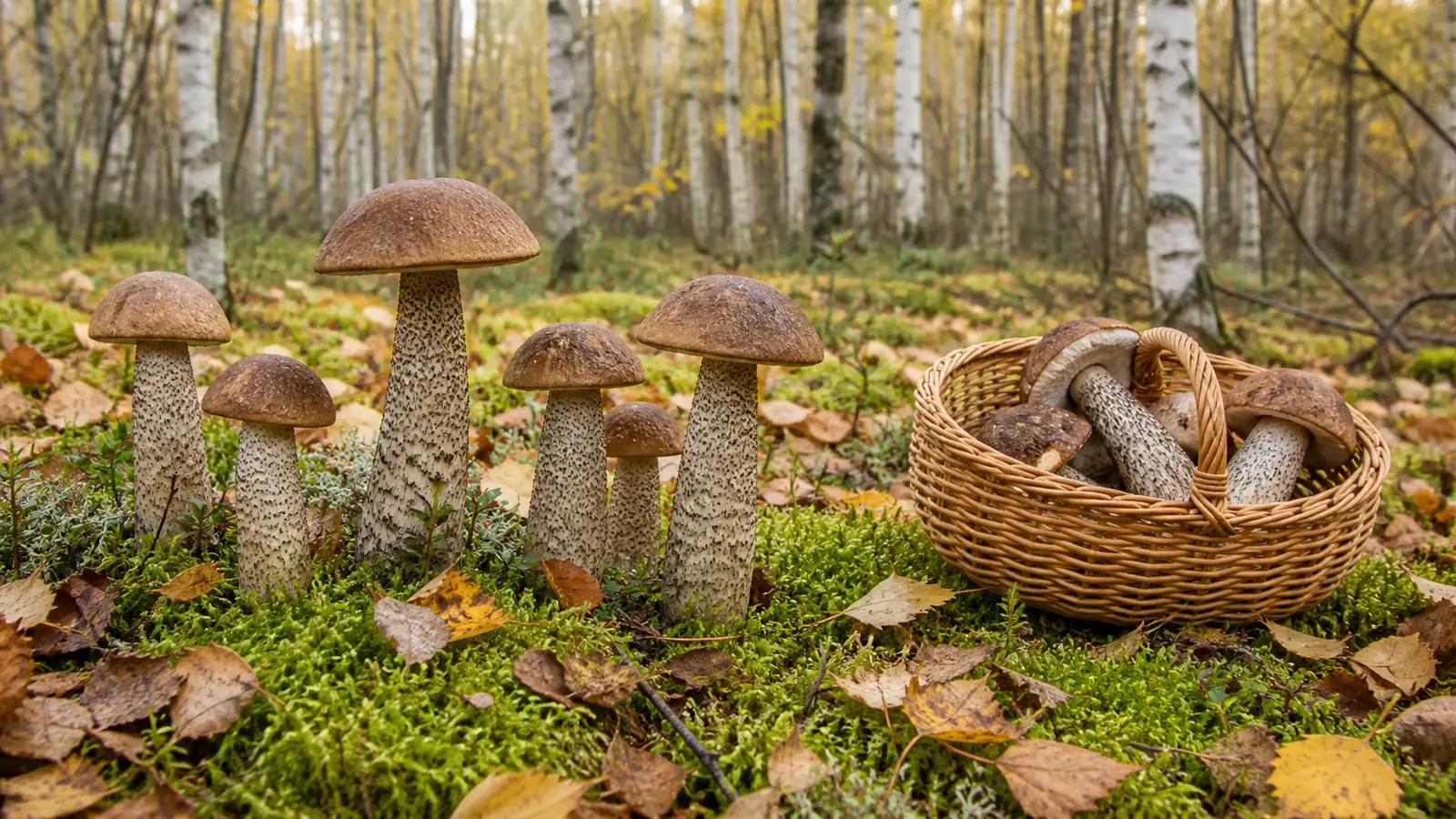
Every other page in this series answers the raw question and then explains what a pan changes.
This one has to start somewhere else, because for scaber stalks the pan is where the argument actually is.
Can you eat birch bolete raw?
No. Raw or overripe birch boletes are reported to cause nausea, cramping and diarrhea, and the mechanism proposed for it is indigestible polysaccharides rather than any named toxin.
Keep that distinction in mind when comparing the evidence.
Scaber stalks were for a long time the mushroom handed to beginners, common, hard to confuse with anything deadly, and forgiving. That reputation is being revised, and a reader deciding what to do with a basket of them deserves the revision rather than the old summary.
SafetyCan You Eat Bay Bolete Raw? The Blue Stain Is Not the ReasonWhich Leccinum reports actually exist
The case against the genus is a set of reports rather than a study, and it is worth seeing the actual contents.
| What is on record | Where it comes from | How serious |
|---|---|---|
| Around 3.5 percent of reported poisonings involve Leccinum | Cases reported to the North American Mycological Association | A share of a voluntary reporting stream |
| Repeated gastrointestinal distress from the scabrum and insigne group | Poison control records in the Rocky Mountain region | Many cases, mostly digestive |
| One case involving bleeding inside the brain | A widely cited account from 2009 | Severe, and singular |
| Field guides revised from safe to questionable | Naturalists and foragers writing since | A change of position, not new data |
Digestive distress is the overwhelming shape of those reports.
Nausea, cramping and diarrhea starting some hours after a meal is what most of these reports describe, and it is the same category most raw-mushroom complaints belong to. The single severe case sits apart from that pattern and is quoted far more often than its weight in the record justifies.
It also matters what kind of number that 3.5 percent of reports is.
Nobody is required to report a mushroom that made them unwell, so the stream is made of the cases someone bothered to write up. That inflates the share held by species people eat often and were confident about, which describes scaber stalks exactly, and it says nothing about how many meals passed without incident.
How long these actually need in the pan
Long enough that a normal saute does not get there.
- Described cooking time
- Fifteen to twenty minutes of thorough heat
- What that is not
- A quick browning, which is what most bolete recipes call for
- Why the time
- Sustained heat breaks the polysaccharides down, and surface color does not indicate it
- Common attribution
- Several accounts trace a bad reaction to undercooking rather than to the mushroom
- Practical cue
- The pan should be dry and the slices firm rather than still weeping liquid
That gap between a browned mushroom and a cooked one is where a lot of the trouble sits.
A bolete slice takes color in three or four minutes and looks finished long before this species is done. Someone following a porcini recipe with scaber stalks has, without noticing, made the exact preparation the reports keep describing.
Time in minutes is the crude version of the instruction, and the pan gives a better one.
A bolete releases its water first and only starts frying once that has gone, so the useful marker is the second stage rather than the clock. Fifteen minutes in a crowded pan that never stops steaming is not the same as fifteen minutes of actual heat on the slices, and the crowded pan is the more common mistake.

What the reports do not establish
Being straight about the limits cuts in both directions here.
Note
A poisoning report records that someone ate something and then felt unwell. It does not establish that the mushroom caused it, that the specimen was correctly identified, or that it was properly cooked. Undercooking is a confounder that these reports almost never rule out, and it is the single most likely explanation for a large share of them.
The other side of that ledger is just as real.
Scaber stalks have been picked and eaten across northern Europe in quantity for generations, in a food culture that would have noticed a species making people reliably ill. A genus with that record is not a hidden poison, whatever the North American reporting stream contains.
There is also a naming problem underneath the whole genus argument.
Leccinum is a genus that gets lumped in the field, because the species within it are separated by fine differences in cap color, staining and host tree that most pickers do not attempt. Reports filed as Leccinum in North America frequently involve the aspen-associated species rather than the birch one, and Leccinum insigne turns up in that record far more than its share.
So a warning about the genus and a warning about this species are not the same warning.
The European record covers birch boletes specifically, picked under birch by people who were not choosing between six similar species. Transplanting a North American genus-level caution onto that record, or dismissing it because of that record, both skip the same step.
So the honest position is narrower than either camp states it.
Raw is clearly a bad idea, undercooked appears to be the real problem, and thoroughly cooked has a thinner case against it than the louder warnings suggest. What none of that supports is treating fifteen minutes as optional.
It is worth naming what would actually settle the question, because no report so far does.
A useful report would have recorded four things, and almost none of them do.
- Which species it was, confirmed by someone who could separate the Leccinum group
- How long the meal was actually cooked, and by what method
- What else was eaten at the same meal
- Whether the same person had eaten the species before without trouble
A study that identified the specimens to species, recorded how long each meal was cooked, and followed a defined group of eaters would answer the question in one season. Nothing in the current record does any of those three things, which is why the argument has run for fifteen years on the same handful of citations.
Until that work exists, anyone answering this question is weighing scattered anecdote against a long tradition, and the honest version of the answer says as much out loud rather than picking a side.
SafetyCan You Eat Beefsteak Polypore Raw? Yes, If You Slice It ThinHow to tell a scaber stalk from the boletes you know
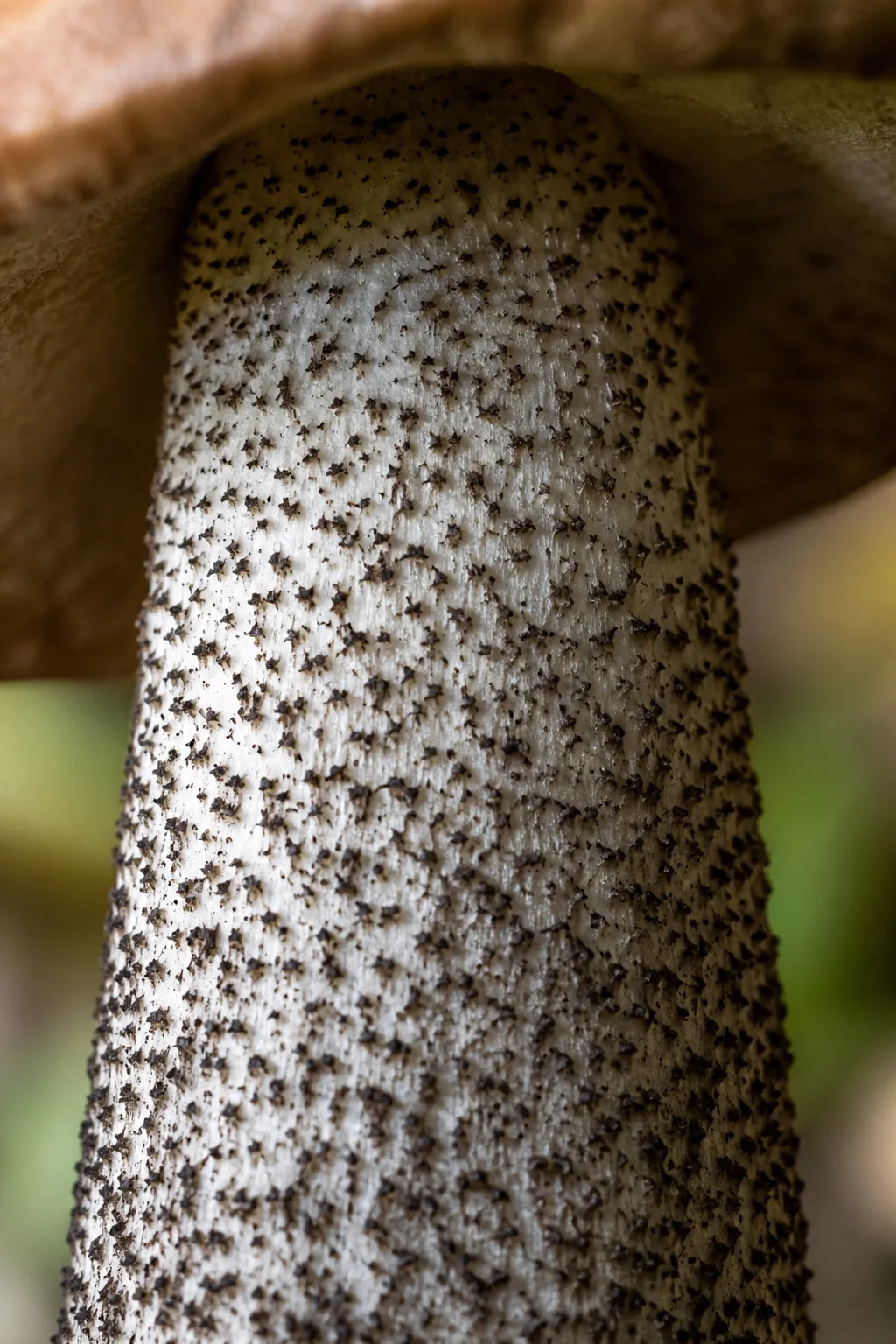
Everything above assumes you are holding one, and the feature that settles it is on the stem.
The tree tells you when to look as well as where.
The window is wide enough that the same patch produces for months. A spot that gave you mushrooms in August is worth walking past again in October.
Set one beside a porcini and the difference is immediate.
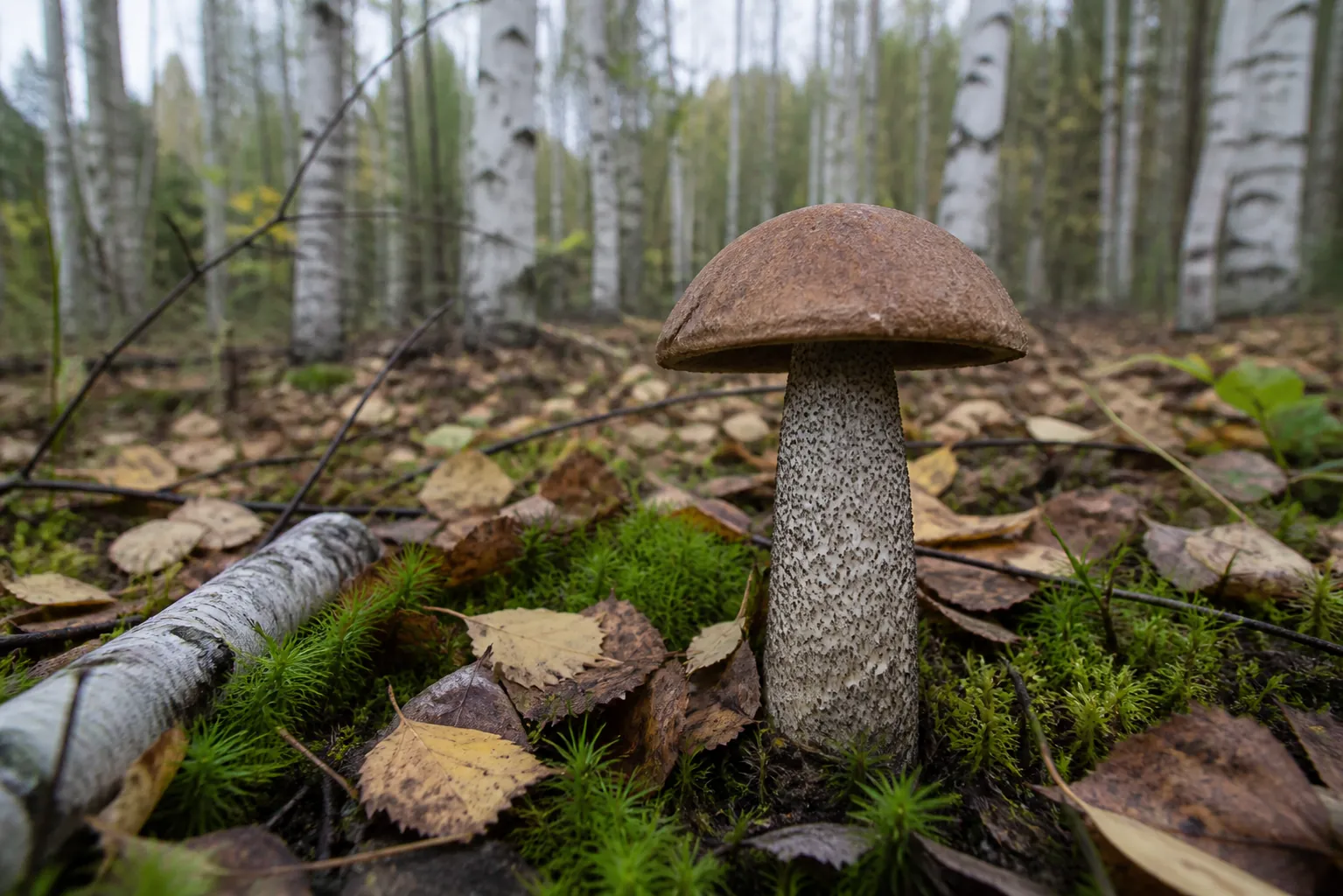
A porcini stem is smooth, swollen and pale, where a scaber stalk is slim and visibly speckled with dark points along its whole length. Nothing about that comparison is subtle once you have seen the two of them side by side.
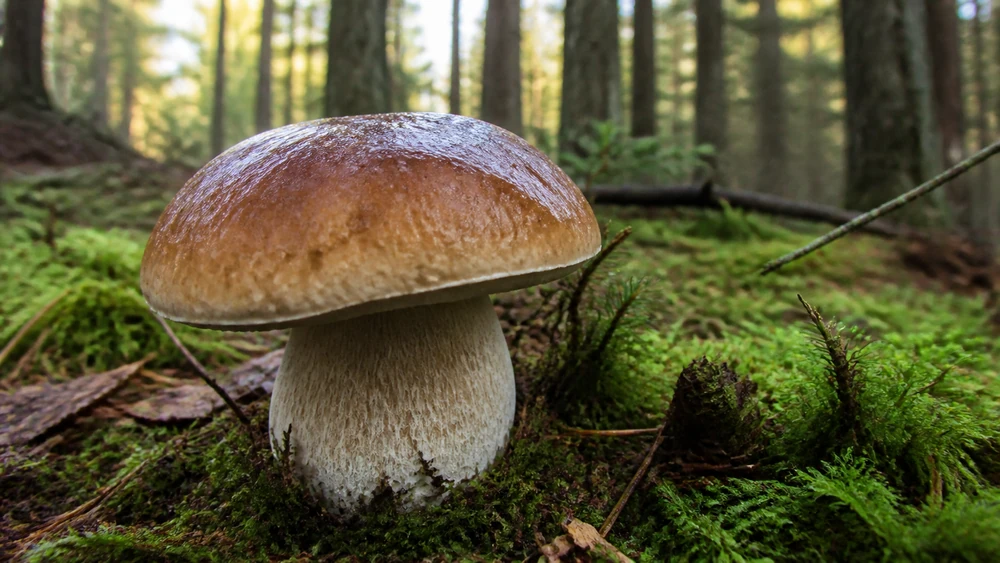 Late summer to autumnPorciniSmooth swollen stem with no scabers at all
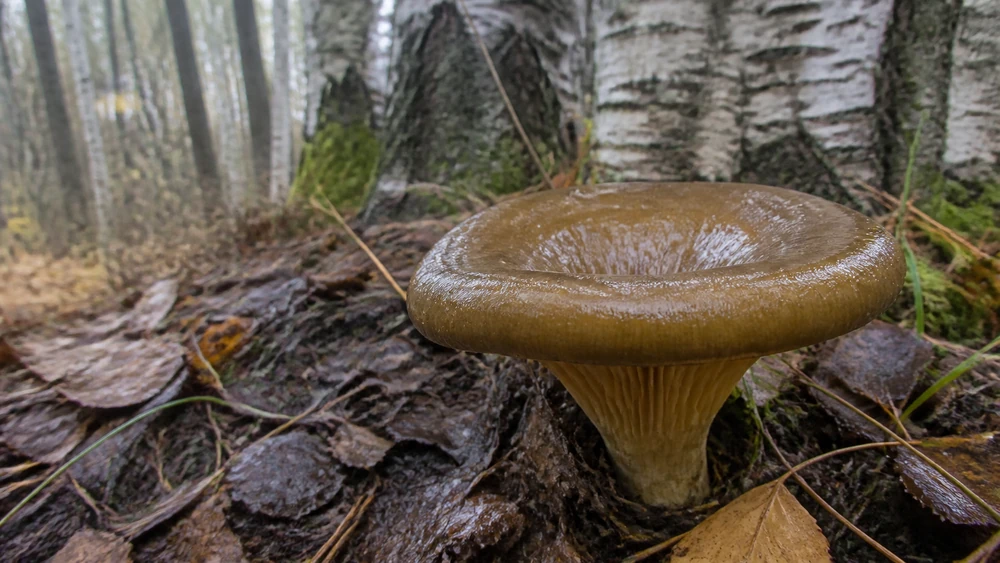 Summer to autumnBrown roll-rimAlso grows under birch, and is deadly even cooked
The second card, brown roll-rim, is the one worth staring at.
Brown roll-rim shares the birch association and the brown cap, and it killed the mycologist who studied it. Nothing on this page about weighing evidence applies to that species, because there is nothing to weigh.
Age changes how obvious the scabers are on the stem, which catches people out.
On a young button they can be faint and pale enough to miss, and on an old specimen they darken to near black and stand well clear of the stem. The feature is present throughout, but a picker who learned it on one age of mushroom can fail to see it on another.
So what do you do with the basket
There is no single correct answer here, and pretending otherwise would be the wrong kind of confidence.
The choice depends on how you weigh a reporting stream against a long food tradition.
If there is any debate whatsoever over the edibility of a particular mushroom, I avoid it.
One naturalist's rule for contested species
That rule is a coherent position rather than timidity, and it costs its holder a genuinely good mushroom. Someone applying it will also walk past several species that are eaten safely by thousands of people, which is the trade they have decided to accept.
Someone who trusts the European record and cooks properly is not being reckless, and someone who walks past them because the question is open is not being precious. Both are reading the same thin evidence and landing differently.
Note
What is not defensible is the middle position most people actually occupy, which is picking them because an old guide called them beginner-friendly and then cooking them like a porcini.
Sources & References
- Birch Bolete, Leccinum scabrum Records that raw or overripe specimens cause nausea, cramps and diarrhea, attributes it to indigestible polysaccharides, and gives fifteen to twenty minutes of thorough cooking as the requirement.
- On Questionably Edible Mushroom Species, Rebecca Lexa Collects the Leccinum reports including the 3.5 percent share of poisonings reported to the North American Mycological Association and the case involving bleeding inside the brain, notes that undercooking rather than the mushroom is a common attribution, and sets out the position that a contested species is not worth the risk.
- Leccinum scabrum, Vancouver Mycological Society States that various Leccinum species are frequently implicated in gastrointestinal illness, in the context of commercial marketing of wild mushrooms.
- Orange Birch Bolete and Brown Birch Bolete, Galloway Wild Foods Gives the August to November season under birch and no other tree, records digestive upset reports when the mushrooms are not thoroughly cooked, and singles out the stems as tough and hard to digest in older specimens.