Lion's mane is the most studied nootropic mushroom. Early research on nerve growth and cognition looks promising but is not conclusive. It is a food, not a cure.
Lion's mane has a real research signal for cognition within medicinal mushroom research, but the evidence is still too small and inconsistent to call it a proven memory aid. Human studies justify careful interest, not a promise that a capsule will prevent decline, treat dementia, or sharpen every healthy brain.
What lion's mane may do, and what it has not proven
The most defensible claim is narrow. Several small human trials suggest that certain lion's mane preparations may affect selected measures of cognition, stress, or mood in certain groups.
Compared with the thinner evidence behind reishi health claims, the cognitive signal is more direct, but it still does not establish a reliable benefit for everyone.
Researchers have tested older adults with mild cognitive impairment, adults with mild Alzheimer disease, and healthy younger adults. They have also used different materials, including dried fruiting body, standardized extracts, and mycelium enriched for particular compounds.
A positive result for one product in one group cannot validate every powder that carries the same mushroom name.
Evidence also has levels. A change in a memory scale is a human outcome.
A cell producing more nerve growth factor is a mechanism clue. An animal navigating a maze is useful preclinical work.
Only the first tells us directly what happened to people, and even that result needs replication in larger trials.
Lion's mane is a research candidate, not a medical treatment. No good evidence shows that it prevents dementia, reverses neurological disease, or replaces evaluation and treatment from a qualified clinician.
Key takeaway
Treat any claim that names a disease, guarantees a result, or promises a permanent brain change as stronger than the current human evidence. The studies support questions worth testing, not those promises.
That distinction matters because supplement marketing often starts with a laboratory finding and ends with a personal guarantee. The missing middle includes absorption, dose, product identity, trial duration, and whether the effect is large enough to matter in daily life.
The human evidence, trial by trial
The lion's mane evidence base is easier to judge when you place the studies in order. It is not one large, consistent program.
It is a set of small trials that asked different questions with different preparations.
The frequently cited 2009 Japanese trial enrolled 30 adults between 50 and 80 who had mild cognitive impairment. Participants took fruiting body powder or placebo for 16 weeks, followed by four weeks without the product.
Cognitive scale scores improved more in the lion's mane group during treatment, then declined after supplementation stopped.
That study is interesting because it was randomized and placebo controlled. It is limited because 30 people cannot show how dependable an effect will be across age groups, diagnoses, diets, medications, and product types.
The drop after stopping also argues against describing the result as a lasting repair.
Later work tested different questions. A 2023 pilot enrolled healthy young adults for 28 days and measured several cognitive tasks, stress, and mood.
It found a faster result on one attention-related task after an acute dose and a trend toward lower subjective stress after repeated use, but other results were mixed. Placebo participants performed better on one delayed recall comparison.
A newer acute trial in healthy younger adults tested a standardized fruiting body extract and found no significant effect on composite measures of global cognition or mood. Some individual task findings can still generate hypotheses, but a null global result is important.
It prevents the evidence from being summarized as consistently positive.
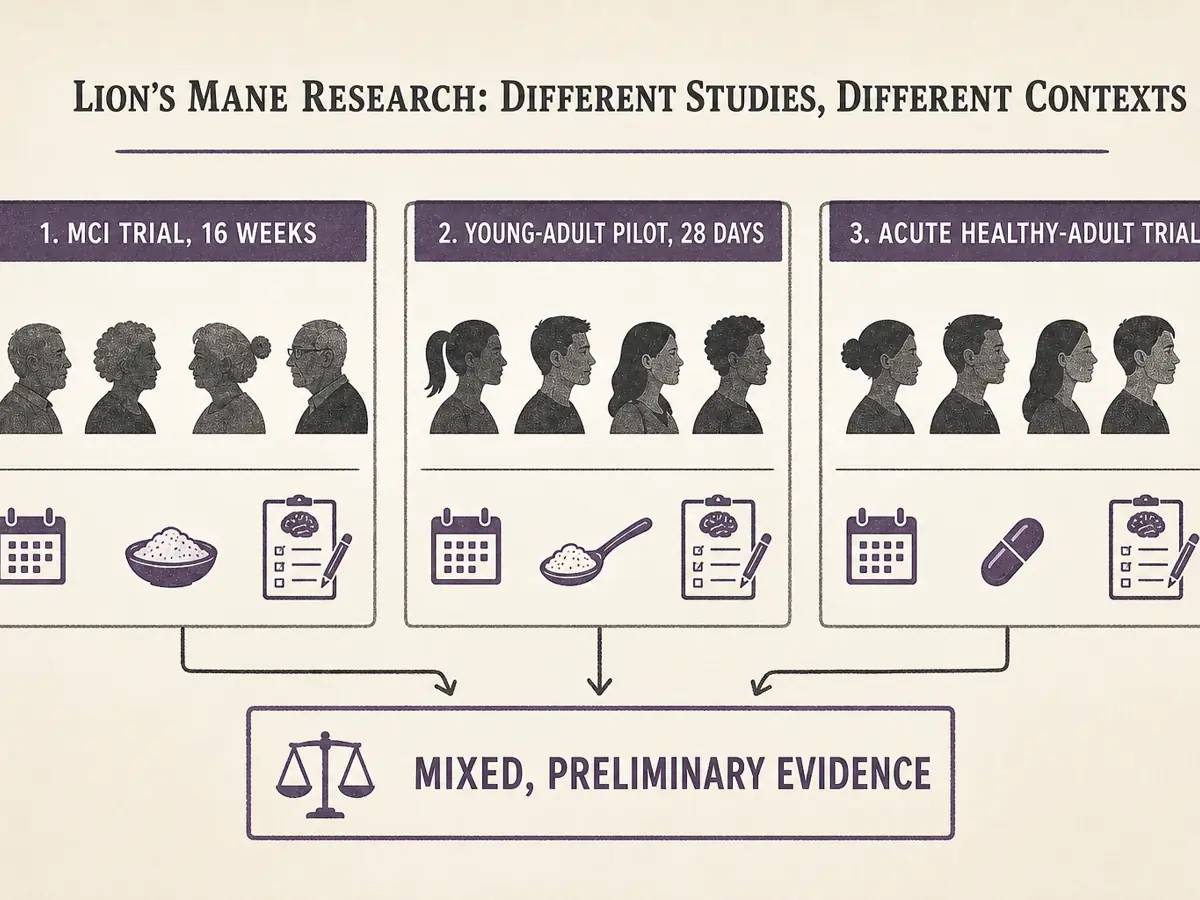
The timeline shows why a single verdict must stay cautious. The population changes, the product changes, and the outcome changes.
Small studies are also more vulnerable to chance findings, baseline differences, and results that disappear when a larger group is tested.
Before calling any benefit established, we would want several independent teams to test comparable preparations in adequately sized trials. They would need clinically meaningful outcomes, transparent adverse-event reporting, and follow-up long enough to show whether any change lasts.
Medicinal MushroomsWhich Reishi Benefits Hold Up in Human Studies?Does lion's mane improve memory?
Lion's mane may improve selected cognitive scores in some people, but it has not shown a reliable memory benefit across healthy adults. The clearest positive study involved mild cognitive impairment, which is a defined clinical state rather than ordinary forgetfulness after a poor night's sleep.
Memory is not one measurement. Trials can test immediate word recall, delayed recall, working memory, recognition, attention, or a broad cognitive scale.
Among mushrooms studied for cognition, a product can affect one task and leave the others unchanged, so a headline that says "improved memory" may be much broader than the actual result.
The 2009 study used a dementia-oriented cognitive scale, not a single everyday memory test. The young-adult pilot reported mixed task results, including an outcome that favored placebo.
The newer acute trial did not show a global cognitive advantage. Together, those findings do not support a predictable memory effect for a healthy person.
The 2009 trial's loss of improvement after treatment suggests that the observed cognitive result did not demonstrate a permanent change.
That cognitive trial does not show whether longer use would preserve the observed benefit, whether it would plateau, or whether another preparation would behave the same way.
- Supported with low confidence. A specific fruiting body powder improved a cognitive scale in one small mild cognitive impairment trial.
- Uncertain. Some extracts may affect selected attention, processing, stress, or mood measures, but findings have not been consistent.
- Unsupported. Lion's mane has not been shown to prevent dementia, restore lost neurons in people, or improve every kind of memory.
- Still unknown. Researchers have not established which preparation, if any, offers a repeatable clinically meaningful effect.
Personal stories cannot close those gaps. Memory and focus change with sleep, caffeine, workload, mood, illness, and expectations.
Someone who starts a supplement during a calmer month may feel better for reasons the product did not cause.
If memory changes are new, worsening, or affecting daily tasks, a supplement trial should not come first. Hearing loss, medication effects, sleep apnea, depression, thyroid problems, vitamin deficiencies, infections, stroke, and neurodegenerative conditions can all affect thinking.
A clinician can look for causes that need treatment.
Mood, stress, and sleep claims have thinner support
Lion's mane is often sold for calm, sleep, and emotional balance, but these claims have less direct support than the already limited cognition evidence. Small studies have reported signals for stress, anxiety, depressed mood, or sleep in selected groups.
Those mood and stress trials use methods and preparations too different to support a settled conclusion.
Some trials measured mood or stress as secondary outcomes. Secondary measures can be useful, but a study designed around cognition may not have enough participants to give a dependable answer about anxiety.
The more outcomes researchers test, the greater the chance that one will look positive by coincidence.
Sleep needs an even firmer boundary. Feeling less stressed during the day is not the same as falling asleep faster, staying asleep longer, or changing sleep architecture.
A questionnaire can capture a meaningful experience, but it does not prove a direct sedative effect.
- A mood score can change without showing that a diagnosed anxiety or depressive disorder improved.
- A stress trend may guide a larger study, but it is weaker than a prespecified significant primary outcome.
- A sleep claim needs direct sleep outcomes, not an inference from fatigue or calm.
- Results from menopausal adults, students, or people with a diagnosis should not be generalized automatically to everyone else.
Expectation can influence all of these measures. Lion's mane has a strong reputation, and participants may guess which group they are in when a product has a noticeable taste or effect.
Good blinding and an identical placebo reduce that problem, but small trials can still produce unstable estimates.
The reasonable conclusion is that mood and stress deserve more study. They are not established reasons to replace therapy, prescribed medicine, sleep evaluation, or other care.
Why nerve growth factor research creates so much interest
Lion's mane contains compounds studied for effects on nerve growth factor and related nerve biology. The white tooth fungus produces the shaggy fruiting body used in food and some studies, while other studies use cultured mycelium.
Nerve growth factor helps certain neurons survive, develop, and maintain connections, which makes the mechanism scientifically interesting in laboratory and animal models.
Nerve-growth discussions often separate hericenones in the fruiting body from erinacines in cultured mycelium, but those compound names do not establish a human effect.
Exact composition depends on species strain, growth conditions, material, and extraction, so those names do not tell you how much a retail product contains.
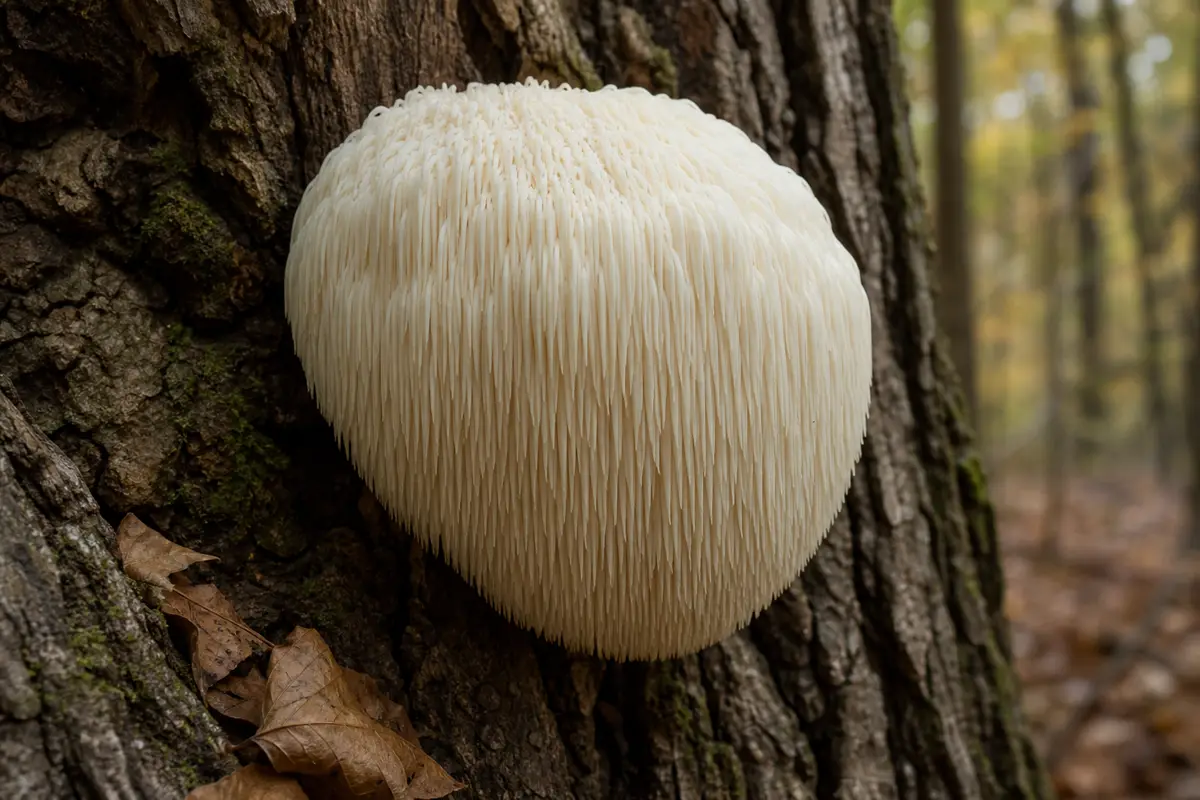
Laboratory studies can ask whether an isolated compound changes a cell signal. Animal studies can examine tissue, behavior, and dose under controlled conditions.
Neither proves that an oral human supplement delivers the same compound to the right tissue at a useful concentration.
The digestive system changes compounds before they reach the bloodstream. Some may be poorly absorbed, broken down, or transformed by gut microbes.
A dose that produces an effect in a mouse also cannot be converted casually into capsules for a person.
Mechanism research should ask whether a biological idea is plausible enough to test well, then guide the choice of extracts, measures, and populations. It cannot replace a clinical outcome.
This boundary also protects against a common label trick. A product may cite nerve growth factor research without showing that the tested material matches the contents of the bottle.
Unless the label identifies the mushroom part, extract, and meaningful assay, the mechanism citation may not describe that product at all.
Food, powder, mycelium, and extract are not interchangeable
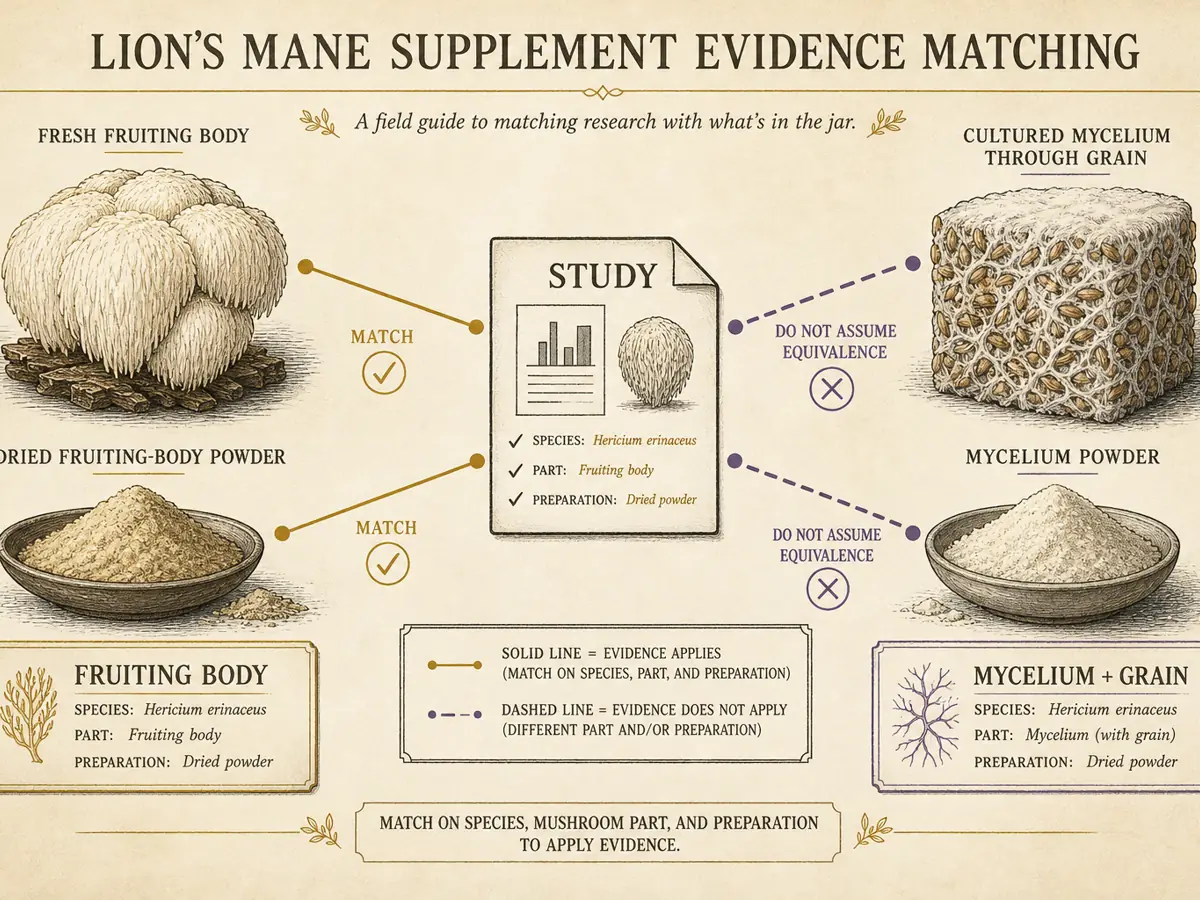
Fresh lion's mane is a culinary mushroom with a food portion and texture. Supplements may contain dried fruiting body, mycelium, an extract, or a blend.
These forms share a species name, but they do not deliver identical amounts or profiles of compounds.
Whole food includes water, fiber, protein, carbohydrates, and many minor compounds. Drying removes water and concentrates the remaining material by weight.
Extraction goes further by using hot water, alcohol, or both to separate selected soluble compounds from insoluble material.
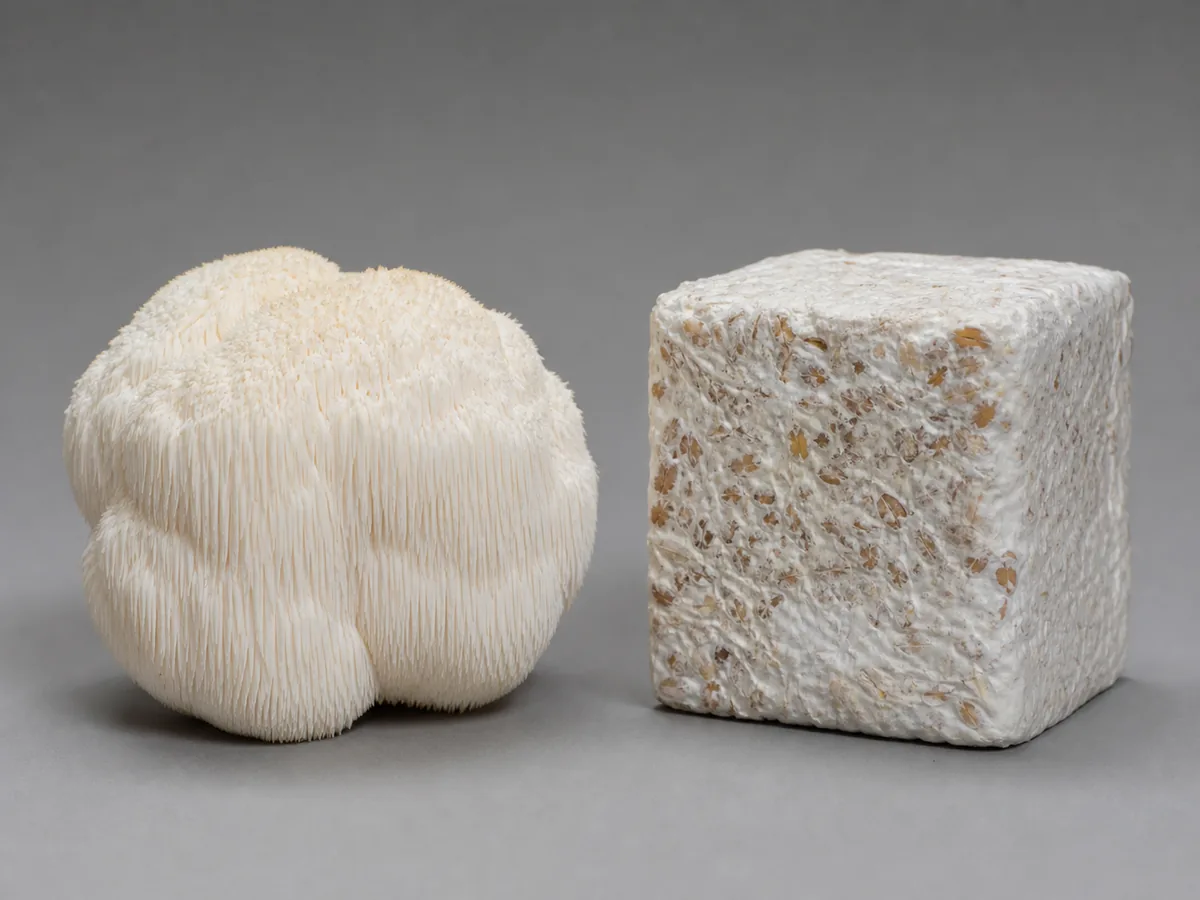
Mycelium introduces another variable. Commercial mycelium is often grown on grain, and some products include part of that growth medium after harvest.
That does not make the powder automatically useless or unsafe, but it means a gram may contain fungal material plus residual grain instead of a gram of pure mushroom tissue.
| Form | What it contains | What it can tell you |
|---|---|---|
| Fresh cooked fruiting body | Whole mushroom with water and food nutrients | Suitable as food, not equivalent to a concentrated trial product |
| Dried fruiting body powder | Ground whole fruiting body with water removed | Closest to trials that used whole dried powder when the species and dose match |
| Mycelium powder | Cultured fungal tissue, sometimes with growth substrate | Relevant only to studies using a comparable mycelial material |
| Hot-water extract | Water-soluble fraction concentrated to an unstated or stated ratio | Cannot be compared by milligrams alone without extraction and assay details |
| Dual extract | Water-soluble and alcohol-soluble fractions combined | Product chemistry varies with process and standardization |
Manufacturers sometimes print an extraction ratio such as 8 to 1. That number may describe the input mass compared with final extract, but it does not prove a specific compound level or a clinical effect.
A lower ratio with a verified assay can be more informative than a high ratio with no testing.
Beta-glucan reporting can help, though it still does not validate a brain claim. "Polysaccharides" is a less specific label term because grain starch and other carbohydrates can inflate that measurement.
A useful certificate of analysis should identify the lot, test method, and laboratory.
The practical rule is simple. Apply a study only to a product that resembles the tested material closely enough to justify the comparison.
If the paper used fruiting body powder and the bottle contains an unspecified mycelium blend, the bridge between them is missing.
Medicinal MushroomsMushrooms for Brain Health, Ranked by EvidenceStudy doses are not a personal prescription
The well-known 2009 trial used four 250 milligram tablets three times daily, for a total of 3 grams of fruiting body powder each day. Other trials used extracts or mycelial preparations with different concentrations.
Those quantities cannot be lined up as if every milligram were the same.
A powder contains much of the original material. An extract may concentrate selected compounds and remove others.
A standardized mycelial product may report a marker that a whole fruiting body powder does not contain at the same level. Dose belongs to the preparation.
Body size is not the only missing variable. Age, diagnosis, kidney and liver function, allergy history, medicines, and other supplements can change the risk or the meaning of an effect.
Study eligibility can exclude patients with the greatest complication risk, so a trial dose cannot become a personal recommendation without reviewing age, diagnosis, organ function, allergy, medicines, and supplements.
- Match the species and mushroom part before comparing quantities.
- Check whether the study used powder or an extract.
- Look for the daily total, not only the amount per capsule.
- Note the treatment length and whether outcomes were acute or measured after weeks.
- Check the population, because a dose tested in healthy young adults is not automatically suitable for an older adult with several medicines.
No regulatory body has established a standard lion's mane dose for memory, stress, sleep, or neurological disease. Retail serving sizes reflect manufacturer choices, not a universal clinical recommendation.
If a clinician or pharmacist agrees that a personal trial is reasonable, use one clearly identified product at a time. Keep the serving stable, record the start date, and decide in advance what outcome you will observe.
That approach cannot prove efficacy, but it reduces confusion about what changed.
Who should avoid or pause lion's mane supplements
Short human trials generally describe lion's mane as tolerable, and NCBI LiverTox has not linked it to clinically apparent liver injury. That is reassuring within the limits of the available record.
It does not prove safety for every dose, duration, product, or medical condition.
Reported effects include abdominal discomfort, nausea, and skin rash. People with a mushroom allergy should take a rash, swelling, wheezing, or throat symptoms seriously.
Breathing trouble, facial swelling, or faintness needs urgent medical help.
Pregnancy and breastfeeding are evidence gaps. A cooked food portion and a concentrated extract are different exposures, and the evidence on lion's mane in pregnancy does not justify assuming a supplement is safe.
Children are also underrepresented in the evidence.
Drug interaction research is limited. That makes a medication review more important, not less.
A pharmacist or clinician can consider the full combination, including medicines for diabetes, blood pressure, clotting, immune conditions, and cancer.
Treat fresh cooked lion's mane as food if you already tolerate edible mushrooms and have no relevant restriction.
Show the exact Supplement Facts panel to a clinician or pharmacist when you take regular medicine.
Stop the product and seek advice when a new rash, persistent stomach problem, or other clear reaction appears.
Use a supplement during pregnancy or breastfeeding without professional review.
Start it just before surgery, while changing medication, or at the same time as several other supplements.
Use it to delay assessment of memory loss, weakness, numbness, speech trouble, or another neurological symptom.
Surgery is a poor time for an experiment because supplements can affect bleeding, anesthesia, blood pressure, or glucose in ways that are not fully mapped. Tell the surgical team about every supplement you use and follow its instructions about when to stop.
Product quality creates another safety variable. A capsule can contain the wrong species, undeclared ingredients, contaminants, or a different amount than the label suggests.
Adverse effects may come from the product rather than lion's mane itself, but the person taking it experiences the same harm.
A safer way to evaluate a lion's mane product
Dietary supplements do not pass the same premarket effectiveness review as prescription drugs. Our medical-use boundaries reflect that difference, and in the United States, FDA does not approve each supplement for safety and efficacy before it reaches stores.
That makes label clarity and independent testing practical filters.
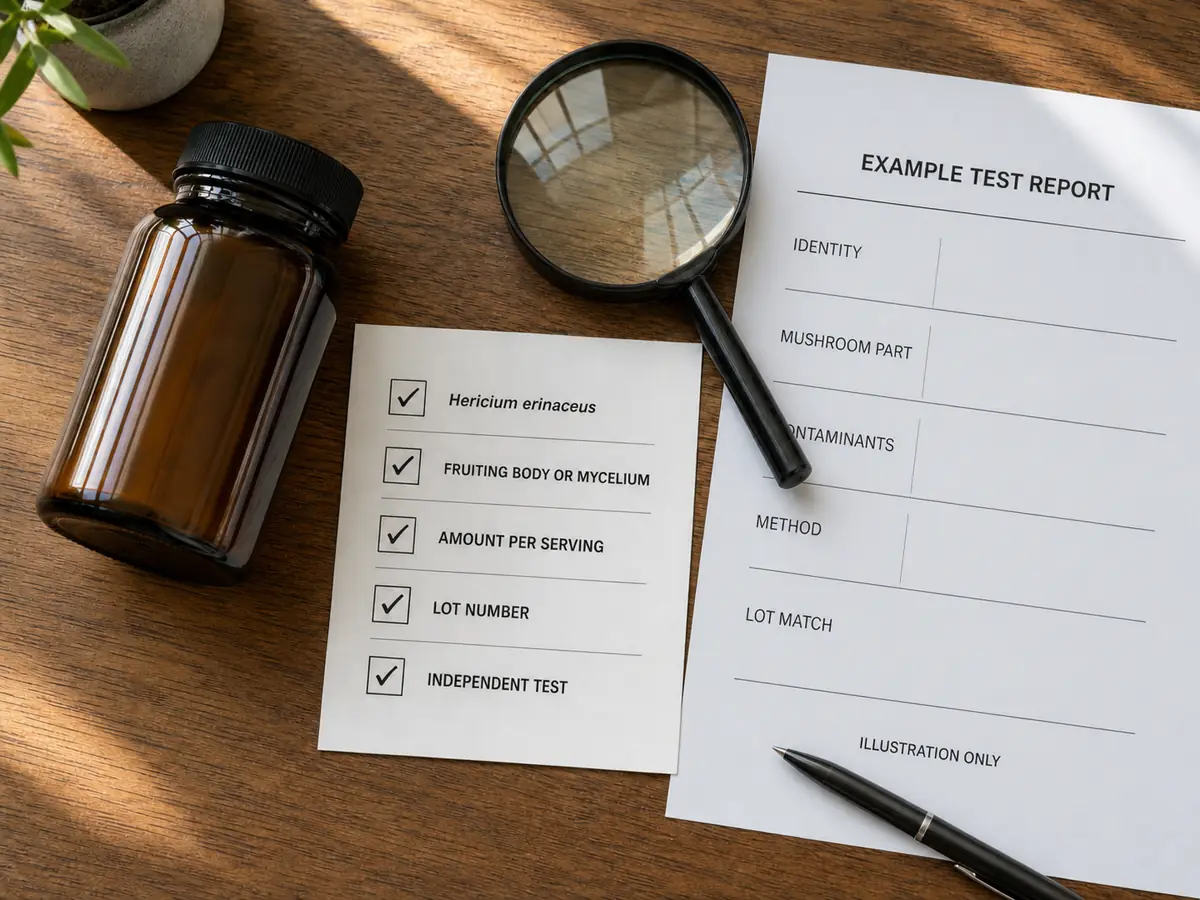
A specific label names Hericium erinaceus, states fruiting body or mycelium, gives the amount per serving, and identifies an extract when one is used. It should not hide the mushroom inside a proprietary blend that lists only a total weight.
Independent programs such as USP and NSF can verify manufacturing, identity, and contaminant limits for participating products, so a recognized seal can answer part of the quality question. It still does not prove that lion's mane improves cognition.
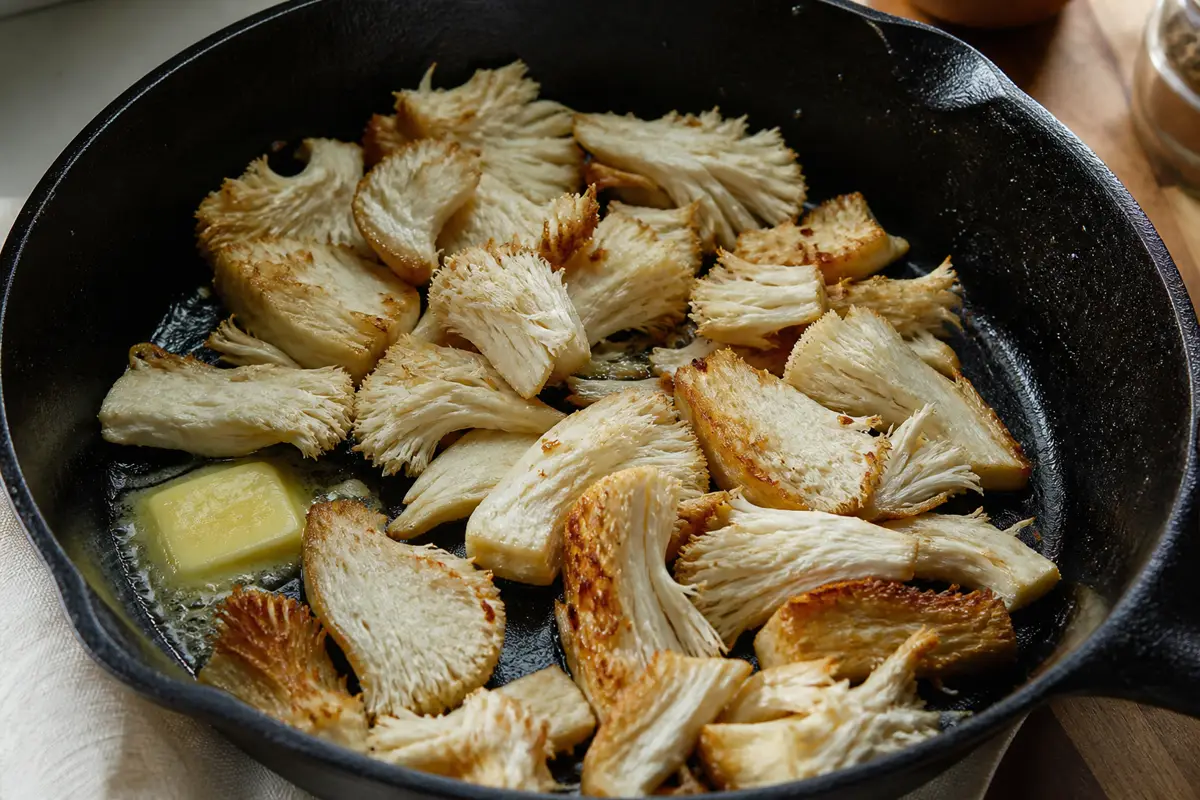
Before starting, write down the one outcome you care about and how you will measure it, because "better brain health" is too vague. A defined observation might be a repeated task completed under similar conditions or a symptom log reviewed with a clinician, though neither replaces a trial.
Change one variable because starting lion's mane, magnesium, a new sleep schedule, and a higher caffeine dose in the same week makes every result hard to interpret.
Keep ordinary care stable unless your clinician changes it.
Set stop rules before enthusiasm takes over. Stop for a clear adverse effect, a worsening symptom, or no meaningful benefit after a reasonable review period agreed with a professional.
Do not keep raising the dose to chase an effect that has not appeared.
Sources and evidence
The core cognition summary comes from randomized human trials indexed in PubMed, including the 2009 mild cognitive impairment study and later healthy-adult pilot studies. KnowTheSpore's source selection standards require safety claims to stay within what those records support.
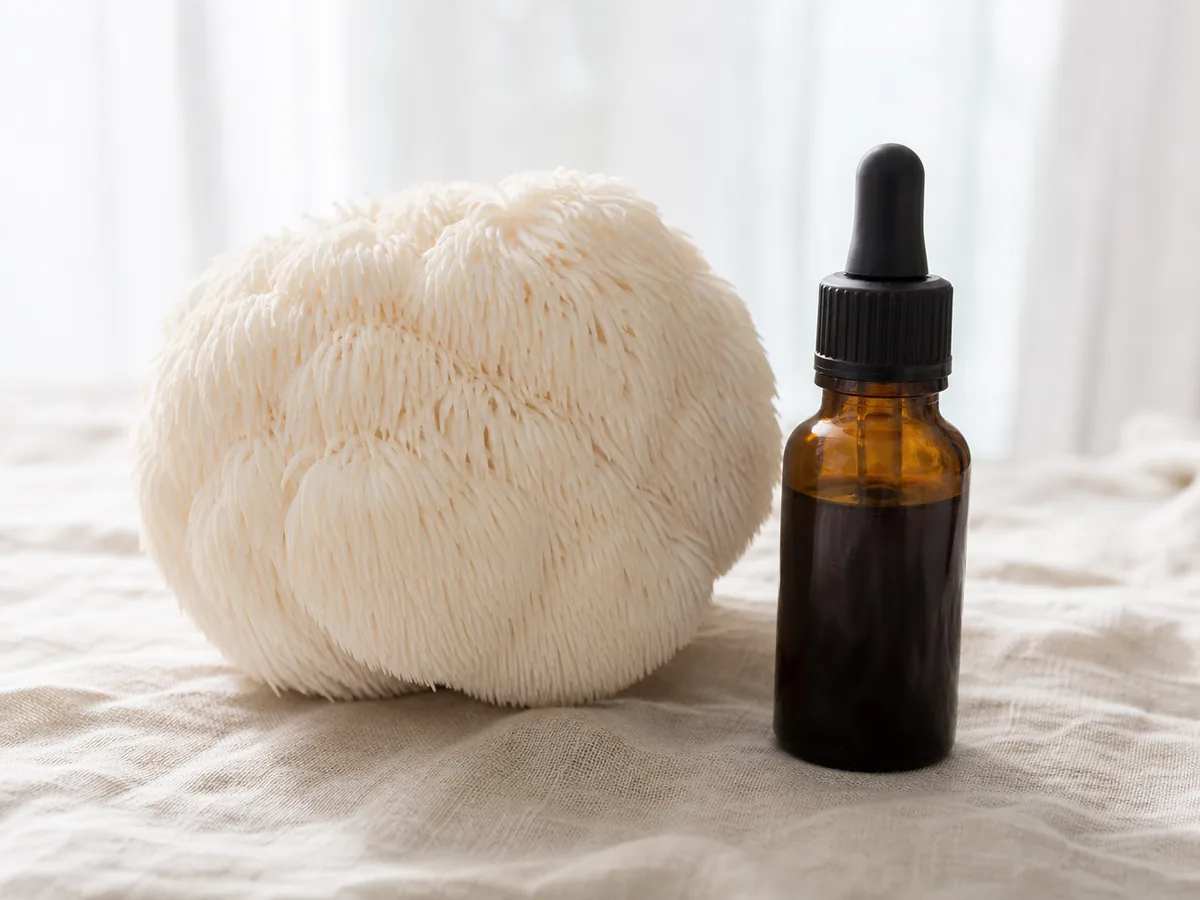
The sources do not all answer the same question. Trials report outcomes for a defined preparation and population, while federal resources explain supplement oversight and independent quality testing.
Reading them together prevents a product-quality statement from being mistaken for proof of a health benefit.
Sources & References
- Mori, K. et al. (2009). Phytotherapy Research Double-blind placebo-controlled trial of Hericium erinaceus on cognitive function.
- Saitsu, Y. et al. (2019). Nutrients Oral supplementation trial measuring cognitive improvement scores.
- Memorial Sloan Kettering Cancer Center Clinical evidence summary for lion's mane.