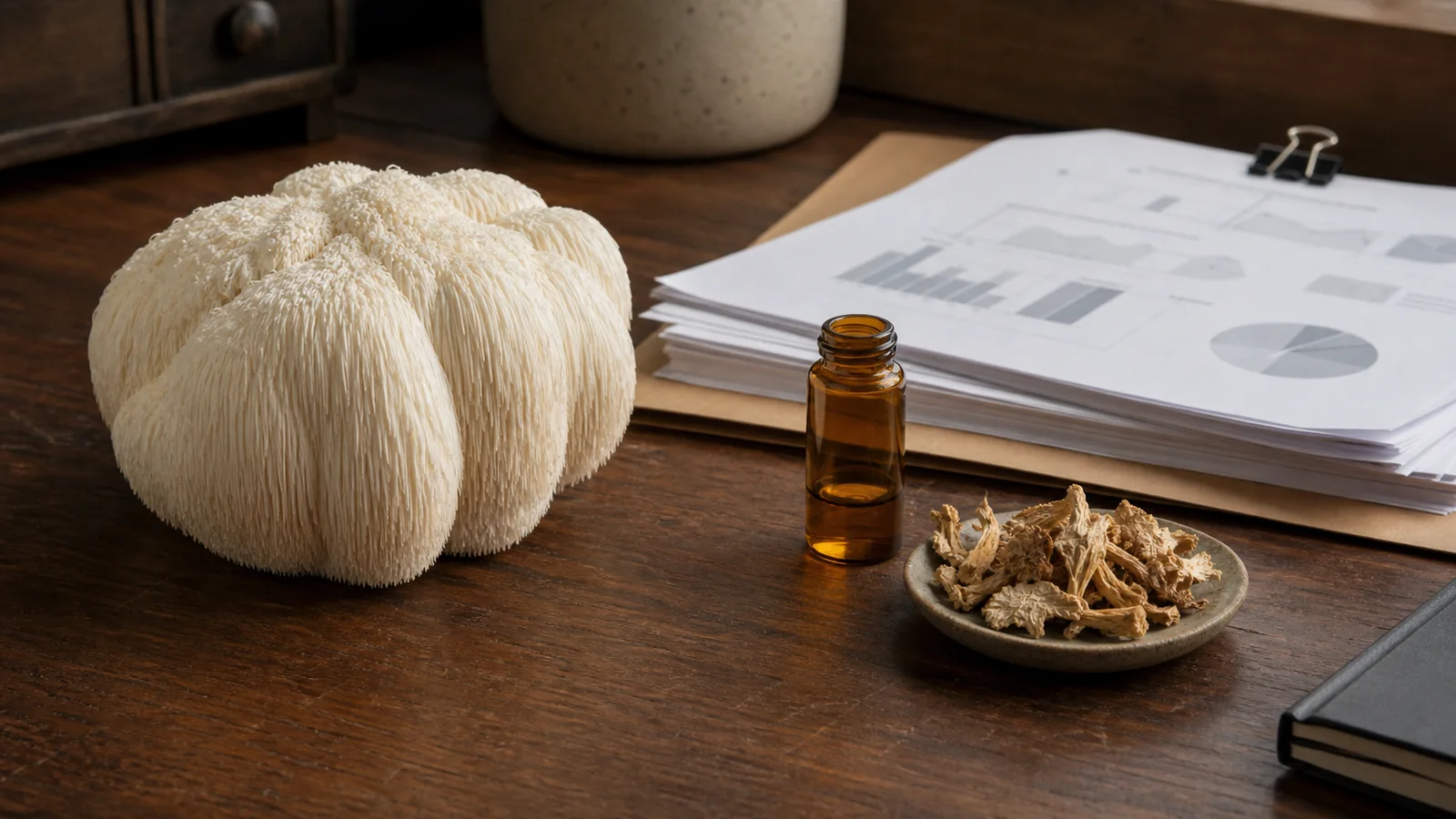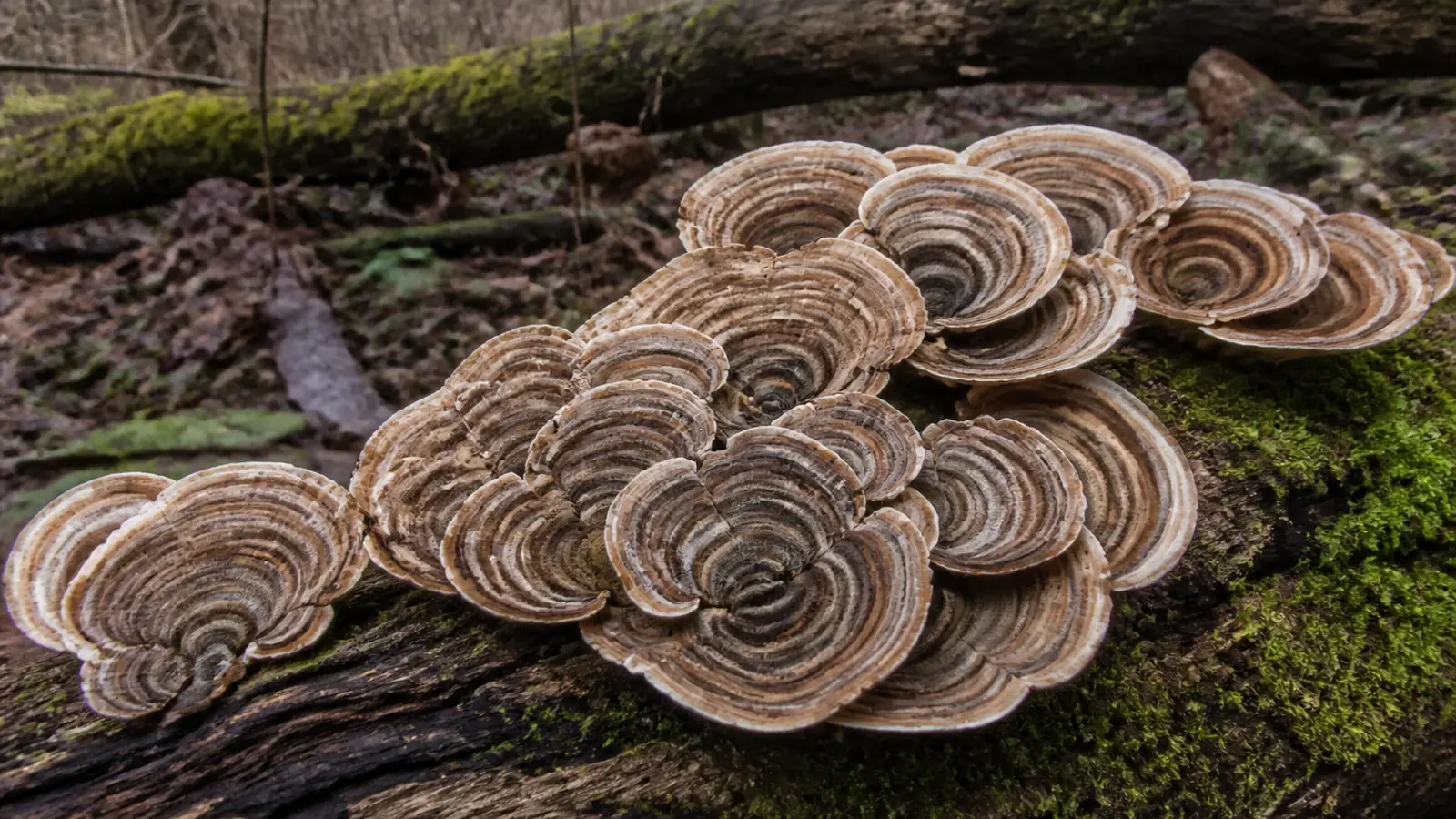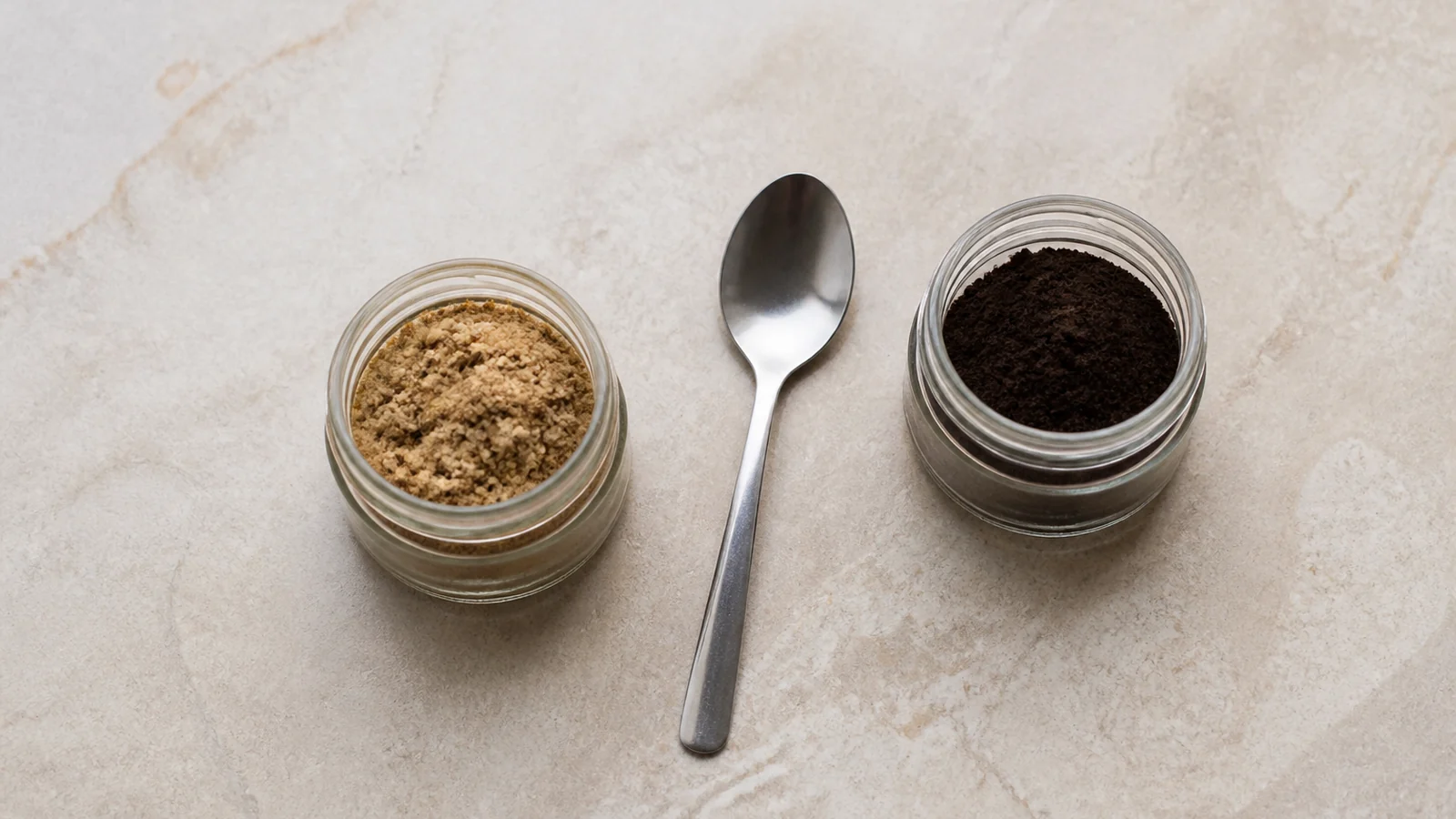
A specification guide to mushroom supplements, covering why chitin cell walls make extraction necessary, which solvent carries which compounds, why an extract ratio is a yield figure rather than a strength measure, why beta-glucan and polysaccharide are different numbers, and how grain-grown mycelium puts starch in a powder.
The number printed largest on these jars is the one that carries the least information about what is inside them. An extract ratio describes how much raw material went in, not what came out.
A weaker extraction can produce a higher ratio, which makes it an unusually misleading thing to compare two products on.
Check the few label fields that identify the material and preparation. Cell-wall chemistry helps explain why powders and extracts differ.
What an extract actually is
A powder and an extract can look identical in the jar, and the difference between them is a process rather than a grade.
A powder is dried mushroom, milled. An extract is the fraction of that material that came out into a solvent, then dried back into a powder of its own.
- Powder
- Whole dried fruiting body or mycelium, milled, with nothing removed and nothing released
- Extract
- The soluble fraction pulled out by hot water, alcohol, or both, then dried
- Why it exists
- Fungal cell walls are built largely on chitin, which human digestion cannot break
- What is locked inside
- Beta-glucans, bound into the wall structure rather than floating free
Chitin is the point most explanations skip. It is the same structural polymer as an insect shell or a crab carapace, and no human enzyme opens it.
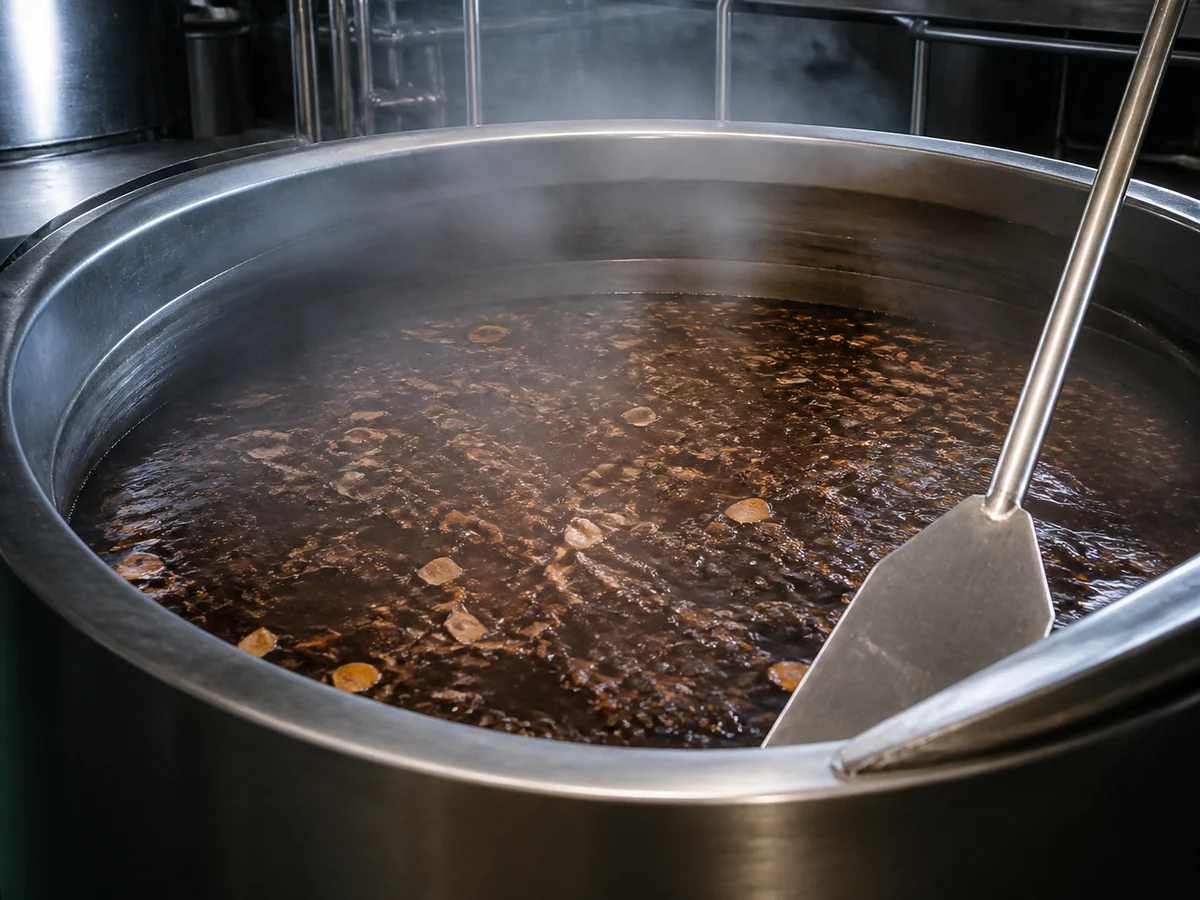
That has a direct consequence for a raw powder. A meaningful share of it passes through undigested, and the beta-glucans bound into those walls pass through with it.
Extraction is a substitute for a digestive step humans do not have, which is a narrower and more defensible claim than concentration.
There is a second step worth knowing about, because it happens after the extraction and before the jar.
A liquid extract has to be dried to become a powder, and drying a sticky polysaccharide concentrate on its own is difficult. Manufacturers routinely spray-dry it onto a carrier, most often maltodextrin, which is a starch derivative.
That carrier is inert and legitimate, and it is also weight in the jar that is not mushroom. A product that lists maltodextrin high in its ingredients is telling you what fraction of the capsule is doing nothing, provided you read the line.
It also explains why the same word covers very different products. A hot water extract, an alcohol extract and a dual extract are all extracts, and they contain different things.
Medicinal MushroomsLion's Mane Benefits: What Human Trials Actually FoundWhich solvent pulls which compounds
Solvent choice is the decision that determines what a given extract can possibly deliver.
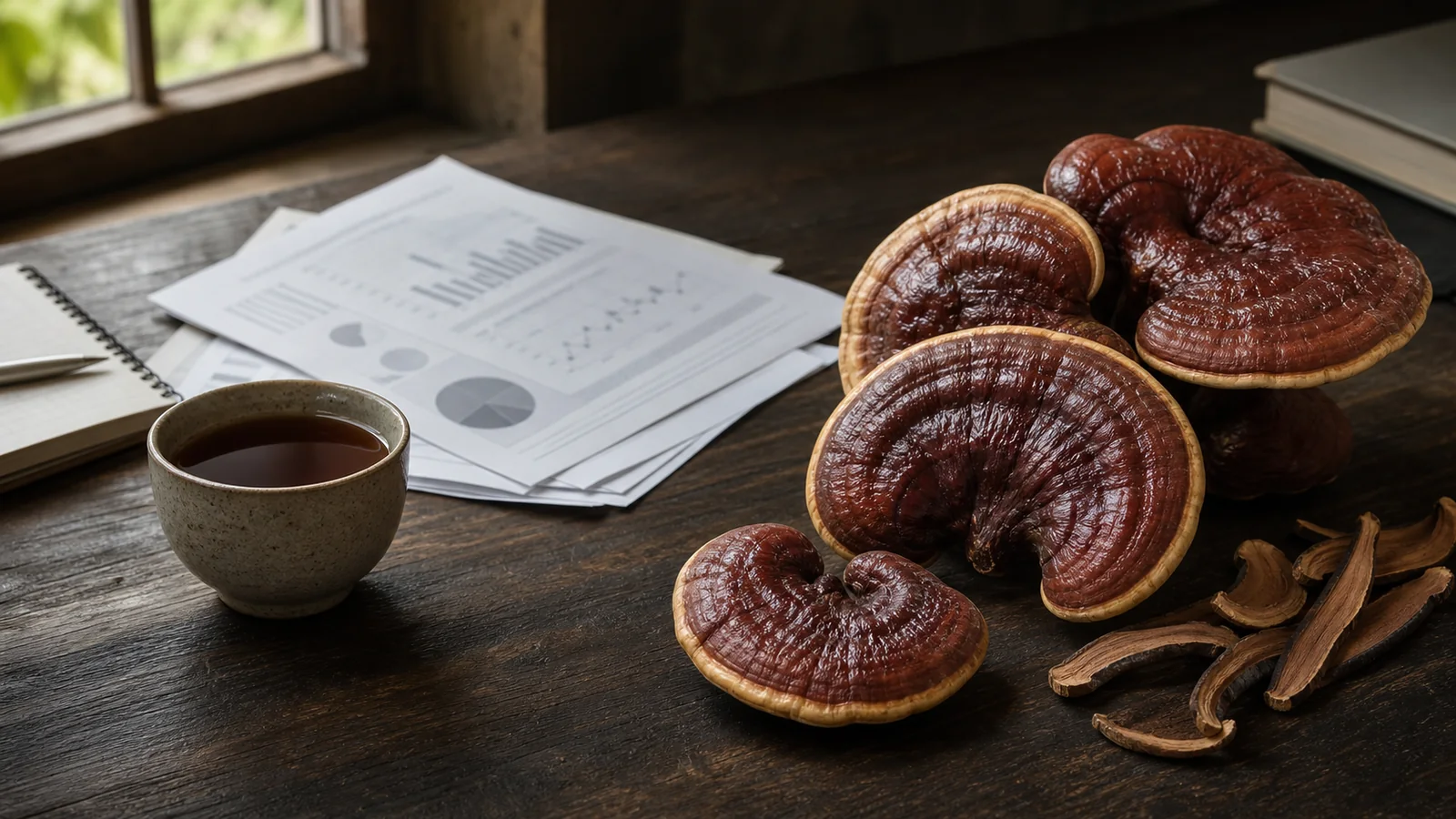
Reishi is the clearest case, and its taste gives it away. The bitterness comes from triterpenes, and triterpenes do not dissolve in water.
A water-only reishi extract therefore leaves most of that compound class behind. It can be a perfectly good polysaccharide preparation while missing the fraction the species is best known for.
The mismatch runs the other way too.
For a species whose interest is entirely polysaccharide, an alcohol stage adds cost and processing without adding anything anybody was looking for.
Format follows solvent, which is why tinctures exist. A tincture is an alcohol extract that was never dried, sold as a liquid because the compounds it carries are the ones alcohol holds.
A dual extract sold as a tincture has usually had its water stage done separately and blended back in, which is why the alcohol percentage on those bottles is lower than a pure tincture.
None of that makes a liquid better than a capsule.
It does mean a water-soluble compound in a high-alcohol tincture, or a triterpene in a plain water capsule, is a product working against its own chemistry.
Time and temperature matter as much as the solvent. A hot water extraction runs for hours rather than minutes, because opening cell walls is slow, and a brief steep does very little.
That is also why the traditional preparation for the woody species is a long simmer rather than a tea. A reishi or chaga decoction held at a low boil for an hour or more is doing the same job as an industrial vessel, less efficiently and at home.
- A ten-minute steep of a woody species in hot water extracts very little, whatever the packaging suggests.
- A long simmer pulls the water-soluble fraction and leaves the triterpenes behind, exactly as an industrial water extract does.
- Adding alcohol at home is possible but is a separate process rather than a stronger version of the same one.
The question is not which method is better but which one matches the species, and a label that does not say which method was used has not answered it.
What a 10 to 1 ratio does not tell you
The ratio is the number most buyers use to compare products, and it is a yield figure.
Follow the arithmetic and the problem appears. A less efficient extraction pulls less material out of the same input, which produces a smaller quantity of finished extract.

A smaller quantity out of the same input is a higher ratio. A worse extraction can therefore print a better-looking number, which is an unusually direct perverse incentive.
The same jar can carry a 20 to 1 ratio and less beta-glucan than a 10 to 1 competitor. Nothing about the two figures allows a buyer to tell.
There is a larger hole in the number than the efficiency problem, and it sits in the word raw.
Fresh mushrooms are roughly ninety percent water. A ratio calculated from fresh weight is therefore describing a starting pile that was mostly water, and ten parts fresh is closer to one part dried.
So a 10 to 1 ratio from fresh material can be equivalent to no concentration at all against dried material.
Almost no label states which basis was used. Two products can print the same ratio and differ by a factor of ten in what it describes, and nothing on either pack resolves it.
None of that makes the ratio meaningless. It describes a real processing step, and it is worth reading as a description of method rather than as a measure of strength.
Medicinal MushroomsWhich Reishi Benefits Hold Up in Human Studies?Beta-glucan is the number, and polysaccharide is not
The second number on these labels is a percentage of polysaccharides, and it is doing something subtler than the ratio.
Beta-glucan is a polysaccharide. Polysaccharide is the whole category, and several things in that category are not beta-glucan at all.
| Term | What it covers | What it tells a buyer |
|---|---|---|
| Polysaccharides | Every long-chain sugar in the material, including starch | Very little, because the category is too broad |
| Alpha-glucans | Starch and glycogen, built from alpha-linked glucose | Present in grain-grown material |
| Beta-glucans | The fungal cell wall fraction, beta-linked | The informative number, when it is measured properly |
| Extract ratio | Weight of raw material per unit of extract | Method, not content |
Starch is a polysaccharide. That single fact is what allows a product to declare a high polysaccharide percentage while containing very little of the fungal fraction.
That gap is not small in practice, because a material can carry forty percent total polysaccharide and under ten percent beta-glucan while both figures accurately describe the same jar.
The separation is not a matter of opinion. The standard laboratory method distinguishes beta-glucans from alpha-glucans and starch, and a specification worth trusting names the assay rather than just the number.
A declared beta-glucan percentage measured by that method is the most informative figure on the label, and it is optional, which is why most jars do not carry one.
Naming the method is not pedantry. Older and cheaper approaches estimate polysaccharide by precipitating everything that falls out of solution in alcohol, which captures starch along with everything else.
The enzymatic method that separates alpha from beta glucans costs more and produces a smaller, honest number. That is the direction of the incentive, and it explains why the better measurement is the rarer one.
A percentage with no method beside it cannot be checked or compared, which makes it a claim rather than a measurement.
The range across real products is wide enough to matter, and it is worth seeing laid out.
- A hot water extract of a fruiting body commonly declares beta-glucan in the tens of percent.
- A plain dried fruiting body powder sits well below that, because nothing has been concentrated.
- A grain-grown mycelial powder frequently tests in the single digits, while still being able to declare a high total polysaccharide figure.
Those three products can share a species name, a front label and a shelf. Only the ingredient line and a stated assay separate them.
Medicinal MushroomsMushrooms for Brain Health, Ranked by EvidenceWhere the filler comes from
If a product can be mostly starch, the obvious question is how the starch arrived, and the answer is a growing method rather than adulteration.
Mycelium is commonly grown on sterilized grain, usually rice or oats, rather than on wood. The mycelium colonizes the grain and the two become a single solid block.
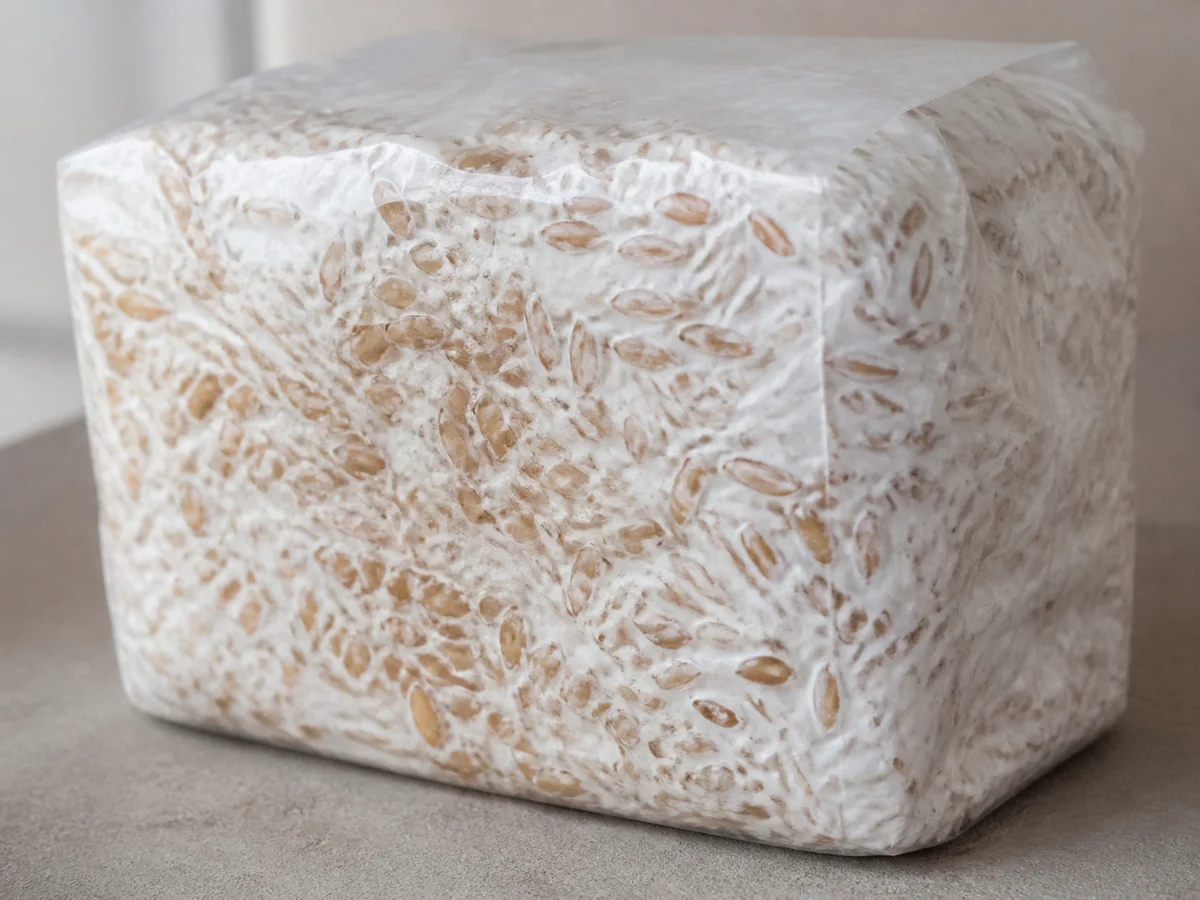
At harvest the block is dried and milled whole, because separating fungal threads from the grain they have grown through is not practical at any sensible cost.
Warning
The resulting powder is a mycelium and grain blend rather than a mushroom powder, and it is legally sold as such. The issue is not that the product is fraudulent but that the grain starch counts toward a total polysaccharide figure, so a high percentage can sit alongside a beta-glucan content in the single digits.
That is the whole mechanism behind the cheapest end of this category. Nothing is hidden, and nothing on the front of the pack makes it visible either.
The fair version of this is worth stating, because the argument is usually had badly.
Mycelium is genuine fungal tissue and it does produce compounds, some of which are not made by the fruiting body at all. The objection is not that mycelium is fake but that grain-grown mycelium arrives diluted by its substrate.
There is also a third option that gets lost in the argument.
Mycelium grown in liquid culture can be separated from its medium, which produces a mycelial powder without the grain, and that is a different product from the grain-grown kind.
The distinction that matters is therefore not fruiting body against mycelium. It is whether the substrate came along, and only the ingredient line answers that.
The ingredient line is where it shows. A product listing mycelial biomass, mycelium powder or a named grain is describing this method, whether or not the front label mentions it.
When you do not need an extract at all
A large part of this category is aimed at species that a person could simply cook.
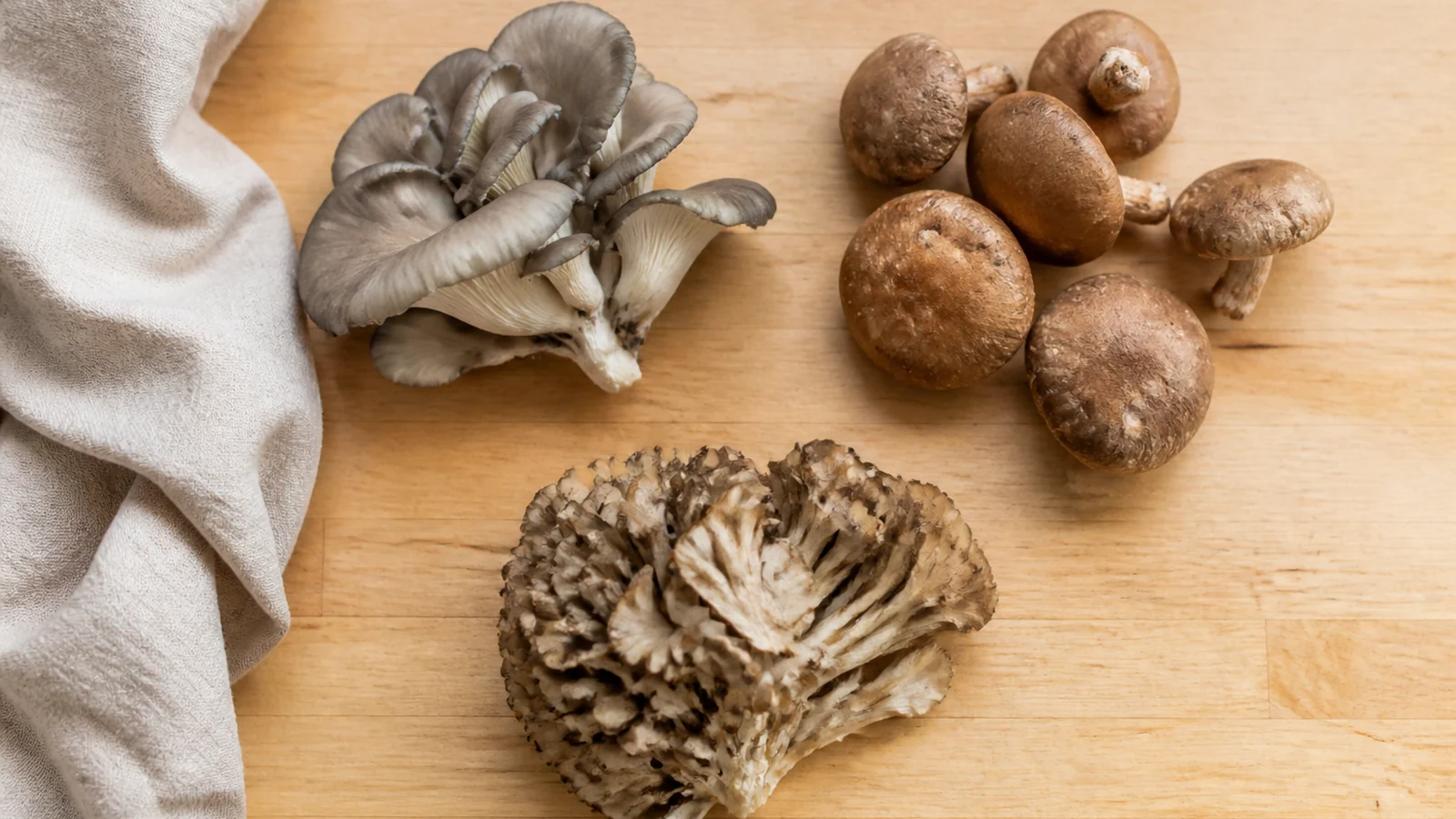
Shiitake, oyster mushrooms, maitake and lion's mane are foods. They are sold in supermarkets, they cook in minutes, and eating them in ordinary quantities requires no product at all.
Cooking is itself a heat and water process.
It softens cell walls, which is part of why mushrooms are unpleasant and poorly digested raw, and it is doing a version of what an extraction vessel does.
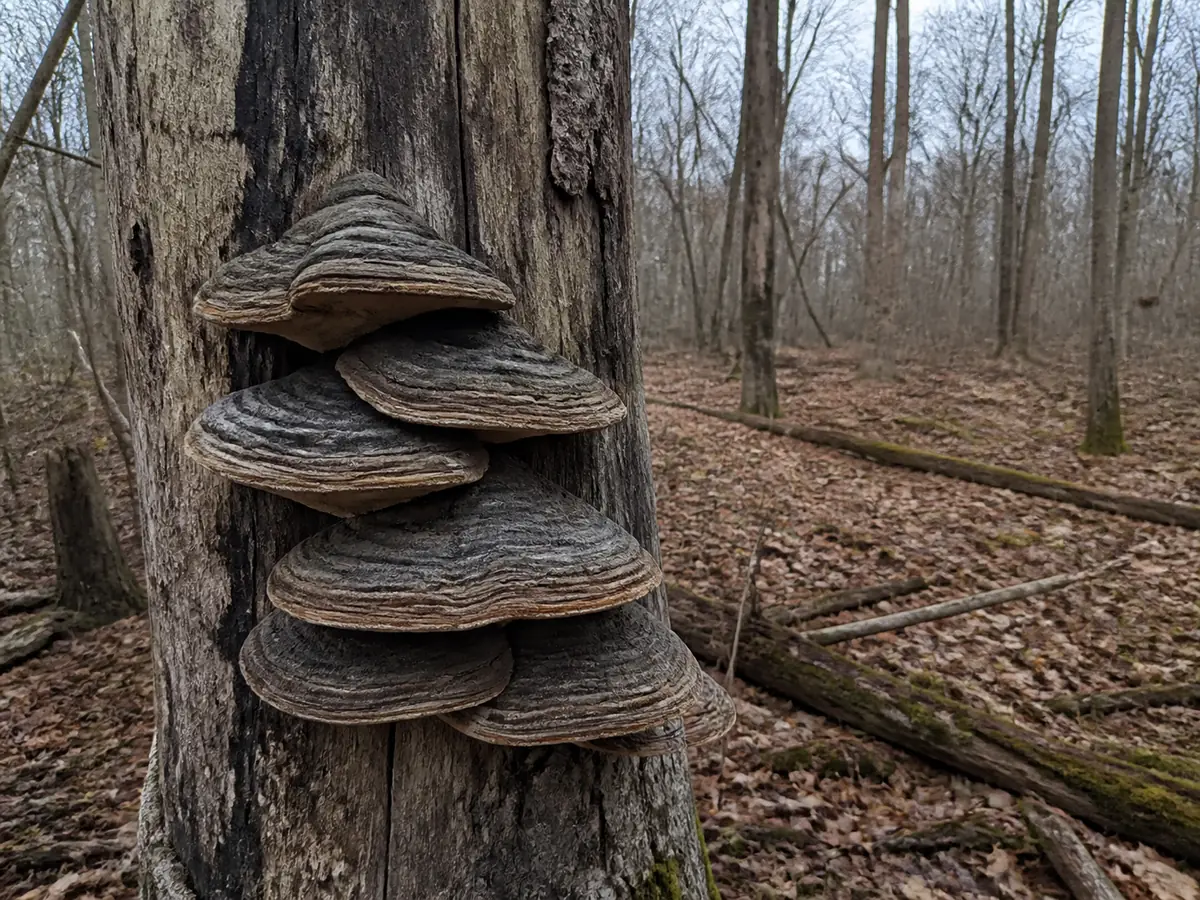
The woody species are a genuinely different case. Reishi, chaga and turkey tail are corky or hard, and no amount of cooking makes them edible in the ordinary sense.
Brewing it as a decoction is worth understanding before dismissing it. Woody material is simmered in water for an extended period, often over an hour, and the same pieces are frequently reused across several batches because the extraction is slow and incomplete.
It produces a water extract with all the limits that implies, and it costs a pot rather than a purchase.
For those, an extract or a long decoction is the only practical route, and the processing is doing something that could not otherwise happen. Use that distinction when deciding whether a purchase is necessary or optional.
There is a middle case worth naming. Dried culinary mushrooms sold as a plain powder are neither an extract nor a scam, and for somebody adding them to food rather than swallowing capsules they are simply a dried ingredient.
Judged as an ingredient they are fine, and judged as a concentrated supplement they are the weakest thing on the shelf.
Buying an extract of a culinary species is not a mistake.
It is a decision about convenience and concentration rather than a decision about access.
How to read one label in two minutes
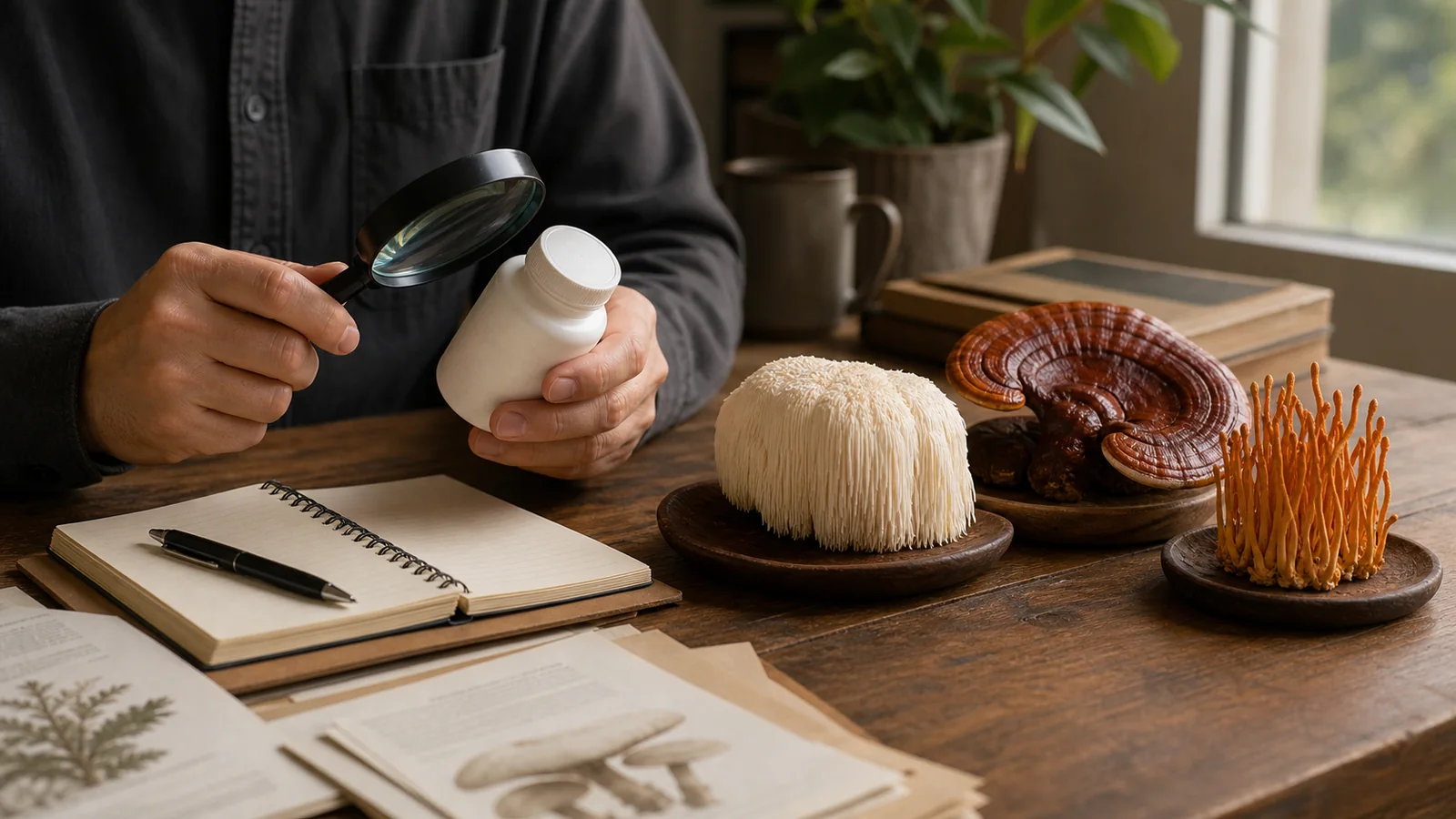
Two jars, same species, different prices. Three fields settle it, in order.
The first is what the material is. Fruiting body, mycelium, or a blend, stated on the ingredient line rather than implied by the front of the pack.
The second is whether a beta-glucan percentage is stated at all, and whether the method is named beside it. A polysaccharide percentage in that position is not the same claim.
The third is the extraction method, because it tells you whether the compound class the species is known for could be in the jar.
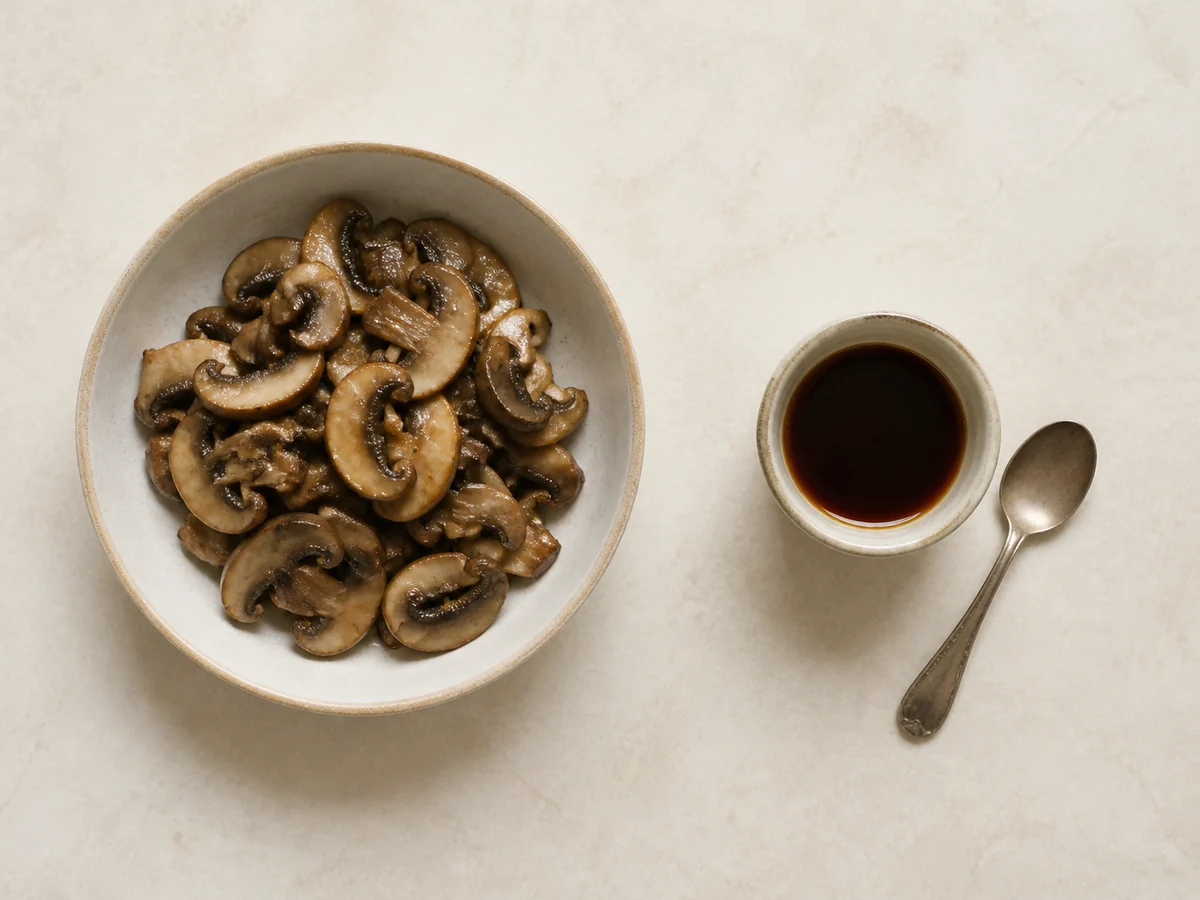
Run those three in order and most comparisons resolve before the fourth.
- If the ingredient line names a grain or mycelial biomass, you already know why one jar is cheaper.
- If a beta-glucan percentage is stated with a named method, that product has already done more than most of the shelf.
- If neither is present and the front carries a large ratio, the ratio is the only thing anybody measured for you.
Absence is informative here. A manufacturer that will not state the material or name the assay in writing has answered the question, and the answer is usually not the one a buyer was hoping for.
If a jar is already in the cupboard, the same three fields still apply retrospectively. Reading them tells you what you bought, which is worth knowing before deciding whether to replace it or simply finish it.
A grain-grown powder is not dangerous and is not what most buyers thought they were getting.
The strongest thing a person can ask for is a certificate of analysis for the specific batch. Companies that have one send it, and the ones that do not send a marketing sheet instead.
Key takeaway
Read the ingredient line before the front label, treat a beta-glucan percentage with a named method as the only content figure that means anything, and treat the extract ratio as a description of process rather than of strength. If the species is one you could cook, the cheapest correct answer may be to cook it.
Sources & References
- Analytical work on beta-glucan quantification in mushrooms and yeast That total polysaccharide and beta-glucan are separate measurements requiring a specific assay.
- Edible mushrooms and beta-glucans, impact on human health Fungal beta-glucan structure and its position in the cell wall.
- Reviews of extraction methods for fungal polysaccharides and triterpenes That hot water solubilizes cell wall polysaccharides while non-polar compounds require an alcohol stage.