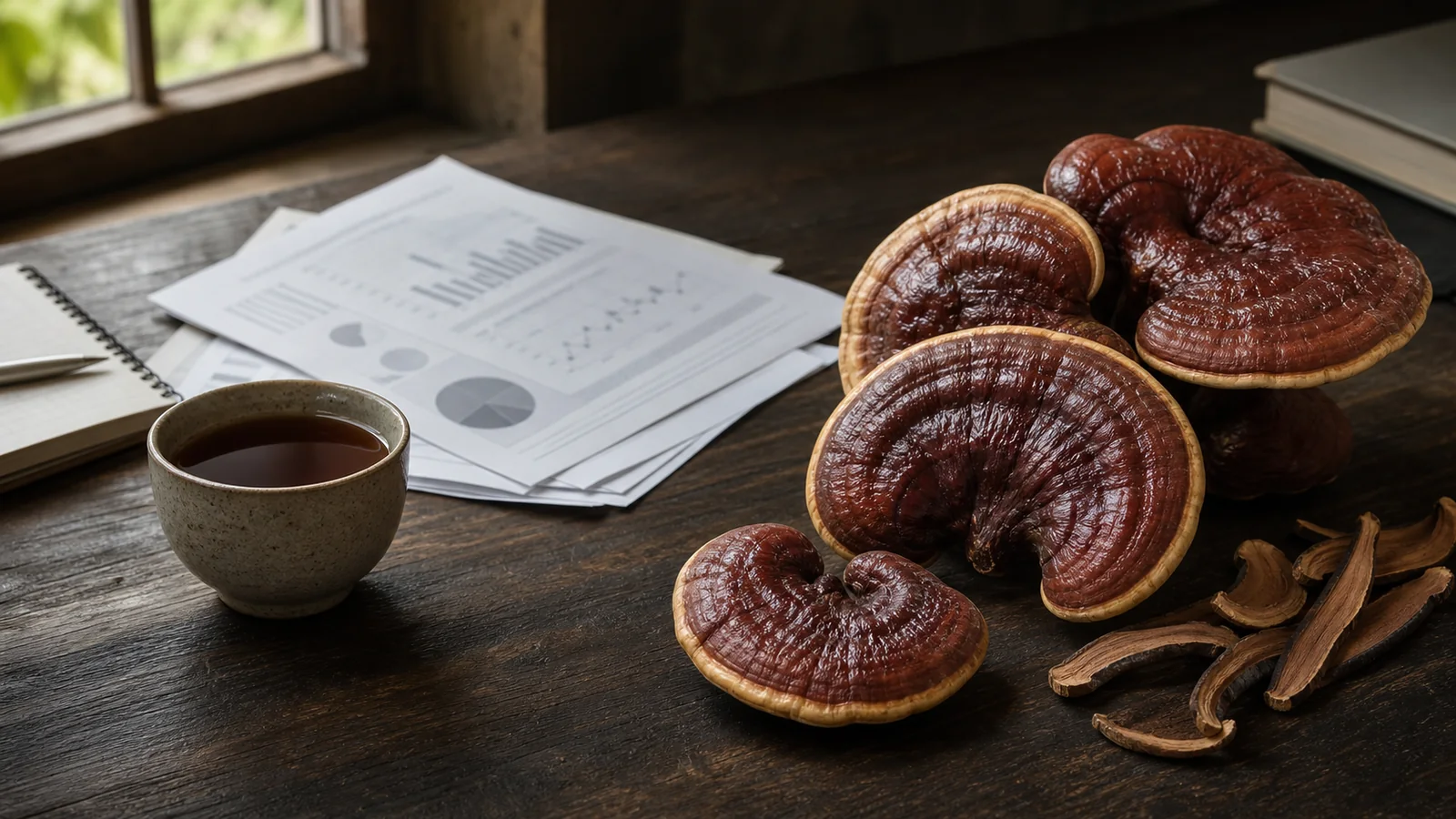
Reishi is a woody, bitter mushroom taken as an extract, not eaten. It is studied for immune support and sleep, though strong human evidence is still limited.
Reishi has a long record of traditional use, while medicinal mushroom evidence is much narrower and more product-specific. Some preparations change immune markers or fatigue scores in small studies, but no reliable evidence shows that reishi prevents illness, treats cancer, improves sleep, or controls heart and metabolic disease.
Reishi claims do not all have the same evidence
The word "benefits" hides several different questions. A laboratory experiment may show that a reishi compound affects a cell.
A human trial may move a blood marker without showing that people feel better, avoid disease, or live longer.
| Promoted benefit | Best human evidence | What remains unproven |
|---|---|---|
| Immune support | Some small trials report changes in lymphocyte or natural killer cell measures | Fewer infections, faster recovery, or better long-term health |
| Fatigue relief | Positive symptom scores in selected people diagnosed with neurasthenia | A dependable energy effect in healthy adults or athletes |
| Better sleep | Sparse direct human sleep evidence | Faster sleep onset, longer sleep, or improved sleep quality across groups |
| Heart and metabolic health | Controlled trials and reviews include null results for blood pressure, glucose, and lipids | Treatment of diabetes, high cholesterol, or hypertension |
| Cancer support | Small adjunct trials with important limitations | Cure, tumor control by itself, survival benefit, or replacement of standard care |
| Longevity | Tradition, laboratory work, and animal research | Longer human life or prevention of age-related disease |
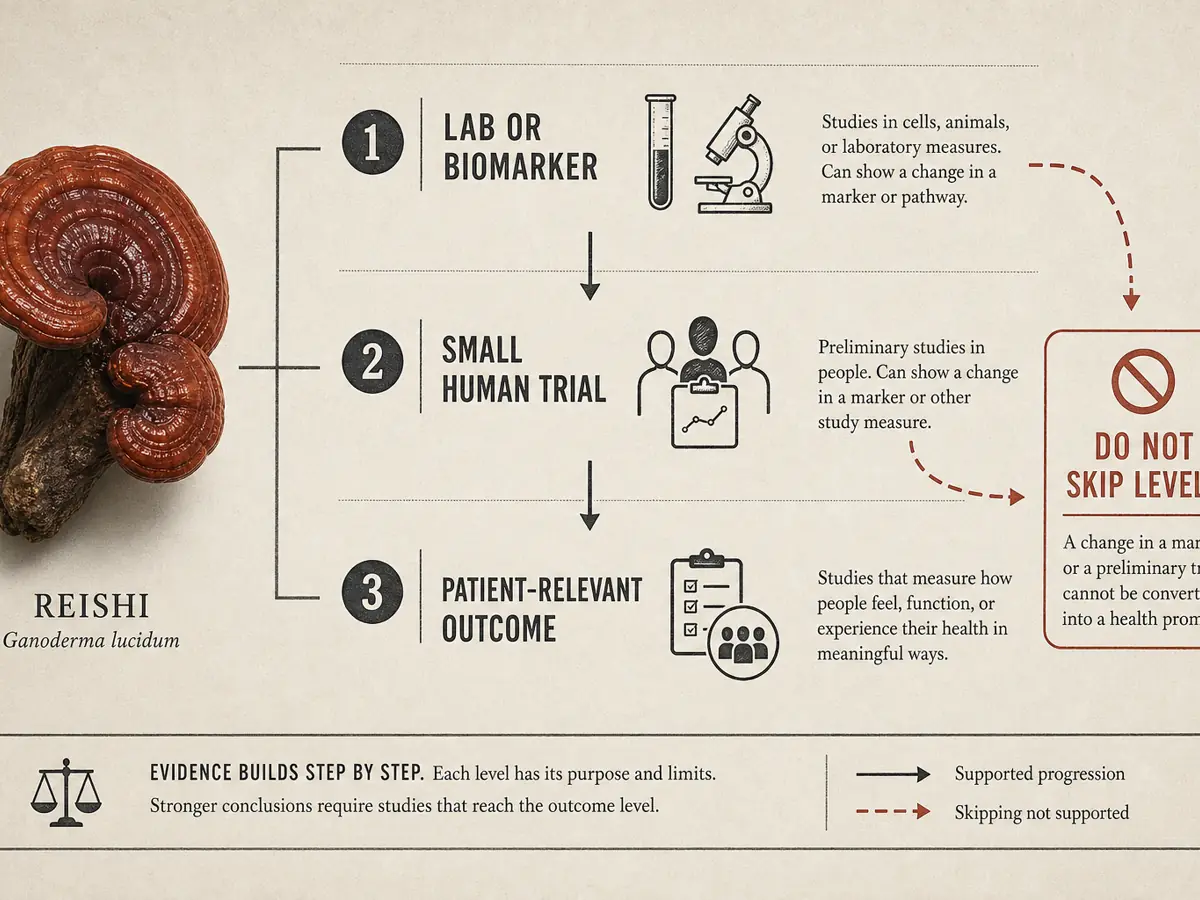
Human outcomes deserve the most weight because they measure what happened to people. Controlled trials are especially useful when they compare reishi with an indistinguishable placebo and decide the primary outcome before the study begins.
The evidence matrix grades major claims by their closest human result rather than label frequency or historical use.
The strongest reishi findings are still preliminary and narrow. A biomarker change may support another trial, but it should not be converted into a promise that a person will avoid infection or recover from disease.
Reishi products also differ. Researchers may study a defined polysaccharide extract, a fruiting body preparation, spore powder, or a named formula.
Unlike the limited direct cognition work behind lion's mane benefits, a bottle that says only "reishi complex" may not resemble any preparation tested for its advertised claim.
Immune markers can move without proving better immunity
Reishi contains beta-glucans and other polysaccharides studied for effects on immune cells. In a 12-week randomized trial of 157 healthy adults, a beta-glucan preparation derived from Ganoderma lucidum increased several measured immune cell populations compared with placebo.
Those changes are biologically interesting. They do not show that participants caught fewer colds, recovered faster, responded better to vaccines, or experienced a meaningful health improvement.
The trial measured markers, not those outcomes.
Key takeaway
A changed immune marker is not the same result as better immunity in daily life. Ask whether a study counted illnesses, symptom days, hospital visits, or another outcome that matters to patients.
The word "boost" is also misleading because immune activity is not a single dial that should always move upward. A useful immune response needs timing, targeting, and control.
Excess or misdirected activity contributes to allergy, inflammation, and autoimmune disease.
This matters for people taking immunosuppressive medicine after a transplant or for an autoimmune condition. A supplement promoted for immune stimulation may work against the goal of treatment, even when the exact clinical interaction has not been mapped.
- Check whether the study measured cells, signaling molecules, symptoms, or diagnosed infections.
- Check whether participants were healthy or had a specific disease.
- Check whether the tested extract matches the product under consideration.
- Check whether the result was the prespecified primary outcome or one of many secondary measures.
An immune marker can still be useful in research. It helps investigators decide whether a preparation reaches a biological target and whether a larger clinical trial makes sense.
It simply cannot carry the full weight of a health claim by itself.
Medicinal MushroomsLion's Mane Benefits: What Human Trials Actually FoundThe fatigue signal came from a narrow diagnosis
Some positive reishi research involves people diagnosed with neurasthenia, a term historically used for persistent fatigue, weakness, irritability, and related symptoms. Trials in that group reported improvements in selected fatigue and well-being scores after a standardized polysaccharide extract.
A result in one clinical population does not establish a general energy effect for healthy adults whose fatigue may come from sleep loss, work, anemia, infection, depression, medication, or thyroid disease.
Fatigue scores are often self-reported, which makes blinding and placebo design important. Expectations, daily stress, and natural symptom cycles can shift a score even when the underlying condition has not changed.
The fatigue trial duration cannot show whether a short improvement persists, tolerance develops, or uncommon long-term harms emerge.
Small fatigue trials may also miss uncommon harms that matter when the narrow finding is applied more broadly.
The safe interpretation is that one preparation showed a possible fatigue benefit in a narrow clinical population. It does not prove that reishi increases athletic performance, replaces sleep, or treats unexplained fatigue.
Persistent fatigue deserves an explanation. Across mushrooms promoted for cognition, indirect energy or stress claims can blur that need.
A clinician may need to review sleep, blood count, thyroid function, mood, medicines, infection, heart or lung problems, and other causes before a supplement is considered.
Sleep claims rest mostly on tradition and indirect evidence
Reishi is commonly taken at night and marketed as a calming mushroom. Direct human evidence for a dependable sleep benefit remains sparse, and the available research does not support treating it as an established sleep aid.
Traditional use can tell researchers which questions have mattered across generations. It cannot show how a modern extract compares with placebo, what dose works, which sleep problem might respond, or which medicines create risk.
Several outcomes are easy to blur. Less fatigue during the day is not proof of better sleep.
Feeling calmer does not prove more restorative sleep because a warm drink and quiet bedtime routine can change the experience independently of reishi.
- Direct sleep evidence would measure sleep onset, awakenings, total sleep time, quality, or objective sleep signals.
- Indirect evidence measures stress, mood, fatigue, or laboratory pathways and then infers a sleep benefit.
- A bedtime habit can improve sleep even when a specific ingredient has no pharmacological effect.
- A sedating feeling can be an adverse effect or an interaction rather than healthy sleep.
People with ongoing insomnia should consider causes such as sleep apnea, restless legs, pain, depression, anxiety, menopause symptoms, alcohol, caffeine, and medication effects. A supplement can delay that assessment without fixing the cause.
Limited interaction data make a pharmacist better suited than a product label to review reishi with prescription sleep medicines or other sedating products.
Better trials did not confirm heart and blood sugar claims
Cell and animal research has produced hypotheses about blood pressure, cholesterol, glucose, inflammation, and oxidation. Controlled human trials have not turned those hypotheses into reliable treatment benefits.
An Australian double-blind trial enrolled 84 adults with type 2 diabetes and metabolic syndrome. Participants received reishi alone, reishi with cordyceps, or placebo for 16 weeks.
Reishi did not produce significant improvements in body weight, blood pressure, fasting glucose, HbA1c, or blood lipids.
A Cochrane review of reishi for cardiovascular risk factors reached a similar practical conclusion. The available studies were too small or weak to support its use for treating cardiovascular risk in people with or without type 2 diabetes.
A 2025 GRADE-assessed review brought newer clinical trials together across several health outcomes. Its wide dose range, treatment lengths, and participant groups show the same interpretation problem.
Pooling studies can increase statistical power, but it cannot make unlike products and unlike outcomes equivalent.
Review quality depends on the studies underneath it. When trials are small, use different extracts, and measure several outcomes, a pooled positive result may still carry low certainty.
The most useful question is whether a consistent effect appears in comparable high-quality trials and changes an outcome that matters to patients.
Null findings matter because they test the outcome people actually care about. A compound may affect an enzyme in a dish and still fail to lower blood pressure in a person.
For blood-pressure and metabolic claims, absorption, dose, and disease complexity can break the path from a laboratory mechanism to treatment.
No one should reduce or stop medicine for diabetes, hypertension, or cholesterol because of a reishi product. Those conditions can damage the heart, brain, kidneys, eyes, and blood vessels without causing immediate symptoms.
If someone takes reishi alongside prescribed care, glucose or blood pressure may need closer monitoring. The concern is not that a benefit is proven.
It is that uncertain supplement effects can complicate treatment, side-effect attribution, and dose adjustments.
Reishi is not a cancer treatment
Reishi is often promoted to people with cancer because laboratory experiments report immune, antioxidant, or cell-growth effects. That is a high-stakes leap.
A substance that changes cancer cells in a dish may not reach a human tumor at a safe and useful concentration.
Cochrane reviewers examined randomized trials of reishi as a cancer treatment or adjunct. They found insufficient evidence to justify it as a first-line treatment.
Some small studies reported changes in immune measures or tumor response when reishi was added to conventional care, but study quality and size limited confidence.
Tumor response is not the same as cure. An immune marker is not the same as survival.
Quality-of-life scores can matter to patients, but they do not prove that a supplement controls cancer.
Tell the oncology team about every reishi tea, powder, capsule, and mixed mushroom product.
Ask whether the product could affect bleeding, liver tests, immune treatment, or chemotherapy metabolism.
Treat any supplement as an adjunct only when the care team agrees it fits the treatment plan.
Replace surgery, radiation, chemotherapy, immunotherapy, targeted therapy, or prescribed supportive care.
delay a scan, biopsy, appointment, or symptom report while trying a supplement.
Assume that "immune support" helps every cancer or every form of immunotherapy.
Reishi may conflict with treatment goals. A product that changes immune activity could be a concern during immunosuppressive therapy, transplant care, or certain cancer treatments.
During cancer treatment, theoretical antioxidant interactions also require review because some therapies rely partly on oxidative damage.
Product contamination and undisclosed blends create another problem. If liver enzymes change or bleeding occurs during cancer care, the team needs an accurate list of exposures to identify the cause quickly.
Reishi has not been shown to cure cancer or work as a stand-alone cancer therapy. A person facing cancer should never have to choose between honest supportive discussion and evidence-based care.
Medicinal MushroomsMushrooms for Brain Health, Ranked by EvidenceSpecies, fruiting body, spores, and extracts change the product
"Reishi" is a market name used for more than one Ganoderma species. Asian lingzhi products may involve Ganoderma lingzhi, while labels and research have often used Ganoderma lucidum more broadly.
The medicinal mushroom category describes use and interest, not proof that taxonomy and commercial naming line up.
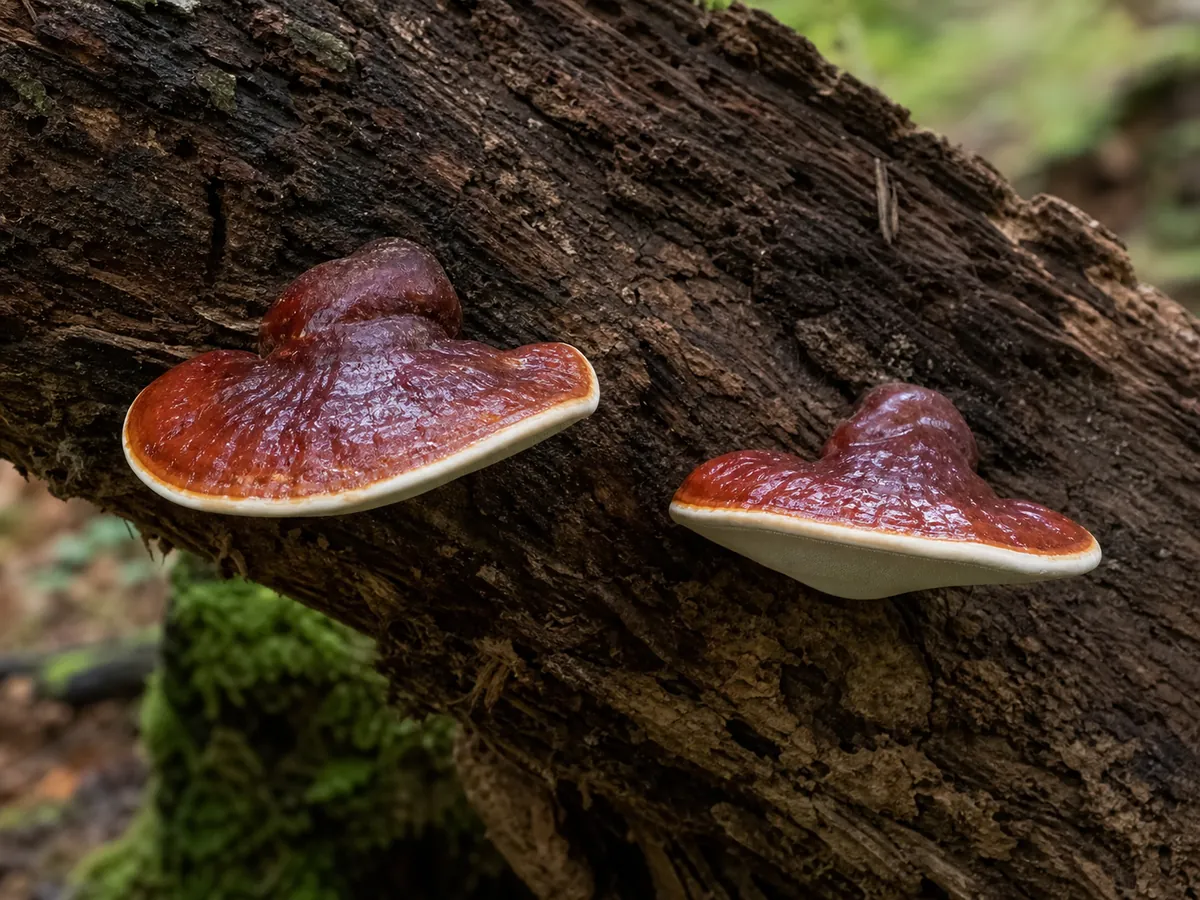
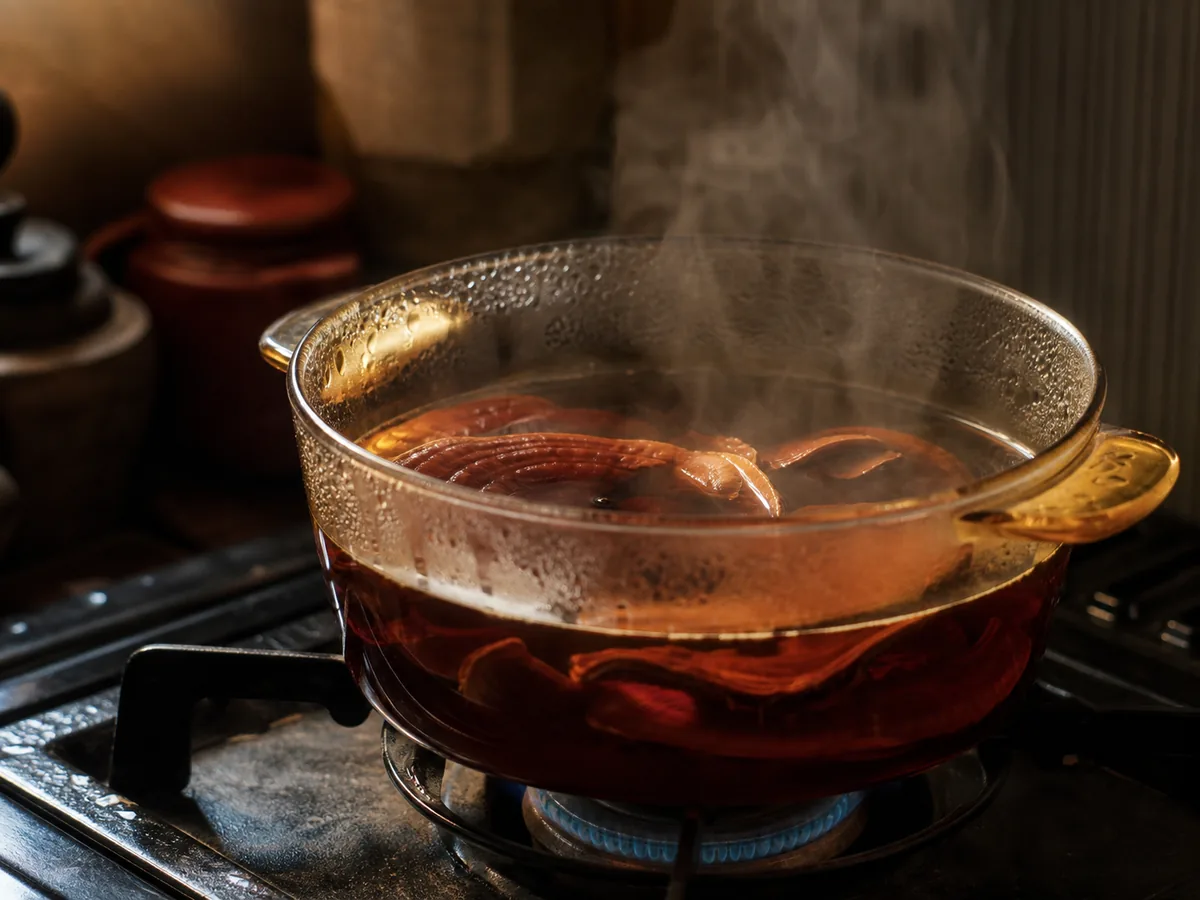
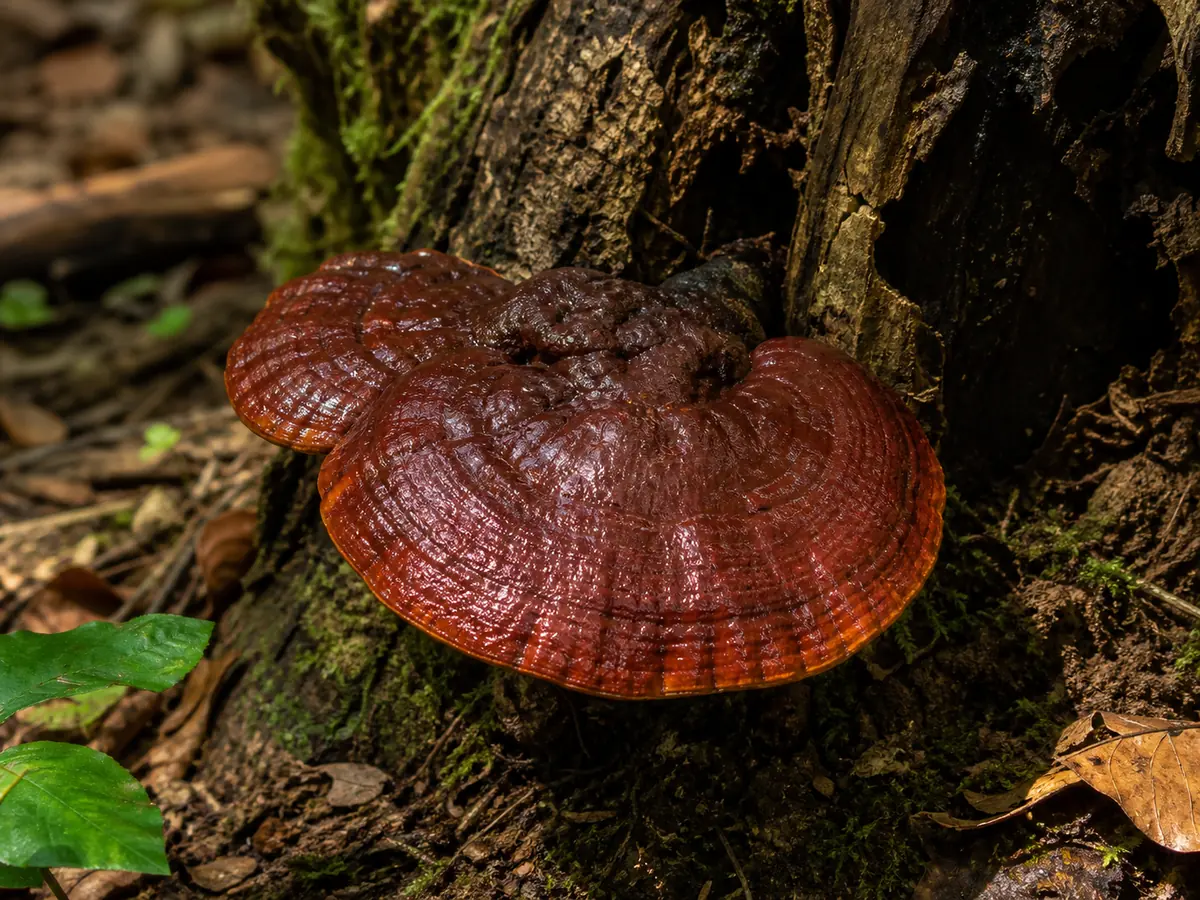
The fruiting body is the hard, shiny bracket that grows from wood. It is too tough and bitter to eat like an edible lion's mane, so people use slices for prolonged brewing or process it into powders and extracts.
Spores are another material. Some products use cracked spore powder, while others use fruiting body or cultured mycelium.
Their chemical profiles differ, and a study using one does not establish the effects of another.
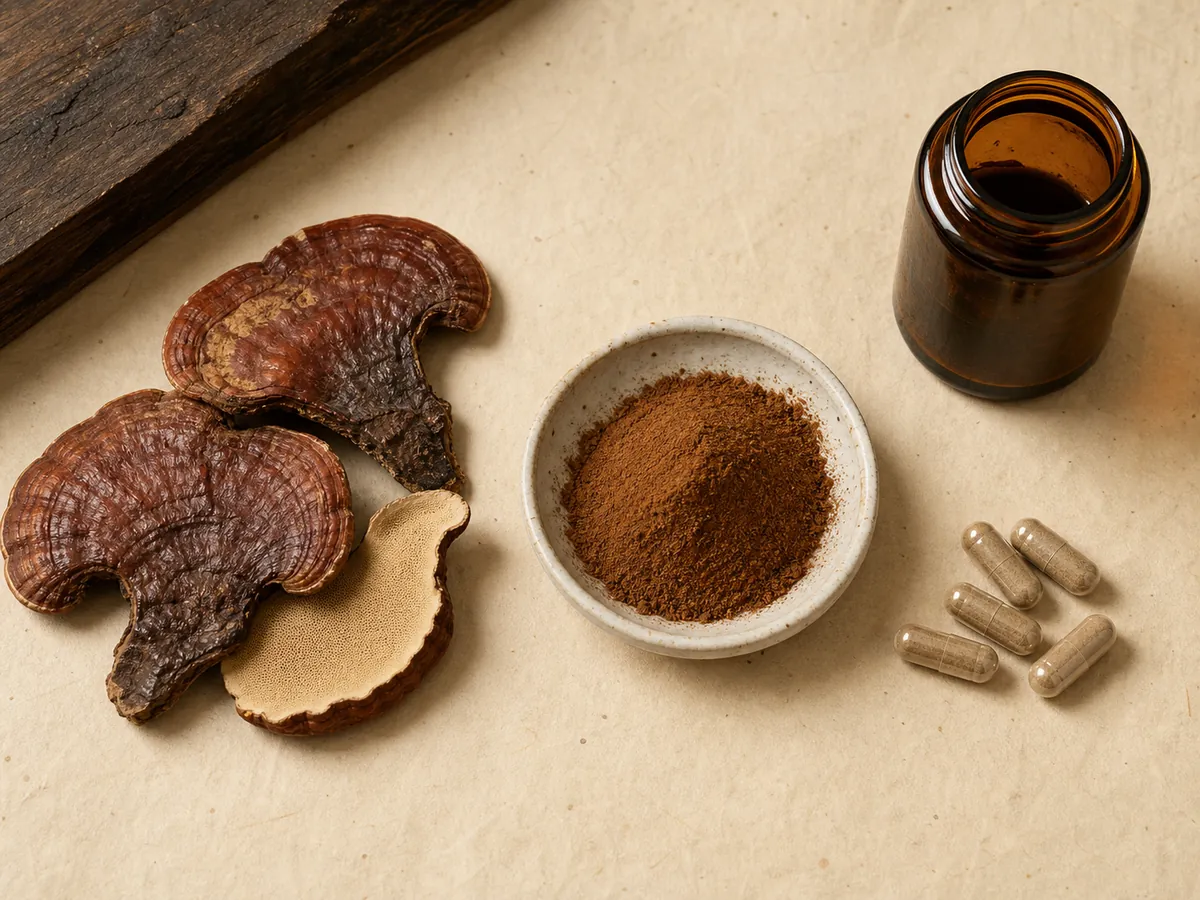
Extraction changes what ends up in the final product. Hot water favors water-soluble polysaccharides such as beta-glucans.
Alcohol can recover more triterpenes, while a dual-extract label combines fractions without stating their quantity or purity.
- Scientific species should appear on the label, not only the word reishi.
- Fruiting body, mycelium, or spores should be named.
- Extract solvent and concentration should be stated when they are part of the claim.
- Beta-glucan results are more specific than a broad polysaccharide number.
- A proprietary blend can hide the amount of each ingredient.
An extraction ratio is not a clinical grade. It may say how much raw material went into an extract, but it does not prove identity, contaminants, active compound levels, absorption, or benefit.
Species accuracy matters before extraction quality can even be judged. Two closely related Ganoderma species can look similar while producing different chemical profiles.
A certificate that tests only total polysaccharides may miss a species substitution, so identification methods and supply-chain records have a different job from compound assays.
Spore products add processing questions. Intact spores have resistant walls, and sellers often advertise "broken shell" material.
Breaking a wall may change access to the contents, but that processing statement is not evidence of a clinical outcome and does not establish the purity of the final powder.
Lot-specific testing can answer some quality questions. It should identify the method and laboratory and report microbial contamination, heavy metals, and other relevant checks.
It still cannot turn an untested product into a clinically proven one.
Side effects and interactions deserve a medication check
Short trials often report few serious adverse events, but the safety record is incomplete. Commonly reported problems include digestive upset, dry mouth, dizziness, itching, or rash.
A new symptom after starting the product deserves attention.
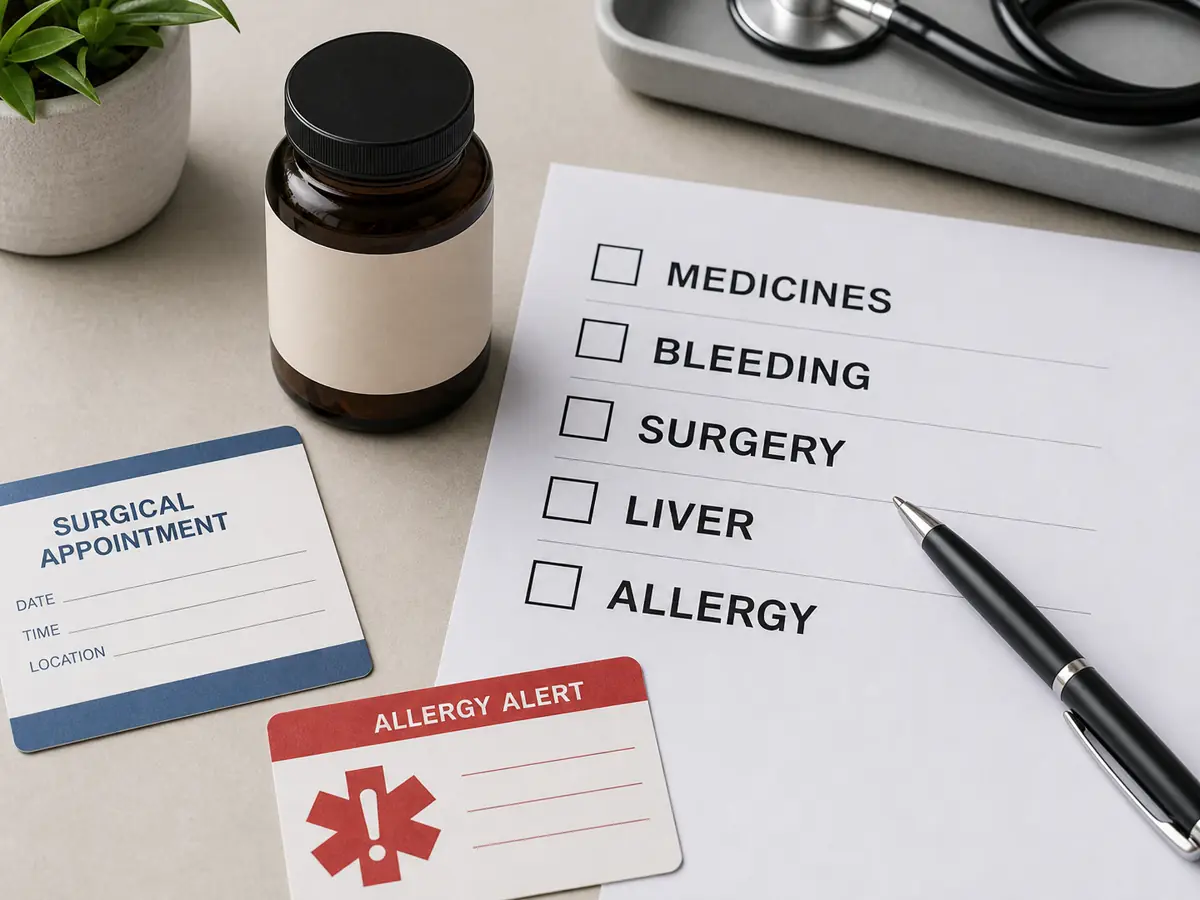
Bleeding is a central concern. Clinical resources warn that reishi may increase bleeding risk with anticoagulant or antiplatelet drugs.
Laboratory findings and limited reports do not predict the size of risk for every person, but the combination is important enough for a pharmacist or prescriber to review.
Immune effects can conflict with immunosuppressants. That includes medicine used after organ transplant and some treatment for autoimmune disease.
The intended goal may be to reduce immune activity, so adding a product sold to stimulate it makes little sense without specialist input.
Reishi has also been implicated in rare cases of acute liver injury. NCBI LiverTox considers clinically apparent injury possible but extremely rare, and several reports have alternative explanations or involved mixed products.
Rare and uncertain does not mean imaginary.
Warning
Stop reishi and seek prompt medical advice for dark urine, yellow skin or eyes, severe abdominal pain, unusual bleeding, a widespread rash, facial swelling, or breathing trouble. Do not wait for a supplement seller to interpret those signs.
Pregnancy, breastfeeding, and childhood use lack adequate evidence. Surgery creates additional bleeding and anesthesia concerns.
Many surgical teams ask patients to stop herbal supplements in advance, so follow the team's timing rather than guessing.
- Review blood thinners, antiplatelet drugs, and frequent anti-inflammatory pain medicine.
- Review immunosuppressants, transplant medicine, chemotherapy, and immunotherapy.
- Review diabetes and blood-pressure treatment because unexpected changes can complicate dosing.
- Review liver disease, abnormal liver tests, and alcohol use.
- Review the planned surgery date and the surgical team's supplement instructions.
When several ingredients start together, identifying the cause of a reaction becomes difficult. Mixed mushroom blends make this problem worse because the label may combine reishi with cordyceps, chaga, herbs, caffeine, or sweeteners.
How to judge whether a personal trial is reasonable
Start with the goal. "Wellness" is too vague to measure, and the site's medical-use boundaries reflect why a disease treatment goal is beyond what the evidence supports.
If the desired outcome cannot be described clearly, there is no honest way to judge whether the product helped.
Next, match the claim to the evidence. A product marketed for sleep should point to direct human sleep outcomes for a comparable preparation.
A cell study about an immune pathway does not meet that standard.
FDA does not approve dietary supplements for effectiveness before sale. Independent programs can verify that a participating product was manufactured properly and contains listed ingredients without harmful contaminant levels.
Independent quality seals can verify manufacturing or contents, but they do not prove that a reishi product produces a health benefit.
If professional review supports a trial, change only one supplement at a time. Record the product, lot, serving, start date, other medicines, target outcome, and adverse effects.
That record is useful if a problem develops.
Decide when to stop before starting. Stop for an adverse effect, a new medical issue, a medicine change, upcoming surgery, or no meaningful change after the agreed review period.
Raising the dose repeatedly does not repair weak evidence.
Choosing not to take reishi is a valid evidence-based decision. A long history of use can justify respectful study while the current clinical record still fails to show a useful personal benefit.
Sources and evidence
The claim grades draw from randomized trials, Cochrane reviews of cardiovascular and cancer outcomes, and a recent GRADE-assessed meta-analysis of clinical trials. KnowTheSpore's source selection standards require the safety discussion to stay within NCBI LiverTox, clinical references, and federal supplement guidance.
Reviews are valuable because they examine several studies together and grade their limitations. Newer reviews can add trials, but a larger total does not erase poor methods, inconsistent preparations, or outcomes that do not matter directly to patients.
Sources & References
- Cochrane Database of Systematic Reviews Systematic review of Ganoderma lucidum for cancer treatment.
- Memorial Sloan Kettering Cancer Center Clinical evidence summary for reishi.
- Wachtel-Galor, S. et al. (2011). Herbal Medicine: Biomolecular and Clinical Aspects Comprehensive review of Ganoderma lucidum pharmacology.