The interaction risk with medicinal mushrooms is rarely about the mushroom on its own. It comes from a supplement pushing the same direction as a prescription you already take, which is why blood thinners, immunosuppressants, diabetes medication and drugs cleared by liver enzymes are the four things to check first. Reishi, chaga and cordyceps carry the clearest documentation, while turkey tail and lion's mane are better described as unstudied than as safe.
The question people ask is whether a medicinal mushroom is safe. The question that decides the answer is what else you already take.
A mushroom that does nothing has no interactions. The ones people buy are bought precisely because they do something, and that is where the trouble starts.
Why an interaction is rarely about the mushroom alone
Most reported problems here are not toxicity, they are two things pushing the same direction at once.
A supplement that mildly thins the blood is unremarkable on its own. Taken alongside a prescription that thins the blood properly, the two effects add up, and the result is a bleeding risk neither one would have produced separately.
Check interactions against the medicines you actually take. It is a list of four things your body might already be doing under prescription, and which mushrooms push on each one.
The evidence is also uneven, and saying so matters, because some of what follows comes from case reports in people while some comes from laboratory work that has never been tested clinically.
Every interaction below starts with two containers on the same shelf, a supplement and a prescription that the same people take.

Bleeding risk, which is the best documented conflict
This is the one to raise with a prescriber first, because it has the most behind it.
- Reishi
- Can increase bleeding risk, with warfarin named directly
- Chaga
- Inhibited platelet aggregation in a mouse model, with warfarin named
- Cordyceps
- Inhibits platelet aggregation in laboratory work
- The human case
- Excessive bleeding after a tooth extraction in a daily cordyceps user
- What it means
- Additive effect with a drug already doing the same job
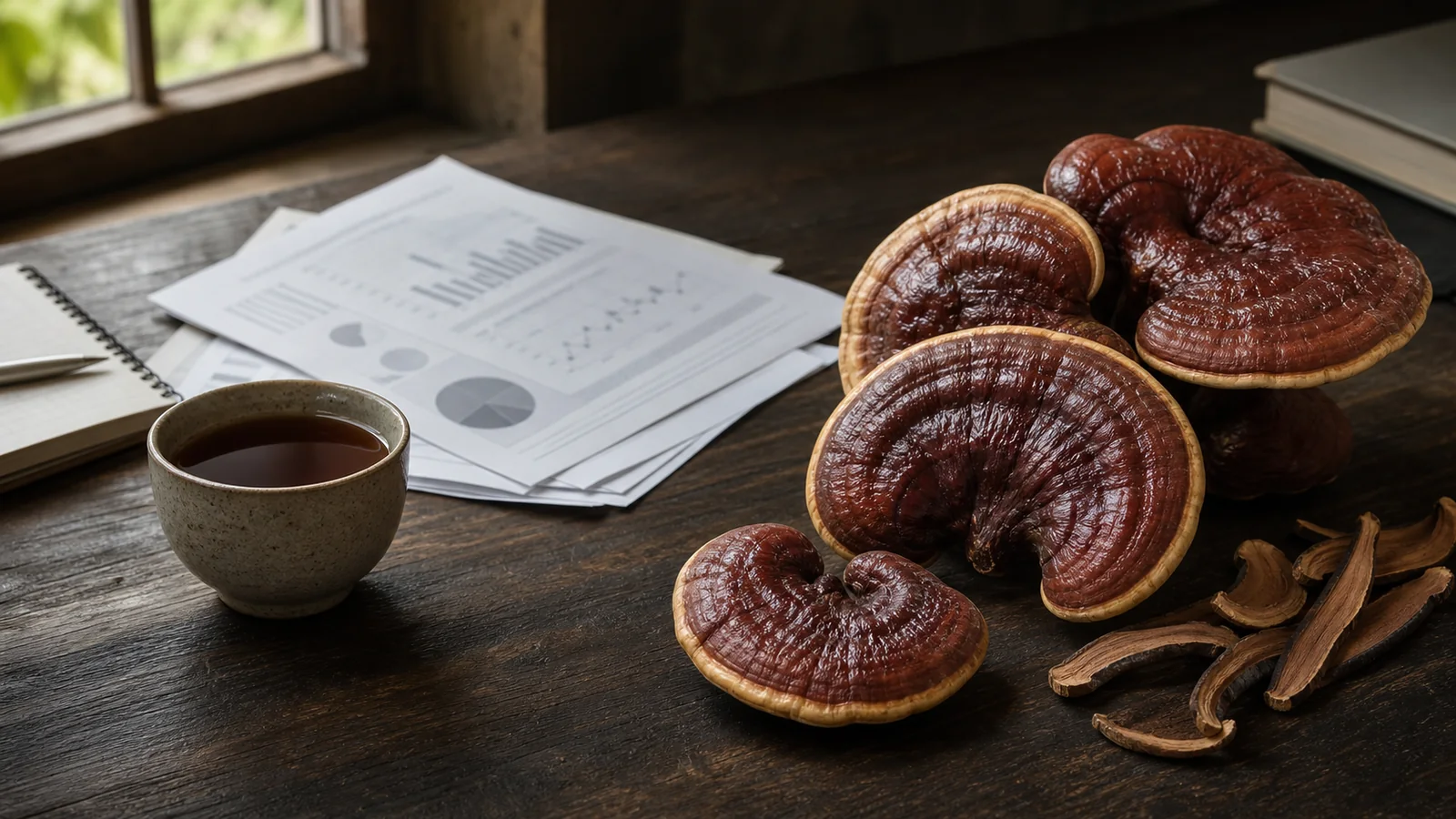
Reishi carries the clearest warning of the three. Memorial Sloan Kettering states plainly that reishi can increase the risk of bleeding, and names warfarin among the drugs concerned.
Chaga sits close behind it. Chaga extract inhibited platelet aggregation in a mouse model, and the concern is a synergistic effect when it is taken alongside anticoagulant or antiplatelet drugs.
Cordyceps has the one documented human event, because laboratory work shows it inhibits platelet aggregation and a case report describes excessive bleeding after a dental extraction in someone taking cordyceps daily.
That case is worth holding onto, because it happened during a routine procedure rather than during anything dramatic. Surgery and dental work are exactly when an unmentioned supplement becomes a problem.
The newer anticoagulants belong in the conversation too. Apixaban and rivaroxaban are prescribed widely now, and the additive concern applies to them for the same reason it applies to warfarin.
Aspirin and clopidogrel belong in the same conversation as warfarin, because they work differently but push the same direction.
The conflict that is built into the product
Immune modulation is the reason most people buy these mushrooms, and it is the reason some people should not.
If you take an immunosuppressant, a supplement sold for enhancing immune response is working directly against your prescription. Memorial Sloan Kettering puts it bluntly for reishi, saying it may not be safe for people on these medications because reishi can enhance immune response.
That conflict covers a large group of people. Transplant recipients, and anyone managing an autoimmune condition with drugs that deliberately damp the immune system, are all in it.

The awkward part is that this is not a side effect. It is the advertised effect, arriving in a body that is being medicated to do the opposite.
Three more mechanisms worth naming
Bleeding and immunity are the headline conflicts, and they are not the only ones.
Blood sugar is the quietest of them. Laboratory studies suggest both cordyceps and chaga can lower blood glucose, so someone already taking insulin or an oral hypoglycemic could be pushed lower than intended.
Clinical relevance for that one is still undetermined, and the source says so. It is a reason to monitor and to mention it, not a reason to panic.
The liver enzyme finding is the broadest in scope and the least visible, because reishi polysaccharides inhibited CYP2E1, CYP1A2 and CYP3A, which are enzymes that clear a very large number of ordinary prescriptions.
That matters because CYP3A alone is involved in metabolizing a substantial share of common drugs. Slowing those enzymes can raise the concentration of a medication that was dosed on the assumption they were working normally.
Chemotherapy gets a specific and unusual caution. Reishi increases plasma antioxidant capacity, and in theory that may interact with chemotherapeutic agents that rely on free radicals to work.
Cordyceps carries a named exclusion of its own, since it should not be used by people with myelogenous type cancers, on the basis of animal studies showing proliferation of progenitor red blood cells.
Medicinal MushroomsWhich Reishi Benefits Hold Up in Human Studies?Chaga and the kidney, which is not an interaction at all
Serious harm can occur even without a drug interaction.
Chaga is high in oxalate, and three published cases describe severe kidney injury in people taking it regularly.
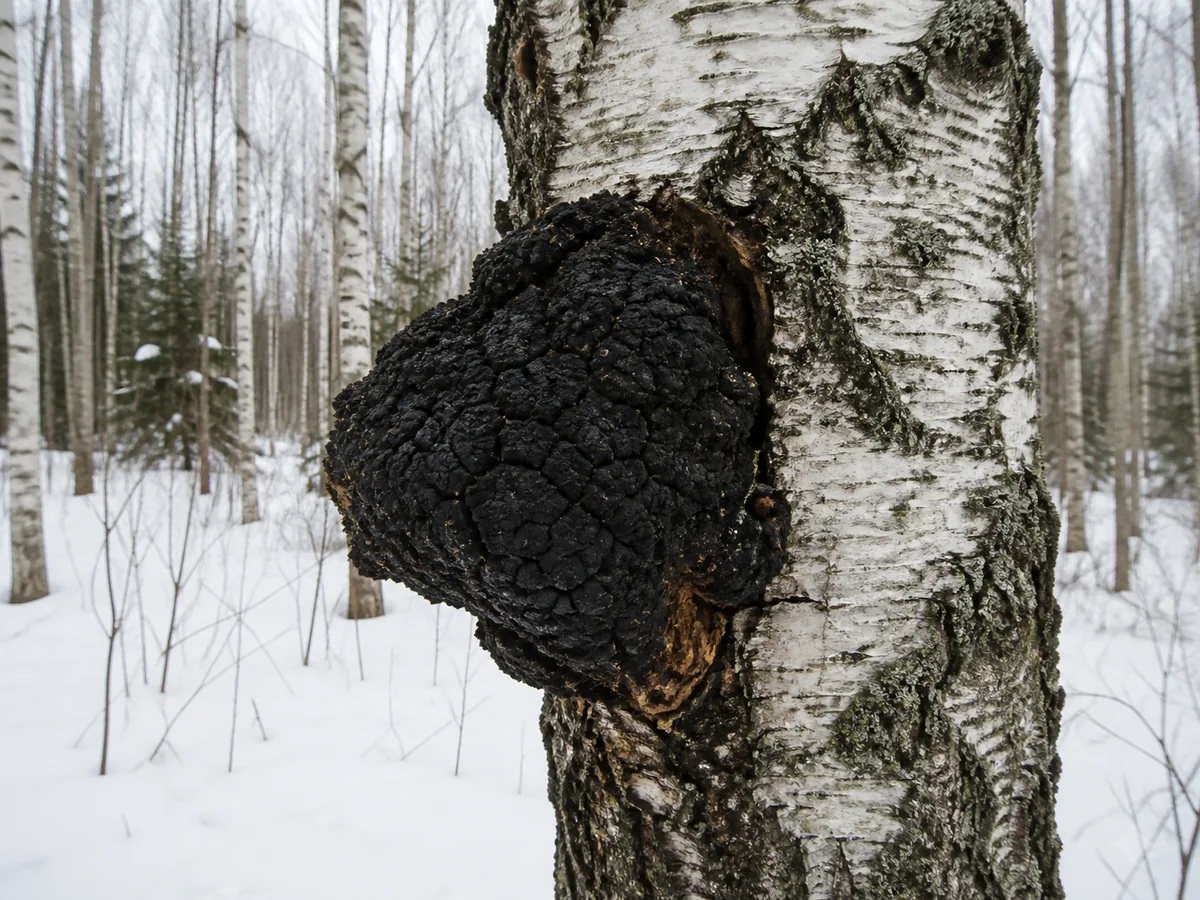
The three cases differ in dose and in duration, and none of them involved a second drug. The common thread is months of daily use rather than one large dose.
| Case | Amount and duration | Outcome |
|---|---|---|
| Woman aged 72 | Four to five teaspoons daily for six months | Oxalate nephropathy, hemodialysis, no recovery |
| Man aged 69 | Ten to fifteen grams daily plus vitamin C for three months | Oxalate nephropathy, function improved after treatment |
| Man aged 49 | Long-term consumption | End-stage renal disease, hemodialysis, no recovery |
Two of those three did not get their kidney function back. That is a different order of harm from a drug interaction, and it comes from the mushroom on its own.
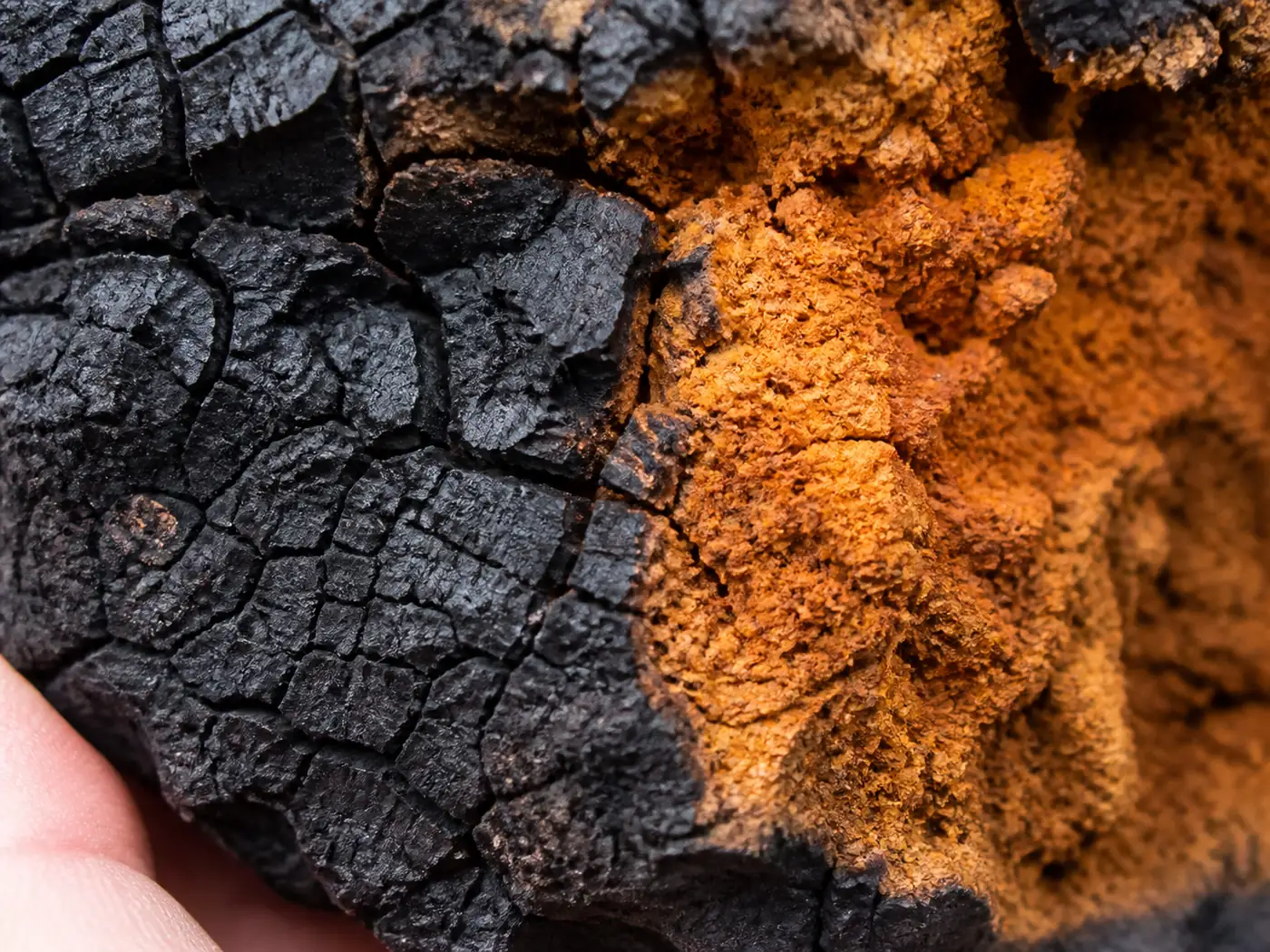
The doses behind those kidney cases were not exotic. Four to five teaspoons a day of a powder sold as a daily wellness drink is exactly how these products are marketed to be used.
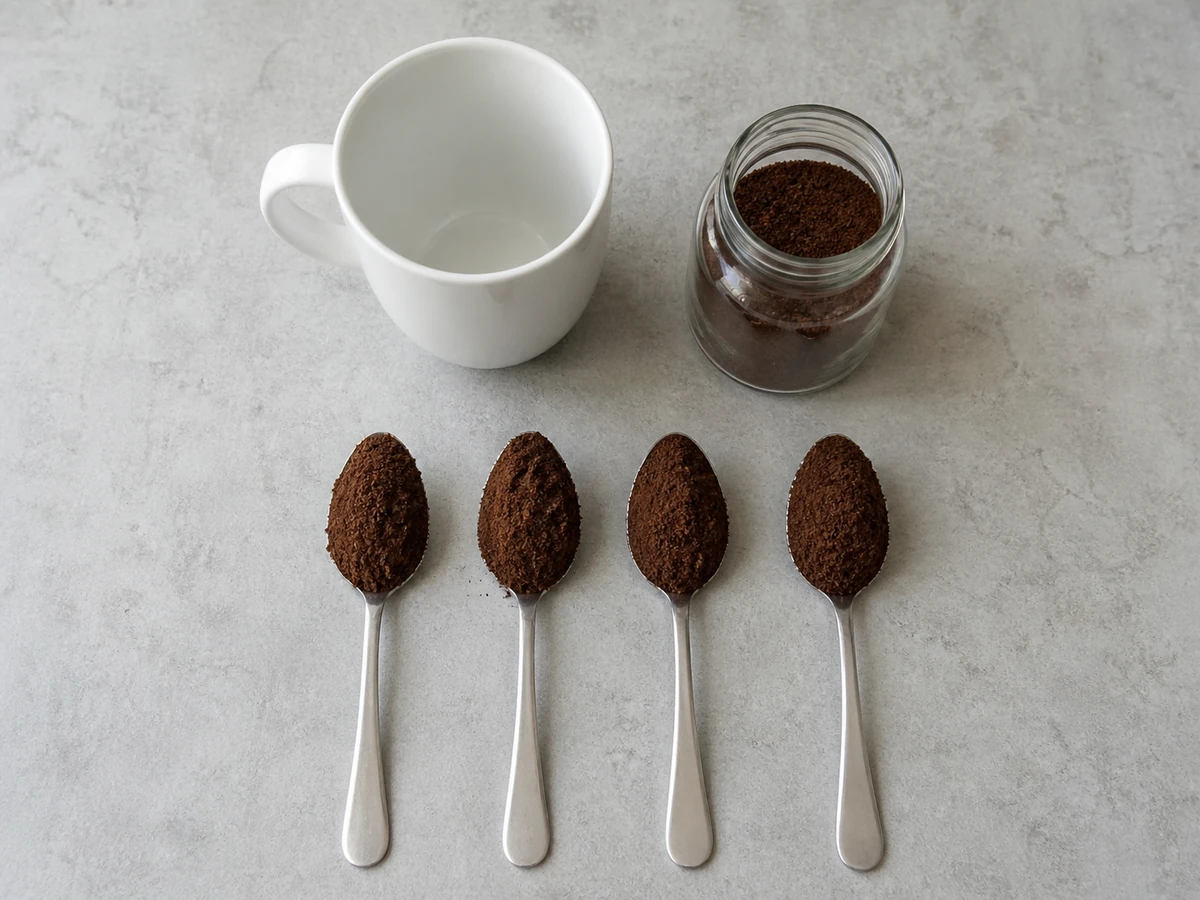
Anyone with existing kidney disease, a history of kidney stones, or reduced kidney function has a reason to avoid chaga entirely rather than to moderate it.
Vitamin C is worth a separate mention, because the body converts some of it to oxalate. One of the three cases involved a high chaga dose taken alongside vitamin C, and stacking two oxalate sources is a worse idea than either alone.
Where the documentation runs out
Two of the most popular medicinal mushrooms have far less interaction data than the three above, and that gap is worth understanding rather than reading as reassurance.
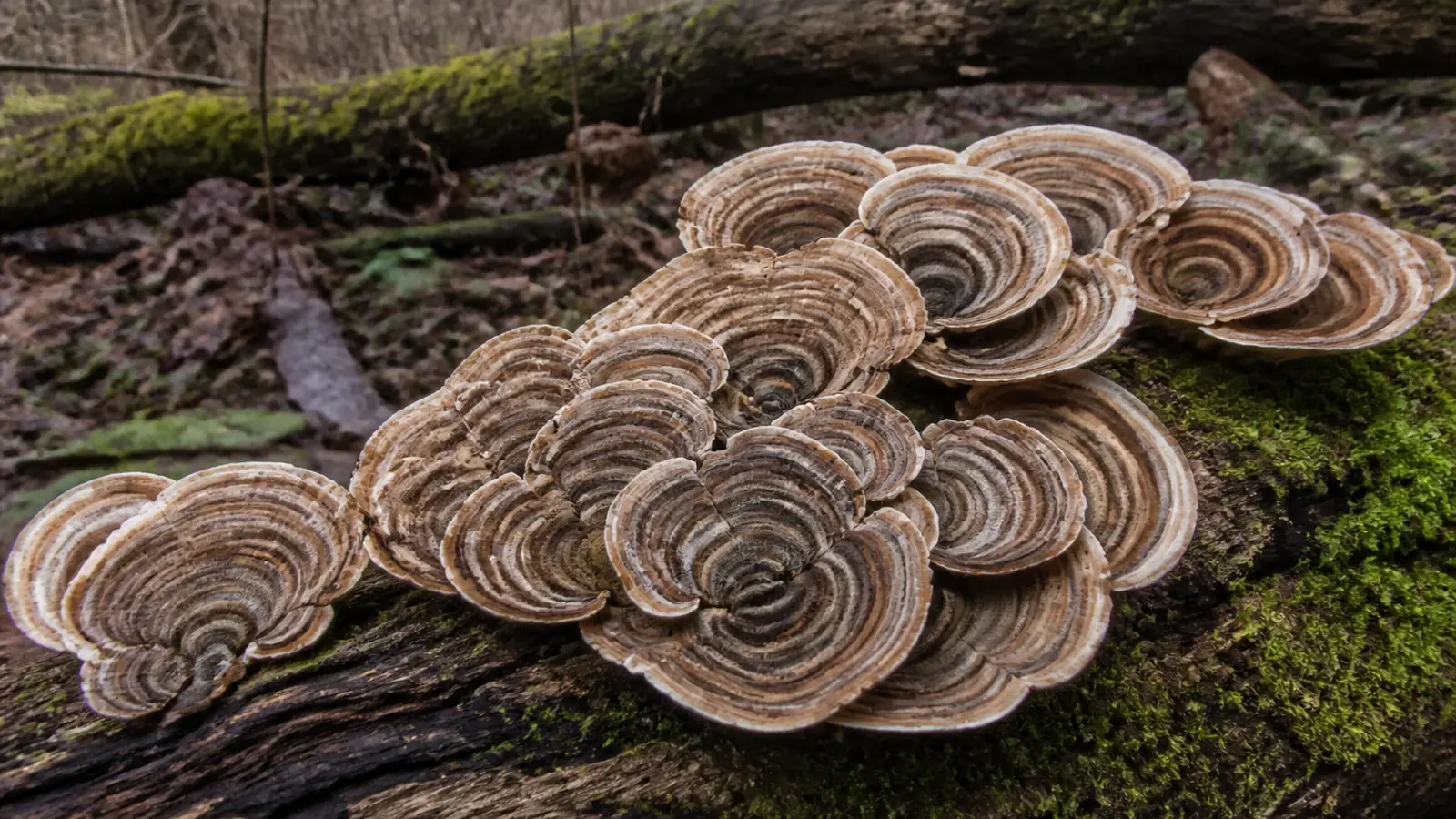
Turkey tail has a clinical monograph that names no specific drug interactions at all. What it does record is a set of adverse effects: dark colored stools that do not come from occult blood, darkening of the fingernails, and low-grade blood and gastrointestinal toxicities when it is used alongside chemotherapy.
Those last effects may come from the chemotherapy rather than the mushroom, and the source says so.
Turkey tail also carries a plain pregnancy caution. Until safety data exist, pregnant or breastfeeding women are advised to avoid it.
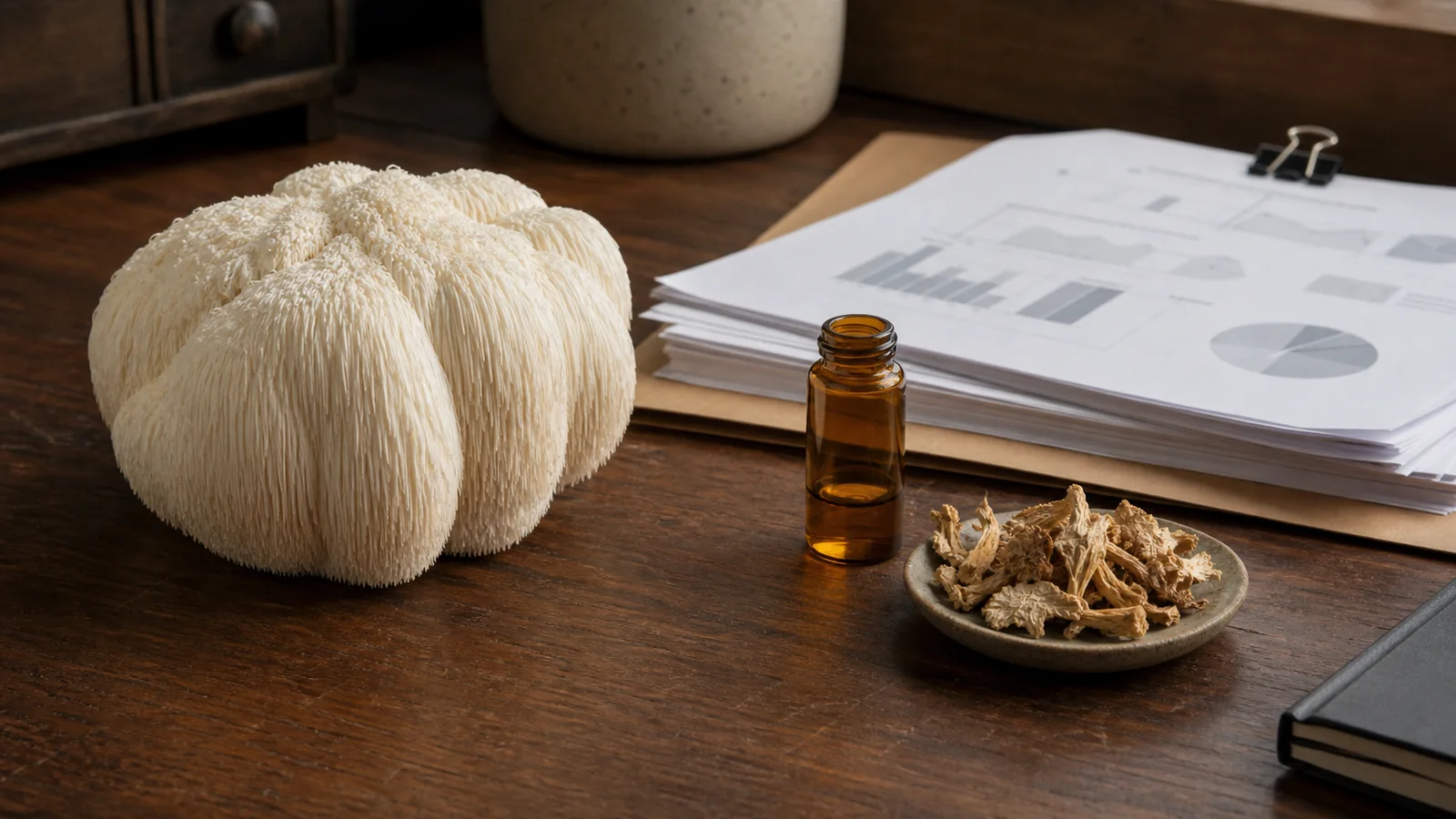
Lion's mane is the harder case, because it is enormously popular and has no monograph of that standard at all.
Search for it and you will find confident claims that it interacts with warfarin, clopidogrel, aspirin, metformin and insulin. Those claims are plausible on mechanism, since a compound that affects platelets or blood sugar would be expected to add to a drug doing the same thing.
Plausible is not documented, though, and almost all of those pages are selling something.
The right way to hold that is simple. Treat a mushroom with no interaction data as unstudied rather than as cleared, and raise it with a pharmacist exactly as you would raise reishi.
Absence of evidence gets misread constantly in this category. A supplement that nobody has tested against warfarin produces no reports of problems with warfarin, and a retailer can describe that as a clean safety record without saying anything false.
Medicinal MushroomsMushrooms for Brain Health, Ranked by EvidenceWhat is actually in the jar
Product identity and labeling create another source of uncertainty.
Many over-the-counter mushroom products are not standardized, which makes potency difficult to compare between brands.
That matters for interactions specifically. A pharmacist checking your list can only reason about the dose you tell them, and two jars carrying the same species name can deliver very different amounts of the active compound.
Form changes the answer as much as brand does. A concentrated extract standardized for one compound is a different input from a spoonful of dried powdered fruiting body, even when the label on both says the same species.
Some products are grown on grain and sold as mushroom, so a meaningful share of the powder is substrate rather than fungus, which makes any dose figure you quote less reliable.

The practical consequence is that you should bring the container rather than the name. What is written on it is the only specific information anyone can work from.
The thing that should worry you most about researching this
There is a detail in the source material that says more than any single interaction does.
Memorial Sloan Kettering's chaga page carries two summaries, one written for patients and one for clinicians.
The patient section states there are no reports of side effects from using chaga, while the clinical section documents the three kidney failures above.
Both are on the same page, from the same institution. If the most reputable summary available can send those two messages at once, a supplement retailer's product page is not going to close the gap for you.

That is the argument for asking a pharmacist rather than reading more. A pharmacist has your full medication list, they can check interactions against it directly, and the conversation costs nothing.
Bring the actual product to that pharmacist, because dose, form and species all change the answer and an extract standardized for one compound is not the same input as a spoon of powdered fruiting body.
Say when you started and how much you take. Two of the three chaga cases turned on the amount and the duration rather than on the fact of taking it at all.
Mention it before any surgery or dental work. That is where the bleeding risk becomes concrete, and it is the point where a supplement nobody knew about causes a problem nobody expected.
If you have already started taking one
Most people reading this are not deciding whether to begin, they already take something and are wondering whether it matters.
Do not stop a prescription over anything on this page. The interaction risk here runs through the supplement, and the supplement is the part that can safely be paused while you ask.
Tell the prescriber rather than the internet. A pharmacist can check your actual list in a couple of minutes, and it is the cheapest safety step available to you.

There are also changes worth noticing while you wait for that conversation.
Unusual bruising, a nosebleed that will not settle, bleeding gums, or blood appearing where it should not be are the signs that match the bleeding mechanism described above. They deserve a call rather than a wait, particularly if you take an anticoagulant.
Shakiness, sweating, confusion or unusual hunger are the pattern that matches blood sugar dropping too far. Anyone on insulin or an oral diabetes drug should treat that as a reason to check a reading and then to call.
Reduced urine output, swelling, or persistent unexplained fatigue in a regular chaga user is the pattern that matched the kidney cases, and it is not a wait-and-see situation.

None of that means a supplement caused the symptom. It means the symptom belongs in the conversation with the person who has your notes.
Surgery and dental work deserve their own mention because the timing is fixed. Raise any mushroom supplement well before the appointment rather than on the day, and let the clinician decide how far in advance to stop it.
Warning
This page is not medical advice, it cannot account for your prescriptions or your conditions, and it is not a basis for starting, stopping or changing any medication. If you take anticoagulants, immunosuppressants, diabetes medication or cancer treatment, talk to your prescriber or pharmacist before taking any medicinal mushroom product.