Digestive upset is the effect people actually report, and it is usually mild. The one documented organ injury belongs to chaga at high daily intake over months, and the liver worry is weaker than its search ranking suggests.
Someone starts a mushroom supplement, feels queasy by the end of the first week, and searches for what it might be doing. The results say liver failure.
Compare reported adverse effects with the evidence behind each product claim.
The honest summary is that digestive upset is common and mild, one species carries a documented organ injury with a dose attached, and the liver claim is far weaker than its prominence suggests. A good share of what gets blamed on the mushroom belongs to the jar it came in.
What side effects actually get reported?
Stomach trouble, and it is not close.
Nausea, loose stools, cramping, and a general heaviness after a dose account for most of what turns up in trial reports and product complaints. It usually starts in the first days of a new product and often settles or disappears when the dose drops.
- Most common
- Digestive upset, usually mild and often dose-related
- Far less common
- Skin rash, headache, dry mouth, dizziness
- Documented organ injury
- Kidney, from chaga, at high daily intake over months
- Frequently misattributed
- Liver injury, where case reports rarely exclude other causes
- Usual pattern
- Months of daily concentrated extract, not a single dose
The exposure matters more than most warnings admit.
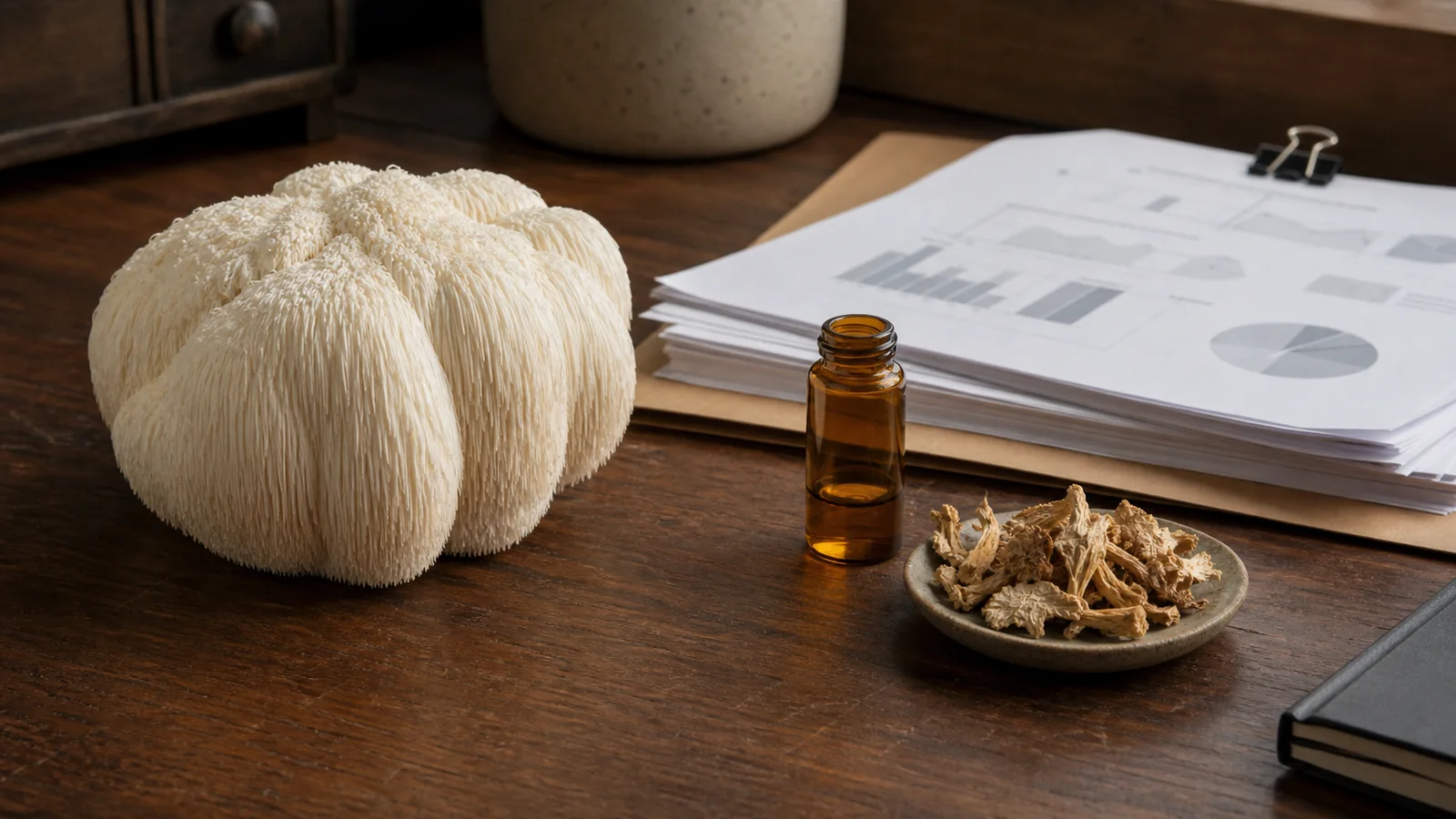
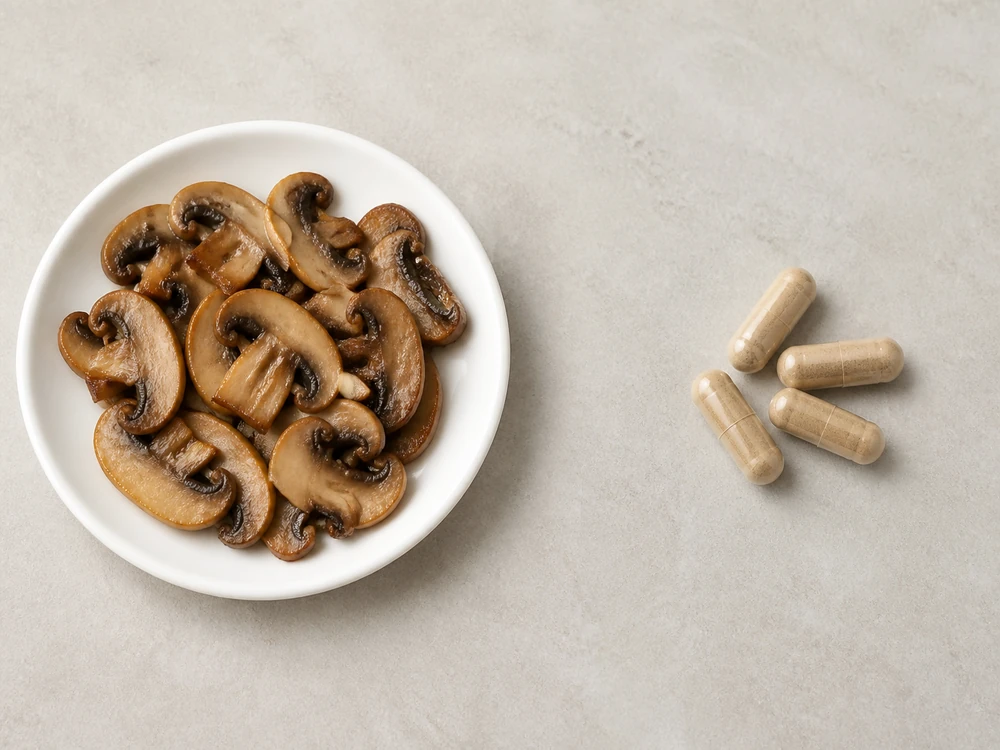
A portion of cooked lion's mane on a plate and a daily capsule of concentrated extract are not the same thing, even when the label names the same species. Nearly every reported adverse effect involves the concentrate taken daily, not the mushroom eaten as food.
Duration matters in the same way.
The cases that reach the literature are rarely someone who took a supplement twice. They are people who took it every day for months, which is exactly how these products are marketed to be used.
There is a difference between a side effect and a first-week adjustment, and it shows up in the shape of the timeline.
An adjustment settles as the days pass, usually within a week or two, and often responds to halving the dose or taking it with food. A side effect that is worth acting on either persists at the same intensity or gets worse while the dose stays the same.
That distinction is worth applying before you change anything else.
Someone who feels queasy on day three and fine on day ten did not necessarily find their answer, because the product may simply have been the wrong thing to take on an empty stomach.
Medicinal MushroomsLion's Mane Benefits: What Human Trials Actually FoundWhich mushroom is linked to which problem?
Grouping every species under one heading is what makes side-effect lists useless, because the reported problems are not shared.
| Species | What is reported | How often |
|---|---|---|
| Reishi | Digestive upset, dry mouth, rare liver case reports with weak attribution | Common mild, rare serious |
| Lion's mane | Digestive upset, occasional skin reaction | Uncommon |
| Chaga | Oxalate load, with published kidney injury at high long-term intake | Rare but documented |
| Turkey tail | Digestive upset, darkening of the fingernails in trial reports | Common mild |
| Cordyceps | Digestive upset, immune-activity caution rather than a reported harm | Uncommon |
Turkey tail is the one that surprises people, because nail darkening sounds alarming and is not. It shows up as dark bands or a general dulling rather than damage to the nail itself.
It appeared in cancer trials where patients took the extract alongside treatment, and it reverses when the extract stops. Naming it here is worth more than leaving someone to find it in a forum.
There is also a cause that has nothing to do with the species at all.
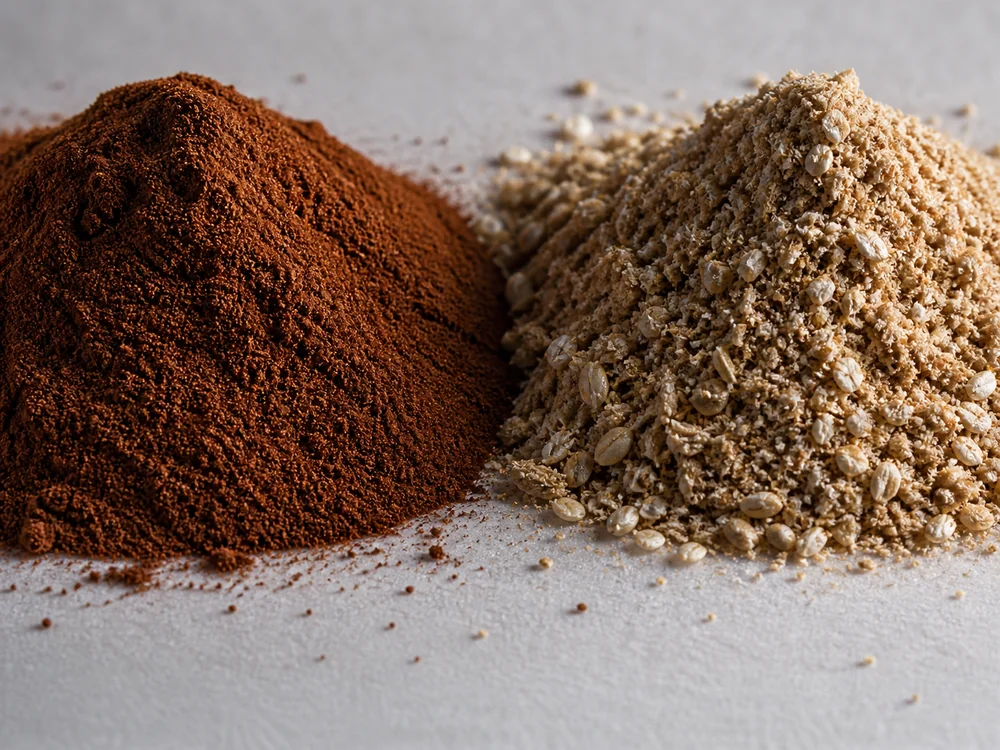
Many products labeled with a species name are mycelium grown on grain, and the grain is harvested with it. What ends up in the capsule is part mushroom and part starch, and the starch is a plausible reason a product upsets a stomach when the same species in another form does not.
The word uncommon in that table is doing more work than it should, and it is worth being honest about why.
There is no surveillance system that counts supplement side effects the way one counts drug reactions. Frequencies come from clinical trials with small numbers of participants and from voluntary reports, so uncommon means rarely reported rather than rarely occurring.
That same reporting gap cuts the other way, toward the species with nothing listed at all.
Most of the mushrooms sold as supplements have never been through a trial large enough to detect an uncommon effect. An empty side-effect column usually means nobody has looked, and that is a different statement from a clean safety record.
Reishi, lion's mane, turkey tail, and cordyceps are the ones with any human data worth citing. Everything else on a ten-mushroom label is being sold on tradition and laboratory work.
How real is the liver worry?
Weaker than the search results suggest, and the reference most often cited says so directly.
LiverTox, the clinical reference maintained by the National Institutes of Health, describes reishi as well tolerated and not associated with liver enzyme elevations during use. It records rare single instances of acute liver injury, then adds that in most of those reports other diagnoses were not adequately excluded.
That last clause is the part that never survives into a side-effect list. Rare and unproven are different claims, and only one of them belongs in a warning.
Key takeaway
A case report is a description, not a verdict. When a patient took several products and had other possible causes, attributing the injury to one mushroom is a guess rather than a finding.
The reference states the limitation in its own words rather than leaving a reader to infer it.
In most of those reports, other diagnoses were not adequately excluded.
The clause that changes the liver claim
Lion's mane comes out cleaner still on the liver question.
The same reference states it is generally recognized as safe and has not been linked either to enzyme elevations or to clinically apparent liver injury. Pages that group both species under a shared liver warning are not reflecting what the reference says.
None of that makes liver injury impossible.
It makes it rare, poorly attributed, and a worse use of a reader's attention than the effects that are actually documented. If you want a reason to watch your liver, a multi-ingredient blend with an unlisted amount of each component is a better one than the species on the front label.
What a clinician would actually do is simpler than the searches suggest.
A liver panel measures enzymes that rise when liver cells are damaged, and it is a routine blood test rather than an investigation. If the result is normal in someone with vague symptoms, that closes the question more cleanly than any amount of reading.
The reason supplement liver cases stay unresolved is that the usual confirmation step is unavailable.
With a medication, a clinician can sometimes stop it, watch the enzymes fall, and know. With a supplement taken alongside four others from an unlabeled blend, there is nothing specific to stop and nothing specific to restart, so the case stays a description.
Medicinal MushroomsWhich Reishi Benefits Hold Up in Human Studies?Chaga carries the one documented organ injury
This is the exception, and it comes with numbers.
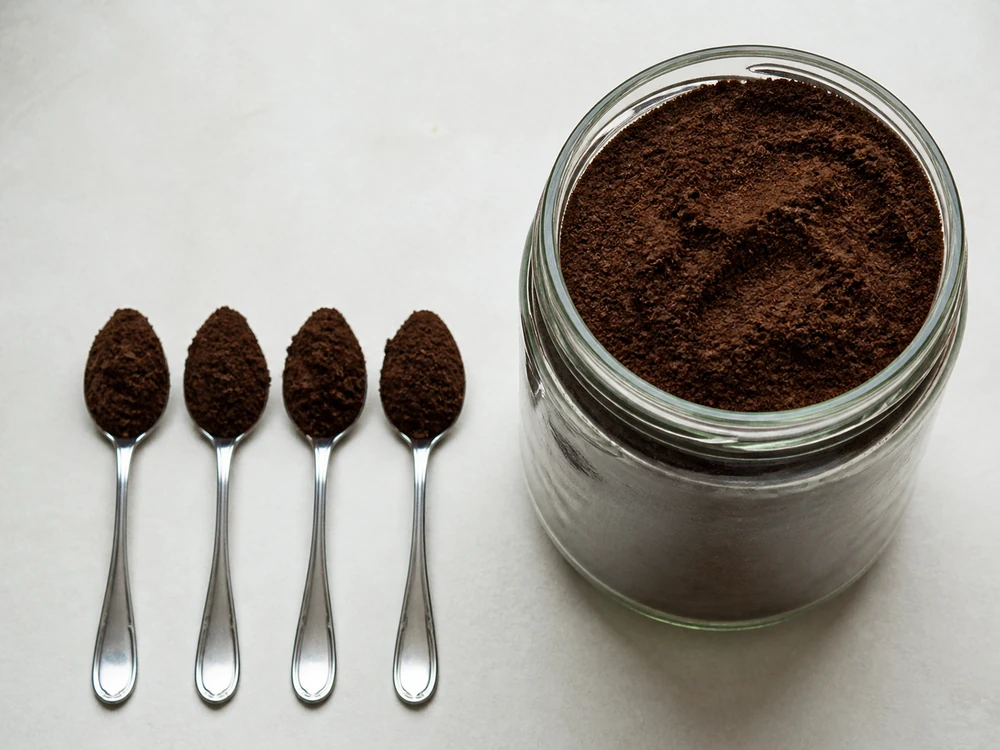
Chaga is high in oxalate, and published cases describe severe kidney injury in people taking it regularly. The mechanism is oxalate accumulating and depositing in the kidney, which is why the risk tracks total intake over time rather than any single serving.
Those figures describe powder and strong tea rather than the occasional cup most people picture.

The daily amounts behind those cases are the part worth sitting with.
Four to five teaspoons a day for six months is not an unusual way to use a powder sold as a daily wellness drink. It is close to how the product is marketed, which is what separates this risk from a warning about misuse.
Existing kidney disease warrants particular caution.
Anyone with reduced kidney function, a history of kidney stones, or a reason to limit dietary oxalate should treat chaga as a question for their clinician rather than a wellness choice.
Oxalate is not exotic, which is part of why the risk is easy to miss.
It occurs in spinach, rhubarb, beets, nuts, and tea, and most people handle a normal dietary load without difficulty. What makes chaga different is concentration, because a daily spoonful of powder delivers far more than a portion of any of those foods.
Brewing chaga does not remove the oxalate either.
A strong chaga tea extracts oxalate along with everything else, so switching from capsules to a daily brewed cup changes the taste rather than the exposure.
Medicinal MushroomsMushrooms for Brain Health, Ranked by EvidenceIs it the mushroom or the jar?
Before blaming a species, it is worth checking whether the product is the variable.
Supplements are not approved before they go on sale, and nothing verifies in advance that a label matches the contents. That leaves several ways for a reaction to come from something other than the fungus named on the front.
- Mycelium grown on grain, sold under a species name, where much of the powder is substrate
- Blends of five or ten mushrooms, where no single amount is listed
- Water extraction, alcohol extraction, or raw powder, which pull different compounds
- Added ingredients such as caffeine or adaptogens in a product framed as a mushroom supplement
- Contamination, which is the reason heavy metals appear in supplement testing at all
Extraction is the one people underestimate.
Reishi is woody and largely indigestible raw, so what makes it into a usable product depends entirely on how it was extracted. A hot-water extract and an alcohol tincture of the same mushroom deliver different compound profiles, and a raw powder may deliver very little of either.

That gives you a test that costs one product cycle.
Stop the current jar, wait a week, then try a single-species fruiting-body product from a company that publishes its extraction method. If the reaction does not return, the species was never the problem.
A third-party seal on the replacement product helps with part of this and not all of it.
Programs such as USP and NSF verify that a product contains what the label says and meets contaminant limits, which addresses adulteration and heavy metals. They do not evaluate whether the species does anything, and they do not standardize extraction across brands.
So a verified product can still be the wrong preparation for you.
The seal tells you the jar contains what it claims. It does not tell you that a hot-water reishi extract and an alcohol tincture will sit the same way with your stomach.
When a symptom means stop now
Many reported effects are mild and resolve after the supplement is stopped. A short list does not.
Warning
Yellowing of the skin or eyes, dark urine, pain under the right ribs, or unexplained severe fatigue means stop the supplement and contact a clinician the same day. Those are liver signs, and they are not something to monitor at home.
Reduced urine output, swelling, or persistent flank pain belong in that same stop-now category for anyone taking a chaga supplement.
The threshold is lower than it would be for a medication, because the tradeoff is different. Stopping a supplement with a thin benefit case costs almost nothing, and waiting to see whether an organ symptom resolves can cost a great deal.
Bring the product itself to the appointment.
- The label, showing species, plant part, extraction method, and amount per dose
- How long you have been taking it and at what daily amount
- Every other supplement and medication, including ones you consider minor
- Whether the product is a blend, and if so, what else is in it

A clinician cannot work from a species name alone. The plant part and the extraction are what change the exposure.
Reishi in a capsule, reishi in a tea, and reishi in a ten-mushroom blend are different exposures, and the label is the only thing that distinguishes them.
Stopping outright is usually the right move rather than tapering, which is not what most people expect.
Tapering exists for drugs the body has adapted to, and these products do not produce that kind of dependence. There is no withdrawal to manage, so the cleanest diagnostic step is to stop completely and see what changes.
Keep the jar rather than discarding it.
If a clinician needs to know what was in it, or if a reaction turns out to be worth reporting, the product itself carries information no recollection will.
How long the effects take to fade depends on which one you are waiting on.
Digestive upset usually settles within a few days of the last dose, because nothing is accumulating. A skin reaction can take a week or two to clear the way any rash does.
Organ effects are the exception and they do not follow that pattern.
Kidney injury from oxalate reflects damage that has already happened, so stopping prevents further harm rather than reversing what is there. That asymmetry is the argument for acting early rather than watching.
Which existing conditions change the answer
For most people the calculation is simple, because the effects are mild and the supplement is optional. Several conditions change that.
Autoimmune conditions are where the marketing and the medicine point in opposite directions.
A product sold for immune support is being sold for the property that makes it a question when the immune system is already the thing being treated. That is not a reason for alarm, and it is a reason to raise it rather than decide alone.
Pregnancy and breastfeeding require separate advice because the evidence about supplement safety is limited.
The same is true of prescription medication. A supplement that pushes in the same direction as a drug is an interaction question, and interaction questions have their own logic that does not reduce to a side-effect list.
Surgery deserves its own sentence because the timing is specific.
Several of these products affect platelet activity, and surgical teams commonly ask patients to stop supplements that influence bleeding one to two weeks before a planned procedure. Mentioning a mushroom capsule at the pre-operative appointment is worth more than deciding on your own whether it counts.
Underneath all of these cases sits one asymmetry that makes the decision easier than it looks.
The benefit evidence for these products is thin enough that stopping costs you very little, while the conditions above are exactly the ones where an unknown is expensive. When both sides of a decision are uncertain, the cheaper mistake is to stop and ask.
Sources & References
- LiverTox, Lingzhi and Reishi, NCBI Bookshelf Records reishi as well tolerated and not associated with enzyme elevations, with rare single instances of acute liver injury where other diagnoses were not adequately excluded.
- LiverTox, Lion's Mane, NCBI Bookshelf Records lion's mane as generally recognized as safe with no link to enzyme elevations or clinically apparent liver injury.
- Memorial Sloan Kettering, Chaga Clinical summary covering the oxalate content and the kidney caution.
- Memorial Sloan Kettering, Coriolus versicolor Trial-derived adverse effects for turkey tail, including digestive effects and nail darkening.
- Memorial Sloan Kettering, Cordyceps Clinical summary covering the immune-activity caution relevant to autoimmune disease.
- FDA, Questions and Answers on Dietary Supplements Explains that supplements are not approved before sale and label contents are not verified in advance.