
Mycorrhizal Mushrooms
Mycorrhizal mushrooms live in a quiet trade with trees. They swap water and minerals for sugar, and that partnership is why so many of them resist the farm and reward the forager.
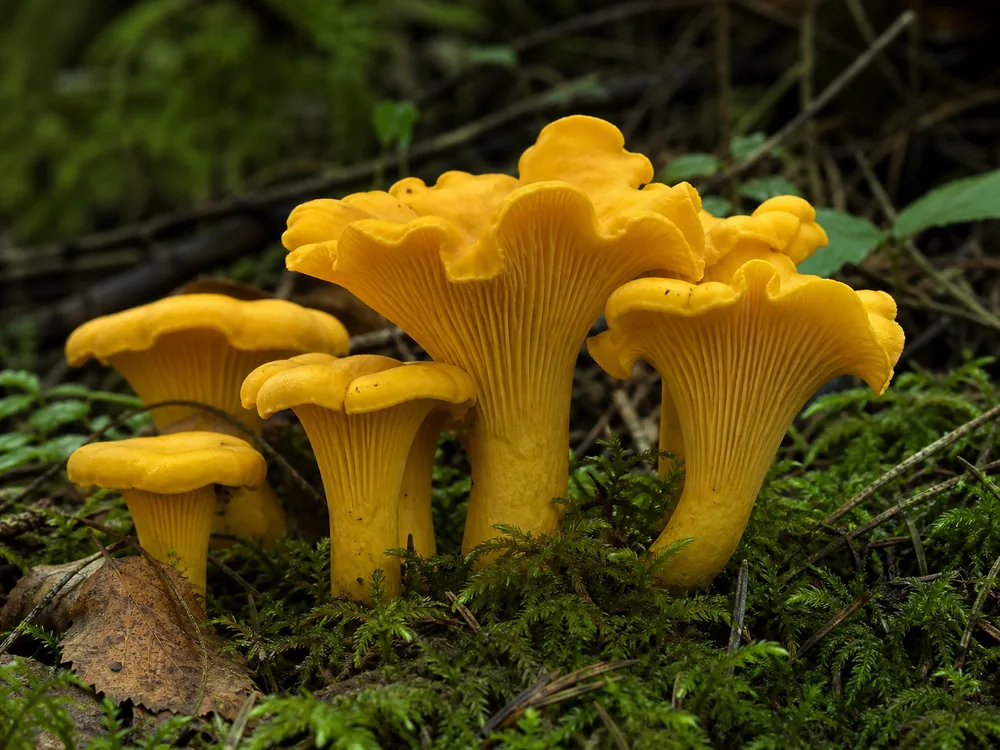
Chanterelle
Cantharellus cibariusA chanterelle is worth learning because its best edible traits are also its safety checks. Look for blunt…
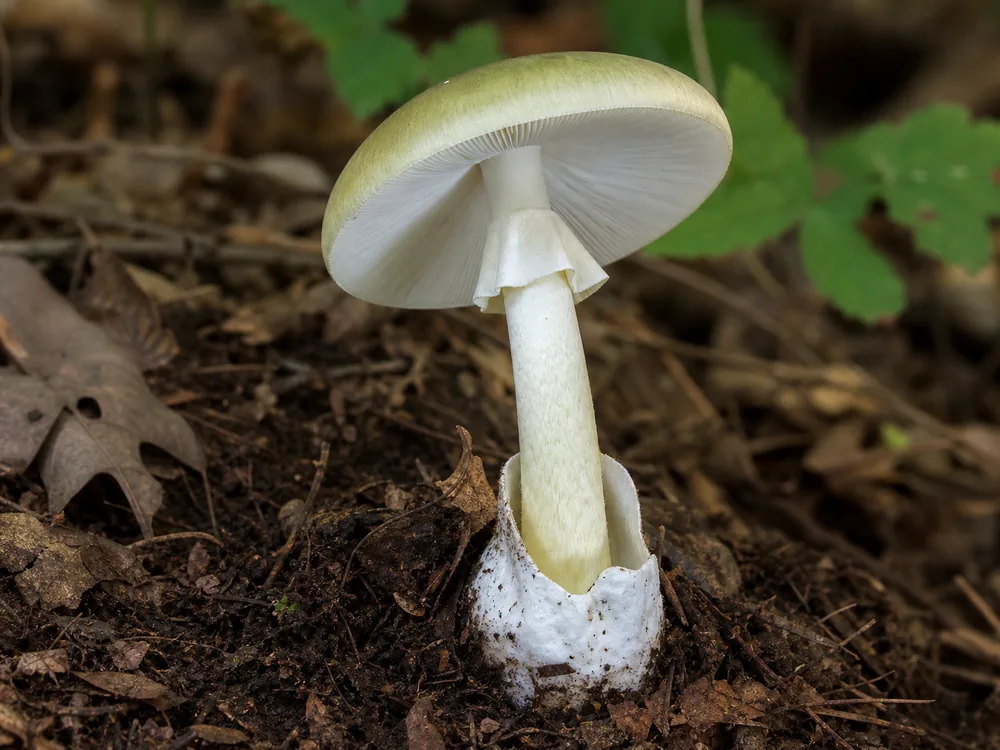
Death Cap
Amanita phalloidesThe death cap is the mushroom you identify to avoid. If a white-gilled Amanita has a ring on the stem and a…
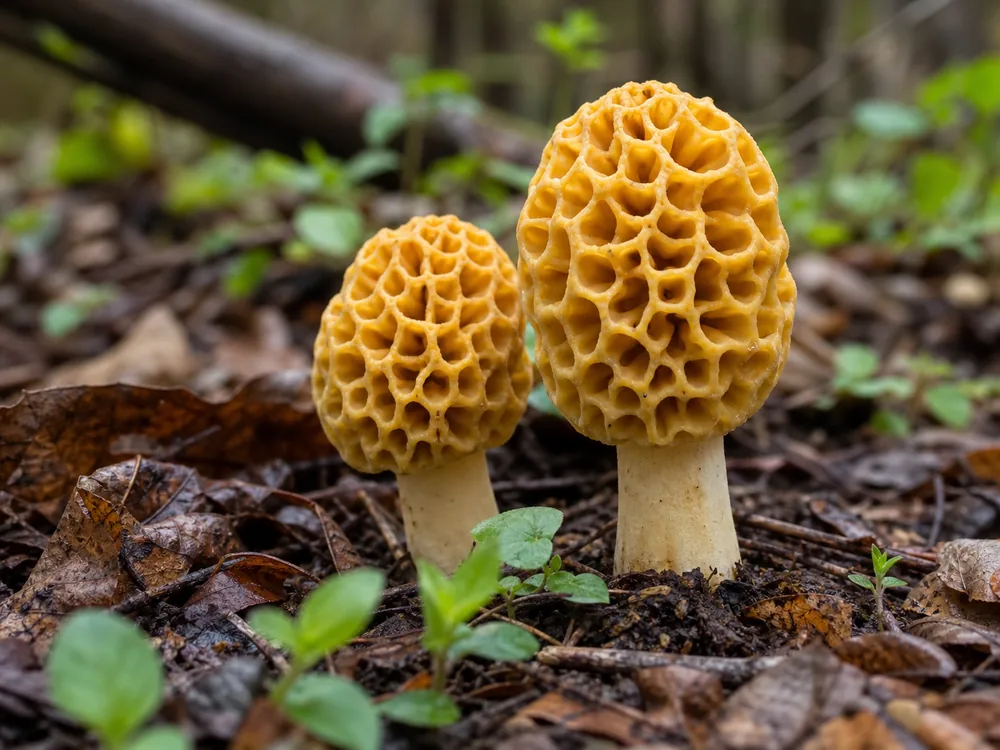
Morel
Morchella esculentaA morel is a spring edible with a strict safety routine. The lengthwise hollow test comes before cleaning…
A partnership with living roots
These fungi wrap around or into tree roots and exchange nutrients with the tree. Neither side grows as well alone.
Because the mushroom needs a living host, most mycorrhizal species cannot be cultivated on straw or sawdust like oysters can.
Why foragers care
Many of the great wild edibles are mycorrhizal, including chanterelles and porcini. They return to the same trees year after year, so a good patch is worth remembering.
The catch
Warning
Some of the deadliest mushrooms, the Amanitas, are also mycorrhizal and grow in the same woods. A tree partner is no guarantee of a safe mushroom.