
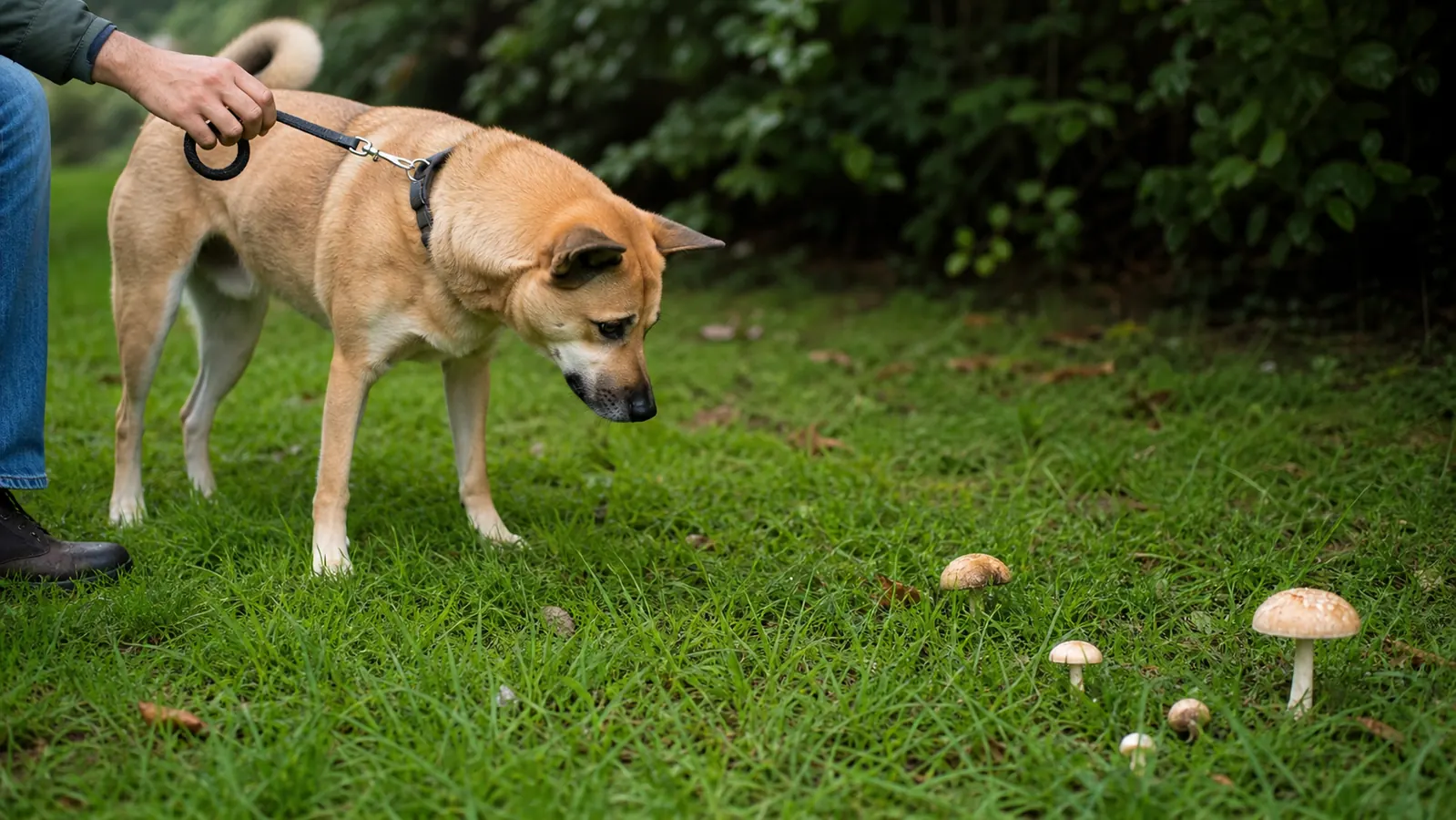
Dogs beg for whatever we are eating, and mushrooms often land on that list. The safe answer depends entirely on which mushroom it is and how it was served.
Can dogs eat mushrooms?
Some mushrooms are safe for dogs while others can kill them. Plain cultivated mushrooms from a store are generally safe in small amounts after cooking.
A wild mushroom is a hard no because neither a dog nor an untrained observer can reliably separate the harmless species from the deadly ones.
Keep cultivated food and outdoor mushrooms in separate categories. A plain cooked grocery mushroom can be an occasional treat.
The outdoor mushroom rule keeps every yard, park, or woodland specimen off limits, while expert identification after an exposure supports treatment rather than feeding permission.
The rules below keep the two worlds apart so a good treat never turns into a trip to the vet.
| Source | Decision |
|---|---|
| Cultivated grocery mushroom | Plain cooked taste |
| Yard, park, or woodland | Emergency call |
Offer plain cooked button, cremini, or portobello in small amounts.
Cook every mushroom fully before you share it, because raw ones are hard to digest.
Serve them unseasoned, straight from the pan before you add any flavor.
Start with one small piece and watch your dog for a full day.
Never let a dog eat a mushroom found in the yard, a park, or the woods.
Never share mushrooms cooked with onion, garlic, butter, or salt.
Never assume a wild mushroom is safe because your dog sniffed it and wanted it.
Never wait and see after a dog swallows a wild mushroom.
Store-bought mushrooms and dogs
Cooked, plain grocery mushrooms can be shared in small pieces, including white button, cremini, and portobello, which are the same cultivated species at different ages. Cultivated shiitake and oyster mushrooms also belong to this kitchen category.
A dog-sized shiitake portion is a feeding question, while an unknown yard mushroom is an exposure emergency.
With store-bought mushrooms, onion and garlic are the larger risk because both are toxic to dogs and often enter the pan before serving. Butter and excess salt can also upset a dog's stomach.
Remove one plain cultivated mushroom piece before onion, garlic, butter, salt, or other seasoning enters the human dish, so the dog receives no risky cooking residue.
Raw mushrooms are chewy and difficult for a dog to digest, while steaming or dry-cooking softens the piece. Keep it small and count it as a snack rather than part of the meal.
Skip canned mushrooms because brine adds salt and flavored products may contain garlic or onion. A fresh mushroom cooked at home gives you control over every ingredient.
Set aside the dog's portion before seasoning, then cook it in a dry pan or with only a trace of plain oil.
Why wild mushrooms are an emergency
Warning
Treat any wild mushroom your dog eats as a possible poisoning. Do not wait for symptoms, because the most dangerous mushrooms cause no signs for hours while the toxin is already at work.
Why can a poisoned dog look normal at first?
Some deadly mushrooms contain toxins that damage the liver or kidneys before obvious illness appears, so a dog that acts normal after swallowing an unknown cap has not been cleared. The symptom delay is the reason the call happens at exposure time rather than after the dog becomes sick.
Fast vomiting, diarrhea, drooling, wobbling, tremors, unusual sleepiness, or seizures also need immediate veterinary attention. The mushroom poisoning symptom patterns help you describe what changed, while the first-aid sequence keeps the specimen, timing, and exposure details together.
Reviewing the broader poisonous mushroom groups can explain the risk, but online reading should never delay the veterinary call.
Dogs explore with their mouths and can swallow an ordinary-looking toxic mushroom during the seconds when a person looks away. The lack of a dramatic color or odor does not lower the risk.
But most wild mushrooms a dog encounters are not lethal, and appearance alone cannot separate that majority from the dangerous few. A dog has even less ability to make the distinction.
That uncertainty includes a single death cap, which can kill a dog even though the species looks plain and fruits in ordinary parks and gardens along daily walking routes.
Check the yard as carefully as the trail because fresh caps can appear overnight after rain. Removing each fruiting body before the dog goes outside removes an immediate temptation, even though more may emerge later.
Puppies and young dogs face extra risk because they mouth unfamiliar objects before responding to a leave-it cue. Damp weather increases the opportunity by producing new caps after a previously clear walk.
Scan the ground before unclipping the lead so the dog never reaches the cluster first.
SafetyFirst Aid for Mushroom Poisoning Starts With One CallHow should you clear mushrooms from a yard?
Walk the areas your dog can reach after rain and again the next morning, checking fence lines, mulch, tree roots, and shaded grass where caps are easy to miss.
Wear gloves, lift the visible mushroom and loose pieces, and place them in a closed waste bag that the dog cannot reopen. Photograph the cap, underside, stem, and base before disposal if repeated fruiting may need local identification, then wash your hands and any tool used during removal.
Picking the cap removes the immediate bite hazard but does not remove the underground fungus, so new mushrooms may return while moisture remains high.
Keep the dog on a lead during each inspection and practice a leave-it cue away from real mushrooms. Training adds time to intervene, but the physical yard check remains necessary because even a well-trained dog can reach a new cap before responding.
What to do if your dog eats a wild mushroom
Move fast and treat it as an emergency. The most harmful mushrooms give a false calm, where the dog seems fine for hours before serious illness sets in, so an early call can save its life.
Call a veterinarian or animal poison service immediately and describe what happened, when it happened, and how the dog currently acts. If it is safe to do so, place a mushroom fragment or vomited material in a sealed container.
This saved sample can help an identifier narrow the species and can change the treatment decision.
Record the exposure time and estimated amount because a nibble and a whole cap create different dose questions. Check every dog that shared the yard or trail, then keep them away from the site while making the call.
Do not induce vomiting unless a professional gives that instruction because the wrong method can make an emergency harder to manage. When the mushroom is unknown, treat it as unsafe and let the veterinarian decide what happens next.
Which mushrooms are most toxic to dogs
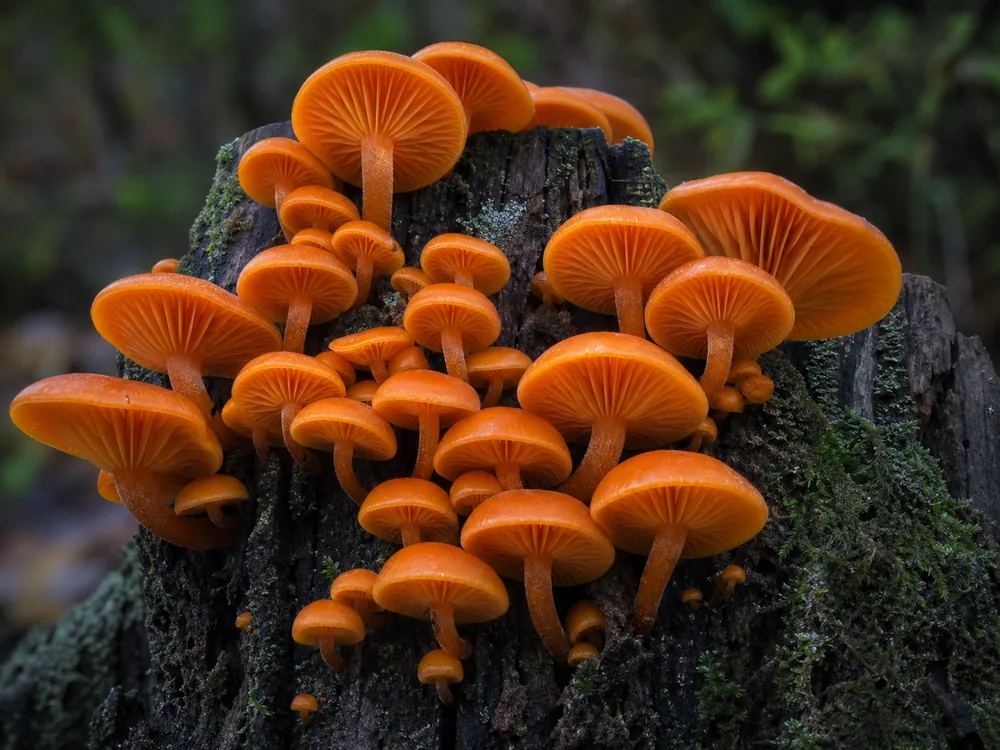
A small group of wild mushrooms causes the most serious dog poisonings, led by the death cap and its delayed liver damage. The jack o'lantern causes severe vomiting and cramps and often grows in orange clusters near the stumps and roots dogs investigate.
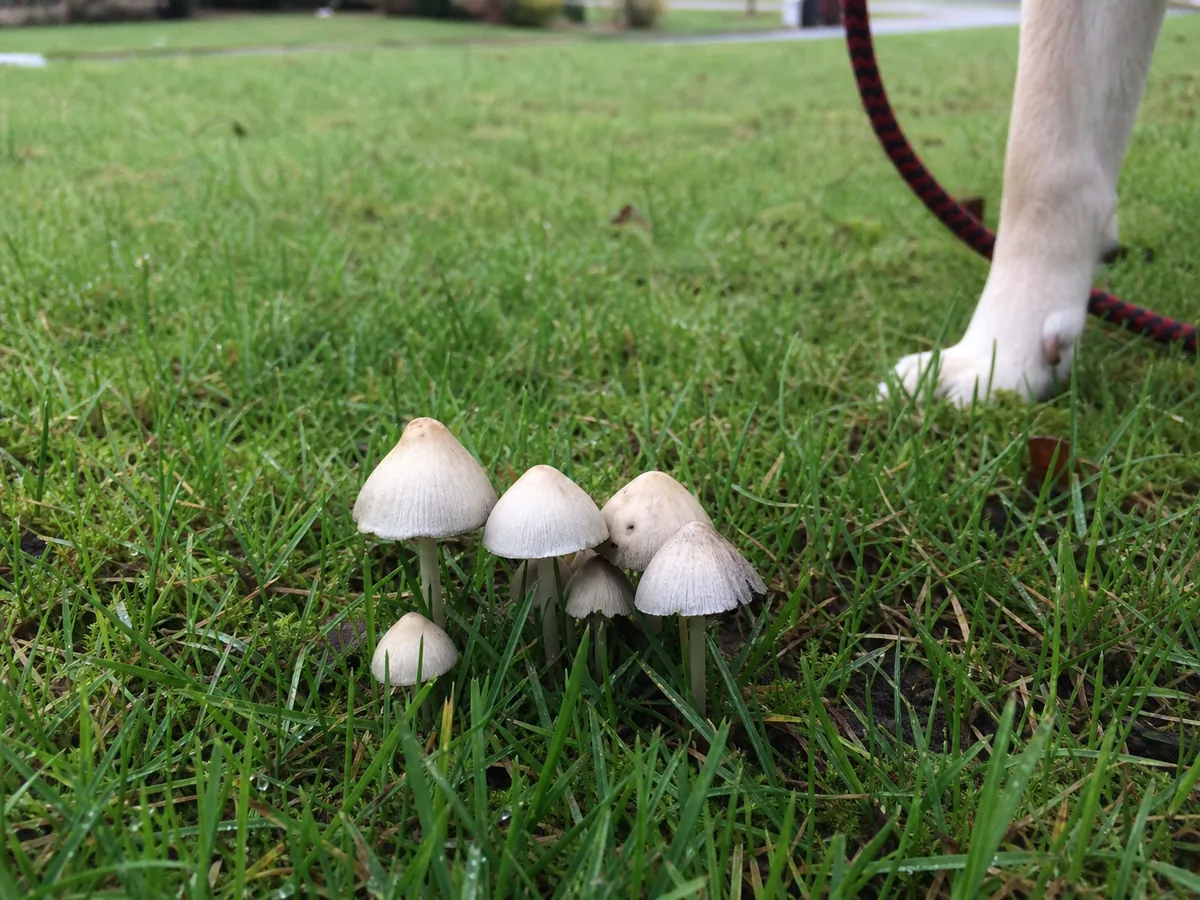
Because dangerous lookalike pairs can fool careful foragers, a dog cannot make the structural comparison and prevention must happen before a sniff becomes a bite.
Small brown lawn mushrooms prompt many calls because they are easy to miss and difficult to identify, not because every specimen is deadly. Some species carry the same liver-damaging toxin as death caps.
Keep the dog away whenever the mushroom identity remains uncertain, regardless of how ordinary the cap appears.
Plain cooked store-bought mushrooms can be an occasional small treat. Every wild mushroom remains off the menu, and swallowing one calls for immediate professional advice rather than waiting for symptoms.