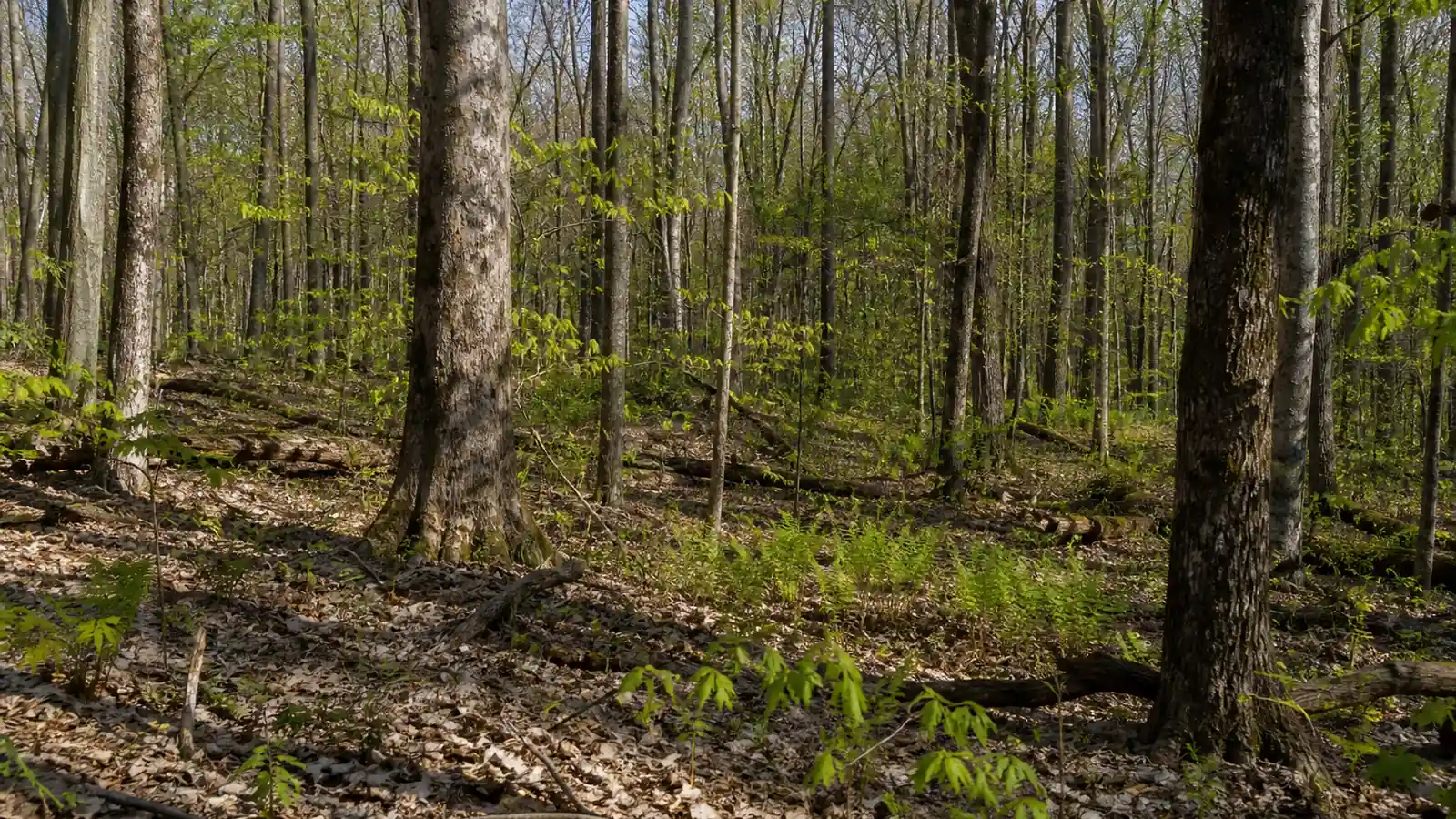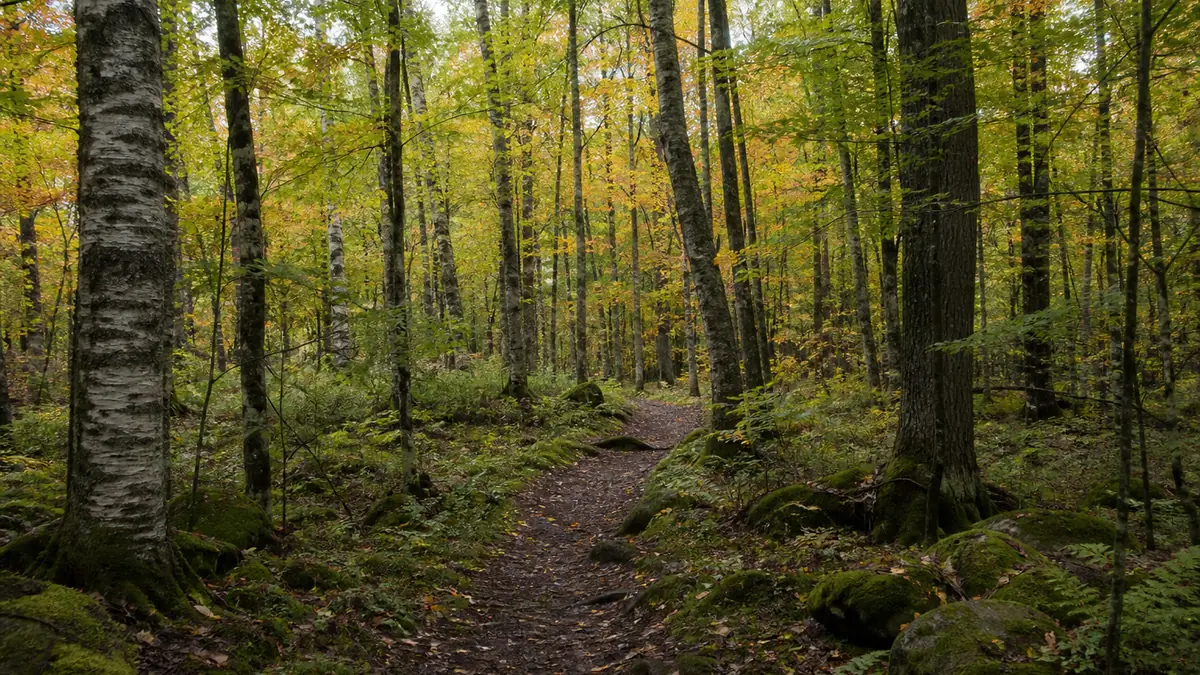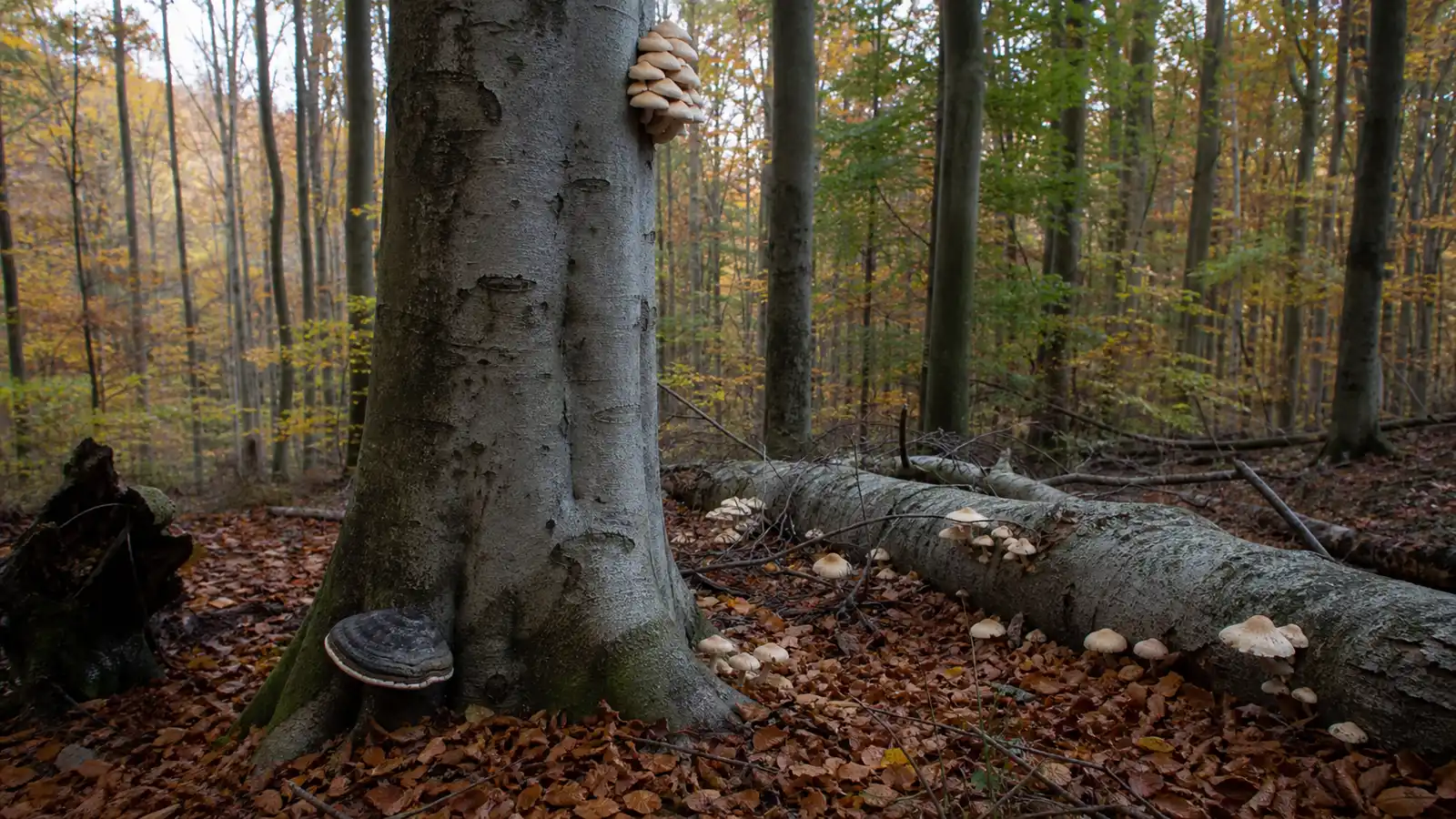
Beech-associated fungi differ by region and growth zone. Porcelain fungus is a strong European beech clue, Hericium and oyster forms use wounds or deadwood, and many boletes, brittlegills, milk caps, and Amanitas partner with roots in soil.
Record the beech species, living or dead state, exact attachment, underside, complete stem base, neighboring trees, and conservation rules. Fruiting on a damaged beech can also require a separate tree-risk assessment.
Beech woods carry different fungal signatures on opposite sides of the Atlantic. First identify the beech species and region, then record whether the fungus grows in soil, on standing wood, or on fallen wood.
A European beech guide can mislead a North American forager when it treats porcelain fungus or beech woodland associates as universal.
Smooth gray bark makes wounds and fruiting bodies easy to see, but it does not reveal how far decay extends. Old beech can support valuable deadwood fungi while also requiring structural care near paths and homes.
Region Changes the Beech Fungi You Should Expect
European beech, American beech, and southern beeches do not share one complete fungal community. Record country or state, elevation, forest type, surrounding trees, and whether the beech is living, declining, standing dead, or fallen.
European beech often dominates shaded woods on one side of the Atlantic, while American beech shares forests with maple, birch, oak, and hemlock. Those neighbors can own soil mushrooms found beneath overlapping crowns.
Smooth bark makes attachment easy to photograph when it remains intact. On old fallen logs, bark loss and softened wood can erase the host characters, so photograph leaves, buds, branching, and the source tree when available.
- Soil under beech
- Root partners can fruit through leaf litter without attaching to the trunk
- Standing trunk or branch
- Wounds, dead limbs, and internal decay create wood habitat above ground
- Root flare
- Basal fruiting can involve high-load roots and deserves whole-tree context
- Fallen log
- Deadwood fungi change as bark loosens and wood softens
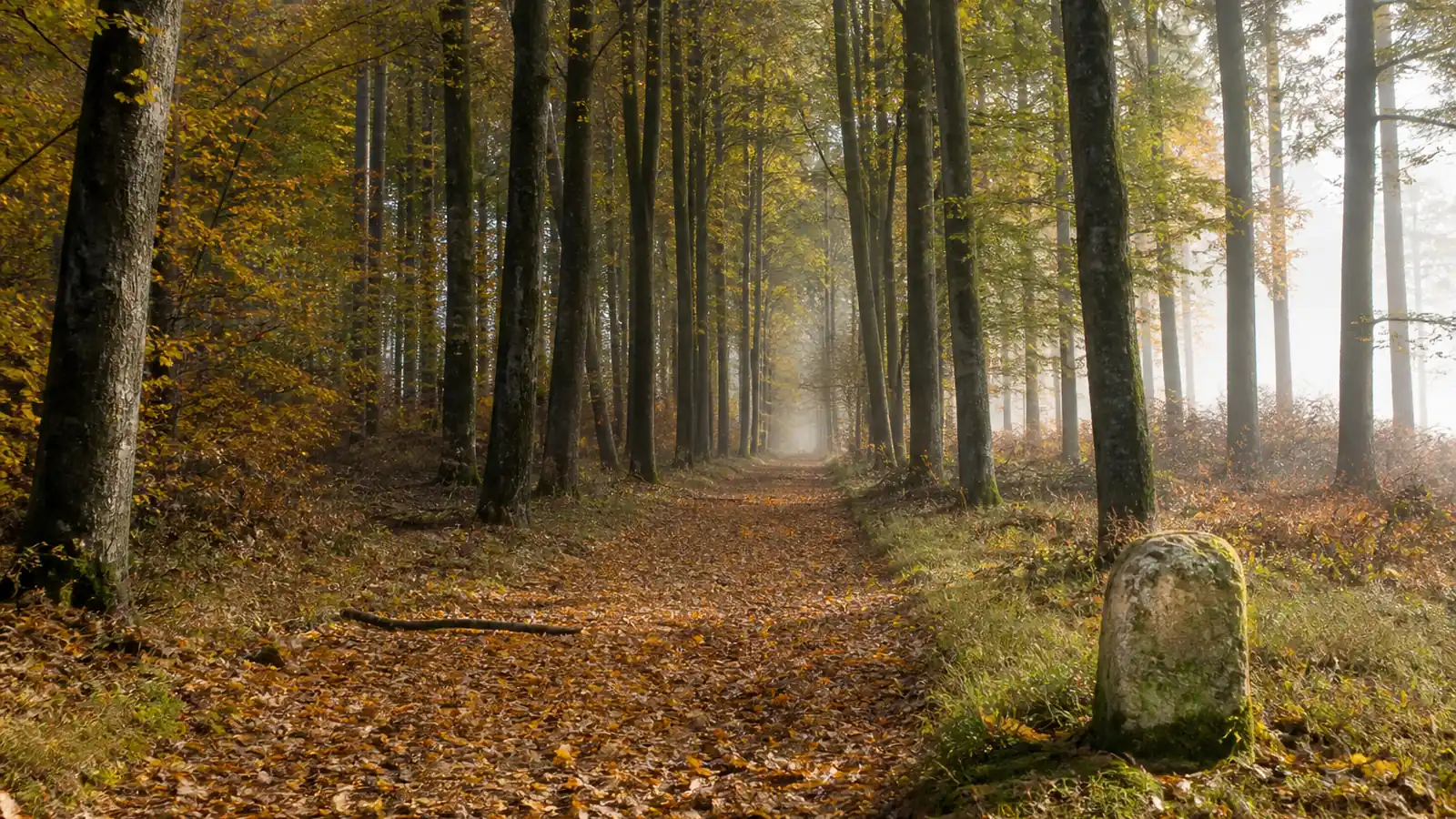
The habitat plate below places those four growth zones into one beech stand.
High trunk fruiting may belong to a dead branch while the main crown remains alive. Basal brackets carry different structural meaning because they can involve roots or the lower stem.
Porcelain Fungus Belongs to European Beech Wood
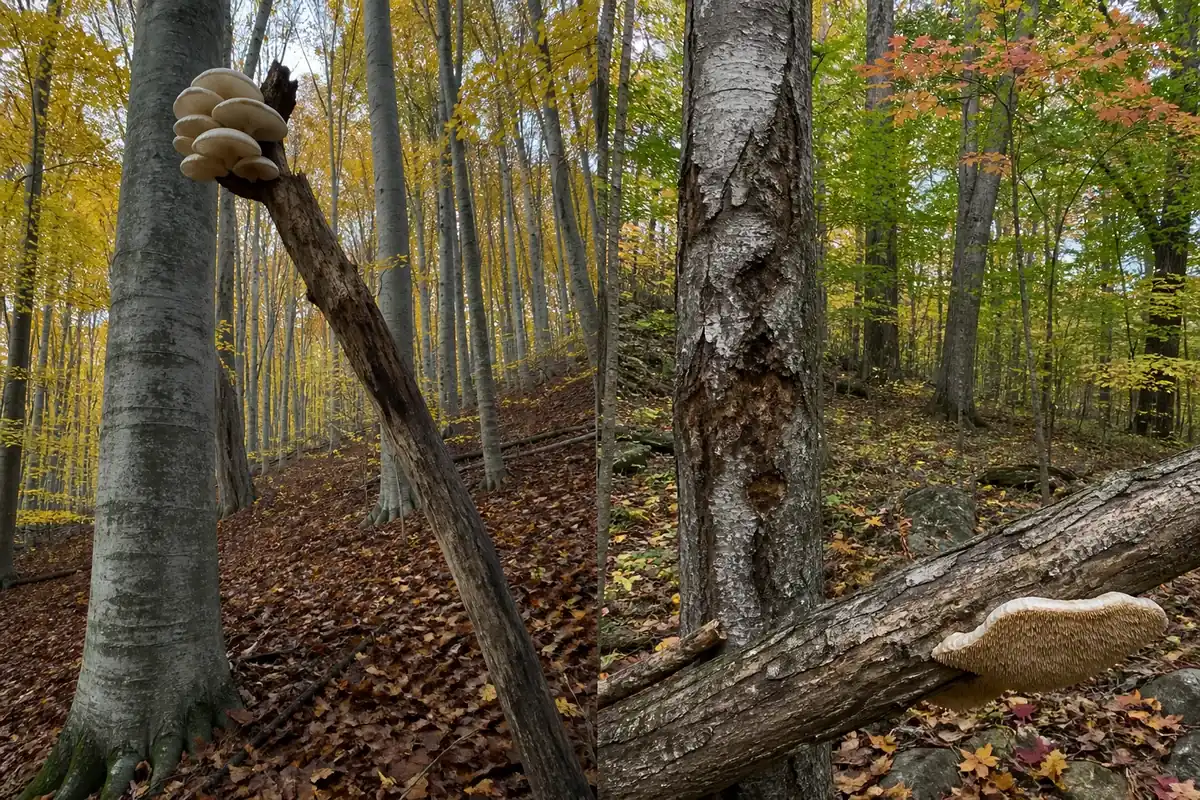
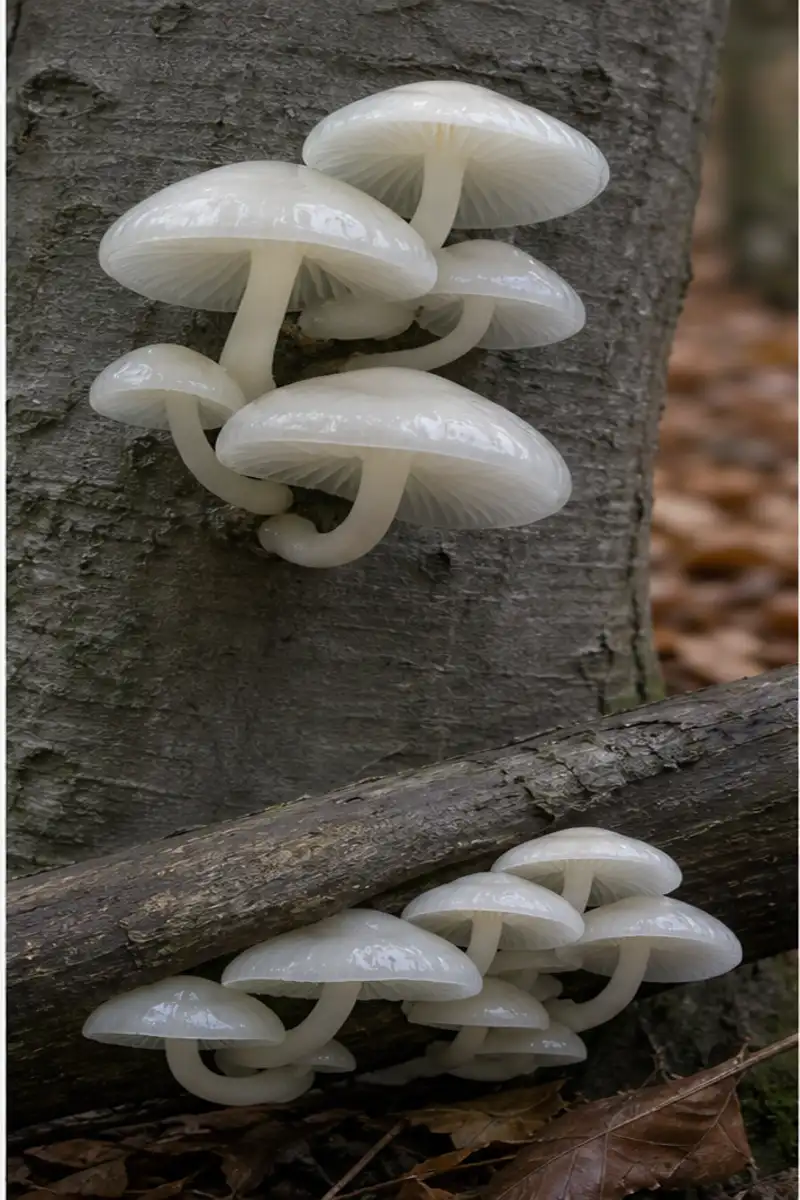
Porcelain fungus, Oudemansiella mucida, forms glossy white to translucent caps on dead beech trunks and fallen branches, sometimes high in a standing tree. Woodland Trust describes it specifically on dead beech wood, and the curved stems keep gills facing down even from the underside of a log.
Fresh caps carry a conspicuous mucous coating that can reflect the canopy like glazed porcelain. Dry weather dulls that surface, and older caps can become less translucent or damaged at the edge.
The white gills are broad and spaced enough to remain visible from below. A slender ringed stem often curves away from the wood, preserving the horizontal cap even when attachment begins on a vertical surface.
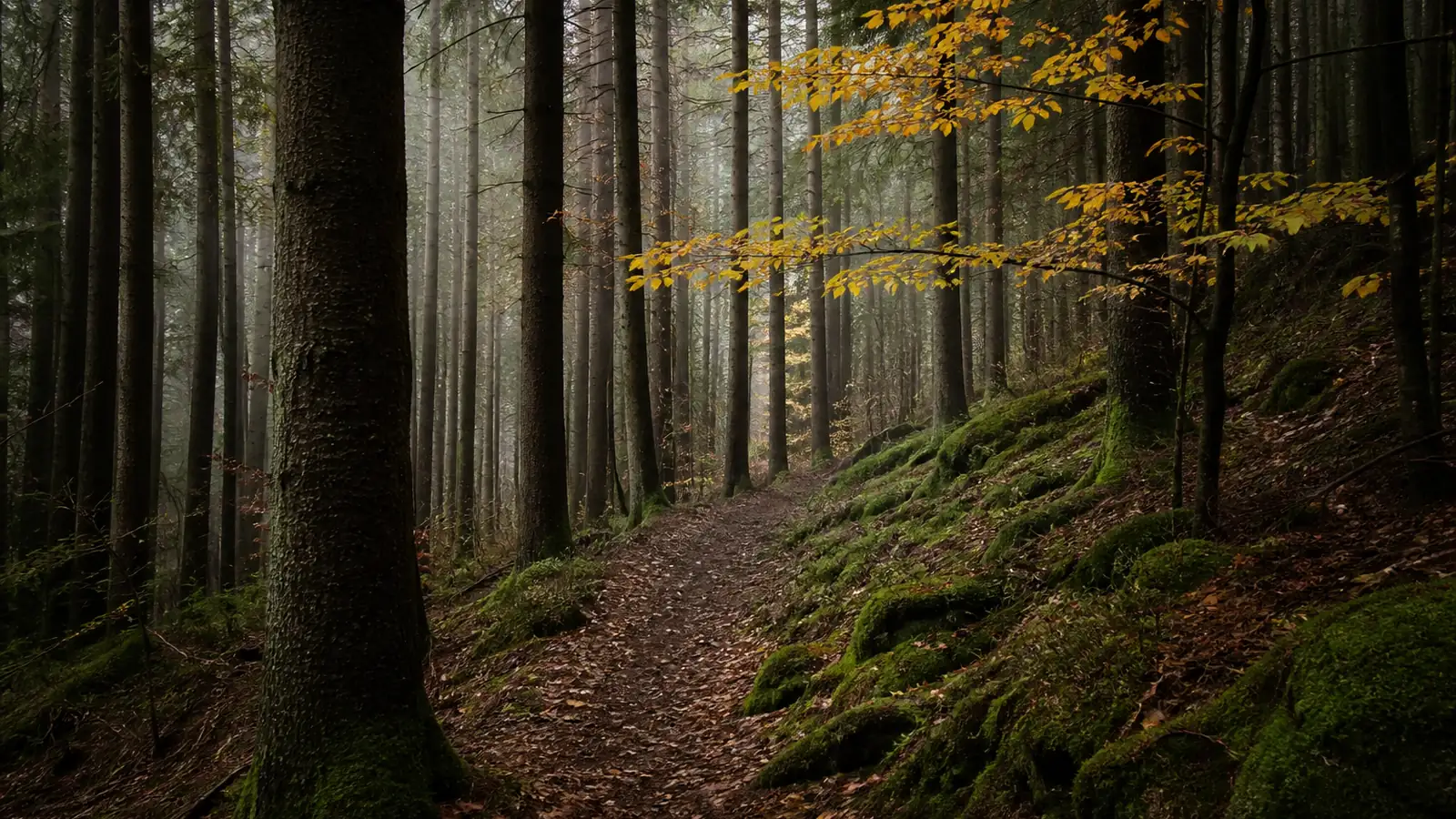
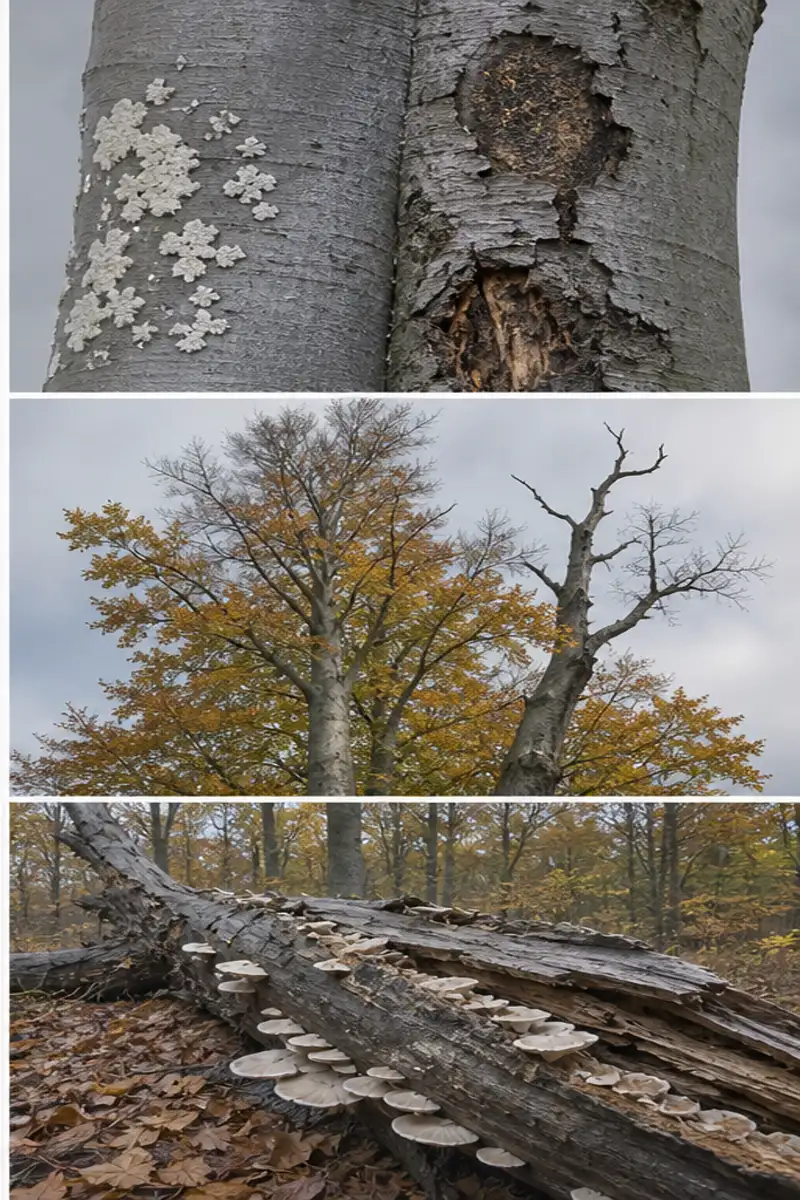
The paired view shows the same downward gill orientation on standing and fallen wood.
The supermarket “beech mushroom†is a cultivated Hypsizygus product and does not mean that every small cluster on wild beech is edible. Common names belong to different contexts and cannot replace a field description.
Cultivated brown and white beech mushrooms form tidy bouquets from controlled substrate. Wild clusters on beech wood may belong to unrelated genera with different safety, ecology, and legal status.
ForagingMushroom foraging laws in Germany: protected species and small quantitiesTeeth, Gills, and Pores Separate Beech Wood Fungi
Lion's mane can fruit from wounds, cavities, trunks, and large branches of old hardwoods, including beech. Its unbranched white mass carries hanging teeth, while related Hericium species form branched structures.
Tooth length, branching pattern, attachment, and age separate Hericium forms more reliably than the shared white color. Old specimens yellow, sag, and lose the clean architecture shown in food photographs.
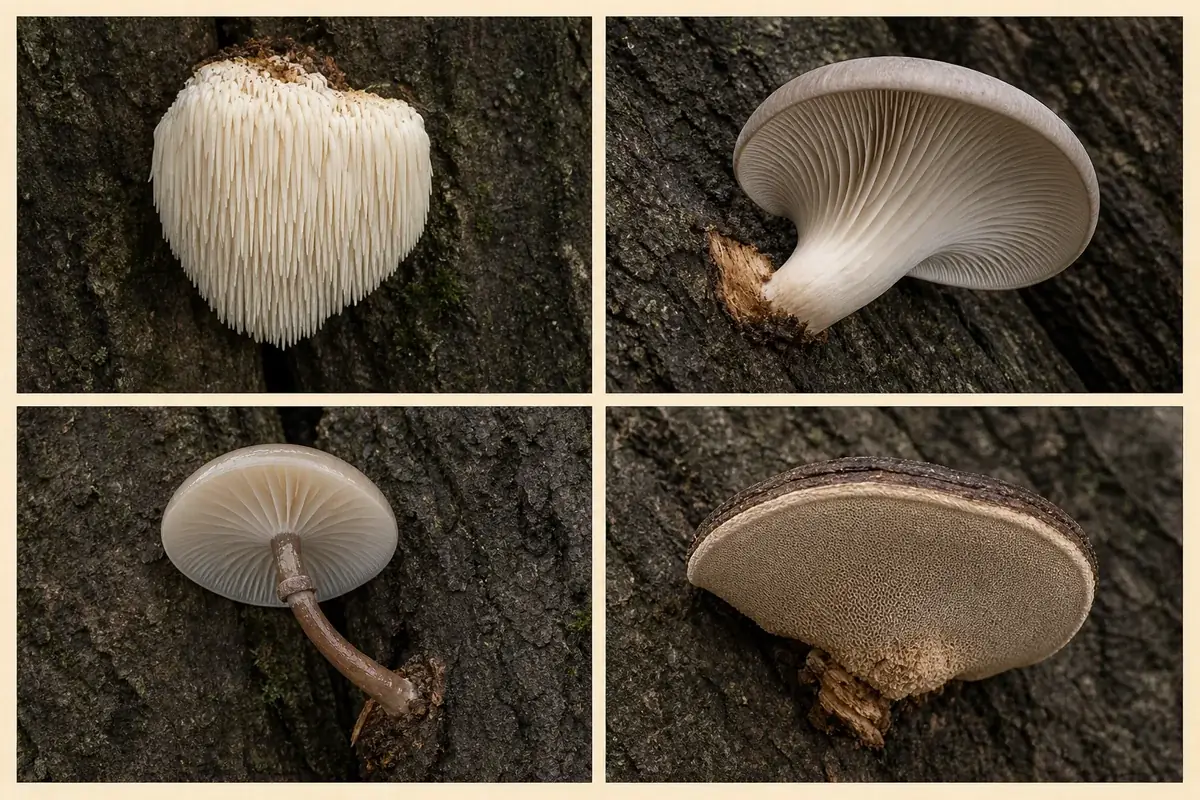
Oyster mushrooms use dead or weakened hardwood and expose true gills beneath fan-shaped caps. Porcelain fungus can also appear as pale clusters, but cap coating, stem, gill arrangement, regional host, and growth position differ.
Viewed from the path, all four forms can look like pale growth on gray bark. The underside changes that broad impression into teeth, true gills, or pores that lead to different identification work.
Some Hericium populations are uncommon or protected, and old beech deadwood can be ecologically valuable. Check regional conservation status and land rules before collecting even when the species is considered edible elsewhere.
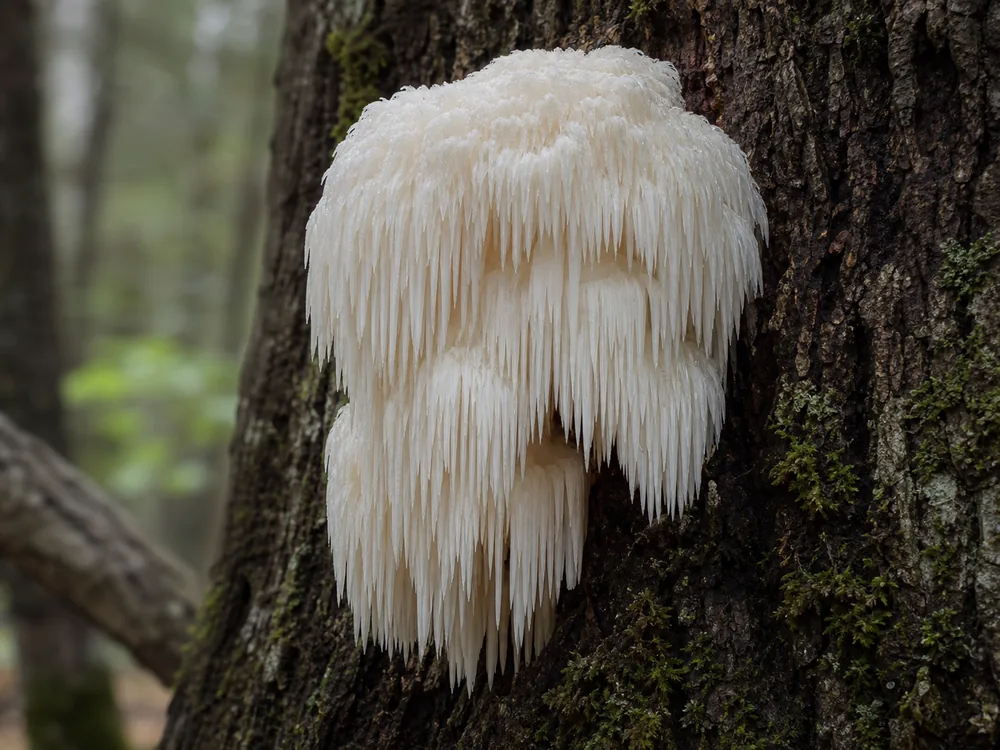 Tooth fungus on wounds and large hardwoodLion's ManeCheck the unbranched mass, hanging teeth, attachment, age, and local conservation status
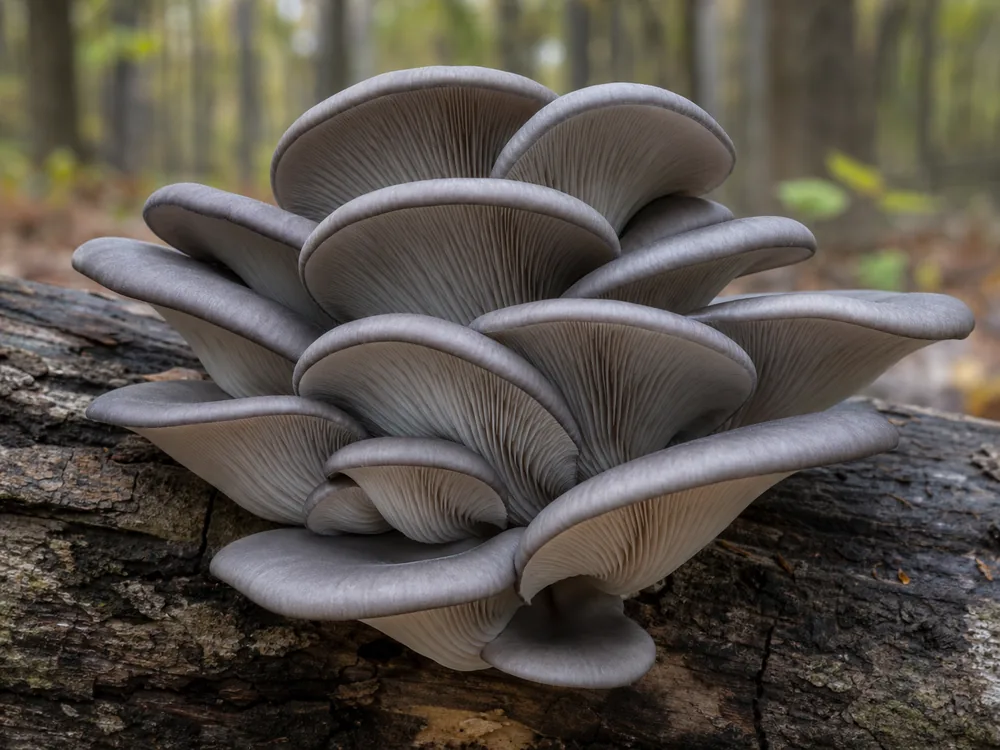 Gilled fans on dead or declining beechOyster MushroomConfirm lateral attachment, gill run, flesh, odor, spore print, and local lookalikes
Large veteran beeches accumulate wounds, cavities, dead limbs, and varied moisture zones over decades. One tree can therefore support several fungi without those species sharing one cause or one conservation status.
ForagingMushroom foraging laws in the UK: what is actually legalDisease, Roots, and Deadwood Tell Different Stories
In North America, beech bark disease follows injury by beech scale insects and infection by Neonectria fungi. The disease can produce cankers, crown decline, snapped stems, and deadwood that later supports decomposer mushrooms.
Scale insects appear as small white woolly or waxy patches on the bark. Neonectria infection kills patches of tissue around feeding injuries, producing cankers that can merge and weaken stems.
Trees may survive with roughened bark and partial crown loss, while others snap or die and create a pulse of standing and fallen deadwood. Later fungal diversity can increase because substrate increased, not because each mushroom caused the original decline.
That sequence does not mean a visible oyster, Hericium, or bracket caused the bark disease. Separate small white waxy scale signs and cankers from later fruiting on dead or weakened wood.
| Evidence | What it supports | What it does not prove |
|---|---|---|
| White woolly scale patches and cankers | Beech bark disease investigation | Identity of every later mushroom |
| Fruiting on a dead branch | Decomposition of that wood | Whole-tree root failure |
| Basal brackets plus crown decline | Root or butt decay concern | Automatic removal without assessment |
| Mushrooms only in leaf litter | Possible root partner or buried substrate | Infection of the trunk |
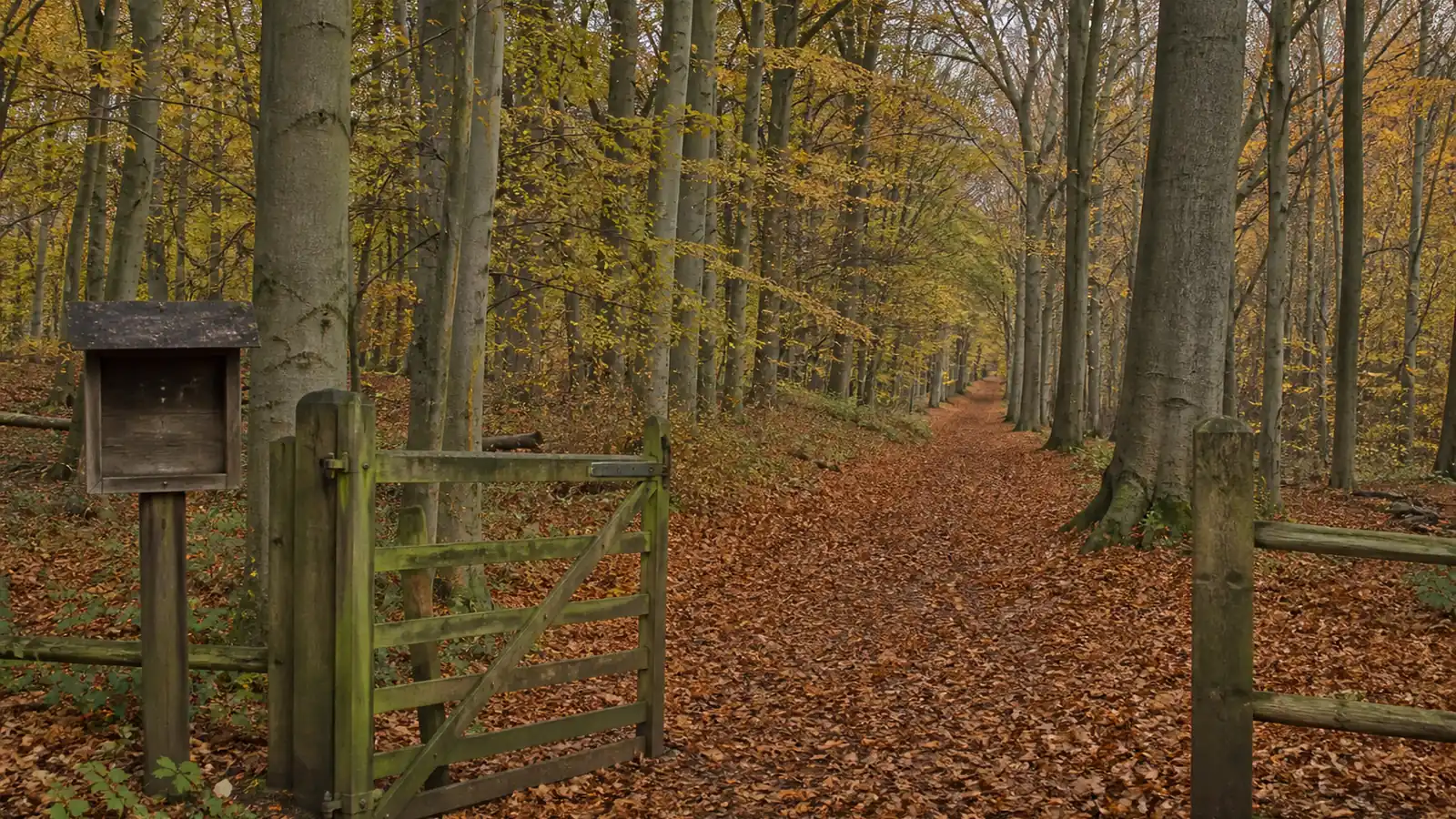
The sequence below keeps the original bark disease separate from fungi that arrive on damaged wood later.
Beech leaf disease, root rots, drought, and mechanical damage can create other decline patterns. Do not apply the bark-disease sequence without scale and canker evidence.
Soil Mushrooms Belong to the Root Community
Beech forms ectomycorrhizal partnerships with many fungi. Boletes, brittlegills, milk caps, Amanitas, and underground truffle-like fungi may associate with roots, but exact partners differ with beech species, soil, climate, and neighboring trees.
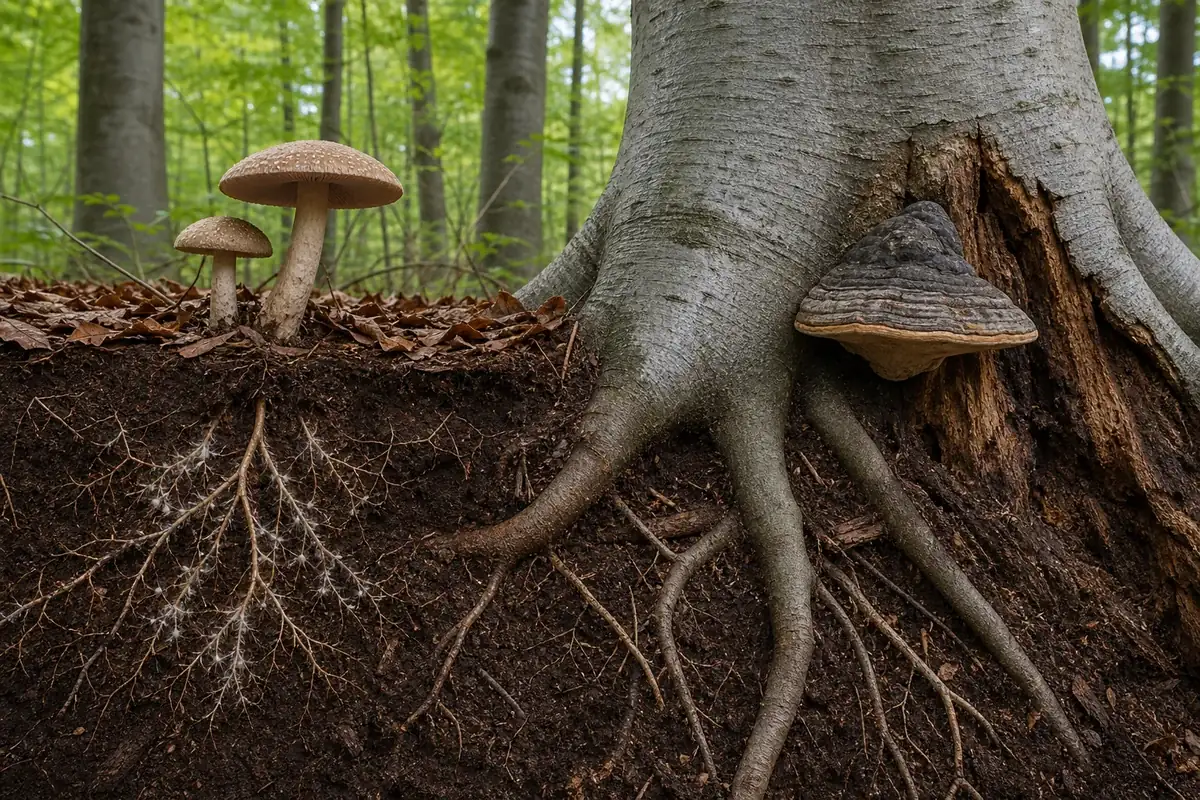
The tree supplies carbon while fungal partners extend access to soil water and nutrients. Fruiting in litter does not by itself indicate that living beech tissue is being consumed.
Boletes contribute pore-bearing caps, milk caps may release latex, and brittlegills break with a brittle texture. These group characters narrow a key but do not replace stem base, odor, staining, spore evidence, and regional species descriptions.
Preserve the complete stem base of every gilled mushroom, especially Amanitas. A missing bulb, volva, or buried tissue can erase characters needed to separate edible-looking species from poisonous ones.
The beechwood sickener in Europe illustrates why host can be specific without implying food safety. It partners with beech roots but has an acrid taste and is not a foraging shortcut.
Amanitas in beech woods require particular caution because deadly and toxic species can share pale, brown, or bright caps with edible-looking mushrooms. Excavate the entire base and avoid eating when a universal veil structure is missing.
Record the Find Without Damaging the Habitat
Warning
A common name is not a food decision | Wild beech wood can carry unrelated pale or clustered fungi, and protected Hericium populations may need to remain untouched even after identification.
Start with the whole stand, then move closer. Smooth bark, high branches, and deep leaf litter make it easy to photograph a cap while omitting the decisive attachment or neighboring host.
Use binoculars or a zoom lens for fruiting high above ground rather than climbing an old beech. Record height and branch condition because a distant cluster may occupy dead wood within a living crown.
For fallen wood, photograph both ends, remaining bark, branch pattern, and connection to a stump. A close cap image cannot recover host identity after the log is separated from its setting.
The evidence and harvest limits are explicit. Preserve regional, host, tree-state, attachment, underside, and scale evidence, then collect only where permission and conservation status allow it.
Keep exact locations private for scarce species and veteran-tree specialists. A public pin can create repeated collection pressure on one old beech or protected reserve.
Safety and Habitat Set the Collection Boundary
Do not eat a wild beech-associated mushroom because its common name contains “beech,†“oyster,†or “lion's mane.†Require a complete regional identification and independent review when any character is missing.
Edibility also does not override condition. Old, insect-filled, waterlogged, or contaminated specimens should remain out of the basket even after a species name is secure.
Standing deadwood and fallen beech logs shelter insects, birds, mosses, and successive fungi. Leave material in place unless land management or tree risk calls for intervention, and seek an arborist when decay affects a beech that can strike occupied space.
Paths and homes change the tree decision without changing fungal identity. A dead trunk in remote woodland may remain habitat, while a comparable trunk over a busy trail needs formal risk management.
Region decides which host clues are plausible, tree state separates ecological roles, and a complete specimen determines whether a species hypothesis survives.
Sources & References
- Woodland Trust Porcelain fungus identification, dead beech substrate, and growth position.
- Woodland Trust Beech ecology, truffle fungi, and Hericium association.
- USDA Forest Service Beech bark disease sequence, symptoms, and tree effects.
- Journal of Ecology Documented fungi on European beech wood, bark, litter, and roots.