
Wood-Decomposer Mushrooms
Wood decomposers are the recyclers of the forest. They grow straight from dead logs and stumps, and they include some of the easiest edibles to learn and to grow.
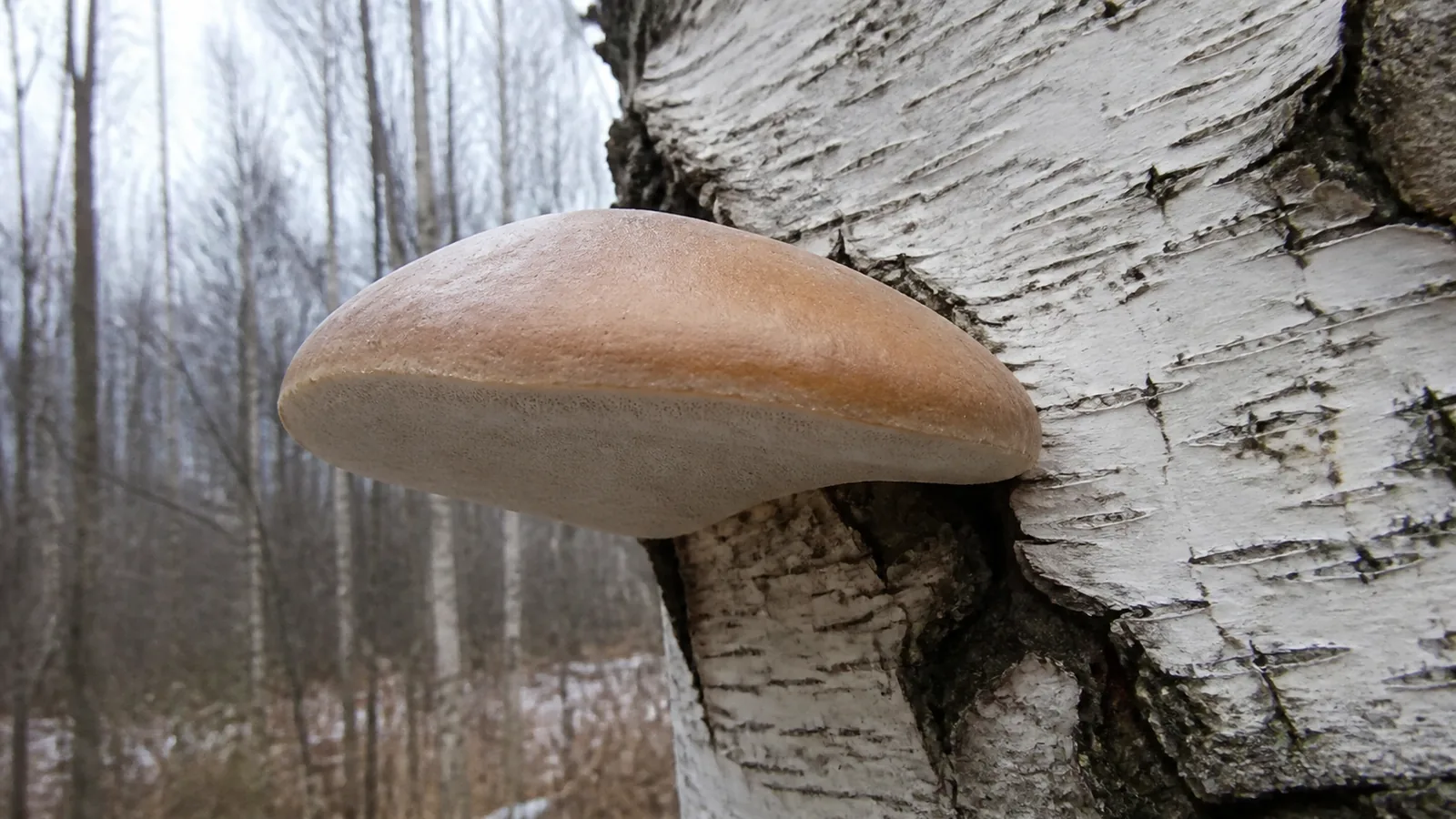
Birch Polypore
Fomitopsis betulinaBirch polypore is a smooth pale bracket found almost exclusively on birch. The birch host and unzoned…
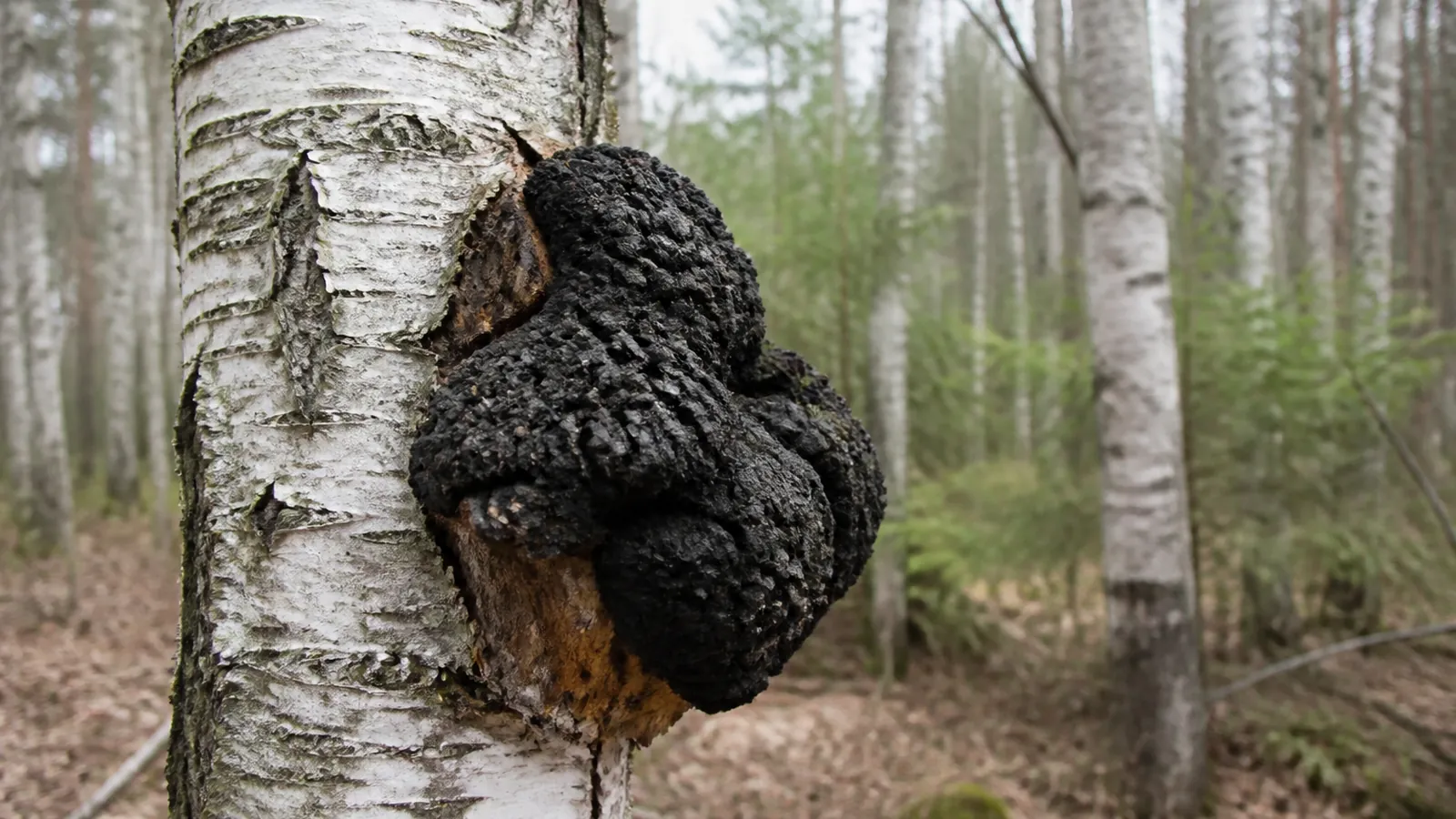
Chaga
Inonotus obliquusChaga is the black cracked mass on a living birch, and it is not a mushroom in the way most people mean. It…
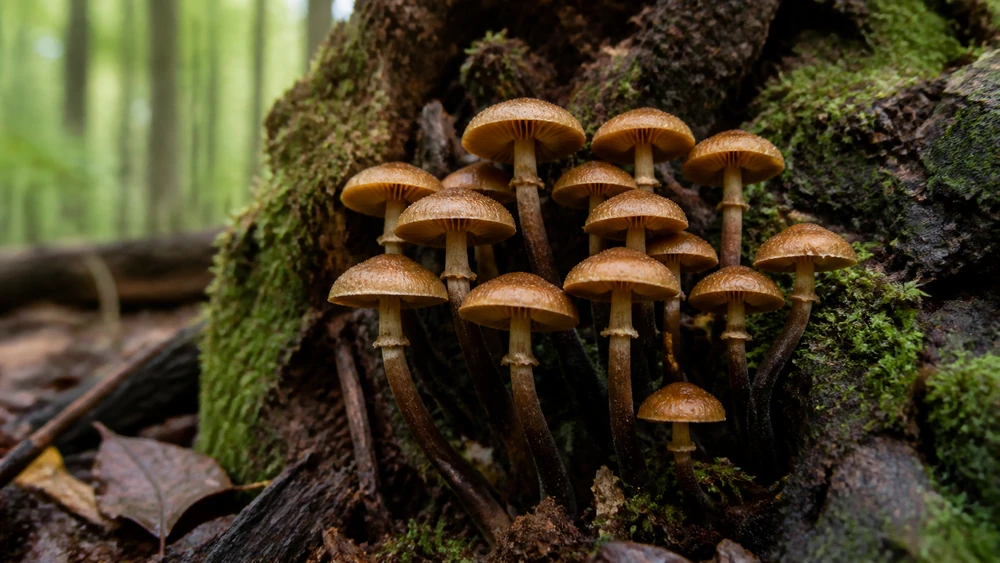
Deadly Galerina
Galerina marginataA small brown mushroom on wood can carry the same toxin as a death cap. The check that matters is the spore…
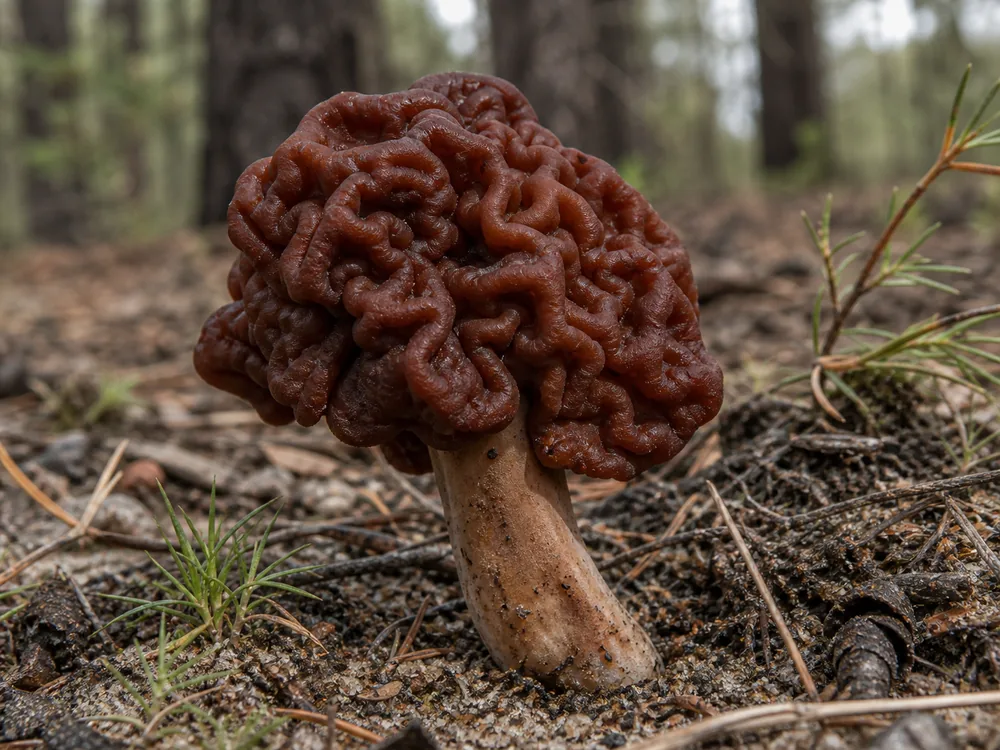
False Morel
Gyromitra esculentaGyromitra esculenta is a poisonous spring cup fungus with a chestnut, brain-like cap and a pale stem. A…
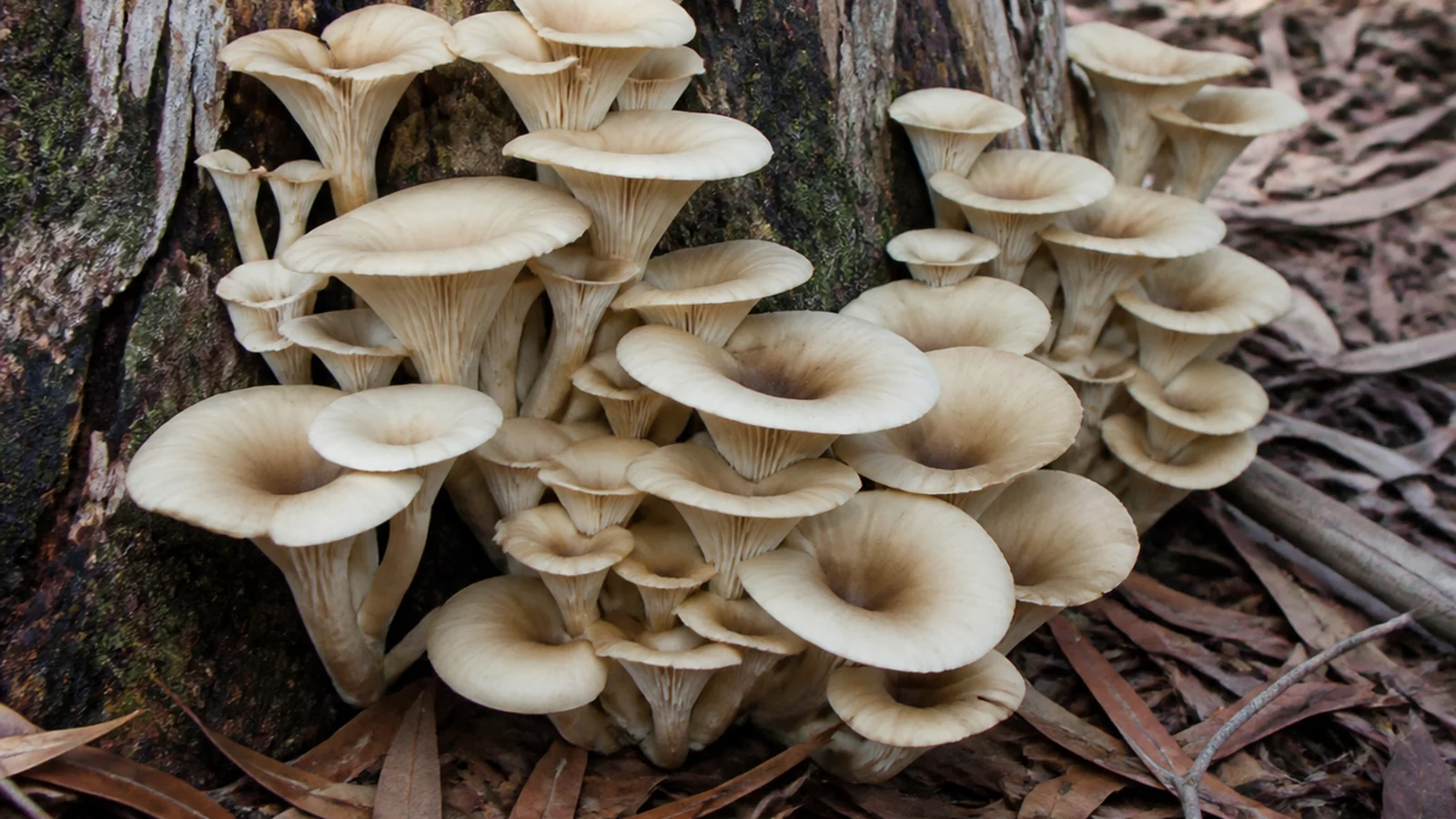
Ghost Fungus
Omphalotus nidiformisGhost fungus is the mushroom everybody knows for glowing green in the dark, and that is the one fact about it…
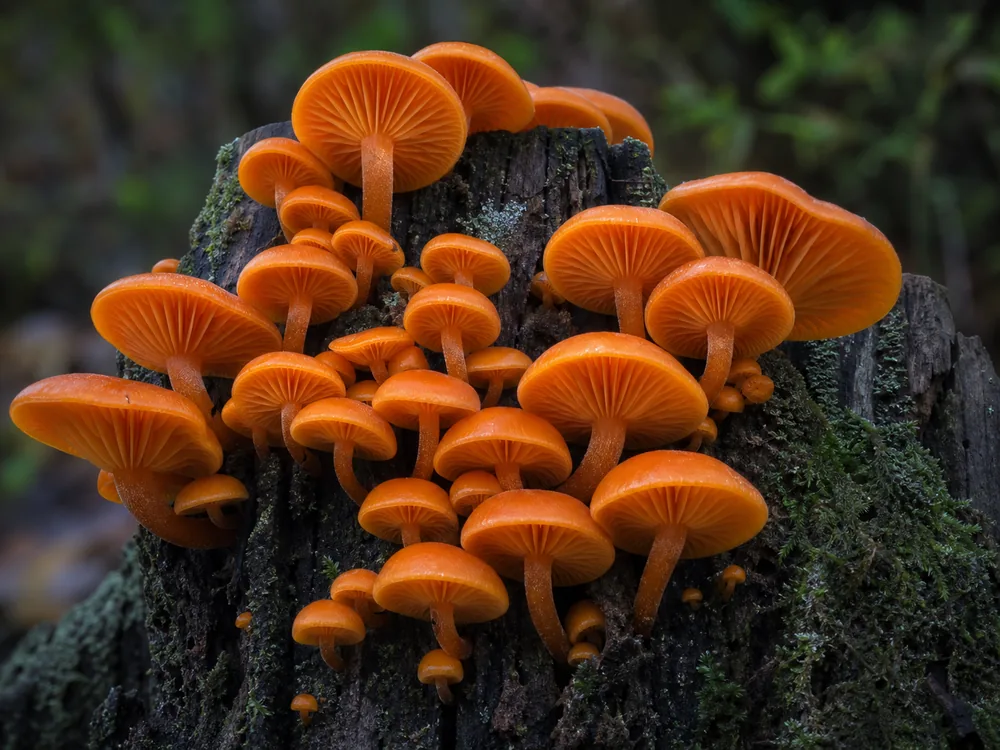
Jack O'Lantern
Omphalotus illudensA Jack O'Lantern is the orange mushroom you learn so you can reject it fast. The field pattern is true sharp…
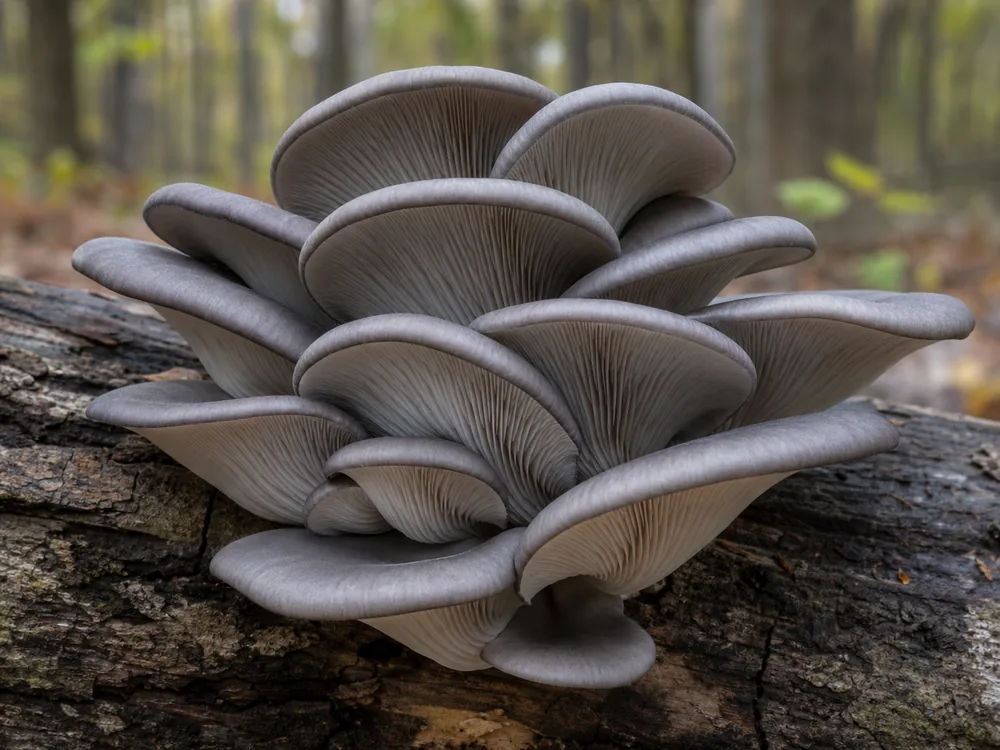
Oyster Mushroom
Pleurotus ostreatusOyster mushrooms are one of the best beginner edibles because the growth pattern is so practical. Look for…
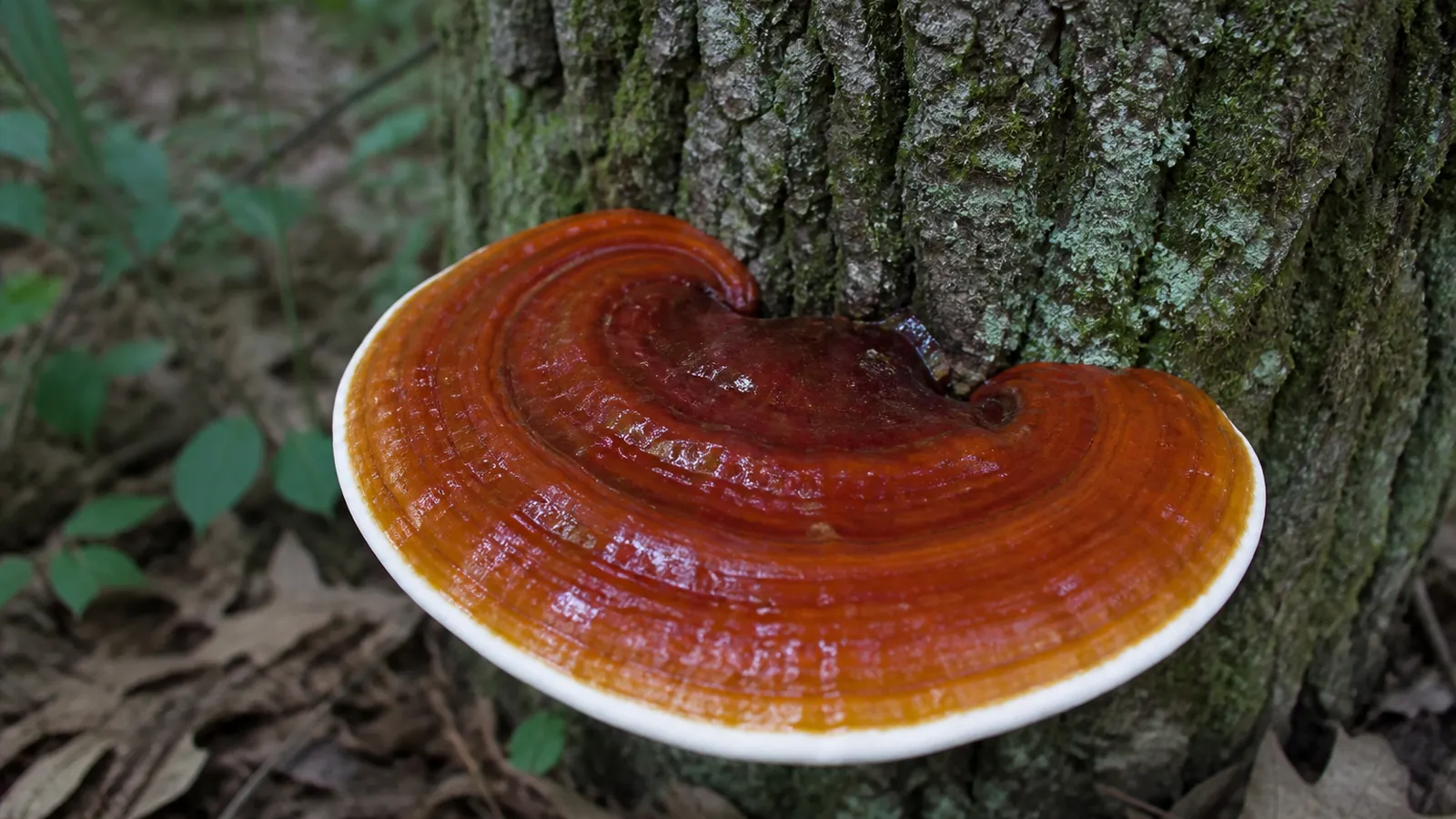
Reishi
Ganoderma sichuanenseReishi is a varnished hardwood bracket that is famous as a medicine and useless as food. The practical facts…
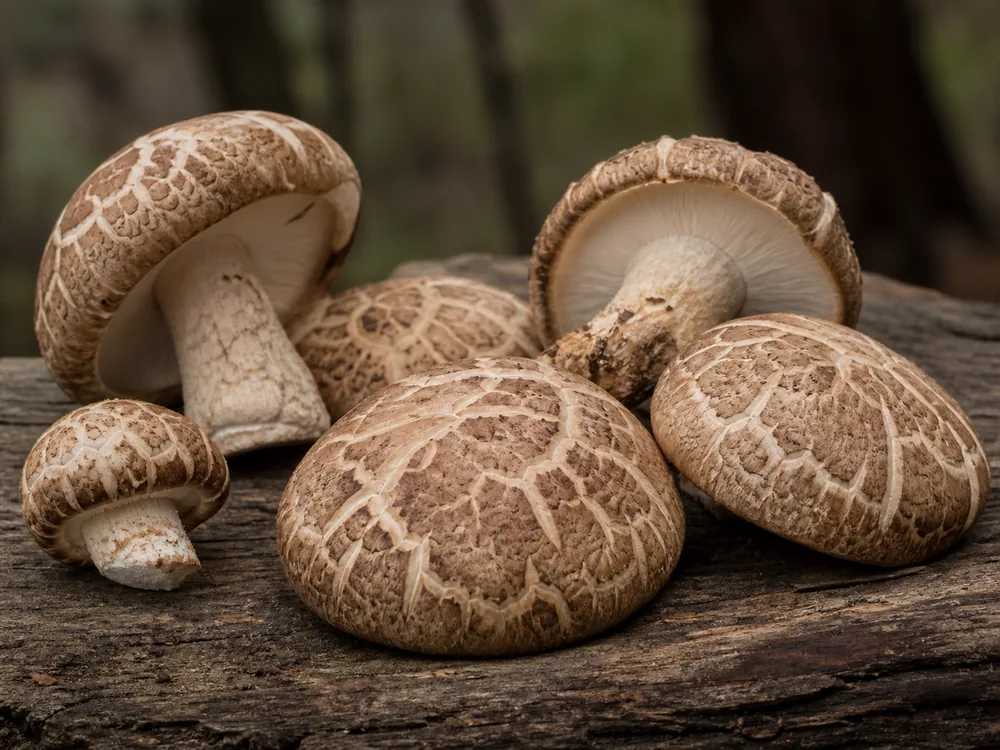
Shiitake
Lentinula edodesShiitake is a cultivated hardwood mushroom with a deep savory flavor. The practical rule is simple: cook…
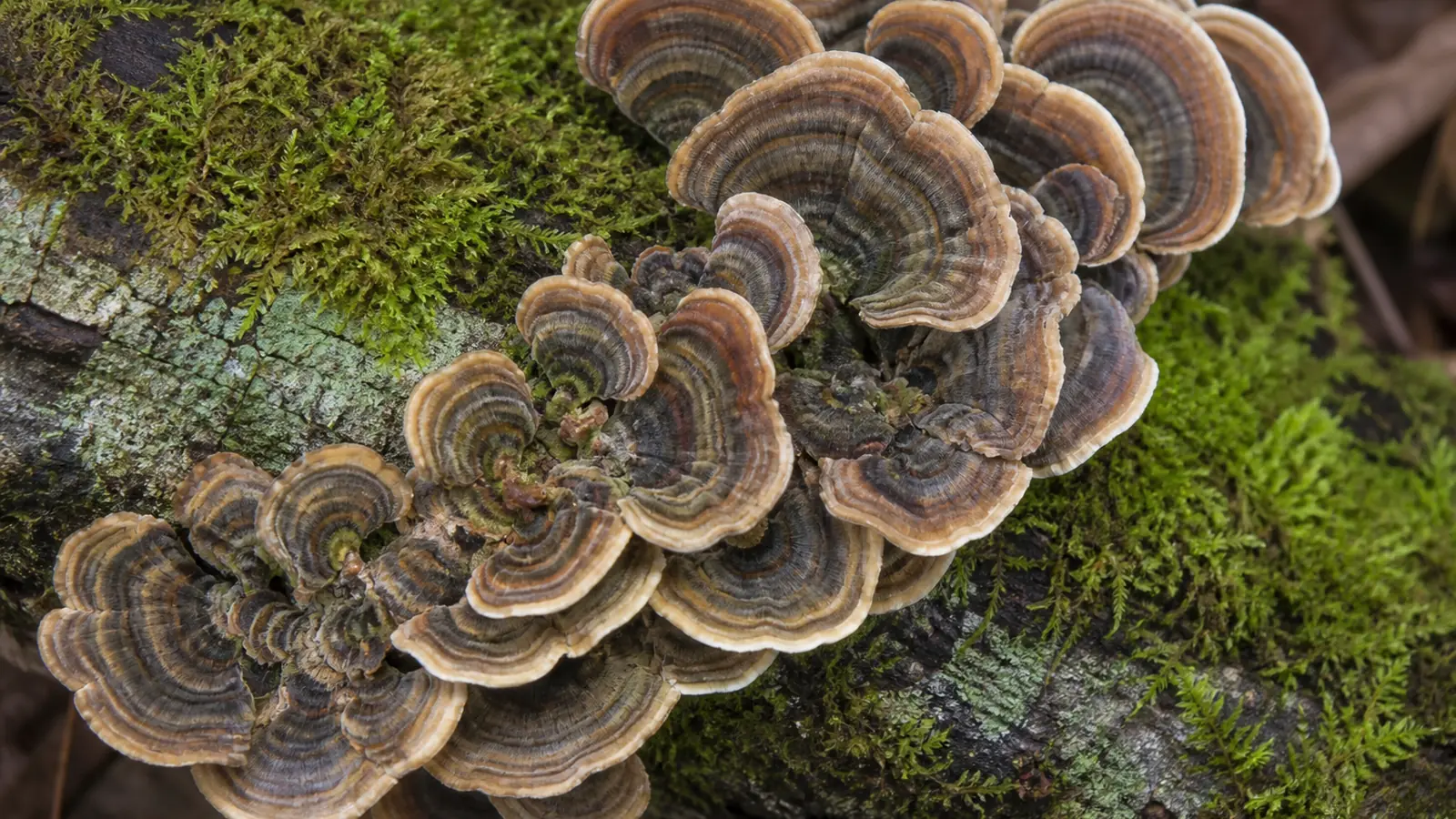
Turkey Tail
Trametes versicolorTurkey tail is the most photographed mushroom in the woods and one of the most often misnamed, because the…
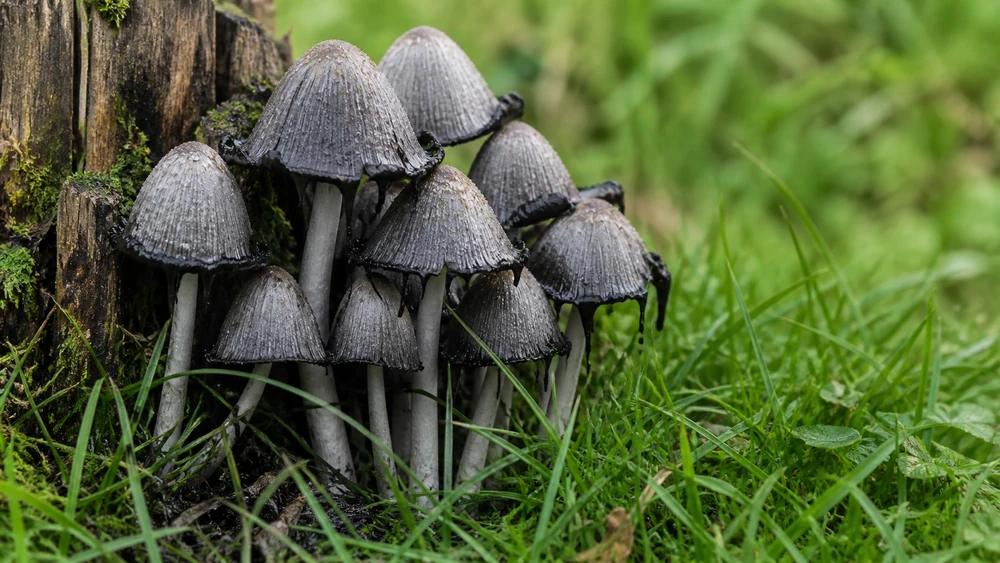
Common Inkcap
Coprinopsis atramentariaCommon inkcap is a gray, clustered mushroom that digests its own gills into black liquid. Its defining safety…
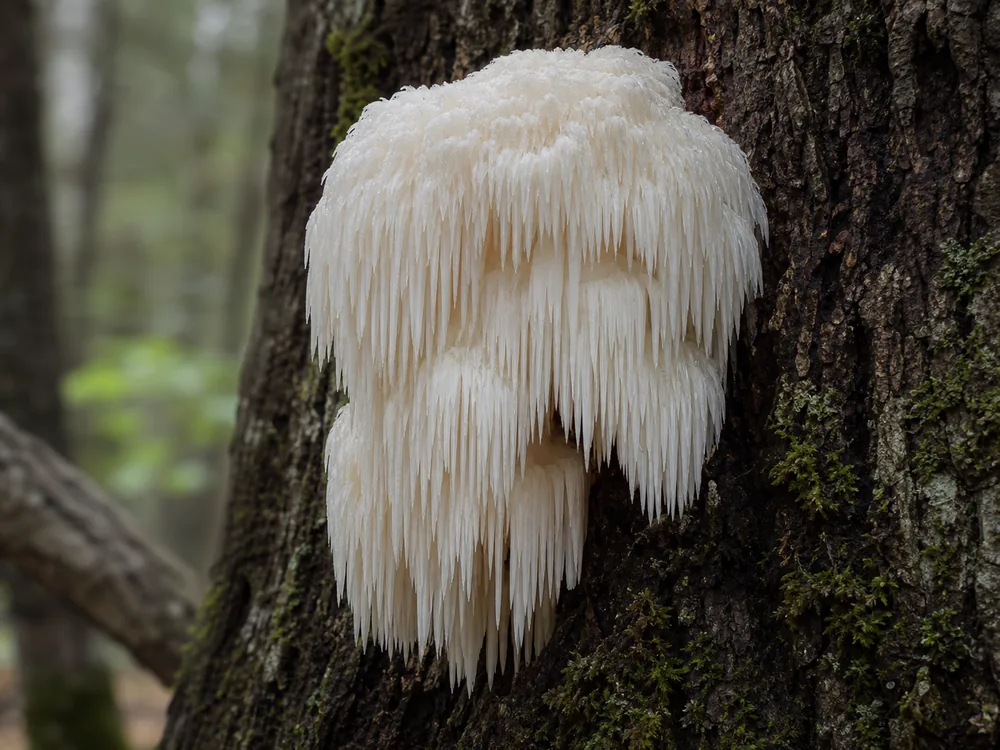
Lion's Mane
Hericium erinaceusLion's Mane is the white tooth fungus that looks like a shaggy pom-pom on hardwood. It is easy to recognize…
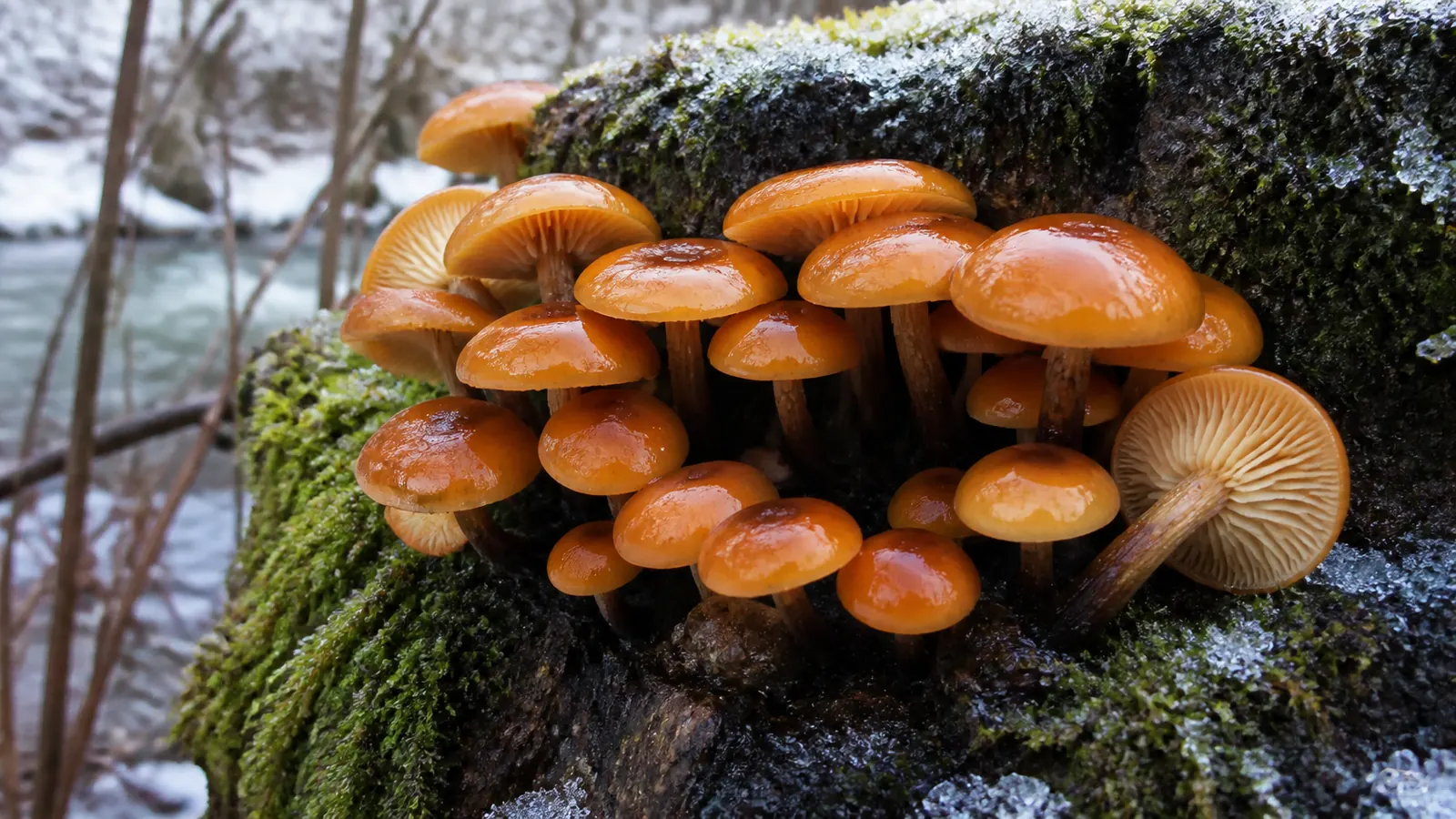
Velvet Shank
Flammulina velutipesVelvet shank is a north-temperate, cold-season wood mushroom with a sticky amber cap, pale gills, and a…
What wood decomposers do
These fungi, called saprobes, break down the lignin and cellulose in dead wood. Their mushrooms usually push out of logs, stumps, or buried roots.
Look for shelving, overlapping, or clustered growth rather than single stems from soil.
Easy to learn, easy to grow
Because they eat dead wood, many of these species take to logs and sawdust in cultivation. Oyster and shiitake are the classic examples, which is why they are the first mushrooms most home growers try.
A safety note
Warning
Growth on wood rules some things in and out, but a few toxic species also grow on wood. Confirm gills, spore print, and species before eating anything.