Some lawn mushrooms can poison children, and appearance cannot clear an unknown exposure. Remove mouth pieces, preserve the specimen and photographs, and call Poison Control at 1-800-222-1222 in the United States without waiting for symptoms.
Some lawn mushrooms can poison children, and appearance alone cannot prove an unknown mushroom safe. If a child may have swallowed one, remove remaining pieces from the mouth, save the specimen and clear photographs, and call Poison Control at 1-800-222-1222 in the United States without waiting for symptoms.
Call emergency services now for trouble breathing, collapse, a seizure, severe confusion, or inability to wake the child.
Outside the United States, contact the regional poison centre or emergency service used in your country.
What Should You Do If a Child Ate a Yard Mushroom?
Treat chewing or an uncertain bite as a possible ingestion. A young child cannot always report whether material was swallowed, so the missing amount and what remains in the mouth matter.
Warning
Do not wait for an online identification or symptoms | Poison Control can triage the child while mushroom experts review evidence. Do not induce vomiting, give salt water, force food or milk, or use a home remedy unless a medical professional gives that instruction for this exposure.
Do not let a reassuring phone app result replace that call.
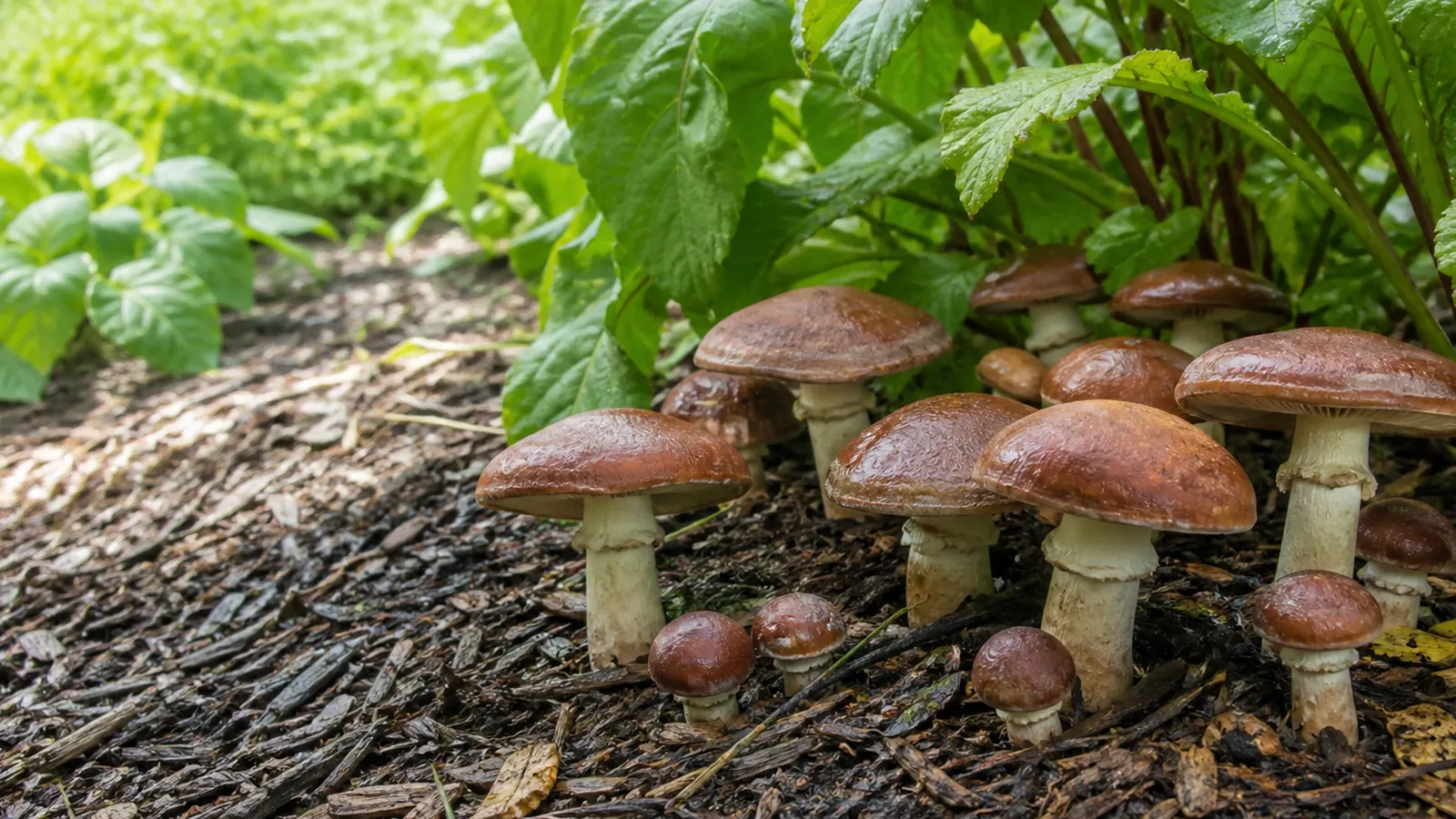
Mushroom appearance changes with age and weather, while one yard can contain more than one species.
Treatment decisions depend on the toxin syndrome and timing. That is why a child who looks well may receive different advice from a child with vomiting, sweating, confusion, or a specimen that suggests delayed organ toxicity.
Growing MushroomsWhat Does a Mushroom Farm Actually Cost to Start?What Evidence Should You Save for Poison Control?
The whole specimen is more useful than a loose cap.
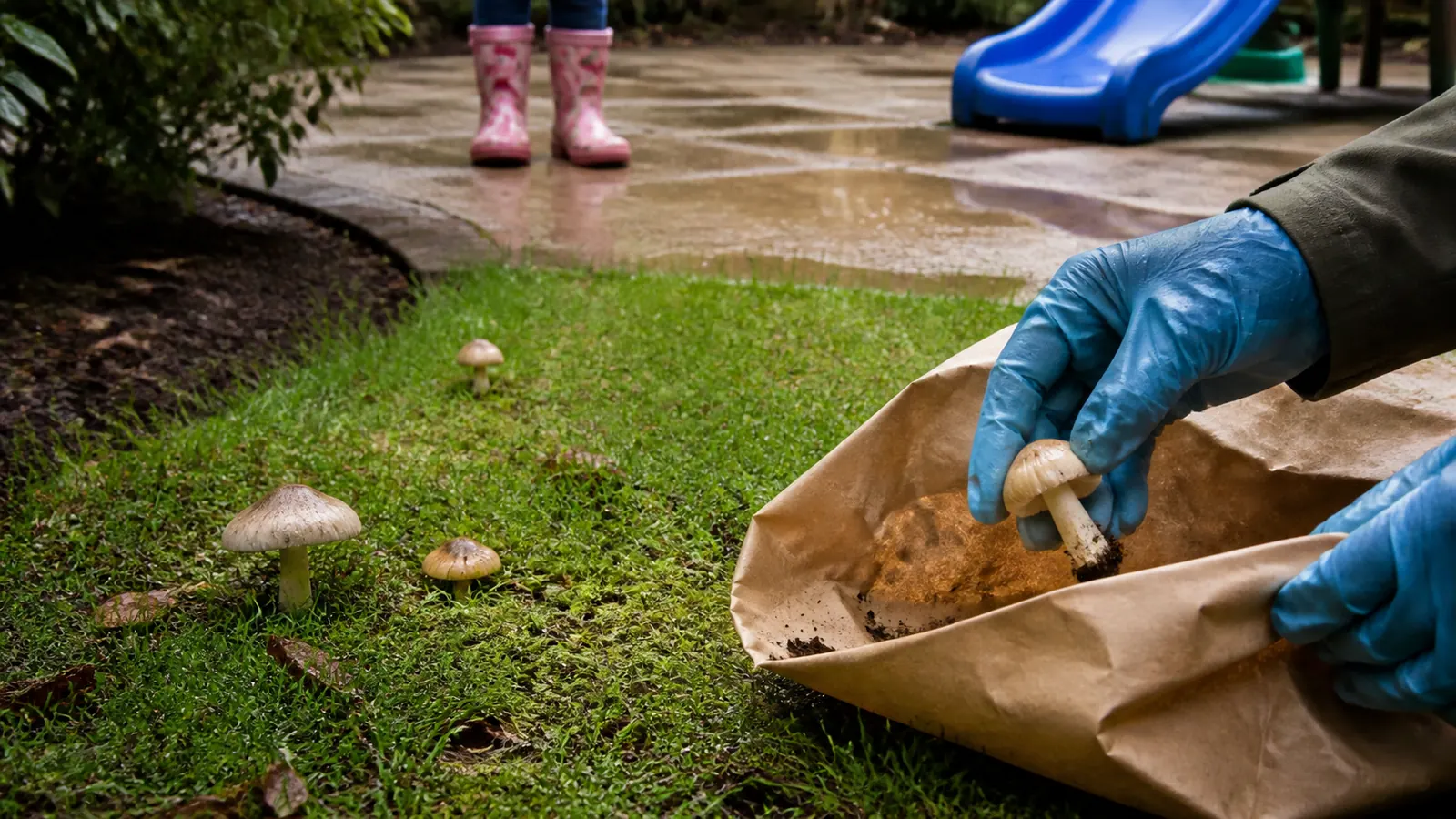
Carefully lift another mushroom from the same patch with the underground base intact, but do not delay the poison call while collecting it.
Store the specimen as the poison service directs. North Carolina Poison Control advises a paper bag in the refrigerator rather than a sealed plastic bag because wet plastic storage can accelerate breakdown and obscure features.
Photograph the top, underside, side, and base in sharp natural light.
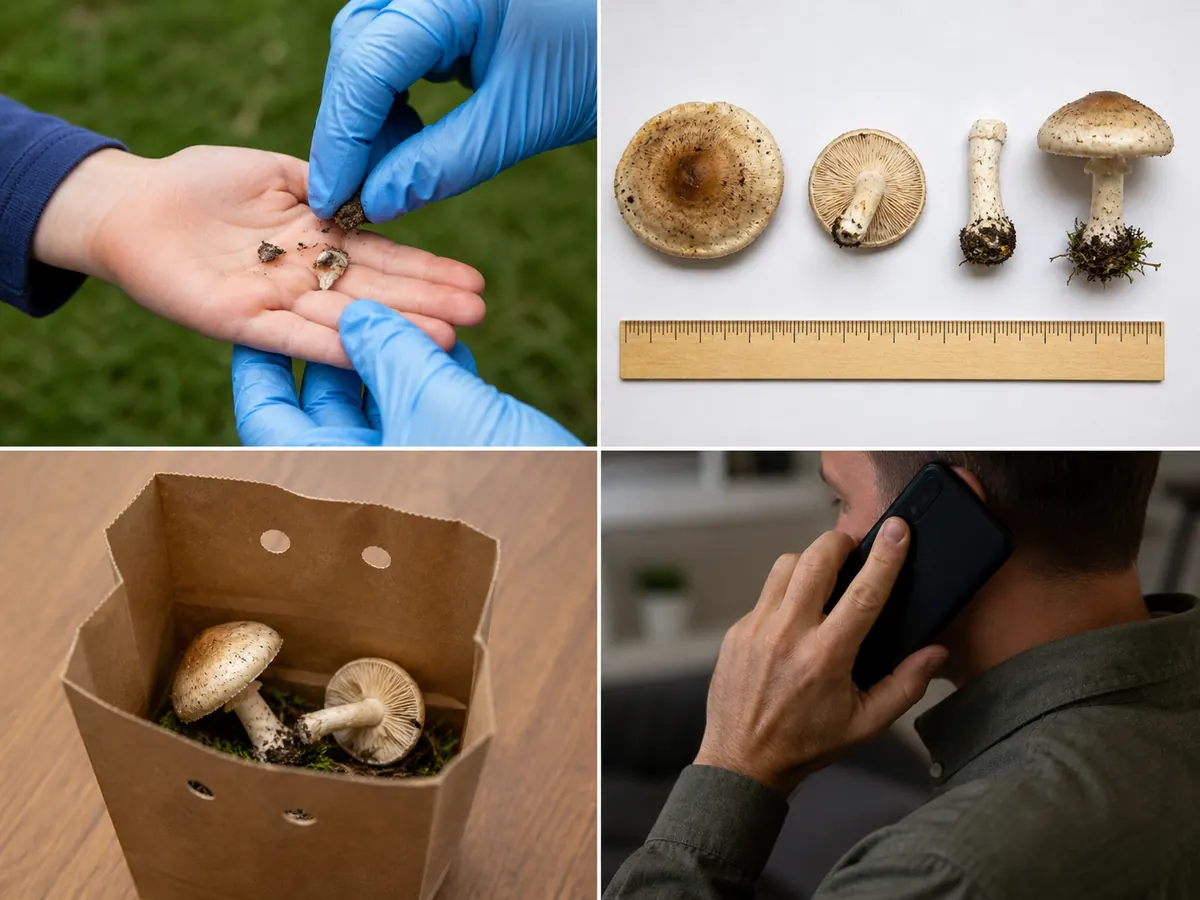
A full lawn view can reveal a ring, old tree location, or mixed patch that disappears when the mushroom is moved indoors.
Do not taste the mushroom, sniff it closely, cook it, make a spore print, or spend time performing chemical color tests during an exposure. Those actions do not provide a home safety verdict and can delay care.
If only fragments remain, save them anyway.
The texture, gill attachment, stem tissue, and debris from the base may still help an expert narrow the possibilities.
Growing MushroomsHow Do Mushroom Sawdust Blocks Work from Mix to Fruit?How Fast Can Mushroom Poisoning Symptoms Start?
Symptoms can begin within minutes or a few hours for some gastrointestinal, muscarinic, or neurologic toxins.
Other dangerous syndromes begin after a longer symptom-free interval, which is why waiting for illness is unsafe.
When symptoms begin early, vomiting and diarrhea can dehydrate a small child faster than an adult. Repeated vomiting, reduced urination, marked weakness, breathing trouble, seizure, collapse, or altered awareness needs urgent medical attention according to emergency guidance.

Mushroom poisoning symptoms overlap with common illnesses and other exposures.
Tell clinicians about the yard mushroom even when stomach symptoms could have another cause.
The timing helps Poison Control narrow syndromes, but there is no universal number of symptom-free hours after which every unknown mushroom becomes safe. Follow the monitoring interval and location of care given for the specific case.
Which Yard Mushrooms Can Seriously Poison a Child?
Most accidental small bites do not result in fatal poisoning, but that population fact cannot identify the mushroom in front of you. A few common-looking groups produce severe gastrointestinal, cholinergic, neurologic, liver, or kidney effects.
The green-spored parasol is a useful lawn example because it often fruits in conspicuous rings after warm wet weather. Its spore color requires a mature specimen and time, so it cannot clear an urgent exposure.
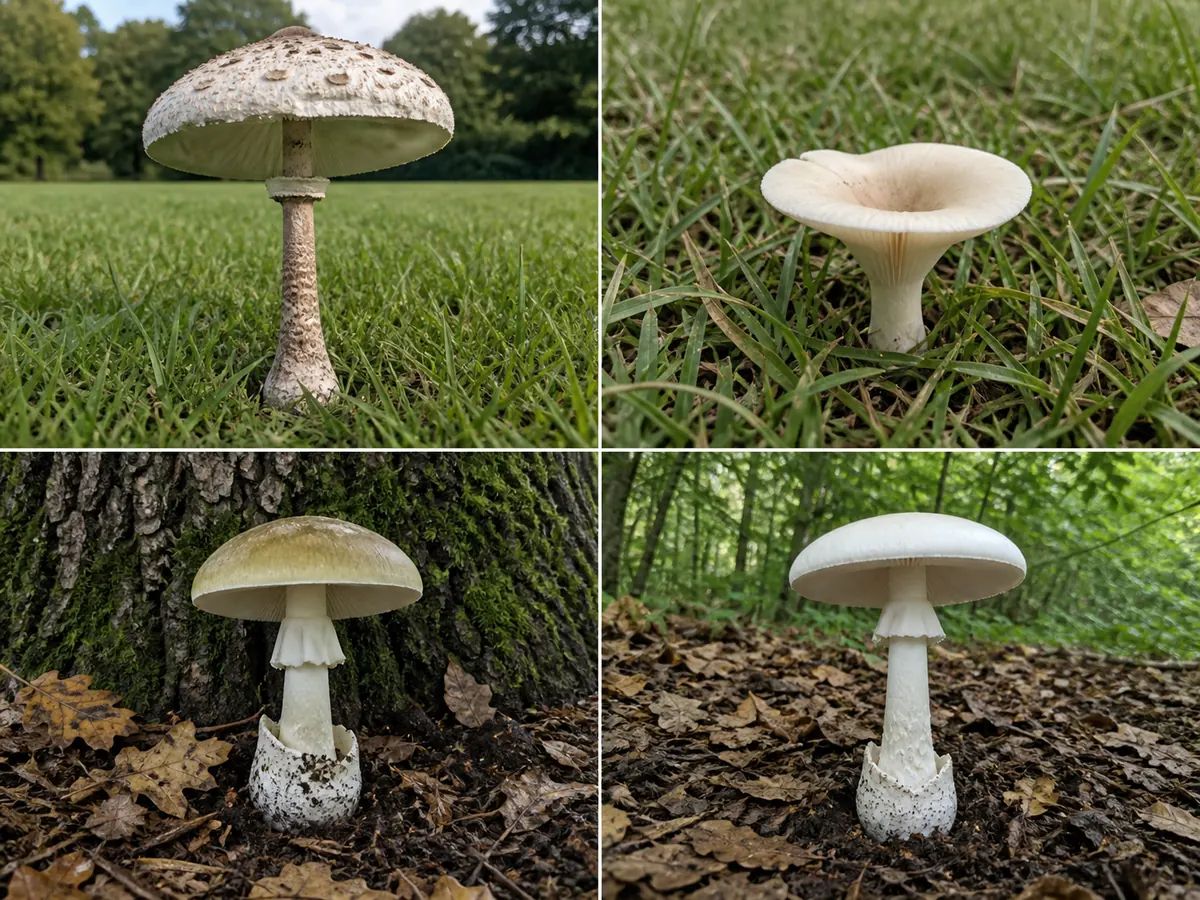
Death caps and destroying angels often grow near compatible trees rather than in open treeless turf.
Roots extend beyond the canopy, so a mushroom that appears to be in lawn can still be connected to a nearby tree.
Small pale funnels can be overlooked because they do not resemble dramatic poisonous-mushroom illustrations. Size, white color, animal nibbling, or insect damage does not prove a mushroom harmless.
Use these as reasons for caution, not as a shortlist that makes every other yard mushroom safe.
Regional species, immature stages, weathering, and mixed patches require expert interpretation.
Growing MushroomsHow Do You Build an Outdoor Mushroom Bed That Lasts?Can a Child Be Poisoned by Touching a Lawn Mushroom?
Classic mushroom poisoning occurs when toxin-containing tissue is swallowed, not from brief contact with intact skin. A child who only touched a mushroom and kept it away from the mouth has a different exposure from a child found chewing.
Wash the child's hands with soap and water before food, drinks, or face touching.
Rinse the eyes with clean running water and seek poison guidance if mushroom material or dirty fingers contacted the eyes.
Broken skin, allergy, heavy contamination, and uncertainty about hand-to-mouth contact deserve individual advice. Do not use a general touch answer to dismiss a child found with fragments on the lips or tongue.
Touching also changes the evidence.
A crushed mushroom loses its base and underside relationship, so photograph the undisturbed patch before the rest is removed when an ingestion is possible.
Teach older children that outdoor mushrooms are for looking, not tasting. A toddler who mouths objects still needs physical access control because a rule alone cannot reliably prevent the next bite.
How Can You Make a Lawn Safer for Young Children?
Inspect the play area after rain, irrigation, and warm humid nights.
New caps can expand quickly, so prevention must repeat during fruiting weather rather than occur once each season.
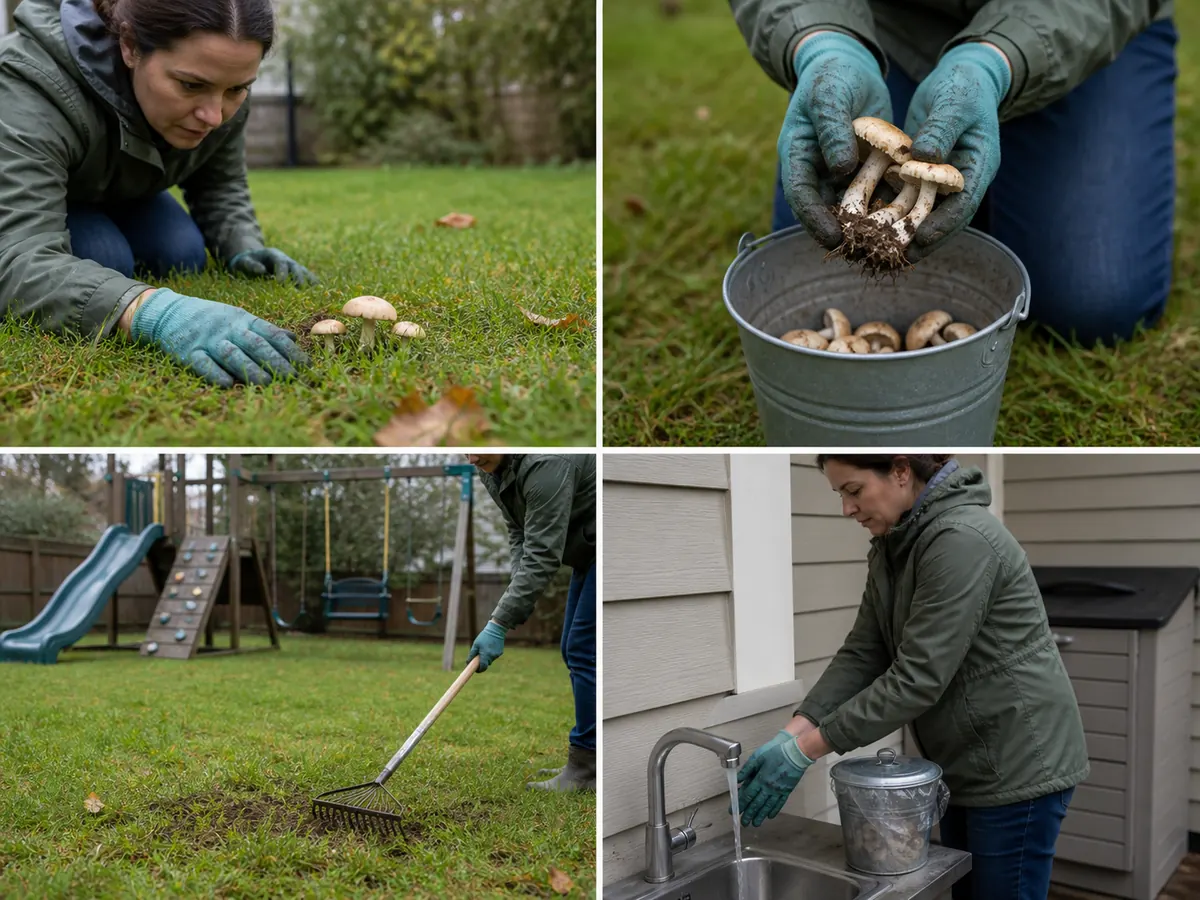
Collect mushrooms intact before mowing. Mowing first can scatter pieces through grass, under play equipment, or beside toys where complete pickup becomes harder.
One small flush appears before play
Keep the child out, collect intact mushrooms, bag them, and recheck the areaImmediate access control matters more than identifying each cap for garden management.
New caps follow every irrigation cycle
Correct overspray and avoid unnecessary late watering while maintaining healthy grassShorter wet periods can reduce fruiting, but they cannot guarantee a mushroom-free yard.
Mushrooms follow a stump, root line, or buried wood patch
Remove accessible concentrated debris only when disruption is proportionateThe feeding source can persist for years below an otherwise healthy lawn.
A toddler repeatedly mouths outdoor objects
Use a gate or direct supervision during active fruiting and tell every caregiver the poison responseTeaching helps over time, but physical separation controls the present behavior.
Check under shrubs, around old trees, beside mulch, and along fence lines as well as open grass.
The same child can move between several mushroom habitats within one yard.
Do not spray fungicide, bleach, vinegar, salt, or another lawn chemical to create a false sense of safety. Those treatments can add a chemical exposure while failing to eliminate all fruiting from the soil.
Keep the Poison Control number available to parents, grandparents, sitters, and daycare staff who use the yard.
A shared plan reduces delay when the person who finds the exposure is not the person who manages the lawn.
Sources & References
- Poison Control Immediate contact, identification limits, delayed symptoms, and U.S. hotline.
- Illinois Poison Center Child yard exposure, symptom groups, severe outcomes, and response.
- North Carolina Poison Control Mouth clearing, specimen storage, photographs, and prevention.
- Ontario Poison Centre Regional response and prevention through yard checks.