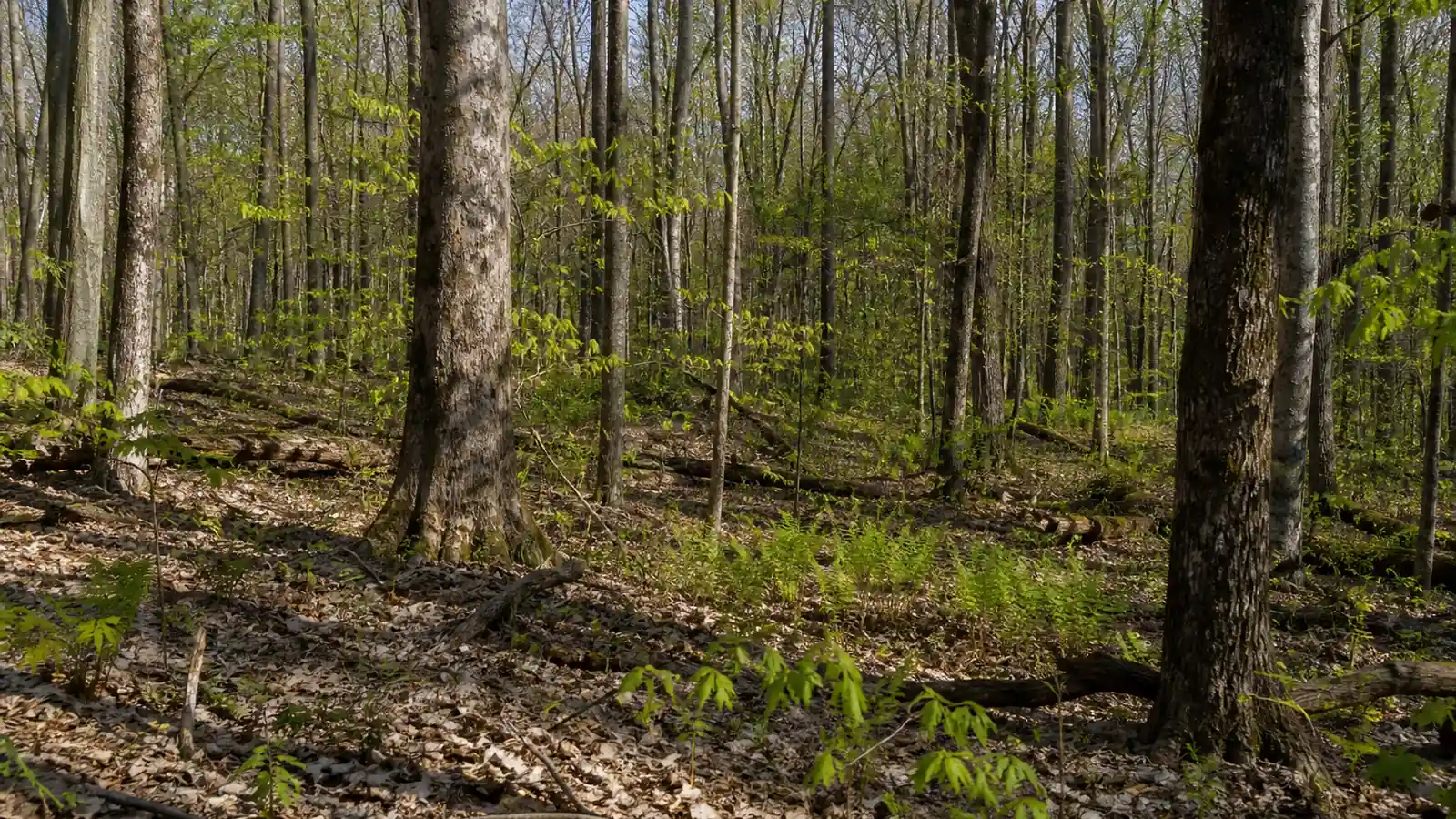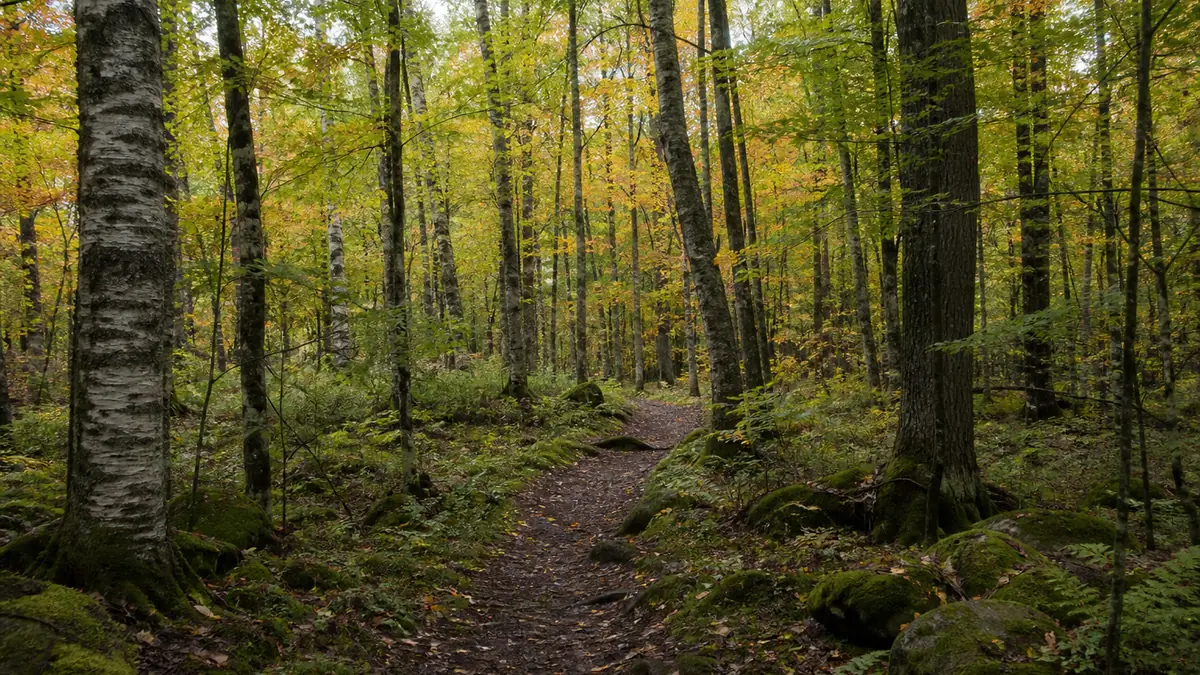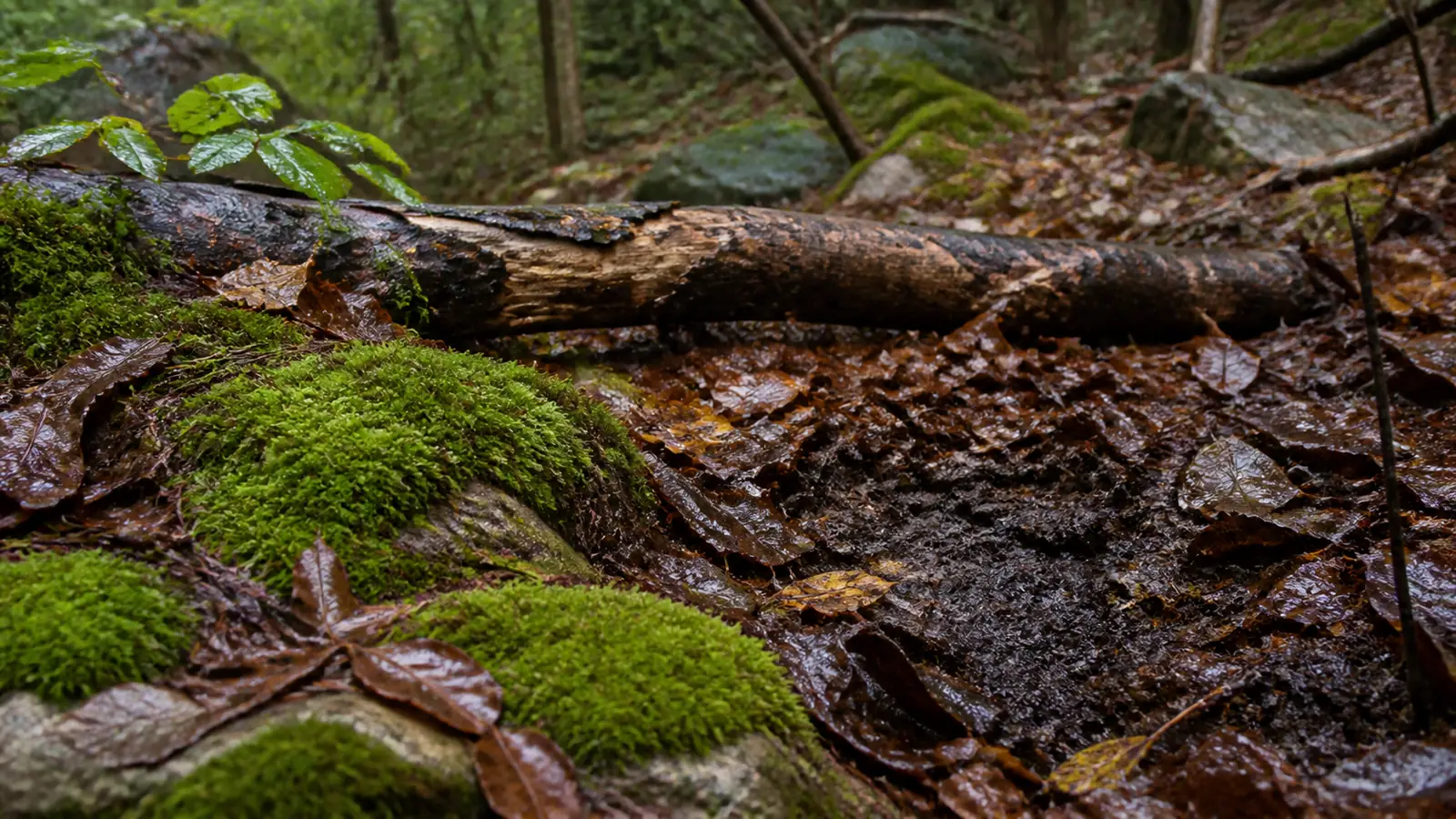
Mushrooms do not appear the day it rains. The useful number is the lag, which runs from about two days to two weeks depending on the species and how dry the ground was first.
Walking out during a downpour and finding nothing is the most common disappointment in foraging.
Rain is the trigger, but fruiting takes time. The fungus has to absorb the water, build the mushroom, and push it up through soil or wood, and none of that is instant.
The gap between the rain and the mushrooms is the number worth learning.
What the lag actually depends on
Three things set the timing, and the species is only one of them.
How dry the ground was matters as much as how much rain fell. A soaking onto ground that was already damp produces a faster flush than the same rain onto ground baked hard for six weeks.
| Situation | Typical lag | Why |
|---|---|---|
| Damp ground, warm, fast species | 2 to 4 days | Little rebuilding needed before fruiting |
| Dry ground after a drought | 7 to 14 days | The first rain rehydrates soil rather than triggering fruiting |
| Cool weather, any species | Longer | Growth slows with temperature |
| Wood decomposers on a log | 3 to 7 days | The log holds water and buffers the swing |

Temperature is the third lever, and it works on everything.
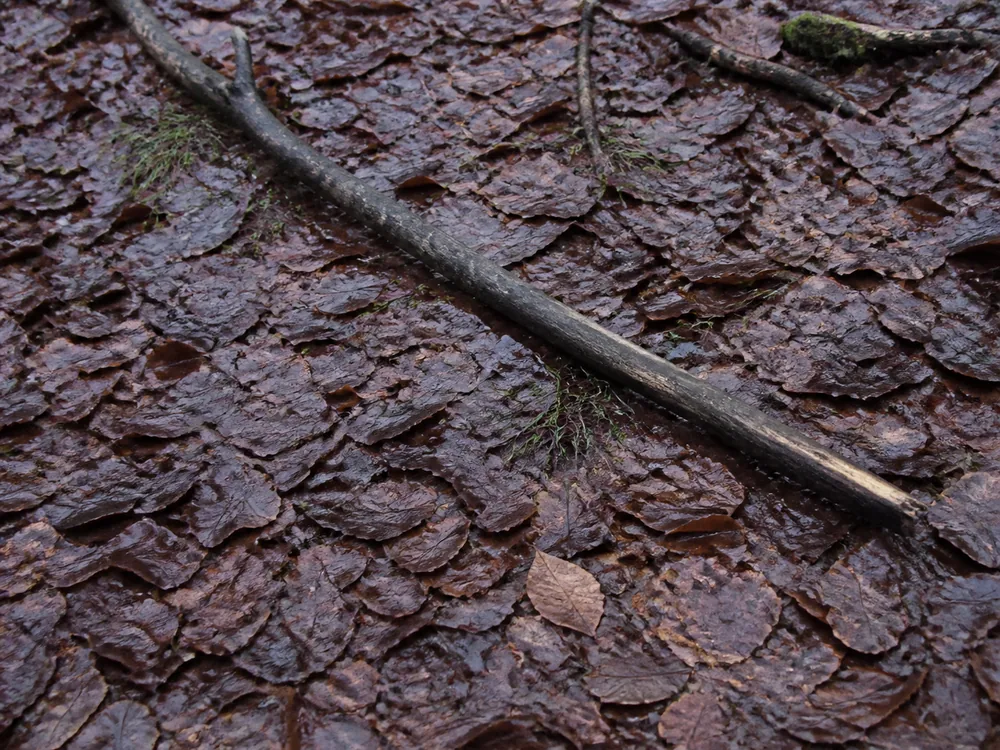
The same rain also changes the specimens already standing, which is why a walk two days later reads differently from one taken five days later.
Warning
A wet week does not make identification easier. Rain washes veil patches off caps, swells the flesh, and fades color, so specimens collected after heavy rain need more careful checking rather than less.
Different species answer differently
Fast responders can fruit within a couple of days, and slow ones take a fortnight.
Inkcaps, small brown grassland species, and many wood decomposers move quickly, which is why a lawn can produce a crop in under a week. Mycorrhizal species that partner with tree roots generally take longer.
Water without the right temperature produces nothing.
A warm autumn rain and a cold one of the same size give different results, because most species have a temperature window they fruit within. That is why the same rain in September and in November behaves differently.
Reading the ground rather than the forecast
The rain gauge matters less than what the soil did with the water.
Push a finger into the leaf litter and then into the soil beneath. Litter that is wet over soil that is still dry means the rain has not reached the level where the fungus lives.
A second rain within that window extends the flush rather than restarting the clock.

What this means for a dog owner
The same timing applies to the mushrooms nobody wants in the yard.
A lawn under oaks that had rain on Sunday is worth walking on Wednesday or Thursday rather than on Monday. That is when the caps appear, and it is when a dog will find them.
Note
Walk the ground a dog uses a few days after rain rather than immediately. The dangerous species in lawns follow the same lag as everything else.
The species that matter most in that setting are covered under death cap and dogs.
Rain is not the only trigger
A drop in night temperature triggers some species as reliably as water does.
Several fall species need a cool spell rather than a wet one, and irrigation can substitute for rain in a watered lawn. Both matter more than a single rain figure.
Tip
Track two things rather than one. Rainfall and night temperature together predict a flush far better than either alone.
That combination is why some autumns produce well and others do not, despite similar rainfall totals.
Season by season, the specific species and their triggers are set out under spring mushrooms, summer mushrooms, fall mushrooms, and winter mushrooms.
ForagingMushroom foraging laws in the UK: what is actually legalWhat rain does to the mushrooms already up
Rain triggers the next flush and damages the current one, which is why timing a walk matters in both directions.
A mushroom that was in good condition before a downpour is often waterlogged after it. The flesh swells, the color fades, and the texture goes soft enough that the specimen is no longer worth cooking.
That overlap produces a confusing scene on the ground.
A patch can hold collapsing mushrooms from the last flush and fresh ones from the new one at the same time, and a beginner reading the old ones will get a poor impression of the species. Judge a patch by its best specimens rather than its worst.
Keeping your own record
Published timings are averages, and the useful numbers are local.
A short note after each walk turns two seasons of wandering into a working local calendar. Date, rough rainfall, night temperature, what was fruiting, and where is enough.
| What to record | Why it matters |
|---|---|
| Date and place | Patches repeat, and a named spot beats a memory |
| Rain in the past week | The trigger, and how much of it reached the soil |
| Night temperature | The second lever, and the one most people ignore |
| What was fruiting | Including nothing, which is the most useful null result |
Recording the empty walks is what makes the record honest.
A notebook holding only successful days will tell you every rain produces mushrooms. The blank entries are what reveal the actual lag and the temperature limits for your ground.
Note
A photograph with the date attached does most of this automatically. A phone picture of the ground, wet or bare, is a usable record even without a written note.
After two seasons the pattern for a particular wood becomes obvious in a way no general guide can supply.
When the rain stops mattering
There is a point in a dry spell where rain stops producing anything, and it is worth recognizing before spending a morning on it.
Ground that has been dry for many weeks absorbs the first substantial rain almost entirely. The fungus below is not triggered, and a walk four days later finds nothing however promising the forecast looked.
That is why experienced foragers talk about the second rain rather than the first.
A drought-breaking soak resets the soil, and the flush comes with whatever falls next. Walking after the first rain of a dry September is the most common wasted trip of the year.
Frozen ground behaves the same way for a different reason.
Rain onto frozen soil runs off rather than soaking in, so a mild wet day in midwinter often produces nothing on the ground while wood species carry on regardless.
Snowmelt behaves like rain in the same way, and it is the trigger most people forget.
A slow thaw puts water into the soil steadily rather than in one burst, which is closer to ideal than a downpour. Early spring flushes often follow melt rather than rainfall.
Sources & References
- North American Mycological Association General reference on fruiting patterns and seasonal species.
- USDA Forest Service Monitoring report relating rainfall and year-to-year variation to mushroom survey results.