A coast-to-Sierra field plan for matching California rain and snowmelt with forest habitat, legal land units, burned-ground safety, and reviewable specimens.
California mushroom foraging has several seasons, not one. Winter rain can wake coastal forests while the Sierra remains snowbound, then spring and early summer move the useful search uphill as snow retreats.
The best trip begins by choosing a climate zone and a named property. Weather tells you where fungi may fruit, but the current rule for that park, forest district, reserve, or private parcel decides whether you may collect them.
When does the California mushroom season start?
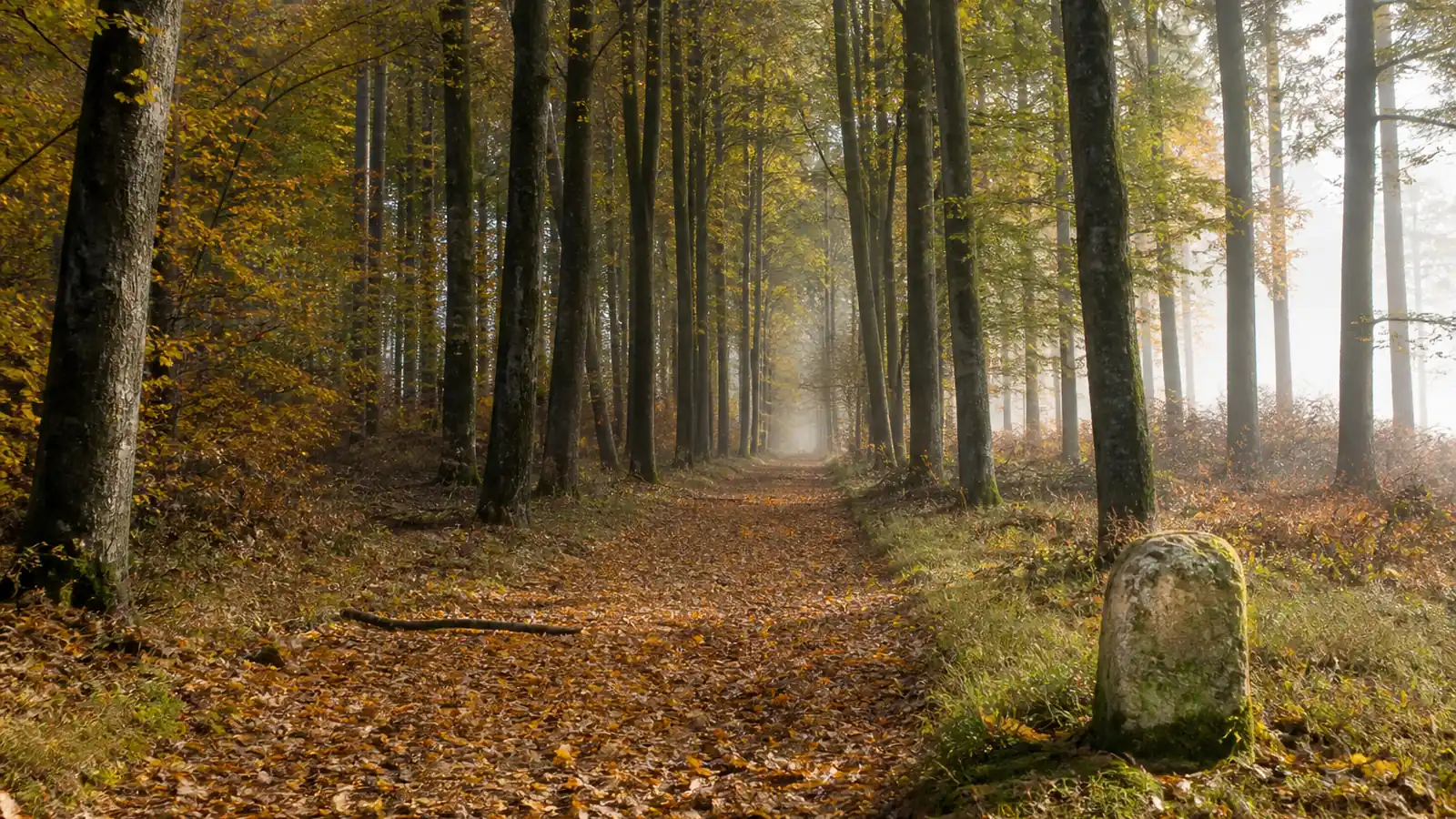
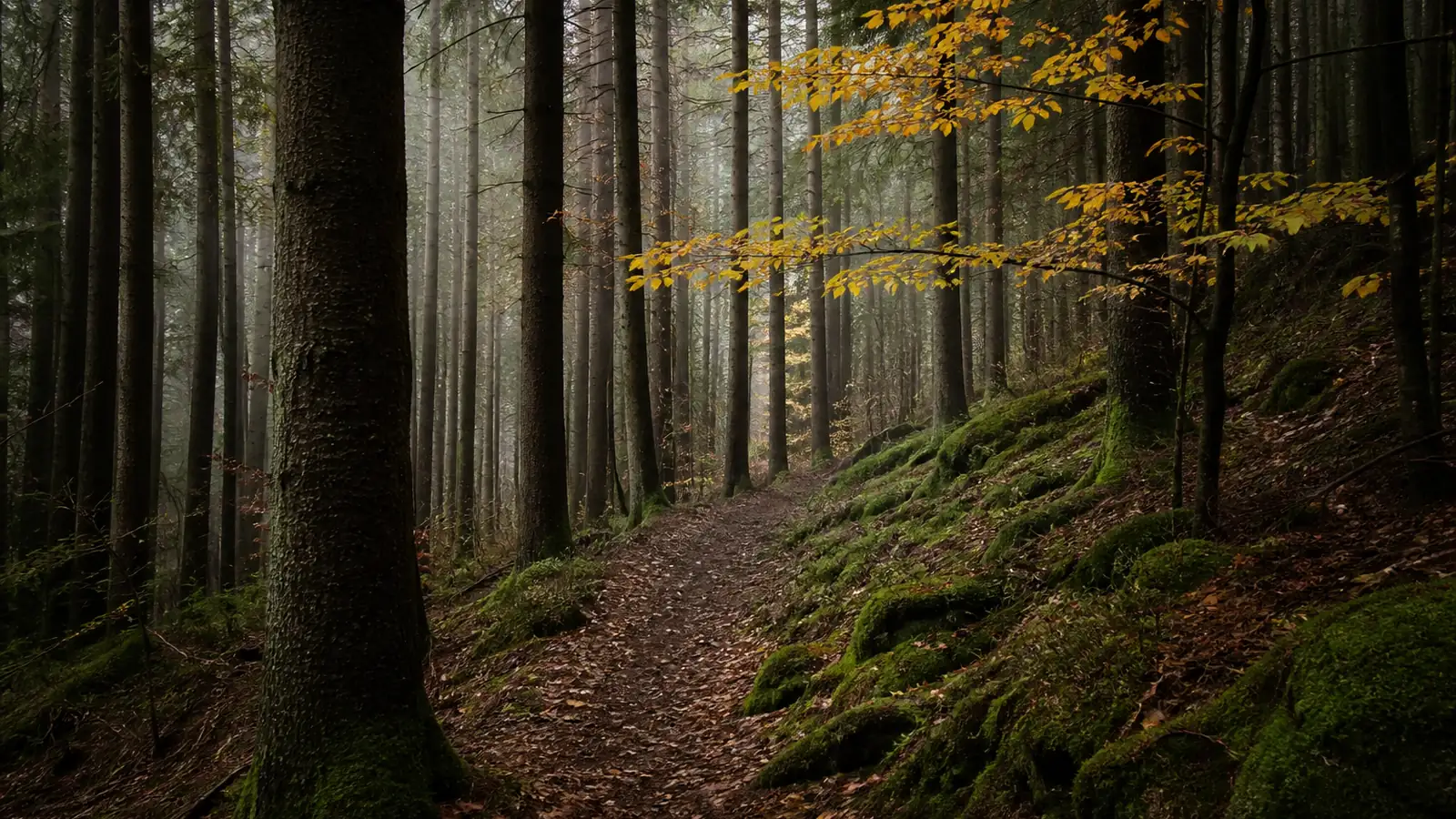
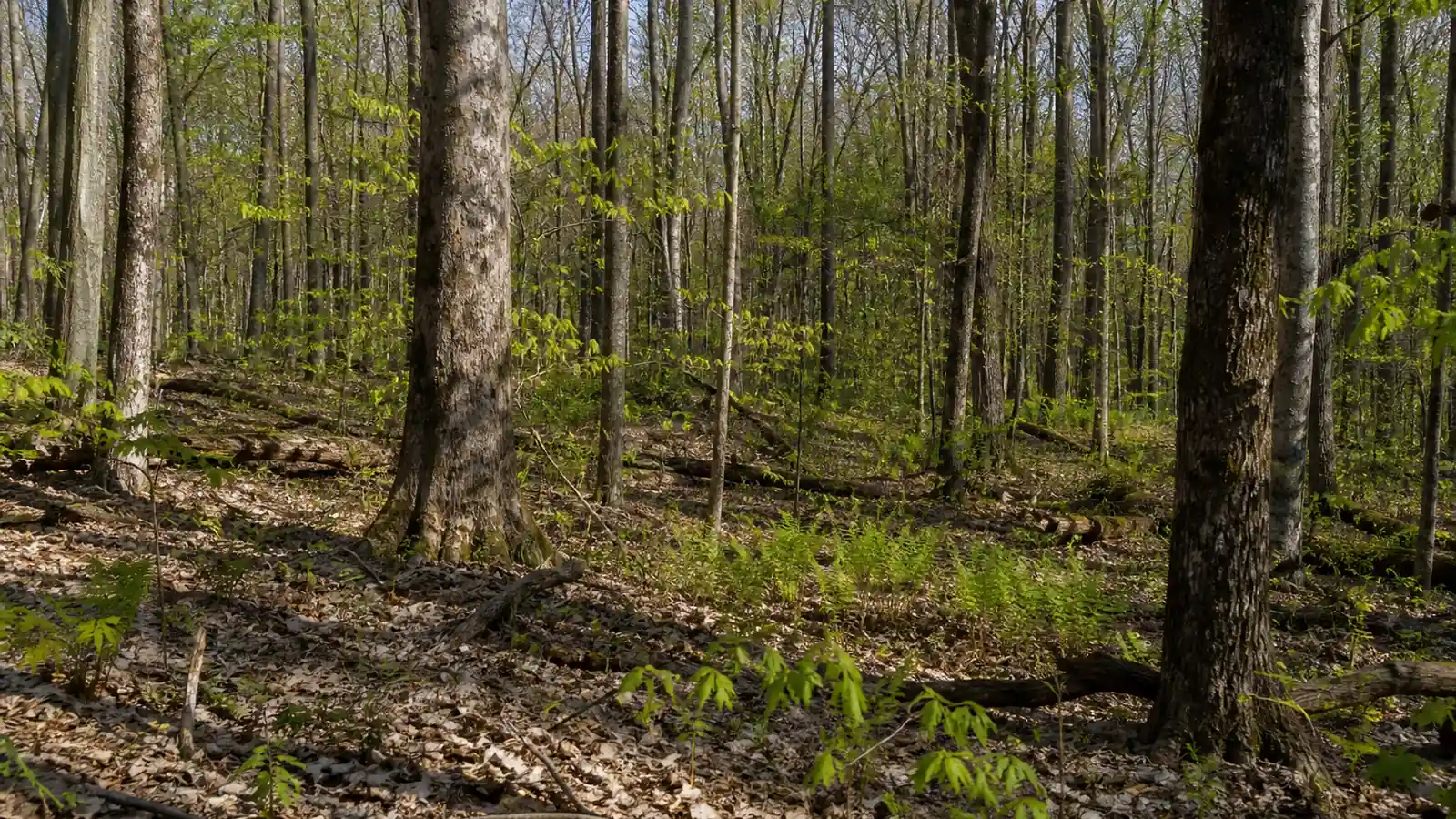
California's Mediterranean coast receives much of its useful mushroom moisture during the cool season. A series of soaking rains followed by mild weather can support fruiting from late autumn through winter, especially where deep litter and canopy shade slow evaporation.
Rain and retained moisture work together to select the walk.
A rainfall total from the nearest town does not show whether wind dried an exposed ridge or whether a sheltered tanoak hollow stayed damp.
- Press a finger through the surface leaves and check whether the lower duff is cool and moist.
- Compare an exposed trail edge with a shaded north-facing pocket.
- Look for living tree partners as well as logs, stumps, and buried wood.
- Record flooding, hard drying, and trampling before spending time on individual specimens.
Chanterelle candidates may occur on the ground with oak, tanoak, or conifers, while oyster mushrooms and many other fungi fruit from wood. The difference between soil and wood attachment belongs in every field record because buried roots can make a wood-growing cluster look terrestrial.
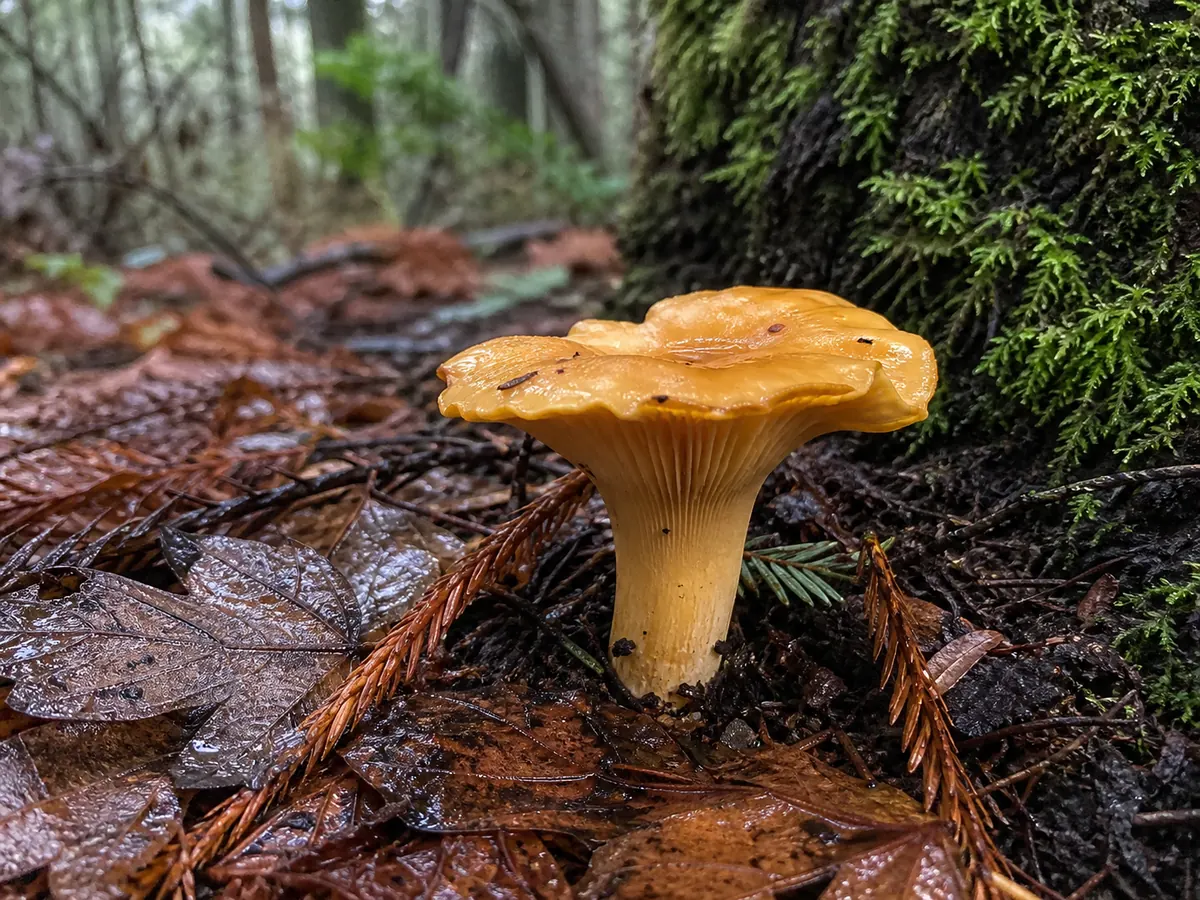
An orange cap is not enough to name a chanterelle. Photograph the underside, the stem, the full growth pattern, and the exact attachment before comparing the candidate with local lookalikes.
The coastal route also changes over short distances. Redwood shade can preserve surface moisture, open oak woodland can warm faster, and a windy coastal bluff may dry before a protected drainage only a few kilometers away.
Use those contrasts to plan a compact loop rather than covering a large park at random.
- Begin in the most sheltered legal habitat.
- Cross one moisture boundary, such as hollow to ridge or dense canopy to open woodland.
- Recheck the lower litter at each boundary.
- Stop treating the rain event as useful when both settings are dry below the surface.
What edible mushrooms grow in California?
Five names account for most of what people walk for here, and they do not share a season.
The winter coast belongs to chanterelles and black trumpets, both fruiting on the ground under oak, tanoak and mixed evergreen forest once the rains have soaked in. Boletes are the group that spans both halves of the state's calendar, appearing on the coast in the cold months and again at altitude after summer storms.
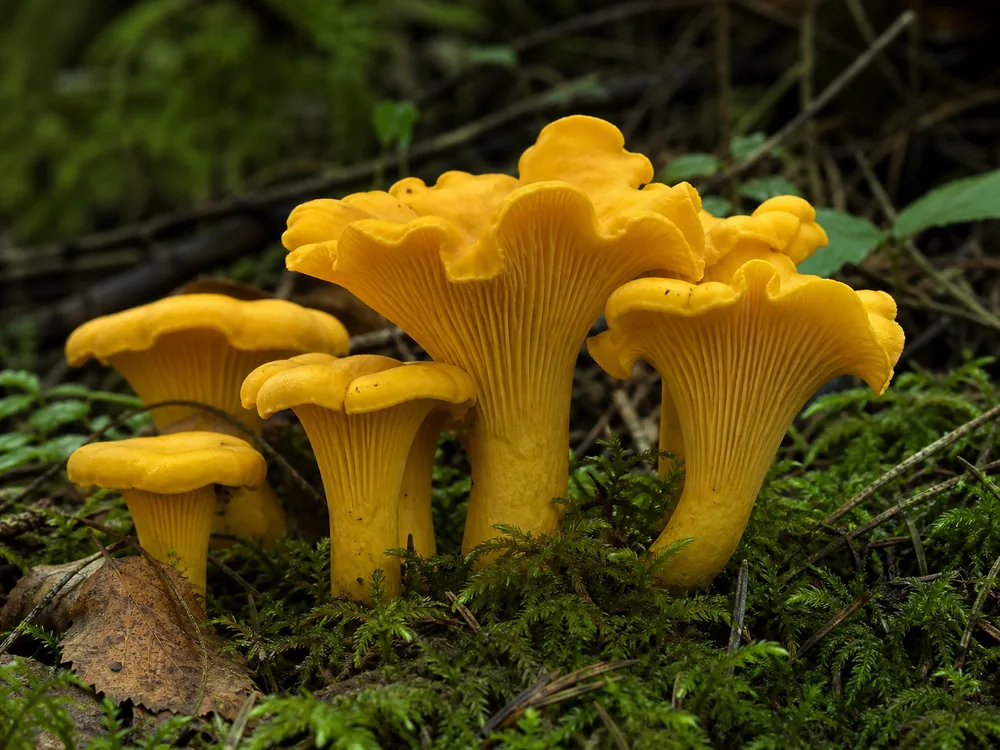 Winter into early springGolden chanterelleOn the ground under coastal oak and tanoak
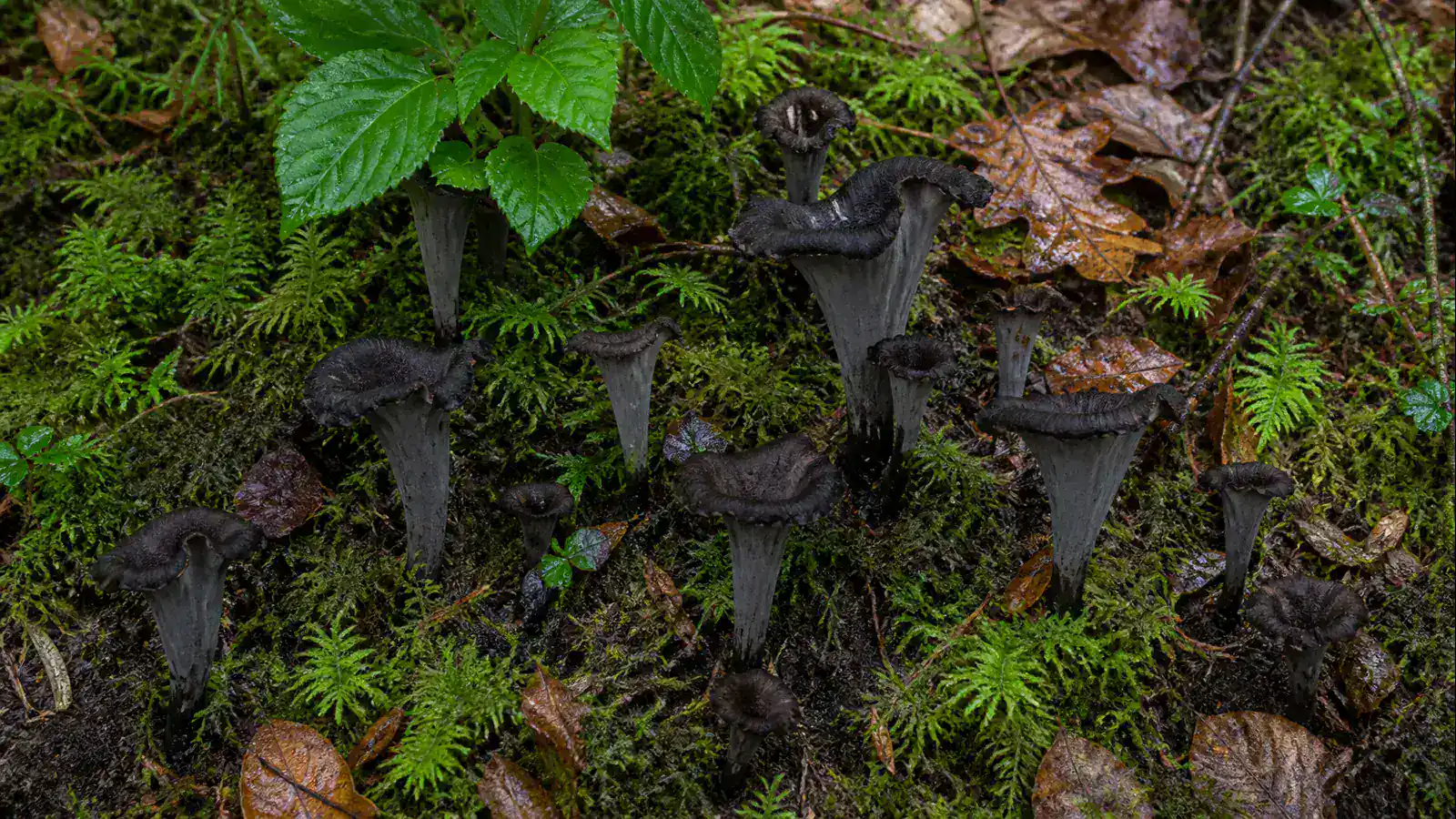 Winter into early springBlack trumpetThe same coastal forests, often on mossy banks
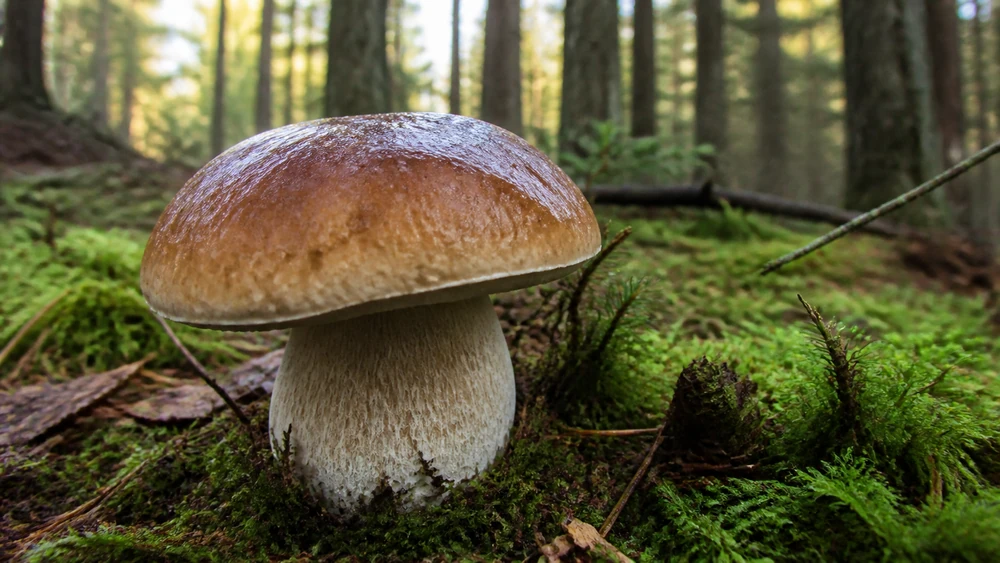 Late autumn on the coast, summer at altitudeKing boleteConifer and mixed forest at both ends
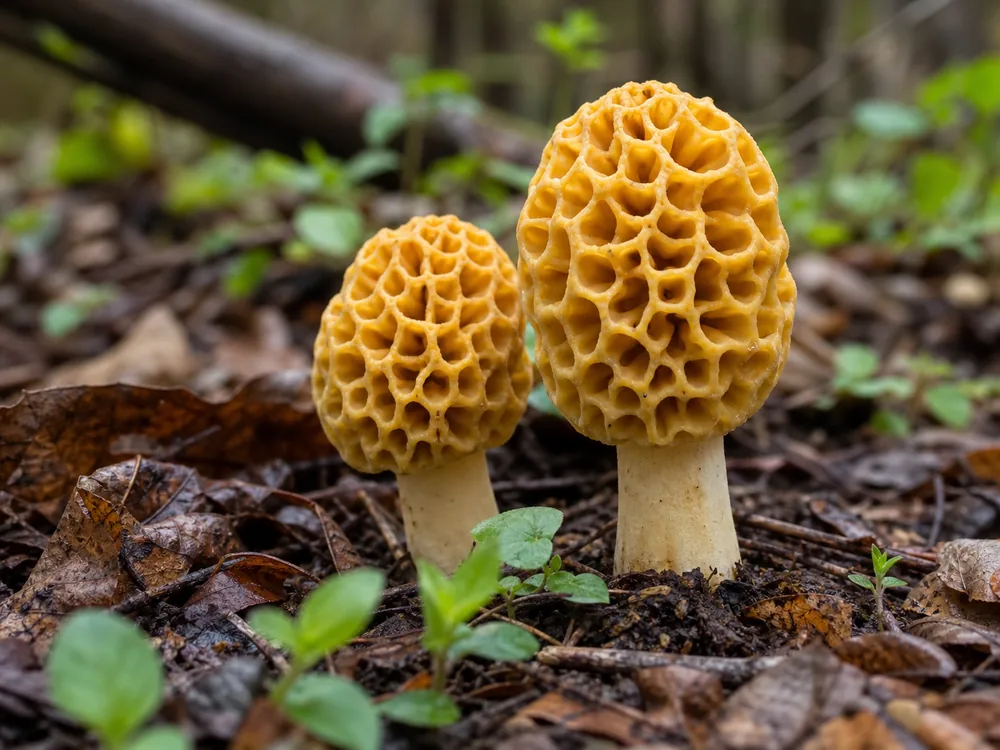 SpringMorelStrongest on ground burned the previous year
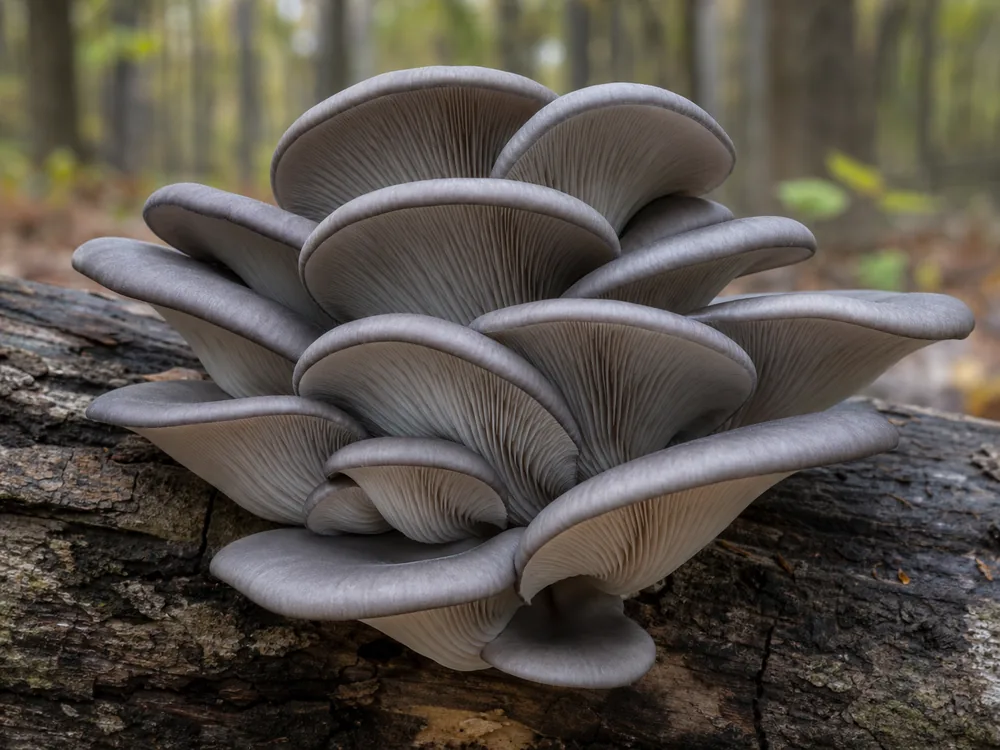 After rain, most of the yearOyster mushroomOn hardwood rather than on the ground
Morels sit apart from the other three. They belong to spring, they respond to fire rather than to a forest partner, and the burned-ground section below is about them specifically.
None of those names is an identification. Each card leads to the characters that separate that mushroom from what it resembles, and a photograph of a cap is never enough on its own.
When does the season move up into the mountains?
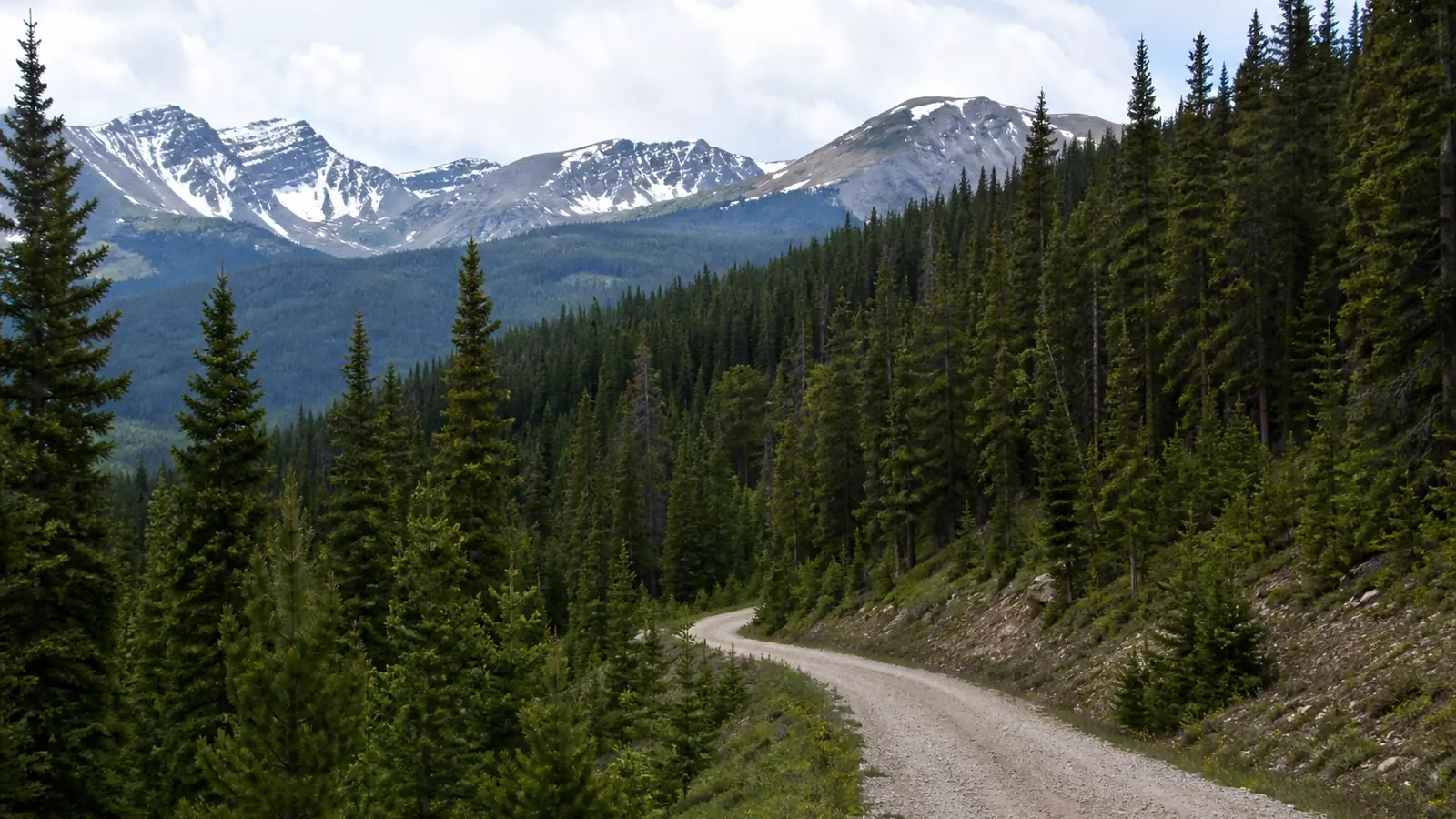
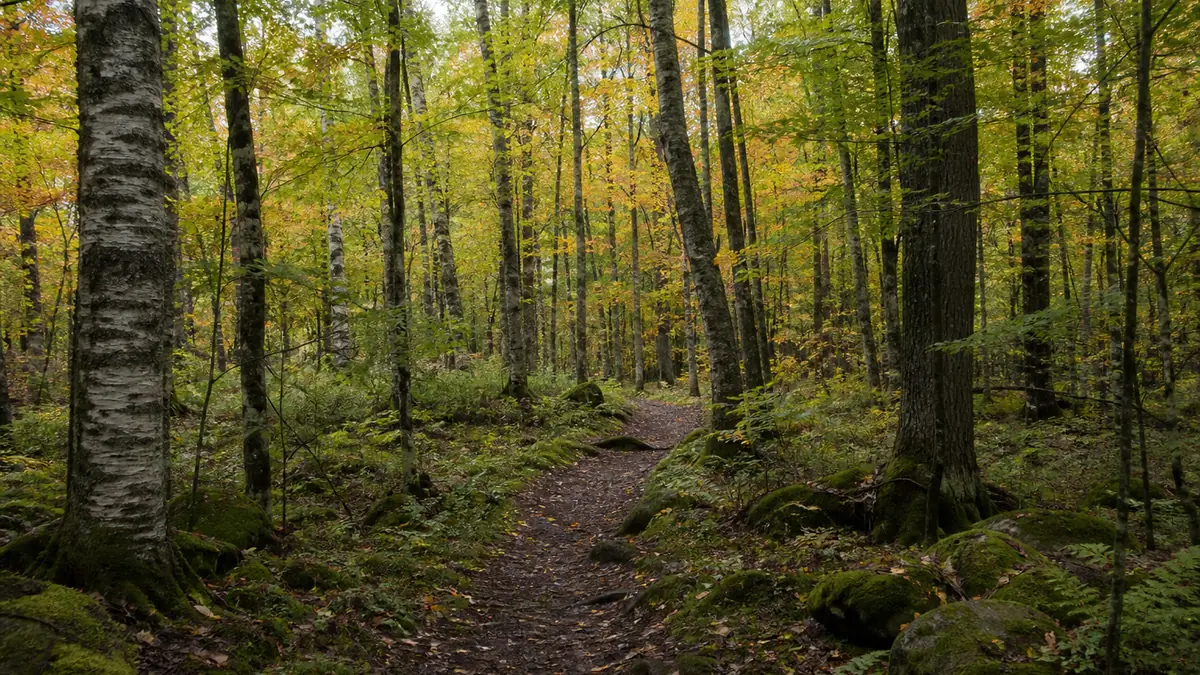
When coastal or foothill ground dries, the California season may still be developing at higher elevation.
The useful line is where snow has withdrawn, the soil has thawed, and forest litter has warmed without losing all of its water.
Note
Warm air at a trailhead does not prove that shaded soil uphill has thawed. Check the ground itself and keep avalanche, road, and seasonal closure information ahead of the mushroom plan.
South-facing slopes generally lose snow sooner than shaded aspects, so two hillsides at the same elevation can behave like different weeks. A shallow thaw beside deep remaining snow may also be too cold for the species you hope to find.
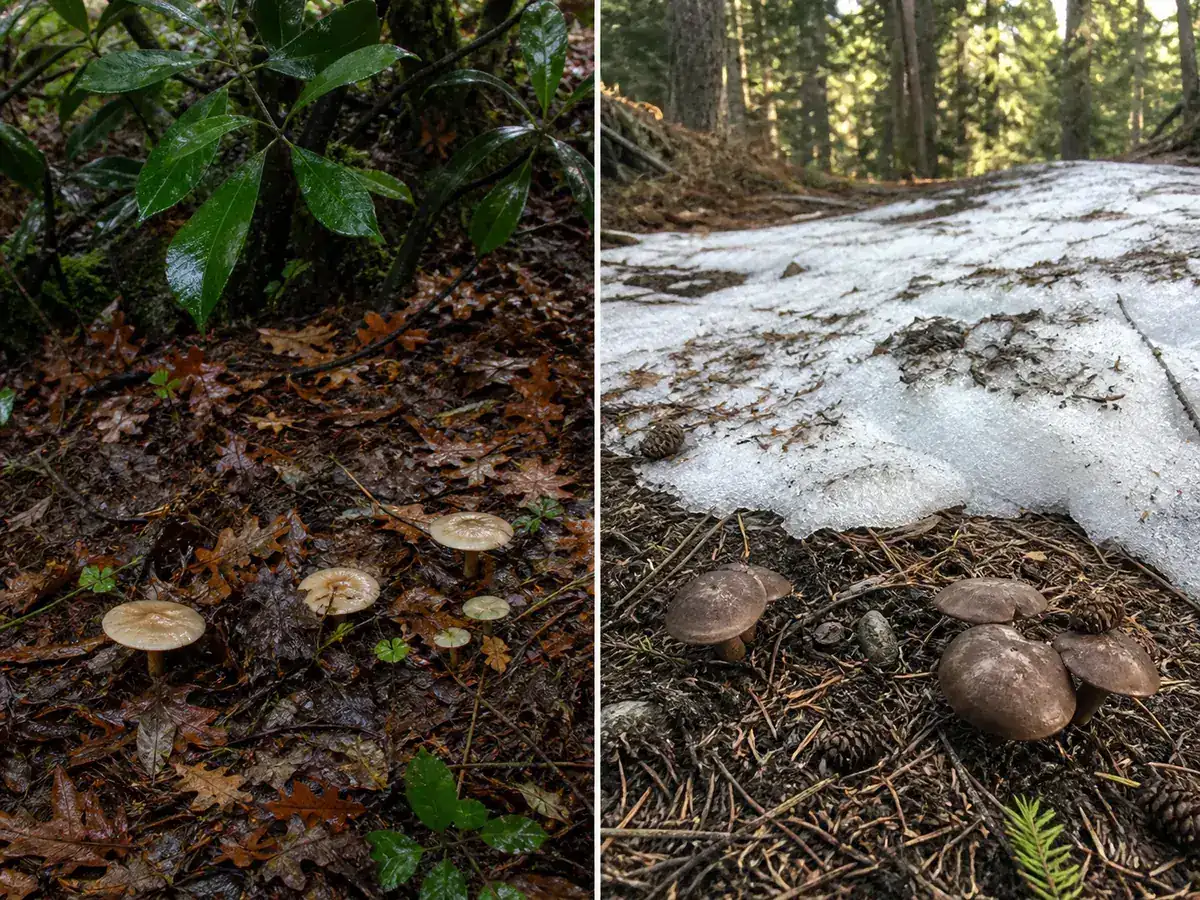
Ground evidence decides whether an altitude is ready.
Forest type, aspect, recent temperature, wind, and the depth of thaw all matter alongside the number on a map.
- Use foothill oak and mixed-conifer benches as an intermediate check.
- Move toward pine, fir, or other higher-elevation partners only after access and thaw are confirmed.
- Inspect the shaded side of logs and the lower litter rather than judging from a sunny parking area.
- Mark the highest dry stop and lowest frozen stop to narrow a return trip.
Boletes, morels, and other sought-after mushrooms do not all respond to the same forest or weather sequence. A tree association predicts where attention may pay off, but it cannot establish a species name or edibility.
The coast-to-mountain plan therefore needs a redirect. If the foothills are hot and dry, move toward a legal higher bench, but if the mountain ground is still frozen, return lower or postpone instead of walking farther into unsuitable terrain.
Read the drying phase after a storm
A California storm creates several field phases. During the rain, flooded crossings and saturated slopes may make access poor even though fungi are receiving moisture.
The first mild days afterward can warm the upper soil while sheltered litter remains damp.
Later, sun and offshore wind can dry exposed ground quickly. The lower litter is the useful moisture record, so compare it with the last rain date rather than assuming every wet-looking leaf represents the same phase.
Use the drying phase to order stops. Begin with a free-draining sheltered forest, move to a more exposed legal edge only if moisture remains below the surface, and finish before heat or wind damages the specimens.
Coastal fog can slow water loss without replacing soaking rain in dry soil. Treat fog as a preservation signal after rain, not as proof that a long dry site has reset.
This sequence also improves return timing.
An empty but moist stop may deserve another visit after mild nights, while a site already dry beneath deep litter needs a new storm rather than another hour of searching.
ForagingMushroom foraging laws in Germany: protected species and small quantitiesCan you forage morels on burned ground?
Recently burned western forests can produce morels, but a fire perimeter is a research lead rather than a harvest promise. Fire year, burn severity, elevation, snowmelt, post-fire rain, tree community, and local access all affect whether a visit is sensible.
Open and stable ground comes before a productive burn.
A closed road, active restoration area, loose ash slope, falling snag, or thunderstorm threat ends the route even when reports from another part of the burn sound good.
Warning
Do not cross a closure, climb loose burned slopes, or work beneath unstable dead trees for a mushroom. Fire damage can leave hazards that remain after smoke and flames are gone.
Inspect the approach from a safe road or trail before entering the burned unit.
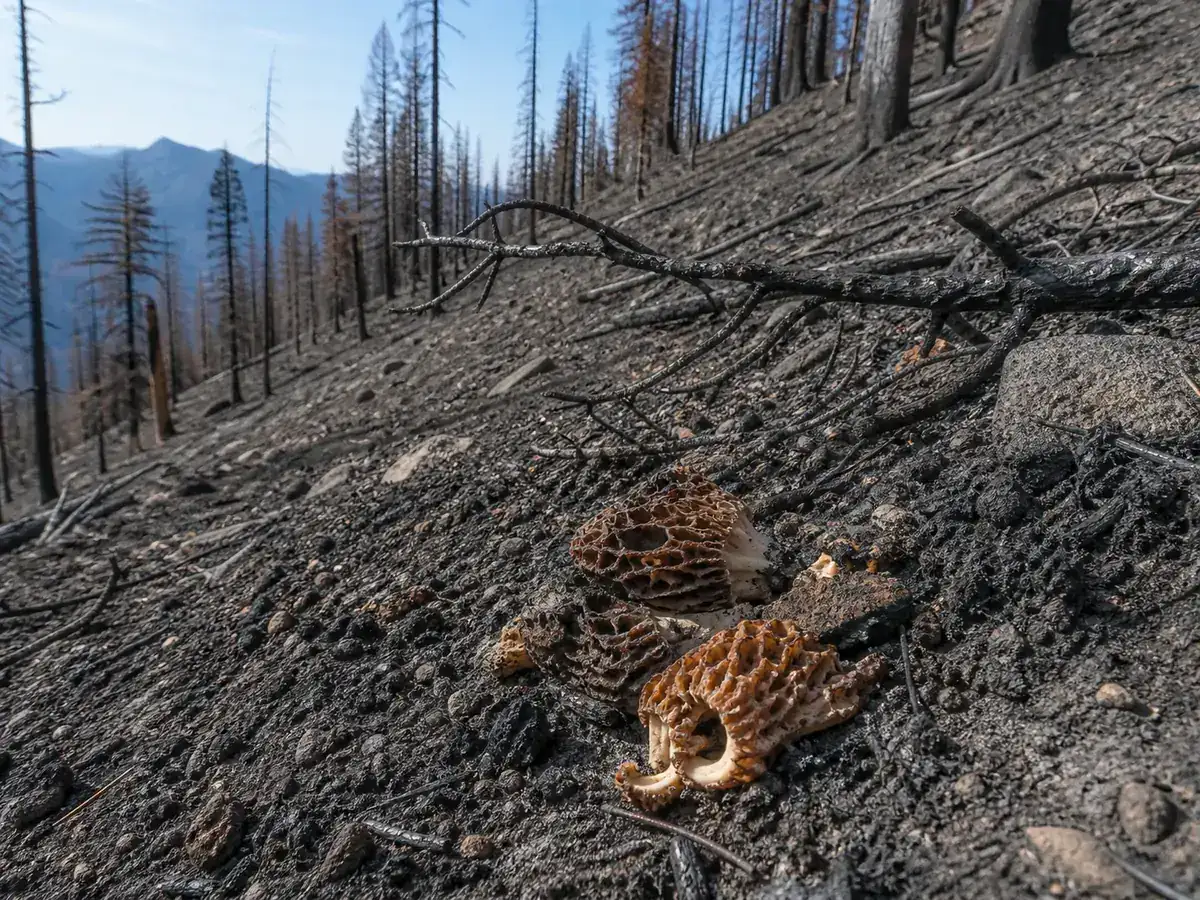
Screen a burned route before leaving home. Complete the access and terrain checks before considering fruiting reports.
- Read the current closure order and map from the managing agency.
- Confirm road status, parking, fire restrictions, and whether forest-product collection is allowed.
- Reject steep drainages, unstable road cuts, and concentrations of standing dead timber.
- Set a turnaround time before afternoon heat or storms change the route.
A true morel should be assessed as a whole mushroom, including cap attachment, surface form, stem, and a lengthwise section that shows a continuous hollow interior. That hollow chamber is useful evidence, but it does not replace a true-morel and false-morel comparison or qualified local confirmation.
Damaged burn mushrooms can lose the same characters you need.
Leave specimens that are crushed, waterlogged, moldy, insect-filled, or detached from their bases because a recognizable outline does not create a defensible identification.
ForagingMushroom foraging laws in the UK: what is actually legalIs mushroom foraging legal in California?
California does not have one mushroom collection rule for every public property. The managing agency, individual unit, posted zone, purpose, quantity, and current closure can all change the answer.
Salt Point State Park currently allows no more than two pounds of mushrooms per person per day outside named prohibited areas. Samuel P Taylor State Park prohibits mushroom collecting, even though both properties sit within the same state park system.
| PROPERTY QUESTION | WHAT TO VERIFY | FIELD RESULT |
|---|---|---|
| Exact unit | Official page, current order, entrance signs, and mapped closed zones | Continue only when the named unit clearly allows collection |
| Personal use | Quantity, method, and whether sale or barter is prohibited | Keep within the posted limit and purpose |
| Protected ground | Reserve, research, restoration, wilderness, or sensitive habitat boundary | Observe without taking when removal is excluded |
| Private parcel | Current owner and explicit permission | Keep a written record or stay out |
A nearby allowance cannot travel with you.
The Salt Point rule does not authorize collecting in another park, and a general operations manual does not override a stricter unit page or closure notice.
That contrast makes the order important, so run the legal check before using the forecast.
- Identify the property and management unit from an official map.
- Read the current mushroom or natural-resource rule for that unit.
- Check protected zones, seasonal closures, and road restrictions.
- Ask the office when the wording is silent or contradictory.
- Save the source and date with the trip notes.
A posted quantity is only one part of the rule. Collection method, personal-use purpose, hours, parking, closed research zones, and whether a single large specimen exceeds the stated allowance can change the lawful outcome.
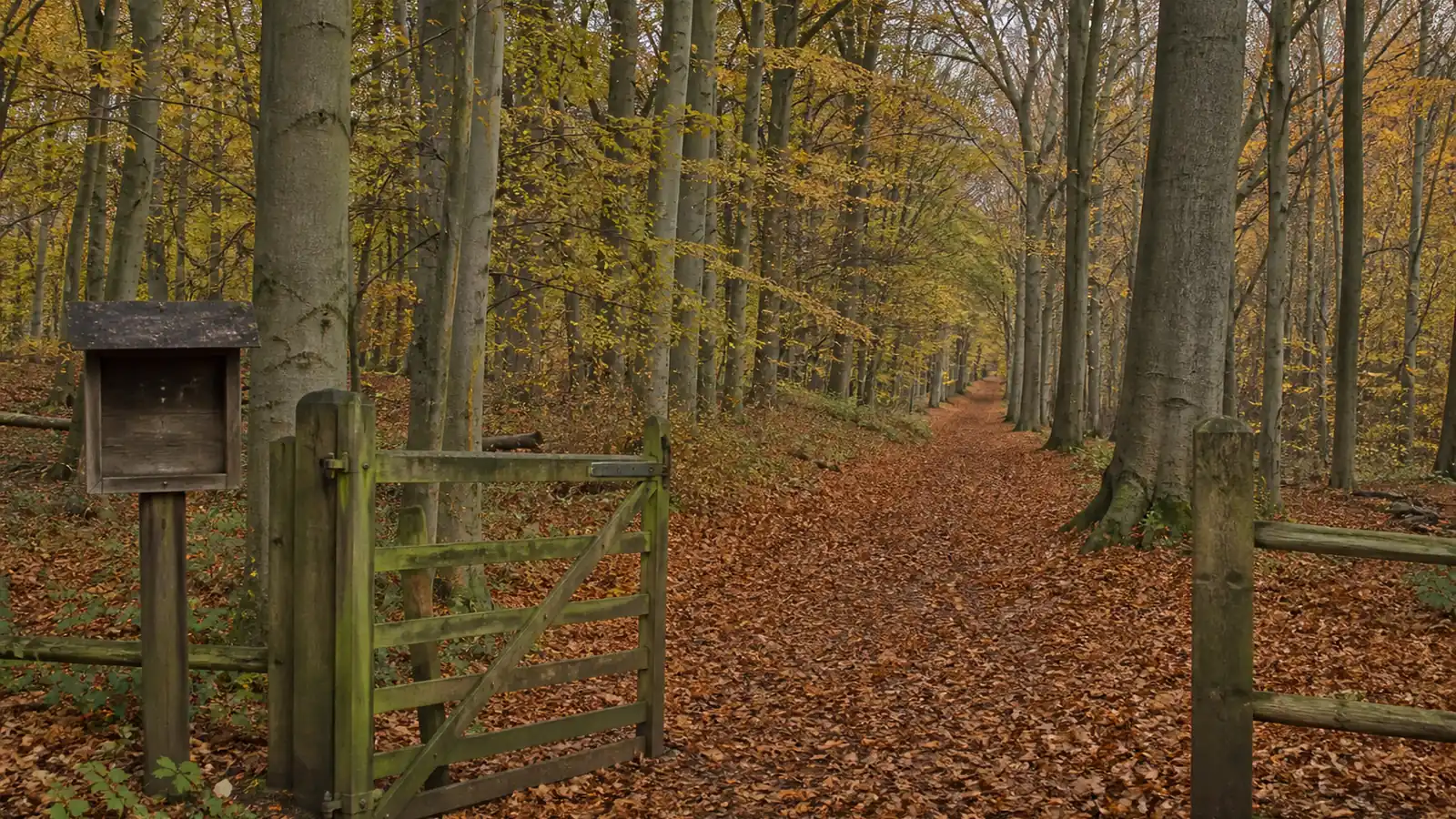
Read signs at the actual entrance used for the walk.
A unit may contain a collecting zone and a separate reserve where removal is prohibited, so a saved park homepage cannot replace the mapped boundary under your boots. When two official sources conflict, ask the unit office and keep the more restrictive interpretation until the conflict is resolved.
A written rule should answer the whole field action, including entry, removal, quantity, place, and purpose.
Commercial intent changes the question again. A personal-use allowance does not authorize sale, guiding, or organized removal, and national forests may administer mushrooms as special forest products under district-specific permits.
How do you record a specimen so it can be identified?
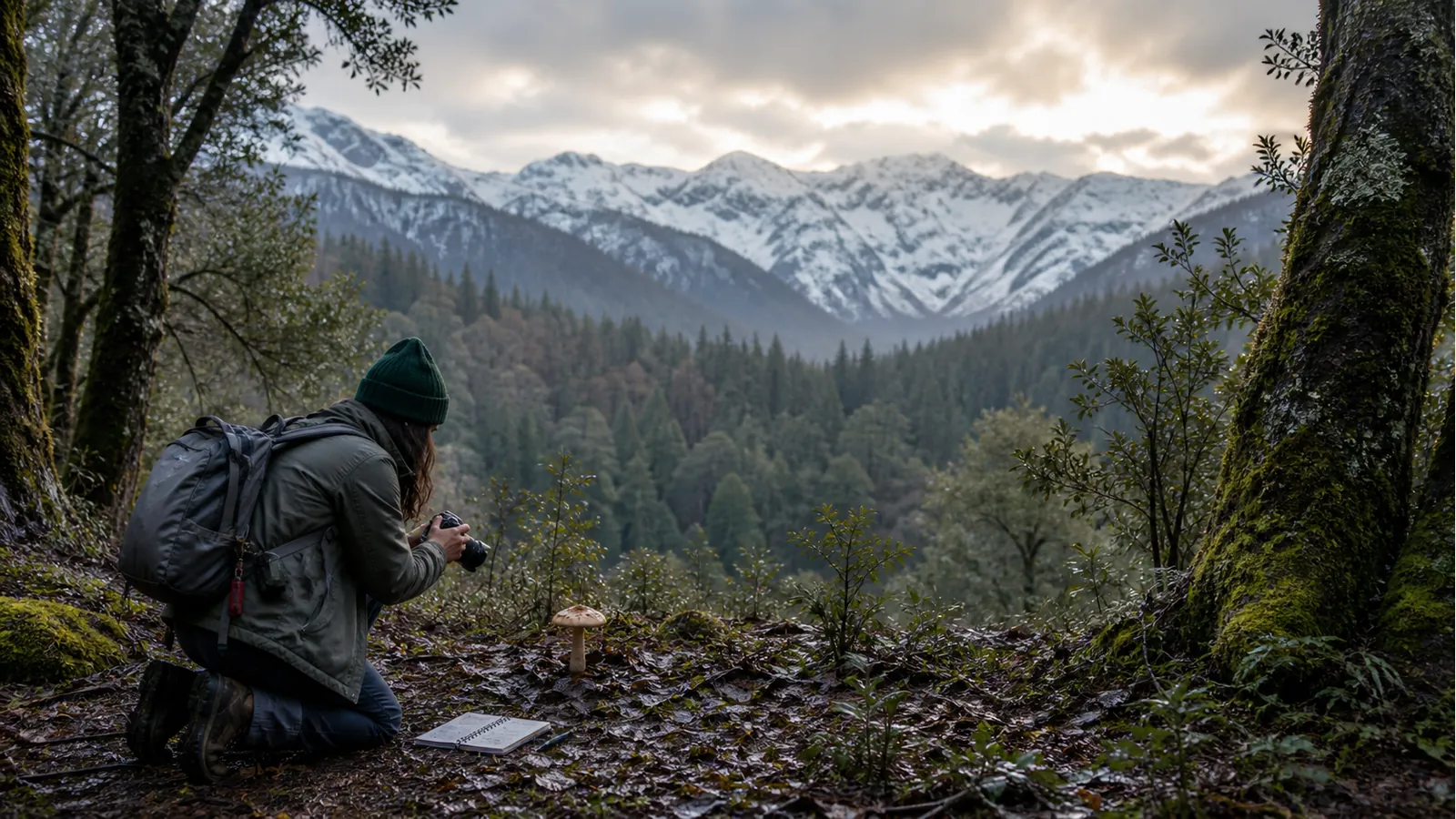
A useful record lets another person connect one whole specimen to one location, substrate, tree setting, and set of photographs. Detached caps in a mixed bag destroy that connection before a reviewer sees them.
Together, these checks preserve the characters shown in the evidence photograph.
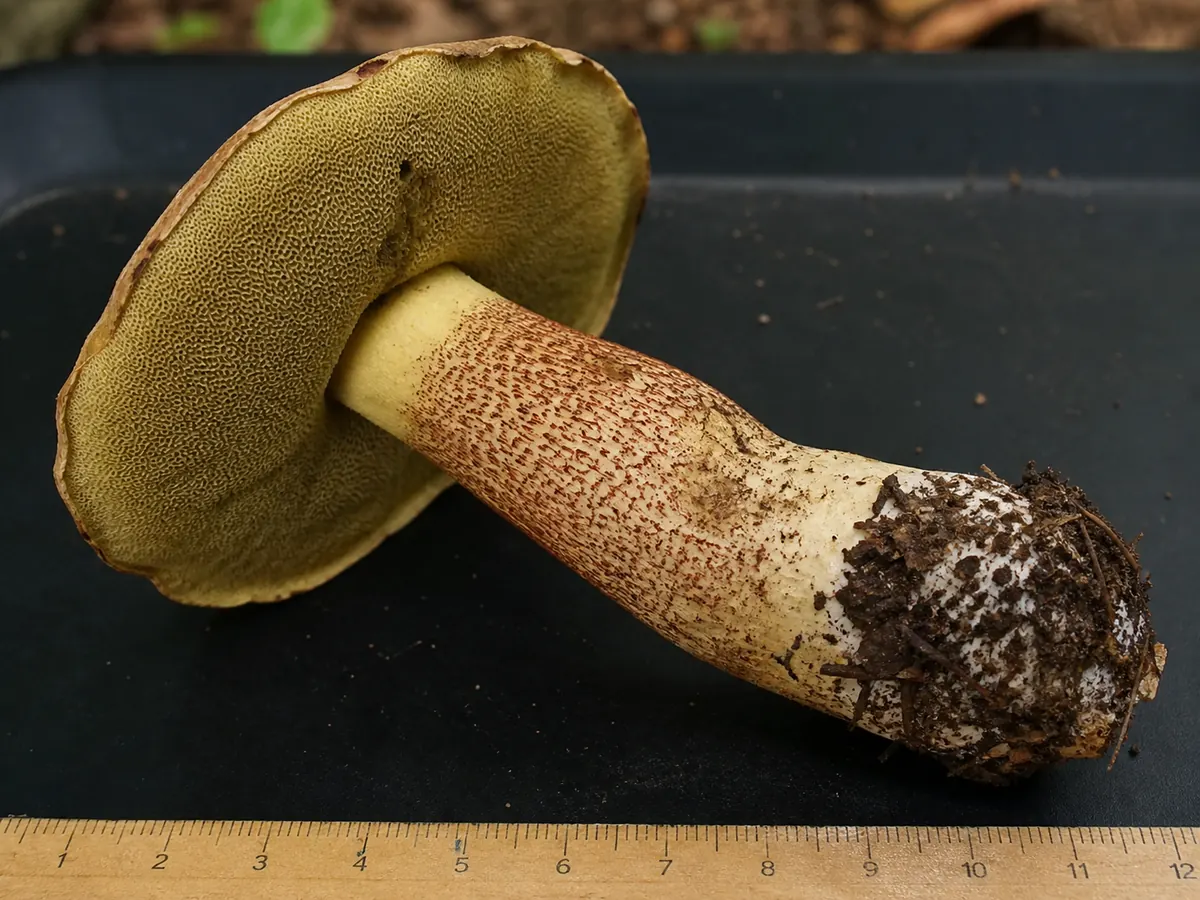
Separate field numbers keep each candidate distinct because paper containers prevent one cap, stem, photograph, location, or note from being assigned to another mushroom.
- Photograph before disturbance.
- Collect one complete representative specimen only where allowed.
- Write the tree, substrate, elevation, date, and condition on its field card.
- Keep unknown material away from every intended food collection.
These app suggestions can provide names for further investigation, but they cannot replace foraging safety rules or resolve a local lookalike from an incomplete image. California's large range of climates and species makes local expert review especially important.
Old, frozen, dried, or waterlogged specimens may be interesting to photograph but poor material for a food decision.
If the base, underside, attachment, texture, or color change is missing, leave the specimen out of the kitchen.
Should you collect it, redirect, or leave it?
Turn the day's observations into an outcome instead of treating every trip as a hunt for something edible. A lawful observation with good notes is a successful result, even when the basket stays empty.
This sequence produces one route record that joins legal access, habitat conditions, and specimen evidence.
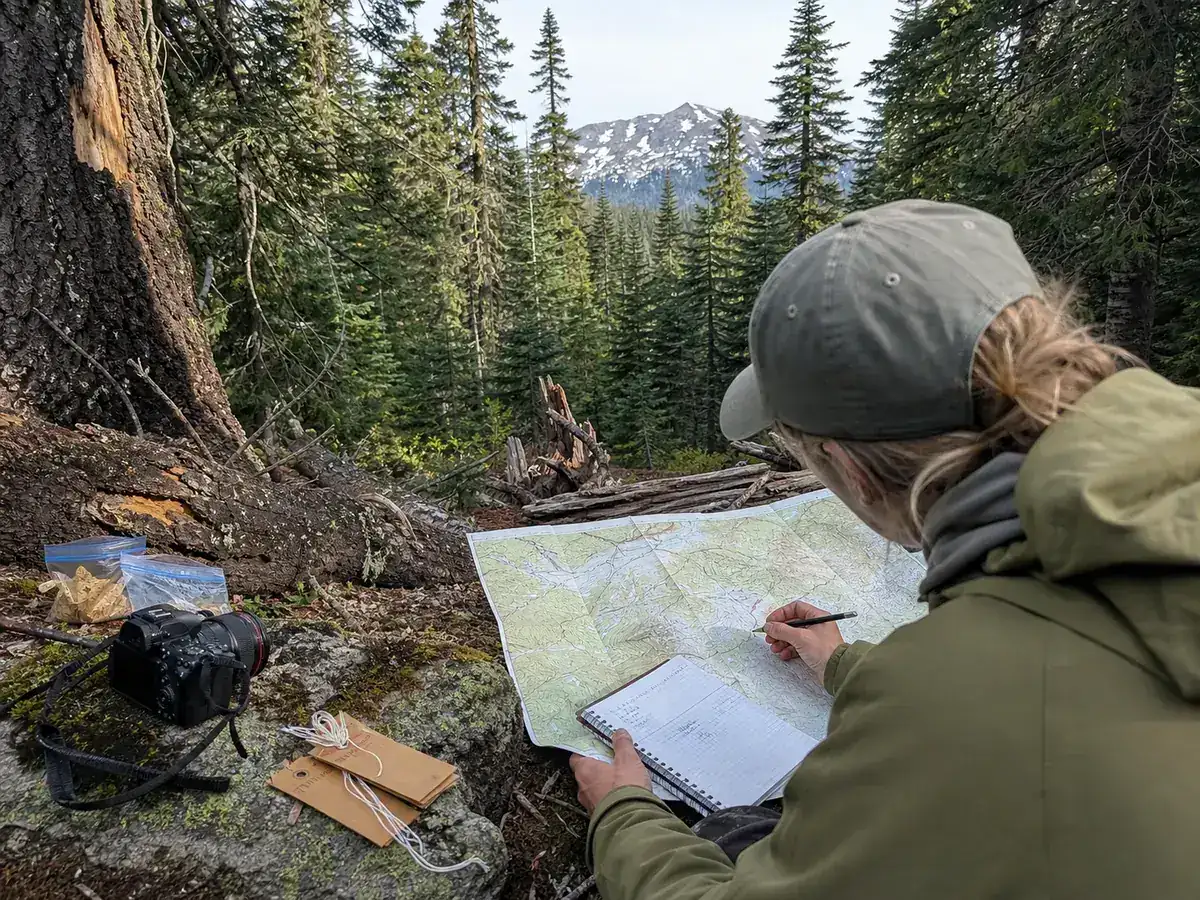
This completed record supports a redirect when the planned zone is dry, frozen, closed, or unsafe. Change the habitat or date, but keep the same legal and identification standard.
Uncertain mushrooms stay outside food at the end of the trip.
Cooking does not correct a mistaken identity and does not neutralize every mushroom toxin.
- Collect
- The property allows it, the limit is clear, the specimen is sound, and qualified confirmation supports the identity
- Redirect
- The rule is clear but rain, thaw, forest condition, or safe access does not support the planned stop
- Observe
- Access allows a visit but collection authority is absent or the habitat is sensitive
- Leave
- The mushroom is incomplete, mixed, degraded, or uncertain
- Call
- Someone may have eaten an unknown wild mushroom
If anyone may have eaten an unknown wild mushroom in the United States, treat mushroom poisoning symptoms as urgent and call Poison Control immediately at 1-800-222-1222. Preserve uncooked material, photographs, field notes, meal details, the amount eaten, and the exposure time for the specialists.
Sources & References
- California State Parks, Rules and Regulations General natural-resource collection rules.
- California State Parks, Natural Resources Operations Manual Unit authority and collection conditions.
- California State Parks, Salt Point State Park Current two-pound limit and closed zones.
- California State Parks, Samuel P. Taylor State Park Current mushroom collection prohibition.
- USDA Forest Service, Ecology and Management of Morels Western elevation and burn-linked morel ecology.
- Poison Control, Wild Mushroom Warning Identification and emergency guidance.