
Fall Mushrooms
Autumn is peak mushroom season across most of the temperate world. It brings the richest variety of the year, and the greatest need for caution.
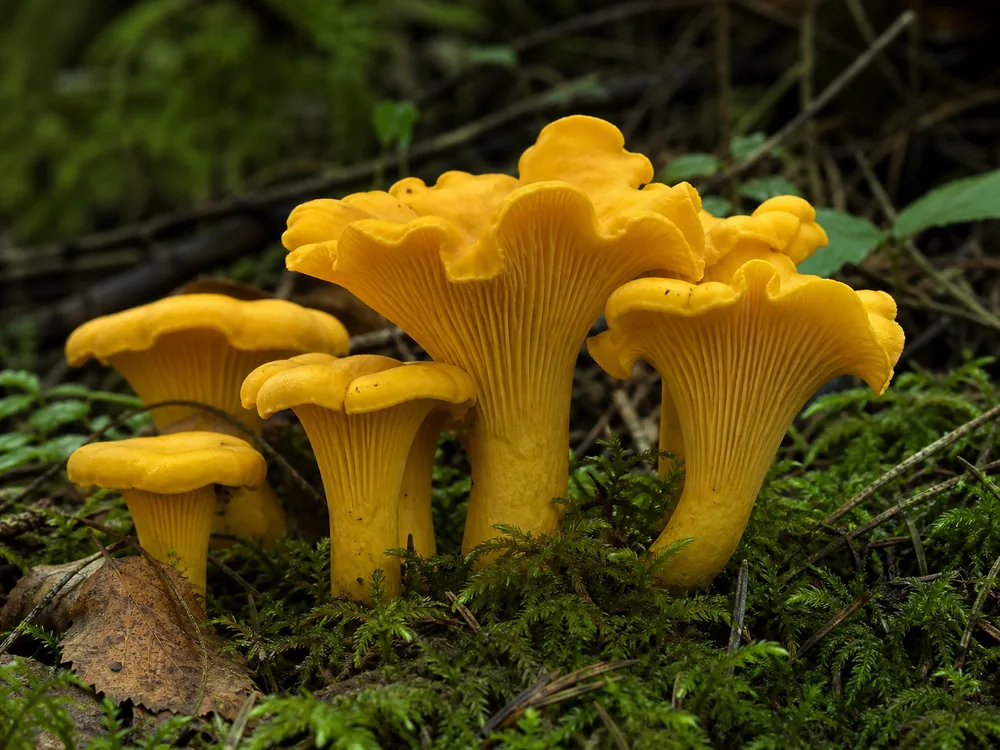
Chanterelle
Cantharellus cibariusA chanterelle is worth learning because its best edible traits are also its safety checks. Look for blunt…
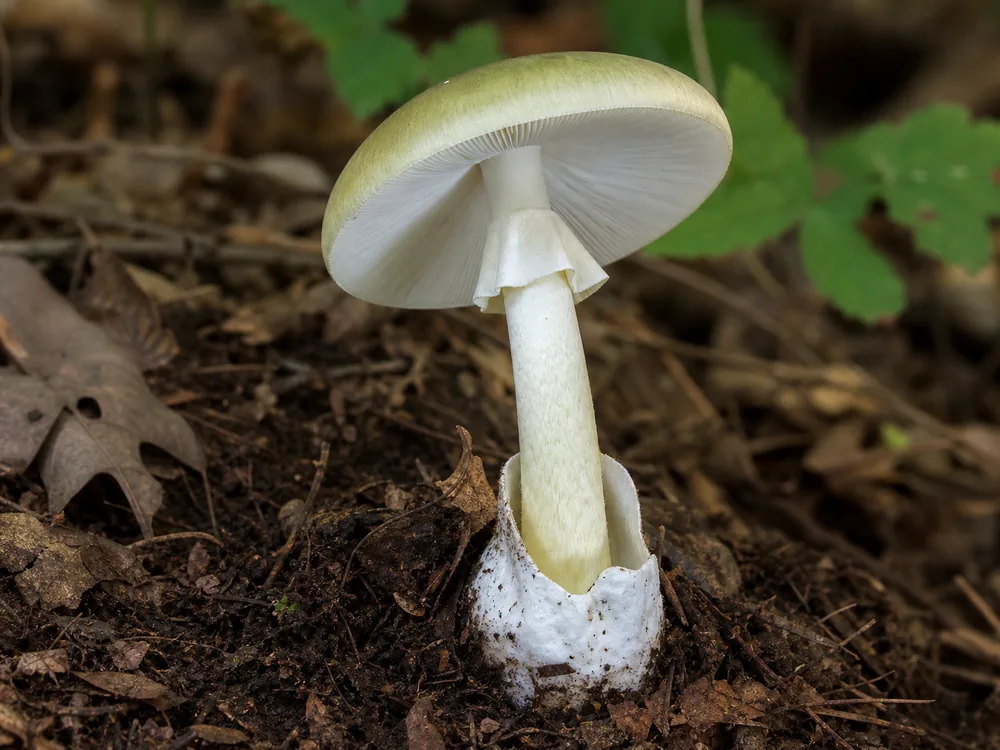
Death Cap
Amanita phalloidesThe death cap is the mushroom you identify to avoid. If a white-gilled Amanita has a ring on the stem and a…
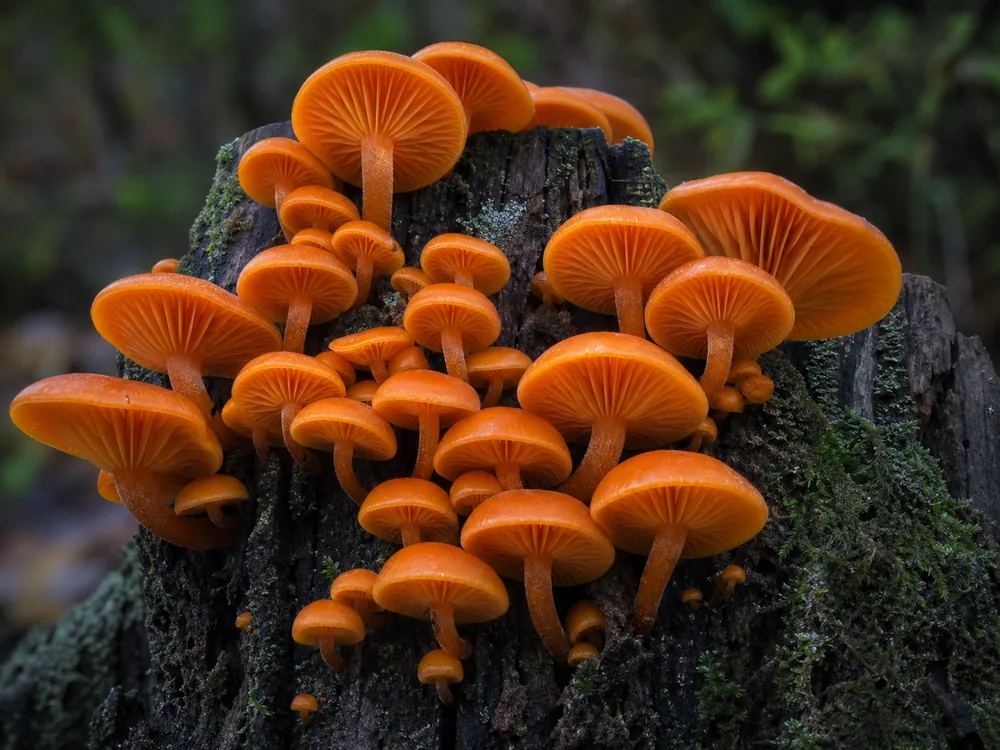
Jack O'Lantern
Omphalotus illudensA Jack O'Lantern is the orange mushroom you learn so you can reject it fast. The field pattern is true sharp…
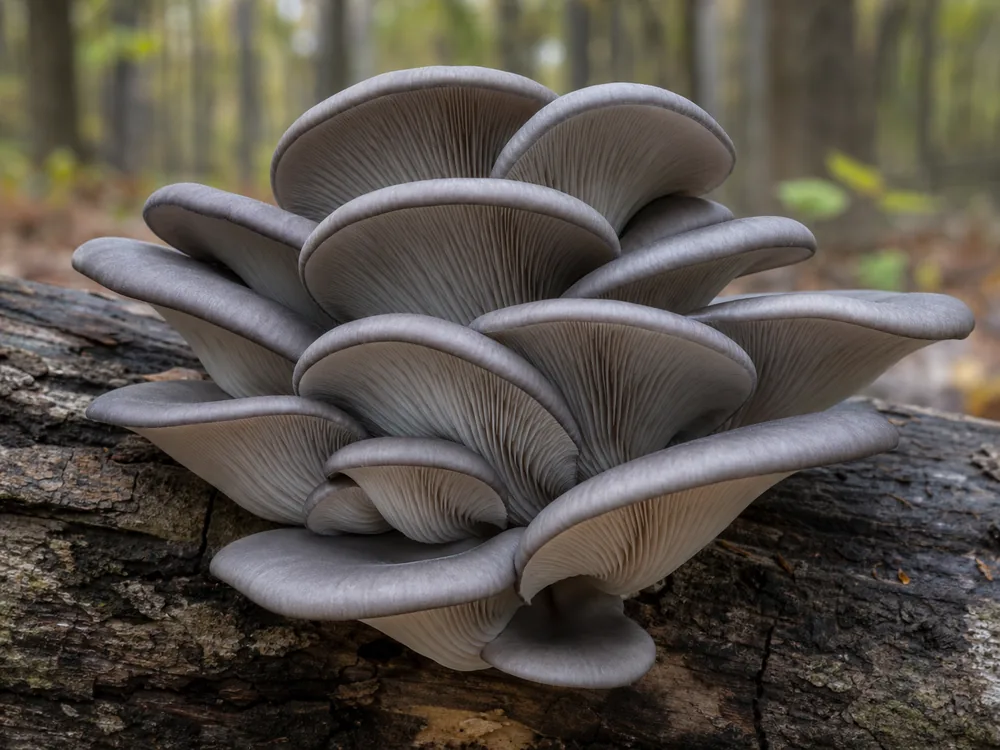
Oyster Mushroom
Pleurotus ostreatusOyster mushrooms are one of the best beginner edibles because the growth pattern is so practical. Look for…
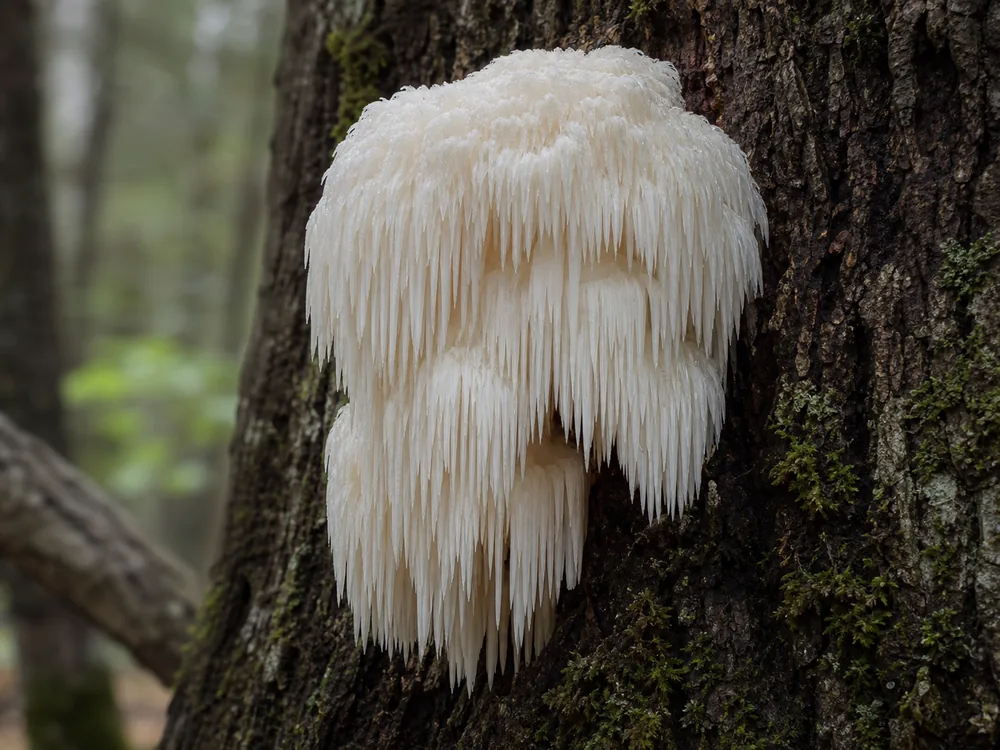
Lion's Mane
Hericium erinaceusLion's Mane is the white tooth fungus that looks like a shaggy pom-pom on hardwood. It is easy to recognize…
The big flush
Cooling air and steady rain trigger a wave of fruiting. Chanterelles, boletes, oysters, and dozens of others appear in a few short weeks.
It is the best time to forage and the busiest time for poison control.
Why autumn needs the most care
More species fruiting means more dangerous lookalikes on the ground at once. The deadly Amanitas are an autumn feature in many regions.
Warning
A crowded autumn forest floor is exactly where a hurried identification goes wrong. Slow down and check every feature.
Make the most of it
Learn a few reliable autumn species well rather than picking widely. A short list you know cold beats a long list you half recognise.