
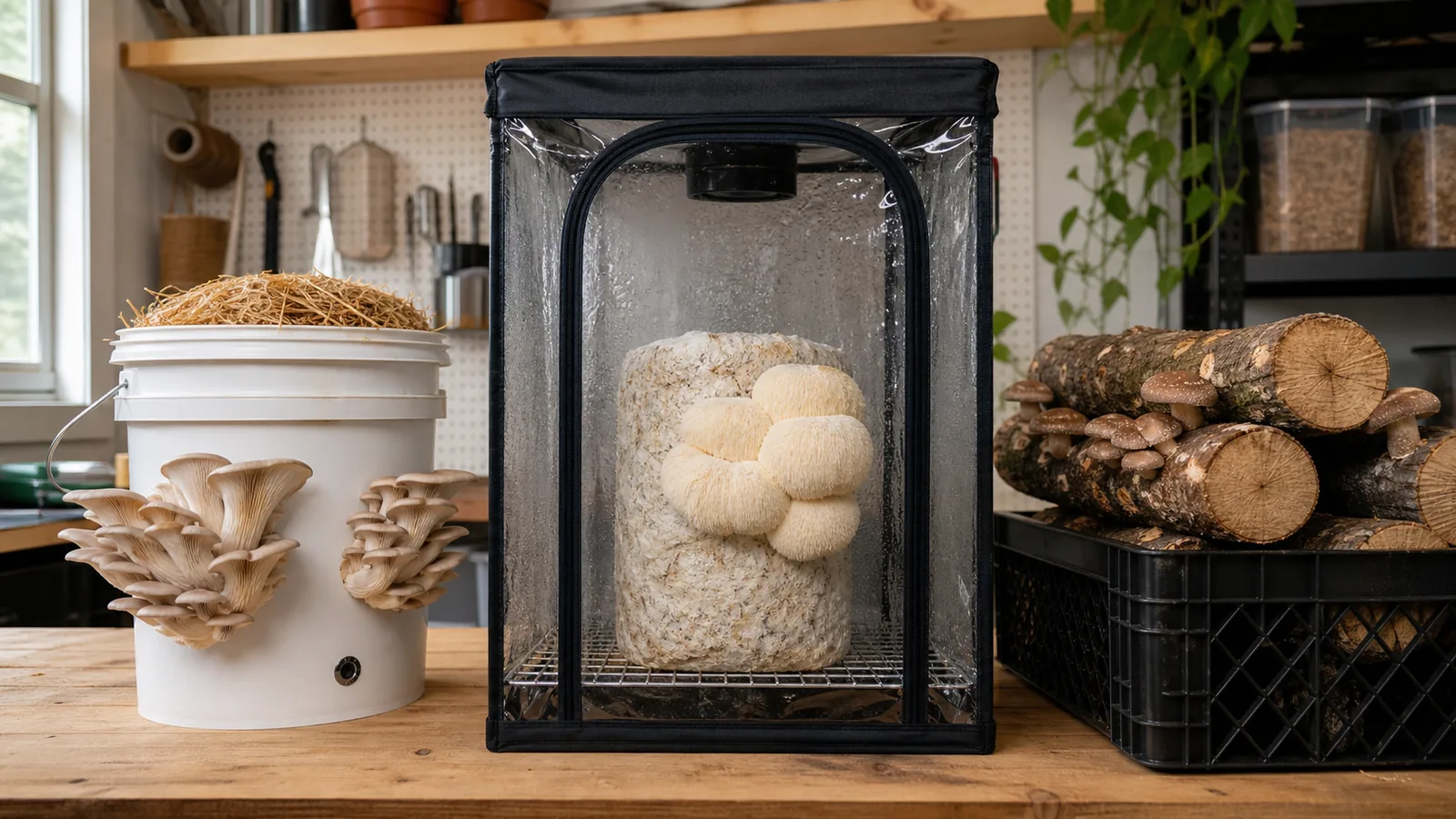
The best mushrooms to grow at home are the ones that forgive beginner mistakes while still teaching real cultivation. Start with fast wood-loving species, then move into slower blocks or logs once you can control moisture, airflow, and contamination.
-
1
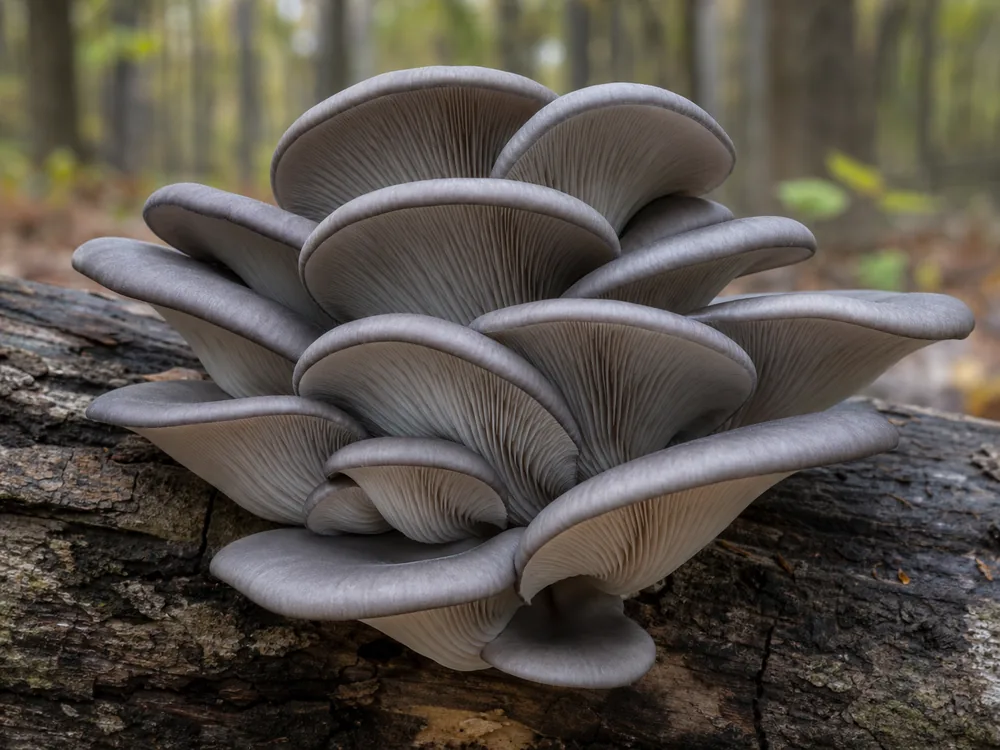 Pleurotus ostreatus
Oyster Mushroom
Best first growFast, aggressive, and forgiving on pasteurized straw, buckets, or ready-to-fruit blocks.
-
2
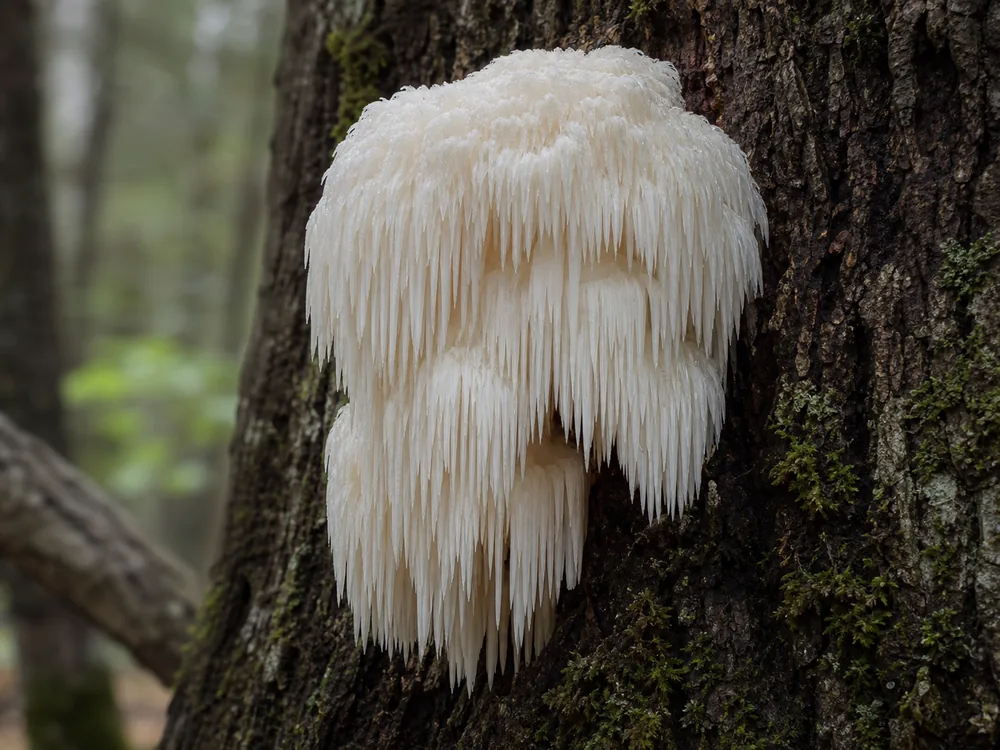 Hericium erinaceus
Lion's Mane
Best second growClear visual payoff and good market value, but it needs hardwood sawdust and steadier humidity.
-
3
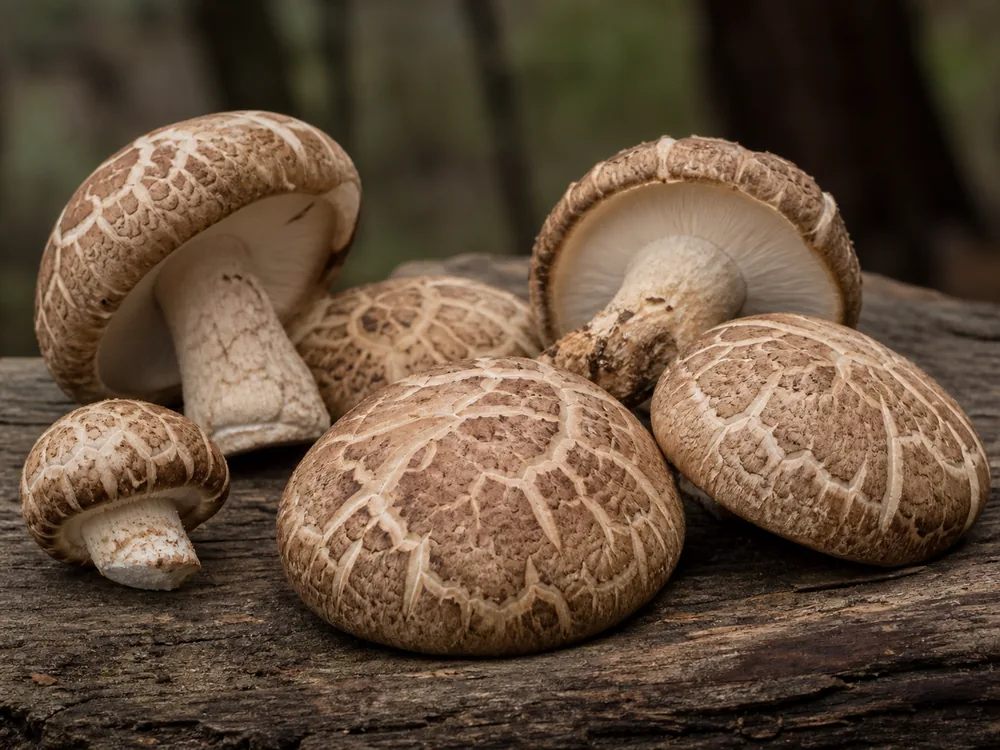 Lentinula edodes
Shiitake
Best long-term projectSlow on logs and more demanding on blocks, but it rewards patience with dense, savory caps.
-
4
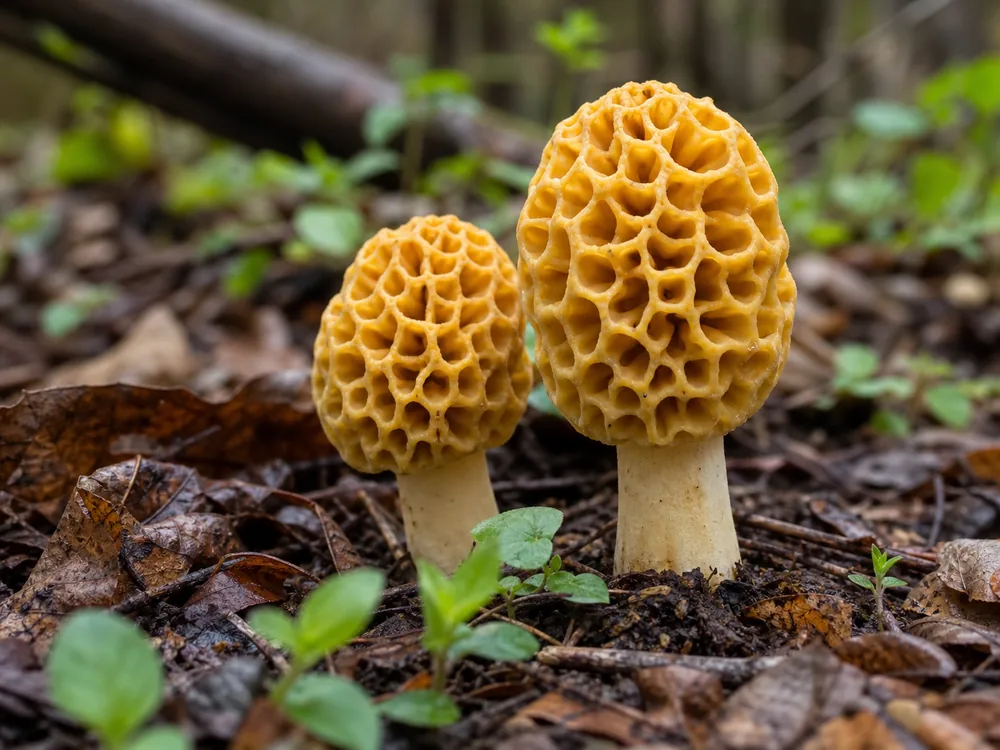 Morchella esculenta
Morel
Not a beginner home growExcellent to eat, but its outdoor ecology makes it unreliable for normal home cultivation.
| Mushroom | Beginner difficulty | Best method | First realistic harvest | Main failure point |
|---|---|---|---|---|
| Oyster mushroom | Easy | Pasteurized straw bucket or kit | 2 to 5 weeks | Substrate too wet or poor fresh air |
| Lion's mane | Medium | Hardwood sawdust block | 4 to 8 weeks from a ready block | Dry air and weak fruiting conditions |
| Shiitake | Medium to hard | Hardwood log or sawdust block | Months on blocks, 6 to 18 months on logs | Impatience during colonization |
| Morel | Hard | Outdoor bed or tree-associated project | Unreliable | Ecology is hard to recreate |
The safest first choice is oyster mushroom
Oyster mushrooms are the best first mushroom to grow at home because they colonize quickly and tolerate simple setups. They are the species most likely to reward a beginner before small mistakes turn into frustration.
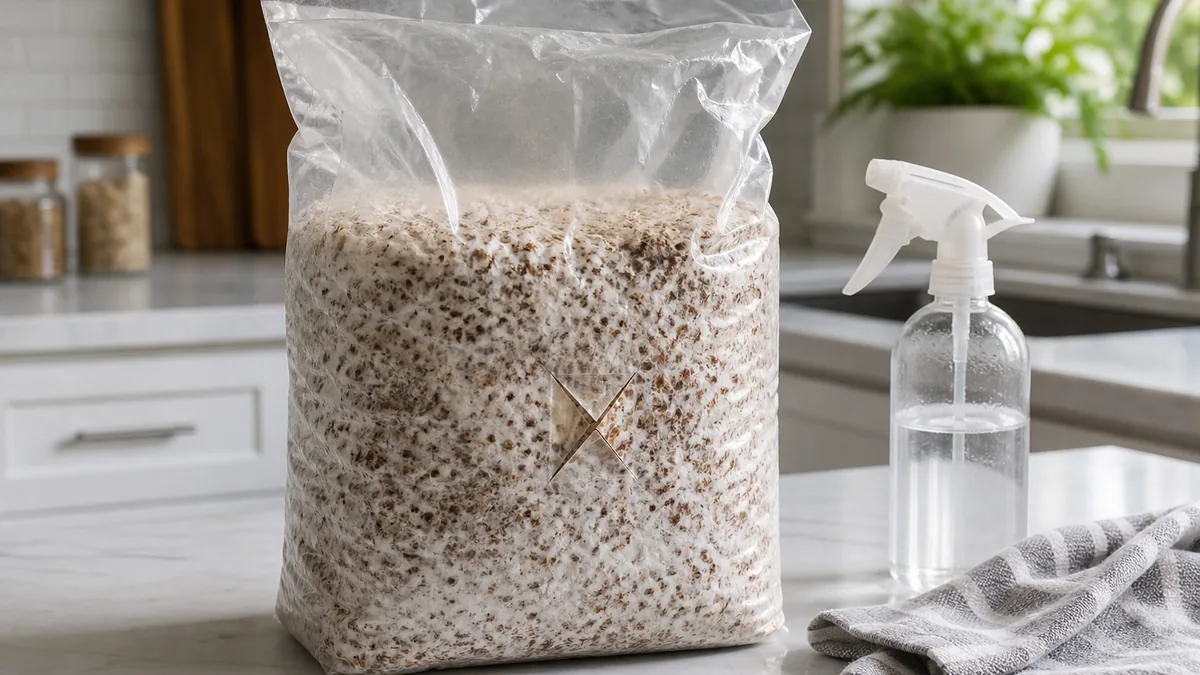
They grow well on pasteurized straw, buckets with side holes, simple bags, and many ready-to-fruit kits. That range matters because it lets you learn the basic cycle without buying lab gear.
Oyster growing is a moisture and air balance because mycelium needs damp substrate while fruiting caps need fresh air. Stale air stretches stems, and saturated substrate favors contamination.
Pearl, blue, pink, and golden oyster strains do not share one temperature preference, so the spawn supplier's fruiting range should match the room because a strain held outside its range may colonize yet form weak pins that look like a humidity problem when temperature owns the failure.
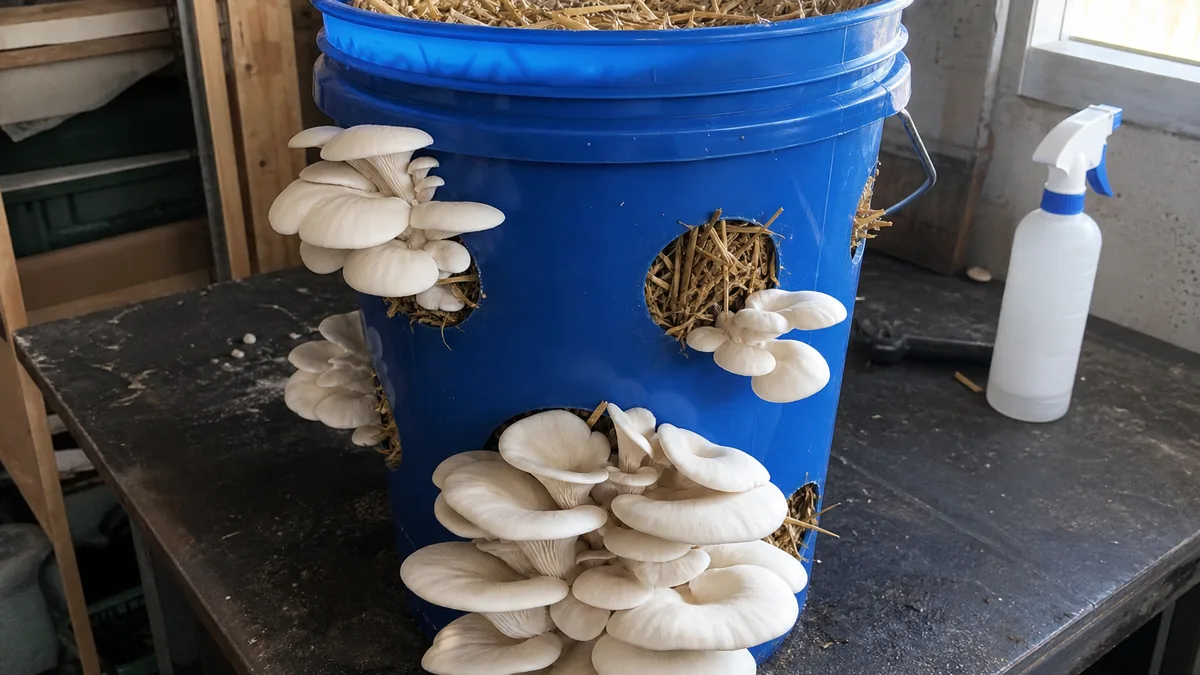
A fresh oyster block gives the simplest start, while straw substrate adds pasteurization and packing once you are ready for that lesson and keeps the first kitchen cleanup small enough to manage.
- Best first grow
- Oyster mushrooms on pasteurized straw or a ready fruiting block
- Easiest indoor fruiting
- Lion's mane and oyster kits with high humidity and fresh air
- Best outdoor project
- Shiitake logs if you can wait through a long spawn run
- Avoid at first
- Wild spawn, unknown substrates, and warm dirty rooms
Lion's mane is the best second project
Lion's mane is still beginner-friendly, but it asks for better conditions than oyster mushroom. It prefers hardwood sawdust blocks and steady humidity, and the fruiting body can dry or yellow if air and moisture are off.
A healthy lion's mane block gives clear feedback through white toothed clusters that are easy to recognize and harvest. Its anatomy avoids the cap-and-gill timing that can confuse a first grow.
Cut one small opening where the block has firm white growth instead of removing the whole bag, because the plastic keeps unused substrate from drying while rounded dense clusters show balanced fruiting and thin coral branches point toward excess carbon dioxide and a need for more fresh air.
| What to watch | Good sign | Fix if it goes wrong |
|---|---|---|
| Surface color | White to cream | Reduce age, heat, or drying if it yellows early |
| Tooth growth | Short hanging teeth before harvest | Harvest before teeth stretch too far |
| Humidity | Full, plump growth | Mist chamber walls, not the fruit directly |
| Airflow | Compact, clean shape | Add gentle fresh air if growth looks leggy |
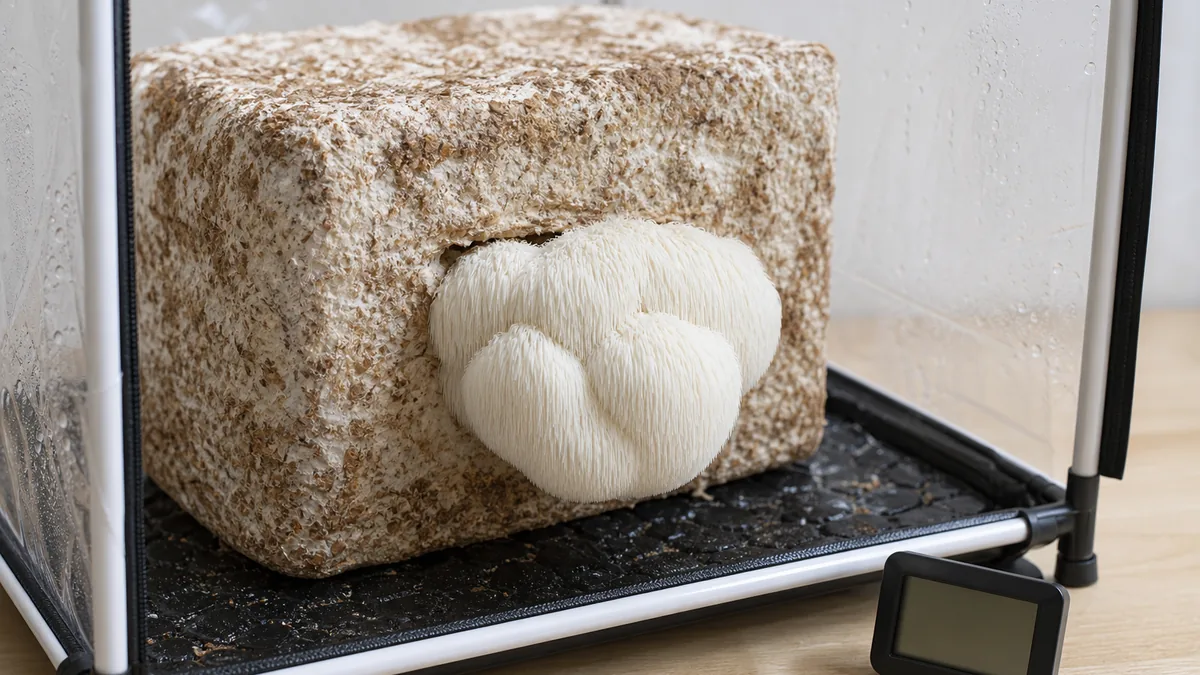
Use a ready block before you try to make your own supplemented sawdust. Sterilizing sawdust and mixing spawn cleanly is a different skill from fruiting a block.
Shiitake rewards patience, not speed
Shiitake is a slower hardwood project than oyster and therefore rarely the easiest first grow.
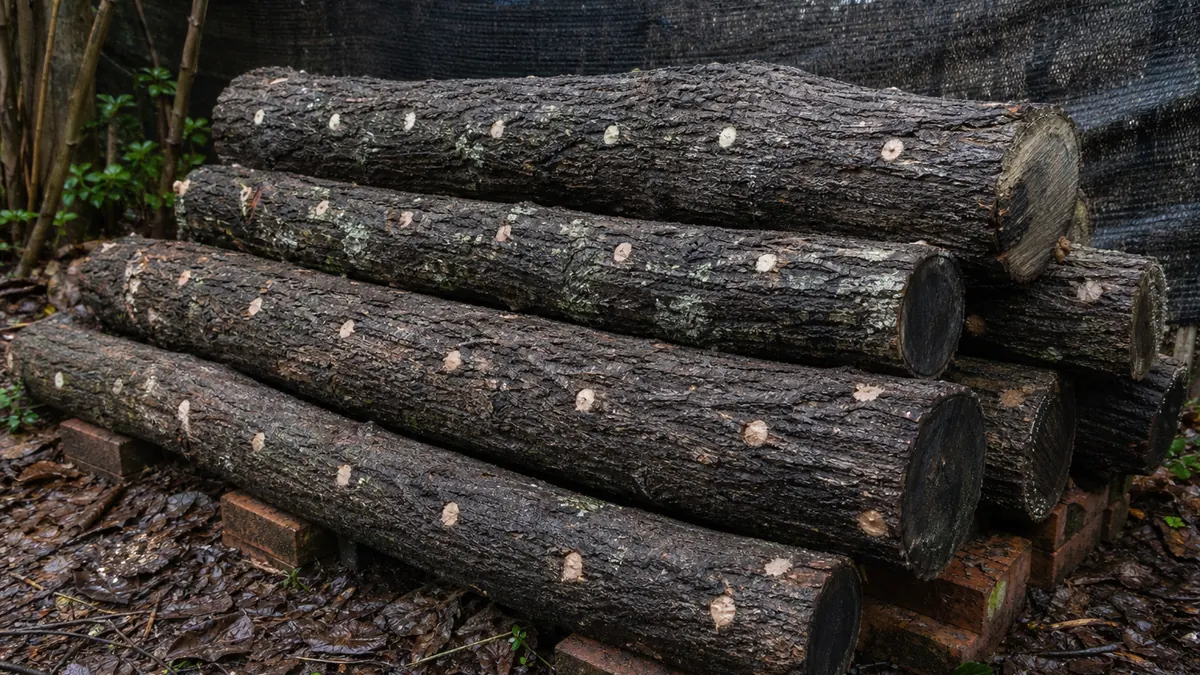
The low-tech shiitake route uses fresh drilled hardwood logs, plug spawn, waxed holes, and 6 to 18 months of shaded colonization. A well-managed log can then fruit for several years.
Sawdust blocks fruit sooner but require cleaner technique, complete browning, and a rest before stimulation. Rushing that maturation weakens the crop.
A mature shiitake block often develops a brown protective surface before fruiting, and that normal browning should not be confused with green mold or wet bacterial patches because after maturation the supplier may call for a cold soak or impact while the block still needs fresh air and surface moisture rather than constant spraying.
Growing shiitake on logs is the better next step once you can keep an oyster grow clean. Shiitake teaches patience and wood management, not quick feedback.
Skip morels as a normal beginner project
Morels are unreliable for beginners because outdoor soil, microbes, season, and tree relationships are difficult to reproduce.
A morel kit can fail despite correct care because the species depends on ecological signals the package cannot guarantee. Slow, uncertain feedback makes it a poor teaching project rather than proof that the grower lacks skill.
Successful morel cultivation can depend on strain, soil microbes, nutrient timing, winter cooling, spring warming, and the formation of dense storage structures called sclerotia that a retail kit rarely lets a beginner inspect, so months without fruit provide no clear diagnosis and teach less than a visible oyster or lion's mane block.
Warning
Do not judge home-growing skill by a failed morel bed. Oyster mushrooms, lion's mane, and shiitake teach cleaner, more repeatable lessons.
Outdoor morel projects retain an identification boundary because false morels can appear during the same season. Confirm the true-morel hollow interior before any harvest enters the kitchen.
Best ofWhich Mushrooms Are Safest for Beginners to Learn?Choose the grow by your space and tolerance for mess
A kitchen counter kit is different from a garage bucket or an outdoor log stack. The right mushroom is the one that fits your space without forcing you into equipment you do not want to manage.
- Apartment counter: ready-to-fruit oyster or lion's mane block
- Balcony or garage: oyster bucket, bag, or small fruiting chamber
- Shaded yard: shiitake logs if you can wait many months
- Low budget: pasteurized straw and oyster spawn
- Low mess: sealed ready block from a local grower
A beginner should choose the species that gives reliable feedback, then add slower projects after learning moisture, fresh air, and contamination.
Kits, blocks, buckets, and logs teach different skills
A ready-to-fruit kit isolates the fruiting lesson because the food is already colonized. You can observe how light, humidity, and fresh air change the block without performing sterile work first.
A bucket or bag adds pasteurizing, draining, spawning, packing, and colonization to the lesson. The extra mess reveals why aggressive oyster mycelium is recommended first.
Shiitake logs teach shade, moisture, and patient outdoor care because the grower must trust hidden colonization before soaking or moving them.
| Setup | Best learner | What it teaches | What it hides |
|---|---|---|---|
| Ready kit | First-time grower | Fruiting humidity and harvest timing | Spawn making and substrate prep |
| Straw bucket | Hands-on beginner | Pasteurization, drainage, and fresh air | Sterile sawdust work |
| Sawdust block | Careful hobby grower | Cleaner handling and species-specific fruiting | Outdoor log timing |
| Log stack | Patient yard grower | Long-term wood cultivation | Fast feedback |
What beginners should measure
You do not need lab instruments for the first grow, but you do need repeatable observations. Write down the start date, the species, the substrate, the room temperature, and what changed when pins appeared.
Moisture and fresh air give the first diagnostic signals because dry pins stall, wet substrate smells sour, and high carbon dioxide produces long stems with small caps. Record both conditions before changing the setup.
Green patches, sour liquid, and fast gray fuzz justify removing a contaminated block before it exposes the growing area.
Start with one species and one method
Keep dates and photos of each stage
Change one condition at a time
Start five species before you understand moisture
Open a contaminated bag near healthy blocks
judge the whole hobby by a morel kit
The final ranking
Oyster mushrooms rank first for fast, inexpensive, readable growth, followed by lion's mane for humidity practice and shiitake logs for a long-lived outdoor project. Each position reflects the quality and speed of feedback.
Morels appear as a warning because their fame attracts beginners while ecological failure provides little useful feedback.
Best ofWhich Mushrooms Give Risotto the Best Texture and Depth?What to buy first
Buy spawn or a ready block before you buy a tent, fan, humidifier, or pressure cooker. Equipment does not fix a poor species choice, and beginners learn faster when the first grow has fewer moving parts.
The lowest-risk oyster path is either a ready block for fruiting practice or a small straw bucket for pasteurizing, draining, and spawning. Choose one new lesson rather than attempting both at once.
Start lion's mane with a ready hardwood block because fruiting is visible but producing clean supplemented sawdust is a separate skill. Combining both jobs on day one makes failure harder to diagnose.
Choose shiitake logs for shaded outdoor space and patience, or blocks for a faster indoor crop with cleaner handling.
How to know you are ready for the next species
Move past oyster mushrooms when you can explain your own grow. You should know when colonization started, when pins appeared, whether the caps had enough fresh air, and what the substrate smelled like at harvest.
Move to lion's mane when you can keep a fruiting space humid without soaking the block. Move to shiitake when you can wait through a quiet colonization period without opening, poking, or moving the project every day.
Growing skill means reading moisture, air, colonization, and contamination rather than owning many species. Someone who can diagnose one dry oyster block is better prepared than someone with five unopened kits.
Safety after harvest
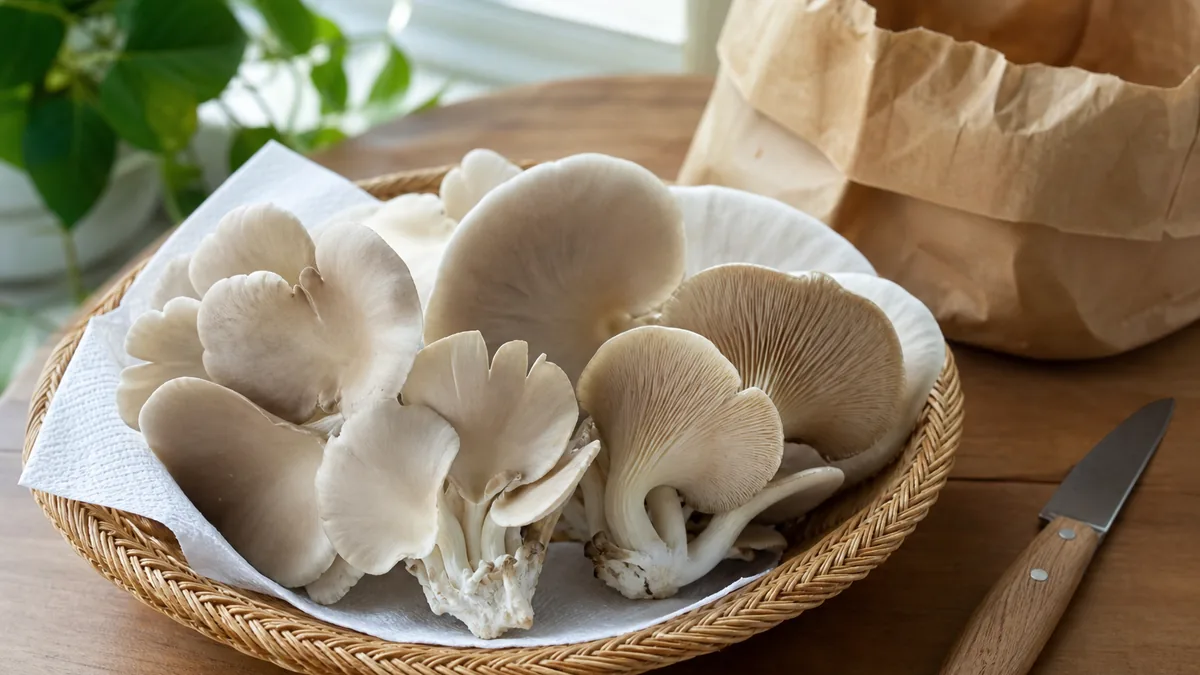
Harvest home-grown mushrooms cleanly, brush away substrate, refrigerate them in a breathable container, and cook them before eating.
Discard mushrooms from a block with green mold, sour liquid, or rotten odor because sorting the visible harvest cannot establish that the remaining material is sound.
Cultivation reduces identification risk because you know what spawn you bought, but labels and blocks still deserve attention. Keep spawn bags, invoices, and species names until the grow is finished, especially if several blocks are fruiting at once.
Budget, cleanup, and waiting time change the ranking
The cheapest grow is not always the best first grow. A straw bucket can cost less than a kit, but it asks you to pasteurize straw, drill or cut a container, mix spawn cleanly, and manage a wetter workspace.
A ready block costs more because clean inoculation is already complete, letting a first project teach fruiting before substrate preparation.
Fast oyster pins return feedback while the setup is fresh in memory, whereas shiitake logs may wait a year before fruiting. That delay makes logs a useful side project but a poor only project for a beginner.
| Constraint | Best fit | Why it fits |
|---|---|---|
| Lowest mess | Ready oyster or lion's mane block | No loose straw in the kitchen |
| Lowest cost | Oyster bucket | Straw and buckets are inexpensive |
| Shaded yard | Shiitake logs | Logs can sit outside through colonization |
| Fast feedback | Oyster kit or bucket | Pins often appear within weeks |
| Learning clean technique | Sawdust block after a kit | It adds one skill at a time |
Buy a block for one harvest, or grow oysters on straw when the goal is to learn cultivation.
Buying spawn or kits without creating extra risk
Buy spawn, plugs, or ready blocks from a seller that names the species, substrate, packing date, and basic storage instructions. A cheap block that arrives hot, sour, or already discolored is not a bargain because the beginner loses the chance to learn from clean growth.
Fresh oyster spawn or a ready block should smell mushroomy rather than alcoholic or rotten, and a lion's mane block should be white and firm rather than wet and collapsed. Shiitake plug spawn belongs in freshly drilled hardwood before the log dries or competing fungi establish.
Do not mix spawn from an unknown bag into food scraps and hope for a reliable crop. That creates a contamination experiment, not a beginner grow.
Record room temperature, misting, fresh-air changes, pin date, and harvest date for the first block because one simple log makes the next adjustment more reliable than memory.
Weigh the first harvest and photograph cap-to-stem proportions before changing the setup. The next flush then provides a real comparison for moisture and fresh-air adjustments rather than a vague impression of improvement.
Note whether pins formed evenly across the block or only near one air gap because that pattern can guide placement before the next flush.
Turn the ranking into a first grow plan
Pick one species, container, and fruiting place, using straw when you want to prepare substrate for a fast-fruiting crop.
Choose lion's mane when you can keep a small chamber humid without soaking the block. The fruiting body is a white tooth fungus, not a cap-and-stem mushroom, so maturity looks different from oysters.
Choose shiitake only when the timeline fits your patience. Shiitake depends on wood and a slower schedule, while monotubs belong to a different container system.
If a block turns sour, slimy, or green, treat that as a stop signal. Growing contamination signs protect the rest of the space better than trying to save one dirty block.