
North American Mushrooms
North America spans deserts, boreal forest, and temperate coast, so its mushrooms are as varied as its trees. That range includes prized edibles and some genuinely dangerous species.
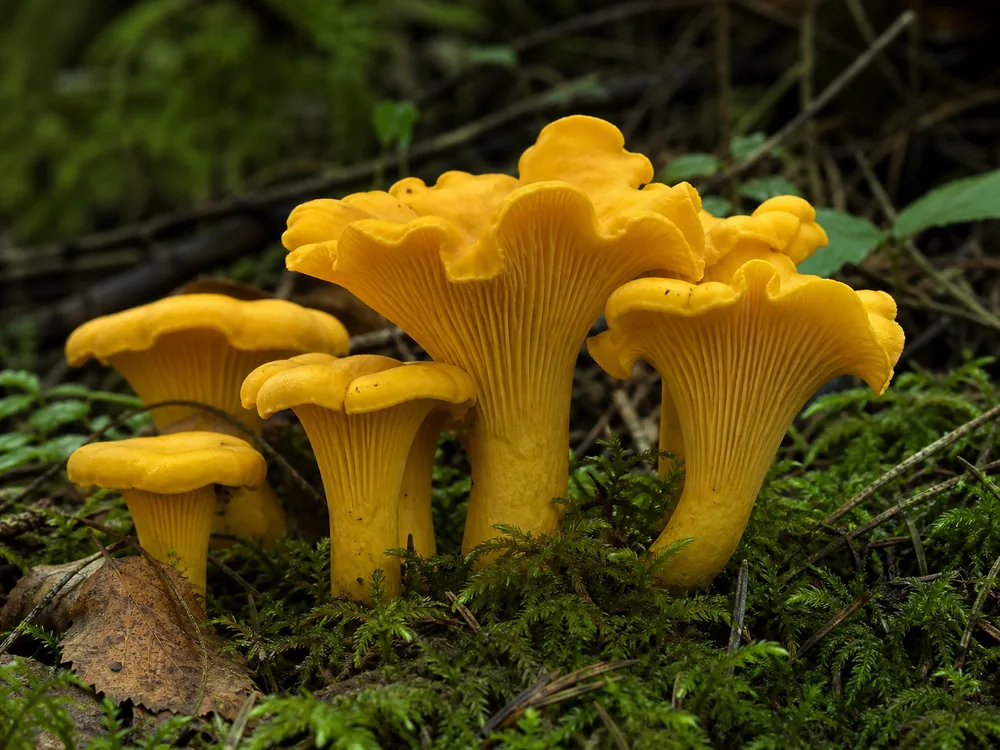
Chanterelle
Cantharellus cibariusA chanterelle is worth learning because its best edible traits are also its safety checks. Look for blunt…
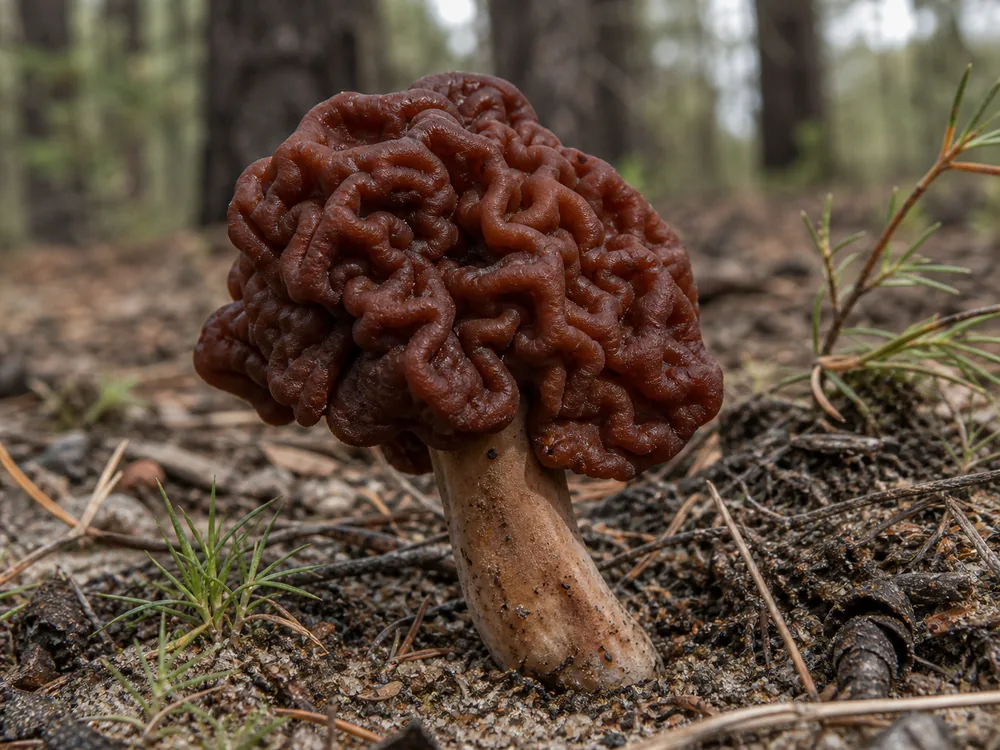
False Morel
Gyromitra esculentaFalse morel is a spring mushroom to reject, not experiment with. The key warning is brain-like folds with a…
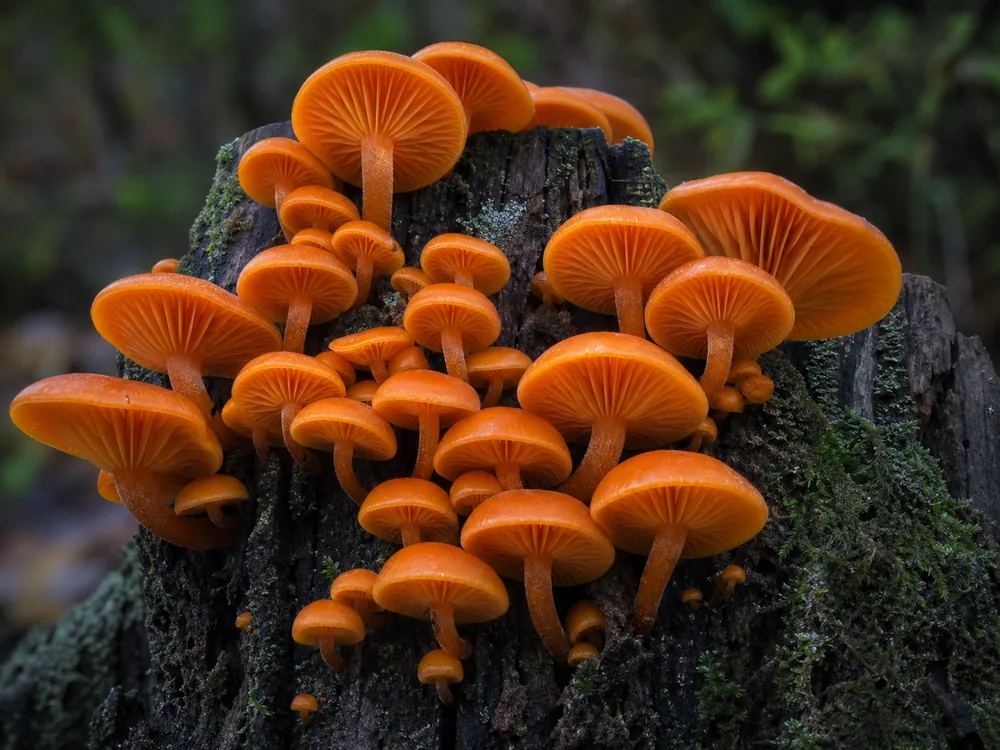
Jack O'Lantern
Omphalotus illudensA Jack O'Lantern is the orange mushroom you learn so you can reject it fast. The field pattern is true sharp…
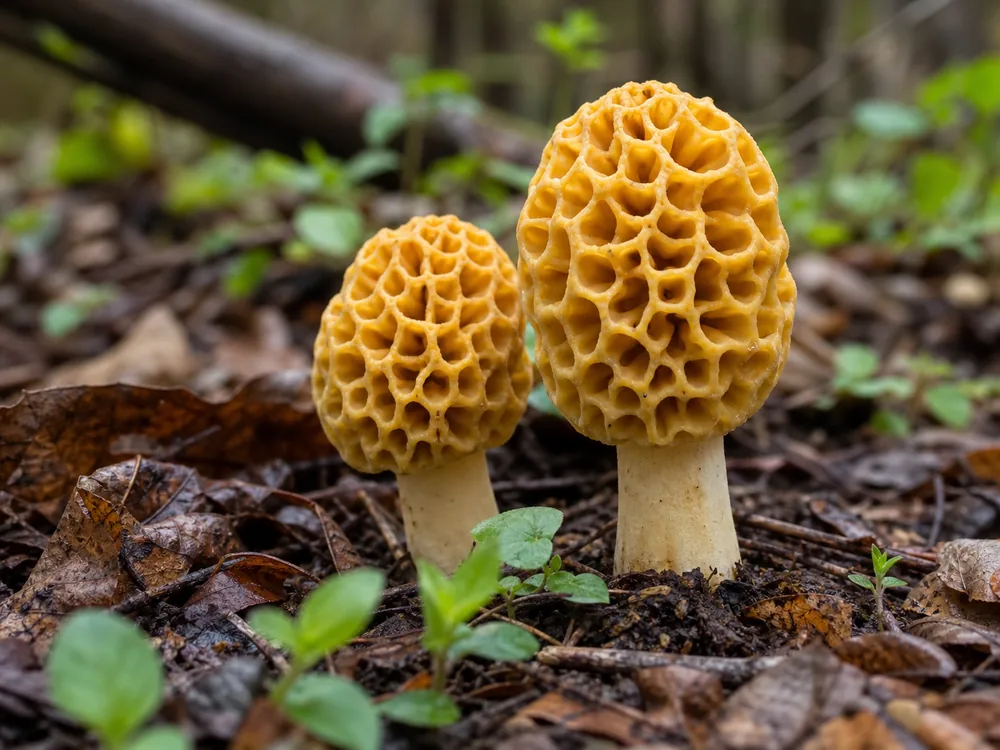
Morel
Morchella esculentaA morel is a spring edible with a strict safety routine. The lengthwise hollow test comes before cleaning…
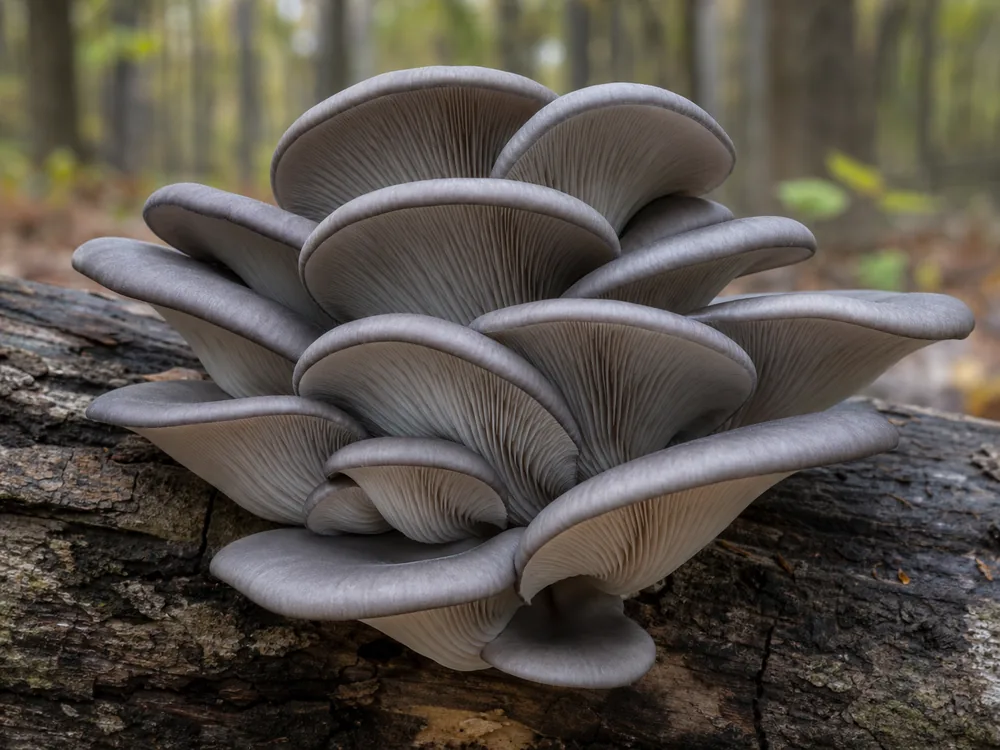
Oyster Mushroom
Pleurotus ostreatusOyster mushrooms are one of the best beginner edibles because the growth pattern is so practical. Look for…
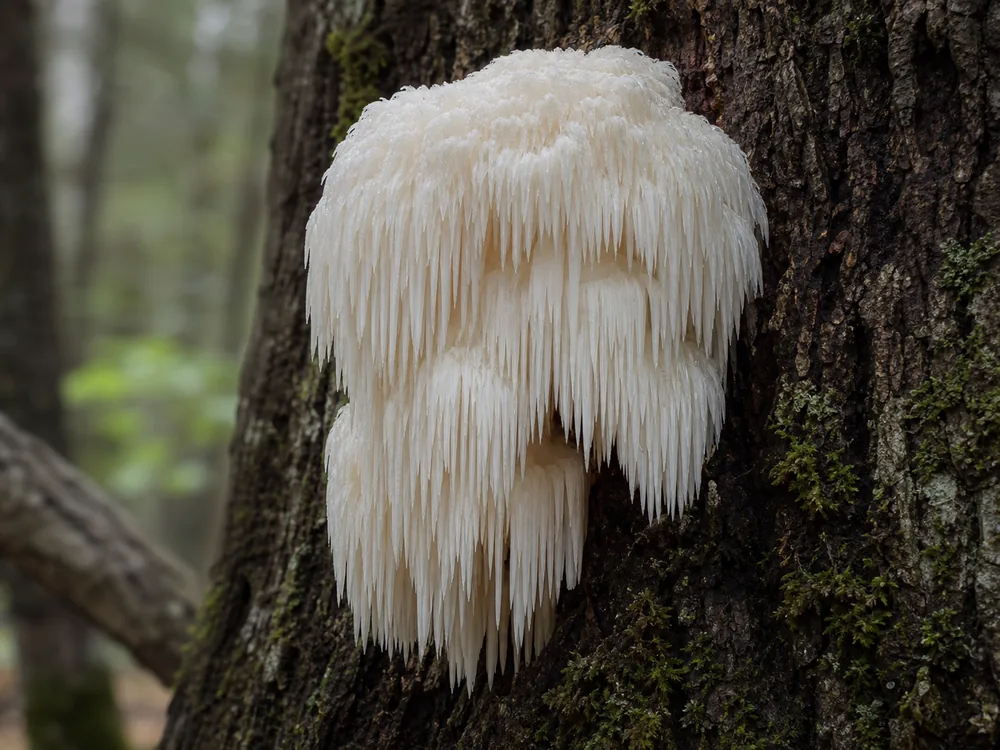
Lion's Mane
Hericium erinaceusLion's Mane is the white tooth fungus that looks like a shaggy pom-pom on hardwood. It is easy to recognize…
A wide and varied range
From the Pacific Northwest to the eastern hardwoods, North America carries a deep list of wild edibles, including chanterelles, morels, and oysters.
A spreading danger
The death cap, native to Europe, has established across parts of North America, especially near introduced oaks. Its spread is a reason to treat every pale gilled mushroom with care.
Warning
Foraging rules and species differ by state and province. Learn your local flora and its dangerous lookalikes before you pick.
Forage locally
The safest approach is regional. Join a local mycological society and learn the handful of species that are common and safe where you actually live.