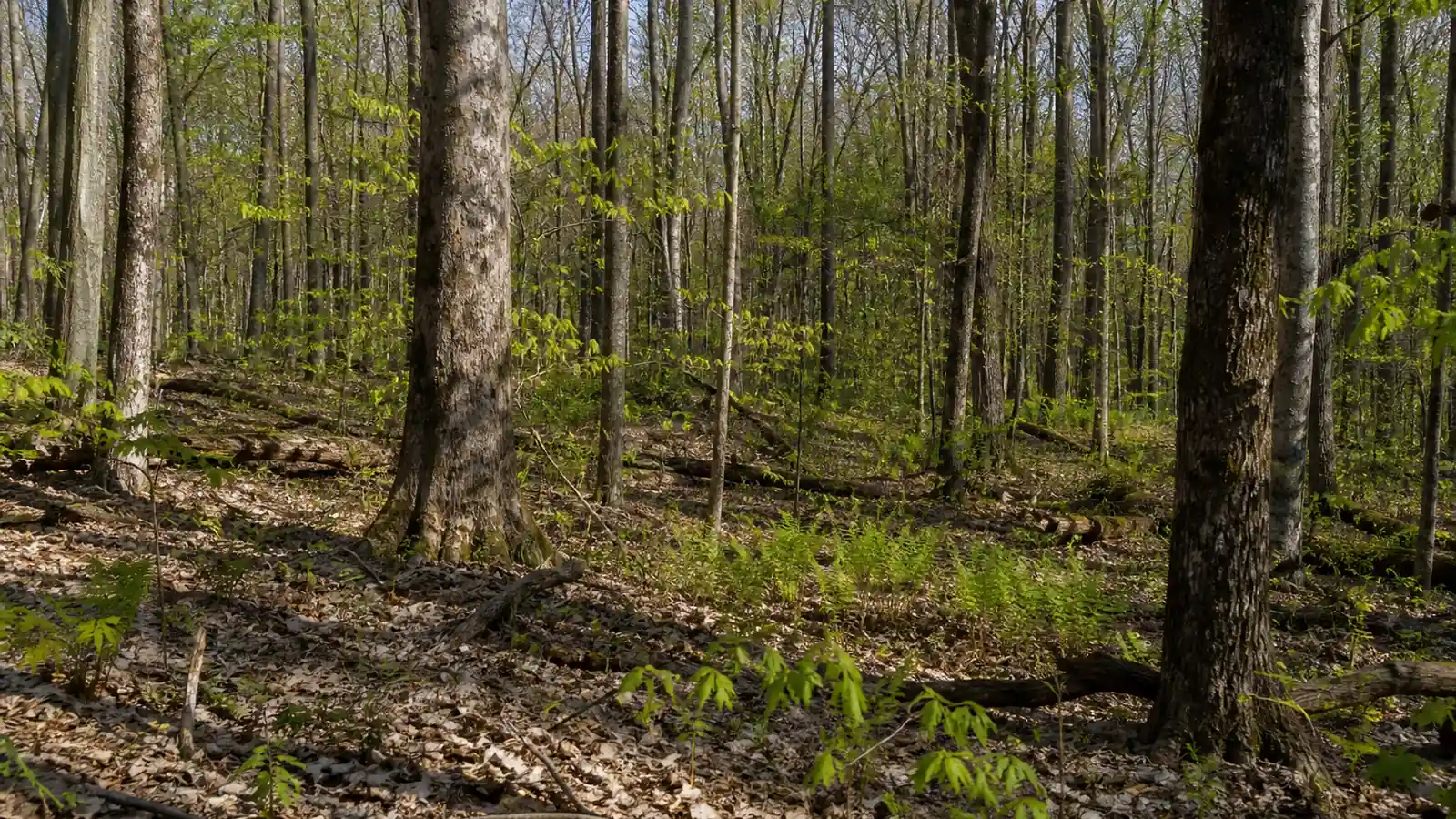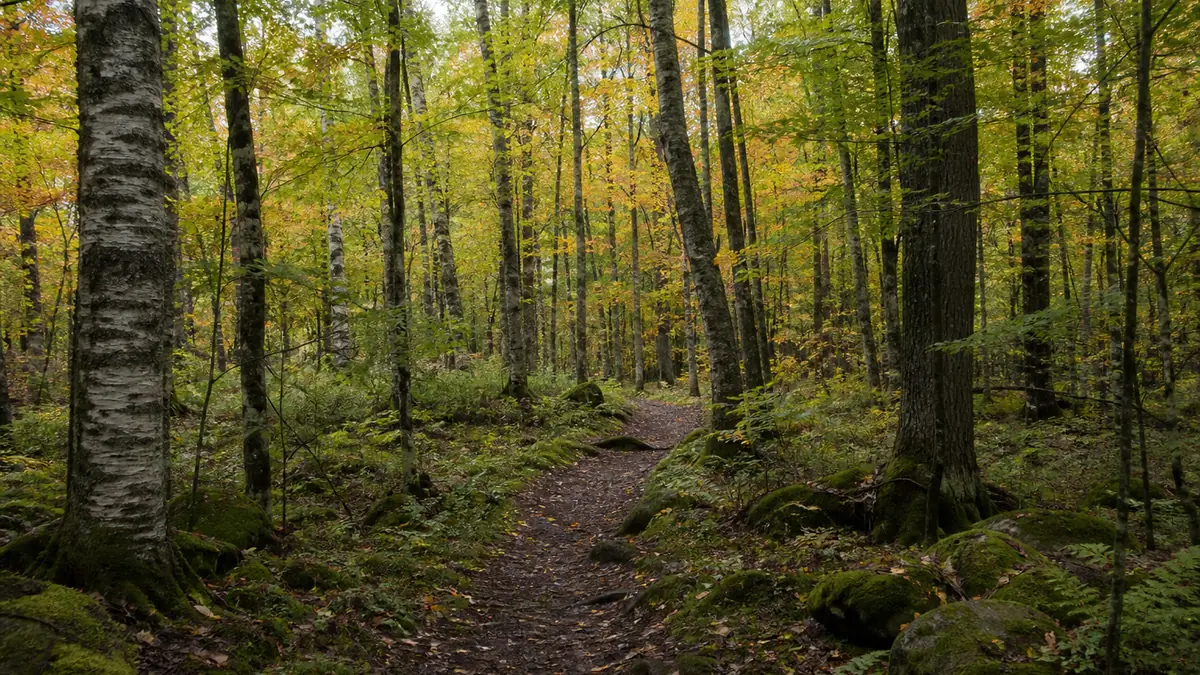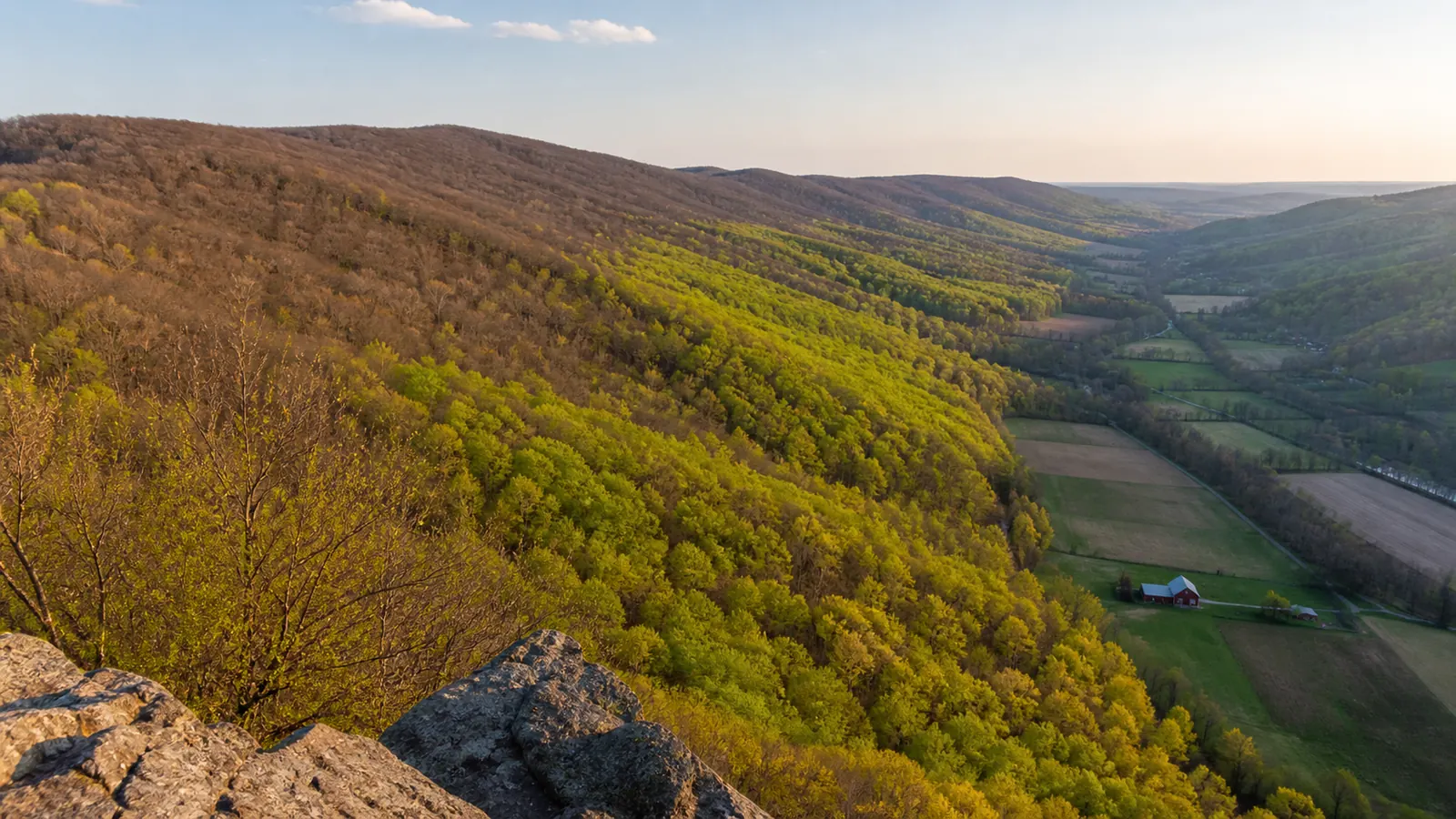
Pennsylvania morels run in a roughly four-week span between mid April and mid May, and any single hillside produces for far less than that. Because the northern tier and Allegheny Plateau sit seven to fourteen days behind the south, a hunter who moves north as their own ground finishes can stretch a four-week state season into five or six weeks of hunting.
Pennsylvania morels run in a four-week span between mid April and mid May. That is the whole thing.
- Statewide span
- Roughly four weeks, mid April to mid May
- Southern peak
- Late April into mid May
- Northern tier lag
- Seven to fourteen days behind the south
- Air trigger
- Days near 60 degrees with nights in the 40s
- Ground trigger
- Soil warming to about 50 degrees
Four weeks is not much, and most Pennsylvania hunters get three or four usable weekends out of it.
The lag is what turns that into something better.
How much season you actually have
Your local window is not four weeks. It is closer to two.
Note
The four-week figure describes the state, not your woods. Any single hillside produces for a fraction of that span, so the statewide number is a travel plan rather than a forecast for the ground behind your house.
Once you subtract the days you are working, the days it rains too hard, and the week the ground has not warmed yet, most people are choosing between three or four mornings.
That is worth saying plainly, because it changes what a wasted trip costs.
In a long-season state a blank Saturday is an inconvenience. Here it can be a quarter of the year.
The Allegheny Plateau and the northern tier run seven to fourteen days behind the south, so adjust the timing of a trip to the region. A hunter willing to drive north as their own ground finishes can add a week or two to a four-week season.
When your part of the state turns on
Pennsylvania does not turn on all at once, and these are the windows to plan around in each part of the state.
Those bars move for a reason, because the southeast sits on the lowest and warmest ground in the state, elevation holds the Laurel Highlands and the plateau back, and the highest ground is both the last to open and the briefest.
Temperature is the trigger underneath those dates. Days near 60 with nights in the 40s, and soil warming to about 50, is the combination worth waiting for.
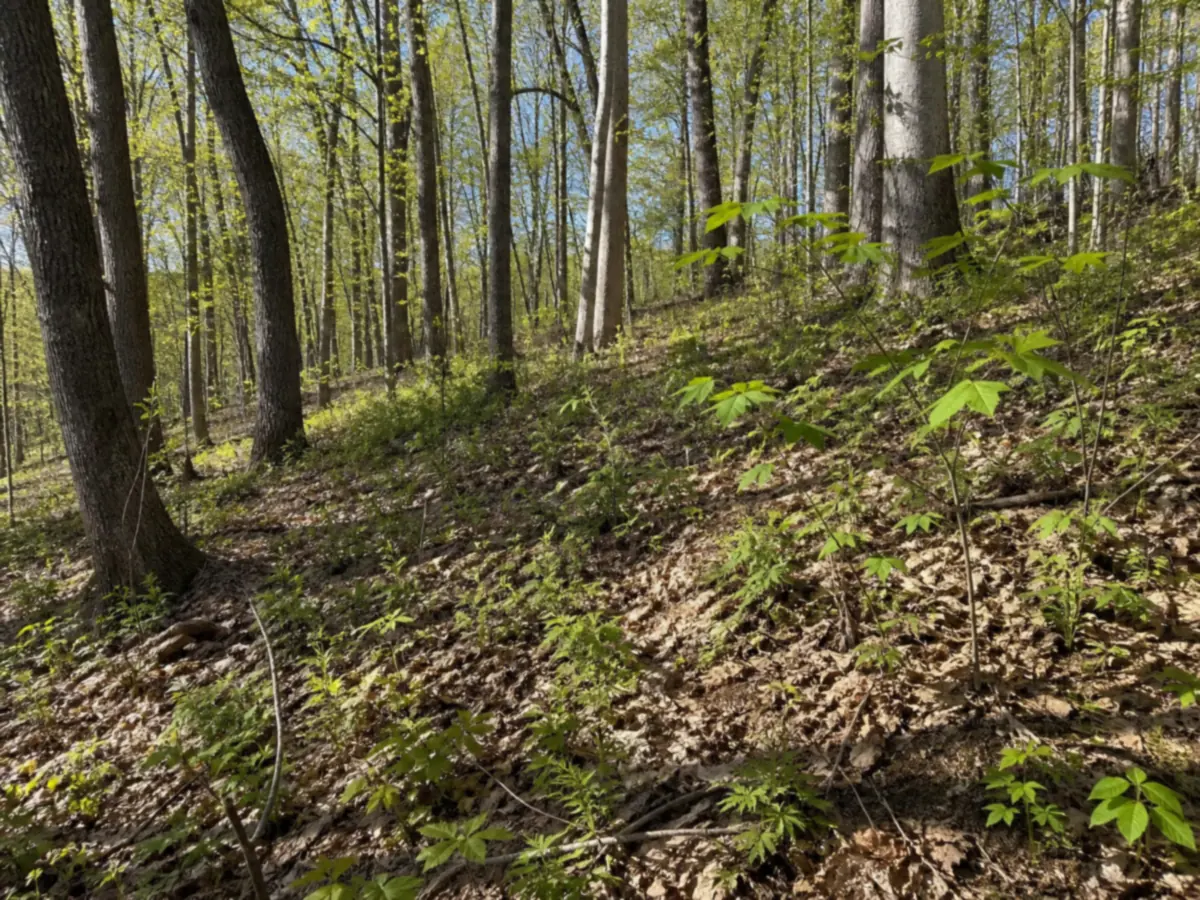
Slope aspect moves your own week more than the chart does.
South-facing hillsides warm first and are where the season opens on any given property, and the shaded north faces run behind them, which gives one hillside two passes rather than one.
How to read the woods when you cannot read the soil
Nobody checks soil temperature every morning, and the woods will tell you anyway.
The old Appalachian rule is the tulip poplar bud. When the buds have swollen to about the size of a squirrel's ear, the ground underneath has usually reached the temperature morels want.
That rule is worth more here than it sounds, because the tree carrying the signal is the same tree you came to hunt under. One glance up settles both questions at once.
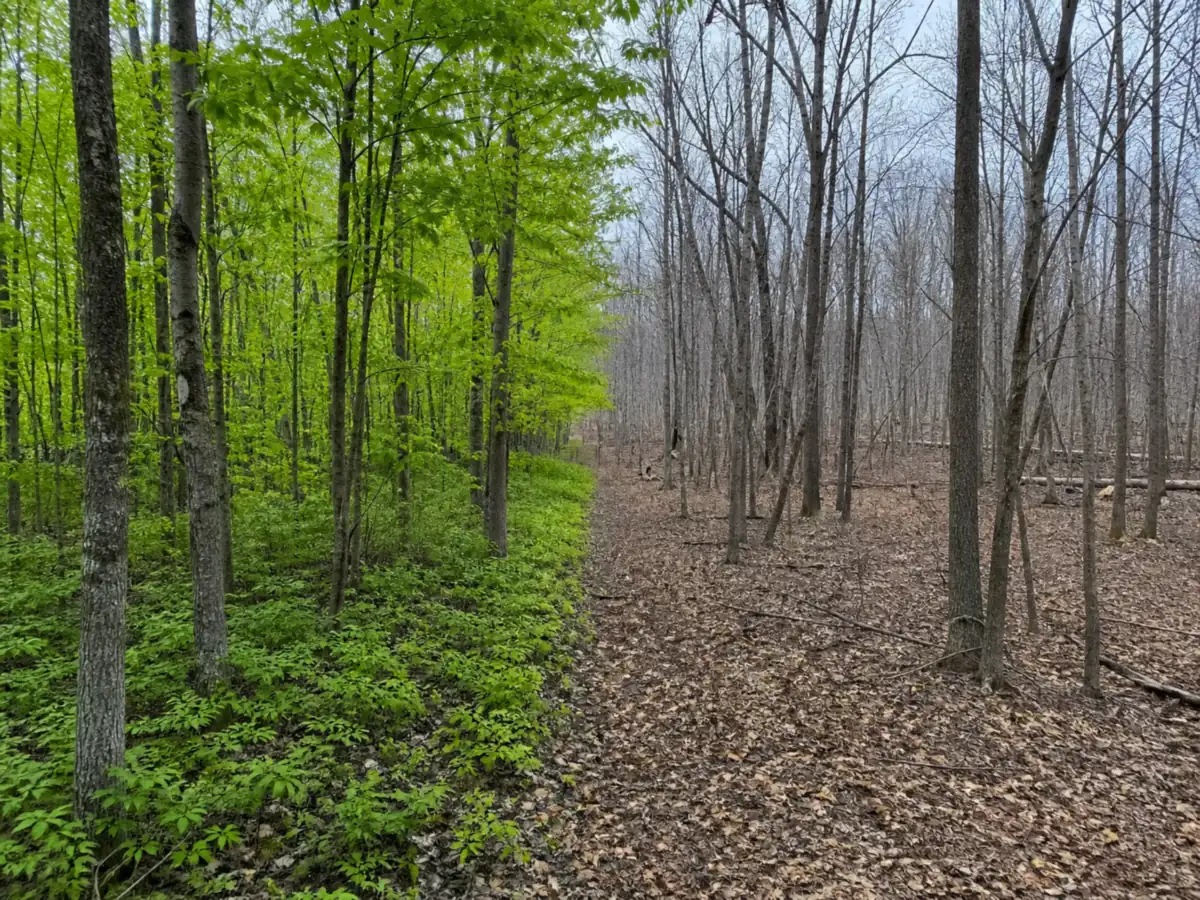
Canopy state is the coarser version of the same read, with fully bare woods early, woods in light open leaf usually in it, and woods closed over into deep shade generally finished.
Rain sets the pace inside that. A soaking rain on ground already sitting near 50 degrees brings a flush within the week, and the days after that rain outrank whatever the calendar said.
Expect the response to lag the rain by several days rather than arriving overnight.
A blank walk is also information, and it is worth learning which kind of blank you found. Bare buds and cold litter mean come back; a closed canopy and dry, crumbling leaves mean this ground is done and the answer is north or uphill.
ForagingMushroom foraging laws in Germany: protected species and small quantitiesWhat comes up first, and what follows
Pennsylvania does not have one morel. At least six species have been recorded in the state, and they do not all arrive together.
Blacks come first. Through the Midwest and the eastern states they fruit ahead of the yellows, often during the first warm wet spell of the spring, and they favor ash, black cherry, aspen, cottonwood and tulip poplar.
Yellows follow and carry the rest of the season on dying elm, ash, tulip poplar, sycamore and old apple, and the thin-fleshed yellow found under tulip poplar and ash is a common Pennsylvania find.
Those are not all one mushroom, and the differences are worth seeing before you go.
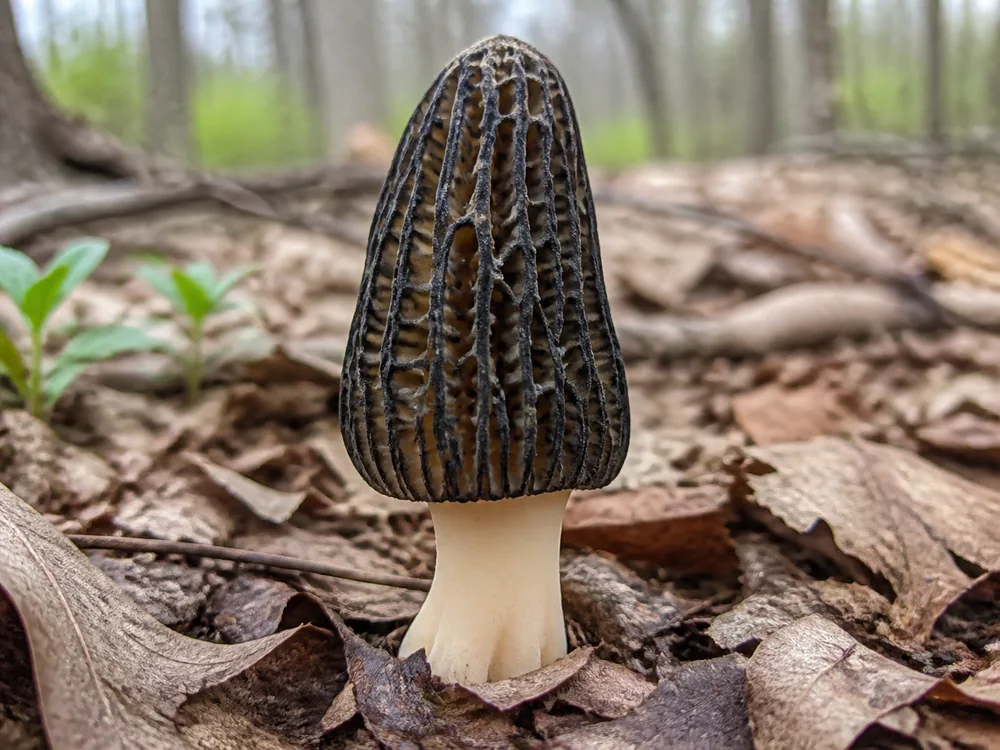 First upBlack morelEarliest of the run, and easy to walk over in dark litter
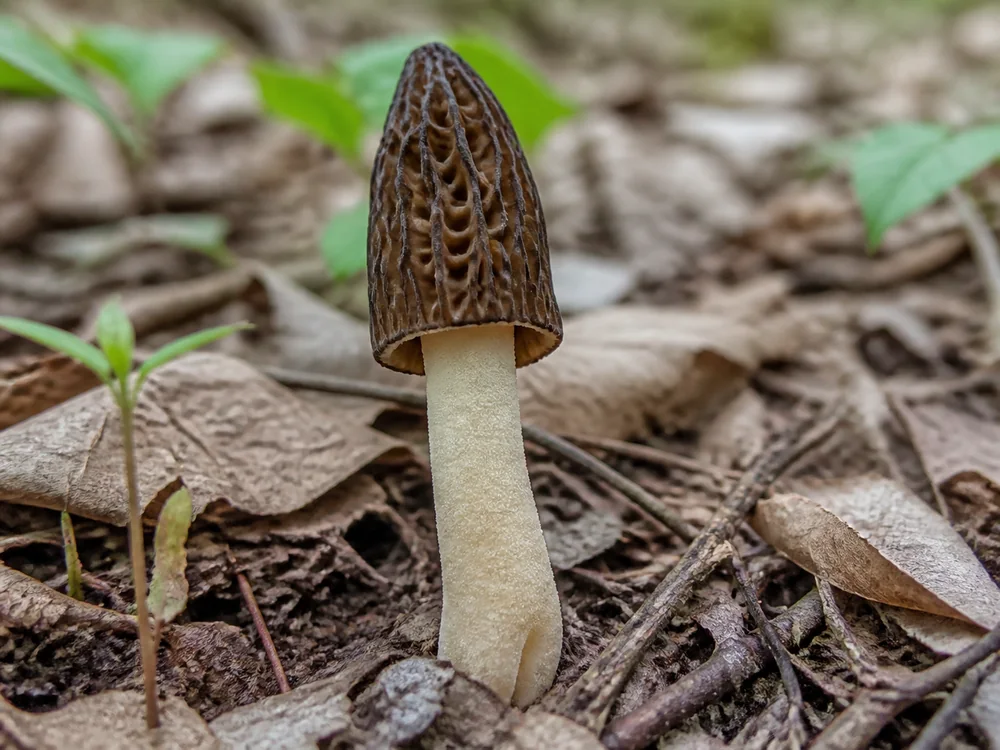 Middle of the runHalf-free morelCap hangs loose below where it joins the stem
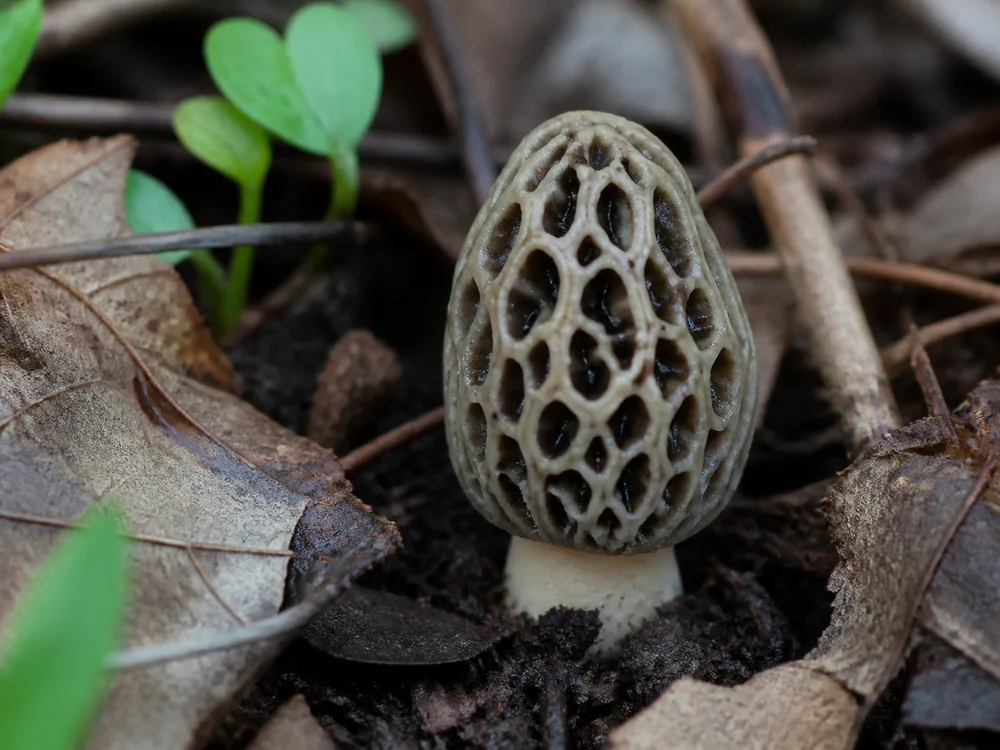 Early to middleGray morelThe young form most people find first
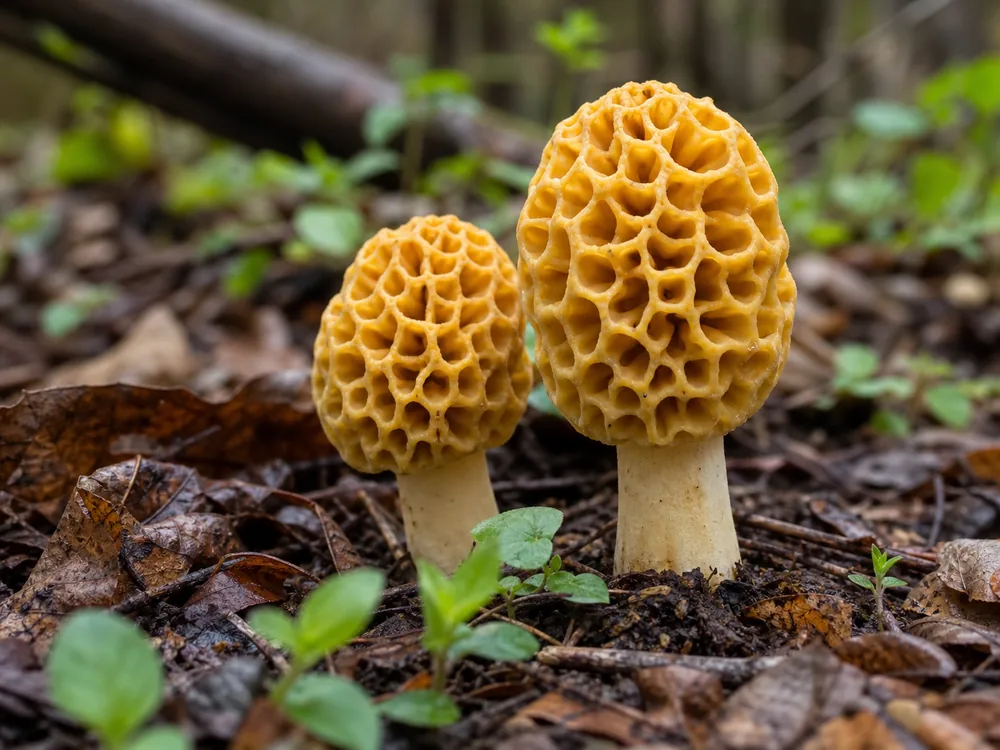 Last and largestYellow morelCarries the end of the season
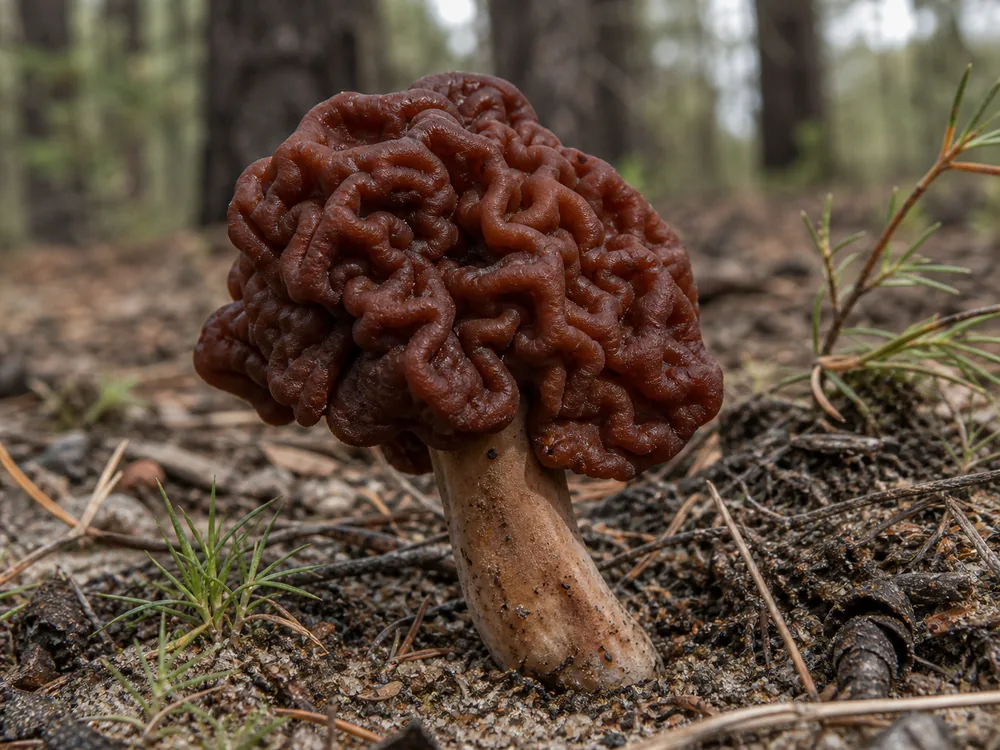 Same weeks, never edibleFalse morelWrinkled and lobed, with no honeycomb pits
That sequence is a second clock running inside the four weeks. An early trip is a black morel trip on cherry and poplar ground, and the same woods two weeks later is a yellow morel trip built around elm and orchard.
It also explains a frustrating kind of morning. Walking your best yellow ground in the season's first warm week is not bad luck, it is arriving before the tree you are standing under has anything to give.

How to spend four weekends
Plan the whole run before it starts, because there is no time to plan inside it.
The sequence matters more than the individual spots. A hunter who walks the same home woodlot four weekends running is hunting one week of season four times.
Pennsylvania's public forests happen to line up in the order you need them. Michaux sits in the far south across Adams, Cumberland, Franklin and York counties, and it opens the earliest.
Bald Eagle covers the central counties and follows it, then Sproul and Susquehannock hold the high northern plateau and finish last.
Those last two matter for another reason, since together they account for roughly a quarter of all Pennsylvania state forest land, which is a great deal of remote, walkable, late-season ground.
Distance is the honest cost here. Driving three hours to hunt ground that opened yesterday beats walking finished woods ten minutes away, but only if you have checked that it opened.
Whatever you find, pick it in a way that lets the spot pay again. Cut or pinch the stem at ground level rather than pulling the mushroom up with a plug of soil, and carry the take in a mesh or net bag so spores fall as you walk.
Leave the litter as you found it too, because raking through leaves to expose more ground disturbs exactly the damp layer the fungus is living in, and a spot worked that way tends to be worth less the following spring.
That matters more in a four-week state than in a long-season one, because a Pennsylvania hunter is not really building a season. They are building a list of places worth returning to for years.
ForagingMushroom foraging laws in the UK: what is actually legalWhat to walk when you get there
Pennsylvania's host list is short and it is worth learning by bark rather than by name.
- Tulip poplar, which is the state's most reliable morel association
- Ash, now dying widely and behaving the way declining trees usually do
- Old orchard apple, especially at farmsteads that have gone back to woods
- Dying and recently dead elm, wherever it still stands
- Black cherry, mainly early and mainly for blacks
Tulip poplar is the one to learn first. It grows straight and tall with pale interlacing bark ridges, it is common through much of the state, and it holds the damp, deep litter morels want.
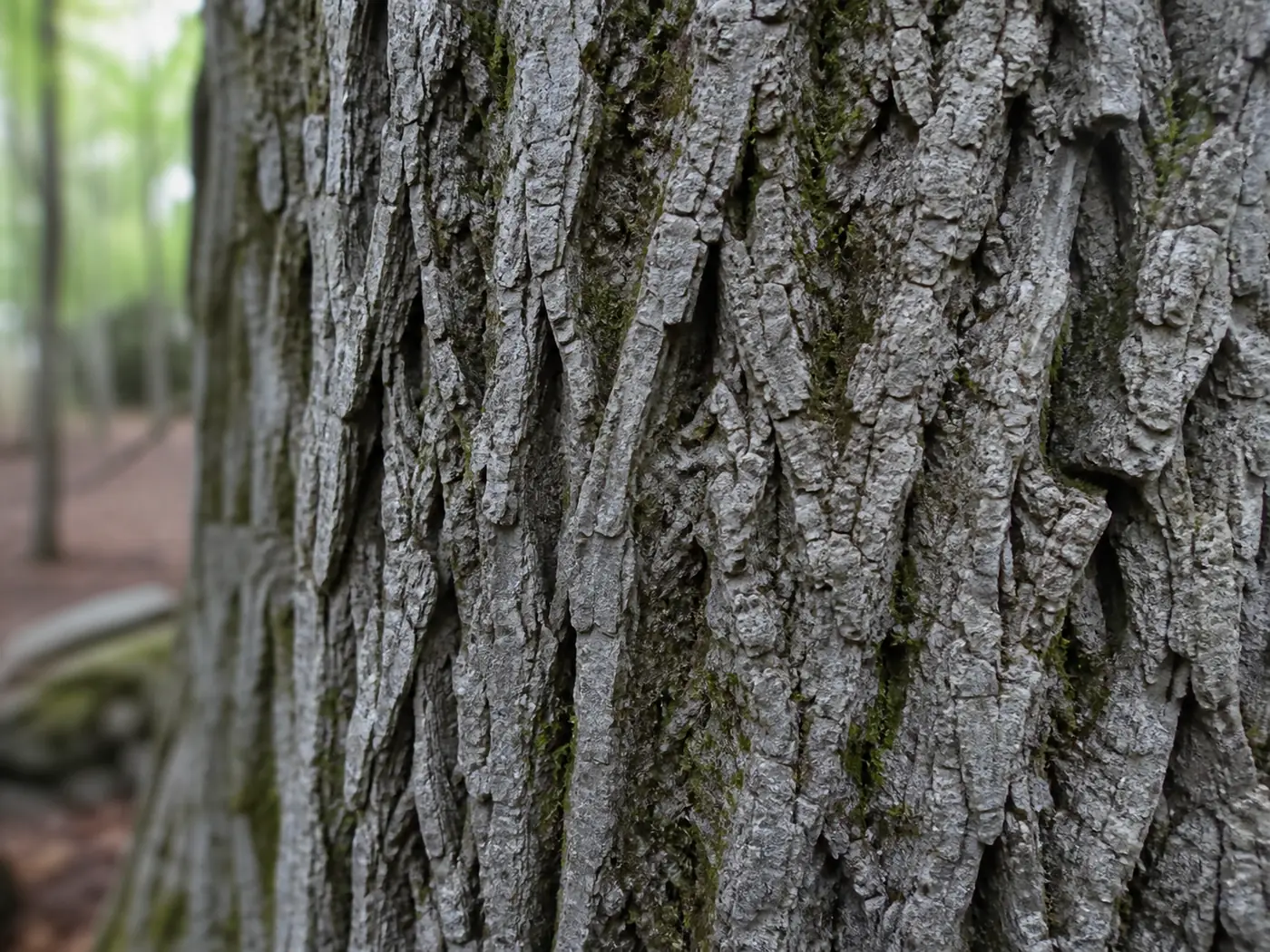
Ash has become the second story here as it has everywhere else. Standing dead ash is now common across the state, and a tree in the first year or two after death is the one worth circling, because a long-dead trunk with the bark already sloughing off has usually stopped producing.
Old orchards deserve more attention than their size suggests. An abandoned farmstead apple tree can keep producing for years, and Pennsylvania has a great many of them going back to woods.
Where you may pick
Pennsylvania is unusually open about this, and the rules are worth knowing precisely rather than roughly.
Warning
Personal use is the boundary on every one of these, so commercial collecting needs a permit from the state on state forest land and the volume allowance on national forest is a daily limit rather than a season total. Selling what you pick without that permission is where an ordinary day turns into a problem.
State forests allow foraging for personal use with no permit required, and the same holds on state parks.
That covers a very large amount of walkable ground, since the state forest system runs to about 2.2 million acres across twenty separate forests.
State Game Lands are open too. Mushroom collecting is allowed there for personal consumption rather than for sale, which puts another substantial block of public ground within reach.
The Allegheny National Forest sets an actual number. Personal use runs to eight liters, about two gallons, plus one extra mushroom per adult per day, and anything beyond that needs a free permit.
Private land is the one to be careful about, because Pennsylvania enforces trespass strictly, so permission comes first and it is worth asking well before the four weeks begin.

Before any of it reaches the pan
False morels come up in the same Pennsylvania weeks and the same woods.

The cap is the first read. A true morel is pitted like a honeycomb with raised ridges between the pits, while a false morel is wrinkled, folded and brain-like with no real pits at all.
Get that far and most of the risk is behind you, but pits alone are not proof, so cut it lengthwise every time.
Internal structure can help reject a specimen, but a hollow chamber cannot establish edibility. Gyromitrin is the toxin involved, the body converts it to monomethylhydrazine, and cooking does not drive it off, so a chambered specimen is a discard rather than a cooking problem.
Correctly identified morels ask something of the cook too. Raw morels sicken people who named the mushroom right, so cook them through, take a small portion the first time from new ground, and skip alcohol with that meal.
If it does go wrong, timing is the thing to notice. Symptoms arriving hours after eating rather than minutes are the ones to take seriously, and Poison Control is at 1-800-222-1222.
Sources & References
- Mushroom Picking Rules and Regulations in PA, Western Pennsylvania Mushroom Club
- Recreation Opportunities, Allegheny National Forest, USDA Forest Service
- Michaux State Forest, Pennsylvania Department of Conservation and Natural Resources
- Random Facts about PA State Forests, WeConservePA
- Morels and How to Find Them, Ohio Mushroom Society