A Japanese foraging plan built on four separate permissions, covering who owns the mountain, whether it is posted closed, whether the specimen survives the tsukiyotake cut test, and whether wild mushrooms there still carry a restriction.
Mushroom foraging in Japan runs from September through November across most of the country, and almost none of the ground it happens on is public.
A correct identification is one of four permissions a Japanese foraging day needs, and it is rarely the one people are missing. The other three are the landowner of that specific parcel, the closure posted on that specific mountain, and the contamination rules that still reach wild mushrooms well outside Fukushima.
That order is what separates a Japanese trip from a Nordic or North American one, where access is usually settled long before anyone opens a field guide.
Can you forage freely in Japan?
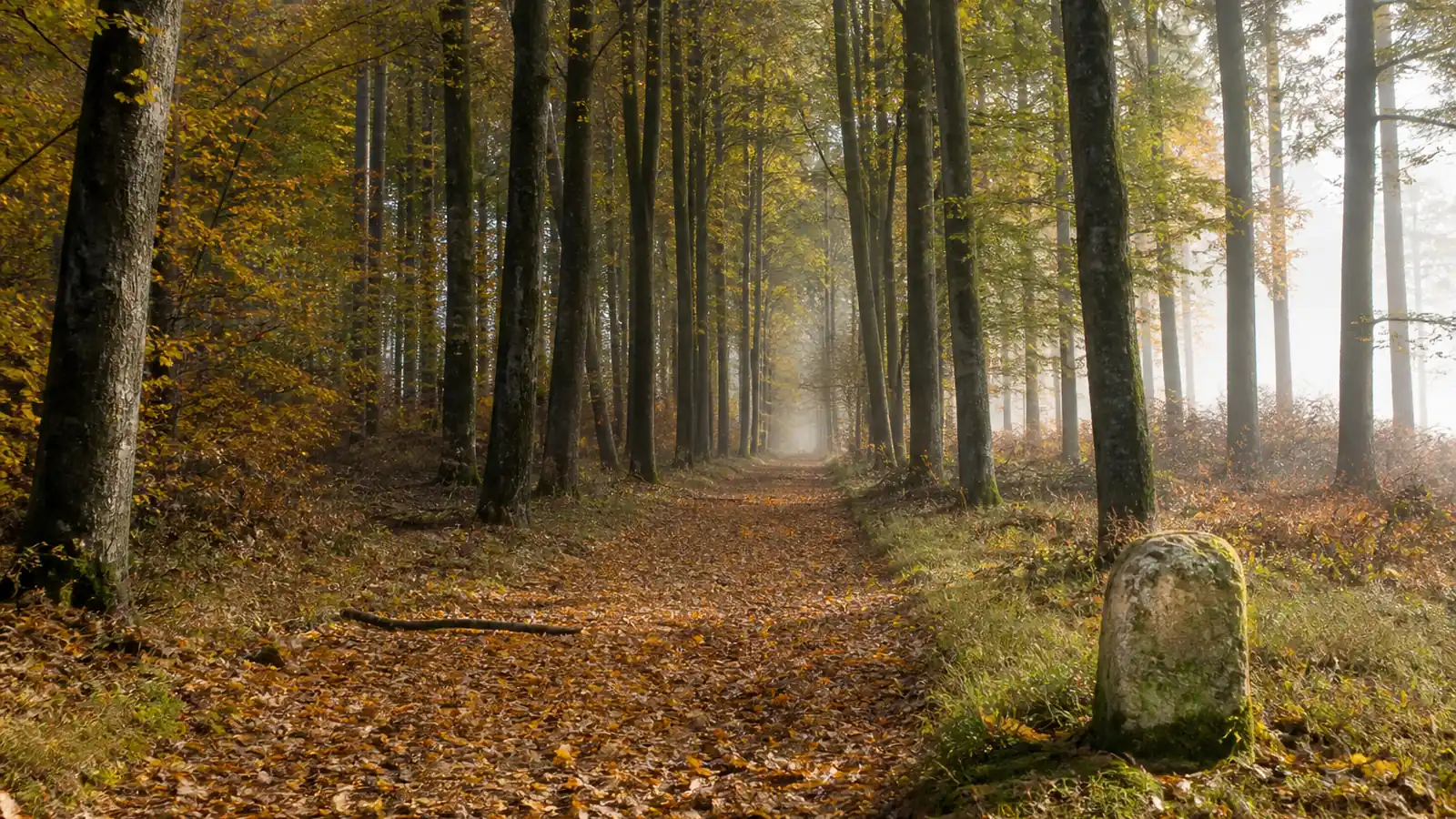
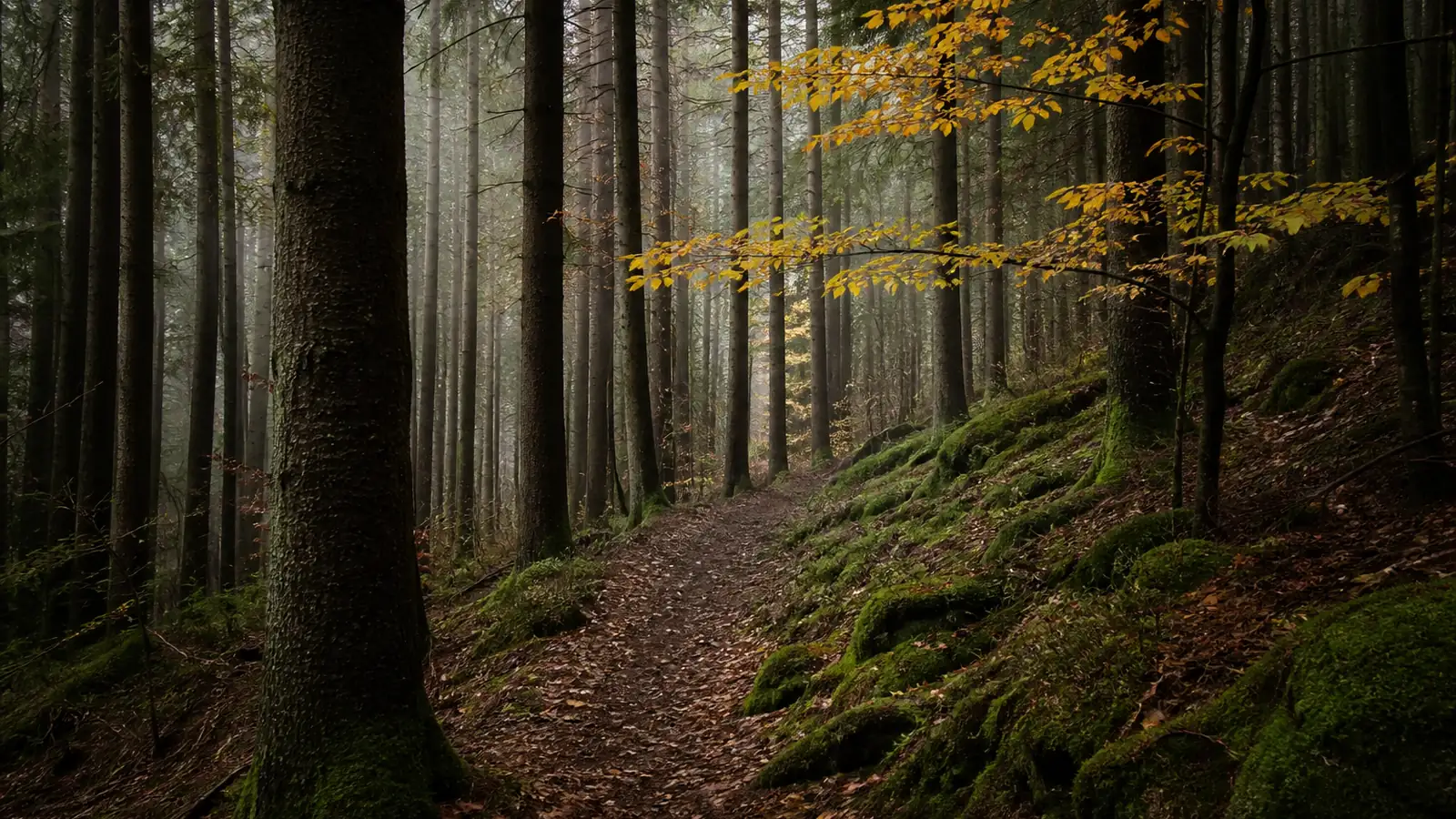
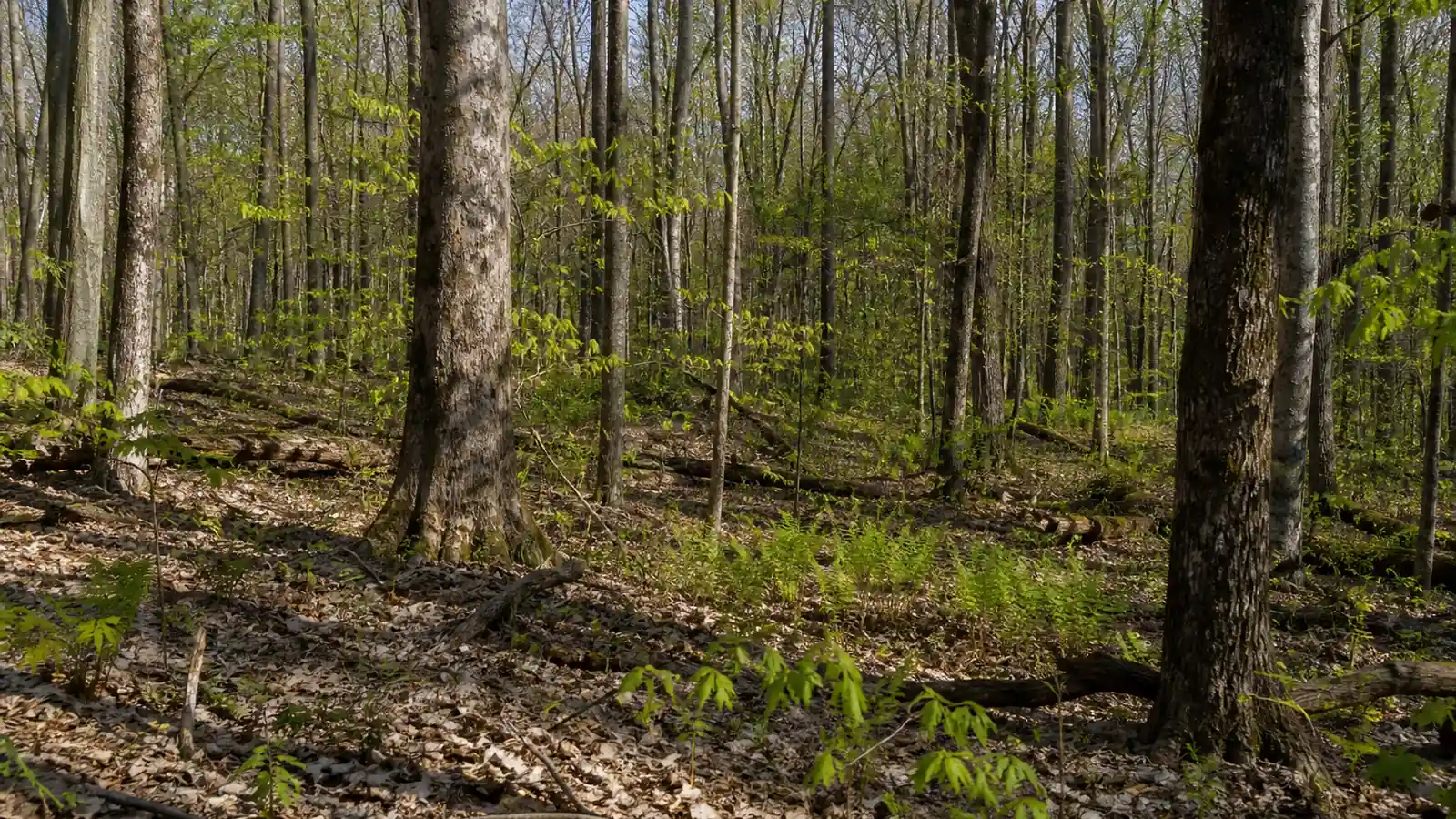
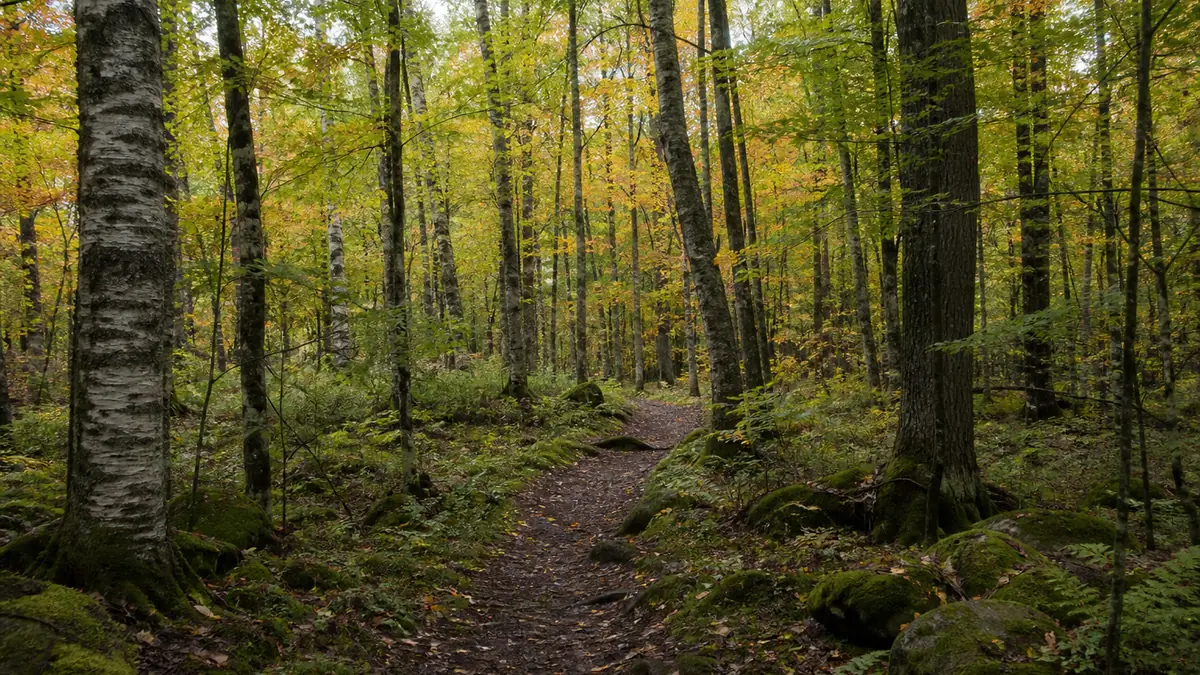
About two thirds of Japan is forest, and that forest is held rather than open. Private owners, municipalities, shrine and temple estates, and the national forest system account for nearly all of it.
Foragers use the word koyurin for genuinely unrestricted public mountain land. It exists, but it is the exception you have to locate rather than the condition you can assume.
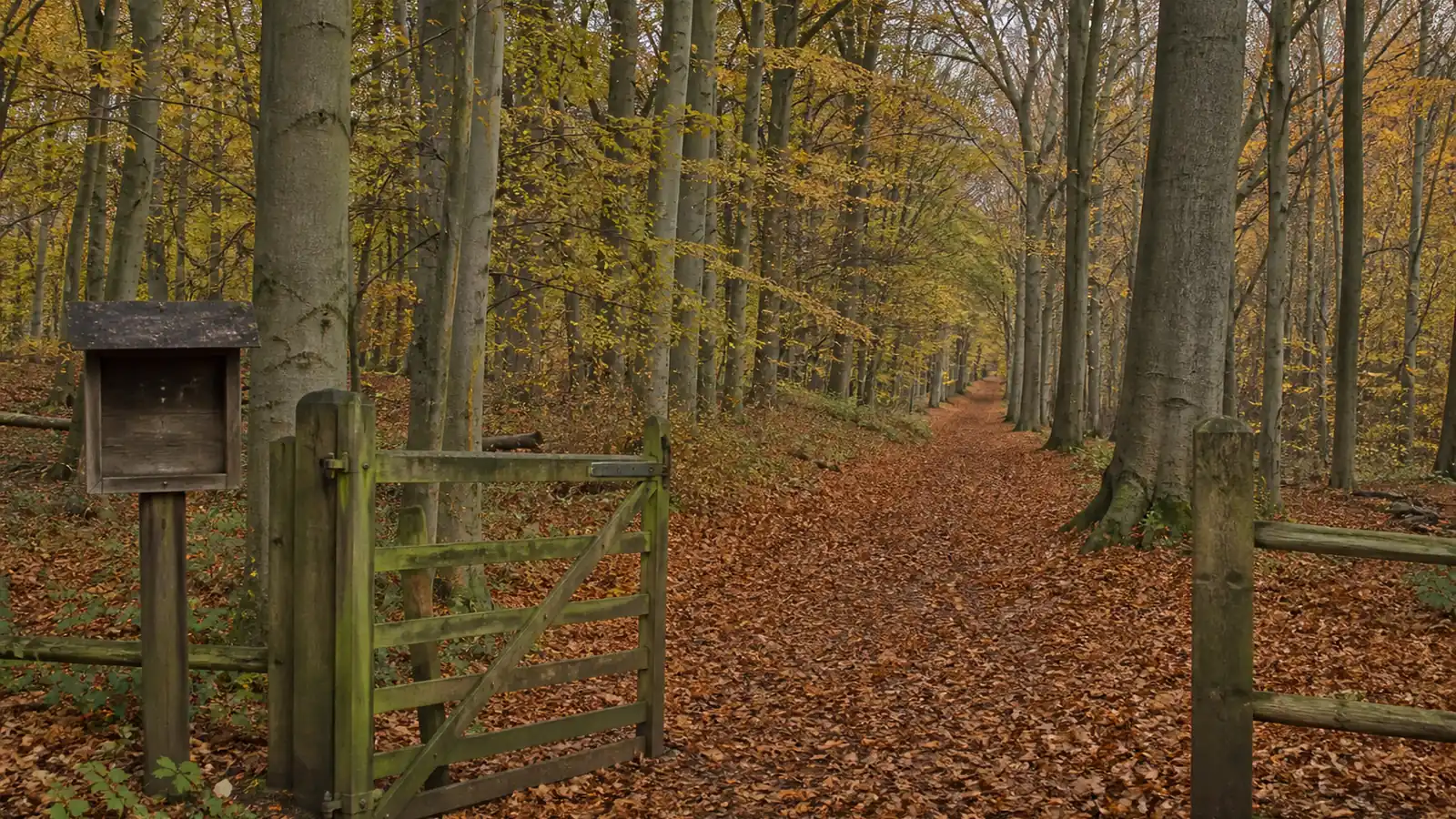
Everything else runs on the owner's permission, and that permission attaches to a parcel rather than to a region or a prefecture.
Ignoring a taped boundary is not treated as a minor park infraction. Entry onto a closed matsutake mountain is handled by police as theft, and the prosecutions are real enough that local groups post the tape expecting it to hold.
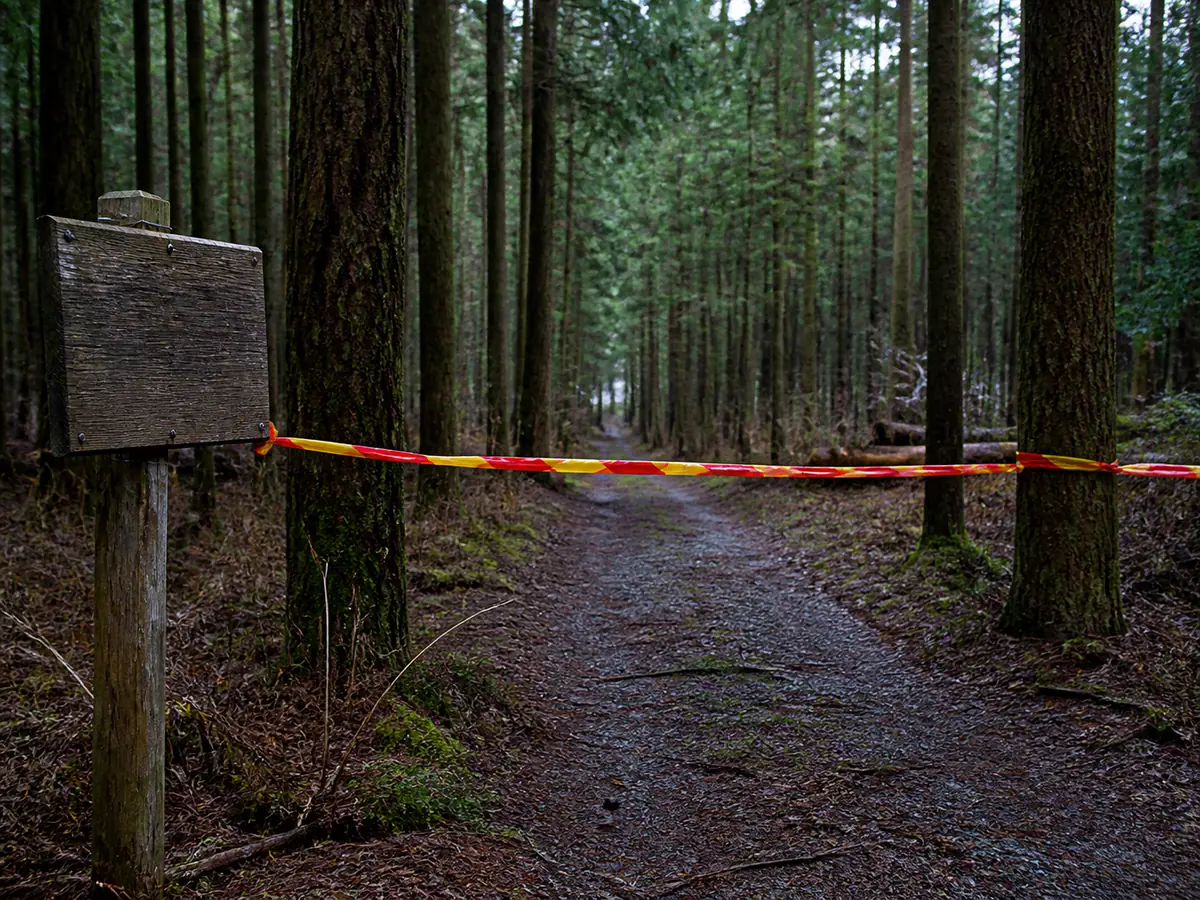
The usual gray zone is a shared hiking route that crosses private woodland without any signage at all. A path being open to walkers settles nothing about whether anything growing beside it can be removed, so treat an unmarked trail as unanswered rather than permitted.
ForagingMushroom foraging laws in France: what the five liter rule meansWhen is kinokogari season in Japan?
Kinokogari, the autumn mushroom hunt, has its broad national center between September and November.
That range tells you when to start watching a specific site, not when to book a specific weekend. The country runs roughly two thousand kilometers from Hokkaido to Kyushu and climbs past three thousand meters in the Japanese Alps, and both axes move the fruiting front independently.
- National peak
- September through November across most of Honshu, arriving earlier in Hokkaido and in the high Alps
- Matsutake trigger
- Primordia begin forming once autumn soil temperature falls to about 19 degrees Celsius
- Cold-season targets
- Hiratake and enokitake keep fruiting on dead broadleaf wood well past the autumn peak
- Spring window
- April and May are thin nationally and support far fewer targets than the autumn weeks
Elevation compresses that whole national pattern into a single morning's drive. A ridge at 1,200 meters can be finished for the year while the valley floor an hour below it has not started.
- Watch soil temperature rather than air temperature, because the fungus responds to the ground it lives in and the ground lags a cold snap by several days.
- Treat sustained rain followed by mild, still weather as the signal worth traveling for, since one heavy afternoon shower wets the litter surface and leaves the root zone dry.
- Revisit a promising site twice in the same week, as many Japanese targets move from firm button to spoiled inside four or five days.
The peak carries a second pattern that rarely reaches the seasonal write-ups.
September and October carry the bulk of Japan's mushroom poisoning cases, the same two months that fill the baskets.
That overlap is not a quirk of the calendar. It is what happens when the largest number of occasional collectors are in the woods at once, working from the same optimistic assumptions.
What mushrooms do Japanese foragers pick?
The working Japanese target list is short.
Matsutake, maitake, nameko, wild shiitake, hiratake, mukitake and kuritake account for most of what people carry home. Each one grows beside something that can hurt you, and the pairing is almost always a shared substrate rather than an abstract resemblance.
| Target | Where it grows | What shares that ground |
|---|---|---|
| Nameko and kuritake | Beech and oak stumps | Amatoxin-bearing Galerina, and bitter nigakuritake |
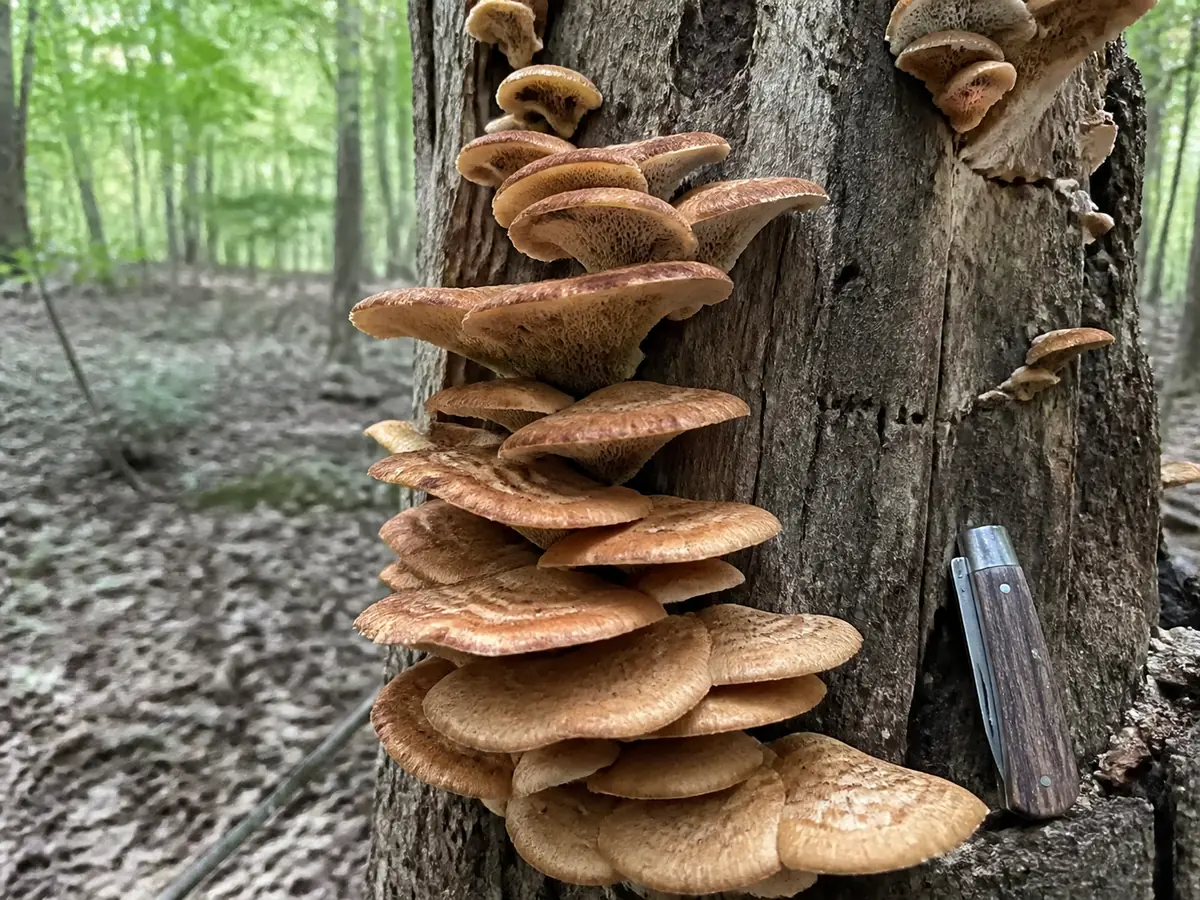
| Wild shiitake, hiratake, mukitake | Standing and fallen broadleaf wood | Tsukiyotake, fruiting on the same dead beech |
| Honshimeji | Broadleaf forest floor | Kusaurabenitake, taken for it year after year |
| Matsutake | Red pine needle litter | No toxic twin, but the tightest closures in the country |
| Lawn and park species | Mown grass, gardens, verges | Ooshirokarakasatake, behind four recorded incidents in 2024 |
Holding the list as pairs changes the question you ask in the field. Nobody is ever asked whether a mushroom is nameko in the abstract, they are asked whether the cluster on this particular stump is nameko or Galerina.
Traditional acceptance is a weaker safety signal than it appears.
Sugihiratake, the angel wing, was collected and eaten across northern Japan for generations with no recorded problem.
In autumn 2004 it put 59 people across 9 prefectures into hospital with acute encephalopathy, and 17 of them died. Nearly every fatality had impaired kidney function and the average age was around 70, so centuries of local use had never tested the population the mushroom could kill.
No field mark separated the dangerous meals from the safe ones, because the difference was in the eater rather than the specimen.
ForagingMushroom foraging laws in Germany: protected species and small quantitiesWhy does tsukiyotake cause the most poisonings?
One species has caused more Japanese mushroom poisoning than any other for as long as the national figures have been kept. Omphalotus japonicus, tsukiyotake, accounted for 31.6 percent of all recorded cases between 1996 and 2005.
It has lost no ground since. From 2019 through 2023 it was behind more than half of the country's poisoning incidents, and nine separate incidents were recorded in 2024 alone.
The confusion behind those numbers is reasonable rather than careless.
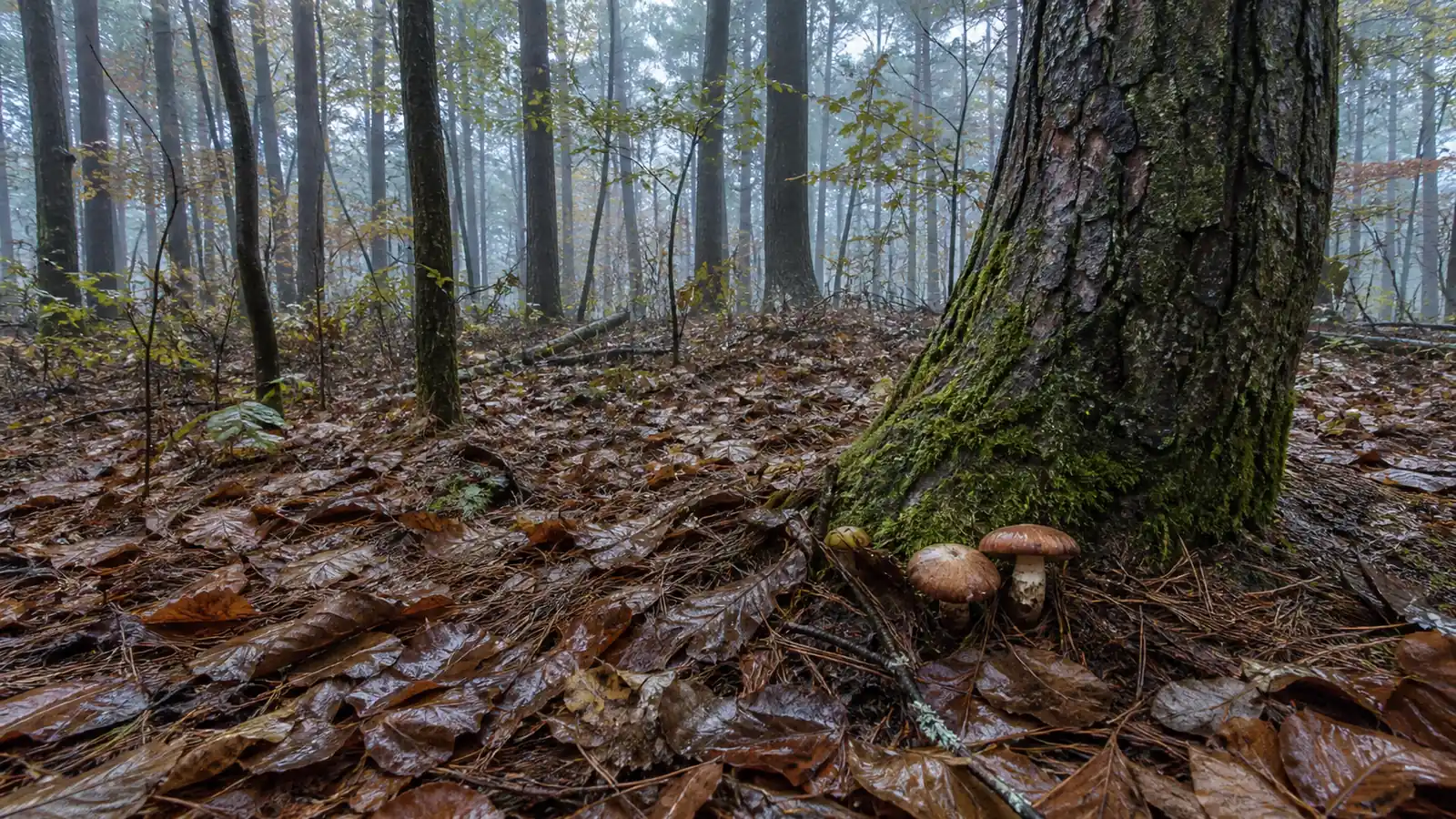
Tsukiyotake fruits in shelving clusters on dead beech through September and October, which is precisely where and when wild shiitake, hiratake and mukitake appear.
Warning
Cooking does not reduce the illudin toxins in tsukiyotake. Vomiting and diarrhea usually begin between 30 minutes and 3 hours after the meal, and the mushroom stays toxic dried, sauteed, or simmered in a soup.
The decisive test is destructive and takes one cut. Split the whole mushroom lengthwise down through the stem and look at the flesh where the stem meets the wood.
A dark purple-black stain in that flesh is tsukiyotake, and neither shiitake nor hiratake carries anything like it.

Two supporting marks are worth checking on the same specimen while it is in your hand. The short lateral stem carries a raised band just below the gills, and the gills themselves glow faintly once your eyes have adjusted to full darkness.
Shiitake answers the question from a different direction entirely. Its stem is central rather than lateral, its gills stop where they meet the stem instead of running down it, and it does not glow under any conditions.
A Wakayama case from 2025 shows what happens when that work gets delegated. A man in his seventies collected a cluster he believed was shiitake or oyster mushroom, carried it to a local botanical garden, and found the staff unavailable.
Rather than wait, he photographed the mushrooms with his phone and asked an AI, which told him they were shiitake or oyster mushrooms and edible.
He was vomiting roughly thirty minutes after the meal and was admitted to hospital, and the prefectural natural history museum later confirmed the cluster as tsukiyotake.
ForagingMushroom foraging laws in the UK: what is actually legalWhy is matsutake ground closed off?
The closures protecting matsutake are the strictest foraging restrictions in Japan, and the harvest record explains the mood behind them.
None of that collapse is a harvesting problem. Matsutake partners with Japanese red pine, and pine wilt disease, carried by a nematode that beetles move between trees, has killed red pine across large parts of the country.
The second cause is neglect rather than damage. Satoyama pine woods were kept open for centuries by raking litter and cutting firewood, and matsutake fruits best in exactly that thin, poor, well-lit ground.
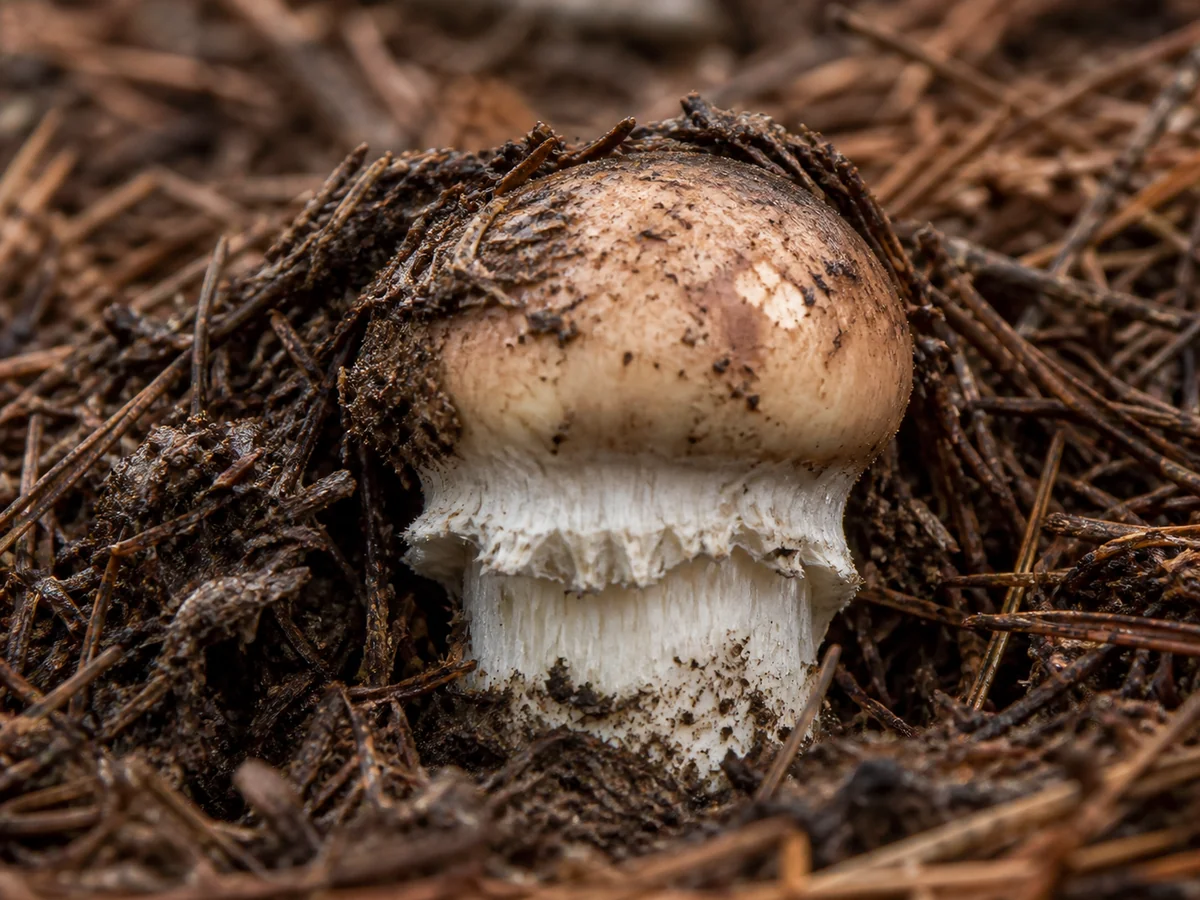
When rural populations aged and household fuel moved on, the raking stopped and the litter layer thickened. The fungus lost the conditions that made it common decades before anyone began policing the mountains for it.
Nagano and Iwate remain the leading domestic producers, and a productive mountain in either is leased season by season.
Access there is bought by growers' groups and licensed pickers, which is why a polite outsider asking at the trailhead is not a route in.
Recent national seasons have run near 45 tonnes, against imports that now supply the overwhelming majority of what Japanese kitchens use.
What hazard can no field mark reveal?
One hazard in Japanese forests is completely invisible to a competent forager. Wild mushrooms concentrate radiocesium, and parts of the country still carry restrictions on them because of it.
Japan set a limit of 100 becquerels per kilogram for radiocesium in general foods in April 2012, and wild mushrooms have been among the slowest categories to fall under it.
- Wild mushrooms are one of the categories still covered, and the restrictions reach well beyond Fukushima itself.
- They are drawn municipality by municipality and frequently species by species, so knowing which prefecture you are standing in does not answer the question.
- They govern shipping and sale, but the monitoring behind them is the only practical read a private forager has on a given forest.
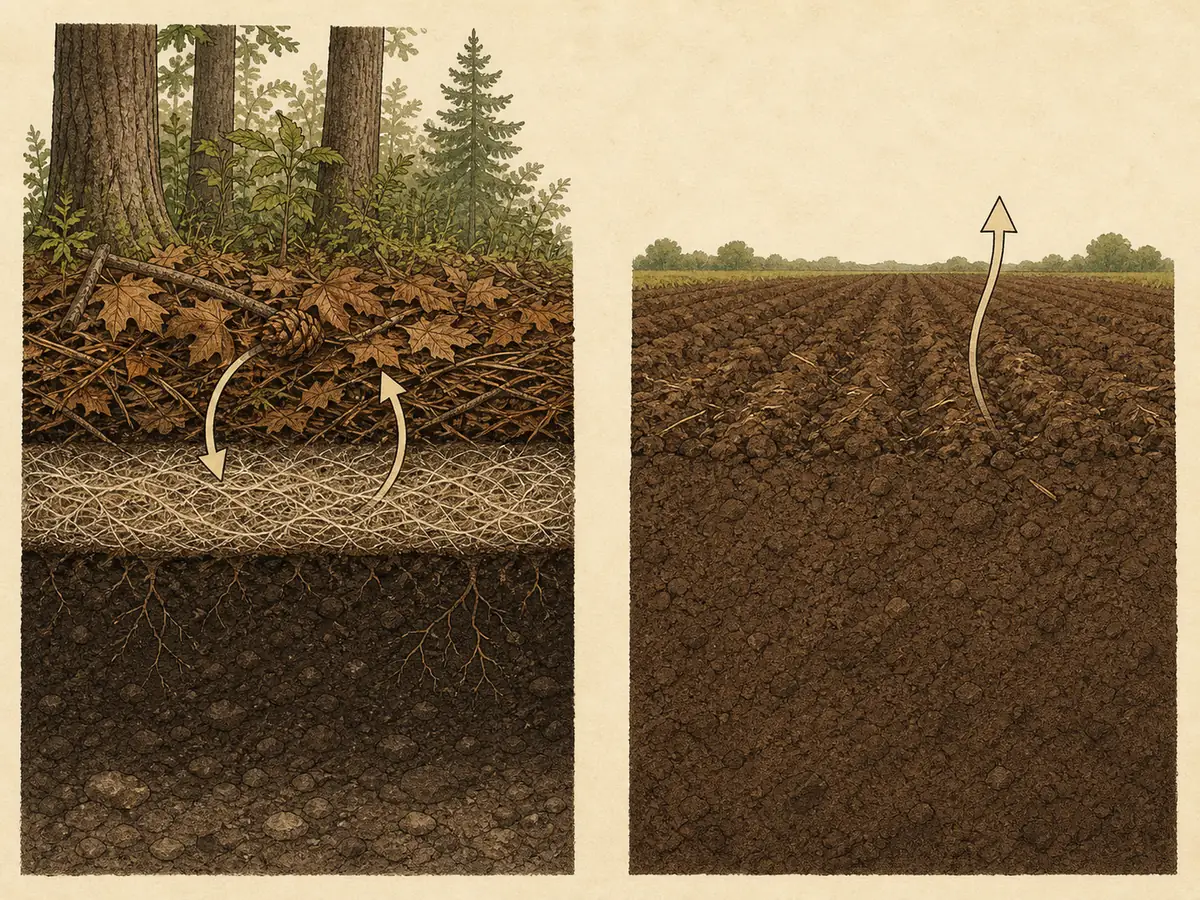
Forest ground behaves nothing like farmland here. Cesium landing on a field is diluted by plowing and pulled out by annual crops that are then harvested away.
In woodland it stays in the litter layer and the fungal mat feeding on it, cycling between the two year after year, which is why wild and log-grown mushrooms clear far later than field crops.
No sensory check reaches this one.
Color, smell, texture, long soaking, and hard boiling leave the cesium exactly where it started.
Who can check your identification in Japan?
The identification you feel most confident about is the one worth handing to somebody else. Japan has a working route for that, and a phone is not on it.
Prefectural public health centers and prefectural natural history museums both take specimen inquiries, and both were involved in resolving the Wakayama case. Wakayama's public health division came out of that incident advising against self-identification even with a printed field guide in hand.
- Keep every species in its own paper bag instead of pooling the day into one basket, so one wrong cluster does not put the entire collection in doubt.
- Cut nothing away at the base, because volva remnants, bulbs and stains sit at the bottom of the stem and that is the part a hospital would want to see.
- Photograph the growing site before you collect, since substrate and tree partner carry half the identification and cannot be reconstructed on a kitchen table.
Symptom timing carries information the specimen no longer can once it has been eaten. Onset within a few hours points to the fast-acting irritant group, which is thoroughly unpleasant and usually survivable.
Onset delayed past six hours points somewhere far worse, because amatoxin and gyromitrin poisonings hide behind that gap while the patient still feels well.
The specimen is still unconfirmed
Hold it raw in its own bagA prefectural health center or natural history museum can identify it, and a discarded specimen ends that option
The track is taped or posted
Leave and find koyurin or a named ownerEntry onto a closed matsutake mountain is handled by police as theft rather than trespass
A split stem shows a dark stain
Discard everything taken from that trunkTsukiyotake fruits in mixed clusters and cooking does not reduce its toxins
Someone who ate is vomiting or confused
Call 119 and bring the leftoversKnowing what was actually eaten changes the treatment, and delayed onset points to the dangerous groups
Keep the uneaten portion and any raw trimmings even when they look ruined. A hospital can work from a cooked scrap long after nobody in the room can remember what the cluster looked like on the tree.
Sources & References
- Ministry of Agriculture, Forestry and Fisheries, poisonous mushroom food poisoning statistics National incident record and the species behind Japanese mushroom poisoning.
- Ministry of Health, Labour and Welfare, toxic mushroom advisory Government guidance on toxic wild mushrooms and the autumn peak.
- Ministry of Health, Labour and Welfare, food shipping restriction list Current radiocesium shipping restrictions by prefecture, municipality, and item.
- Kanagawa Prefectural Institute of Public Health, tsukiyotake food poisoning Tsukiyotake case share, toxins, and the field marks that separate it from edible species.
- Long-term matsutake harvest record in a Pinus densiflora forest, Nagano Prefecture Multi-decade harvest data linking forest management, pine wilt, and matsutake decline.
- North American Mycological Association, Pleurocybella porrigens toxin The 2004 sugihiratake encephalopathy outbreak and the patients it affected.
- SoraNews24, Wakayama AI mushroom identification case The 2025 hospitalization after a phone AI identified tsukiyotake as shiitake or oyster mushroom.