
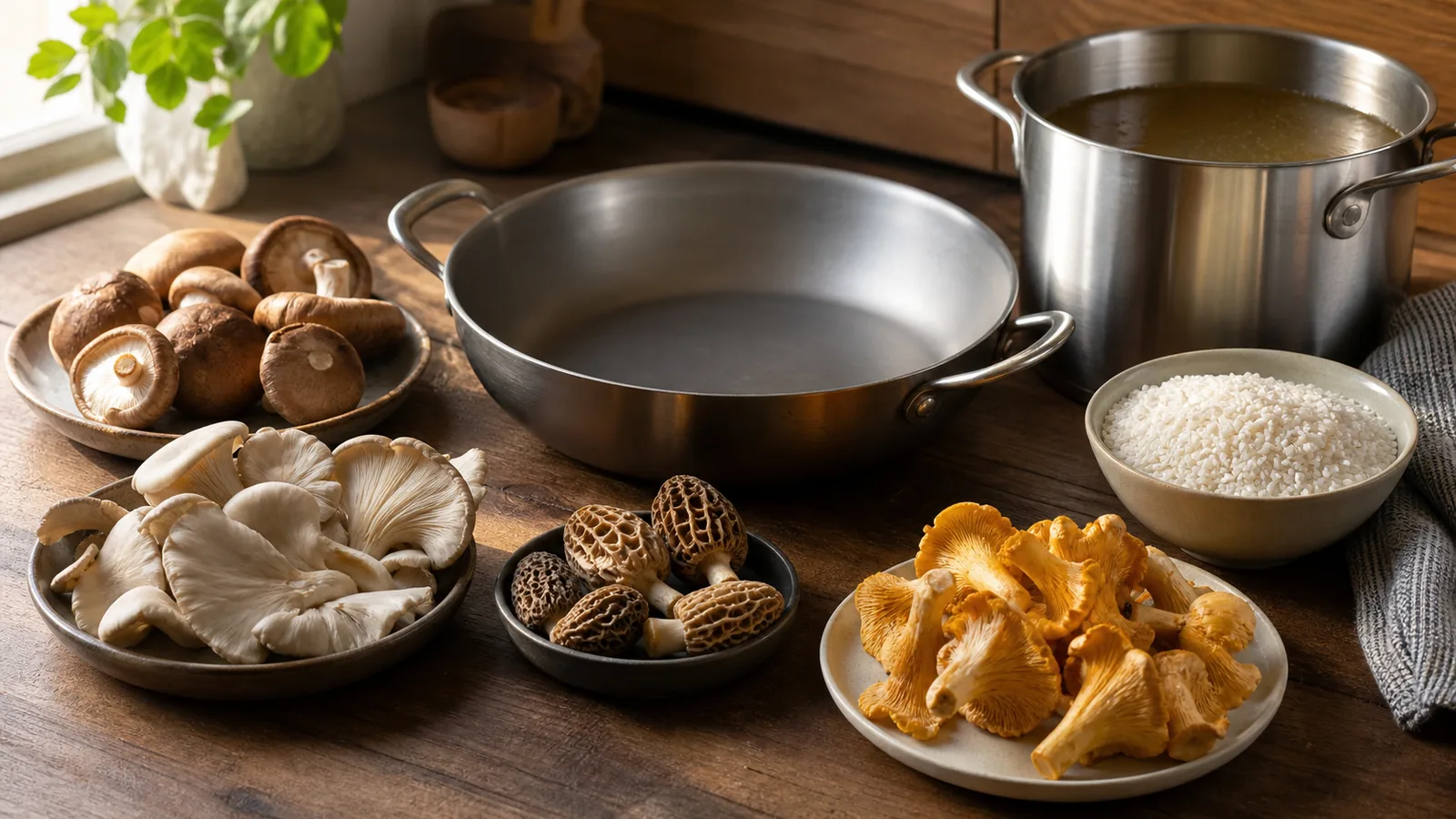
The best mushrooms for risotto bring either savory depth, browned texture, or a seasonal aroma that can survive the rice and stock. Shiitake is the most reliable all-around choice, but the right answer changes if you want texture, spring flavor, or a delicate finish.
-
1
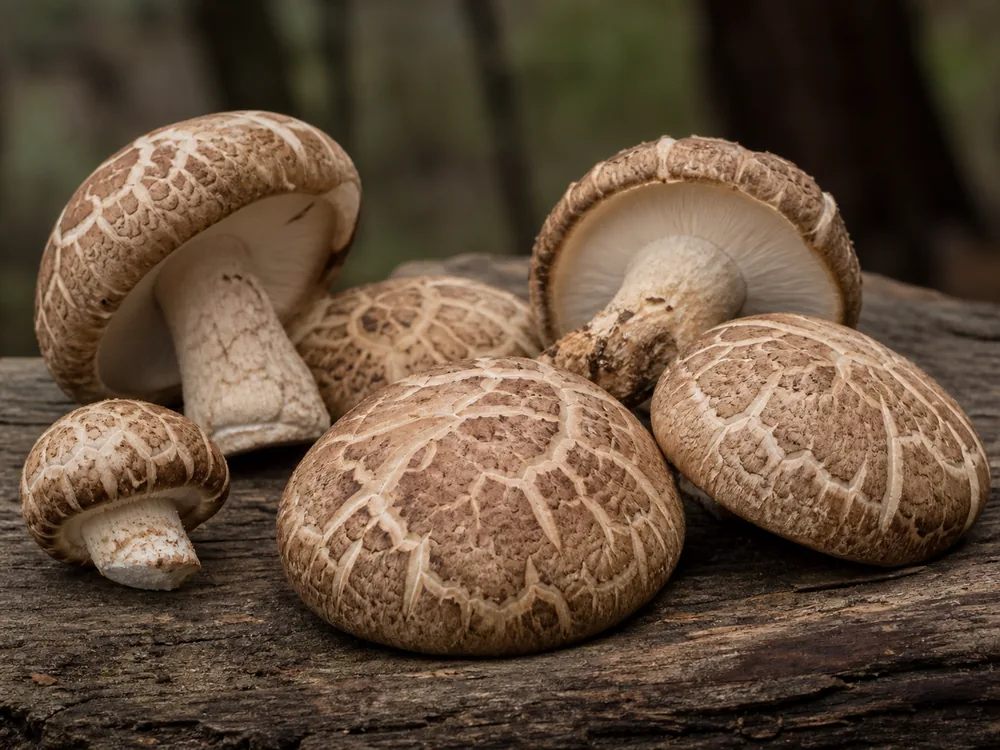 Lentinula edodes
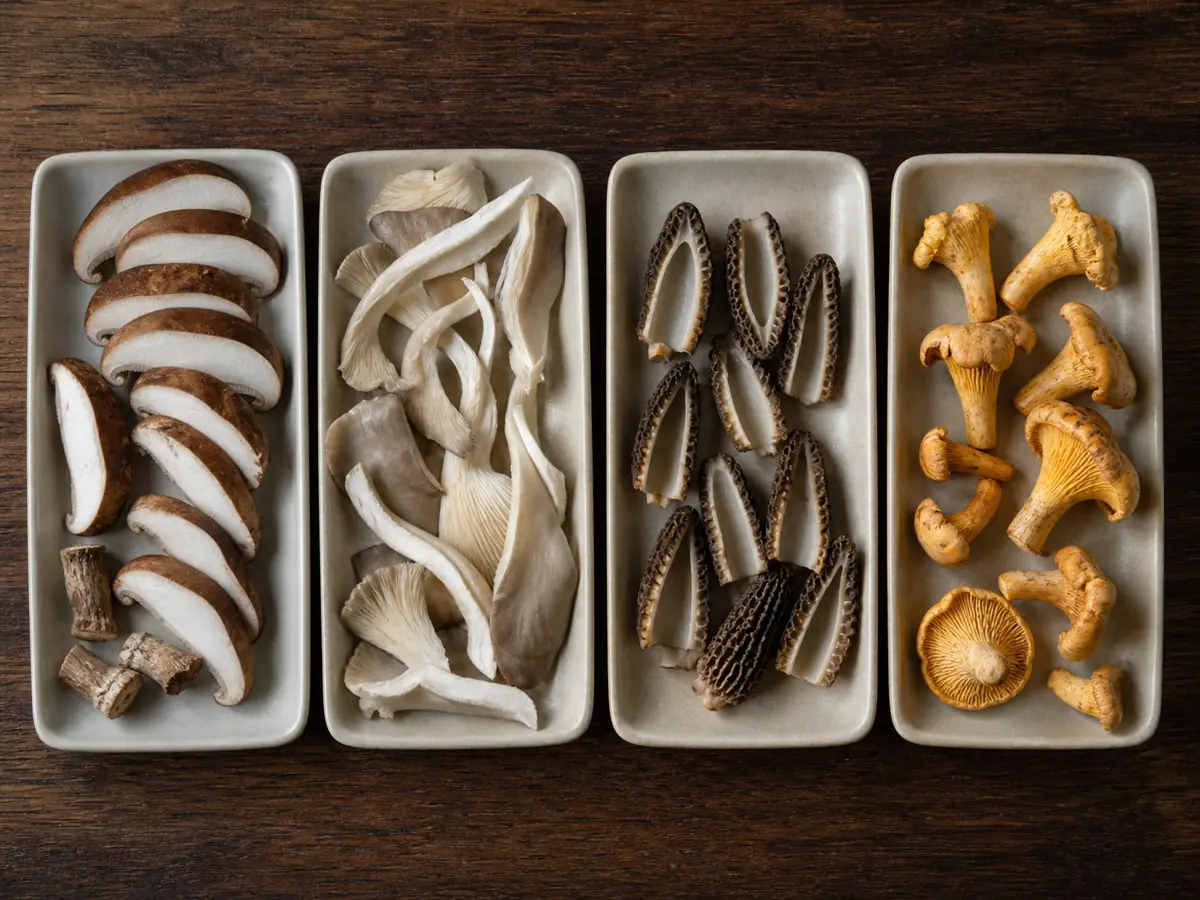
Shiitake
Best overall depthDeep savory flavor that can season both the rice and the stock, especially when dried caps are used.
-
2
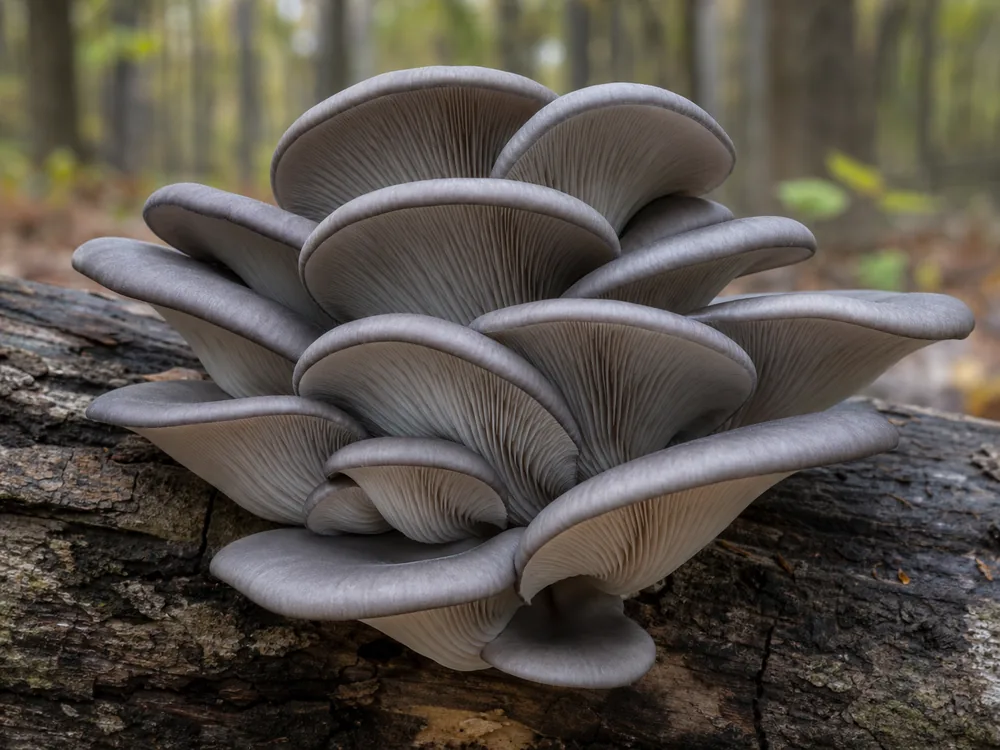 Pleurotus ostreatus
Oyster Mushroom
Best textureTears into pieces that brown at the edges and stay tender when folded into finished rice.
-
3
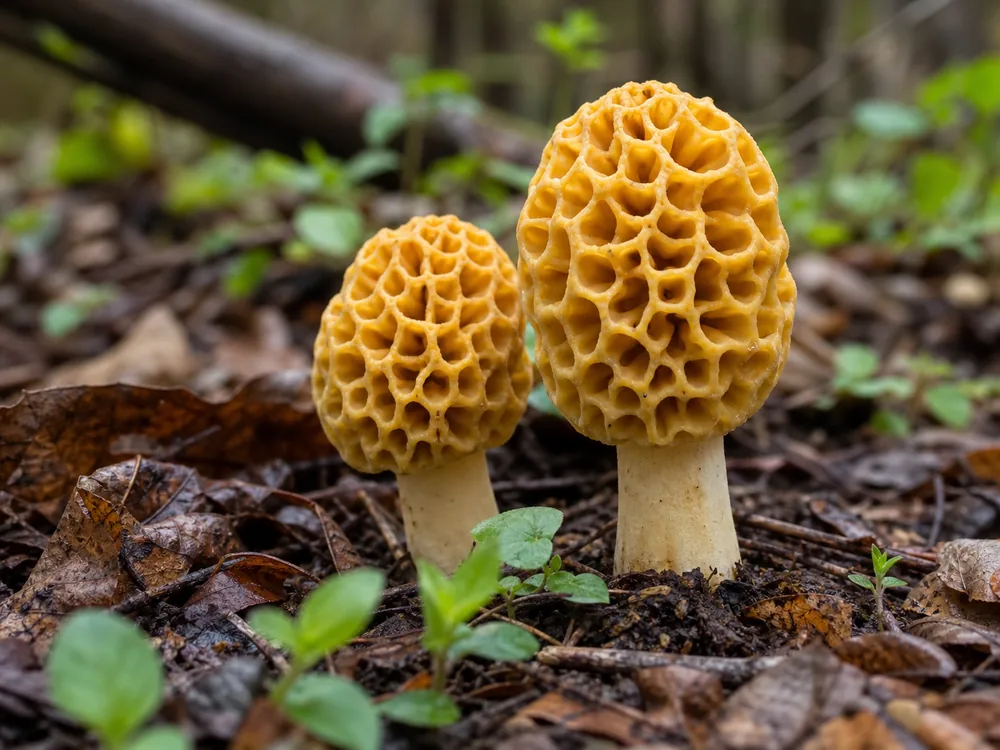 Morchella esculenta
Morel
Best spring risottoNutty, earthy, and excellent with cream or butter, but only after careful ID and thorough cooking.
-
4
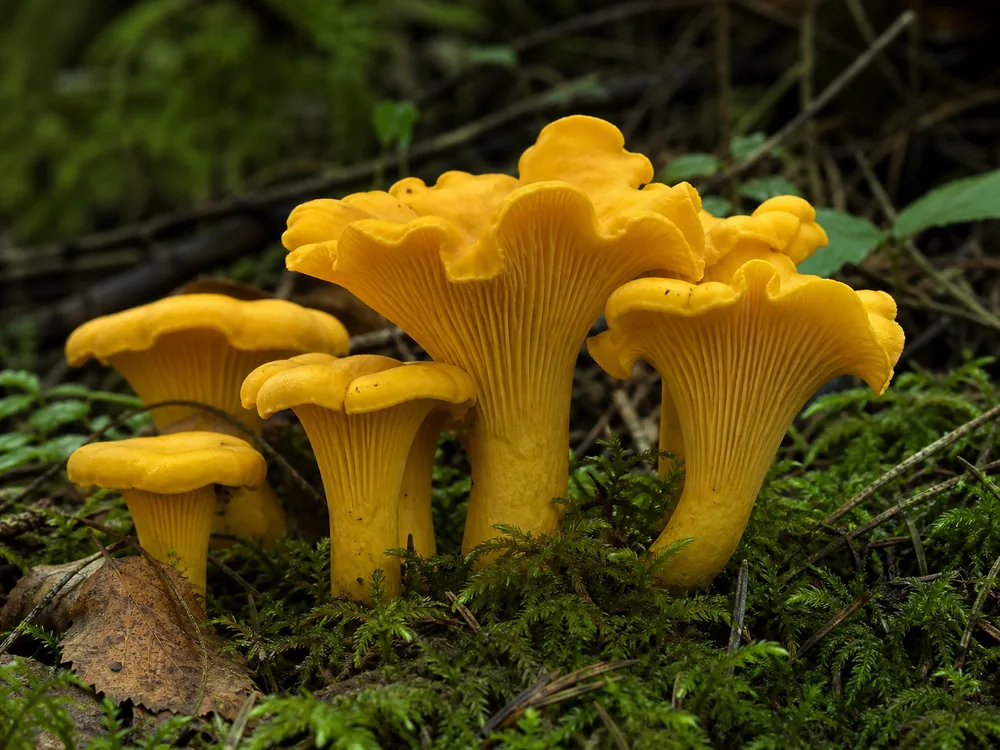 Cantharellus cibarius
Chanterelle
Best aromaFruity and golden, with a delicate aroma that works when the risotto is kept simple.
Shiitake is the most reliable risotto mushroom
Shiitake is the best everyday risotto mushroom because fresh caps brown firmly while dried shiitake can season the stock before the rice reaches the pan.
Use fresh shiitake for pieces you can bite by removing tough stems, slicing the caps, and browning them separately. Fold the caps back into the finished rice so they retain texture through the stirring.
Slice dry, springy shiitake caps about one-quarter inch thick, and use the tough stems only to flavor stock that will be strained before the rice cooks.
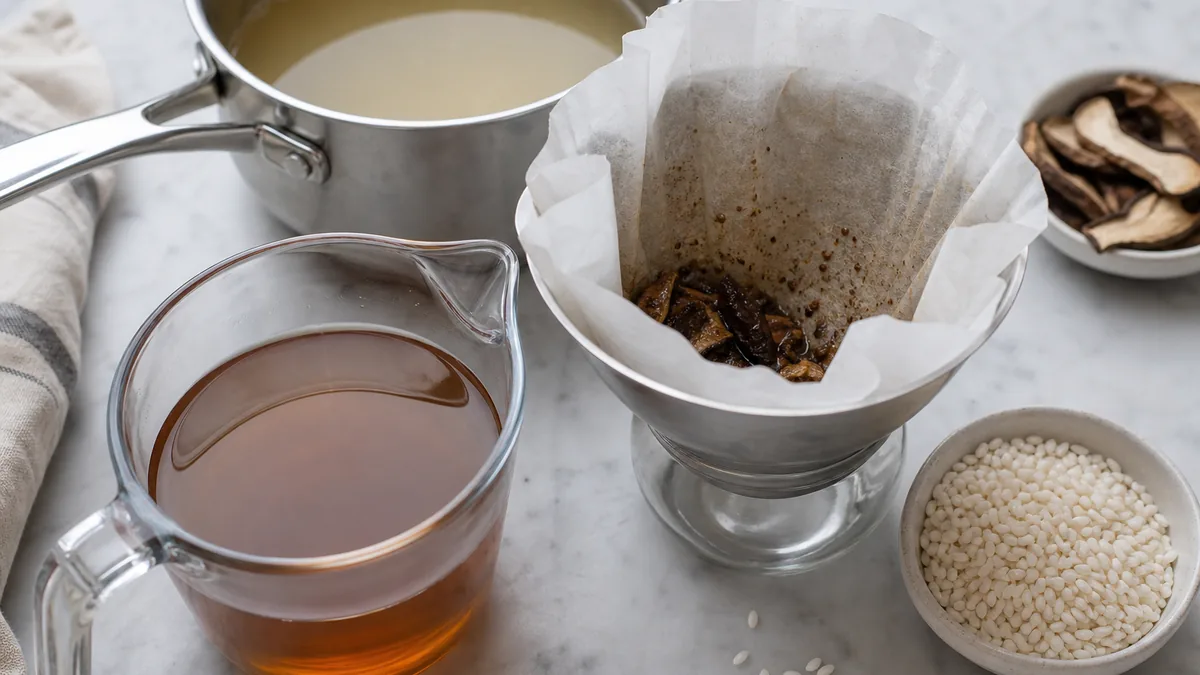
Dried shiitake builds the liquid instead, so soak the caps and strain part of their liquid into the stock. The rice absorbs that flavor during cooking and develops more depth than a last-minute topping can supply.
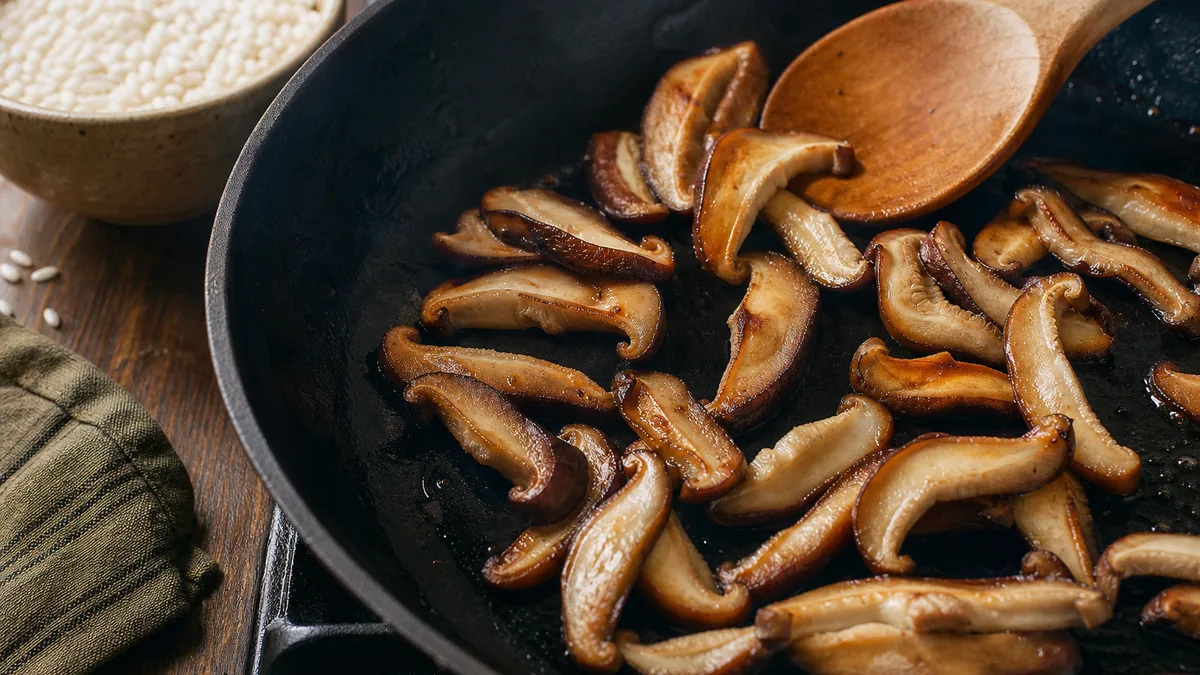
Cook shiitake thoroughly because raw or undercooked caps have caused flagellate dermatitis in some people. Risotto provides sustained heat when the mushrooms are browned before they enter the rice.
- Best overall risotto mushroom
- Shiitake for browning, aroma, and steady texture
- Best luxury choice
- Morels or chanterelles when they are clean, fresh, and in season
- Best budget base
- Cremini with a small amount of dried porcini broth
- Main technique
- Brown mushrooms first, then fold them into the rice near the end
Oyster mushrooms give the best texture
Oyster mushrooms give risotto tender pieces and browned edges without the same dark intensity as shiitake, which leaves more room for stock, cheese, herbs, and vegetables.
Tear oyster mushrooms so irregular edges brown faster, then cook them in a wide hot pan until released water evaporates. Salt after the edges color so the pieces remain distinct in the rice.
Separate each cluster at the dense base, then follow the natural grain instead of cutting uniform strips. Oyster mushrooms with broad caps need more pan space, while thick stem sections can enter first because they take longer to brown.
| Mushroom | Risotto job | Best technique | Pair with |
|---|---|---|---|
| Shiitake | Savory base | Brown caps, use dried soaking liquid in stock | Soy, chicken stock, Parmesan, greens |
| Oyster | Texture | Tear and sear hot before folding in | Thyme, butter, peas, lemon |
| Morel | Spring aroma | Rehydrate or clean fresh morels, then cook through | Cream, asparagus, eggs, shallot |
| Chanterelle | Delicate lift | Dry saute first, then finish with butter | Tarragon, chicken, mild cheese |
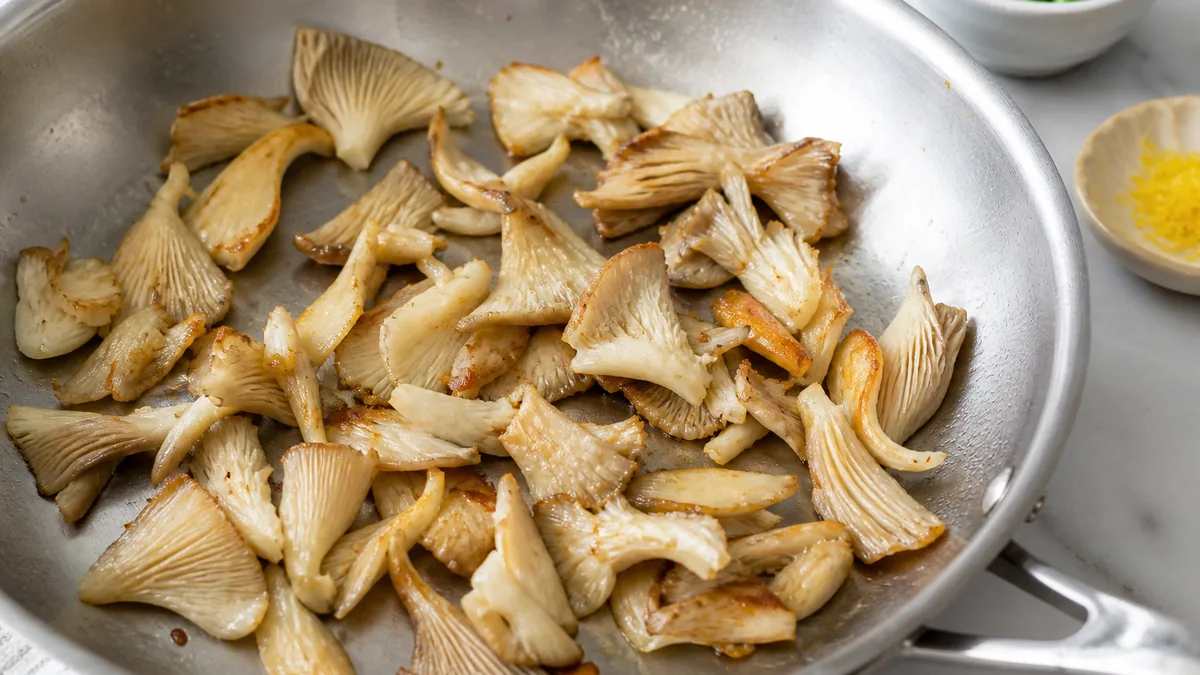
Oyster mushrooms also help when you want a milder risotto. They let stock, cheese, herbs, and vegetables share the plate instead of pushing the dish into a darker dried-mushroom direction.
Morels and chanterelles are seasonal choices
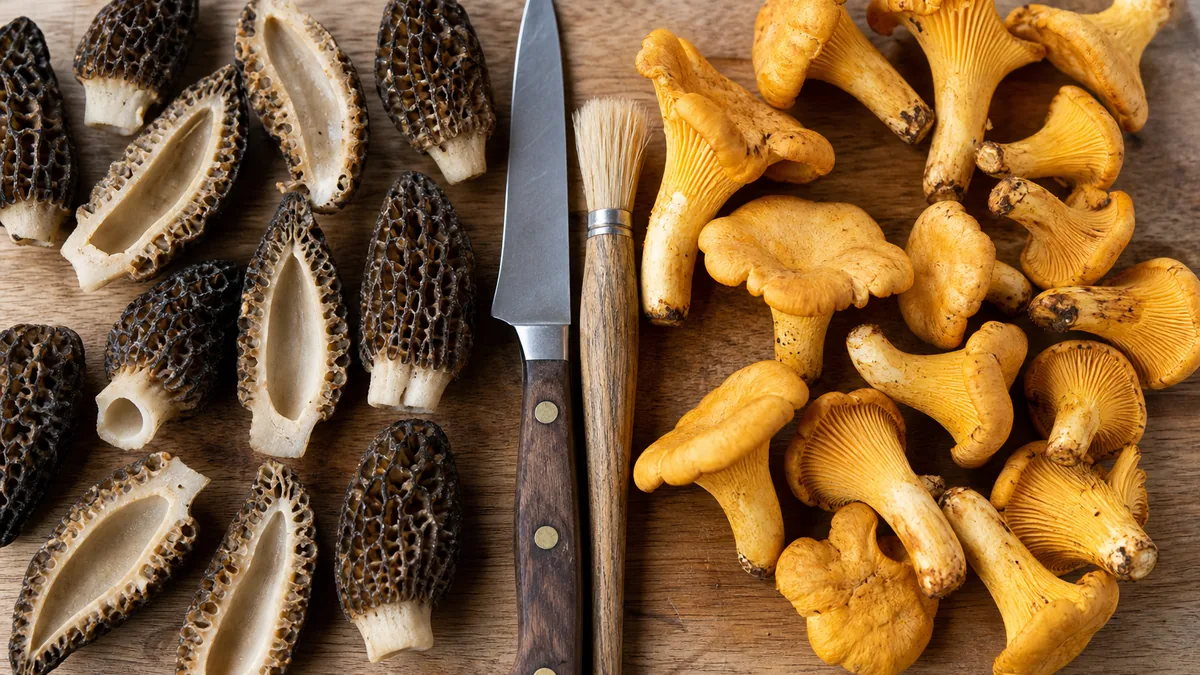
Morels make a seasonal risotto because their hollow caps hold butter and stock while their earthy flavor stays lighter than porcini.
Morels require more safety work than cultivated mushrooms because a true specimen must be hollow when cut lengthwise and separated from false morels. Thorough cooking addresses raw morel risk, but heat cannot correct a mistaken identity.
Fresh morels can trap grit inside the pits and hollow center, so split them lengthwise and clean each half before the pan heats. Rehydrated morels also leave sediment behind, which makes a fine filter more useful than pouring the soaking bowl directly into stock.
Chanterelles make a lighter, fruitier risotto when mild stock and restrained seasoning leave their aroma recognizable.
Dry saute chanterelles until released water evaporates, then add butter so the fat coats the mushrooms instead of mixing with a puddle. Keep small caps whole and split larger ones along the stem to make their cooking time more even.
Warning
Foraged mushrooms do not become safe because risotto cooks slowly. Identify each specimen before it enters the kitchen, and keep wild mushrooms separate until the ID is finished.
Morels and chanterelles are special-season choices, while shiitake or oyster mushrooms give a better result when wild mushrooms are expensive, tired, sandy, or uncertain.
How to build mushroom flavor into the rice
A strong risotto uses mushrooms twice by flavoring the cooking liquid first and adding browned pieces near the end. The two stages keep stock depth separate from the texture of the visible mushrooms.
Adding every mushroom early can boil the pieces dull, while adding them all late leaves the rice underseasoned. Splitting the work preserves both depth and browned texture.
Use dried porcini sparingly because a small amount can strengthen weak stock while too much buries fresh morels, chanterelles, or oyster mushrooms.
Best ofWhich Mushrooms Are Safest for Beginners to Learn?What not to use as the main risotto mushroom
Plain white button mushrooms can work, but they need hard browning and help from stock, cheese, or a little dried mushroom liquid. They are not the best choice when the mushroom is the headline.
Old mushrooms are worse than simple mushrooms because slime, sour odor, and wet packaging will make risotto taste tired despite careful stirring.
Brown fresh mushrooms before they meet the rice
Use filtered dried-mushroom liquid as part of the stock
Keep delicate mushrooms for simple risotto builds
Crowd the pan and steam the mushrooms
Add gritty soaking liquid without filtering
Use uncertain wild mushrooms because the dish will be cooked
For a reliable first pan, combine shiitake depth with oyster mushroom texture so the rice carries a savory base and browned pieces rather than soft anonymous slices.
Fresh, dried, or mixed mushrooms
Fresh mushrooms provide visible chew while dried mushrooms provide concentrated stock flavor. A mixed approach is stronger than forcing one form to perform both jobs.
For a weeknight pan, brown fresh shiitake or oyster mushrooms and add strained dried-mushroom liquid only when the stock tastes thin. For a spring version, keep morels visible and any stronger porcini flavor in the background.
Chanterelles need light handling because excessive garlic, wine, cheese, or porcini can bury their fruitiness. Dry saute them, finish with butter, and keep the rice mild enough to preserve the aroma.
| Goal | Best mushroom plan | What to avoid |
|---|---|---|
| Deep savory risotto | Fresh shiitake plus dried shiitake liquid | Too much cheese early |
| Best texture | Seared oyster mushrooms folded in late | Boiling pieces from the start |
| Spring dinner | Morels cooked through with cream or butter | Unverified wild mushrooms |
| Delicate aroma | Chanterelles and mild stock | Heavy porcini liquid |
| Budget version | Cremini browned hard plus a little dried liquid | Pale mushrooms in a crowded pan |
Safety still matters in the kitchen
Cooking cannot turn an uncertain wild mushroom into food, even though proper heat is part of preparing correctly identified morels and shiitake.
Keep foraged mushrooms separate until each whole specimen is identified, without washing, slicing, or mixing the basket first. Once pieces enter rice, the growth habit, underside, base, and other evidence cannot be reconstructed.
Cultivated shiitake, oyster, and cremini are the safest risotto default because they let the cook focus on browning and texture. Reserve wild morels and chanterelles for days when identification is already settled.
A reliable first mushroom risotto formula
Start with shiitake for the most reliable strong result by browning the caps separately, cooking rice with good stock, and folding the caps back at the end.
Add separately browned oyster mushrooms when the dish needs more bite because their edges should color before meeting creamy rice. Finish with butter, Parmesan, herbs, and only enough acid to brighten the bowl.
The formula stays flexible when one mushroom leads flavor and another supports texture.
Best ofThe Best Mushrooms to Grow at Home, Ranked by ForgivenessHow each mushroom changes the finished bowl
Shiitake makes risotto deeper and more savory, so it is the best pick when the mushroom must carry both the stock and the finished bowl.
Oyster mushrooms make risotto feel more varied. Their flavor is milder, but the torn pieces give browned edges and tender centers that break up the creaminess of the rice.
Morels make risotto seasonal and work best with butter, shallot, stock, asparagus, or peas. Heavy seasoning wastes the aroma and distinctive shape that justify their price.
Chanterelles make risotto more aromatic and suit chicken stock, mild herbs, and restrained cheese. They are a poor match for a heavy red-wine mushroom sauce.
Buying and prep checks
Choose fresh mushrooms that smell clean and hold their structure, rejecting slimy caps, sour odor, soaked packaging, and pieces that collapse in the hand.
Dried mushrooms should smell concentrated rather than dusty or stale. Soak them until flexible, break large pieces if needed, and filter the liquid because grit is common.
Foraged mushrooms need a separate identification step using the whole specimen before cooking begins. Morels require the hollow interior check, while chanterelles require blunt ridges rather than the sharp gills of Jack O'Lantern mushrooms.
Best pairings by mushroom
Shiitake tolerates Parmesan, soy sauce, chicken stock, miso, greens, and black pepper because its cooked flavor remains sturdy.
Oyster mushrooms like butter, thyme, lemon, peas, and mild cheese. They are useful when the risotto needs texture but not a darker broth.
Morels like cream, butter, asparagus, eggs, chicken, and shallot. They should be cooked through, then folded into rice where their shape and aroma stay visible.
Chanterelles like butter, tarragon, chicken, mild stock, and a small amount of cream. Keep garlic and dried porcini low, because strong flavors bury their fruitiness.
Texture matters as much as flavor
Because risotto already contains starch, stock, butter, and cheese, its best mushrooms retain a clear bite instead of disappearing into the creamy rice.
Shiitake caps stay firm when browned first, while torn oyster mushrooms keep browned edges after shedding water. Morels and chanterelles need gentler stirring so they do not break or lose their aroma beneath cheese.
Cut size changes the result because thin slices spread flavor but lose identity. Larger browned pieces remain visible on top, which matters most for expensive or seasonal mushrooms.
| Texture goal | Best mushroom | Prep choice |
|---|---|---|
| Firm savory bite | Shiitake | Slice caps and brown before rice finishes |
| Tender wide pieces | Oyster mushroom | Tear by hand and sear in a roomy pan |
| Spring centerpiece | Morel | Rehydrate or clean carefully, then cook through |
| Delicate aroma | Chanterelle | Brush clean and avoid long wet cooking |
| Deep stock flavor | Dried porcini | Strain soaking liquid and add it gradually |
A good risotto can use browned fresh pieces for texture and a measured amount of strained dried-mushroom liquid for depth.
How much mushroom to buy for risotto
For four servings, eight to twelve ounces of fresh mushrooms is a practical starting point when the mushroom is part of the rice rather than only a garnish. Use the higher end for oyster mushrooms because they shrink as water leaves the pan.
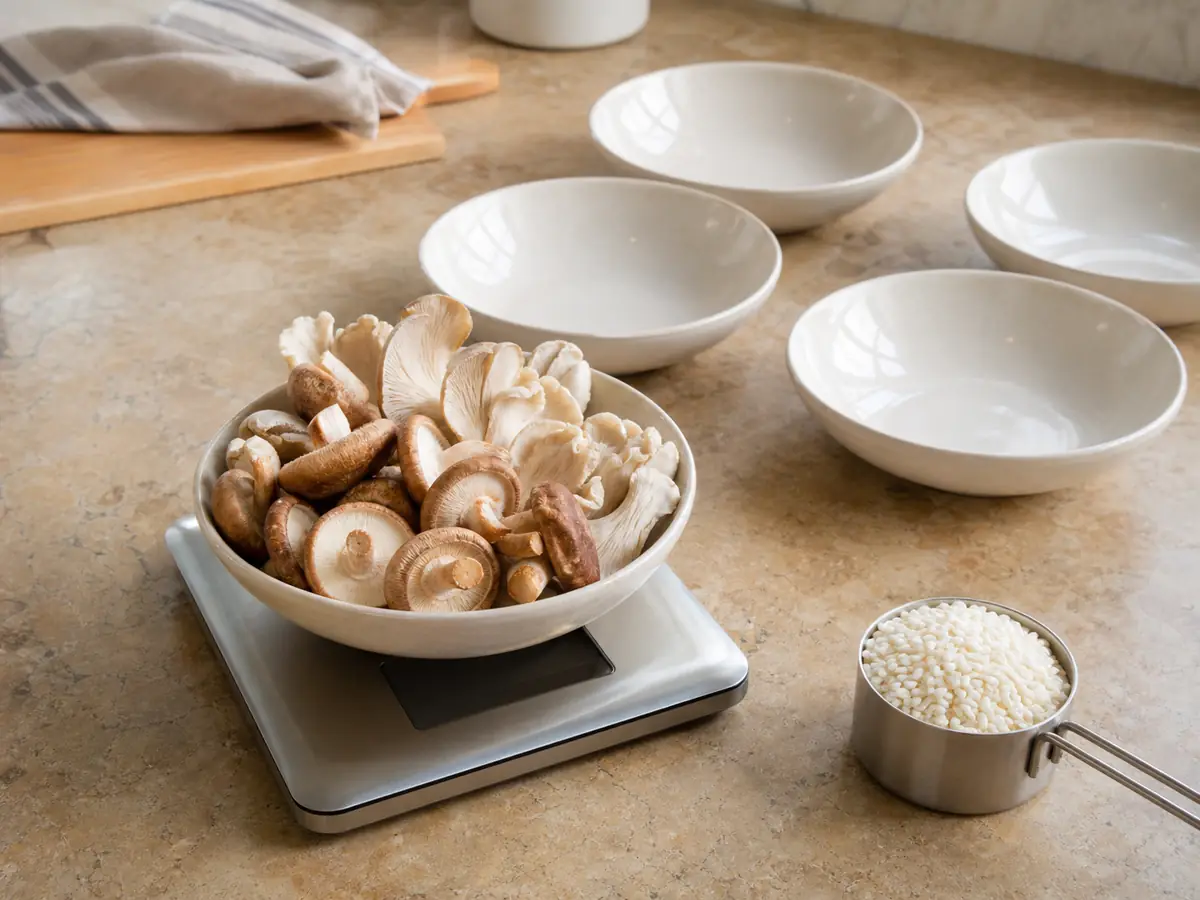
Start with one-half to one ounce of dried mushrooms for four portions when they are seasoning the stock rather than replacing fresh pieces. Species and drying strength vary, so add the filtered soaking liquid by taste and reserve the remainder instead of forcing all of it into the pan.
Brown that quantity in batches whenever the pieces cover the skillet more than one layer deep. Reserve the best-colored pieces for the top and fold the rest through the rice, which gives every serving both integrated flavor and a visible mushroom.
Taste the finished stock before it reaches the rice because dried-mushroom liquid, Parmesan, and reduction will all make the final pan more concentrated.
Dried mushrooms are stronger, so add their filtered soaking liquid to stock in small amounts rather than committing the whole bowl. A small handful can season four servings before the grains are fully cooked.
When fresh and dried mushrooms share a pan, give browned shiitake or oyster pieces the texture job and dried liquid the stock job. This division adds depth without making every spoonful taste uniformly dark.
Season after mushroom liquid reduces because Parmesan, stock, butter, and dried liquid all concentrate salt.
Restaurant-style presentation depends on timing, with some browned pieces held for the top and the rest folded through while the rice remains loose. That order keeps the surface from looking flat and the lead mushroom visible.
Serve risotto immediately because it thickens while standing and browned mushrooms soften under a lid. A wide pan makes the final folding and plating faster.
Turn the choice into a pan plan
Start with the mushroom that owns the main job, whether that is shiitake depth, oyster texture, morel spring aroma, or chanterelle lightness.
Then choose the cooking order by browning fresh mushrooms first, reserving visible pieces, and cooking rice with stock that already tastes balanced. The same order supports creamy mushroom risotto because color must develop before the rice turns creamy.
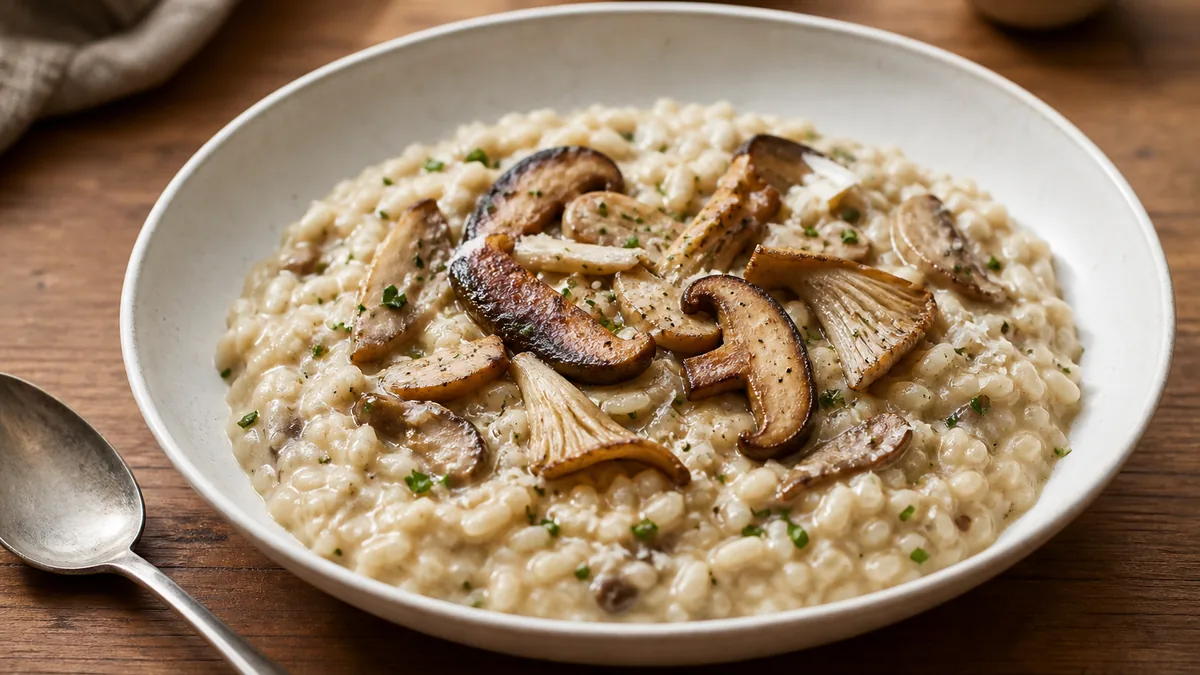
When the planned mushroom is unavailable, choose a focused substitute instead of a random mix because a morel substitute must preserve spring character and grit control.
Let one high-aroma mushroom lead while the others support texture or stock.
Safety still stays outside the recipe fantasy. Cooked shiitake brings firm umami to risotto, oyster mushrooms give tender torn pieces, and wild golden mushrooms need a confident chanterelle ID before the pan.