Cottonwood river bottoms can support soil-fruiting morels in some regions and wood-decay fungi such as Pleurotus populinus on dead Populus. Floods can move or bury wood, so a cluster that looks terrestrial may still be attached to a root or log.
Record river position, cottonwood identity, tree condition, exact attachment, mushroom underside, complete base, season, and region before identifying or collecting the find.
Cottonwoods create mushroom habitat both above and below the floodplain floor. Oysters and other decomposers use dead Populus wood, while morels and other soil mushrooms can fruit among the roots and deposited silt.
Cottonwood becomes a useful clue only when river position, tree condition, and exact attachment show whether a mushroom belongs to living roots, buried flood debris, a wounded trunk, or dead wood.
Cottonwood habitat changes quickly after floods, wind breakage, and branch drop. Revisit the substrate record before using last year's mushroom expectations.
Read the River Terrace Before the Mushroom
Black cottonwood dominates many Pacific Northwest river corridors and eastern cottonwood is widespread across central and eastern North America, but their regional fungi and spring timing differ even though both favor moist alluvial sites.
Cottonwood leaves are triangular to broadly ovate with flattened petioles, and mature bark becomes deeply furrowed. Buds can be large, pointed, and resinous, while white cottony seed masses collect along the ground in late spring or early summer.
| Floodplain position | Substrate likely to be present | Mushroom consequence |
|---|---|---|
| Active low bench | Fresh silt, buried sticks, driftwood, and young cottonwood roots | Attachment may be hidden and fruiting can shift after each flood |
| Established grove | Deep leaf litter, large living roots, dead branches, and shaded logs | Root-zone and wood fungi can occupy the same search area |
| High terrace edge | Older trees, drier soil, stumps, and mixed hardwoods | Cottonwood may no longer be the only plausible host |
| Cut bank or gravel bar | Exposed roots and recently deposited wood | Observe erosion and access hazards before approaching fruit bodies |
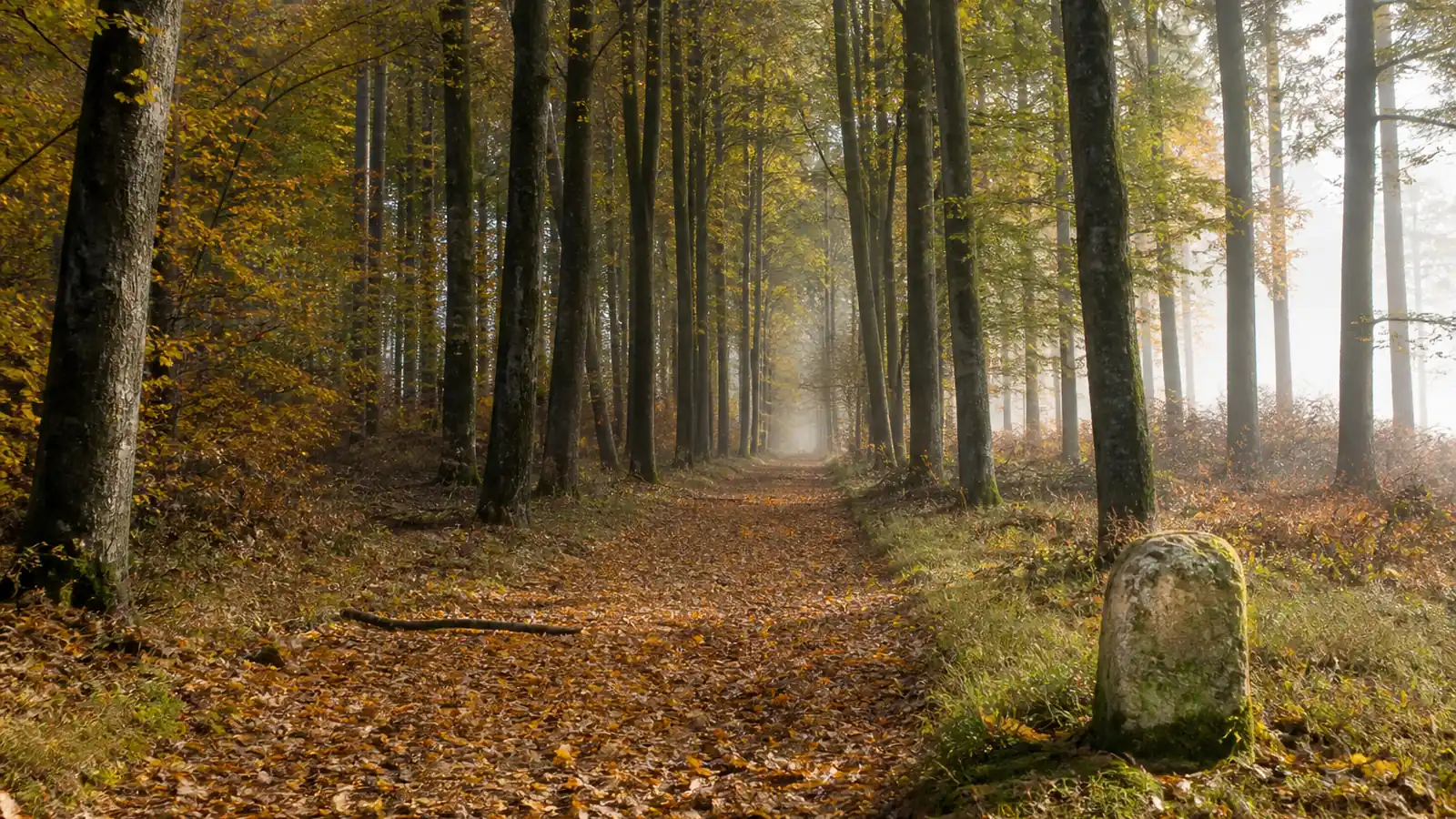
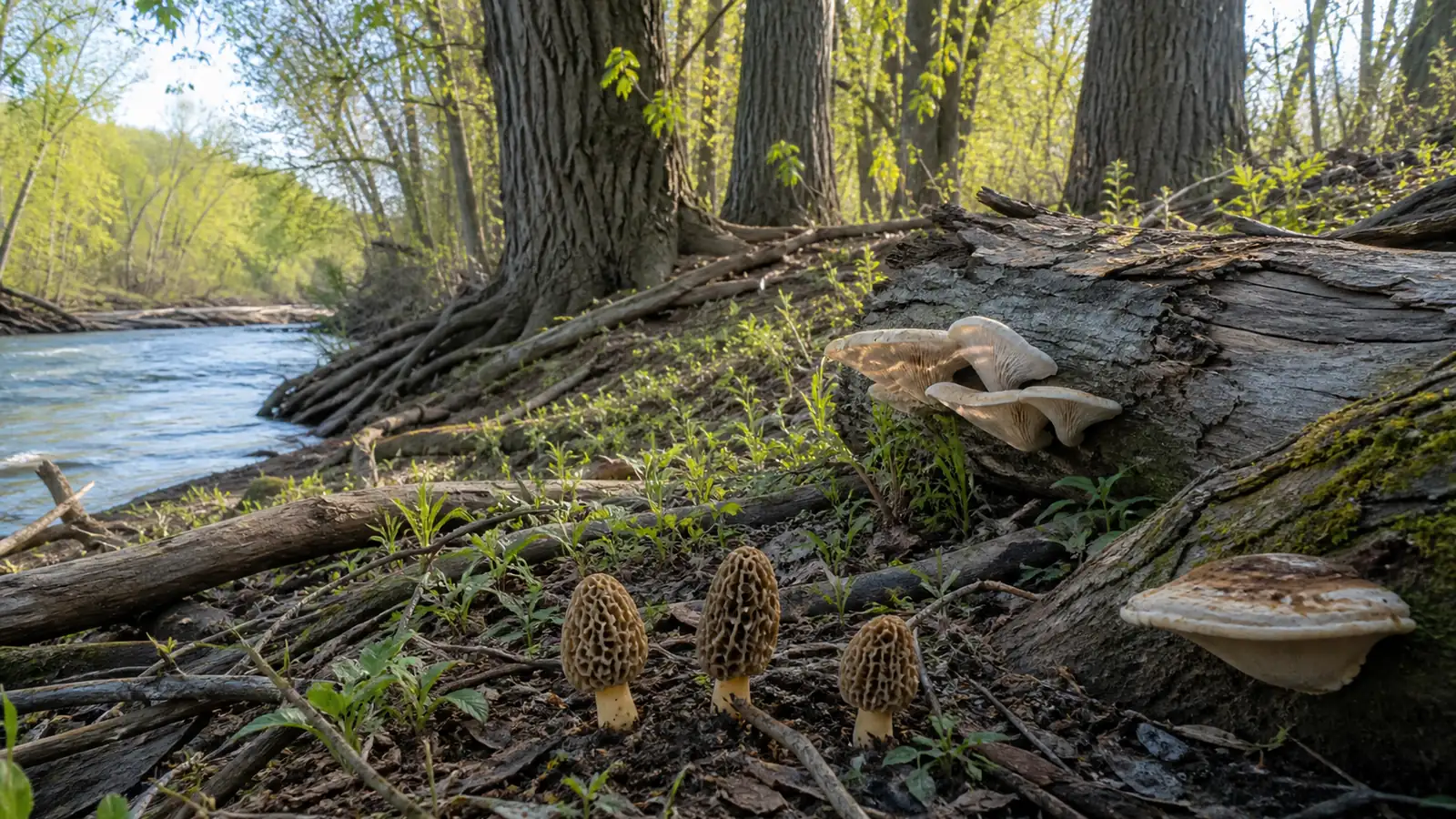
The wide river view makes those terrace positions legible before a close mushroom photograph removes their scale and relationship.

Do not use cottony seed as the only tree clue. Willow seed can look similar, and loose cottonwood leaves or branches travel downstream far from the living tree.
ForagingMushroom foraging laws in France: what the five liter rule meansSpring Soil Mushrooms Need a Strict Boundary
Yellow morels are reported in cottonwood river bottoms in parts of western North America. They fruit from soil rather than from the trunk, often when spring warmth and moisture align in mature riparian groves.
That regional association can mark suitable moisture and disturbance without proving a direct relationship, especially when another tree shares the root zone.
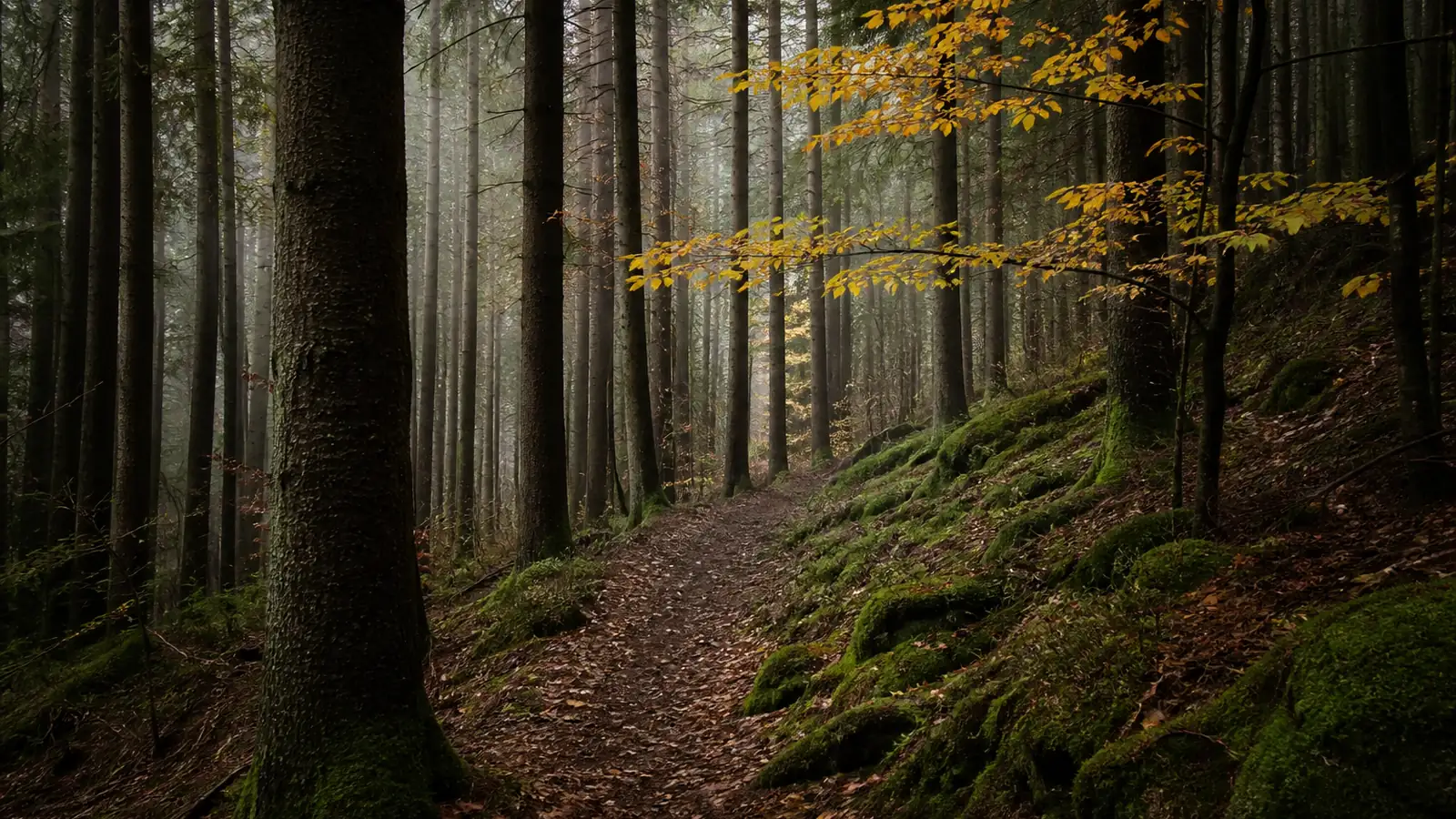
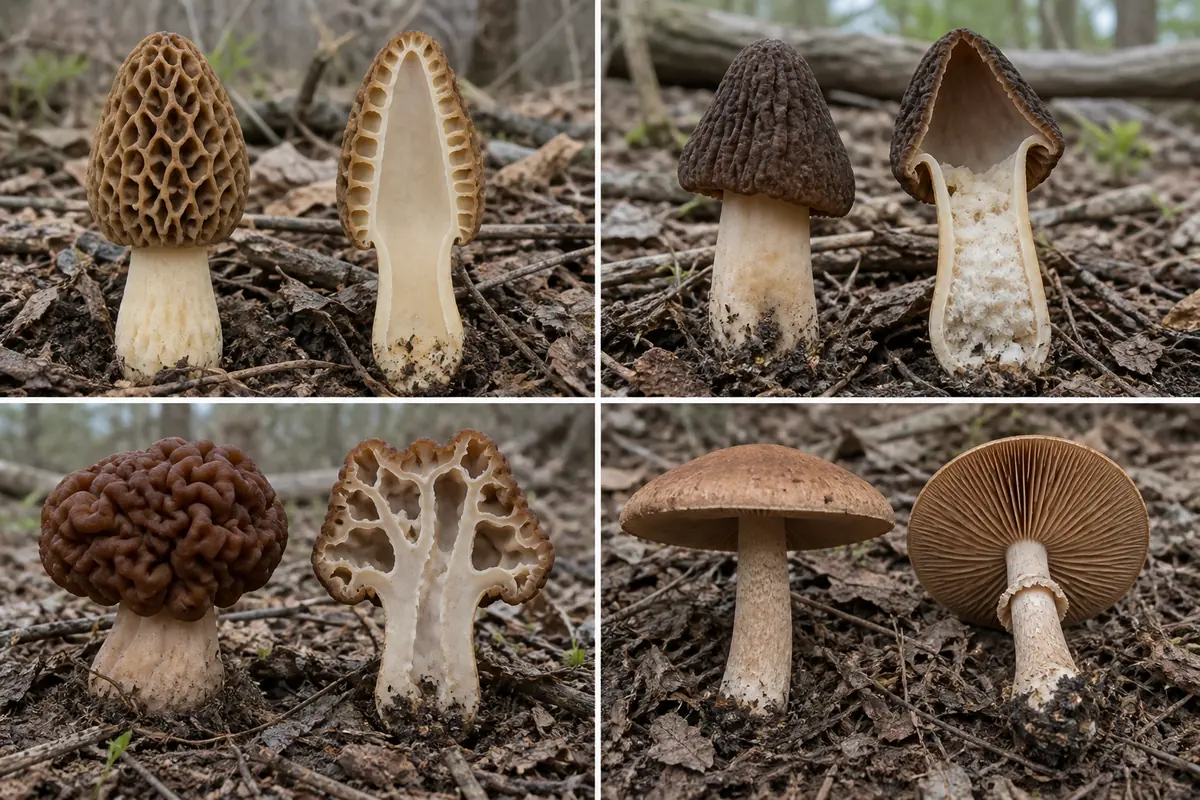
Whole and cut views make cap attachment and internal chambers visible without turning cottonwood habitat into a food test.
Morels can be concealed by tall riparian vegetation and fresh leaf litter. Search slowly without raking, since raking removes moisture cover and does not establish an identification.
Correct true-morel identification still does not make raw specimens safe. Cook confirmed morels thoroughly, avoid alcohol-related uncertainty when current guidance advises it, and discard spoiled or waterlogged specimens.
ForagingMushroom foraging laws in Germany: protected species and small quantitiesOysters and Other Fungi Use Cottonwood Wood
Aspen oyster, Pleurotus populinus, is a North American oyster associated with dead aspen and cottonwood wood. It forms pale overlapping caps with gills running down a short lateral attachment.
Other oyster species and pale gilled fungi share riparian hardwoods, so the host narrows the comparison only when the underside and attachment still agree.
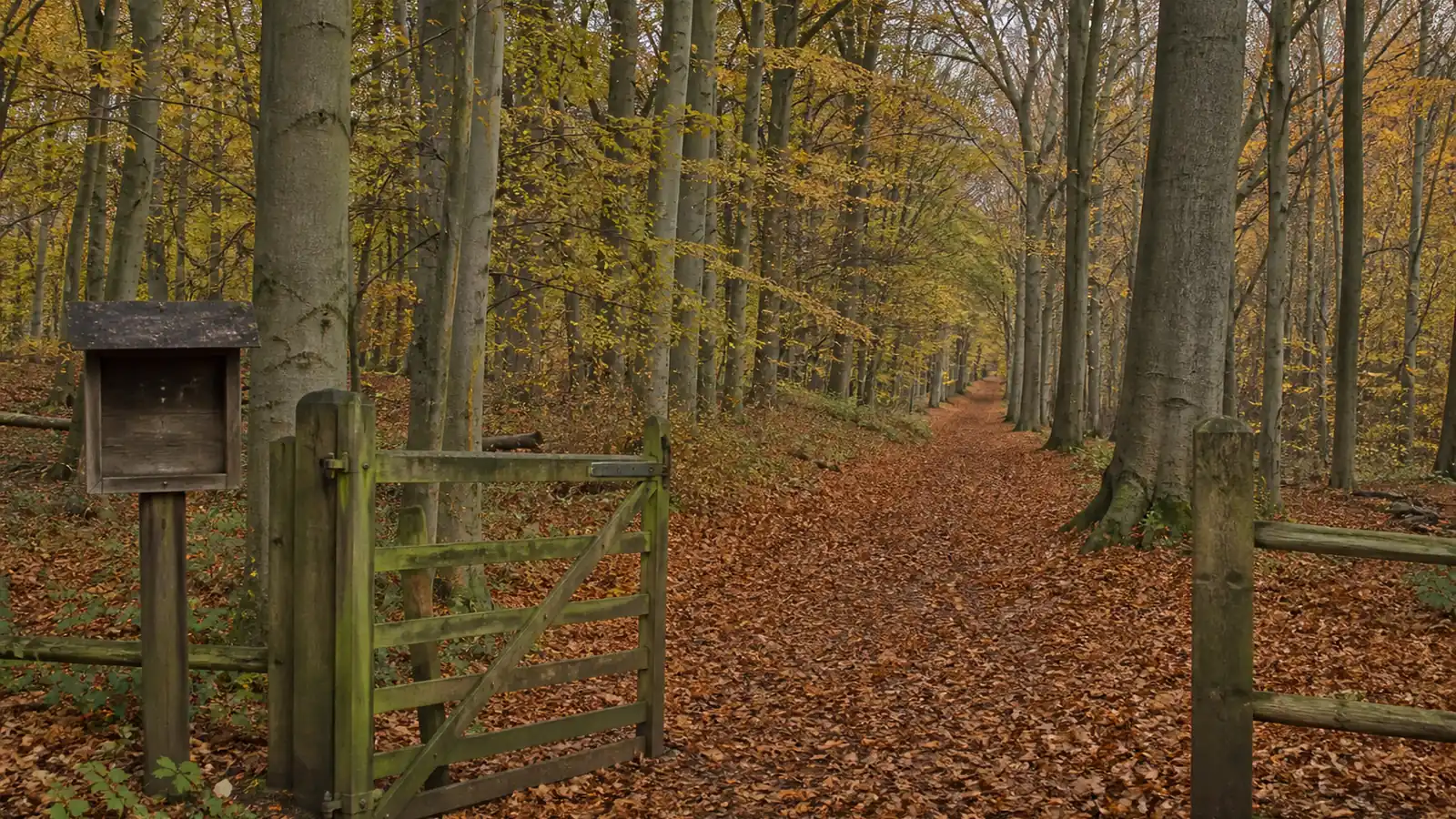
Attachment and underside remain visible in the shared scene, while each fungal form keeps a separate piece of cottonwood wood.
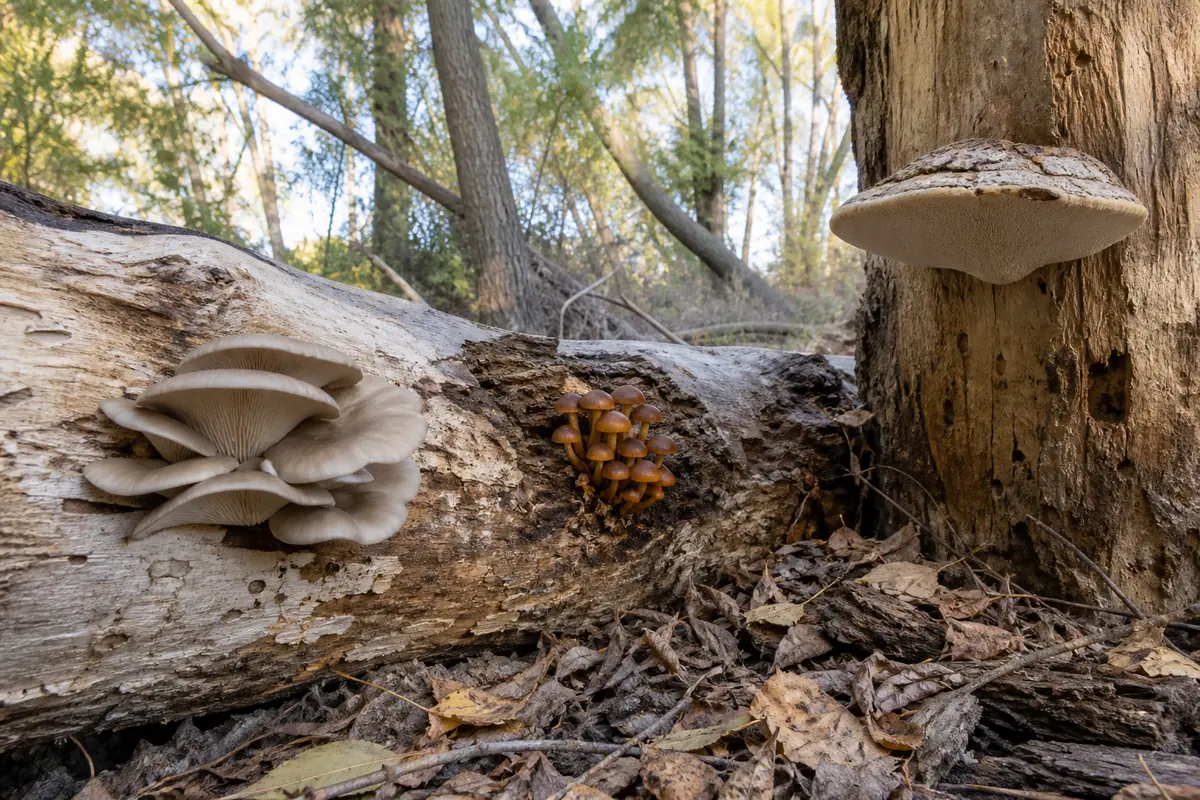
USDA Forest Service research on riparian fungi documents Pleurotus and several polypores on cottonwood. Fruiting can occur on roots, stems, wounds, logs, and hollow decayed areas, so a distant cap photograph often misses the controlling evidence.
Never assume a pale cluster is an oyster because it grew on cottonwood. Collect one complete lawful specimen, keep it cool in paper, and use a current regional key before any food decision.
Floods Rearrange the Decay Sequence
Cottonwood drops branches readily and often leaves large woody material near channels. Floods can bury that wood in silt, roll a log, strip bark, or strand it higher on the bank.
The next mushroom flush may appear to move from wood to soil when the same log or root has merely disappeared beneath new sediment while remaining available to decomposers.
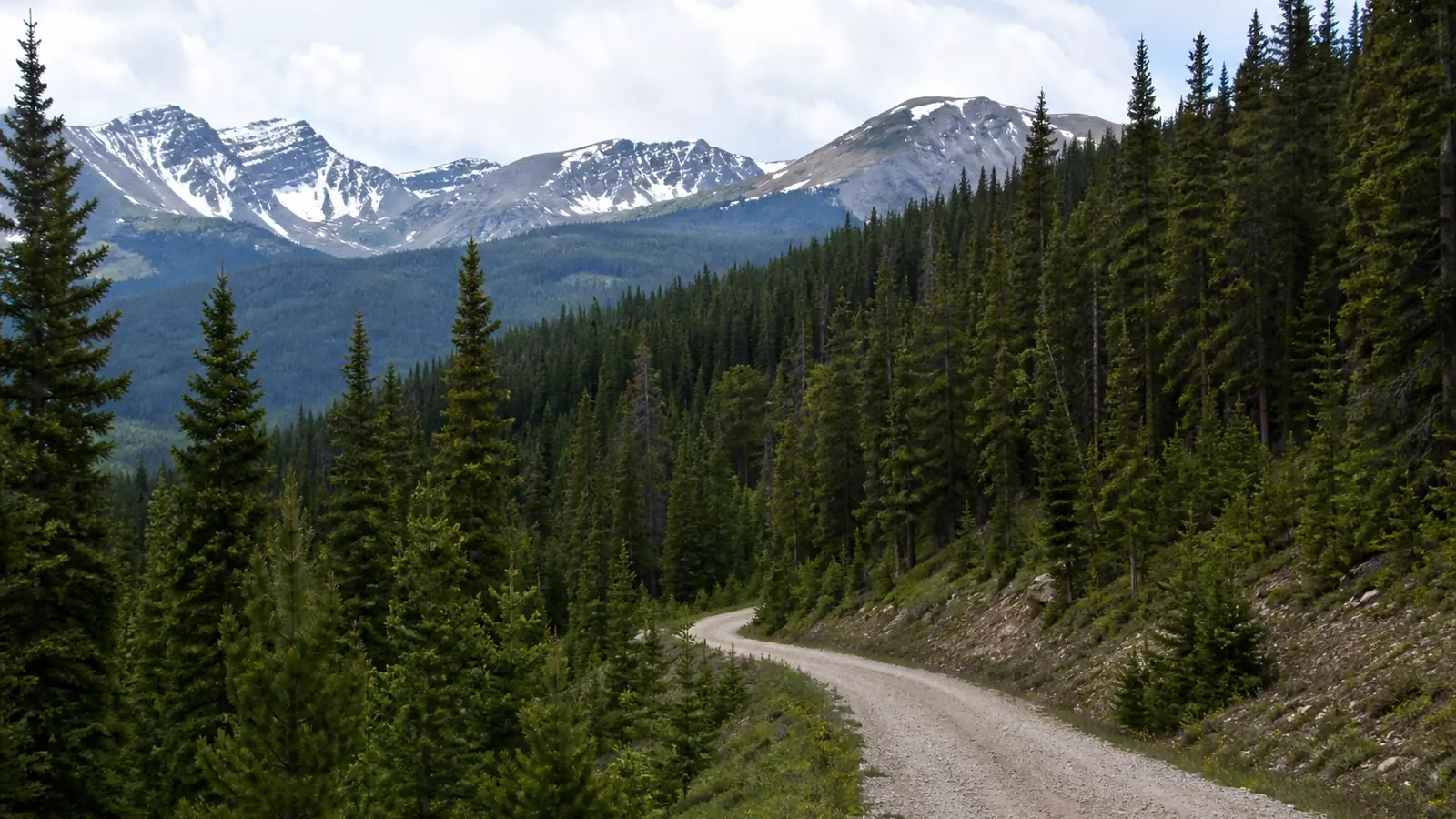
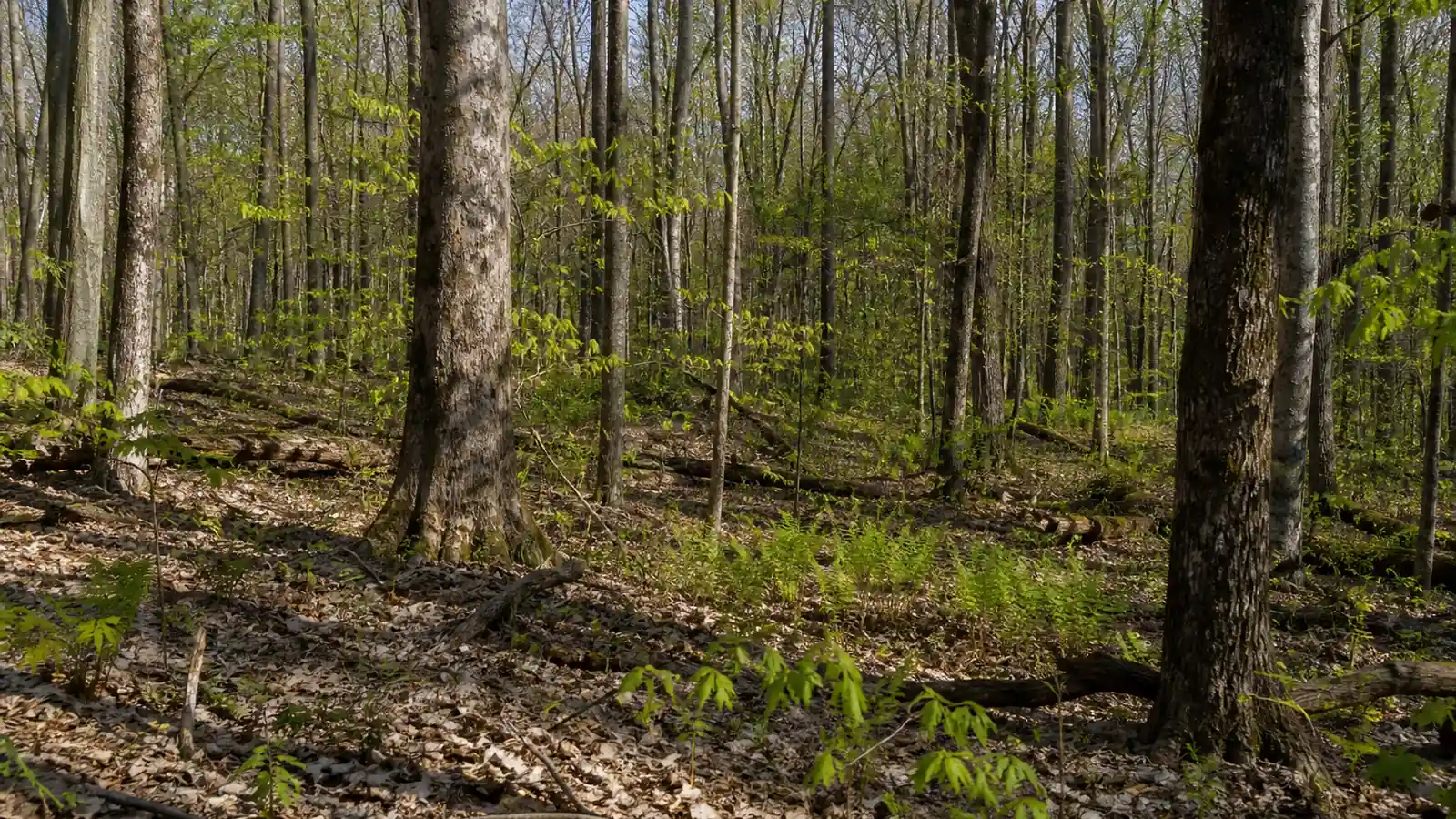
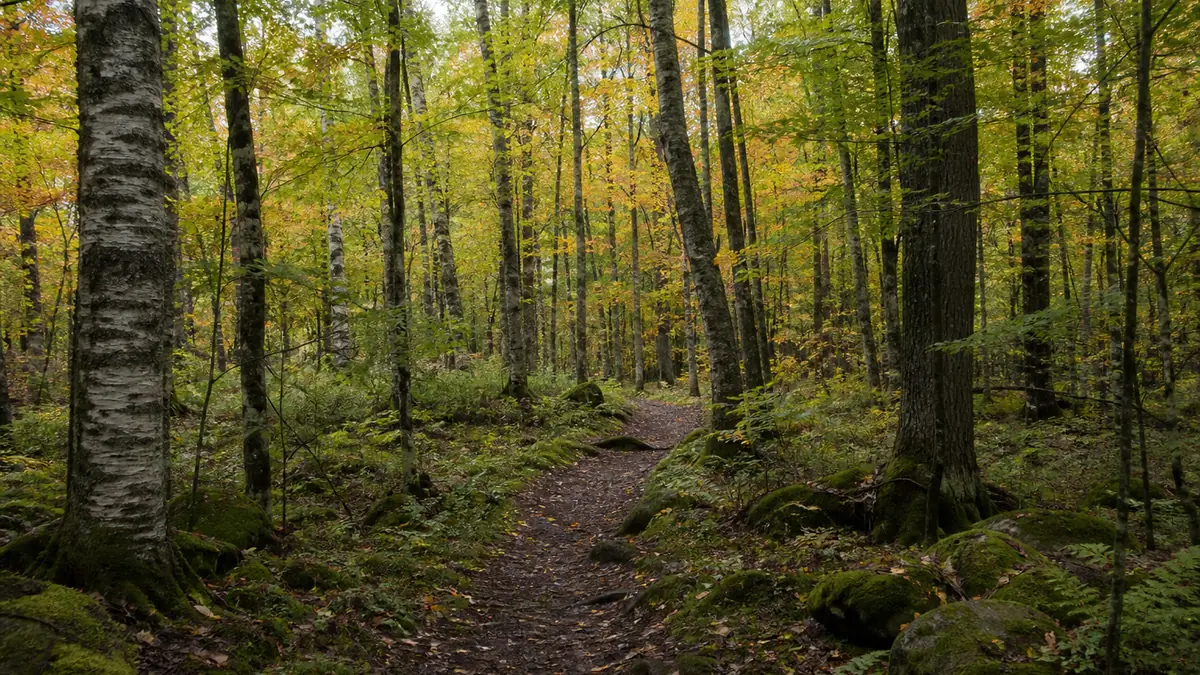
Following one branch across the three frames reveals how later fruiting can look terrestrial after silt and leaves cover its origin.

A patch may fail to repeat after a productive year when its substrate dries, moves, becomes buried too deeply, or passes into a later decay stage.
ForagingMushroom foraging laws in the UK: what is actually legalA Living Cottonwood Adds a Tree-Safety Decision
Oyster-like fans or brackets on a living cottonwood indicate fungus in wood, often at a wound, cavity, dead branch, root, or lower stem. They do not measure how much sound wood remains.
Because cottonwoods grow quickly and can carry large limbs, cavities, cracks, dead branches, root movement, crown decline, and fruiting near an occupied area justify assessment by a qualified arborist.
The mushroom's height changes what can fall. A bracket at a torn limb attachment points to a branch zone, while repeated fruiting around the root flare shifts attention toward the lower stem, root plate, and the full reach of the tree.

That view can show which wood zone and public area deserve attention, but it still cannot measure the remaining strength inside the trunk or roots.
Warning
Keep out of the fall zone | Do not climb, pull, strike, or stand beneath a damaged cottonwood to reach a mushroom. Use a zoom lens and arrange prompt assessment when fruiting occurs with visible defects near a path, campsite, road, building, or play area.
Removing a bracket does not treat internal decay. Leave it in place when safe because its attachment and age can help an arborist locate the affected tissue.
Preserve a Floodplain Find Without Damaging the Bank
Start with the landscape. Photograph the channel, terrace, grove, neighboring trees, whole cottonwood, and mushroom position before taking close views.
Riparian banks can be unstable, and spring water can rise quickly. Do not cross swift water, undercut banks, or private land for a mushroom photograph.
An undercut edge may look firm from above while water has removed soil beneath the roots. Make the landscape photograph from stable ground, use zoom for the attachment, and abandon the close-up when fresh cracks, slumping soil, exposed roots, or fast water lie between you and the specimen.
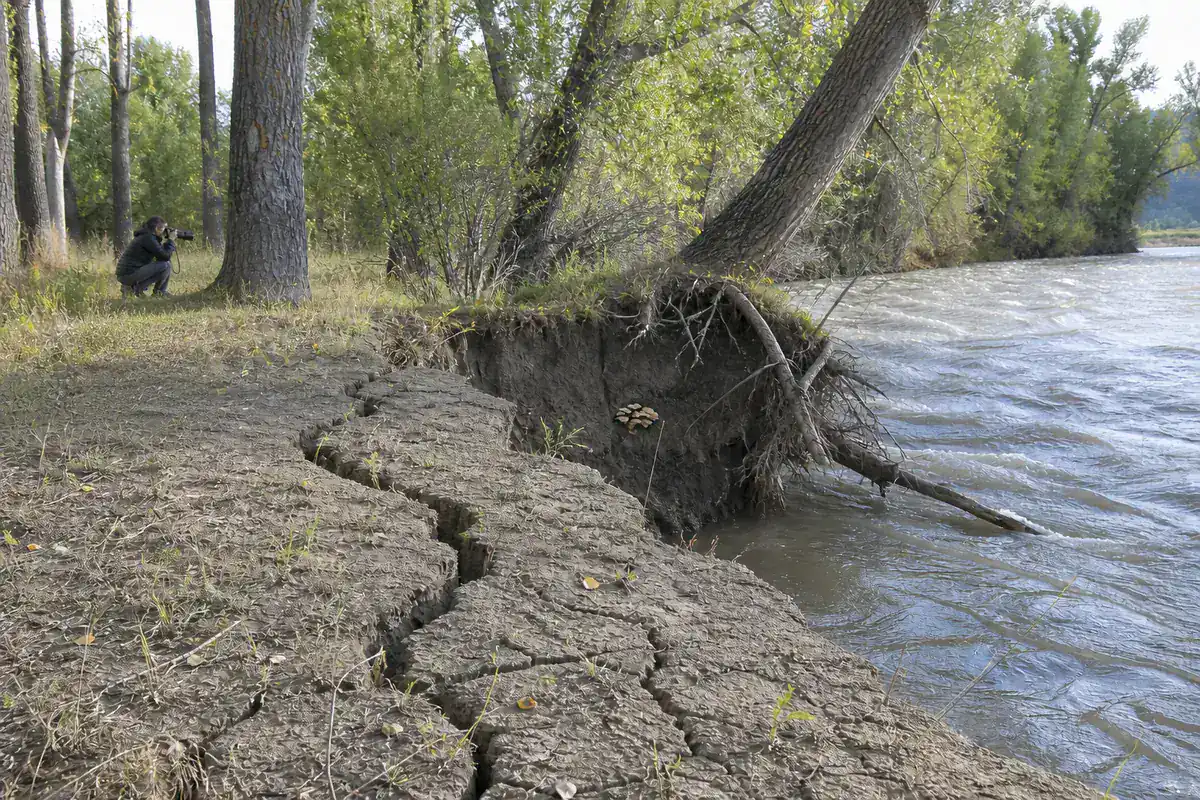
Use cottonwood as a habitat clue that improves the record, not as an edibility test. A regional key and experienced local confirmation should settle any mushroom considered for food.
Sources & References
- USDA Forest Service Cottonwood riparian fungi and wood decay.
- Montana State University Yellow morels in cottonwood river habitat and collection evidence.
- Oregon State University Extension Cottonwood floodplain ecology.
- U.S. Food and Drug Administration True morel cooking safety.