
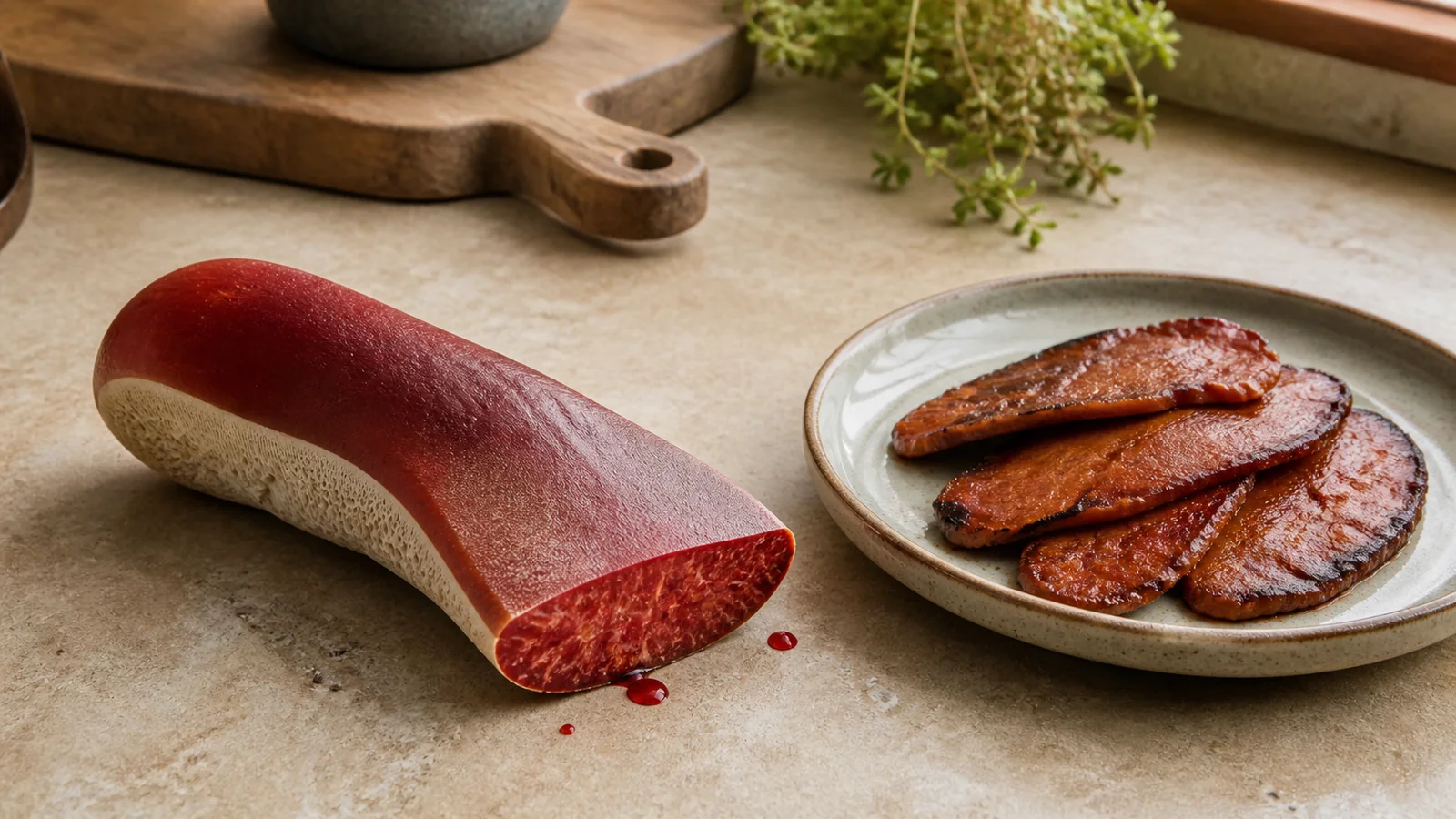
Beefsteak polypore is not established as broadly safe during pregnancy. A young, positively identified Fistulina hepatica bracket may fit as thoroughly cooked food, but a loose red slice or uncertain wild polypore should be declined.
The unusual red juice is normal for this species but cannot prove identity or condition, so the decision depends on evidence from the tree, underside, cut surface, condition, and final preparation.
The verdict depends on evidence that survives the cut
No direct human pregnancy study establishes a safe serving or frequency. The sensible answer is therefore narrow and applies to a verified food specimen rather than to the common name alone.
Beefsteak fungus looks memorable because its damp red flesh resembles meat, yet a seller who cannot show the full bracket and source has removed the strongest evidence before you make the decision.
The food verdict does not transfer to a powder, tincture, or product promoted for a health effect. It also does not make a first wild-mushroom experiment necessary during pregnancy.
SafetyAre Golden Oyster Mushrooms Safe During Pregnancy?Tree context disappears after cutting
Fistulina hepatica commonly forms a single tongue-shaped or fan-shaped bracket low on oak and sometimes sweet chestnut. The upper surface deepens from pink-red toward liver-brown with age, while the underside remains much paler.
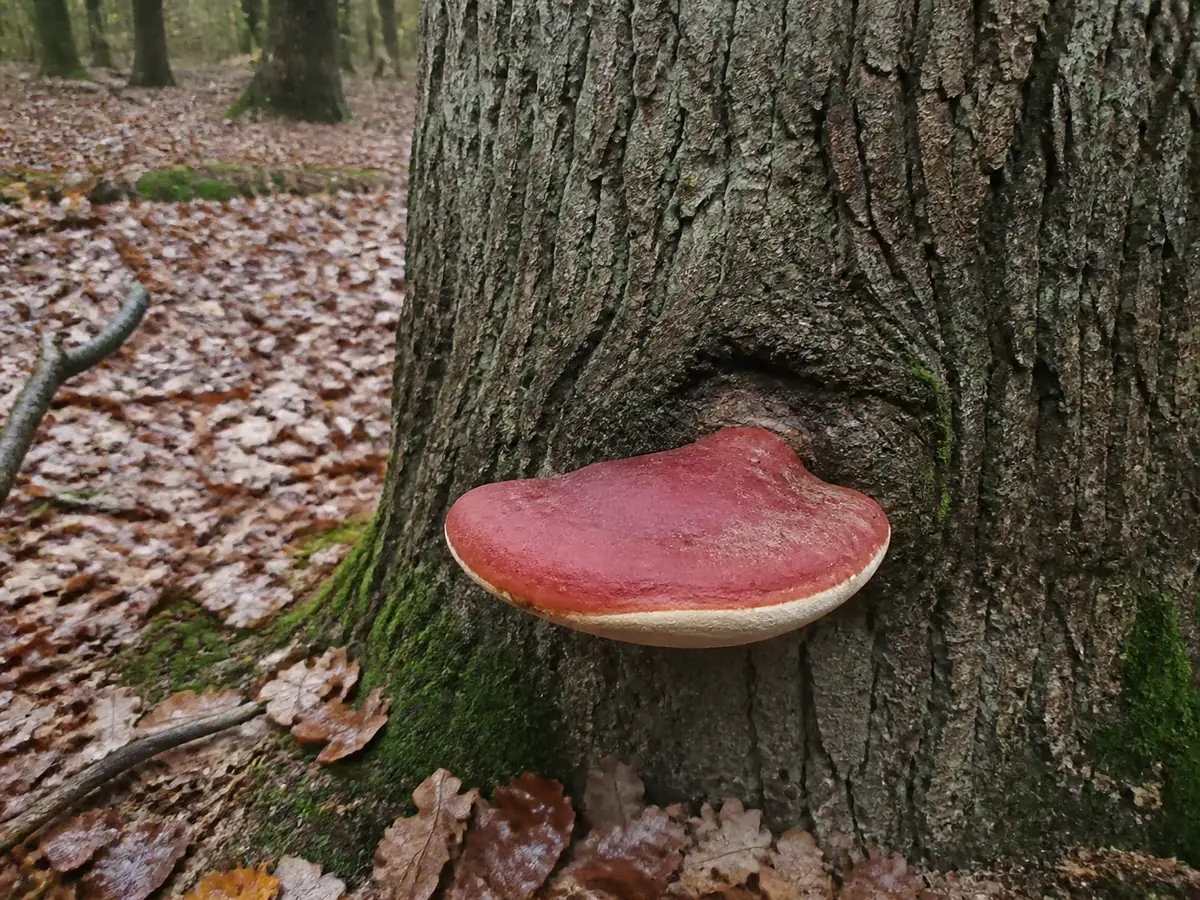
Oak habitat supports a hypothesis rather than proving the species, so a qualified wild-mushroom identifier must interpret the host with the pore surface, flesh, attachment, region, and maturity.
Warning
Keep the tree attached to the record | Photograph the entire bracket, its attachment, bark, leaves, surrounding ground, and every specimen in the batch. Decline detached pieces when the host, collection site, identifier, or batch relationship cannot be recovered.
Keep one wide view and one close attachment view because neither image can replace the other.
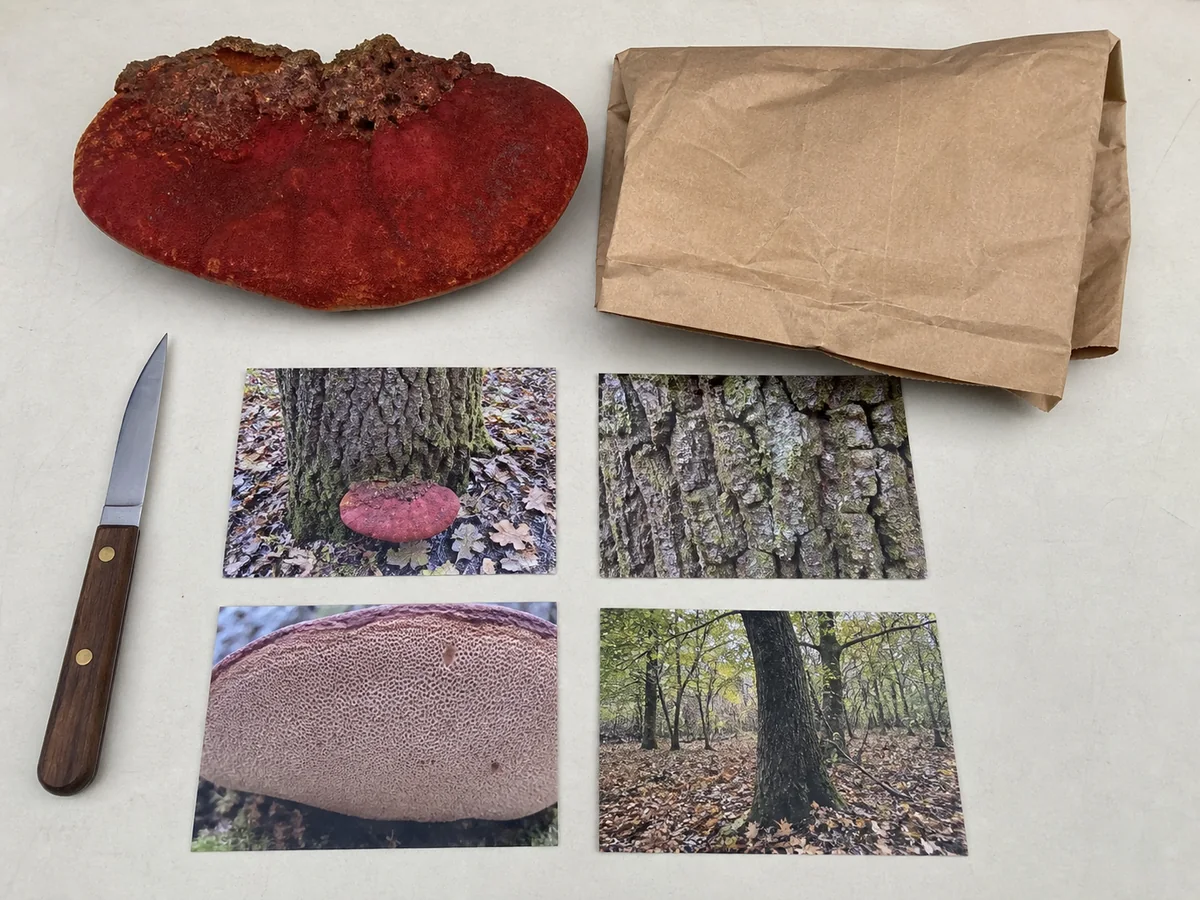
The collection site creates another boundary because rinsing and cooking cannot resolve exposure from busy roads, treated landscapes, industrial ground, rail corridors, contaminated wood, or places with uncertain chemical use.
A market vendor should retain the source, harvest date, identifier, and whole-bracket photographs until sale. At a restaurant, ask whether the kitchen received verified whole Fistulina or anonymous pre-cut wild mushrooms, then choose another dish if the answer cannot be confirmed.
SafetyAre Hedgehog Mushrooms Safe During Pregnancy?The underside and cross-section carry the strongest evidence
Turn the bracket over before washing. The underside should show a cream to pale pink surface made from many fine tubes, not radiating gills.
Use the checklist on the intact bracket first, then make one clean cut through its thickest area.

The unusually distinct pore tubes have more identification value than the theatrical red liquid, which a photograph can exaggerate or hide.
Cut once through the thickest area and keep the halves together so an identifier can compare outer skin, flesh, tubes, bruising, insect damage, and attachment without guessing which slice came from where.
Photograph the fresh cross-section before rinsing because flowing water can remove the droplets and handling can bruise the pale tube layer. Keep one uncooked reference piece refrigerated and separate from the cooking batch until the meal is finished.
Normal moisture and spoilage do not look the same
Fresh beefsteak fungus can release clear red liquid when pressed and still be sound. Normal moisture emerges from resilient marbled tissue and carries no sour, fermented, or putrid odor.
| Observation | Normal young tissue | Reject condition |
|---|---|---|
| Red liquid | Clean droplets from a fresh cut or gentle pressure | Sticky film associated with collapse or off odor |
| Flesh | Springy, moist, and evenly marbled | Mushy, translucent, dark through the center, or cottony |
| Tube surface | Pale, intact, and evenly attached | Slimy, heavily discolored, moldy, or separating with decay |
| Aroma | Mild and slightly tart | Sour, fermented, ammonia-like, or putrid |
| Insects | Small removable channel in otherwise firm tissue | Extensive tunneling, frass, larvae, or soft connected damage |
Judge the states as complete patterns because one red droplet or one dark mark cannot carry the decision alone.
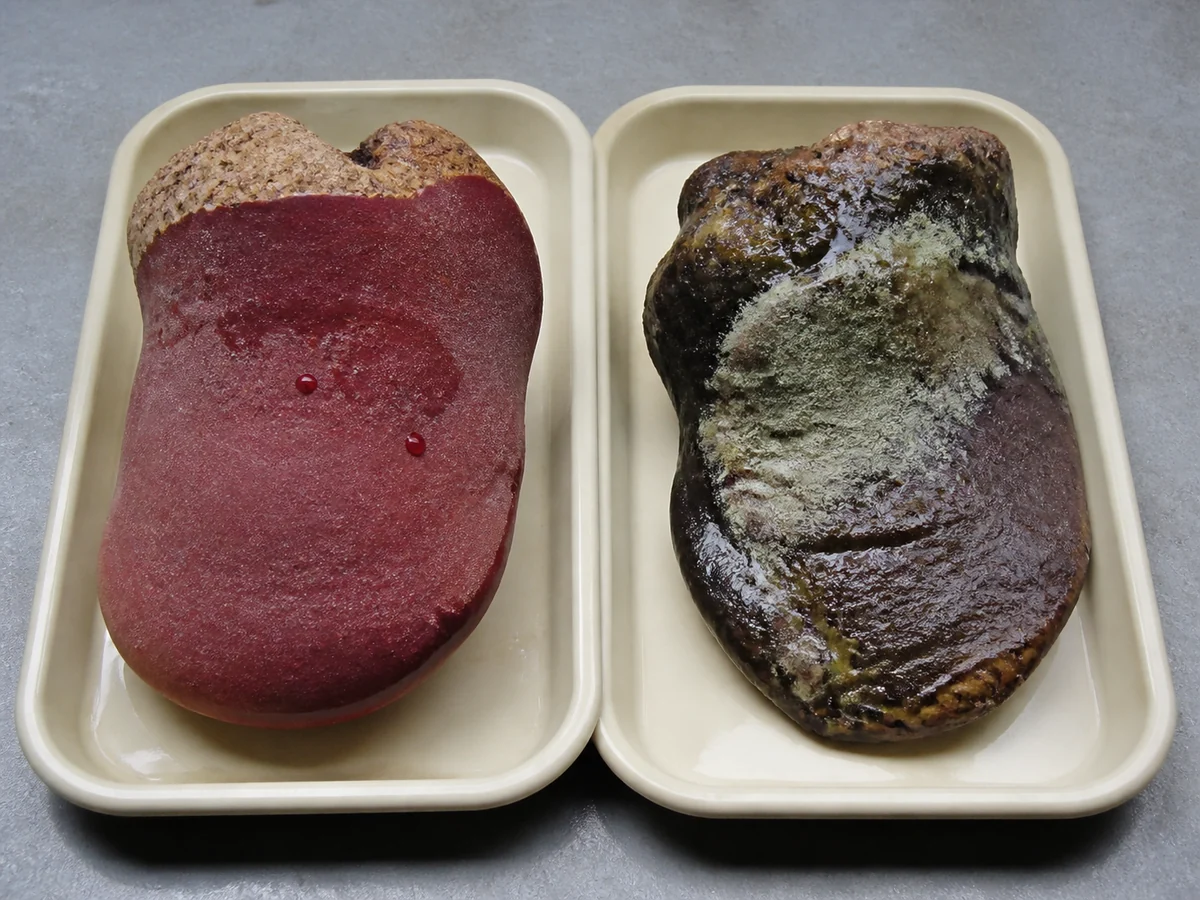
Age can make a dry coherent bracket leathery, deeply browned, insect-riddled, or unpleasantly acidic without adding slime, which still places it outside the young culinary form.
Trim one clean dry edge only when the connected flesh remains sound. Discard the bracket when soft decay, mold, bad odor, or extensive tunneling reaches through the central tissue.
Inspect again after trimming rather than assuming the original surface check cleared the center. A clean exterior can conceal an old insect gallery or wet pocket near the attachment, while a harmless red droplet may appear only after the first cut.
SafetyAre Oyster Mushrooms Safe to Eat During Pregnancy?Cooking changes the texture but not the identity
Brush away loose bark and soil, rinse briefly under cool running water, and pat the bracket dry without using soap, detergent, or bleach on food.
Slice across the marbled flesh so the pieces expose their thick centers. Thin pieces soften more evenly and allow the tart moisture to cook away without leaving a cool raw core.
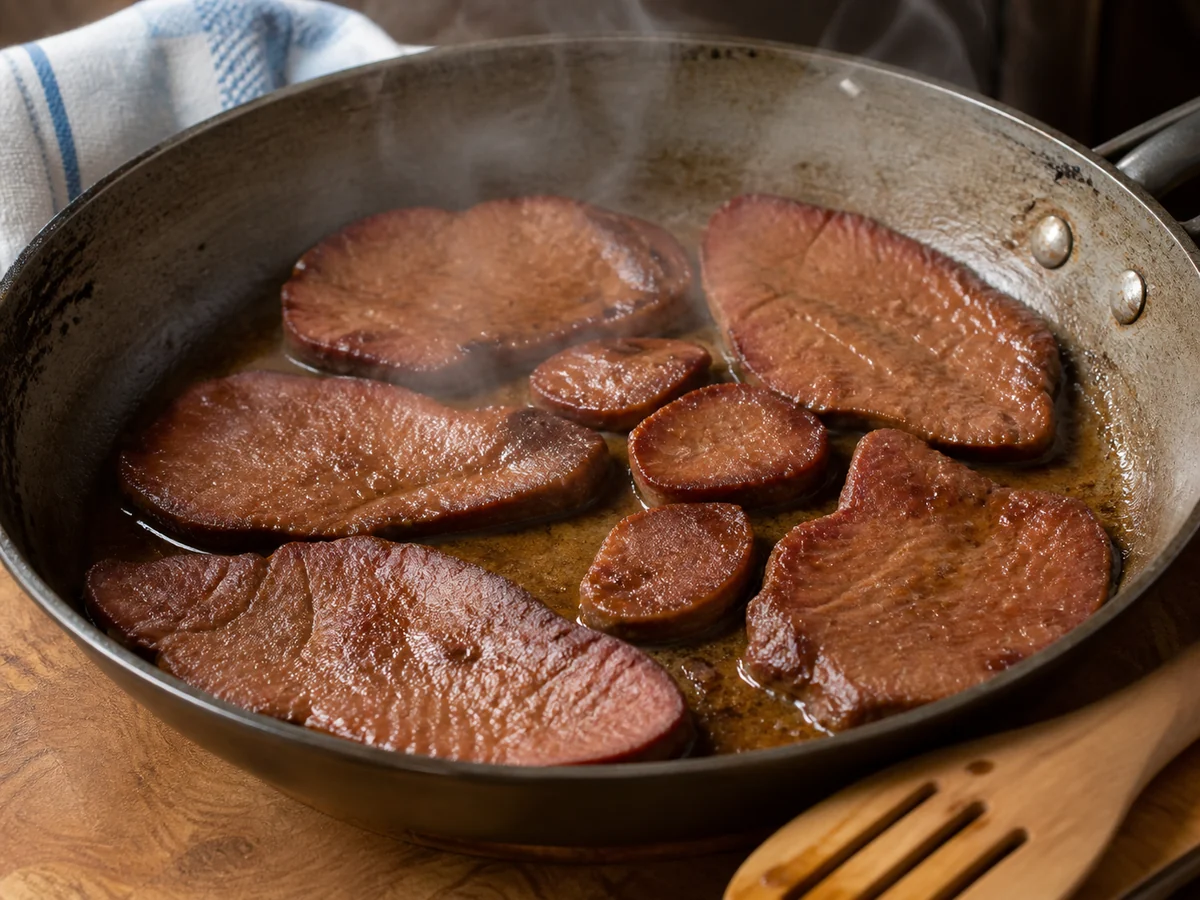
- Cook in a single layer or use more than one batch.
- Turn each piece after released moisture begins to evaporate.
- Test the thickest center rather than judging only a browned edge.
- Serve no raw beefsteak polypore as garnish or tasting sample.
- Refrigerate leftovers in shallow containers within two hours.
With no official pregnancy temperature or universal minute count for this mushroom, cook every piece until hot and tender throughout and reject leftovers whose time or refrigeration history is uncertain.
Taste is not a safety test, but the finished texture should no longer feel raw, cool, or spongy at the center. Stop serving the batch if one piece releases an off odor during cooking or reveals damage that was hidden before slicing.
Cooking cannot repair a mistaken identity, contaminated site, spoiled bracket, or missing field record even when the finished slices look appetizing.
Delayed or unusual symptoms change the response
A published poisoning report described two people who ate a toxic polypore mistaken for Fistulina hepatica. Abdominal symptoms began about 12 hours later and were followed by visual, balance, kidney, and striking purple-urine findings.
- Stomach illness
- Contact the obstetric clinician for repeated vomiting, diarrhea, severe pain, inability to keep fluids down, or dehydration
- Delayed unusual signs
- Purple urine, blurred or double vision, weakness, confusion, balance trouble, or reduced urination need urgent medical assessment
- Uncertain identity
- Contact Poison Control promptly in the United States at 1-800-222-1222 or the local poison service
- Emergency signs
- Call emergency services for breathing trouble, facial or throat swelling, collapse, seizure, severe confusion, or inability to wake
- Evidence to keep
- Intact specimen, cross-section, field photographs, host and site, leftovers, amount eaten, meal time, and symptom onset
Do not wait for every reported sign and do not induce vomiting unless a poison specialist or clinician directs it. Mushroom poisoning symptoms vary by species, and a long symptom-free interval does not clear an uncertain wild meal.
When seeking care, state that the exposure involved a wild polypore that may have been misidentified as Fistulina hepatica. Give the time eaten, time symptoms began, pregnancy details, urine changes, fluid loss, and any visual or balance symptoms so the clinician and poison specialist can interpret the delay.
The usable pregnancy answer remains conditional on choosing young verified Fistulina hepatica, inspecting the bracket from tree to tubes to center, cooking it completely, and declining any serving whose identity or condition became unknowable after cutting.