
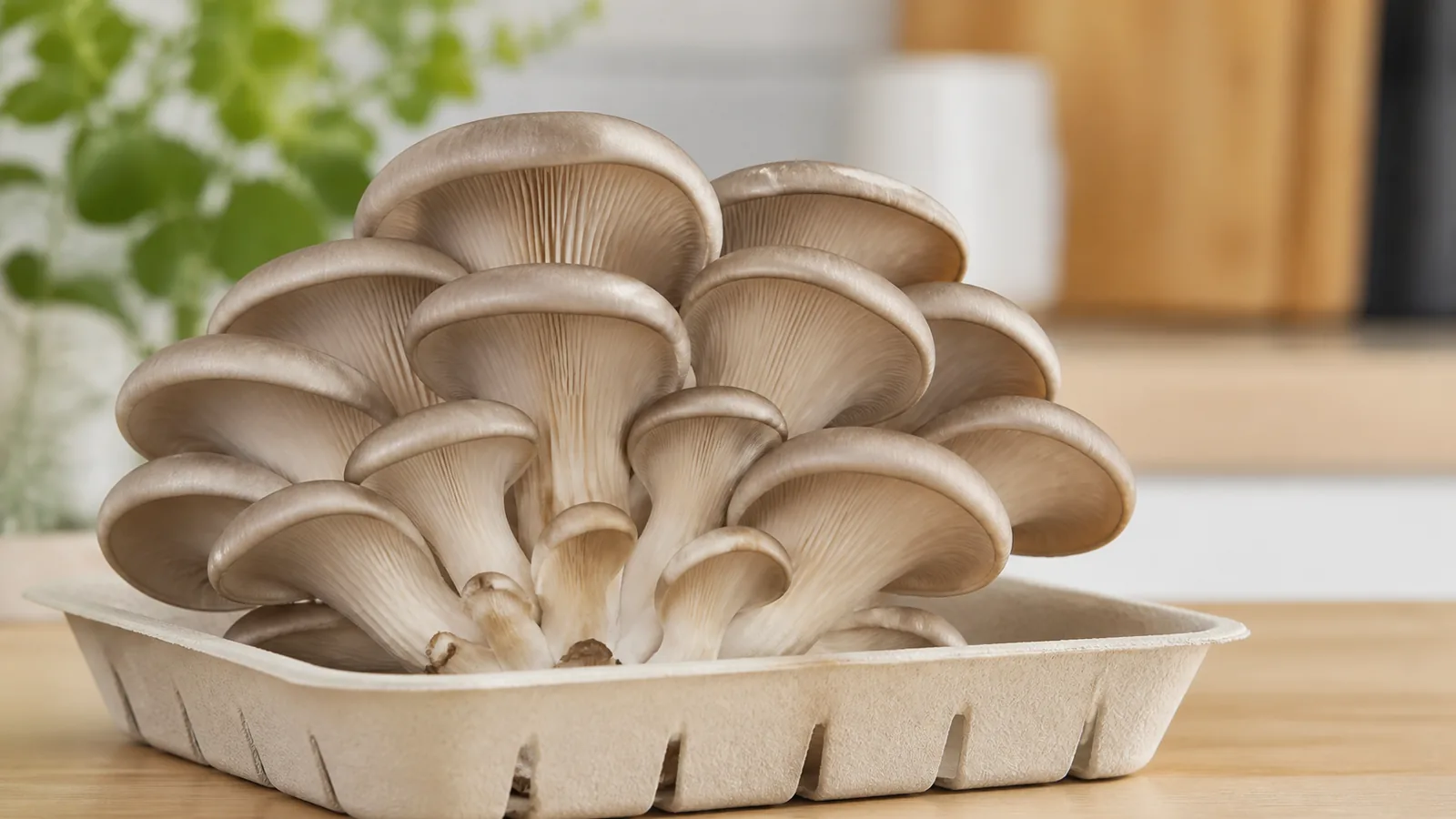
Fresh cultivated oyster mushrooms can fit a pregnancy meal when the package identifies Pleurotus ostreatus, the cluster is firm and clean, and every piece is cooked through. A wild find, a slimy cluster, or a label that uses oyster without a species needs a different decision.
The word oyster describes the shell-like cap shape. These mushrooms are fungi, not shellfish. Shellfish allergy and mercury advice concern different foods.
Are cultivated oyster mushrooms safe during pregnancy?
Yes, a sound commercial batch can be a reasonable food during pregnancy. No human pregnancy study specific to Pleurotus ostreatus was identified, so the judgment comes from its established culinary use plus pregnancy food-safety controls.
Key takeaway
Choose a labeled cultivated cluster, wash away visible debris, cook every cap and dense base completely, serve it hot, and refrigerate leftovers promptly.
That sequence begins with a fresh cluster whose species and condition can be checked before the package is opened.

This vulnerability includes Listeria and some other foodborne infections during pregnancy. CDC therefore recommends safer produce choices and the clean, separate, cook, and chill sequence.
Those controls begin with a food that is already identified and sound. Cooking does not reverse slime, sour odor, mold, or an unknown wild identity.
- Check the scientific or clear product name.
- Choose firm caps with dry or slightly velvety surfaces.
- Reject pooled liquid, slime, collapse, mold, or sour odor.
- Keep the raw cluster away from food that will not be cooked.
- Cook through and chill leftovers within two hours.
This conditional yes applies to ordinary food portions.
Powders, extracts, and multi-mushroom supplements have different doses and do not inherit the meal verdict.
SafetyAre Golden Oyster Mushrooms Safe During Pregnancy?Which mushroom does oyster mushroom mean here?
The culinary species in this decision is Pleurotus ostreatus, commonly sold as gray, pearl, or tree oyster mushroom. University of Florida IFAS separates it from king oyster, Pleurotus eryngii, and pink oyster, Pleurotus djamor.
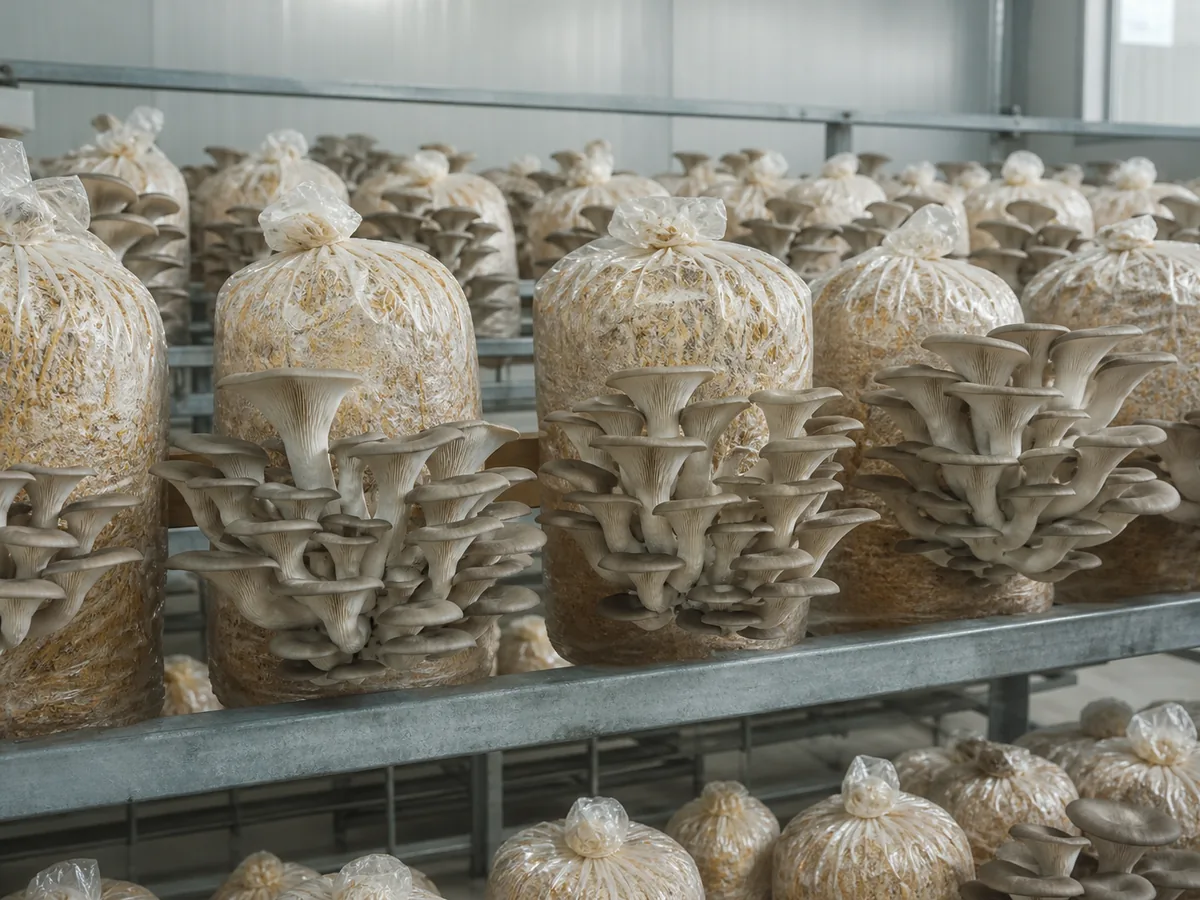
The market names below matter because each species reaches the kitchen in a different physical form.
| Market name | Scientific name | Shape that changes preparation |
|---|---|---|
| Oyster mushroom | Pleurotus ostreatus | Overlapping fan-shaped caps joined at a dense base |
| King oyster | Pleurotus eryngii | Thick upright stem with a smaller cap |
| Pink oyster | Pleurotus djamor | Delicate bright pink clustered fans |
The three are edible Pleurotus species, but they are not interchangeable article subjects. Their thickness, postharvest behavior, and usual market form create different practical questions.
Oyster mushroom also has nothing to do with the mollusk. A shellfish allergy does not automatically predict a mushroom allergy, though anyone with a previous reaction to Pleurotus should avoid another serving and seek individual advice.
A package that lists Pleurotus ostreatus resolves the intended entity.
A menu that says oyster mushrooms usually means the same species, but the kitchen should still be able to name the supplier and describe the batch.
SafetyAre Hedgehog Mushrooms Safe During Pregnancy?How can you tell whether the cluster is still fresh?
Freshness can be judged across the whole cluster rather than from one attractive cap. Fresh oyster caps should hold their fan shape and feel resilient rather than wet or pasty.
Minor edge cracking or a small bruise affects quality, while slime, sour odor, mold, or widespread collapse calls for discarding the cluster.
That freshness check cannot rely on color alone because cultivated strains range from pale beige to gray-blue. A darker cap can be normal, while a pale mushroom can still be spoiled.
Look between overlapping caps for trapped condensation and press the central base gently through the package when possible. A firm dry base supports the batch, while a soft wet pocket can signal deterioration that has not reached the visible edges.
The smell should be mild and mushroom-like immediately after opening. A fermented, ammonia-like, or distinctly sour odor is a discard cue even when the caps still hold their shape.
Inspect the shared base after opening the pack.
Closely layered stems can hide substrate fragments, soft pockets, insects, or mold that the top view misses.
Refrigeration slows deterioration but cannot restore a damaged cluster. Use the product date as context, then let current texture, smell, and package moisture decide whether the mushrooms reach the pan.
Do not rinse and return the wet cluster to long storage. Clean it shortly before cooking because trapped water accelerates softening and gives microbes a wetter surface.
How should oyster mushrooms be cleaned and cooked?
Separate the cluster into smaller fans so you can see the base of every piece. Trim attached substrate and damaged tissue, then wipe clean or rinse briefly under running water and pat dry.
The overlapping caps and thicker central junction need more attention than the thin edges.
Tear or cut large fans so heat can reach their centers without burning the outer margins.
An uncrowded skillet first lets the mushrooms release moisture, then allows the surfaces to brown. A crowded pile can leave some central pieces warm and rubbery while the exposed edges look finished.
When a recipe uses a deep sauce, sauté or steam the separated fans until they are hot and tender before relying on the sauce to finish them.
Stir from the bottom so dense base pieces do not remain cooler than the thin caps floating at the surface.
For leftovers, divide a large sauced batch into shallow containers instead of leaving a warm dense mass in one pot. Reheat only the portion you need until every base and cap is hot, then discard leftovers with an uncertain cooling or holding history.
No official source reviewed here provides a Pleurotus ostreatus pregnancy temperature or minute count. The defensible standard is complete cooking of a verified fresh batch, not a made-up number.
A residue-processing study found that rinsing and several cooking methods reduced experimentally applied carbendazim on oyster mushrooms.
That finding supports washing and cooking, but it does not mean home preparation removes every pesticide, metal, or unknown contaminant.
SafetyAre Pink Oyster Mushrooms Safe During Pregnancy?Should a wild oyster mushroom go into the meal?
Skip wild oyster mushrooms during pregnancy unless a qualified regional expert has identified every intact specimen and the collection site is known. The resemblance between a woodland cluster and a grocery cluster does not create supplier traceability.
Warning
Do not use cap shape, growth on wood, an app result, or one confirmed mushroom to clear a mixed wild batch. Cooking cannot correct a species mistake.
Wild specimens also carry site questions that a cultivated package narrows. Dead wood beside a road, industrial ground, treated timber, or an unknown dumping area can introduce contaminants that appearance and smell cannot measure.
This identification record should preserve cap tops, gill attachment, stems, bases, substrate, habitat, and photographs before any preparation.
If the mushrooms are already chopped, dried, or mixed, the evidence needed for a responsible identification may already be gone.
| Source | Evidence available | Pregnancy decision |
|---|---|---|
| Sealed cultivated pack | Species or product name, supplier, date, and condition | Use when fresh and fully cooked |
| Farmers market cluster | Grower, cultivated status, harvest date, and intact anatomy | Use only when the answers are clear |
| Restaurant dish | Supplier and cultivated species confirmed by the kitchen | Choose another dish when the answer is vague |
| Wild or gifted cluster | Qualified identification, site, date, and every intact specimen | Skip when any link is missing |
A cultivated substitute is not risk free, yet it trades an unanswerable field question for ordinary storage and cooking controls. That is a worthwhile exchange during pregnancy.
What should you do after a questionable serving?
Contact the obstetric clinician promptly for fever, chills, muscle aches, repeated vomiting, diarrhea, or signs of dehydration. If the mushrooms were wild or the identity is uncertain, also call Poison Control in the United States at 1-800-222-1222 or the local poison service.
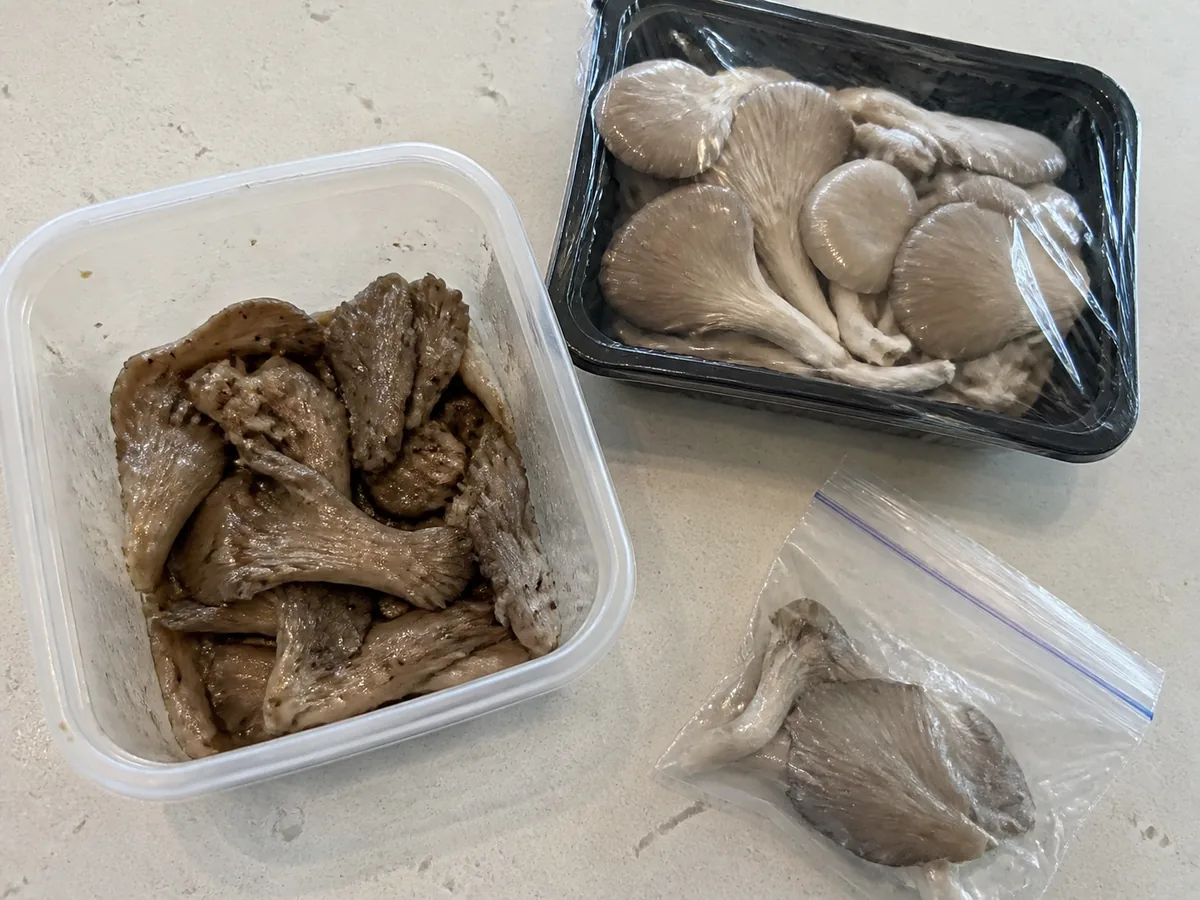
Keep the package, receipt, lot, menu details, leftovers, raw mushrooms, and pre-cooking photographs.
Record the meal time, amount, cooking method, storage history, and symptom onset for every diner.
- Fever or flu-like illness
- Contact the obstetric clinician promptly
- Repeated vomiting or diarrhea
- Seek advice before dehydration worsens
- Wild or uncertain identity
- Contact Poison Control without waiting for symptoms
- Hives or swelling
- Stop the food and seek urgent clinical advice
- Breathing trouble, collapse, seizure, or inability to wake
- Call emergency services
Do not induce vomiting or treat the meal with a home remedy. A clinician or poison specialist can decide what the actual symptoms and product history require.