A UK habitat and permission plan for woodland, grassland, off-season wood fungi, protected sites, reviewable specimens, and safe food decisions.
UK mushroom foraging is strongest through the cool, damp months of late summer and autumn, but fungi can appear in every season. The practical question is which habitat has retained moisture and whether the named land manager allows anything to be removed.
Woodland, old grassland, and dead wood require different searches. Access to walk through a place also does not automatically include a right to pick fungi there.
Which woodland should you search in the UK?
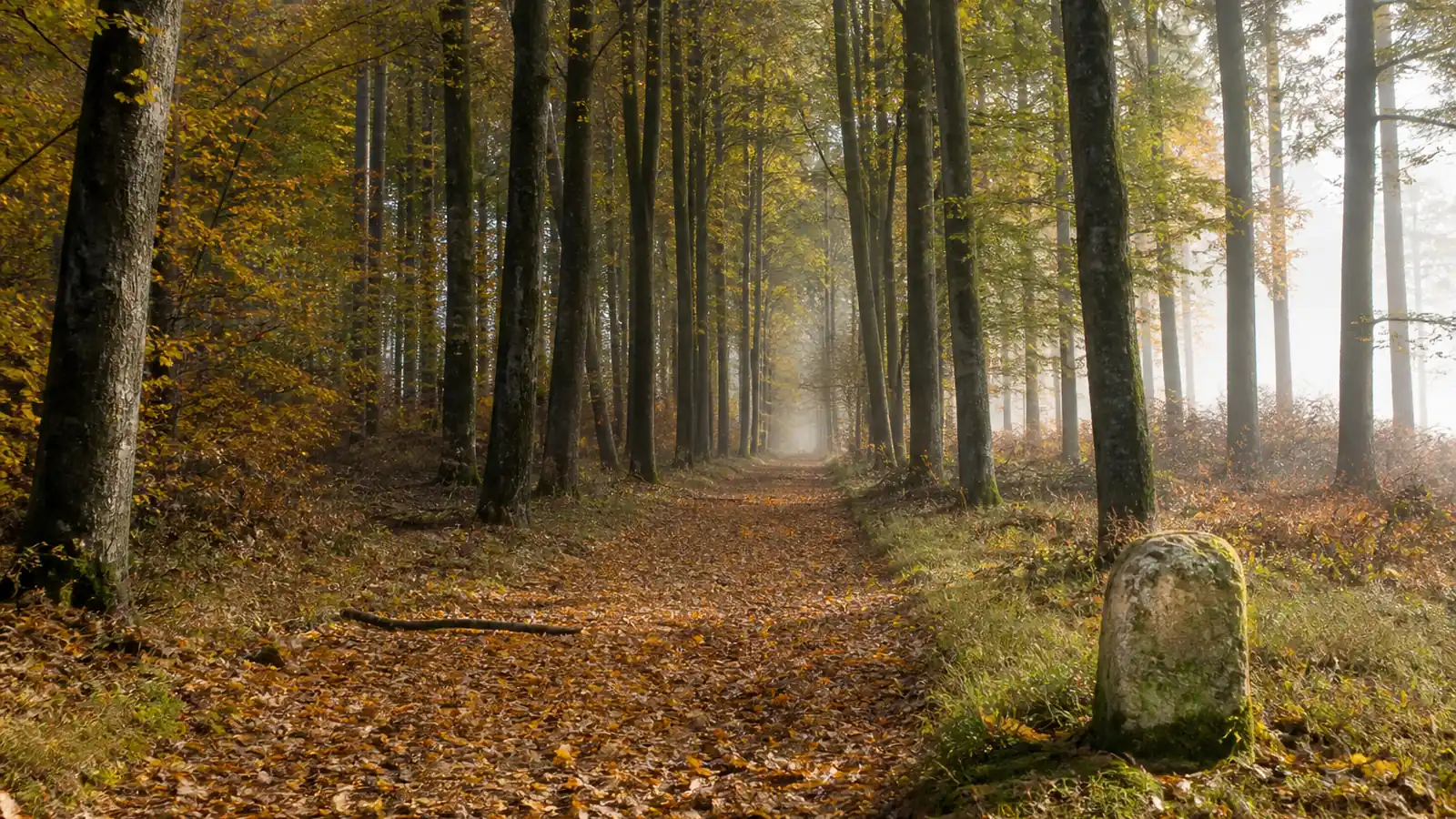
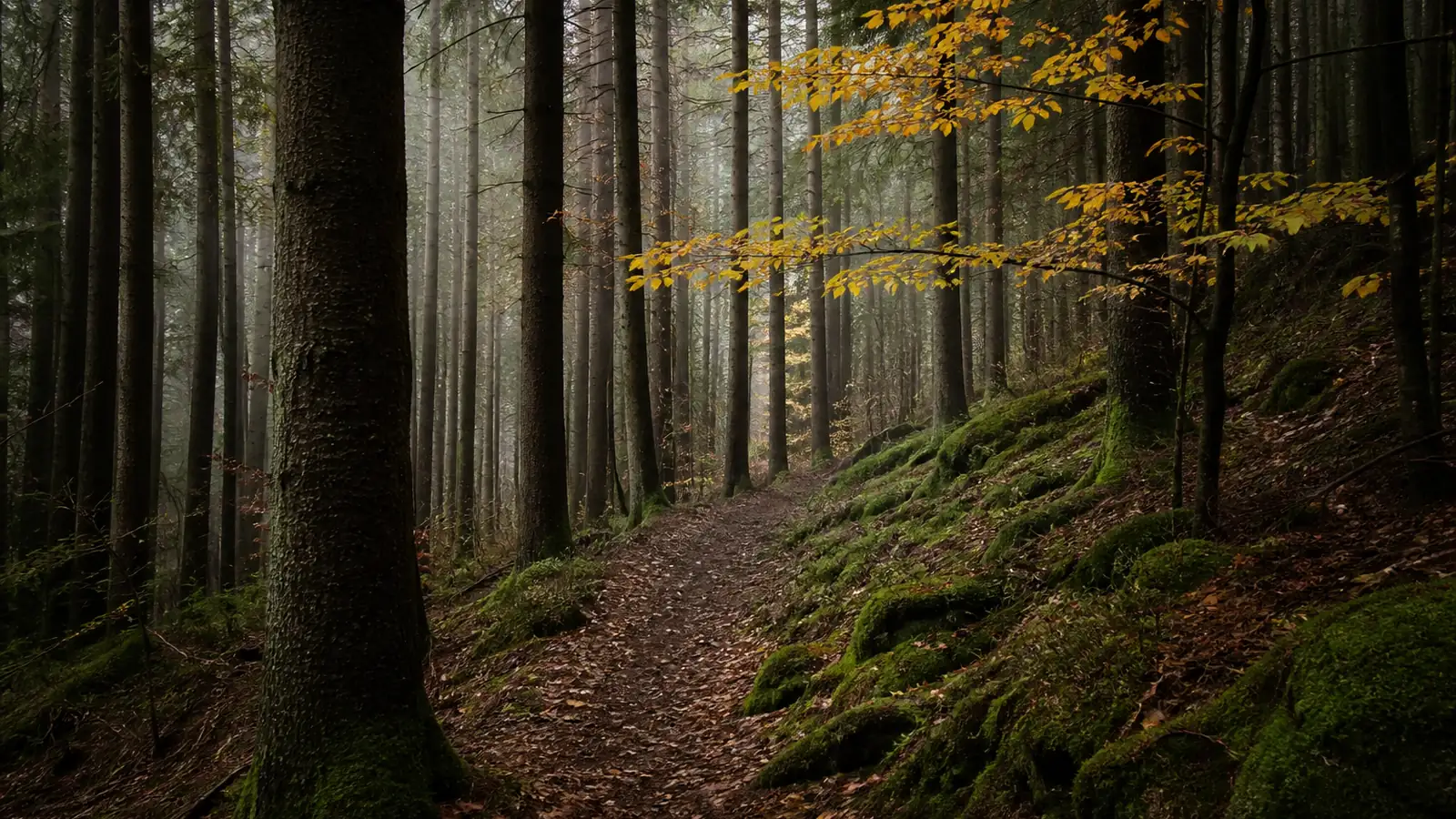
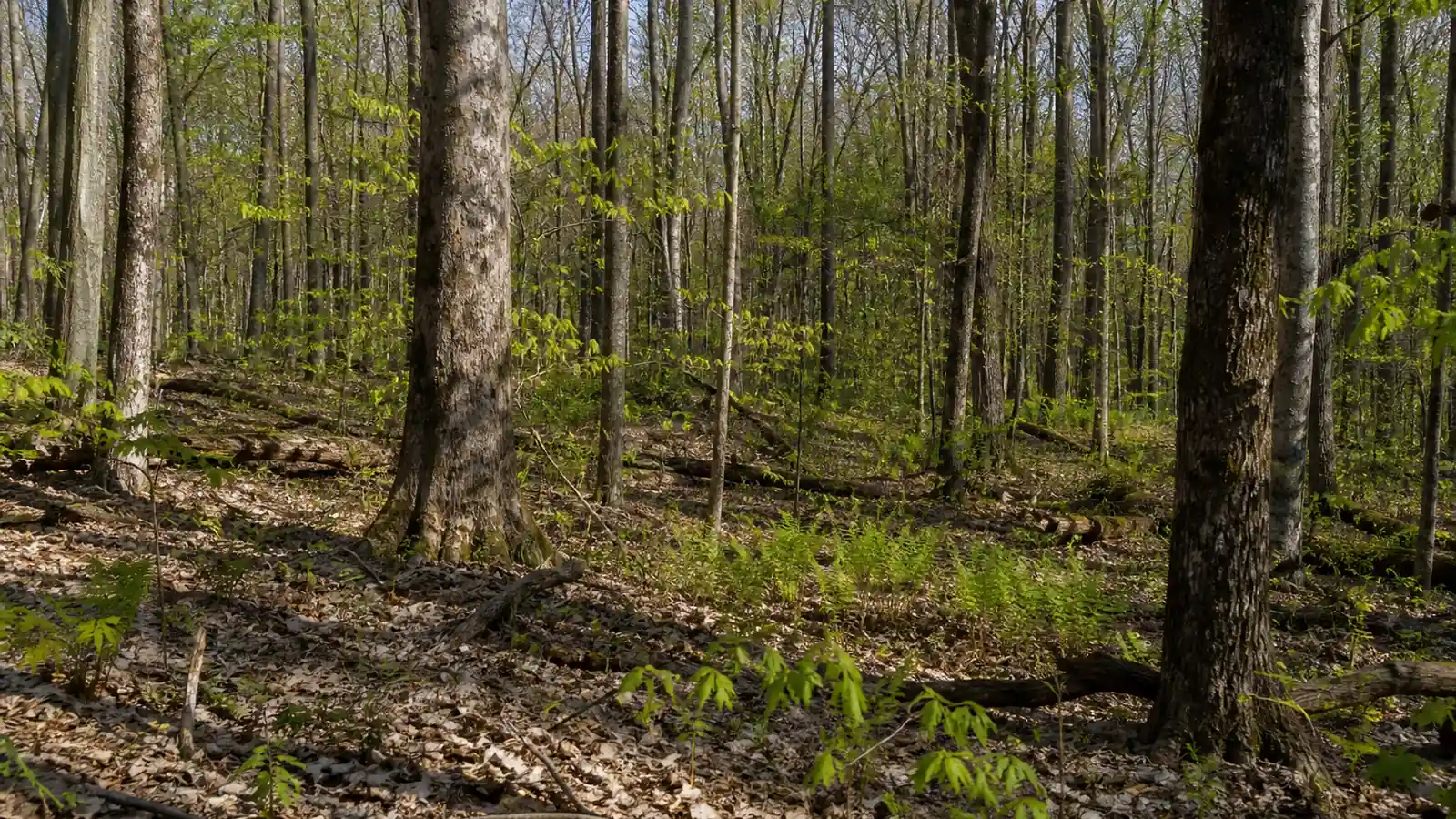
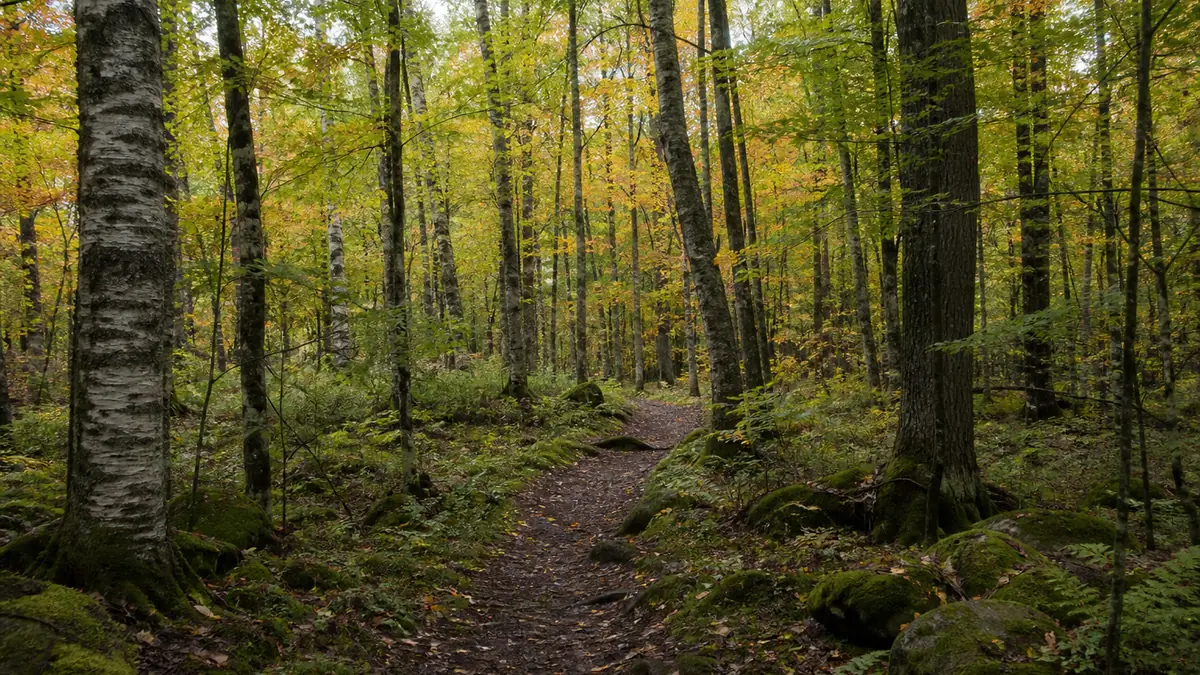
Start an autumn woodland search by naming the dominant trees and checking what lies beneath the canopy. Beech litter, oak roots, birch edges, conifer needles, moss, bare soil, stumps, and fallen timber create different fungal opportunities within the same wood.
Tree and substrate narrow the search before color does.
A yellow cap on soil, an orange cluster attached to buried wood, and a pale bracket on a trunk belong to different identification problems.
- Walk one loop that crosses two or three tree communities.
- Check whether moisture remains below the surface leaves.
- Record whether each fruit body grows from soil, litter, buried roots, or visible wood.
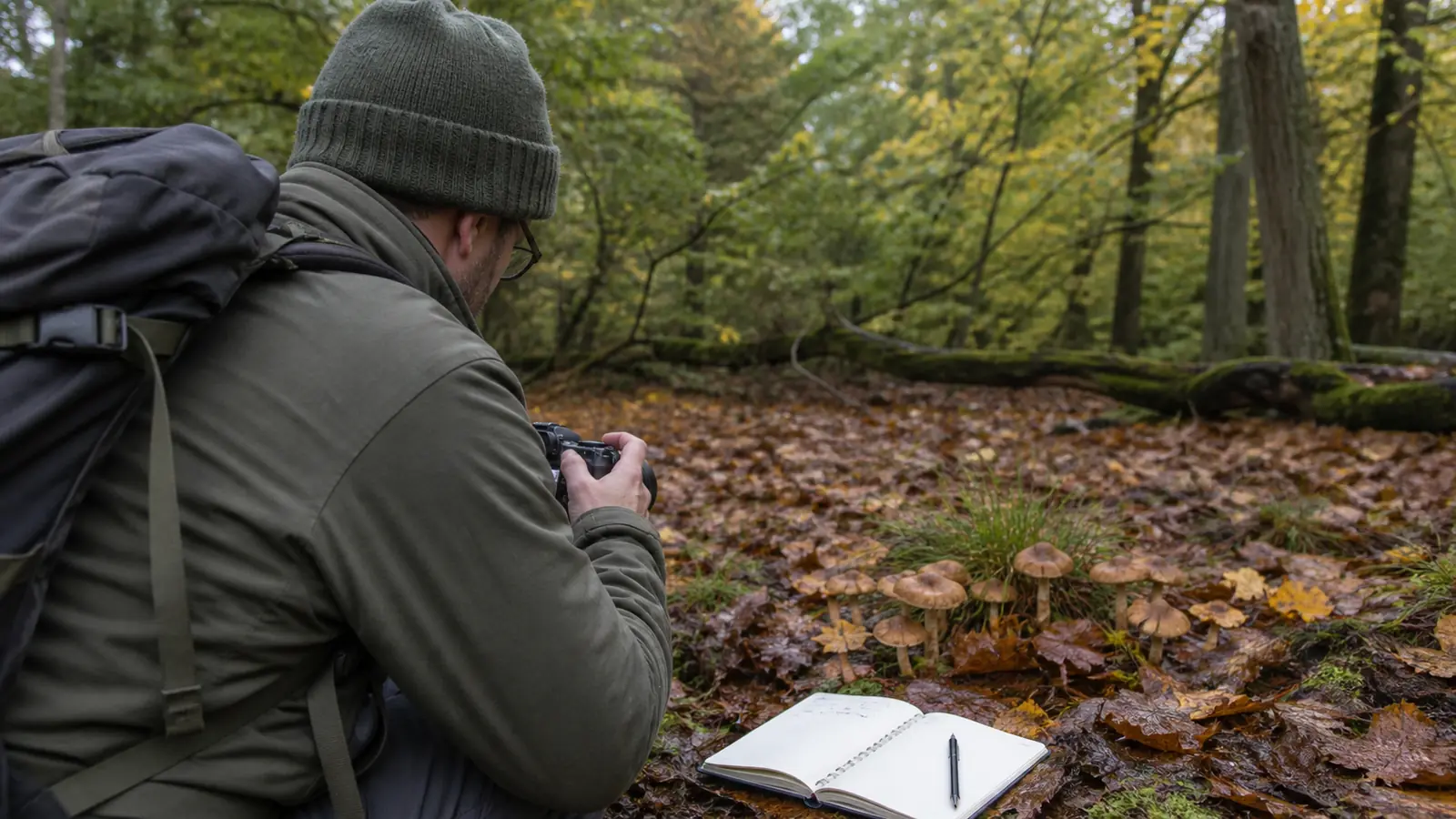
- Photograph the whole growth pattern before moving a specimen.
Chanterelle candidates arise from the ground in association with trees and show blunt ridges rather than thin, sharp true gills. That combination supports further assessment, but a habitat match and orange color cannot confirm edibility.

A town rainfall total can overstate conditions under exposed canopy. Strong wind may dry a ridge while a hollow, streamside bench, or north-facing edge stays damp below the top layer.
Use a ground check to decide whether to continue.
- Cool moist duff supports a careful loop.
- Wet but flooded soil calls for a better-drained edge.
- Dry lower litter means the storm did not create a useful window there.
- Damaged or collapsing specimens should remain observations rather than food candidates.
The same route can include fungi on living and dead wood. Keep wood-associated candidates separate from terrestrial ones because buried roots and wood chips can conceal their actual attachment.
ForagingMushroom foraging laws in France: what the five liter rule meansWhat grows in old grassland?
Old grassland is not an open version of woodland. Short turf, low nutrient input, stable management, moss, and a long history without ploughing can support distinctive fungal communities, including waxcaps and clubs.
These conditions describe habitat value rather than the edibility of any waxcap.

Important grassland should begin as an observation site.
Rare fungi and protected habitats gain little from a basket, while a photograph and location record can support conservation knowledge.
Walk the edge before crossing the center. Use existing paths where possible, avoid kneeling on unseen fruit bodies, and do not rake moss or turf to expose more specimens.
- Photograph the cap, underside, stem, and surrounding turf.
- Note whether the grass appears grazed, mown, fertilised, reseeded, or disturbed.
- Record groups without collecting every color form.
- Leave any protected or uncertain species untouched.
Waxcap color changes with age, moisture, and handling, so a red, yellow, or orange cap is not a safe name. Grassland observation rewards careful comparison without creating a reason to taste or cook the find.
Let a sensitive site change the goal
Species-rich grassland and ancient woodland can make a valuable trip without producing anything to take home. The field job becomes recording habitat condition, fruiting groups, and threats while leaving the fungal community intact.
Use a wide photograph before approaching a small fruit body.
The image should show turf height, moss, slope, nearby trees or hedges, and the spacing of the group. A close macro can follow from stable ground without clearing vegetation around the specimen.
Conservation evidence needs location and restraint more than a collected example.
If a site may be an SSSI, reserve, or restricted forest, check the designation and managing body before the visit. Named prohibitions apply even when fungi are abundant and another nearby wood permits sensitive personal collection.
Report trampling, dumping, unauthorized commercial picking, or habitat damage through the land manager's current channel. Do not publish precise locations for rare species when doing so could increase collecting pressure.
ForagingMushroom foraging laws in Germany: protected species and small quantitiesWhen is mushroom season in the UK?
Autumn combines cooling temperatures and reliable moisture across much of the UK, but it is a peak rather than a hard boundary.
Spring warmth can support morels in suitable local habitats, while mild winter periods can produce oyster mushrooms, velvet shank, and other wood-associated fungi.
Note
When soil fruiting slows, change the substrate question. Inspect sound dead wood after mild wet weather instead of declaring that every mushroom season has ended.
Winter searching needs a condition check because repeated frost and thaw can make fruit bodies translucent, soft, split, or waterlogged. A recognizable shape is not enough when the underside, texture, attachment, or full base has deteriorated.
- Scan standing deadwood, stumps, and fallen hardwood after mild spells.
- Record the tree species or at least hardwood versus conifer when possible.
- Check the shaded underside of logs without rolling large timber.
- Leave frozen, moldy, insect-filled, or collapsing mushrooms out of food containers.
Substrate can extend the season without creating certainty.
Oyster-like clusters share broad shapes with other wood fungi, and velvet shank can occupy the same cool period as dangerous Galerina species.
Spring morels create another distinct route. A pitted cap and hollow interior provide useful characters, but false morels and incomplete specimens keep expert confirmation essential.
Seasonal notes become valuable after several visits. Record the tree, substrate, recent rain, frost, and result at each stop so next year's plan follows the site rather than a generic October recommendation.
Is foraging legal in the UK?
The UK has several legal systems and many kinds of land management, so no sentence about public access can settle every collection. A right or permission to walk can coexist with restrictions on removing plants, fungi, or other natural material.
Forestry England says commercial fungi picking is not permitted on its land.
Sensitive personal collection may be tolerated where it has not been prohibited, but named forests, Sites of Special Scientific Interest, reserves, bylaws, and local notices can impose stricter rules.
Warning
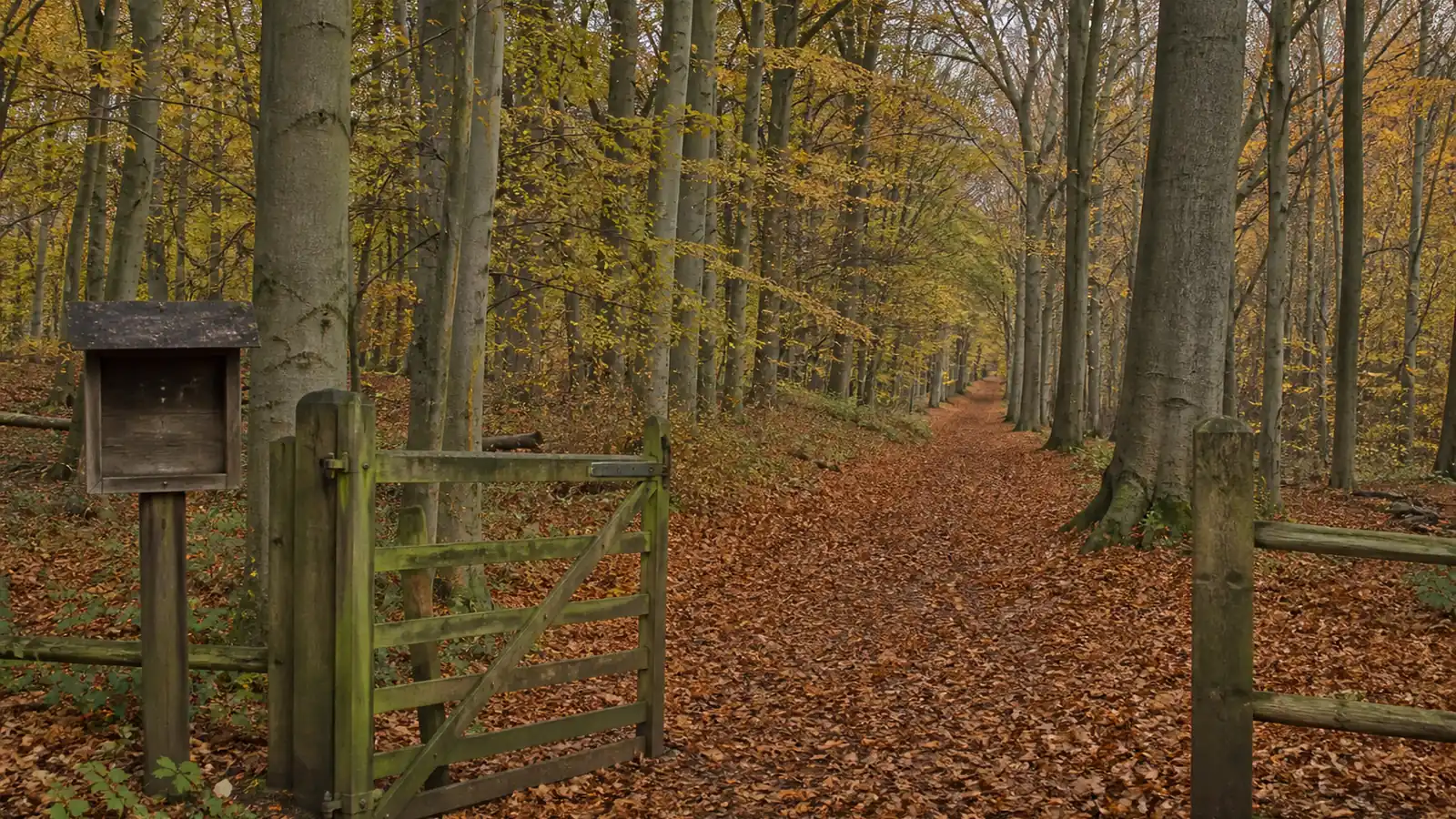
Do not treat a footpath, open gate, public ownership, or open-access symbol as collection permission. Read the rule for the named property and protected designation.
The two signs below show why entry and removal need separate checks.
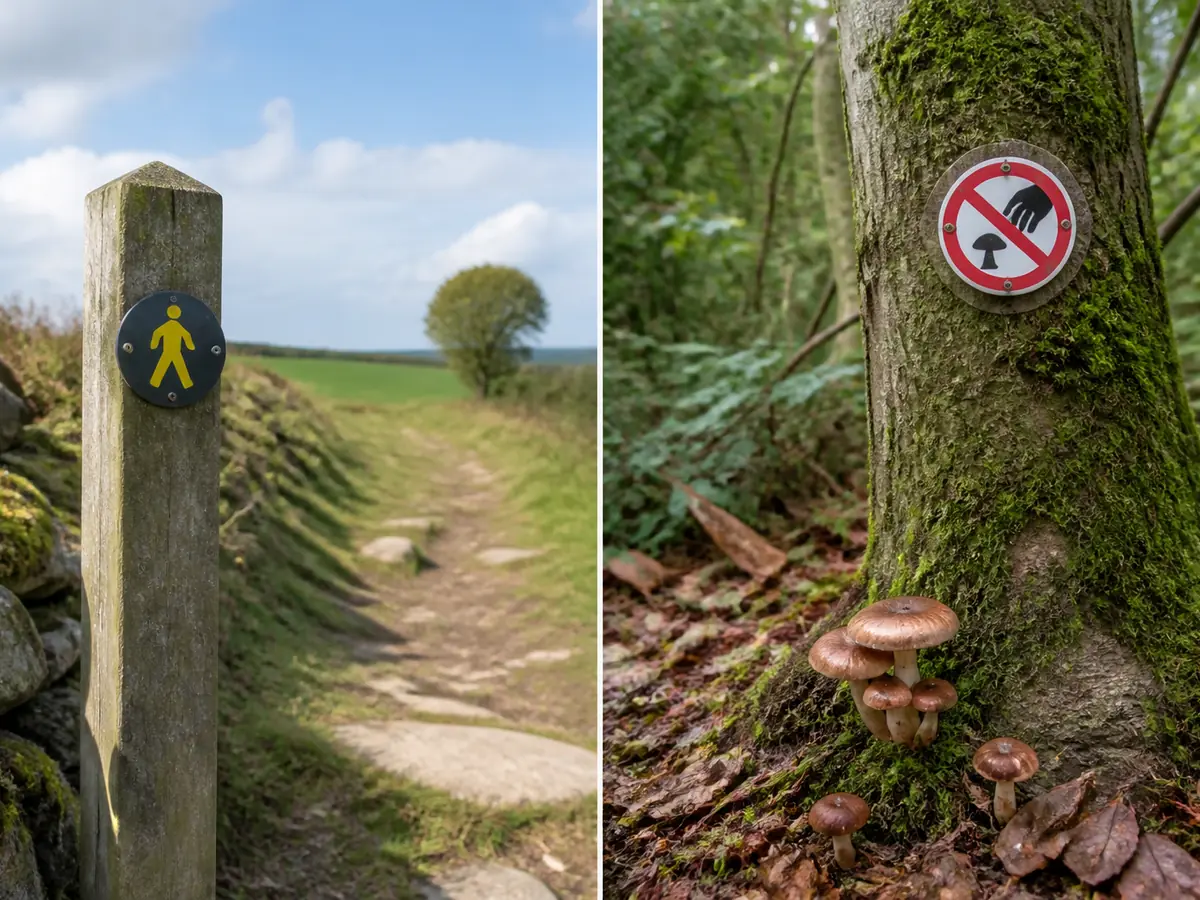
Read the access notice and the collection rule as two separate documents when both apply. Together, they determine whether observation or collection is the lawful outcome.
| PLACE QUESTION | SOURCE TO CHECK | SAFE OUTCOME |
|---|---|---|
| England or Wales woodland | Land manager, Countryside Code, bylaws, signs, and SSSI status | Collect only when the named manager allows it |
| Scottish route | Scottish Outdoor Access Code, owner guidance, protection, and commercial purpose | Keep customary personal use small and responsible where lawful |
| Protected site | Designation notice and managing body | Observe only unless explicit authority says otherwise |
| Private estate | Current owner or authorised manager | Obtain permission before taking anything |
Scottish responsible-access principles can include customary small-scale picking for personal consumption, while commercial taking and protected species fall outside that simple custom. England, Wales, and Northern Ireland have their own land, access, theft, wildlife, and local management contexts.
Check the rule in the nation you are visiting
An itinerary that crosses a national boundary needs a new legal check even when the woodland looks continuous. Start again with the owner, manager, protected status, local notice, collection purpose, and quantity.
In England, a Forestry England page cannot settle the rule for a council park, National Trust property, private estate, or another public body.
In Scotland, responsible access does not turn commercial removal into a customary activity. Wales and Northern Ireland also require their own current land and conservation sources rather than a summary written for England.
Nation-specific guidance sets the starting point, while the named property supplies the final field answer.
Organized walks can need permission even when an individual observational visit does not. Ask early when a group will teach collection, advertise an event, charge participants, or concentrate footfall at a sensitive site.
Keep observation as the fallback because photographs, notes, and a route record preserve the learning value when the ownership chain, local bylaw, or protected-site rule remains unclear.
The exact property notice controls the field decision.
Save the official page and date, then inspect signs on arrival because seasonal conservation work or local damage can change access. Treat a newer signed restriction as controlling.
- Name the property and manager.
- Check protected status and species restrictions.
- Read limits on quantity, tools, events, and commercial use.
- Ask when the published rule is silent.
- Observe without taking when authority remains unclear.
How should you collect for identification?
Collecting a mushroom can destroy evidence if the cap is snapped off and dropped into a mixed bag. A qualified reviewer needs the full specimen, underside, base, attachment, growth pattern, nearby habitat, and condition.
Photograph first. Include a wider habitat frame, a complete in-place view, the underside, the full base, and any color or texture change after handling.
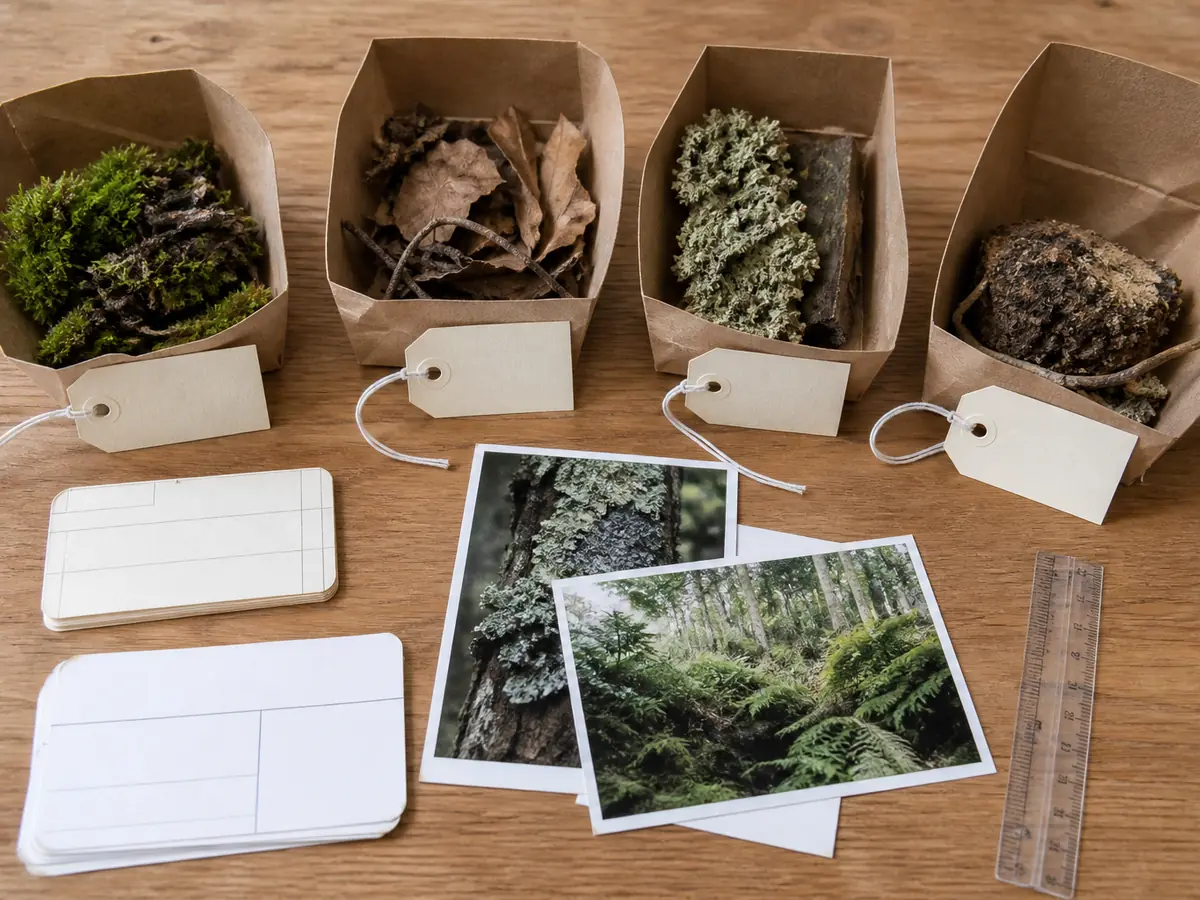
One field number should follow one specimen group because paper containers prevent unknown mushrooms from becoming an untraceable mixture of caps, stems, and broken gills.
- Keep species and locations in separate paper bags or rigid boxes.
- Write the tree, substrate, grid reference, date, and recent weather on each card.
- Retain mature, sound examples rather than only buttons or decayed fruit bodies.
- Keep every unknown collection away from food.
An image-recognition app may generate possibilities, but it cannot replace foraging safety rules or take responsibility for a food decision. Use it as a search aid at most, then obtain assessment through a credible local mycology group or other qualified expert.
The Food Standards Agency also advises avoiding polluted gathering places. Road verges, industrial ground, treated land, dumps, and places exposed to animal waste can make an otherwise correctly named mushroom unsuitable for food.
Review condition again after transport because identification and food quality are separate gates. A sound specimen can become crushed or warm in a crowded container, and that change can make it unsuitable even after its name was confirmed.
Refrigerate only material that has passed every earlier gate, and keep it isolated from ordinary food while the final decision remains pending.
When is it safe to eat what you found?
The final decision occurs after lawful collection and qualified identification, not when an attractive mushroom is first seen. Death caps and other poisonous species can resemble edible mushrooms at a casual glance, particularly when young or missing the base.
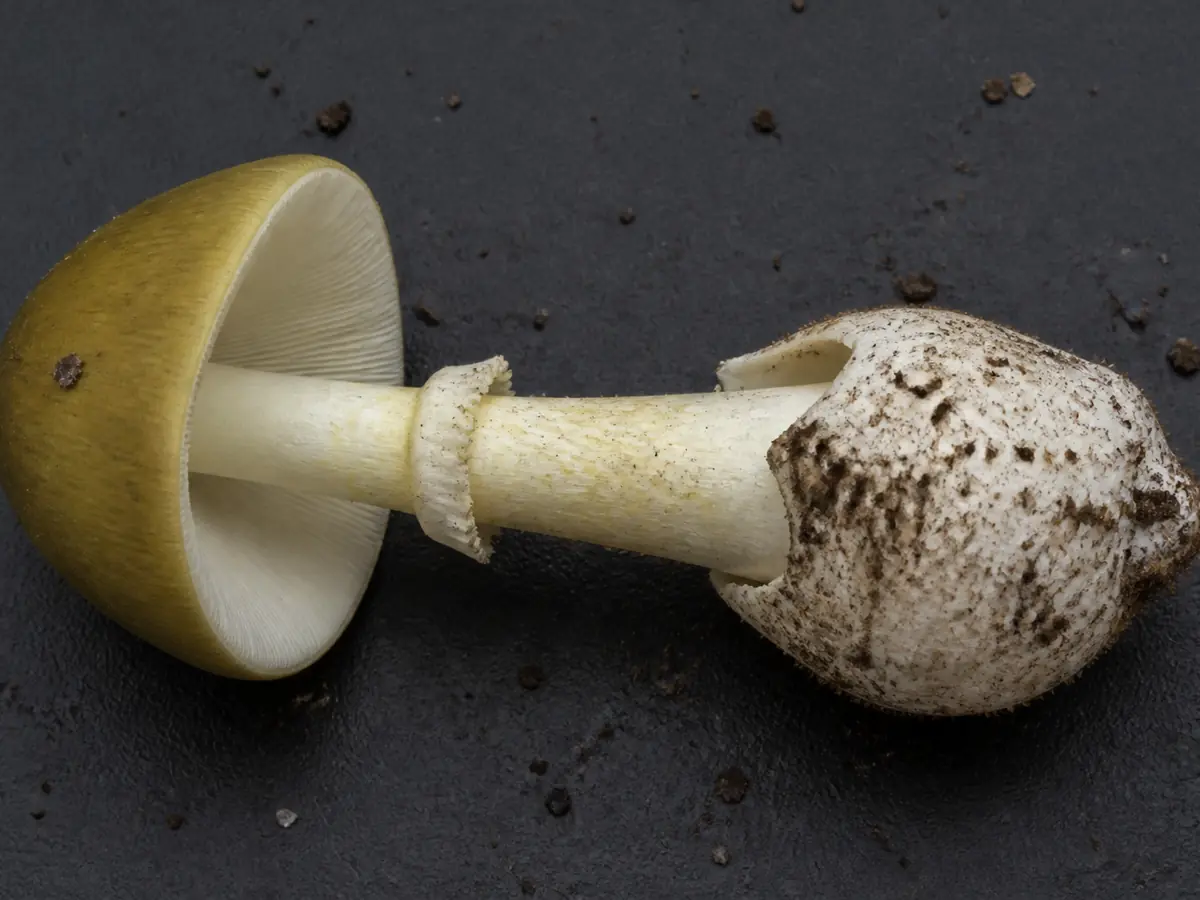
Carry that complete evidence through the final sequence rather than relying on one visible feature.
Taste is never an identification test for a wild mushroom.
Cooking cannot correct a mistaken name or make every toxin harmless.
Keep the meal connected to the field record. Note which confirmed species was cooked, how it was stored, who ate it, and when the meal began.
Do not combine several newly foraged species in one first meal because a reaction becomes harder to trace. A modest portion of one confirmed species preserves a clearer record without claiming that individual tolerance proves general safety.
If the mushrooms changed odor, texture, or condition after assessment, discard them rather than relying on the earlier name.
- Observe
- The habitat is important or collection authority is unclear
- Collect
- The property allows it and a small sound specimen is needed for lawful assessment
- Consult
- The complete specimen and field record are ready for a qualified local reviewer
- Leave
- The specimen is young, old, mixed, damaged, polluted, or uncertain
- Call
- Symptoms follow any suspected wild-mushroom meal
If mushroom poisoning symptoms occur after eating wild mushrooms, seek urgent medical and poison advice and say that wild fungi were eaten. Preserve uncooked material, leftovers, photographs, packaging, meal times, symptom times, and a list of everyone who ate the dish.
Sources & References
- Food Standards Agency, Guidance for Safe Foraging Food safety and responsible collection.
- Forestry England, Your Forest Fungi Code Personal, commercial, and protected-site guidance.
- GOV.UK, Countryside Code for Visitors England and Wales visitor responsibilities.
- Scottish Outdoor Access Code Responsible personal picking in Scotland.
- New Forest National Park Authority, Fungi Leaflet Sensitive fungal habitat and local restrictions.