
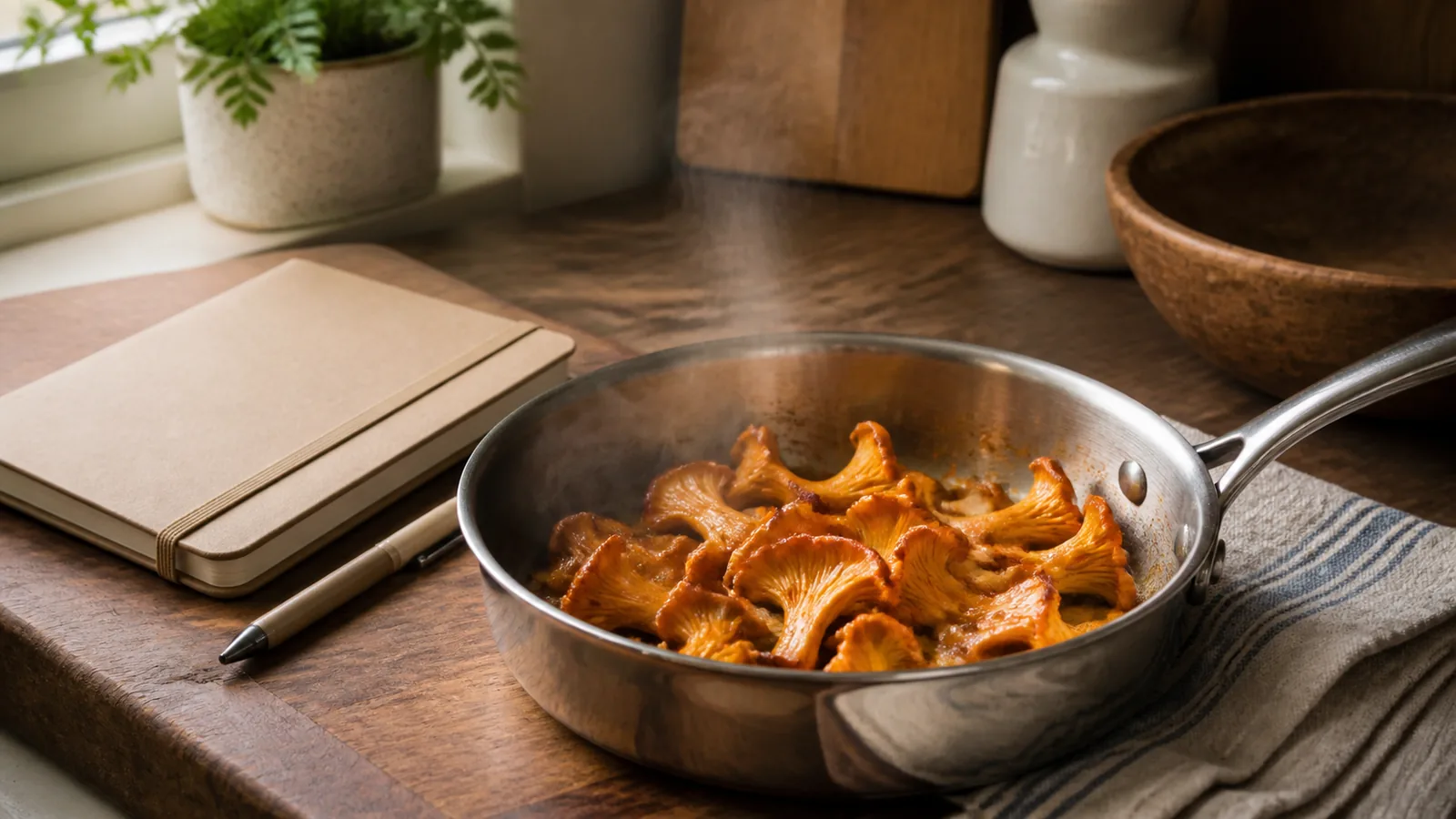
A cooked chanterelle dish can be a reasonable pregnancy food, but the answer depends on the mushrooms in front of you. They should come from a verifiable source, be correctly identified, remain firm and fresh, and be cleaned and cooked thoroughly.
No study we found tested chanterelles as a pregnancy food. The practical answer therefore comes from pregnancy food-safety guidance and wild-mushroom evidence rather than a clinical guarantee.
Can you eat chanterelles during pregnancy?
Yes, with conditions, because a modest portion of verified, fresh, fully cooked chanterelles is an ordinary food decision, while an uncertain wild mushroom is a poisoning decision.
Pregnancy makes that distinction more important because some foodborne infections cause more serious consequences. CDC reports that pregnant people are 10 times more likely to develop a Listeria infection, so careful handling is worth more than a casual claim that a species is edible.
These categories answer different problems because cooking helps with handling and digestibility, but it does not turn the wrong species into a chanterelle.
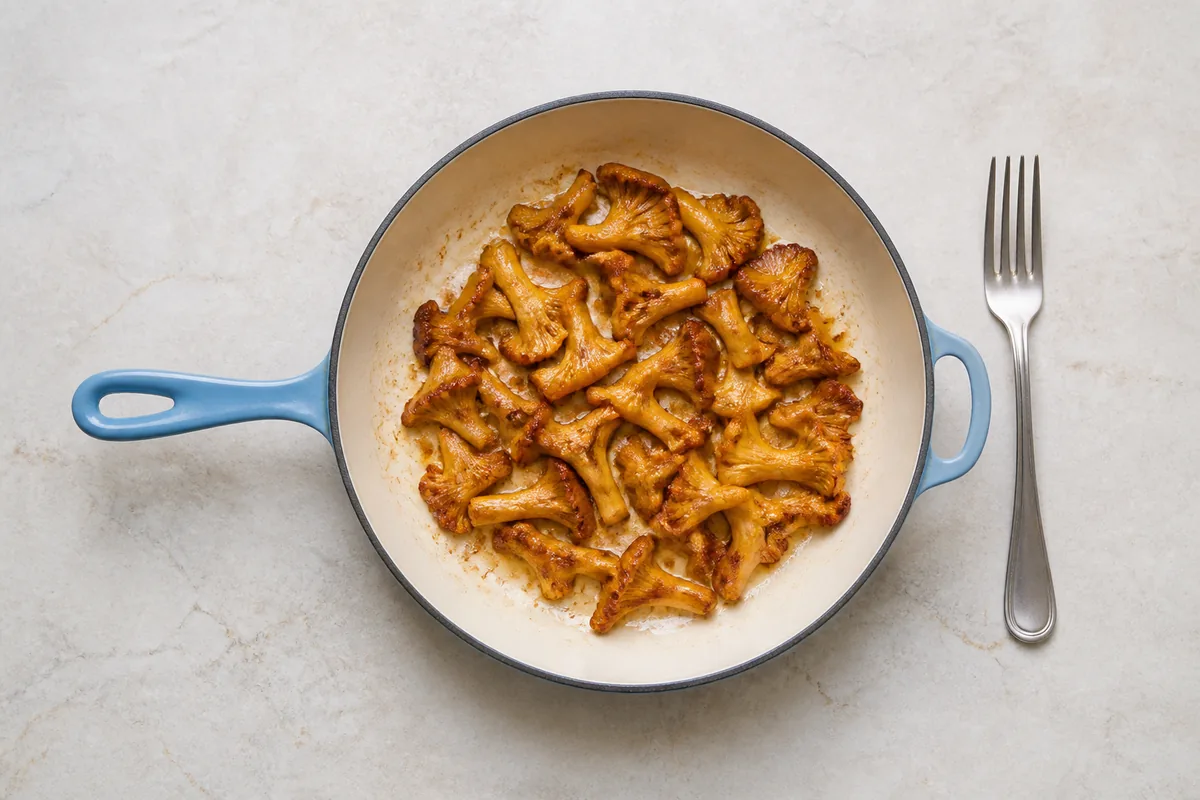
Use five checks before eating the dish.
- Verify who identified every mushroom and how the seller documented the wild source.
- Reject specimens that are soft, slimy, darkening rapidly, badly damaged, or mixed with another species.
- Rinse away soil, trim damaged tissue, and keep the mushrooms away from ready-to-eat food while they are raw.
- Cook the entire portion until it is steaming hot and tender, with no raw garnish added afterward.
- Skip the meal if this is your first chanterelle exposure and you do not want to test personal tolerance during pregnancy.
The final choice should also reflect allergies, digestive disease, medicines, and advice from the clinician who knows your pregnancy. A food can be generally edible and still be a poor choice for one person on one day.
SafetyAre Golden Oyster Mushrooms Safe During Pregnancy?Source separates a reasonable meal from an avoidable risk
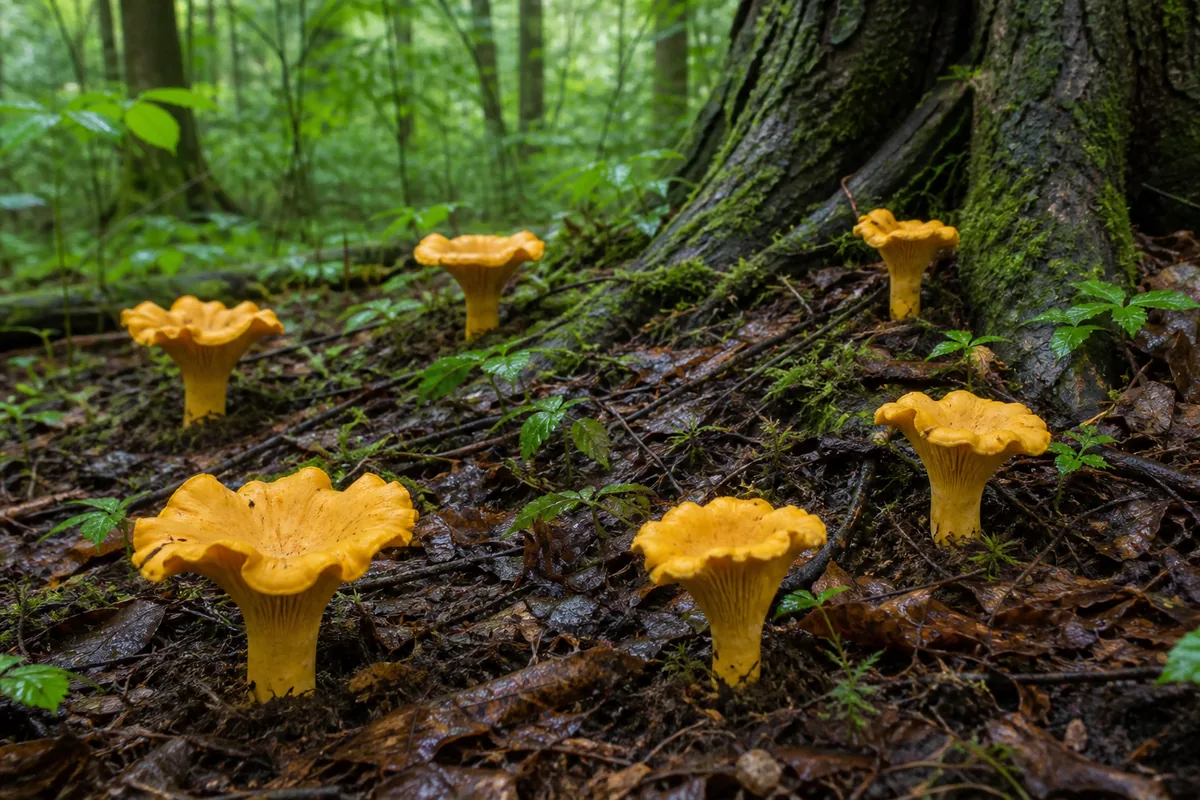
Most chanterelles arrive through a wild supply chain. They form partnerships with living plant roots, and University of Florida IFAS notes that chanterelles have not been successfully cultivated as a commercial crop in the usual sense.
That origin does not make them unsafe by itself, but it means the seller's identification process matters more than a supermarket shelf, restaurant menu, or premium price.
Indiana's retail policy requires wild-picked mushrooms to come from sources where each one was inspected and found safe by a mushroom identification expert, unless a regulated packaged or cultivated exception applies. Rules vary by place, but the control is useful anywhere because one mixed basket can contain more than one species.
Warning
Do not use a phone photograph, an app, or the confidence of an unqualified collector as the final identification for a pregnancy meal. Cooking cannot make a poisonous lookalike safe.
A retailer or restaurant serving wild chanterelles should be able to answer plain questions about the supplier. If staff cannot say who inspected the mushrooms, or if a friend brought an unlabeled bag from the woods, the safest decision is to decline.
Ask these questions before you buy or accept them.
- Were these mushrooms wild harvested, and where were they collected?
- Did a qualified regional identifier inspect every specimen rather than one sample from the batch?
- Were other orange mushrooms collected, transported, or stored in the same container?
- Can the seller provide a label, invoice, or supplier name if a problem occurs?
A trustworthy answer does not make a deteriorated mushroom fresh or predict your personal reaction, but it settles the first and most important question, whether the food is actually the species named on the menu.
SafetyAre Hedgehog Mushrooms Safe During Pregnancy?Clean the mushroom, then cook it through
Begin with cool running water and gentle handling. FDA guidance for produce says to rinse under running water, avoid soap, detergent, and bleach, and cut away bruised or damaged areas where bacteria can thrive.
Chanterelles trap grit in folds and crevices, so inspect them one at a time while using a soft brush for dry soil and running water for dirt that remains before slicing.
| Step | What to do | Why it matters |
|---|---|---|
| Sort | Separate firm intact mushrooms from damaged pieces | One spoiled specimen should not disappear into the pan |
| Rinse | Use running water, then pat dry with a clean towel | Soap and bleach are not food cleaners |
| Trim | Remove soil-packed stem ends and bruised or soft tissue | Damaged areas support ordinary microbial growth |
| Slice | Halve thick mushrooms lengthwise | Similar thickness helps the center cook with the edges |
| Cook | Heat until the whole portion is steaming and tender | Raw texture and a cool center show the process is unfinished |
| Chill | Refrigerate leftovers promptly in a shallow covered container | Cooked food still needs time and temperature control |
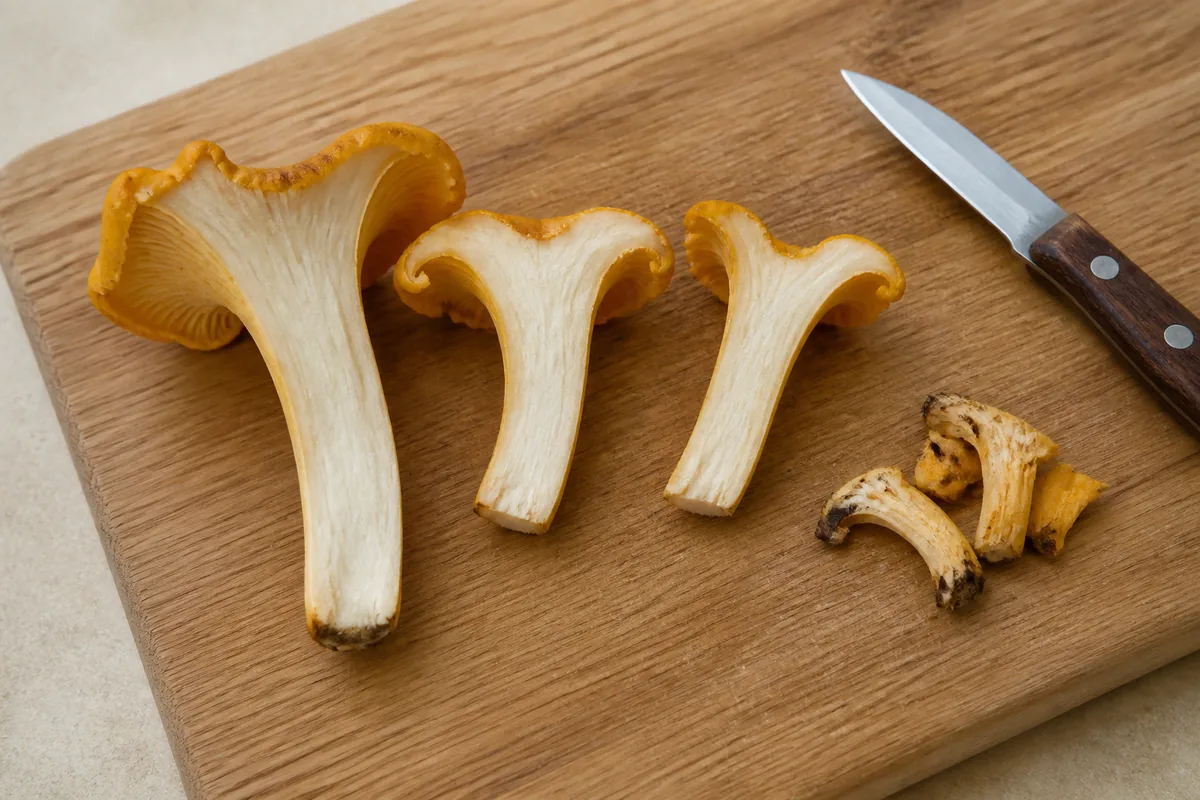
This cut check reveals whether each thick stem is firm and pale before any piece reaches the pan.
Cook in a single layer when possible, because an overcrowded pan cools as the mushrooms release water. Let that moisture evaporate, then continue until the pieces are tender and the edges begin to brown.
This separate digestibility question makes raw chanterelles the wrong pregnancy choice. A raw garnish added after cooking also bypasses the preparation you just completed.
Do not taste a wild mushroom to test whether it is a chanterelle because flavor is not an identification method and a tiny cooked sample cannot neutralize a species error.
False gills, wood, and the orange lookalike problem
Orange color proves almost nothing. The useful chanterelle marks work as a combination, and they should help you reject a doubtful specimen rather than persuade a novice to eat one.
Chanterelles usually carry blunt, forked false gills that merge into the cap tissue and run down the stem, unlike thin individual blades that can be separated from one another.
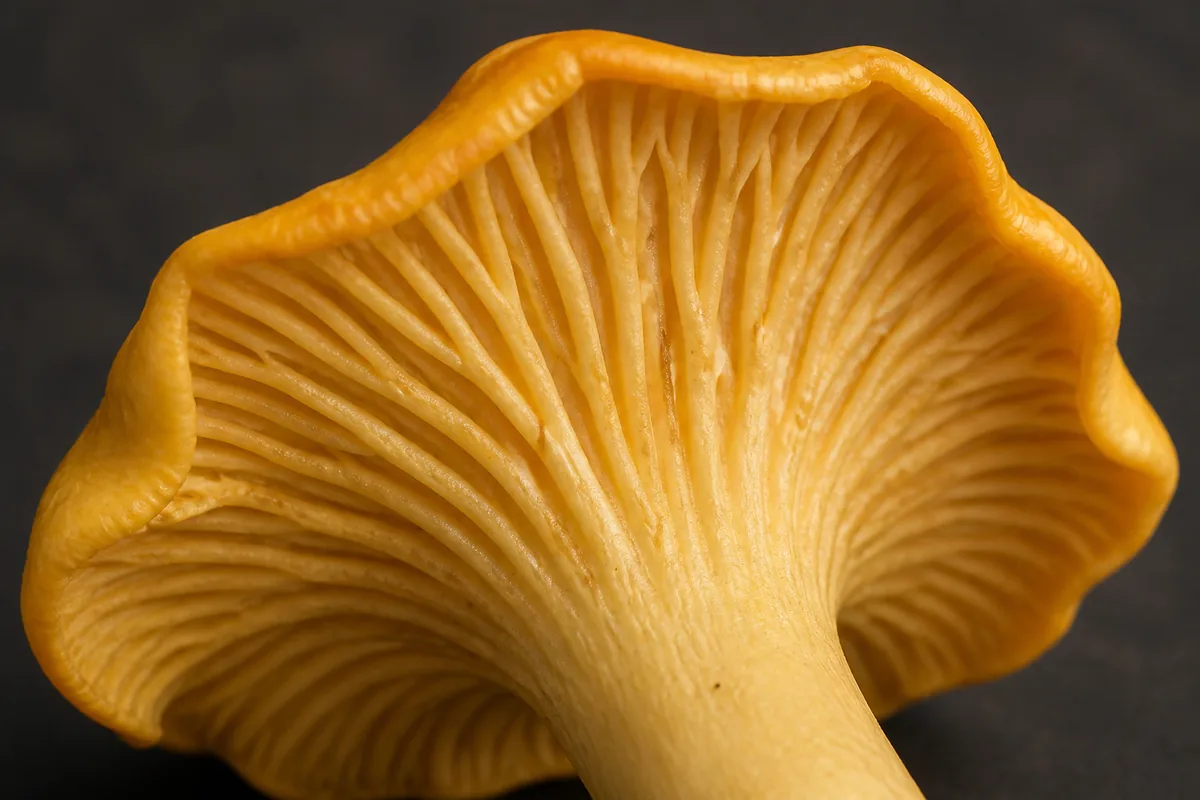
University of Florida IFAS also separates chanterelles by where they fruit. Chanterelles emerge from soil near living host plants, while jack o'lantern mushrooms and some Gymnopilus lookalikes decay wood and have true gills.
Buried roots and logs can make a wood-growing mushroom appear to come from bare ground, so substrate is not a one-step answer. Large orange clusters fused at the base add another reason to stop because that pattern is more consistent with a wood-decay lookalike than with typical chanterelles.
North America has many chanterelle species that are difficult to separate by appearance alone, another reason this checklist cannot replace regional expertise.
The detailed chanterelle and jack o'lantern comparison belongs to identification work done before cooking. Pregnancy adds no new field mark, but it lowers the value of taking a preventable chance.
SafetyAre Oyster Mushrooms Safe to Eat During Pregnancy?Freshness and portion set the tolerance question
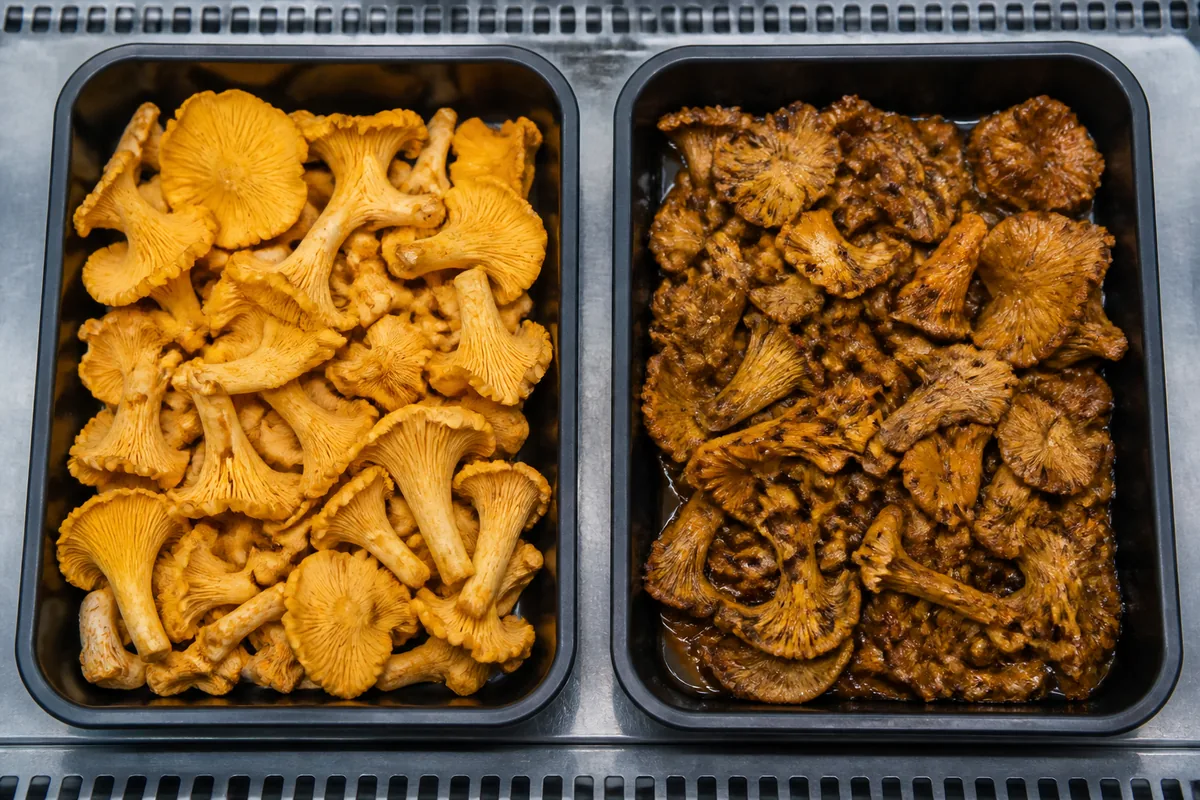
Correct identification does not rescue a spoiled batch. Choose mushrooms that feel firm, look dry rather than slimy, and smell fresh rather than sour or fermented.
Indiana health guidance advises consumers to eat only firm fresh wild mushrooms and to keep the amount moderate. That advice addresses two problems that a species name cannot solve, deterioration during handling and an individual reaction to an otherwise edible mushroom.
A correct species name is still not enough in four situations.
- The mushrooms are slimy, heavily waterlogged, moldy, sour smelling, or breaking down at the edges.
- You reacted to chanterelles before with hives, swelling, wheezing, repeated vomiting, or severe diarrhea.
- Several wild species were cooked together, so a reaction could not be assigned to one mushroom.
- The dish sat warm for an unknown period or the storage history is unclear.
Poison Control notes that even nonpoisonous mushrooms can cause unpleasant reactions in sensitive people. Pregnancy does not create that sensitivity, but vomiting and diarrhea can be harder to manage when hydration already matters.
If you have eaten chanterelles before without a problem, a modest cooked portion gives you less digestive load than a large plate. There is no evidence-based universal serving size for pregnancy, so appetite, prior tolerance, and clinical advice matter more than a made-up number.
A small side portion also keeps the chanterelle serving distinct from the rest of the meal if digestive symptoms appear.
If this would be your first chanterelle meal, waiting until after pregnancy is a reasonable choice because a familiar cooked vegetable can fill the same place on the plate.
After an uncertain meal, do not wait for symptoms
Call Poison Control in the United States at 1-800-222-1222, or your local poison service, if there is any chance the mushrooms were misidentified. Make the call even when you feel well because some poisonous-mushroom symptoms are delayed for hours.
Tell the specialist that you are pregnant, when the meal was eaten, how much you ate, where the mushrooms came from, and whether anyone else shared them. A poison specialist can coordinate with a mycologist and emergency staff while the evidence is still useful.
Do not induce vomiting or take a home remedy unless a clinician tells you to do so. Call emergency services for collapse, seizure, trouble breathing, severe confusion, or inability to wake the person.
Gather evidence without delaying the call.
- Keep uncooked specimens, cleaning scraps, and cooked leftovers in separate containers.
- Save the package, receipt, supplier name, restaurant details, and any photographs from before cooking.
- Record a separate meal time, portion, symptom onset, and symptom change for each diner.
- Photograph a remaining whole mushroom from above, below, and the side when that can be done safely.
- First action
- Call Poison Control or the local poison service immediately
- Pregnancy
- State it during the first call because it affects clinical assessment
- Evidence
- Preserve leftovers, specimens, labels, receipts, and photographs
- Timing
- Record the meal and first symptom for every person separately
Feeling well after an uncertain wild-mushroom meal does not close the case. The safe endpoint is advice from the poison specialist or clinician who assessed the actual exposure, not the absence of symptoms on your own clock.
Sources & References
- Safer Food Choices for Pregnant Women, CDC Pregnancy foodborne-risk context, the tenfold Listeria figure, and the clean, separate, cook, and chill framework.
- Fruits, Veggies and Juices, Food Safety for Moms-to-Be, FDA Running-water rinsing, the prohibition on soap, detergent, or bleach, and trimming damaged or bruised produce.
- The Common Chanterelles of Florida, University of Florida IFAS Extension Chanterelle morphology, false ridges, growth from soil near host plants, lookalike differences, wild ecology, edibility, and the warning about rotten or undercooked specimens.
- Food Protection: Wild Mushrooms, Indiana Department of Health Retail expert-inspection rules and consumer advice to choose firm fresh mushrooms, avoid raw wild mushrooms, and eat a moderate amount.
- Mushroom Poisoning: Don't Invite the Death Angel to Dinner, Poison Control Expert identification, cooking limits, individual reactions, delayed symptoms, and immediate Poison Control contact after wild-mushroom ingestion.